What a Conveyor Feed Laser Does in Day-to-Day Production
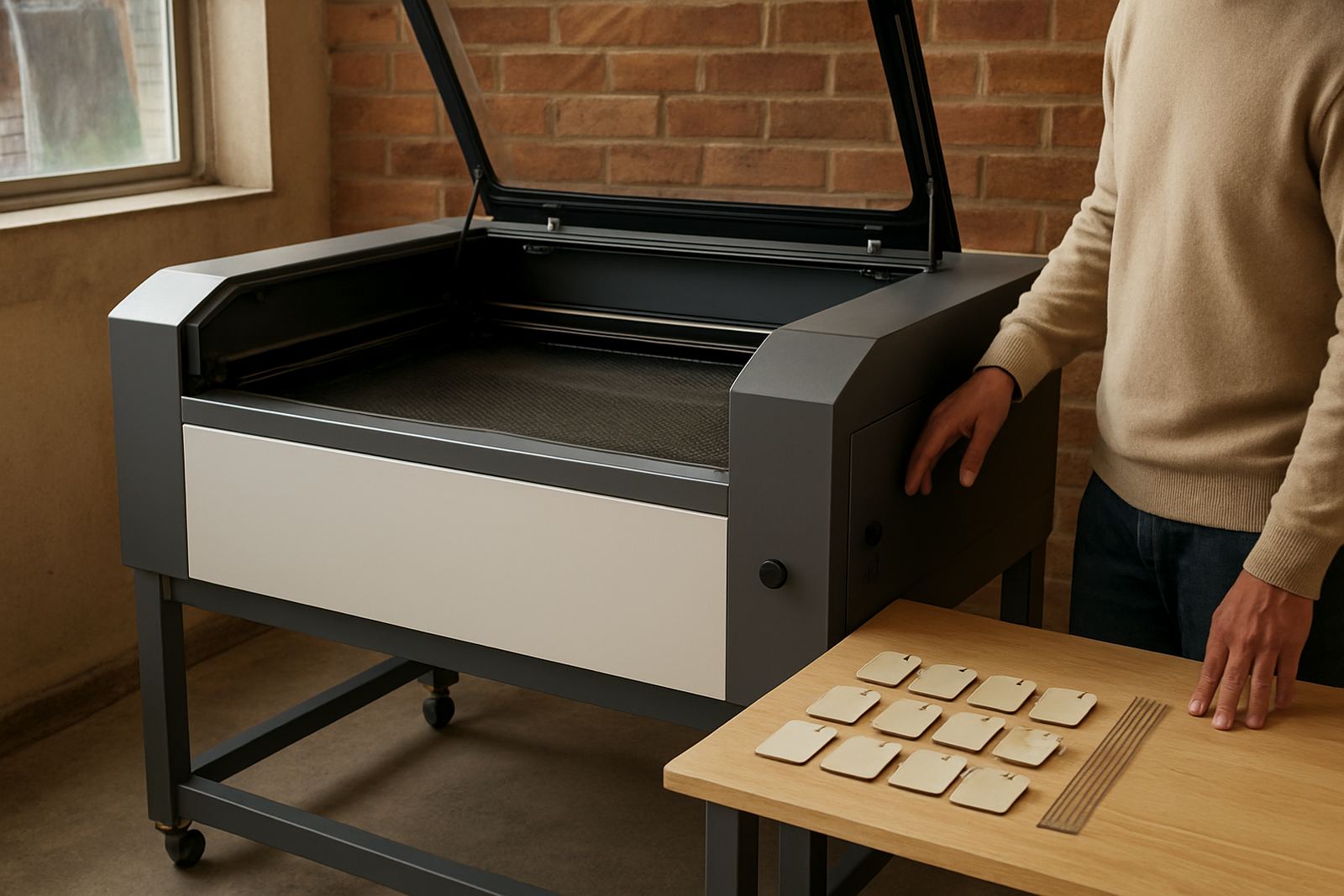
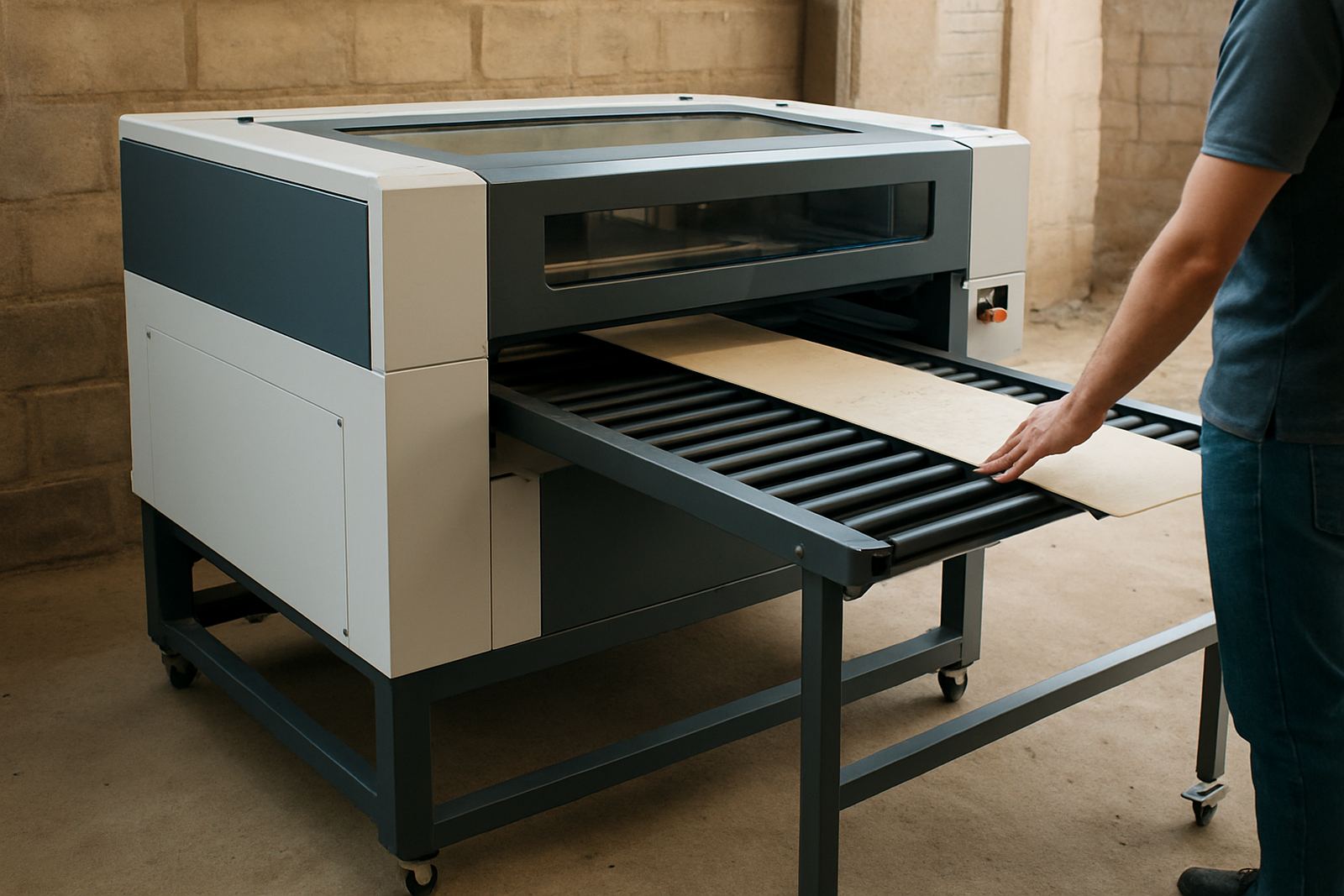
A conveyor feed laser uses a moving bed or belt system to carry material through the cutting area in measured steps. That makes it a practical choice for long patterns, repeated parts and continuous work on flexible or semi-rigid material. In a Wynberg workshop, that can mean fewer stops for repositioning and better consistency on runs that need the same shape cut again and again.
For CO2 laser work, the conveyor option is often used with acrylic sheet handling, wooden panel jobs, leather strips and repeat textile-compatible workflows. It is especially useful where the job is too long for a standard fixed bed, or where the material needs support as it travels through the machine.
It is not only about speed. It is also about control. When the feed rate is set correctly, the cut line stays accurate, the edges stay cleaner, and the operator spends less time lifting, aligning and rechecking every section.
Typical Sizes, Bed Options and Configuration Choices
Conveyor feed laser systems are normally specified by working width, bed length and the type of material feed required. The right setup depends on whether the machine will run narrow rolls, long boards or mixed production batches. For many South African users, the most important detail is how much real floor space is available once extraction, access and loading are allowed for.
Common configuration choices include open or enclosed feed paths, belt speed control, front and rear infeed support, and adjustable side guides. Some workshops need a wider bed for large format cutting, while others want a narrower machine that fits into a smaller industrial unit in Midrand or on the East Rand. The conveyor surface should match the material type so the feed stays steady and the underside is not marked.
- Working width options are commonly selected around 900 mm to 1600 mm
- Bed lengths can be matched to continuous or long-sheet work
- Speed control helps with delicate materials and repeat runs
- Support tables or rollers may be added for heavier input stock
Where This System Fits Best
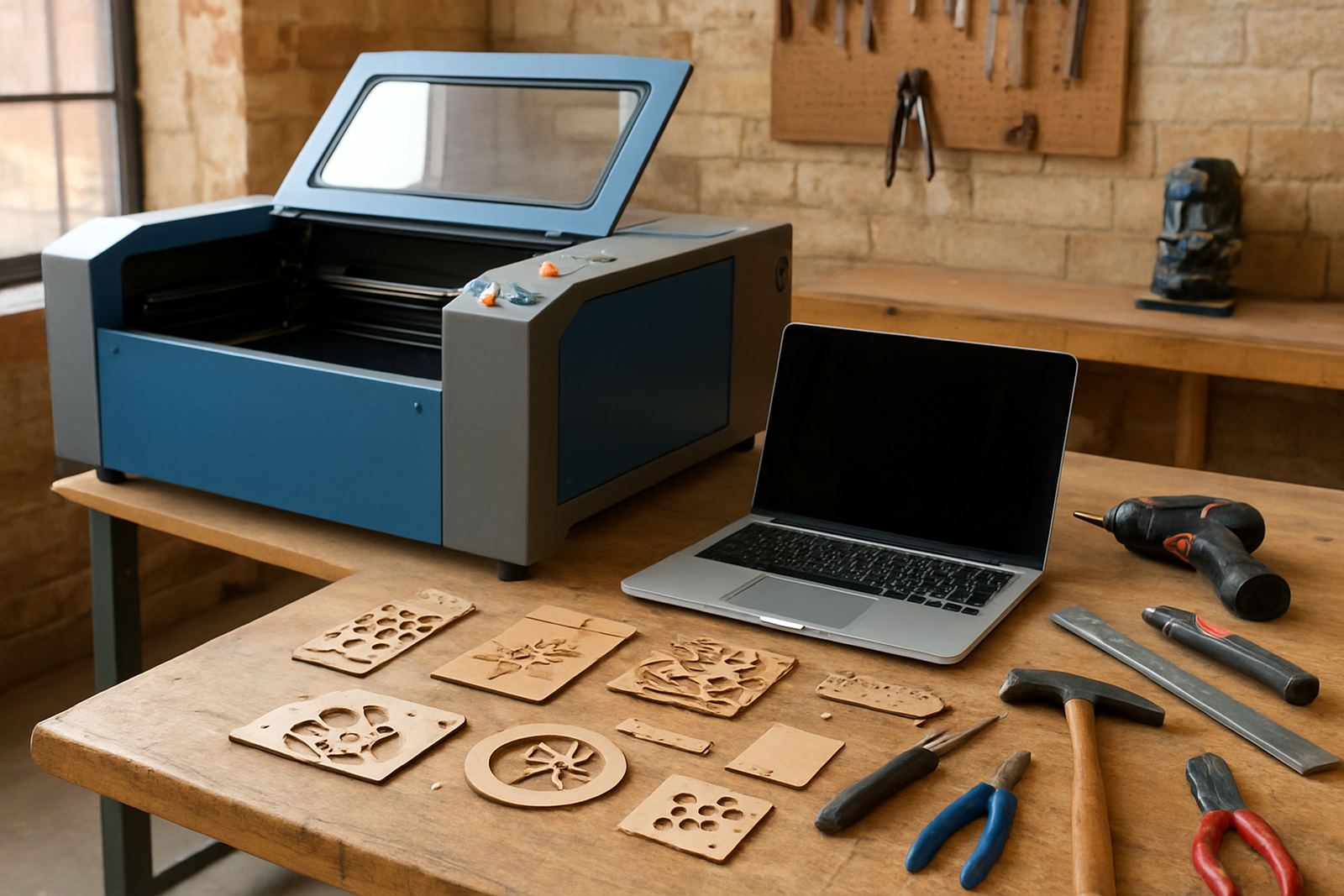
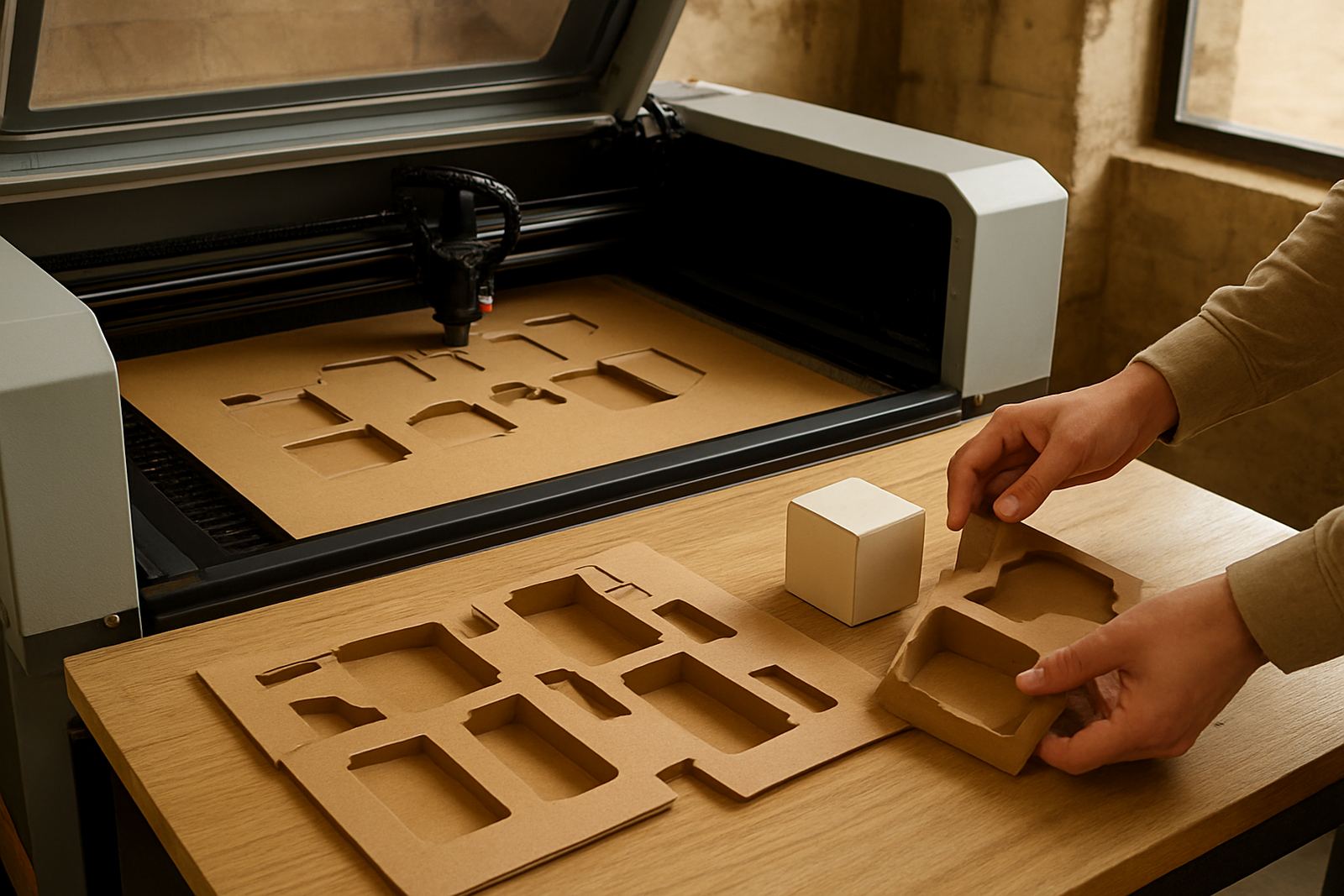
This product suits makers and production teams that handle repeated patterns, long decorative panels, signage parts, packaging inserts and continuous cut sections. It is a good fit for acrylic fabrication, leather goods, décor parts and light industrial textile-compatible work where material movement matters as much as beam accuracy.
In Gauteng, it is often used where workshops are running several shifts or where a single operator needs to handle a steady flow of jobs. It also helps in coastal areas like Durban or Cape Town where humidity can affect some materials, because the feed system reduces unnecessary manual handling. For businesses that depend on turnaround time, a conveyor setup can improve order flow without forcing the team to cut everything in one large manual pass.
- Custom production runs with repeat parts
- Roll-based or long-format material feeding
- Workshops needing reduced handling between cuts
- Sites where a standard fixed bed is too limiting
Installation, Power and Workshop Readiness
Before installation, the site should be checked for power stability, extraction placement, access for loading and enough clear space around the machine. In South Africa, load-shedding planning matters. A conveyor feed laser should ideally run from a protected supply with the right voltage and surge control, because unstable power can affect motion control, alignment and cutting consistency. If a backup power solution is being used, it must be sized to suit the laser source, controller, extraction and feed system together.
Good airflow is also important. CO2 laser work creates fumes and particulate, so extraction must be properly sized and ducted. For leather and similar materials, the extraction path should be checked often, because residue can build up faster than expected. If the job involves reflective acrylic or dusty board material, the machine area should be kept clean and dry, with enough room for maintenance access and belt inspection.
Installation support can include machine positioning, level checks, beam alignment, operator handover and practical training for the team that will use it every day. Where needed, we also assist with relocation and setup in Johannesburg, Pretoria, Sandton, Midrand and further afield.
Care, Servicing and Preventive Maintenance
A conveyor feed laser needs regular attention if it is going to hold accuracy over time. The feed belt, rollers, optics, cooling circuit and extraction system all affect cut quality. Small issues such as dust on mirrors, poor water circulation or a belt that is not tracking properly can lead to rough edges, scorch marks or uneven feed movement.
Preventive maintenance is worth planning into the production schedule rather than waiting for a breakdown. That usually includes optical cleaning, cooling checks, beam alignment, extraction service, motion checks and a close look at the conveyor surface. For busy sites, an annual service plan can help keep the machine in working order and reduce unplanned downtime. Tyron Naidoo and the technical team often see that a simple service caught early saves a bigger repair later on.
- Clean optics on a set schedule, not only when cut quality drops
- Check water temperature and circulation before long production runs
- Inspect the conveyor belt for tracking wear and debris
- Keep extraction filters and ducting clear of residue
Pre-Order Checks For A Conveyor Feed Laser
When ordering a conveyor feed laser, it helps to define exactly what you will cut, how long the jobs run and what output you expect in a normal week. The right machine is not only about bed size. It is also about power, material thickness, feed accuracy and whether the operator can load and unload safely without slowing the shift.
Ask for the machine specification against your actual work samples. If you cut acrylic, wood or leather, provide dimensions, thickness and the smallest detail size you need to hold. If you work with rolls or long panels, check the maximum feed width, the usable bed length and whether the conveyor can handle the weight of the material without slipping. It is also smart to confirm extraction needs, floor loading, electrical supply and whether the site has enough space for maintenance access.
Before finalising, make sure the quotation covers installation, operator training, spares supply and response support. That way the system is set up properly from day one and your team can run it with less guesswork.
Support From Wynberg to Nationwide Sites
LaserCutter CO2 is based in Wynberg, Johannesburg and works with customers across South Africa through demo cuts, installation support and operator training. The team also assists with maintenance, breakdown response, remote support and annual service planning, so the machine stays productive after the first installation.
For many buyers, the practical questions matter most: can it be installed on site, will it be supported after delivery, and can operators be trained properly. That is the level we focus on. Whether the machine is going into Sandton, Pretoria, the East Rand, the West Rand, Durban or Cape Town, the goal is the same: a conveyor feed setup that matches the job and keeps producing clean, repeatable cuts.
Key facts
| Product type | CO2 laser with conveyor feed option for continuous material movement |
|---|---|
| Typical materials | Acrylic, wood, leather and other laser-compatible sheet or roll materials |
| Working width | Commonly specified around 900 mm to 1600 mm depending on model |
| Feed system | Motorised conveyor with adjustable speed and alignment control |
| Power requirement | Single or three-phase supply depending on machine size and site setup |
| Support services | Installation, training, maintenance, breakdown response, spares and remote support |