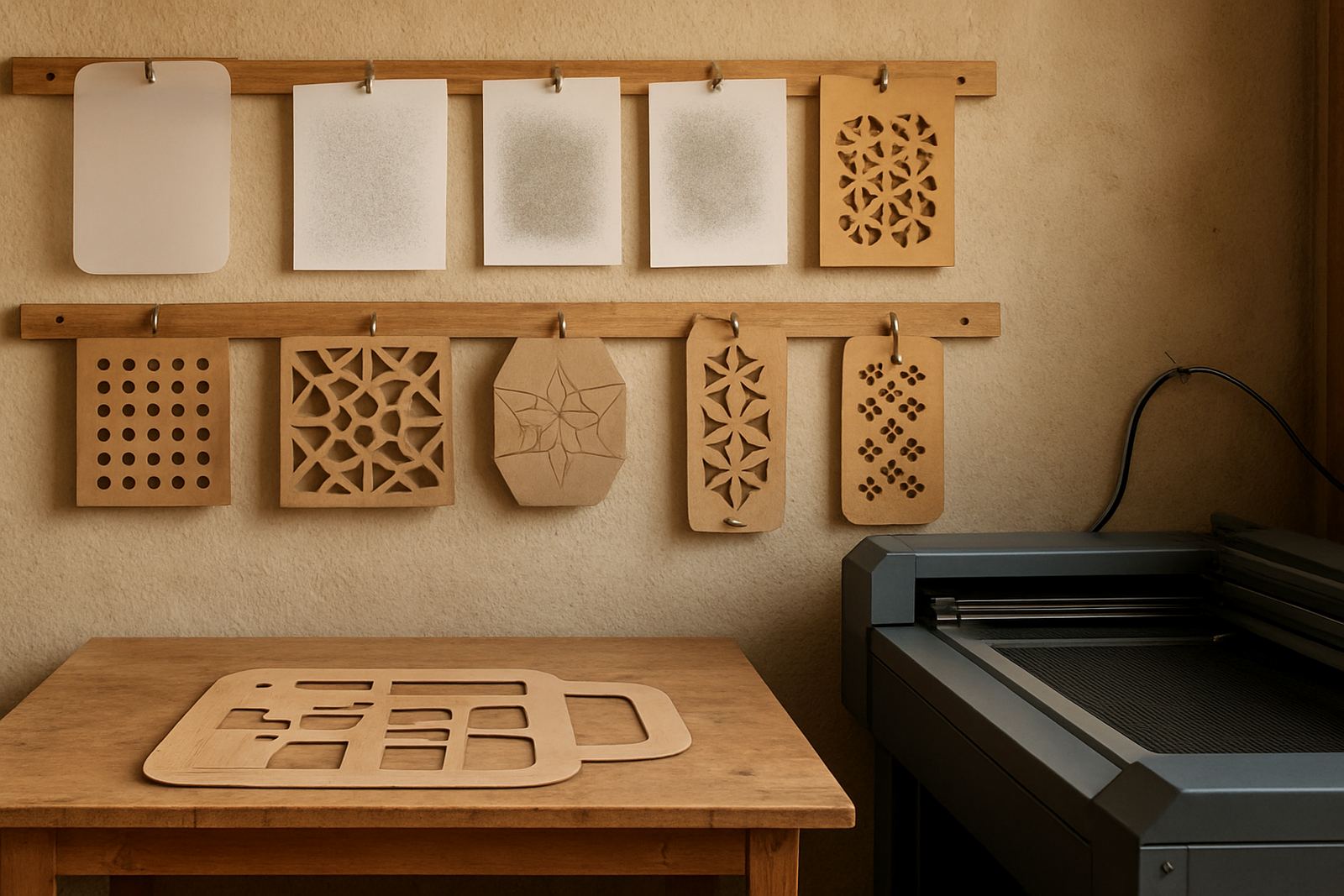
Choosing the right material for your job
The material you choose affects edge quality, cutting speed, smoke control and final finish. Acrylic gives sharp polished edges on the right thickness, wood is ideal for profiling and engraving, and leather works well for branding, pattern cutting and personalised goods. In Johannesburg, where workshop space and power stability can vary, it also helps to choose materials that cut cleanly without excessive rework.
If you are comparing jobs, start with the end use. A display piece for a retail counter needs crisp detail and a neat finish, while a production run for packaging may need consistent repeat cutting. The same machine can handle all three, but settings, extraction and operator care matter, especially on busy days when load-shedding can interrupt a run if your back-up plan is not sorted.
Acrylic, signage and display work
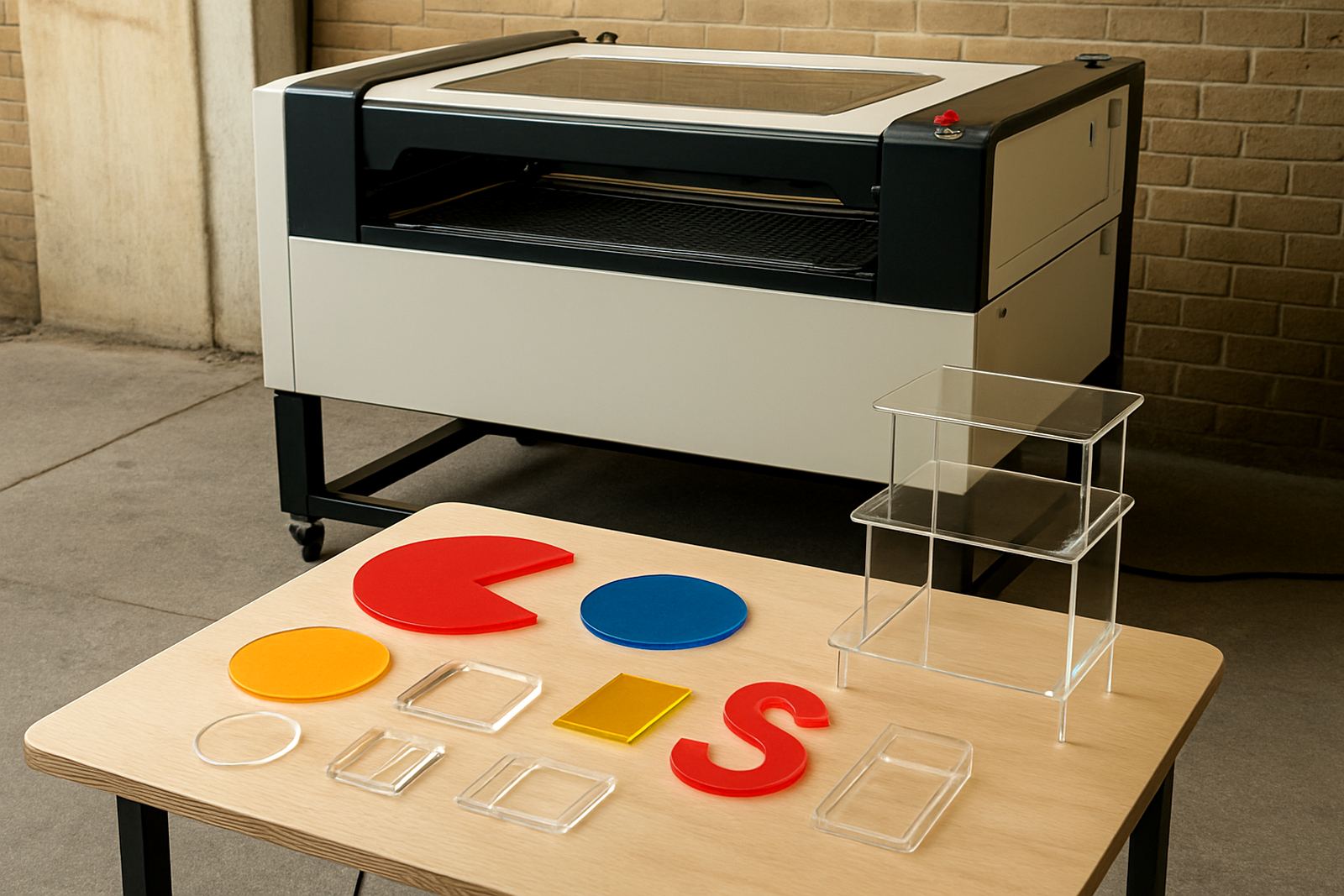
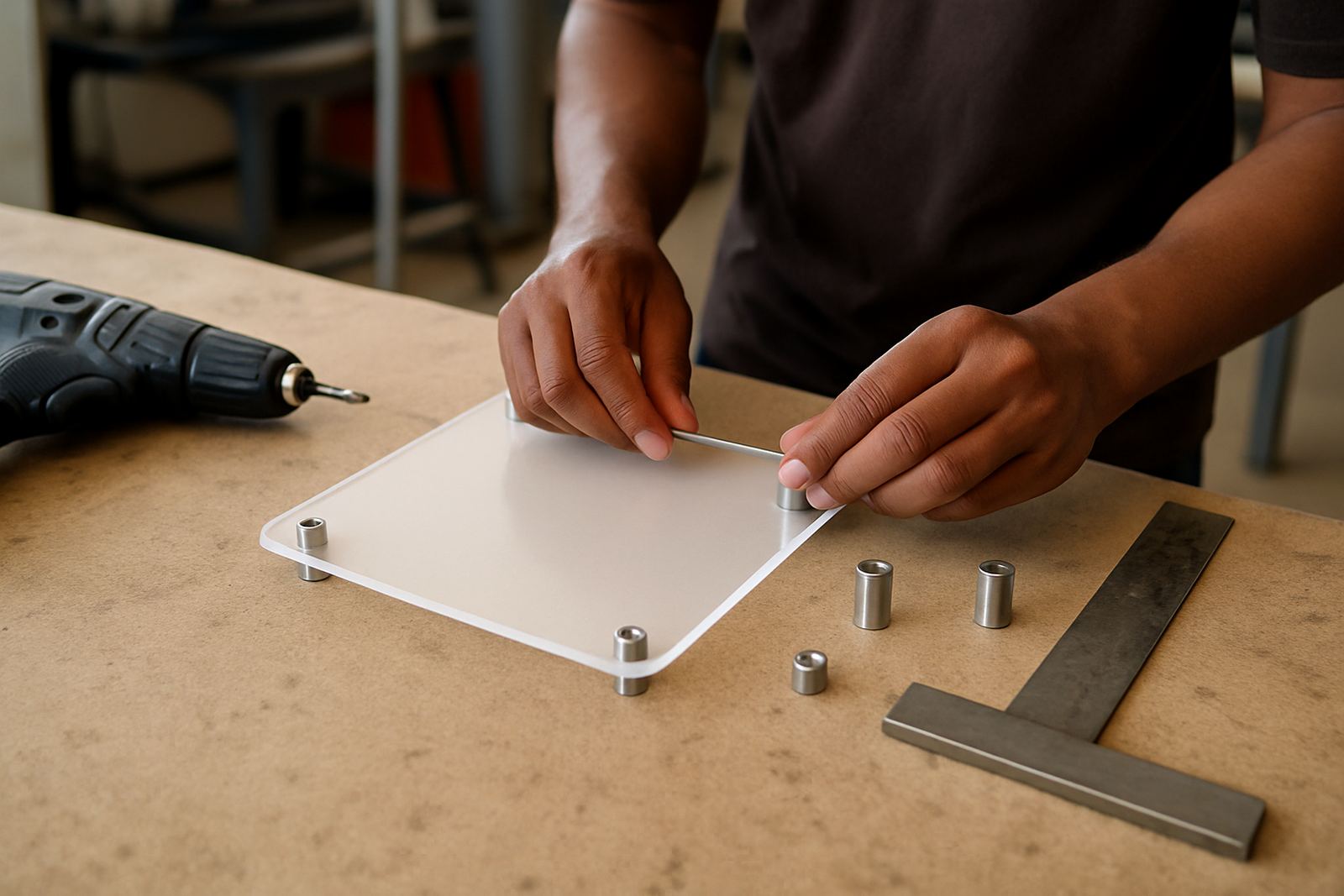
Acrylic is one of the most common CO2 laser materials because it cuts cleanly and can be used for signs, product stands, light boxes and display parts. For many signage jobs, the appeal is in the edge quality and the ability to produce repeat parts with tight sizing. Clear, coloured and frosted sheets each behave a bit differently, so thickness and finish should be checked before production starts.
- Retail signage and menu holders
- Point of sale displays and holders
- Light panels, nameplates and labels
- Short production runs with repeated part sizes
For indoor work in humid coastal areas like Durban, storage matters too. Keep sheets flat and dry, because warped material can affect fit and cause small errors that take time to correct.
Wood, plywood and craft production
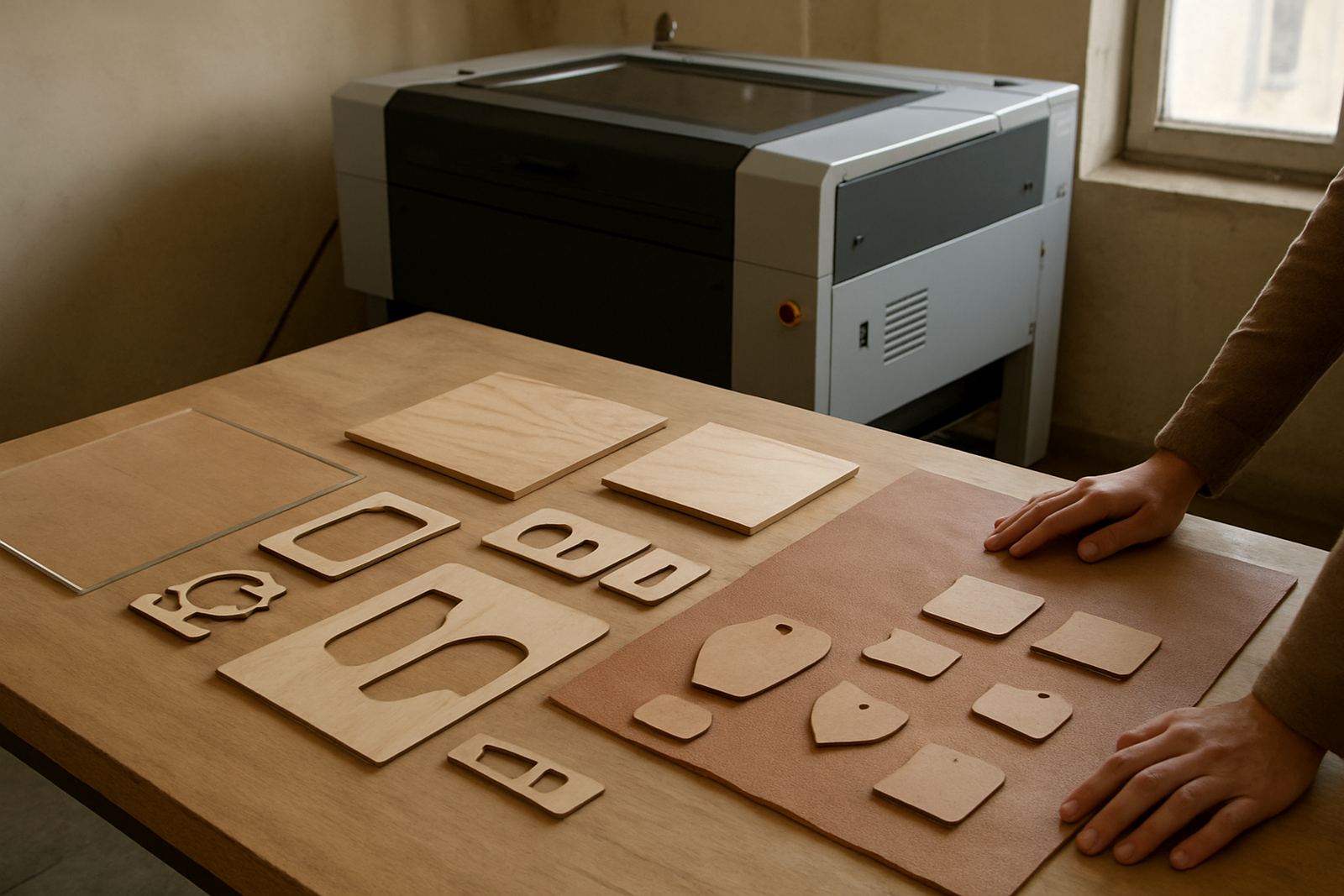
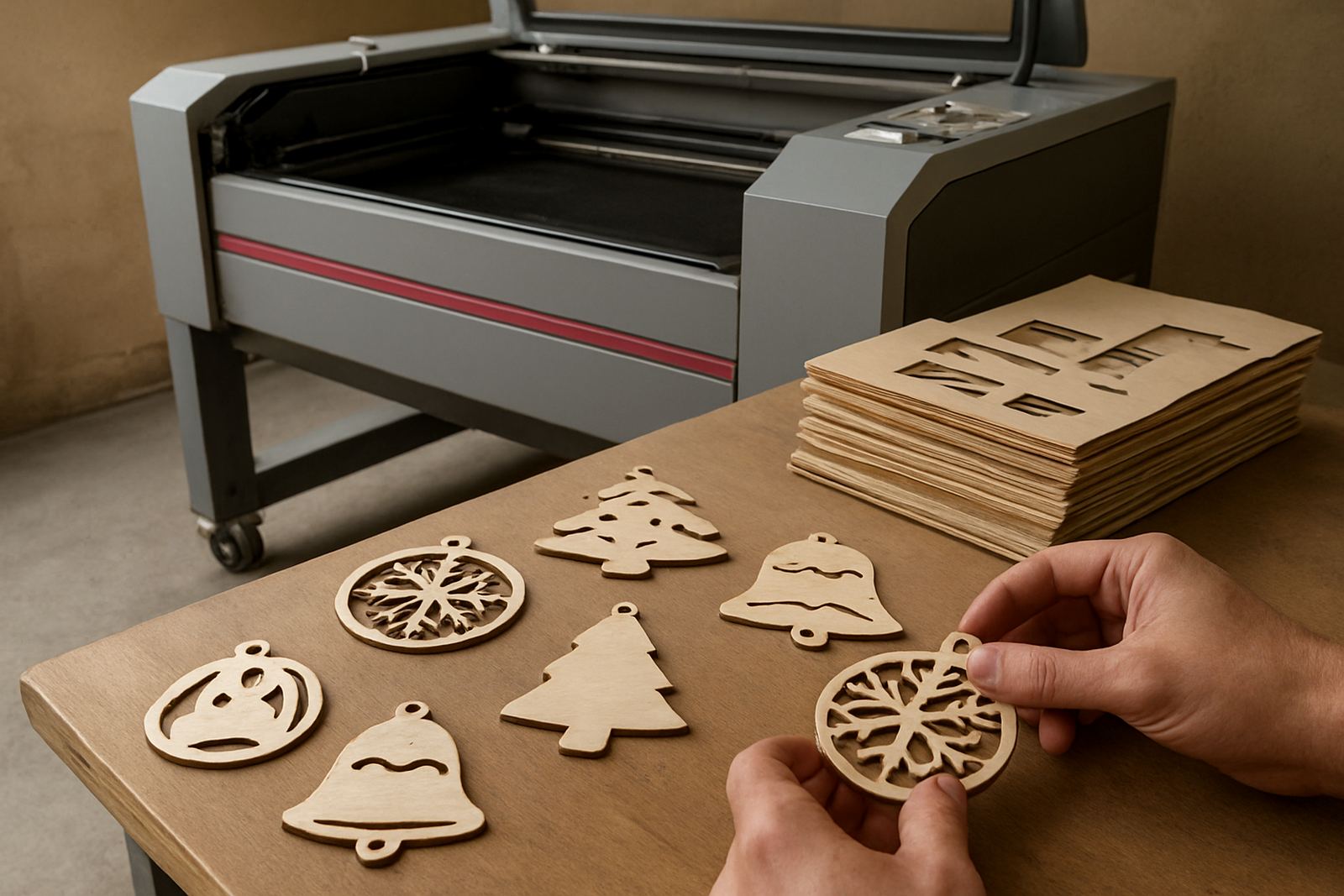
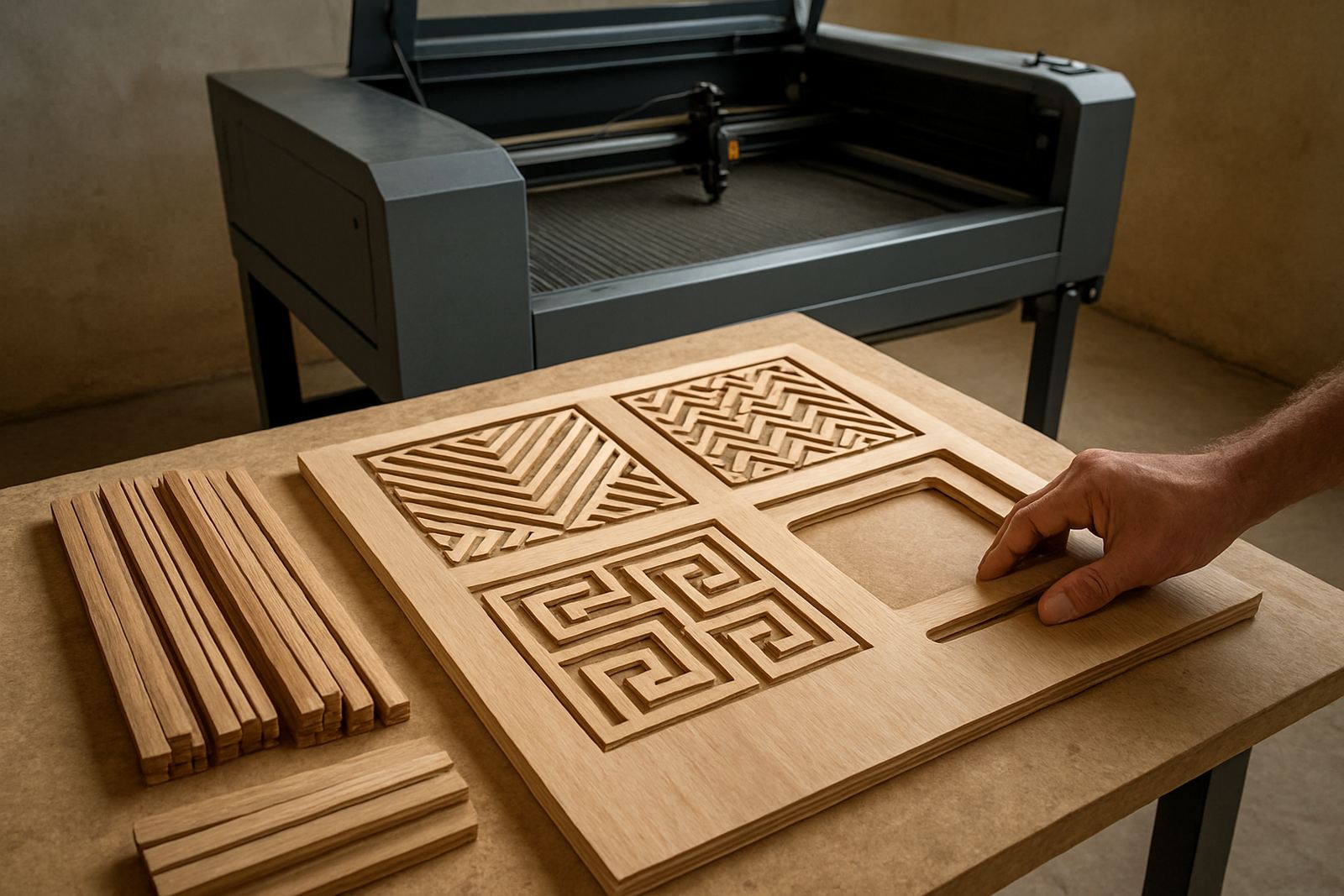
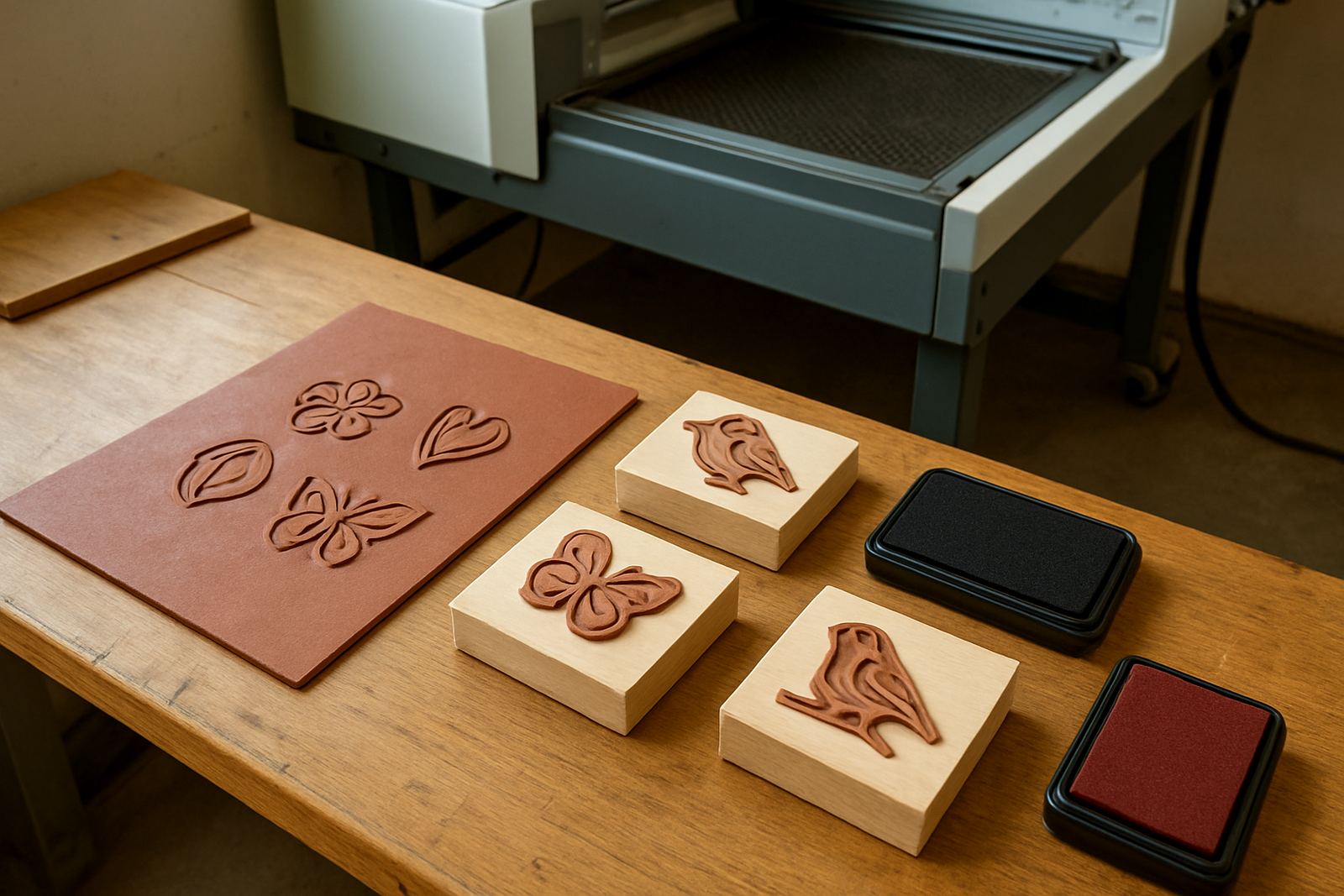
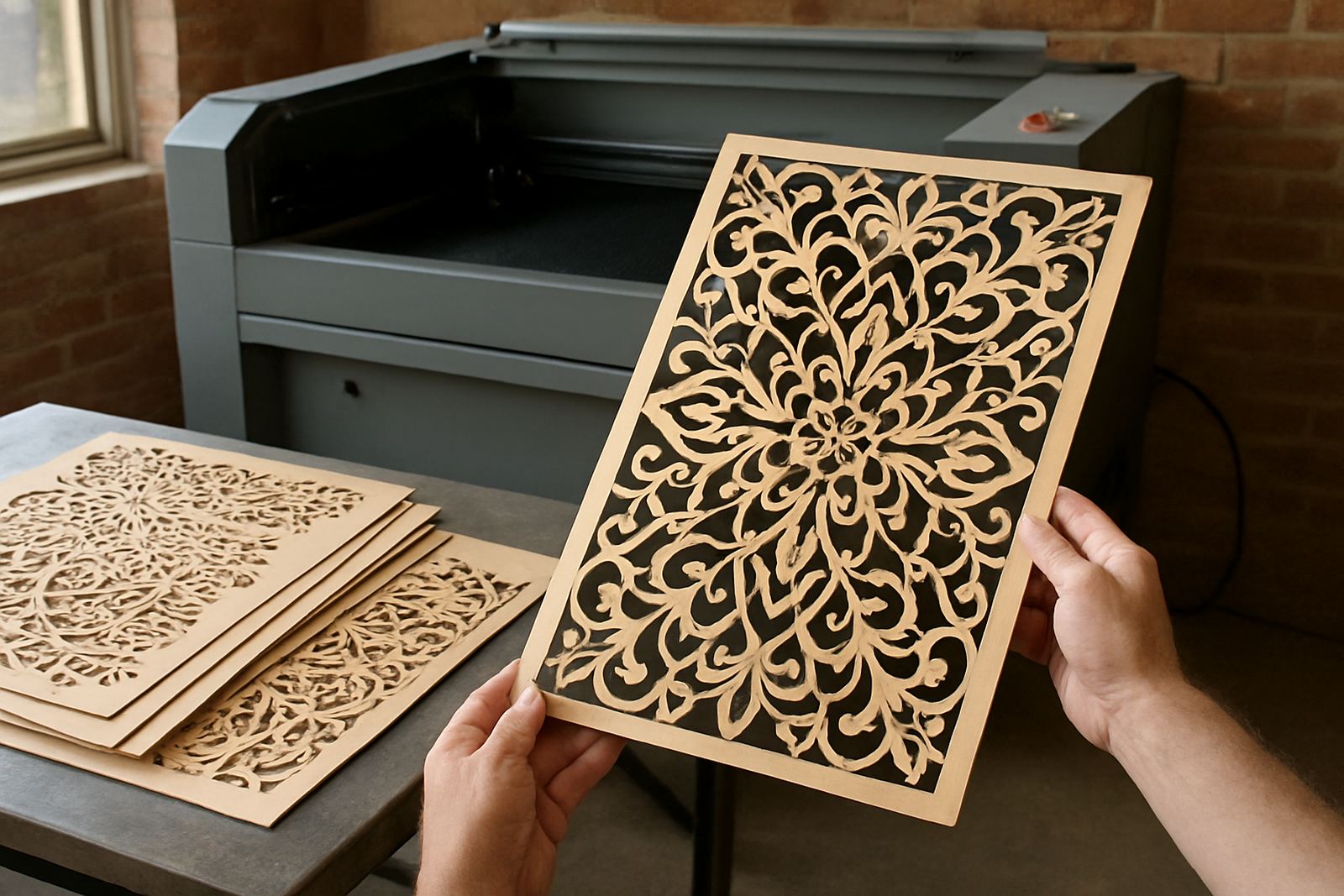
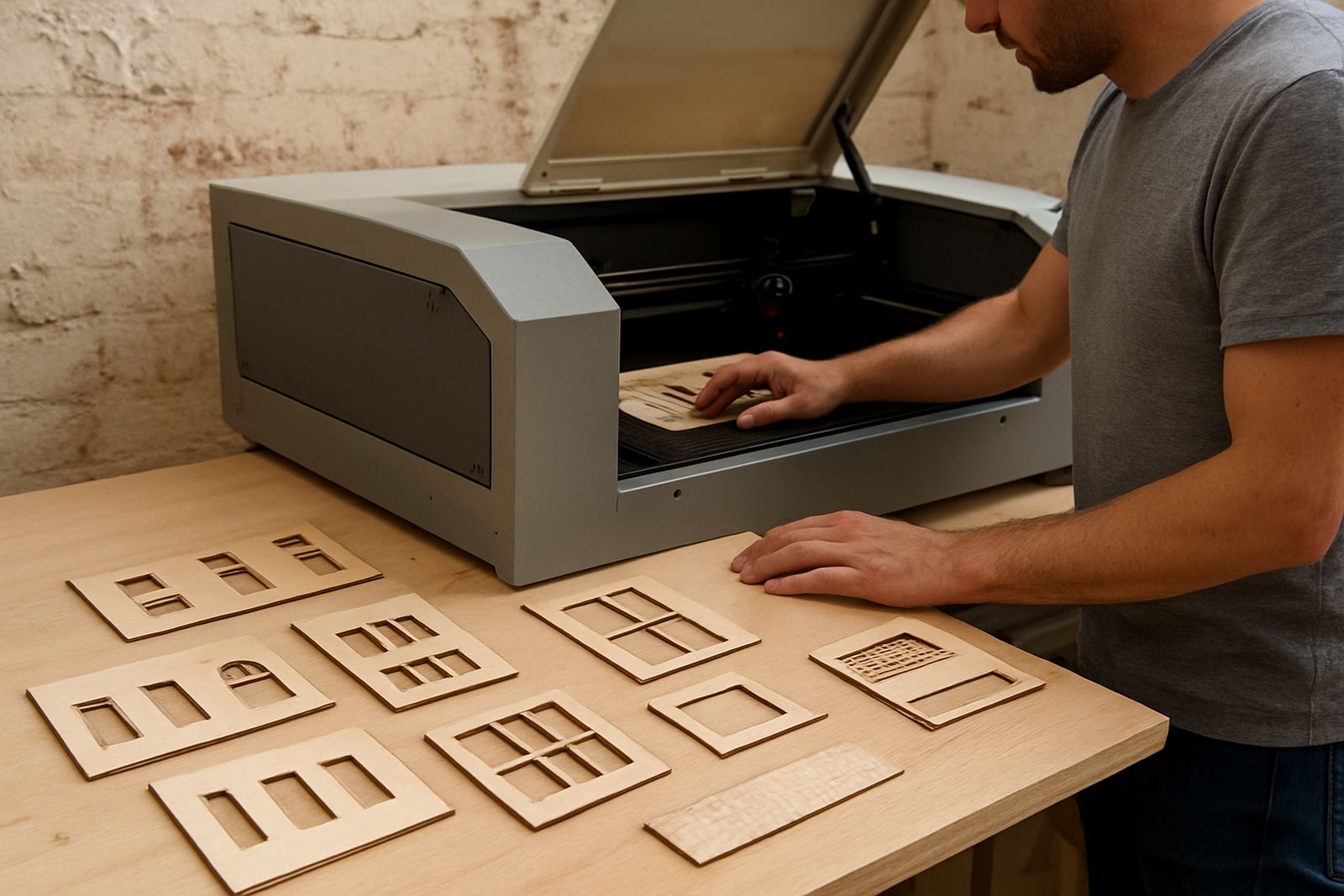
Wood brings a different set of results, from clean profiles to detailed engraving on gifts, branding items and decorative products. Plywood, MDF and solid timber all behave differently, so the cut path and finish need adjusting for each batch. Some woods darken more at the edge, which can be useful for a premium look, but it must be planned into the job rather than left to chance.
Many makers use CO2 laser systems for custom orders because they can switch between one-off samples and small production runs without changing the whole workshop setup. That makes them practical for craft studios in Pretoria, Midrand and the East Rand where clients often want personalised items on short lead times.
Leather, fabric and personal goods
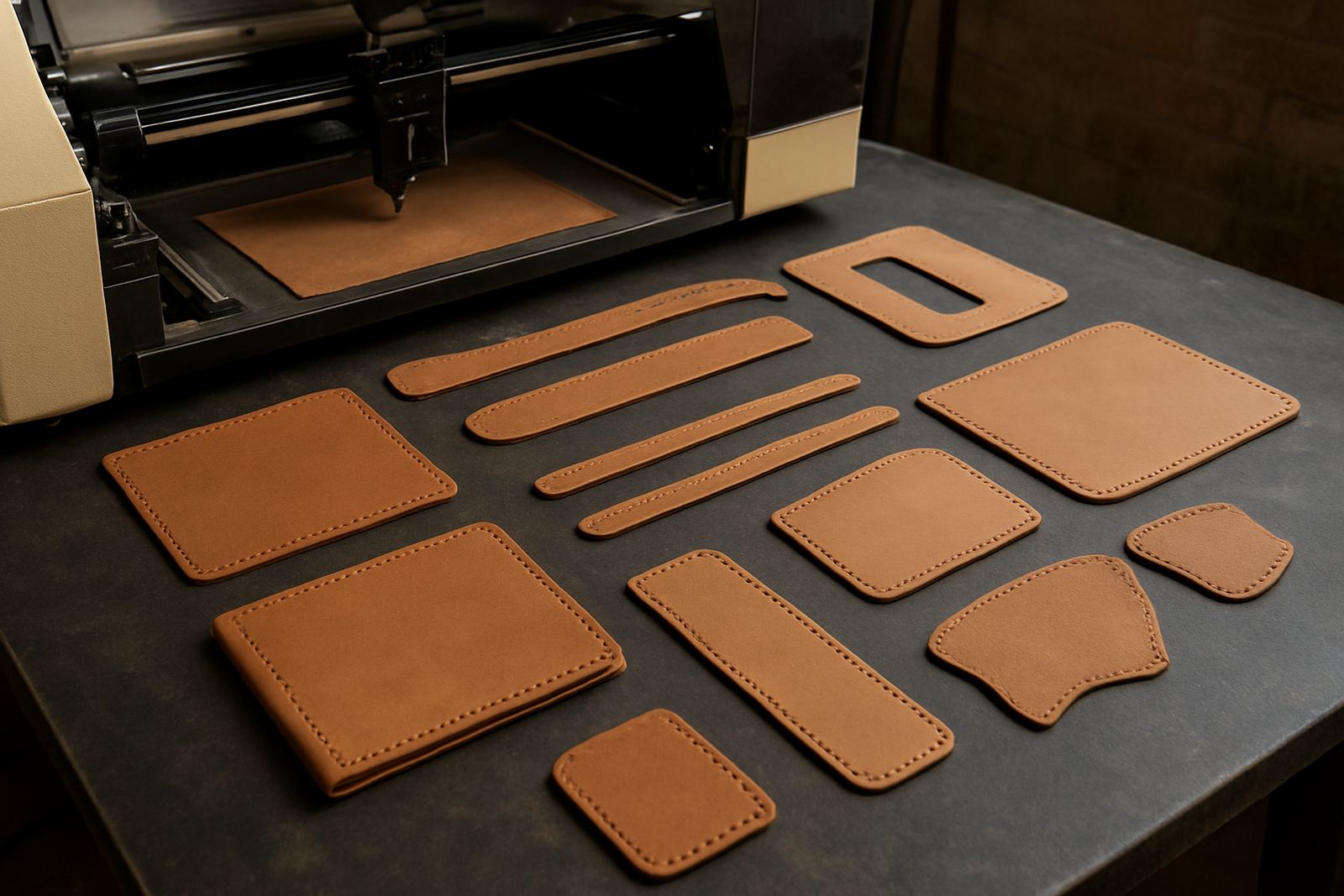
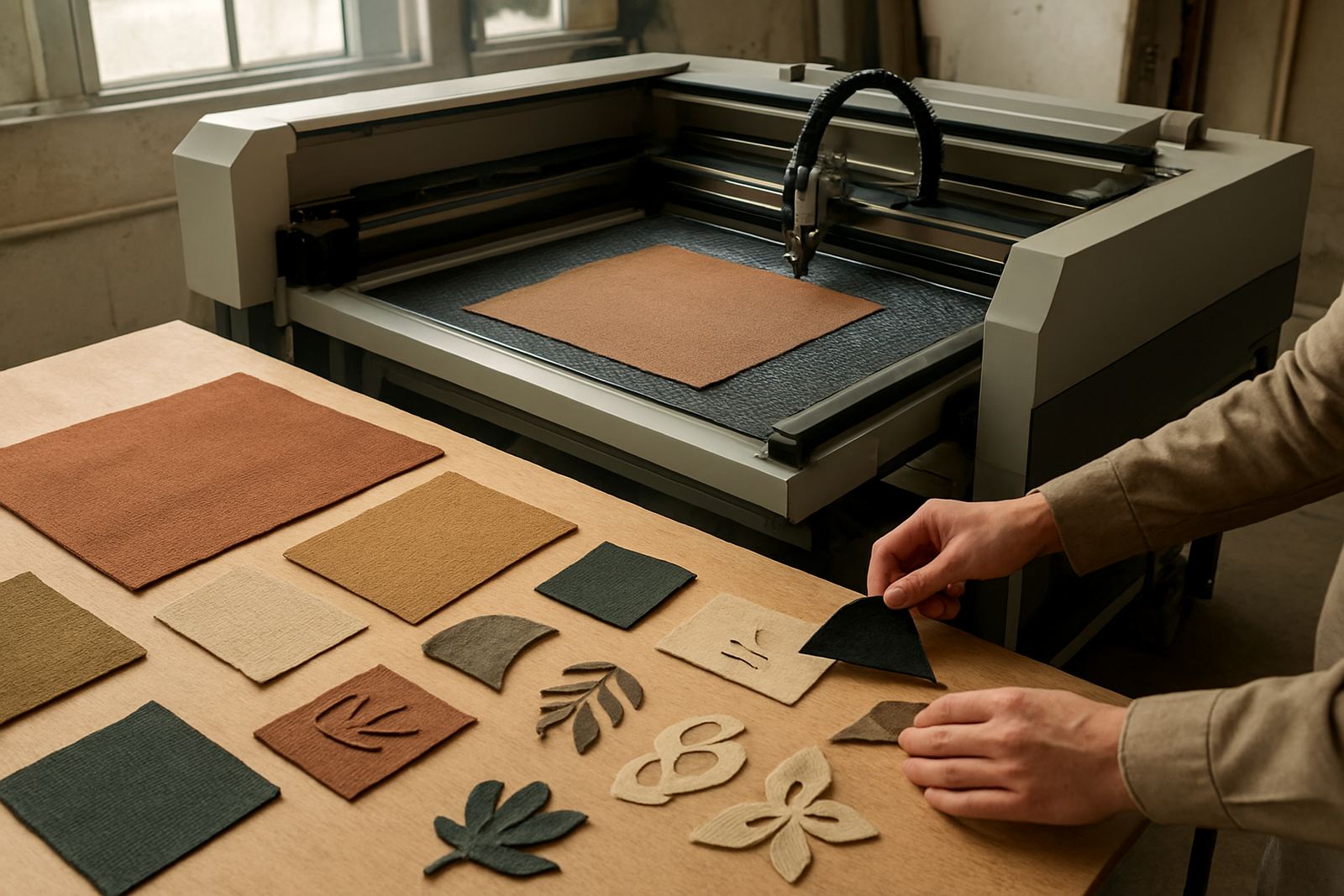
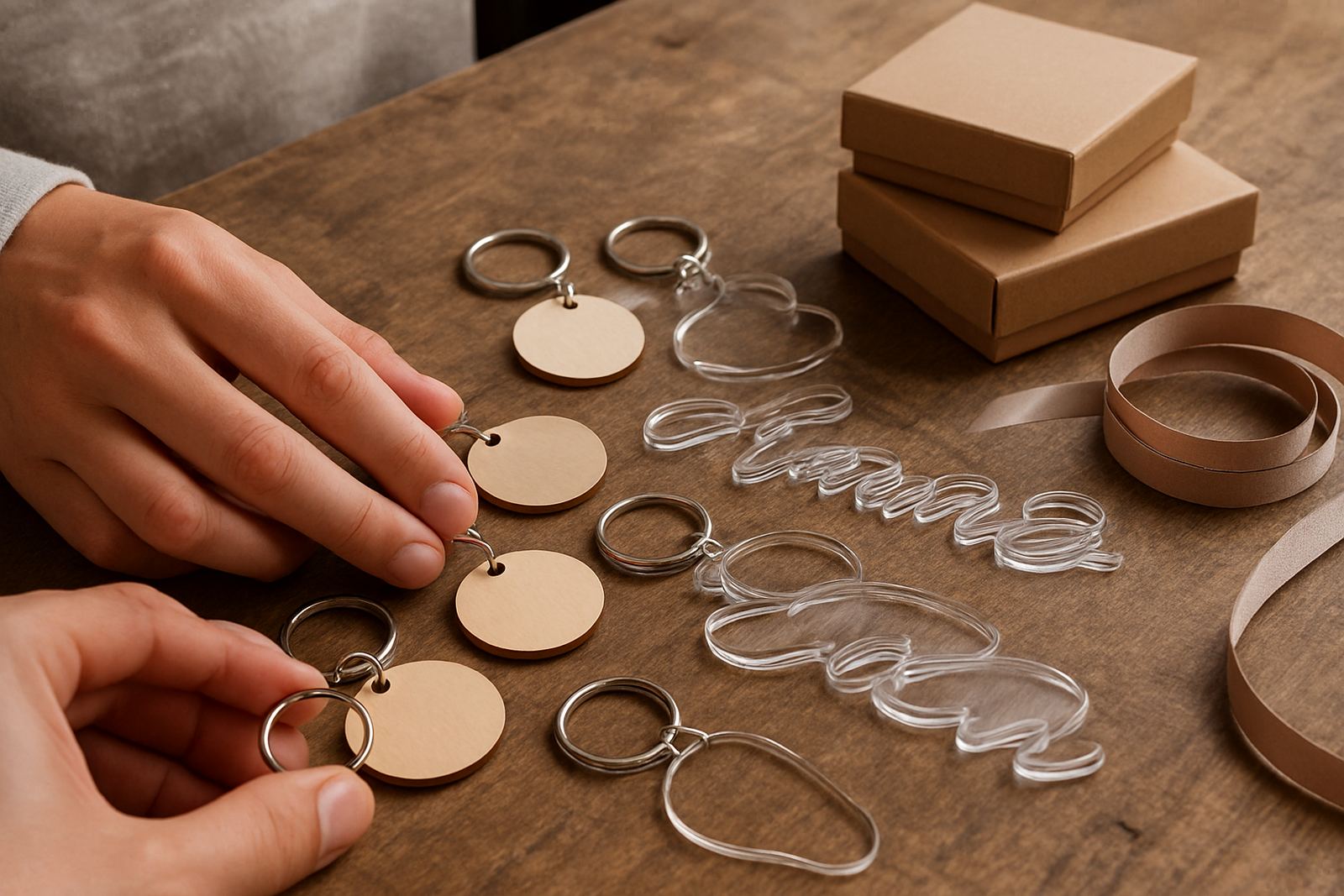
Leather and similar materials are often chosen for branding, fashion items, bags, labels and custom goods. The main advantage is repeatability, especially where small details or shaped parts need to match across a batch. On leather, the finish can range from a sharp mark to a deeper engraved look depending on the material type and the final use.
- Personalised gifts and accessories
- Fashion labels and tags
- Bag parts and decorative panels
- Brand marks for product lines
Operators should always test before a full run, because finishes, glues and backing layers can react differently. It also helps to keep extraction working properly, since smoke build-up can affect both the cut and the smell in the work area.
Job types that suit CO2 laser cutting
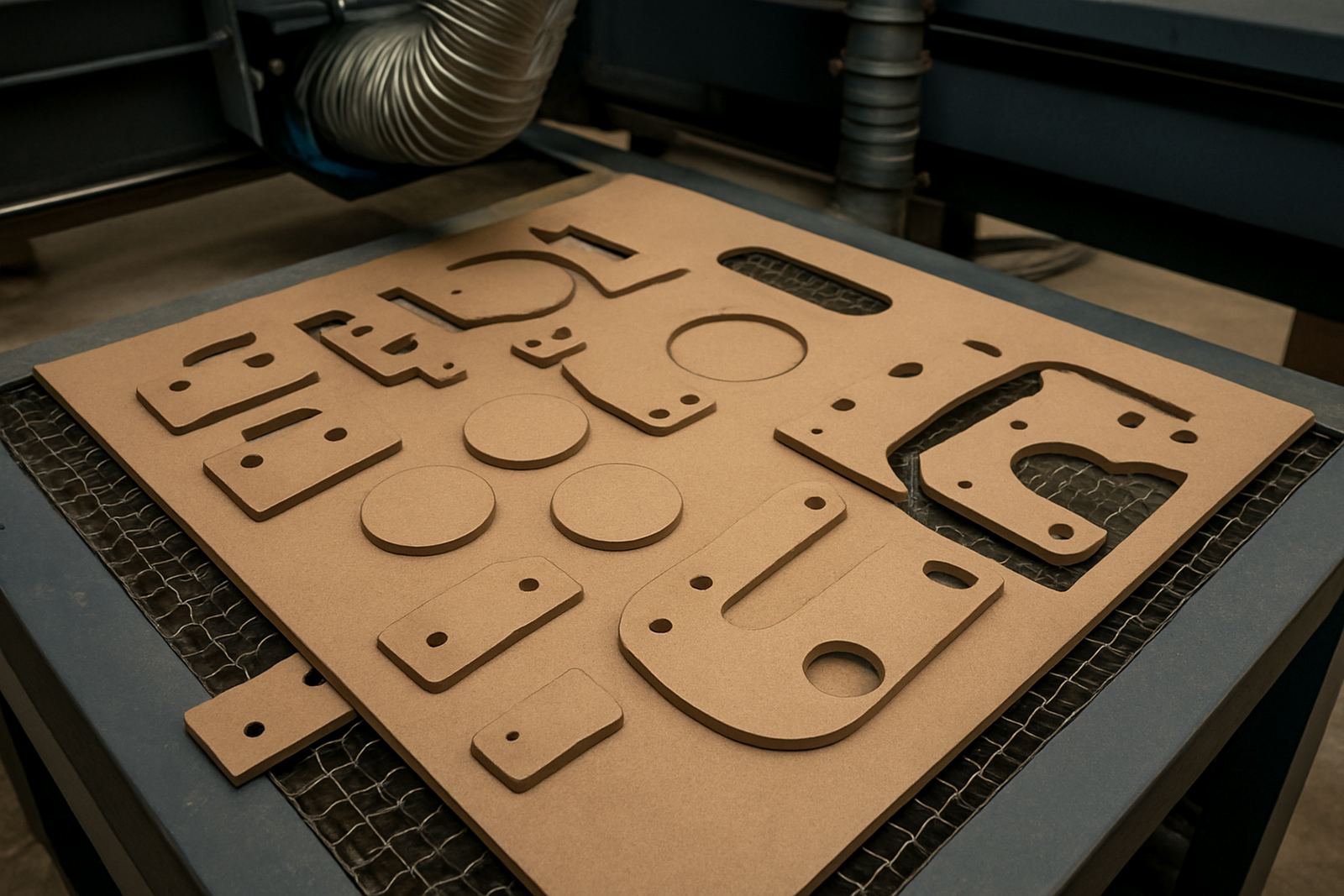
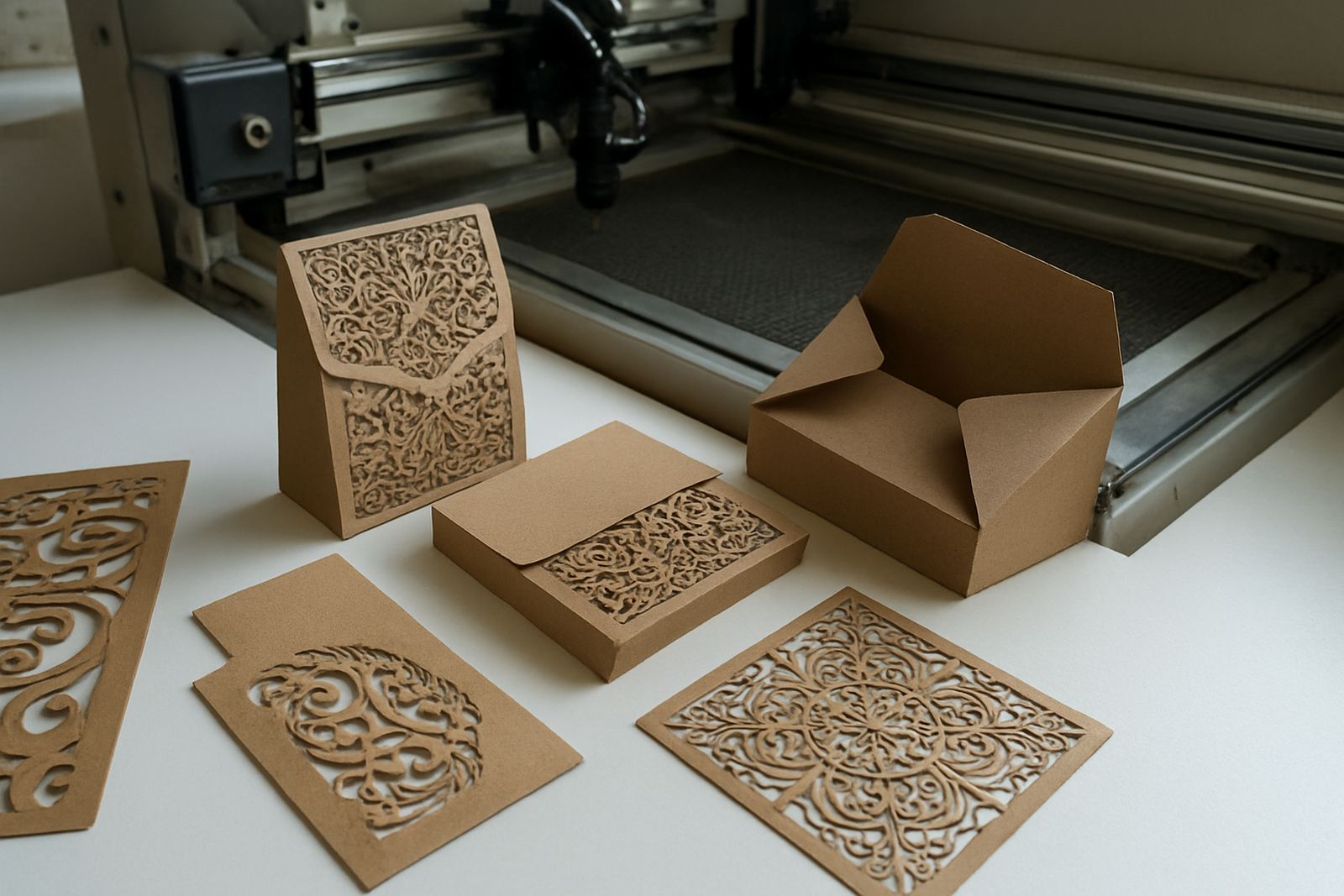
Not every job needs the same setup, so the smartest choice is to match the material with the job type. A single sign for a shopfront has different needs from a batch of 100 components for assembly. CO2 laser cutting is most useful where accuracy, repeatability and clean detailing are more important than brute force.
- Custom signs and branding pieces
- Short-run parts for manufacturing
- Educational models and sample kits
- Personalised gifts and event items
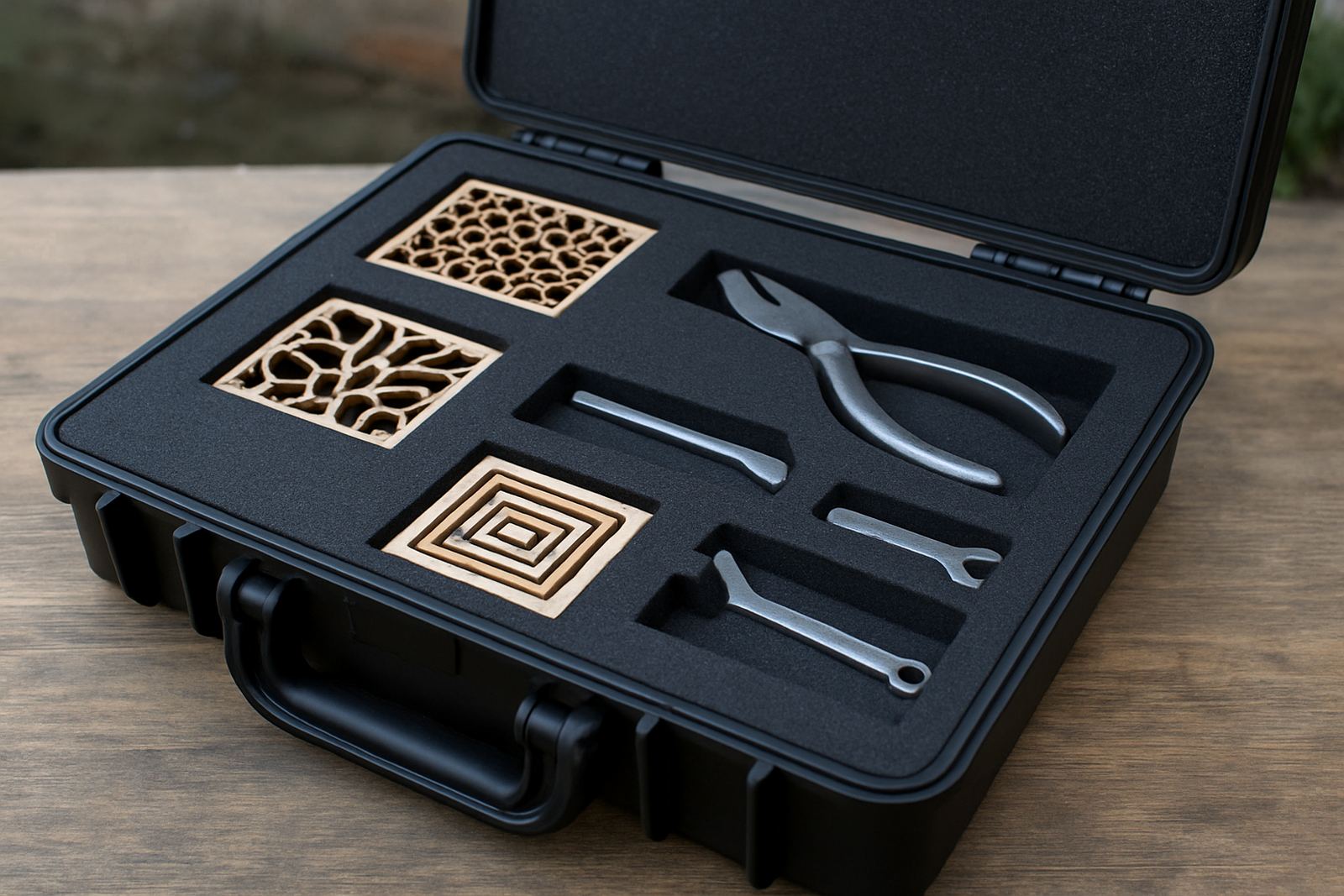
- Prototype parts for product testing
For buyers in Johannesburg and surrounding areas, this is where support matters as much as the machine. Proper installation, beam alignment and operator training help keep the output consistent, and they reduce the kind of stoppages that waste time on a full production day.
What to check before you buy or switch materials
Before committing to a machine or a new material, check the thickness range, sheet size, ventilation needs and the finish you want on the final part. Some materials are easy to cut but need good extraction, while others need more careful setup to avoid burning or rough edges. If the work area has municipal rules around fumes or noise, it is worth planning for that before the first install.
We often advise buyers to think about service access as well. Preventive maintenance, cooling checks, optics cleaning and regular extraction servicing all keep production moving. In practice, that means fewer surprises when orders stack up and the machine has to keep going through a busy week.
How support helps keep production moving
The right material only performs well when the machine is set up properly and kept in good condition. That includes installation, operator training, remote support, breakdown response and annual servicing. For customers around Wynberg, Sandton, Pretoria, Midrand, the West Rand and the East Rand, local support helps when a cut needs attention quickly. We also assist with relocations and spares supply, so a workshop can change layout or scale up without losing momentum.
If you are planning a new line of products or changing material type, use the enquiry form on our contact page and ask for guidance on the job, not just the machine. A short test can save a lot of wasted sheet, and it gives you a clear picture of what the finish will look like before full production starts.