Choose the right CO2 laser cutter for your workshop
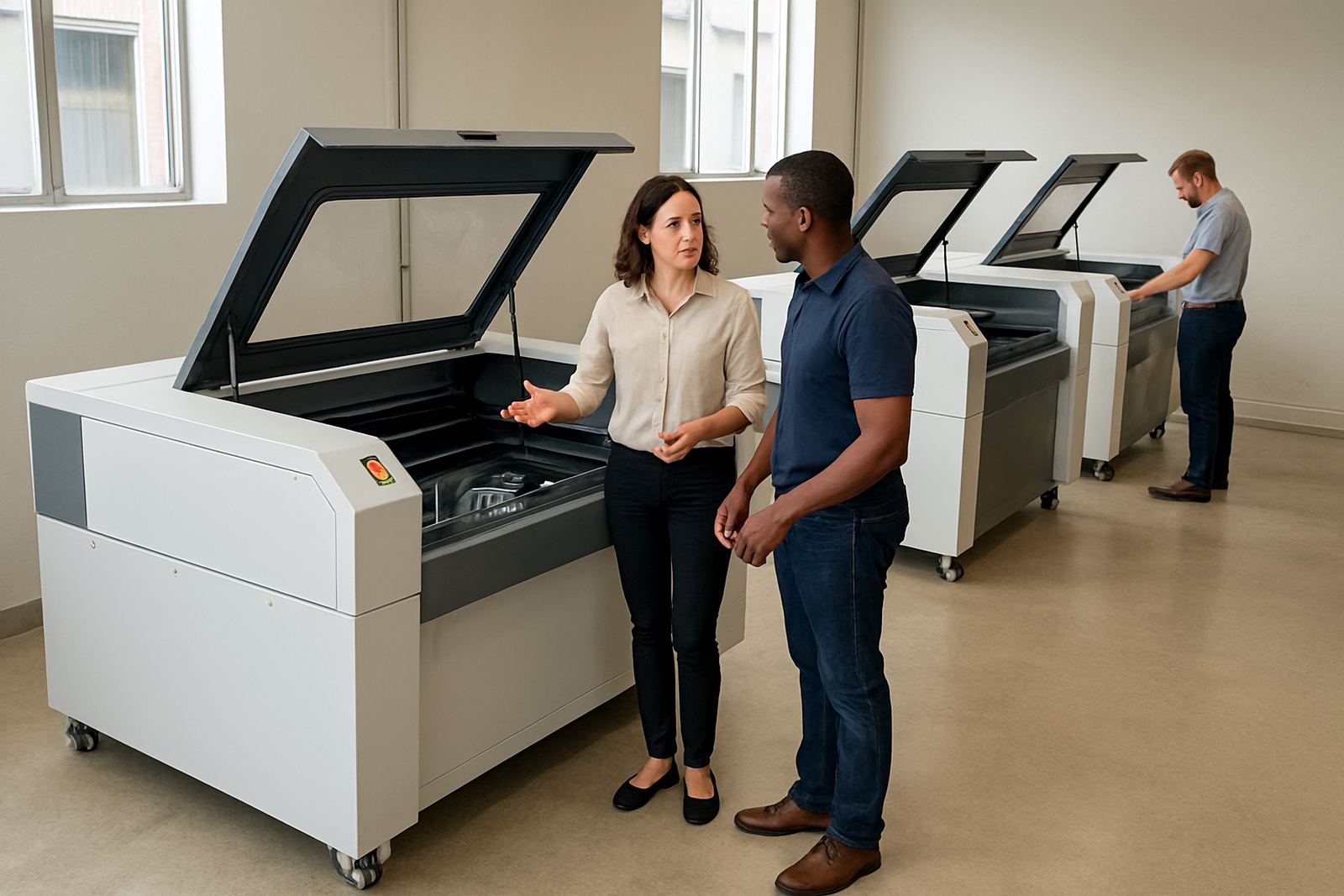
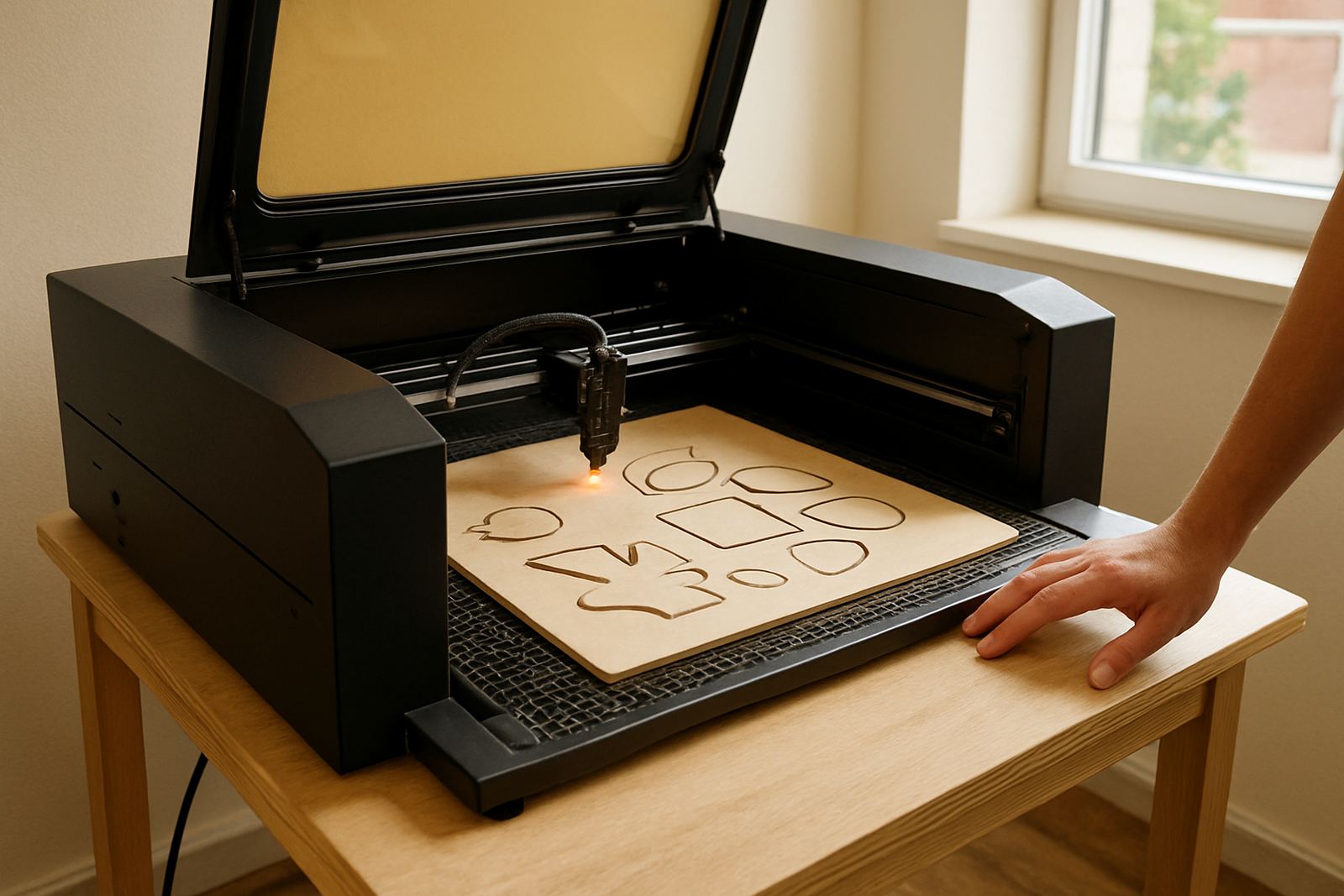
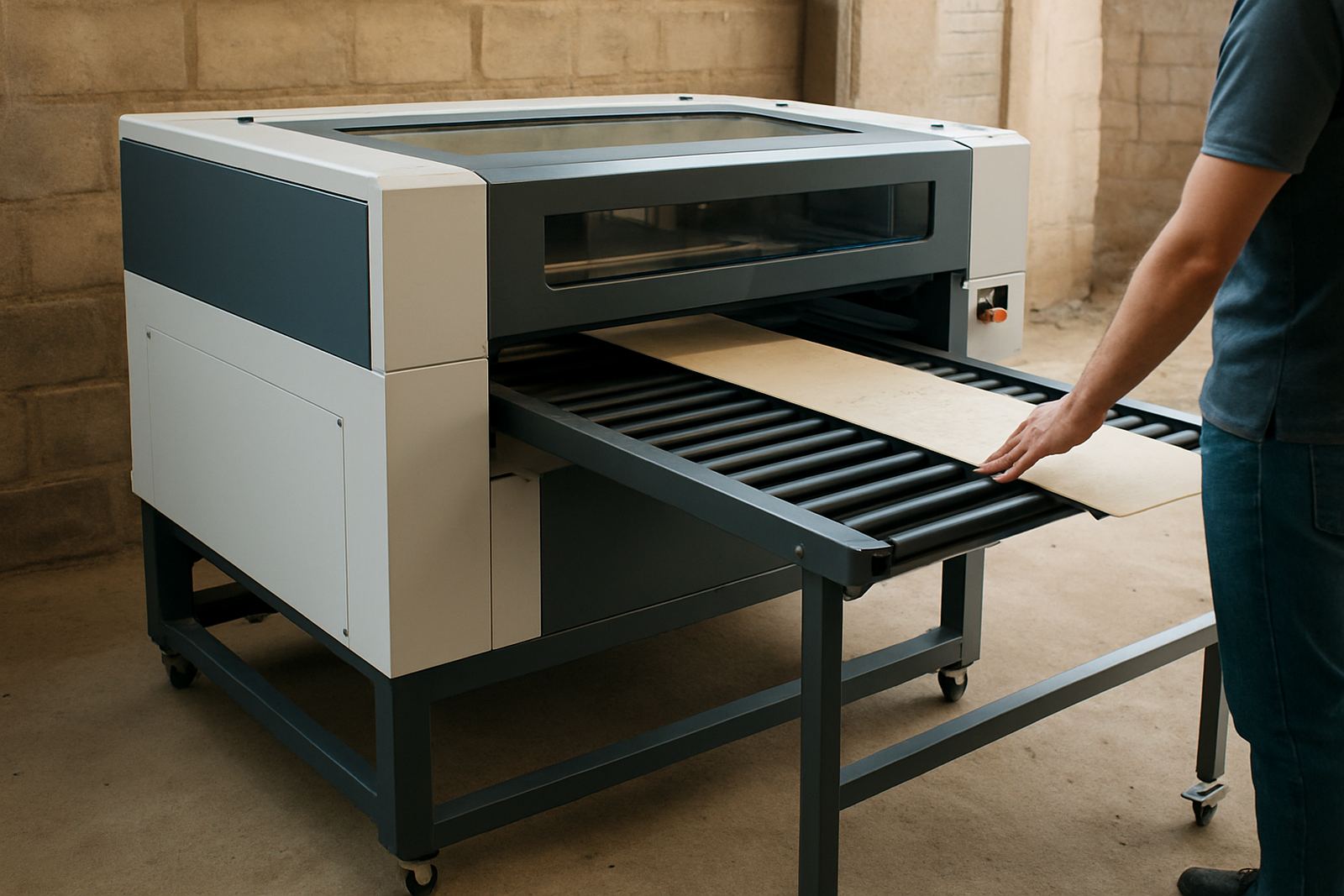
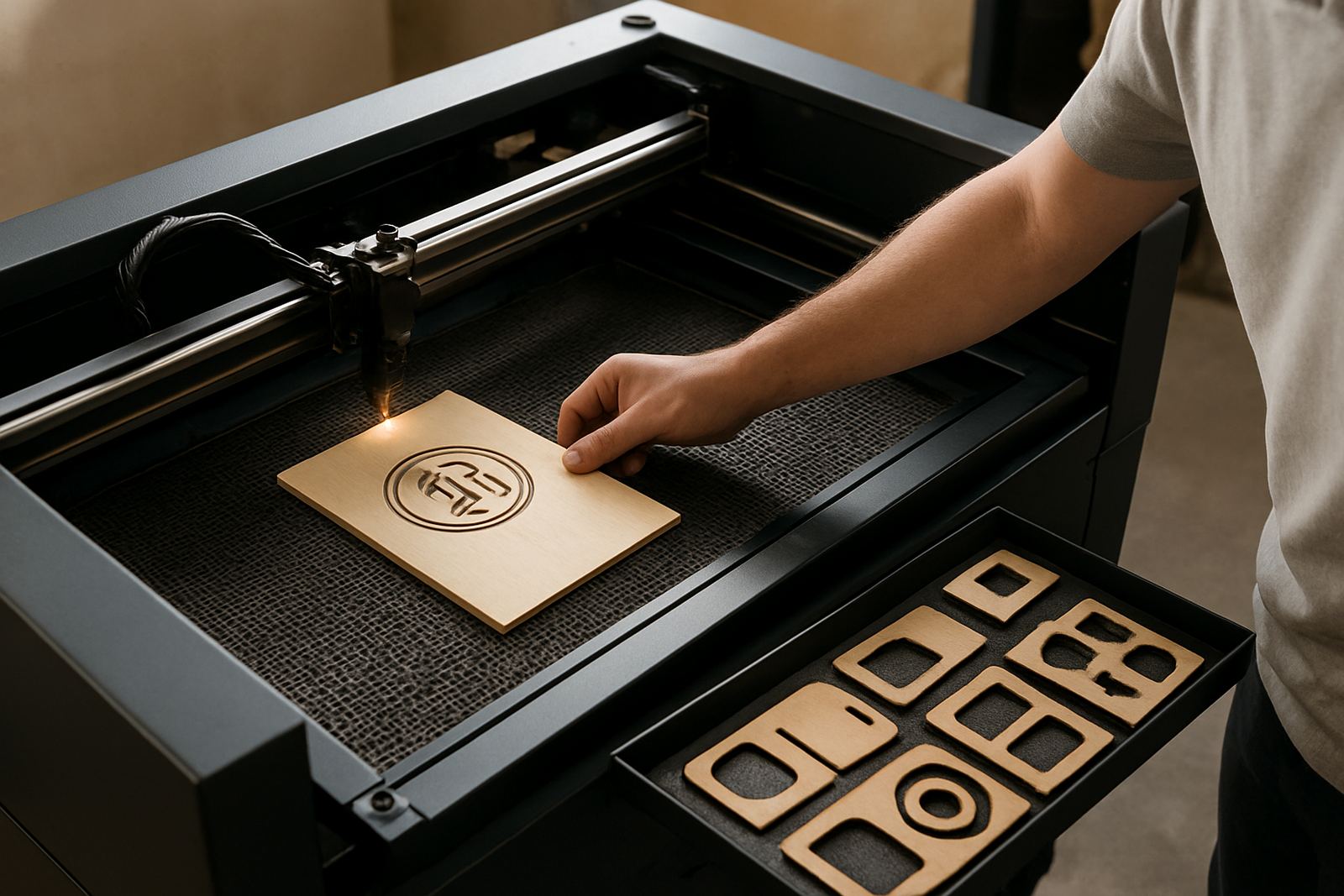
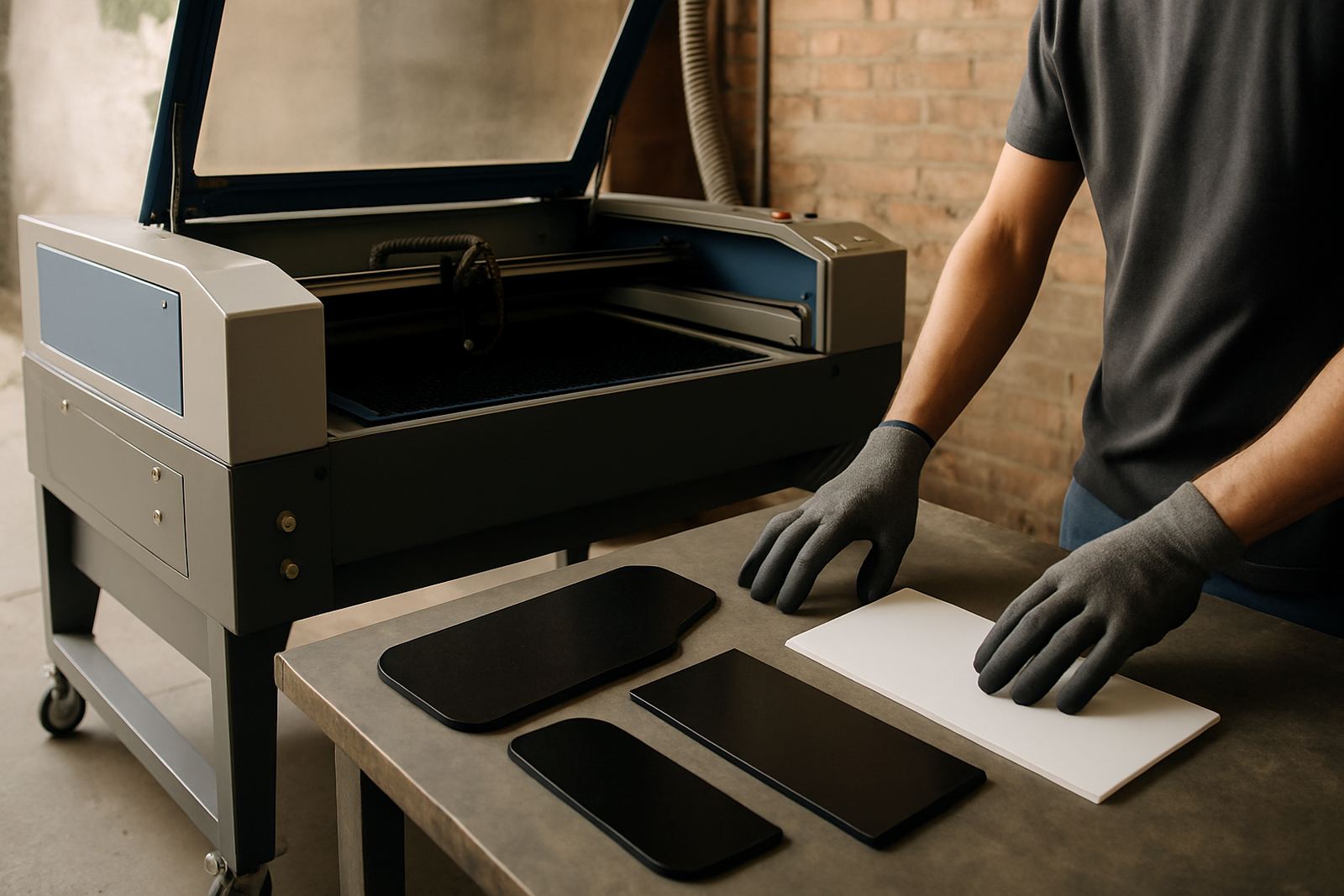
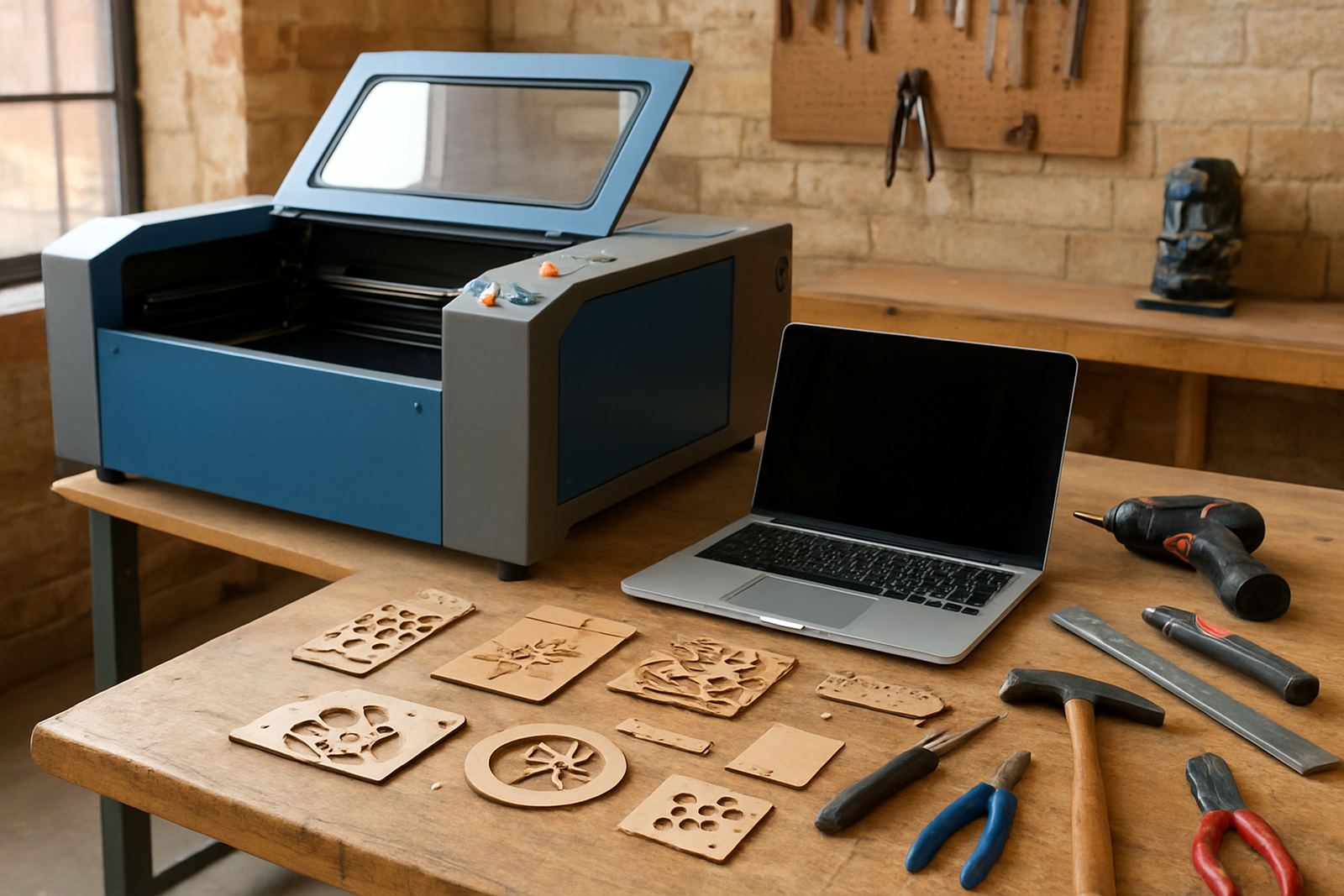
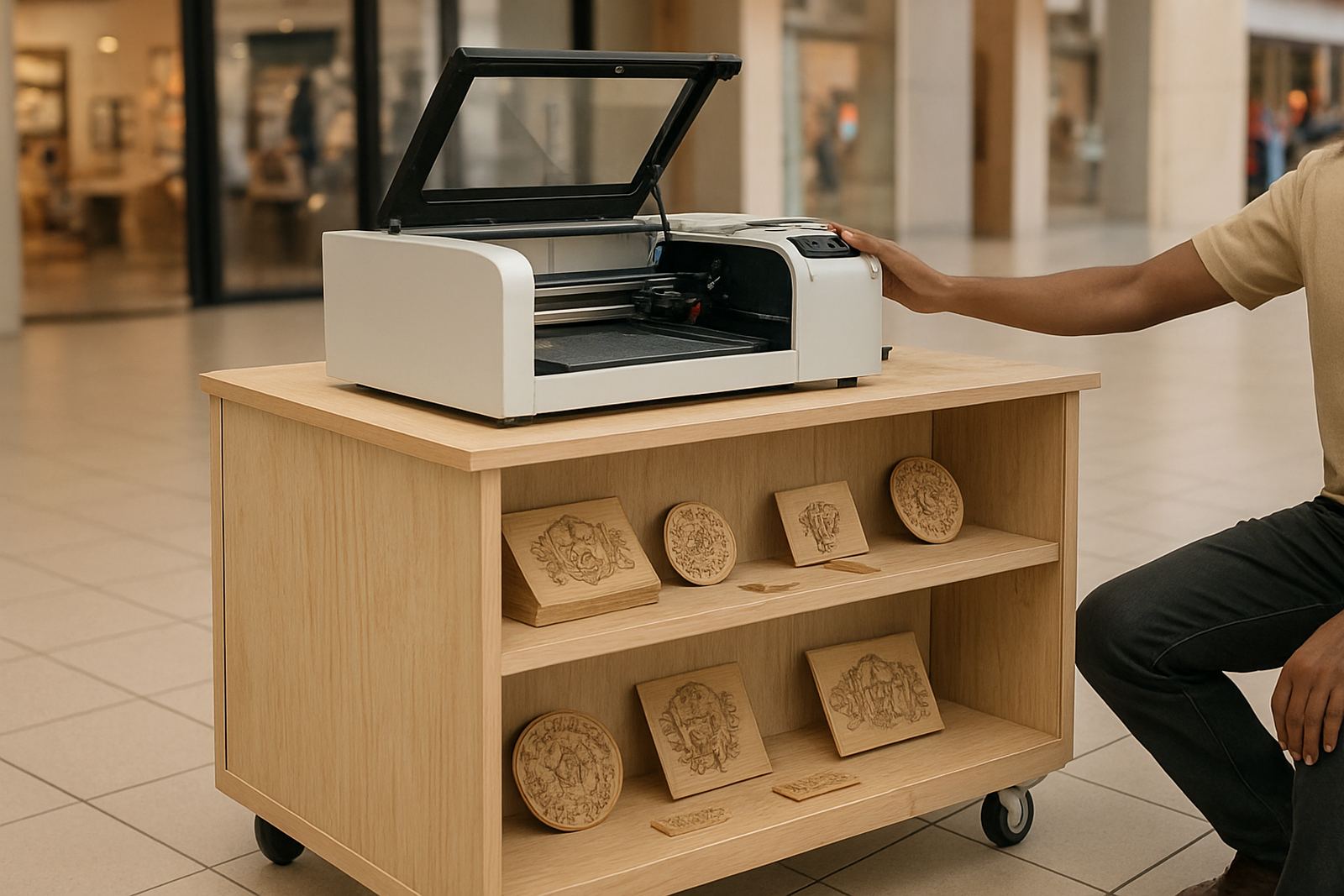
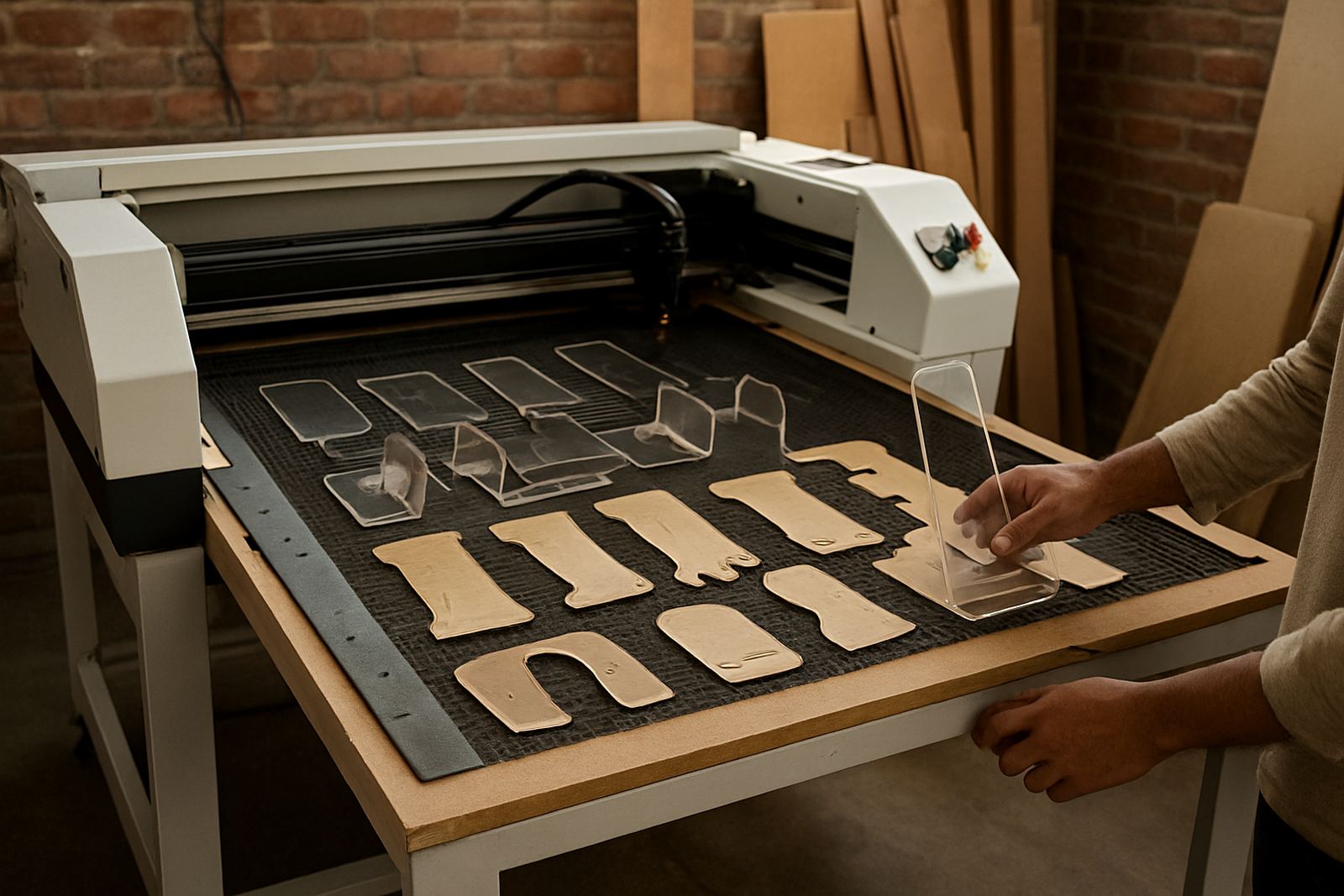
CO2 laser cutters are used for a wide range of day to day production work, from signage and craft pieces to jigs, templates and short run parts. If you work with acrylic, wood, leather or similar sheet material, the right machine should give you clean edges, consistent detail and enough bed size for the jobs you take on. At our Wynberg base in Johannesburg, we help customers compare cutting area, tube power, extraction needs and the kind of workload the machine must handle.
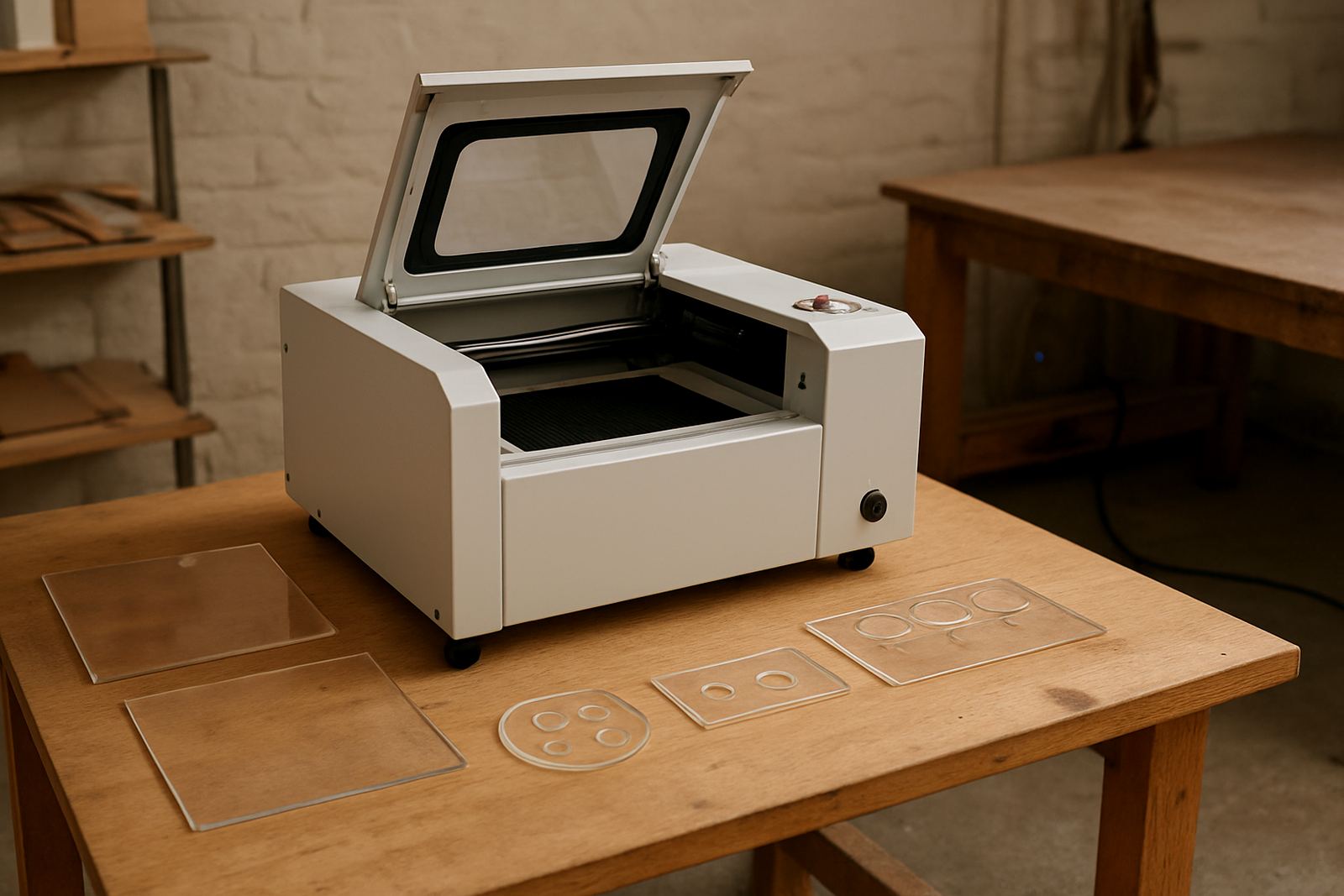
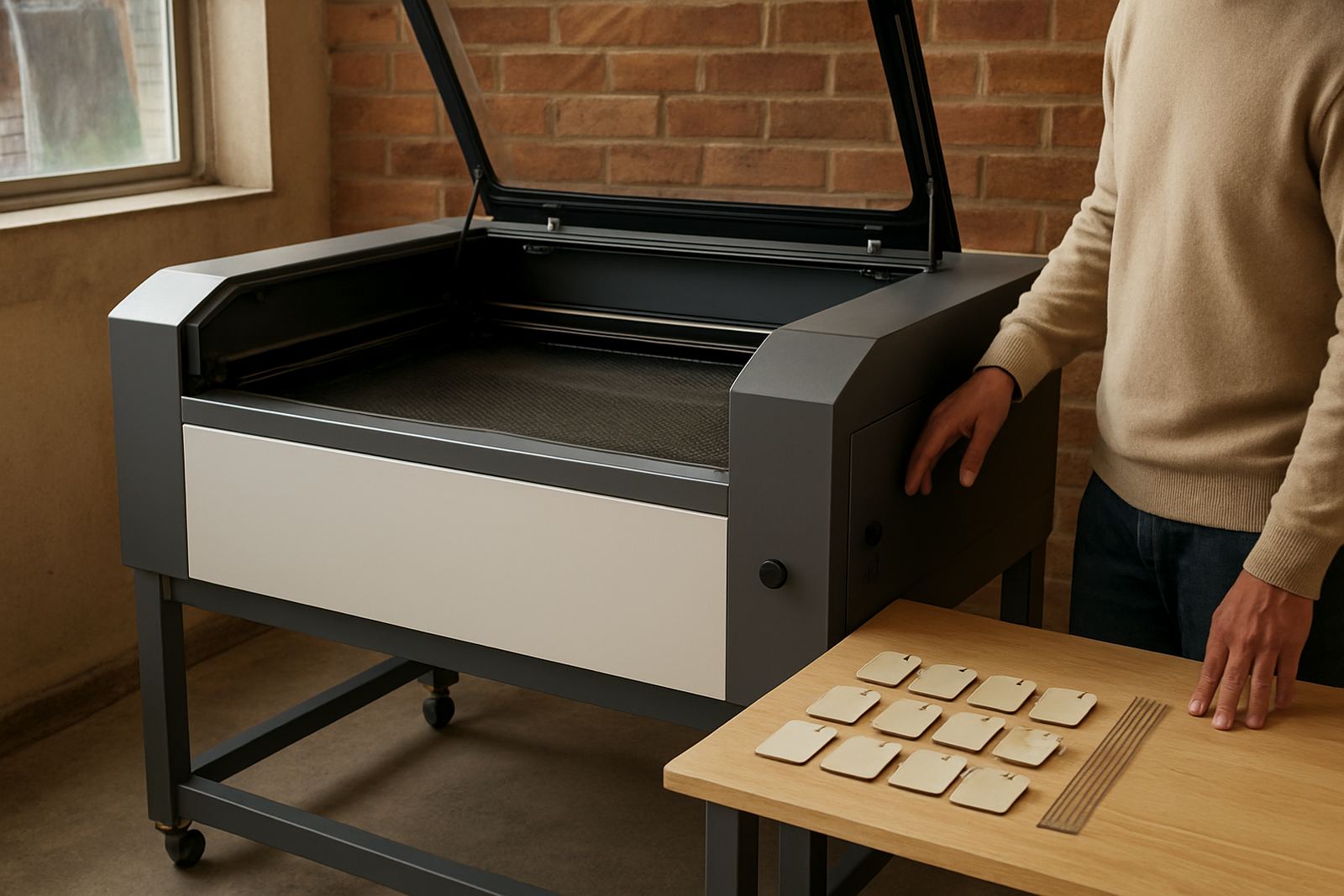
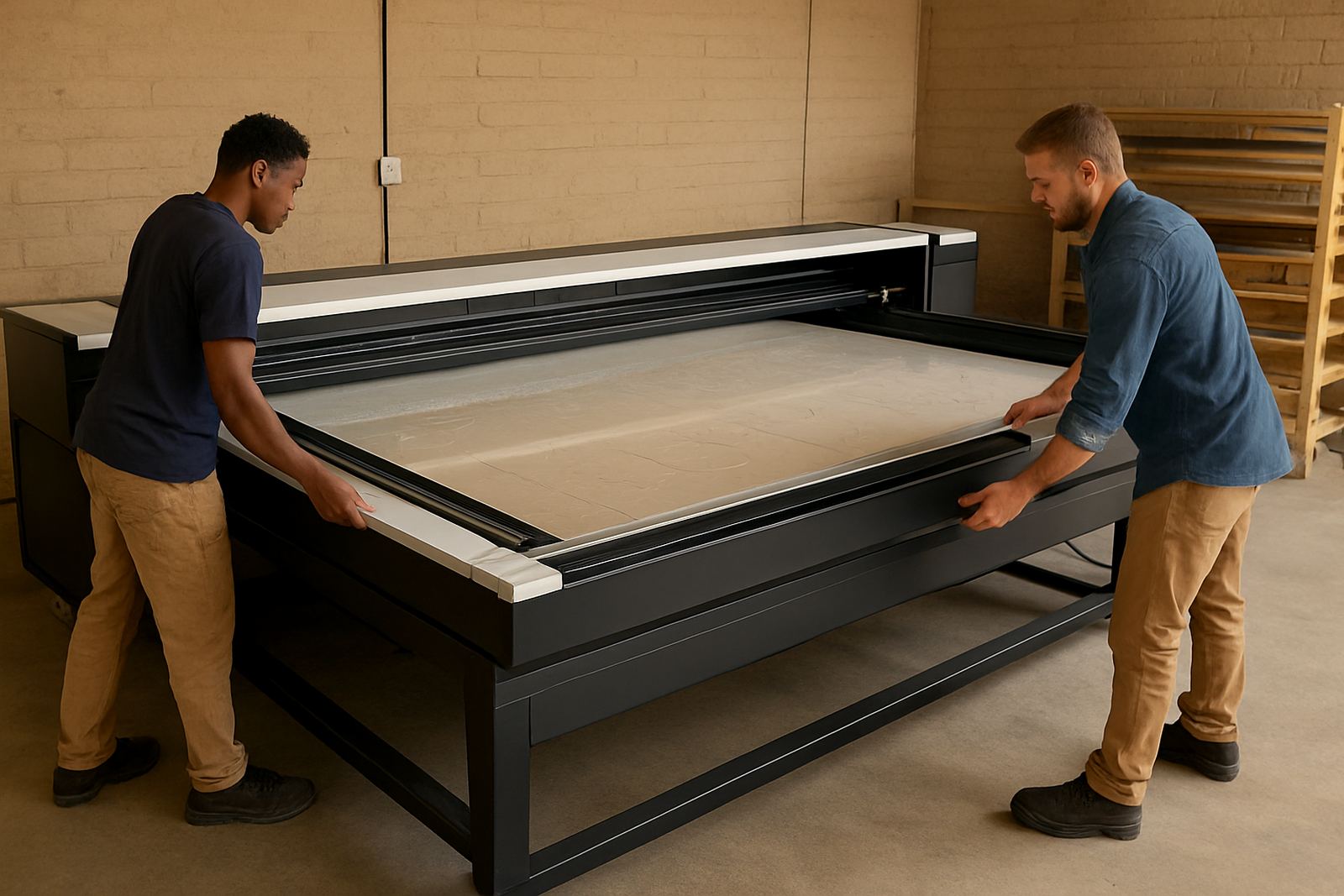
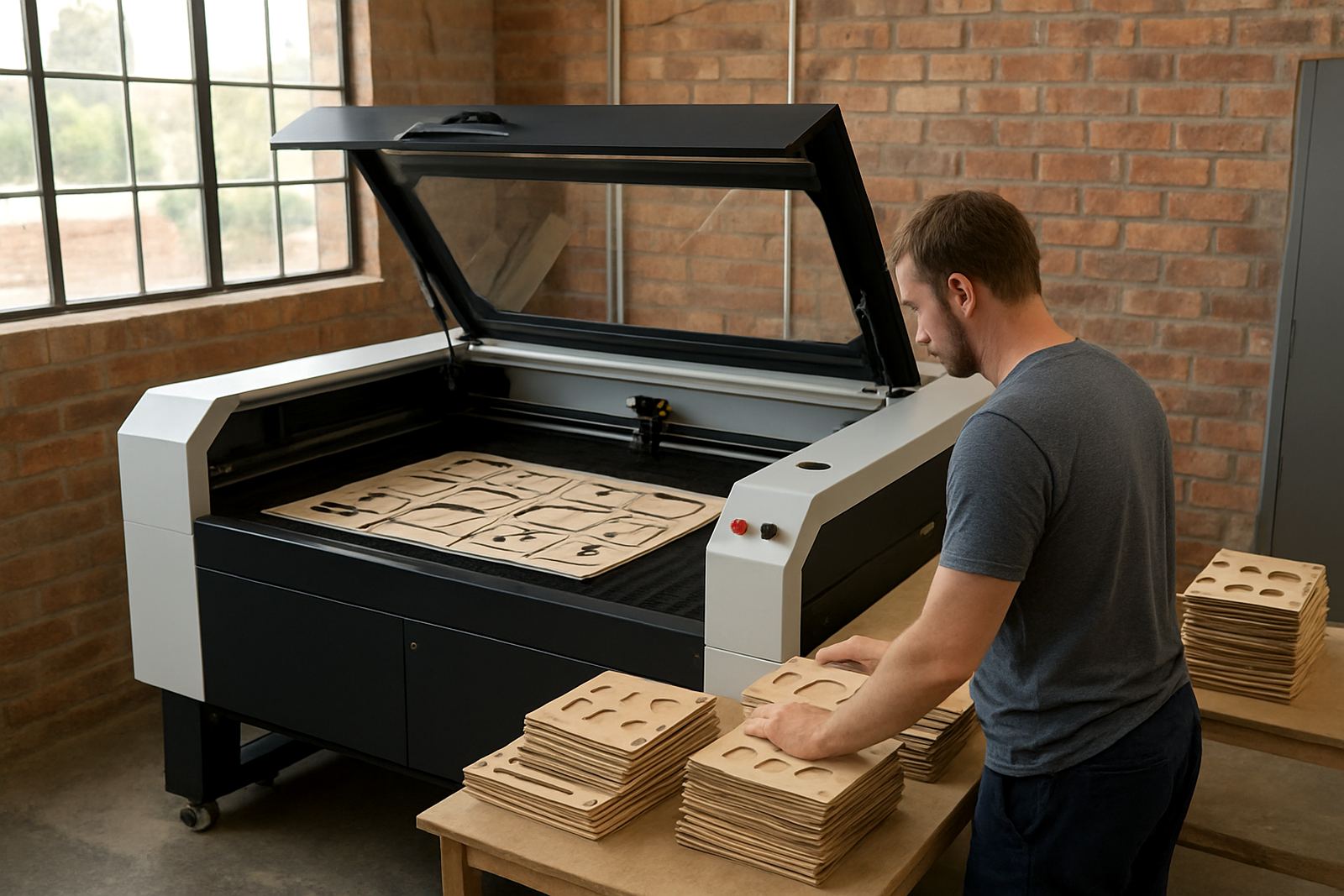
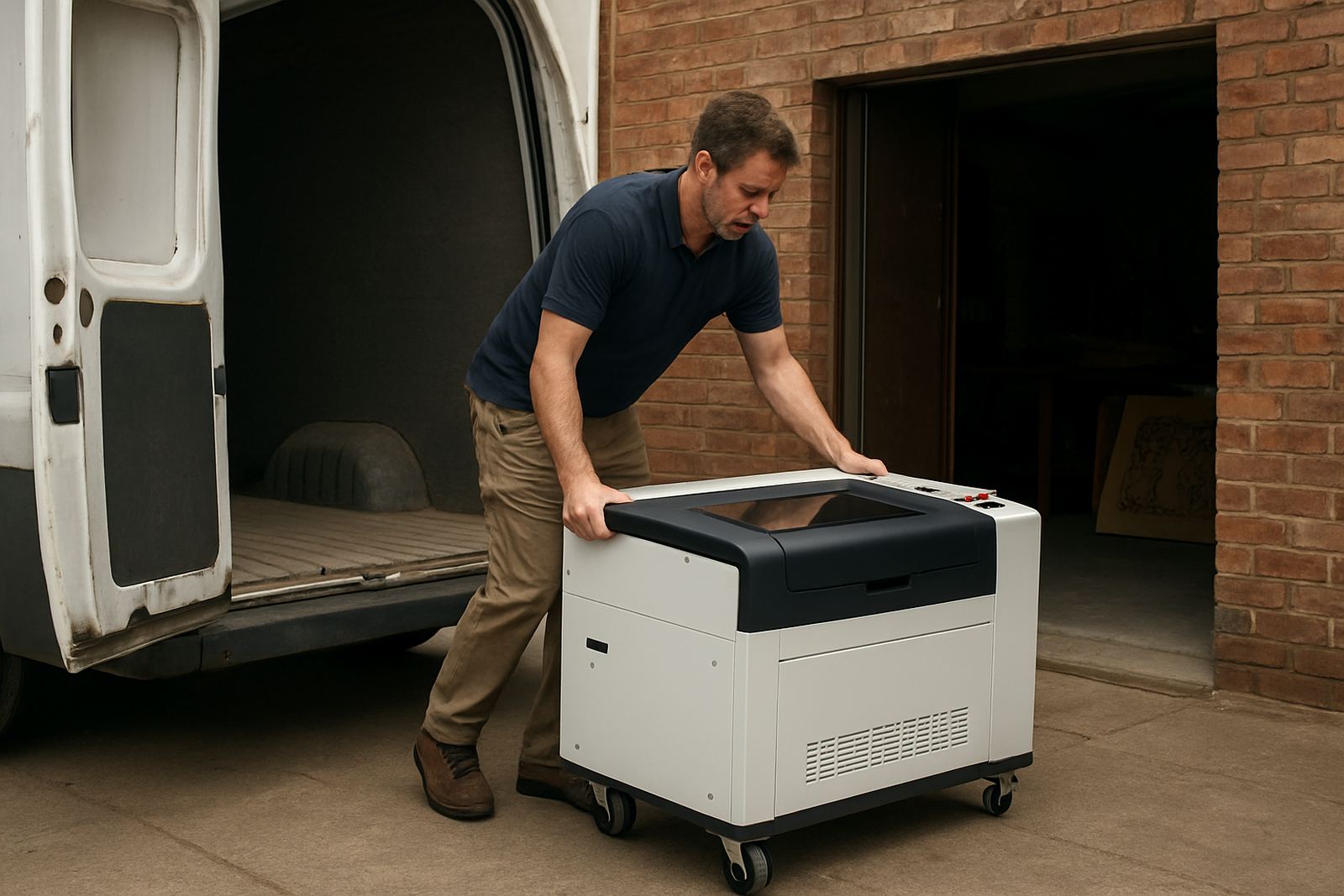
Selection is not only about power. A smaller workshop may need a compact unit that fits through a narrow doorway and runs on a practical power supply, while a busier production shop may need more bed space and faster throughput. If your work includes repeated cutting of 3 mm acrylic or mixed material jobs with frequent changeovers, the setup should allow quick cleaning and steady alignment so you are not fighting the machine every week.
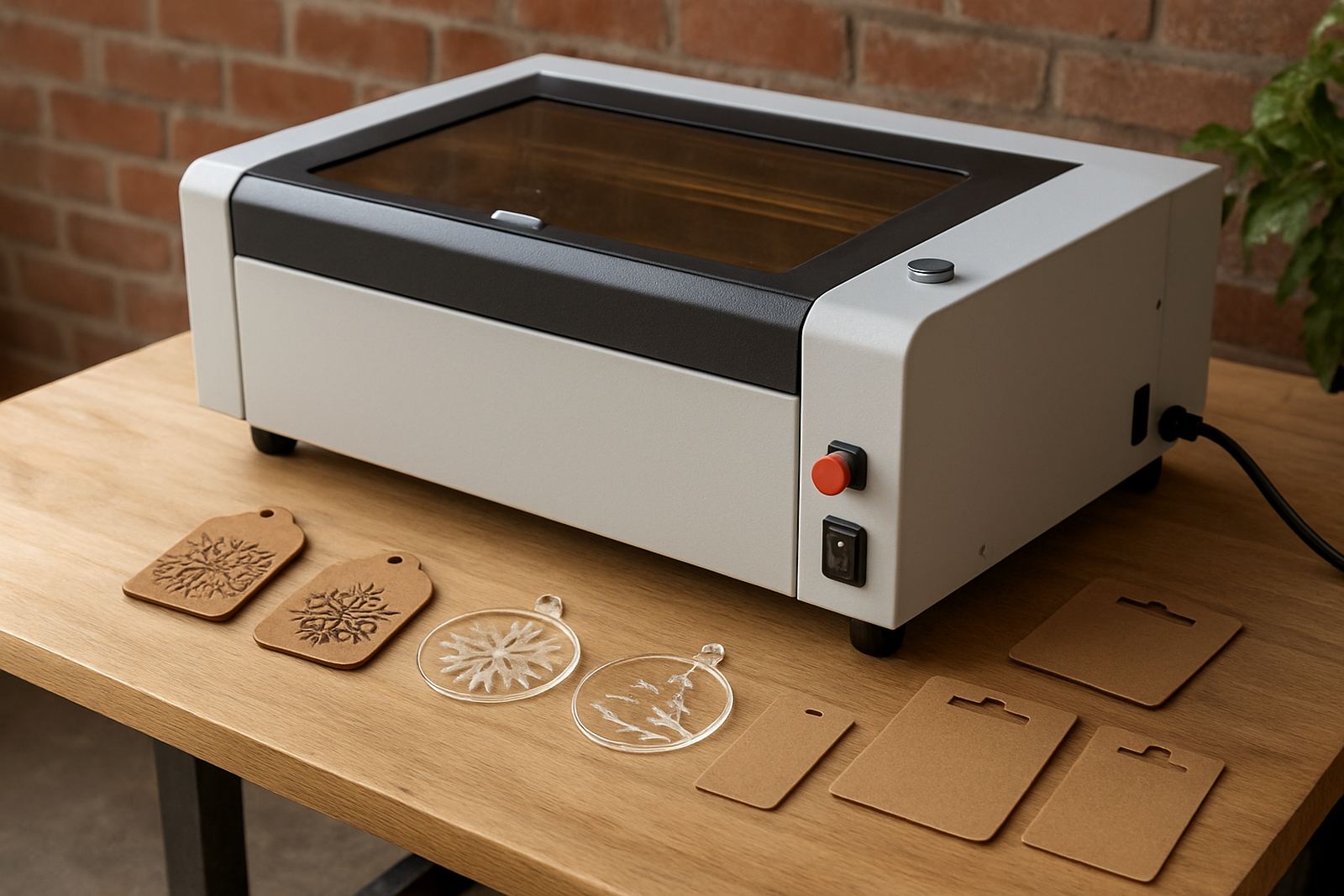
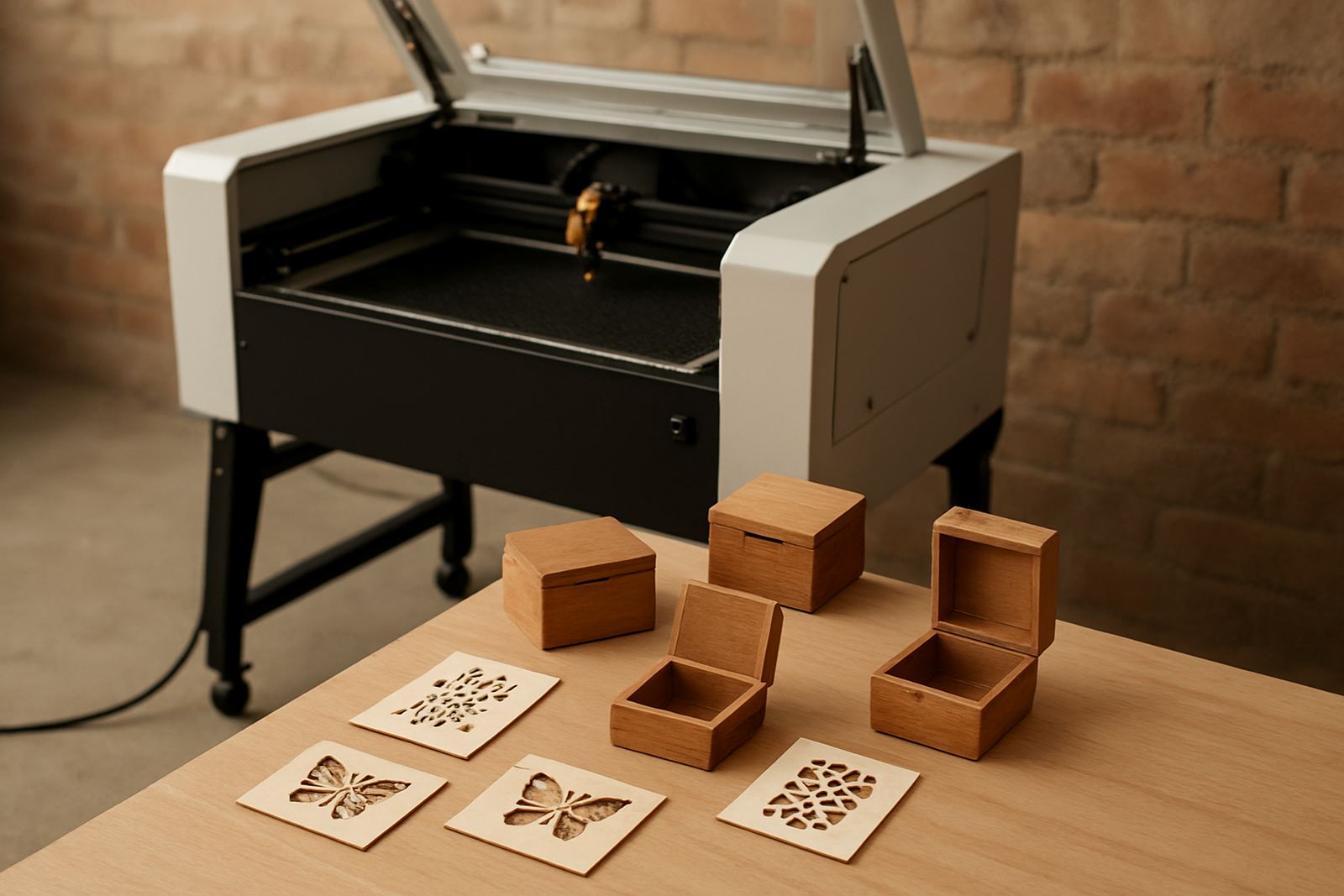
Materials that cut well with CO2 systems
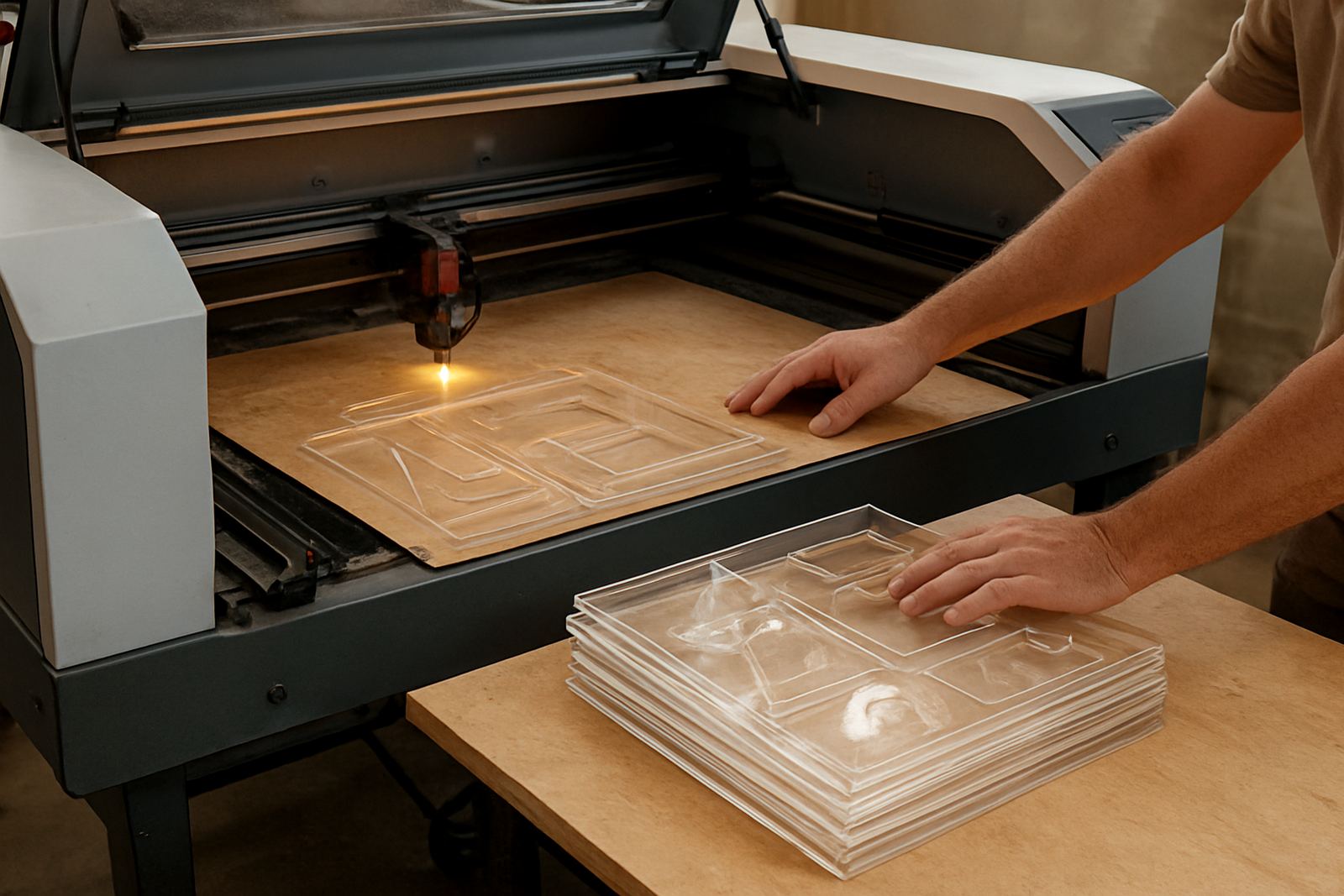
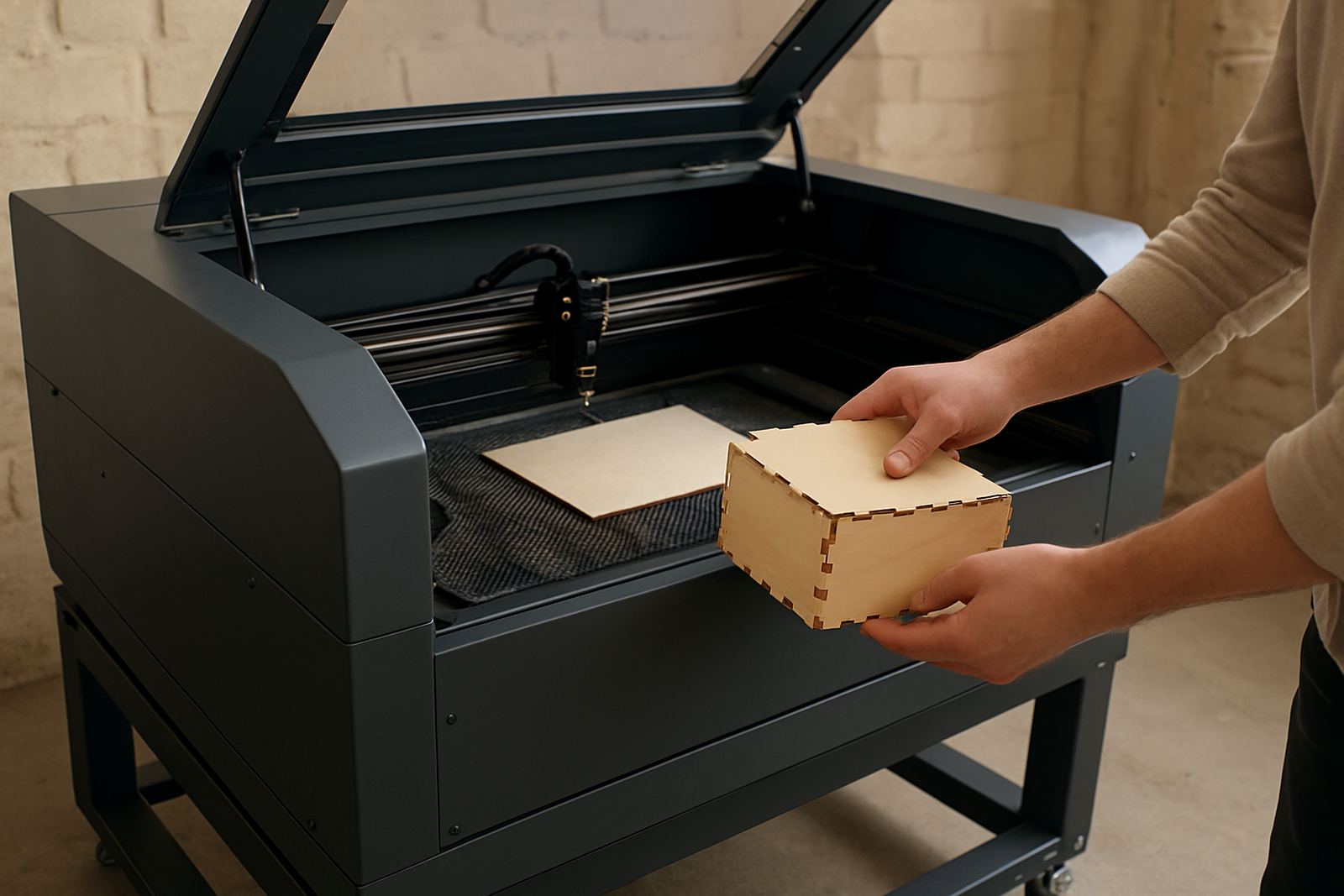
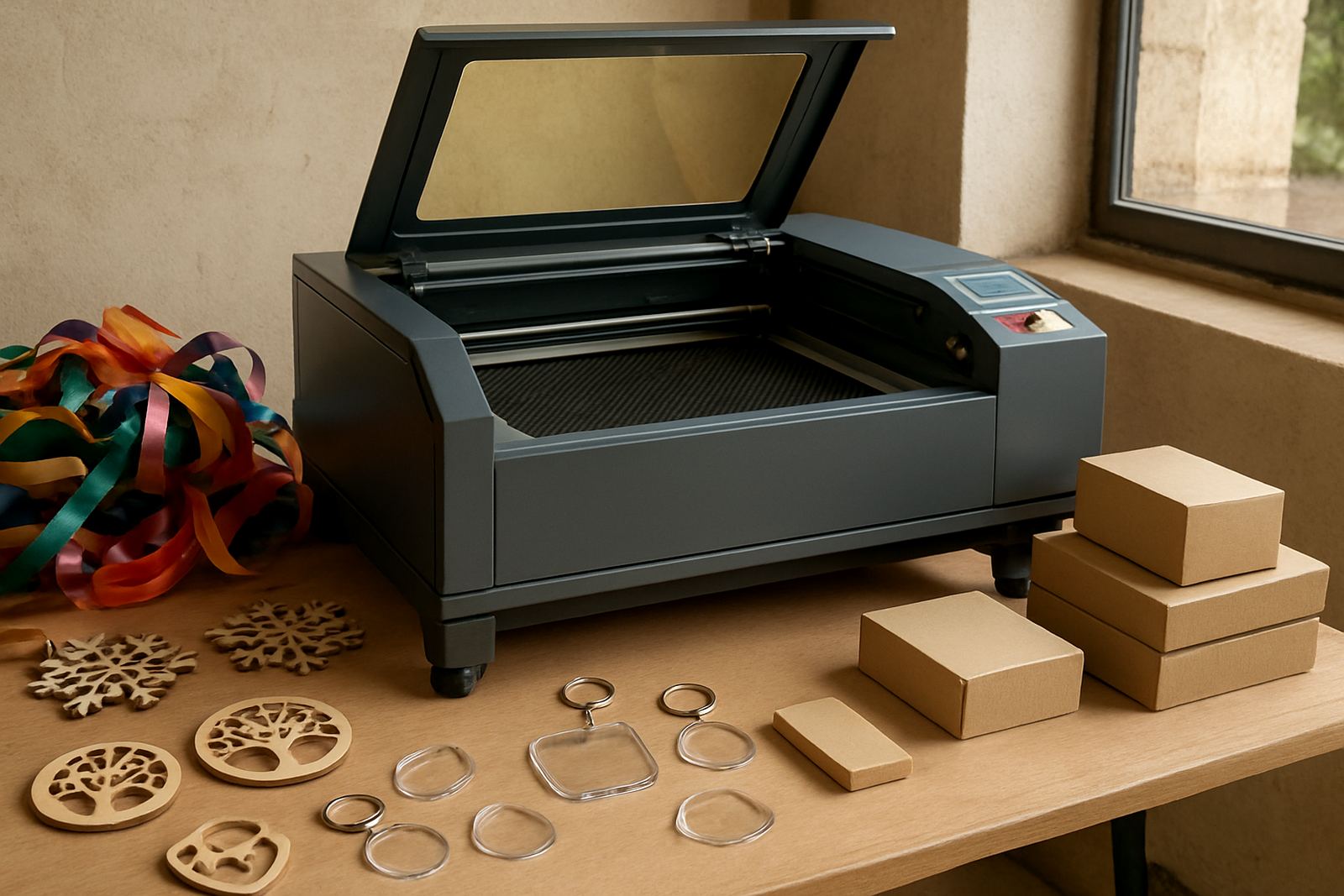
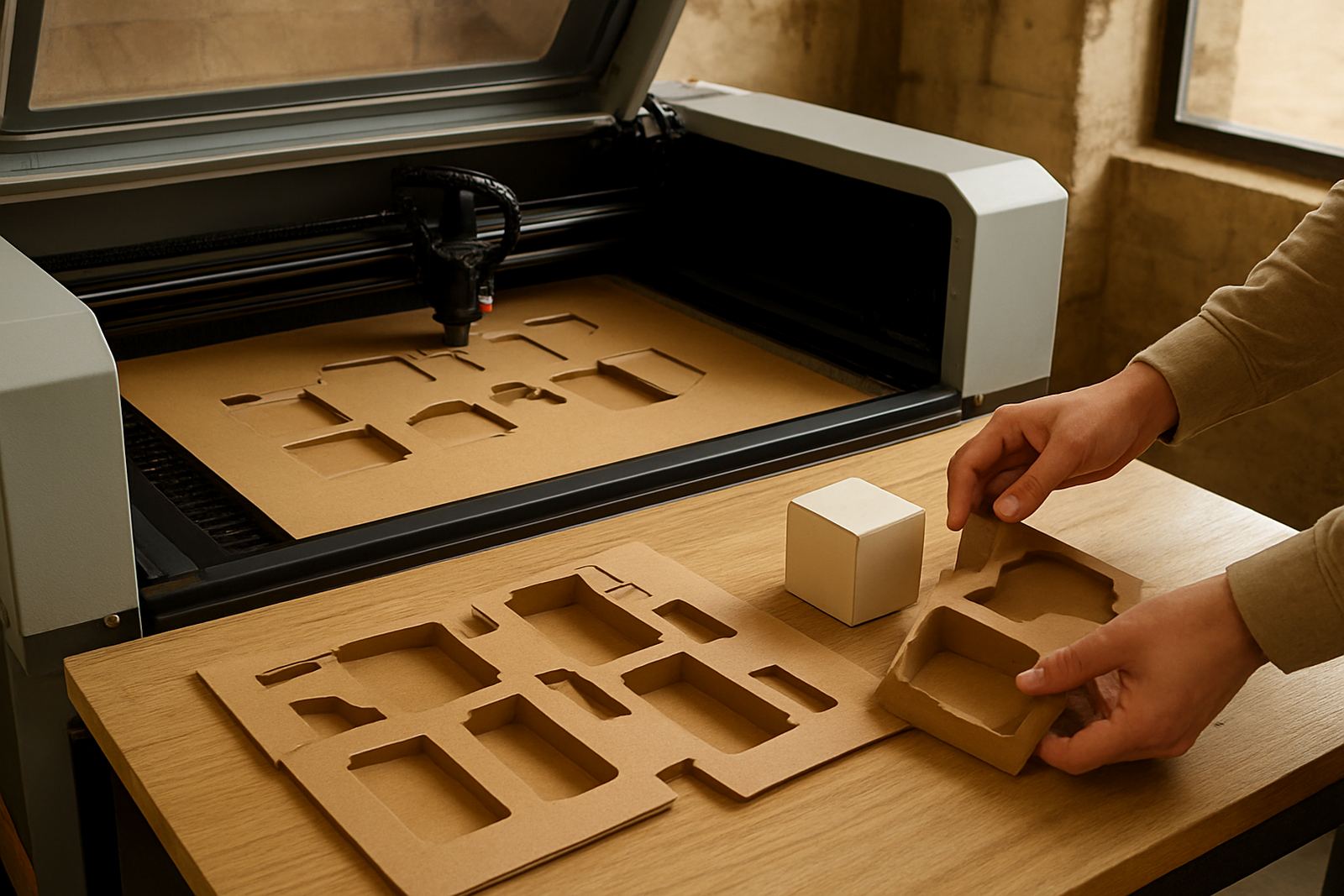
CO2 laser cutters are popular because they handle common workshop materials with accuracy and a neat finish. They are well suited to jobs where edge quality matters, especially when pieces need to go straight to assembly or finishing. We regularly assist clients who need a machine for mixed production, where one day is signage and the next is packaging samples or custom decor.
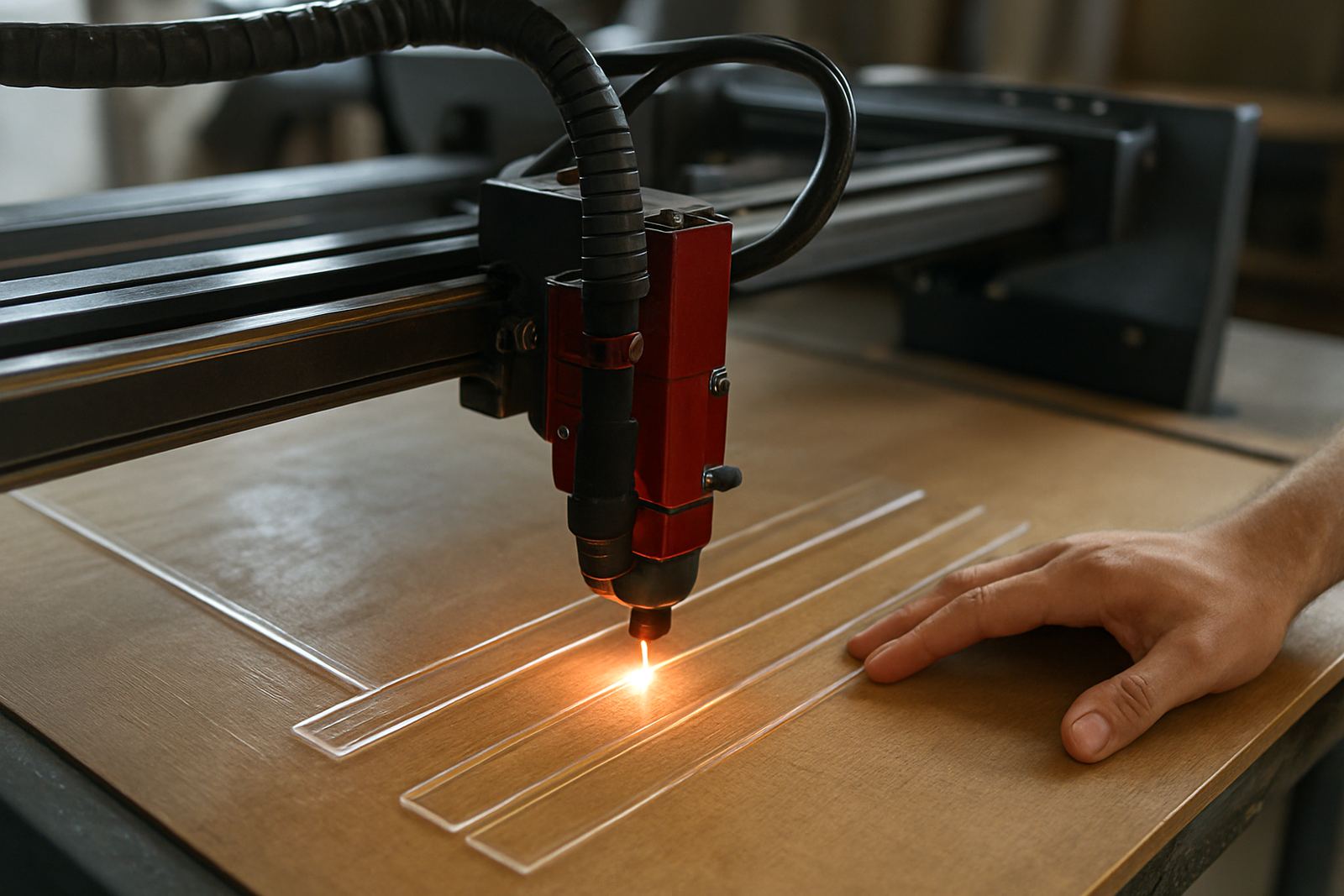
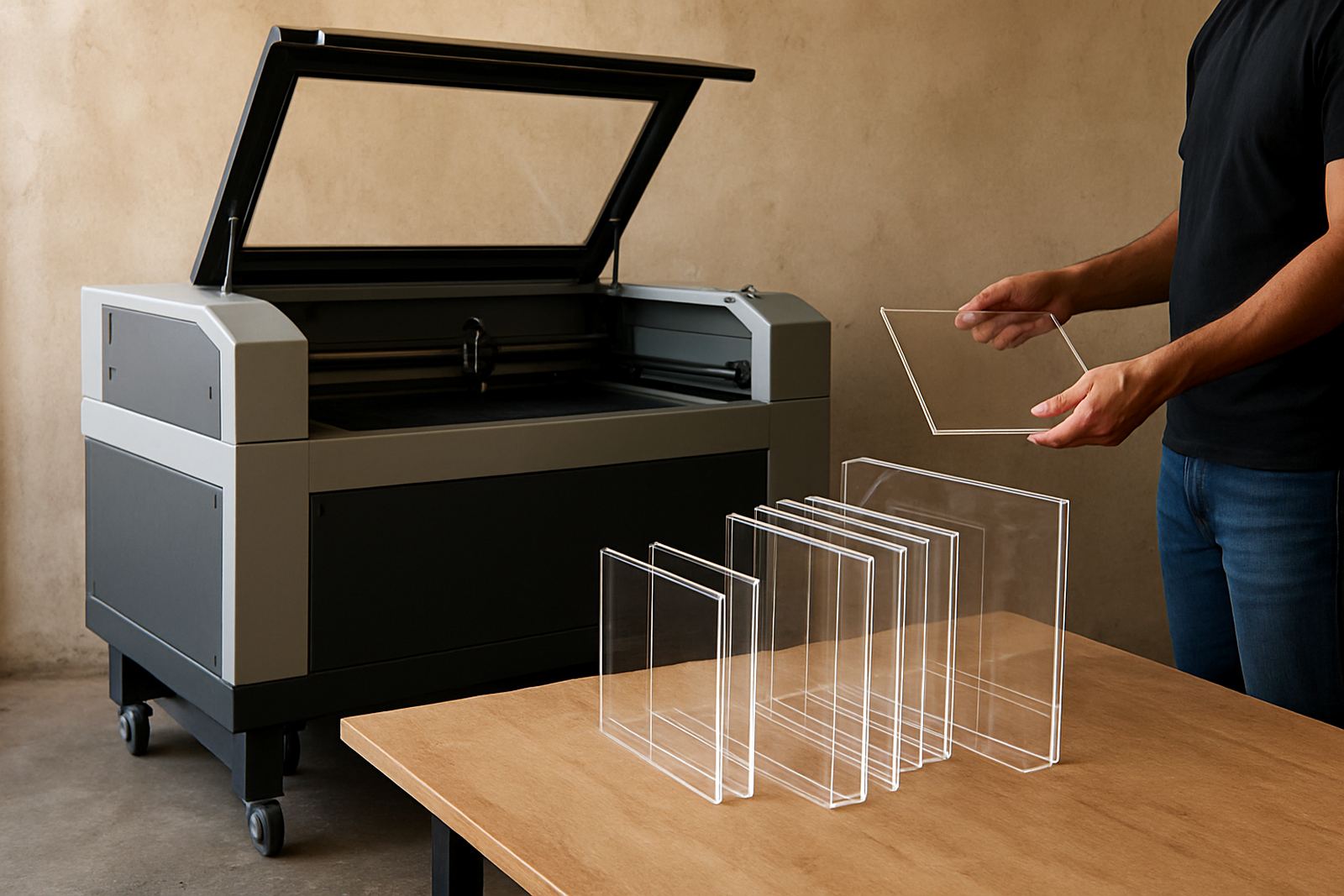
- Acrylic for signs, displays, lettering and panels
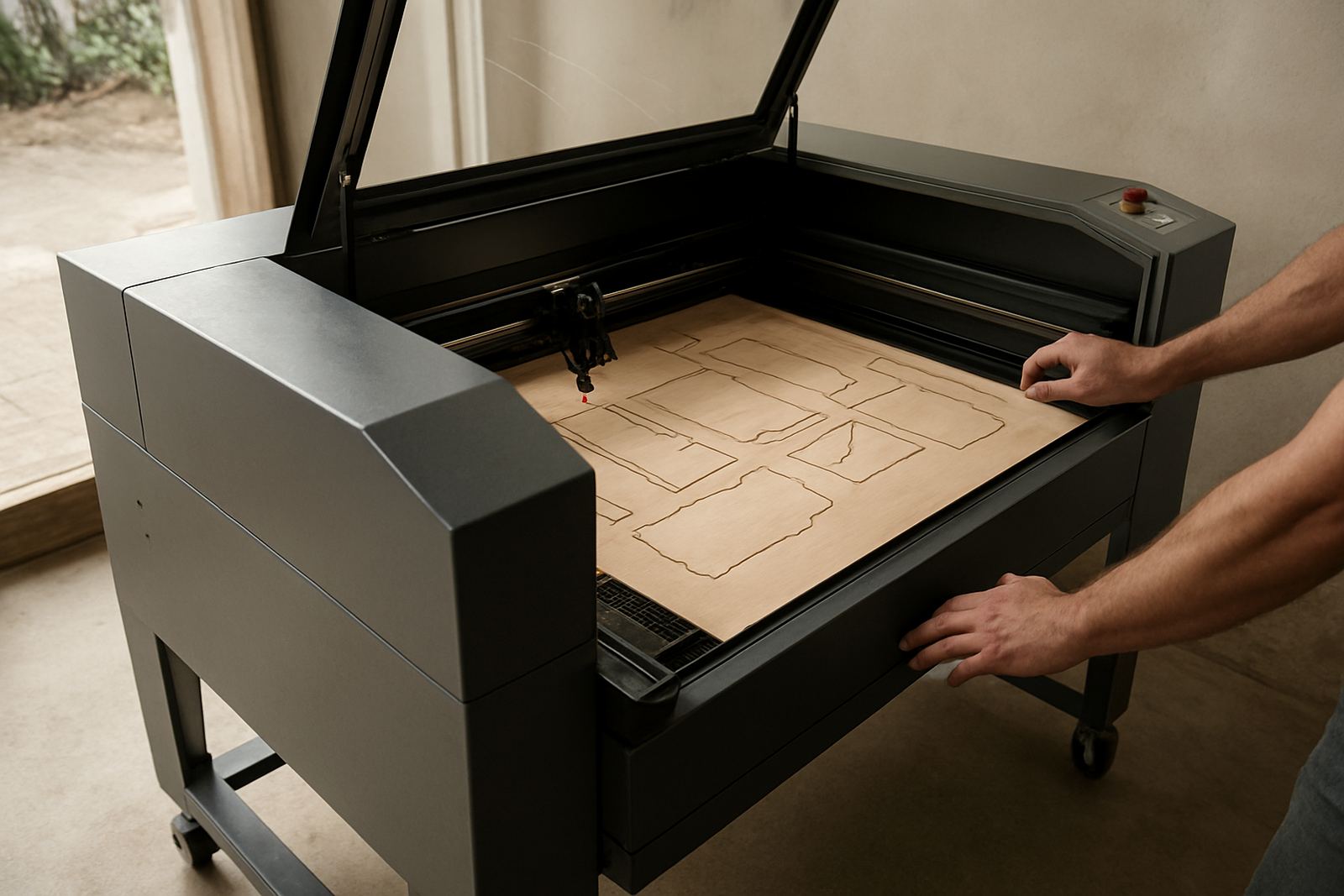
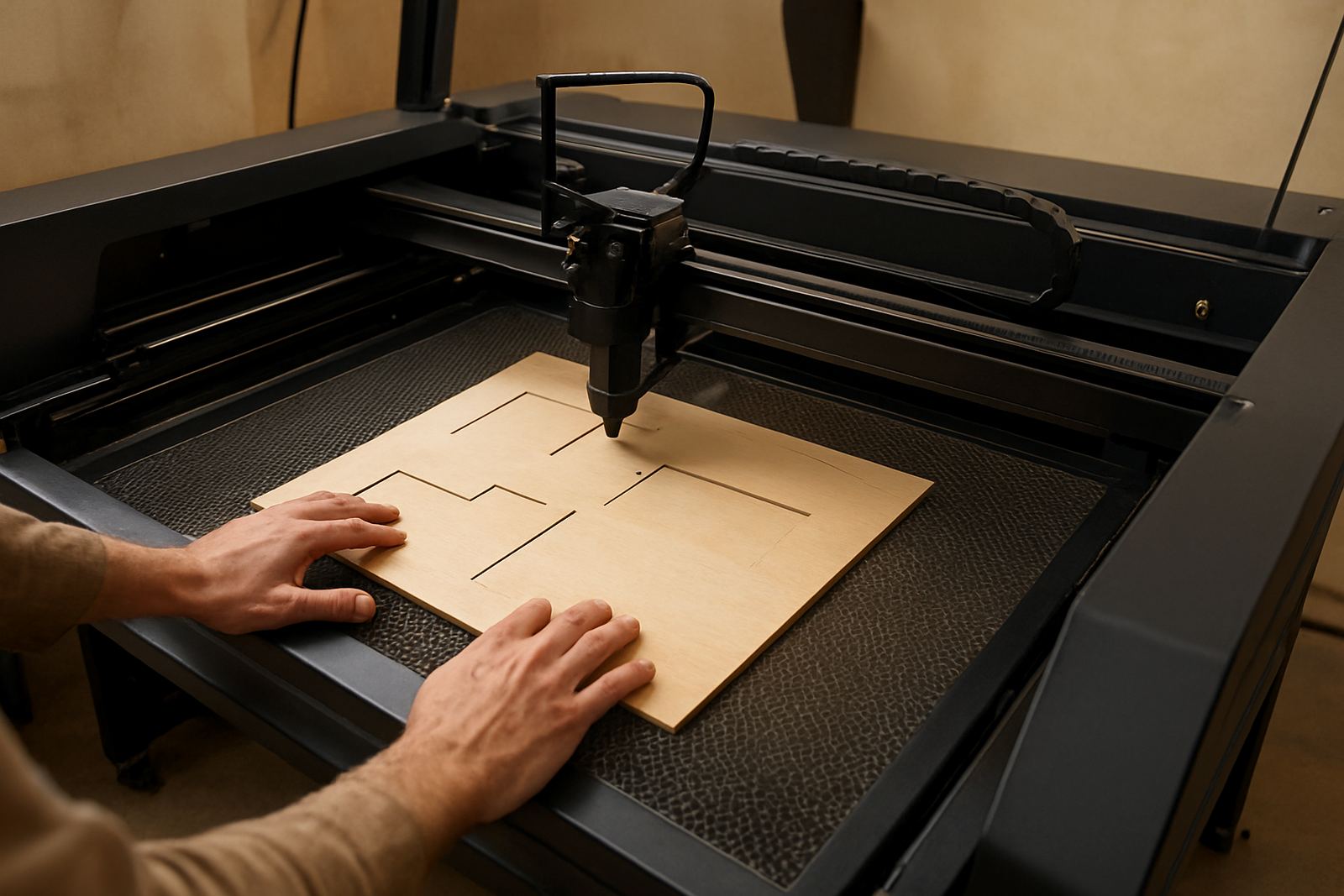
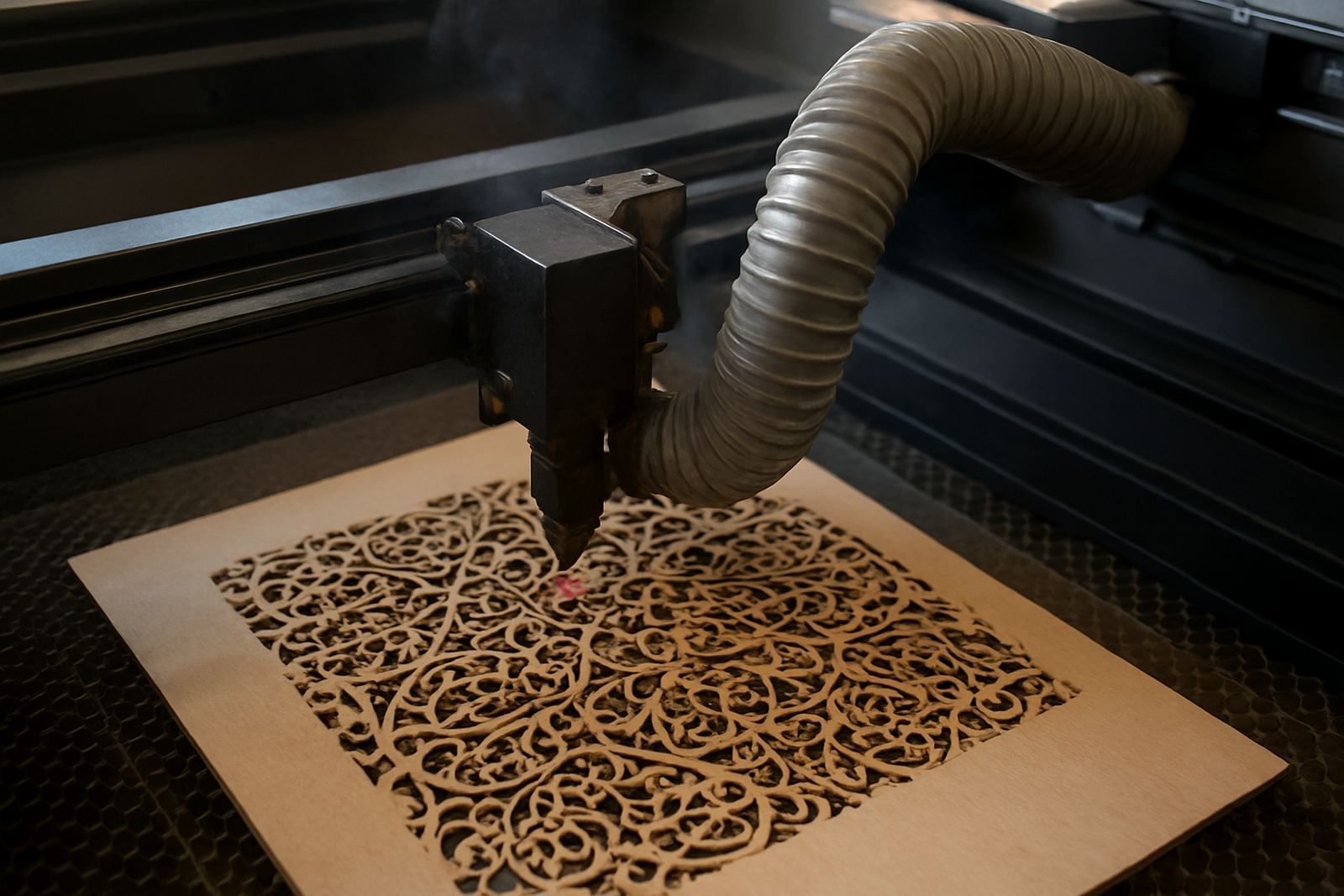
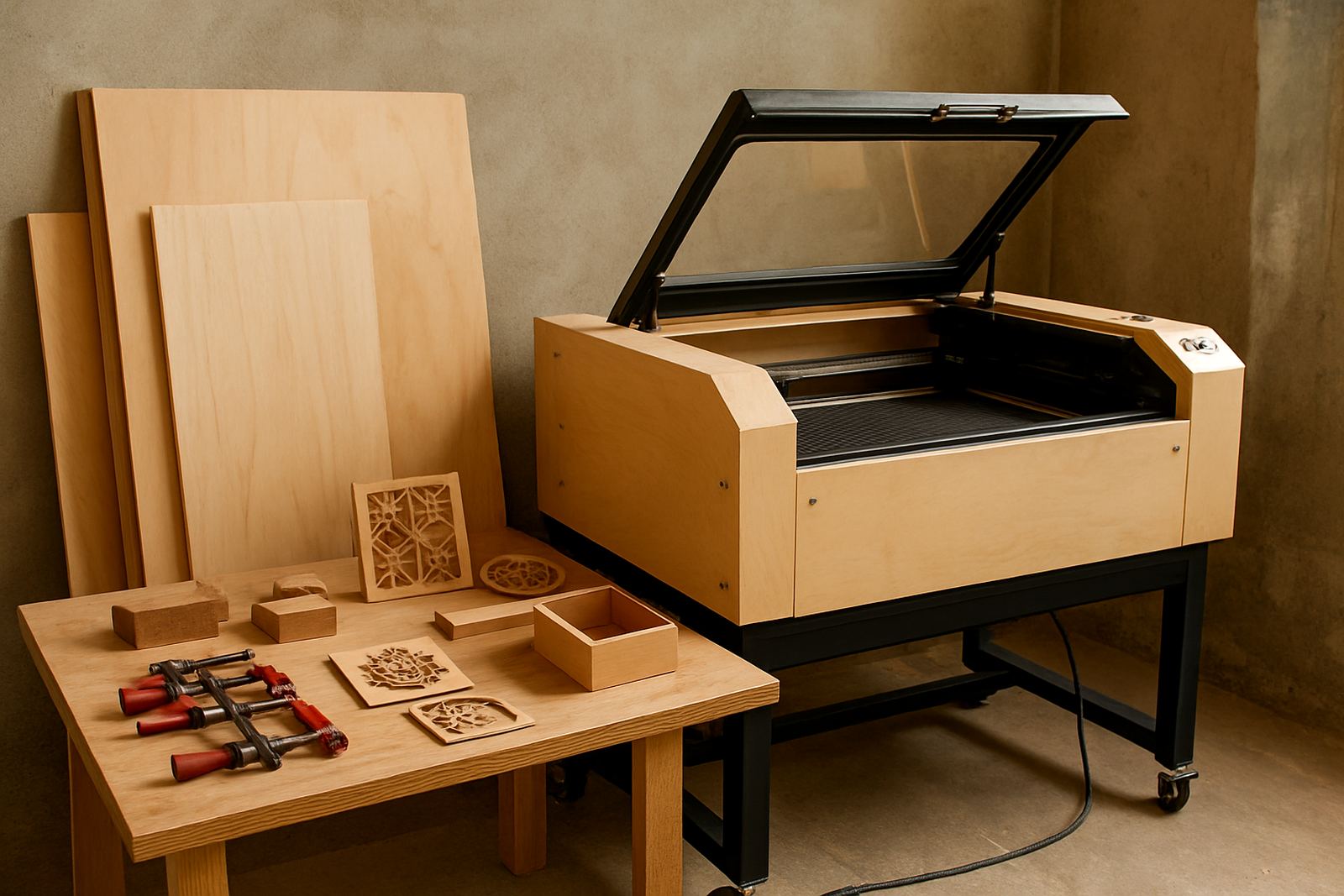
- Wood for models, jigs, fittings and decorative work
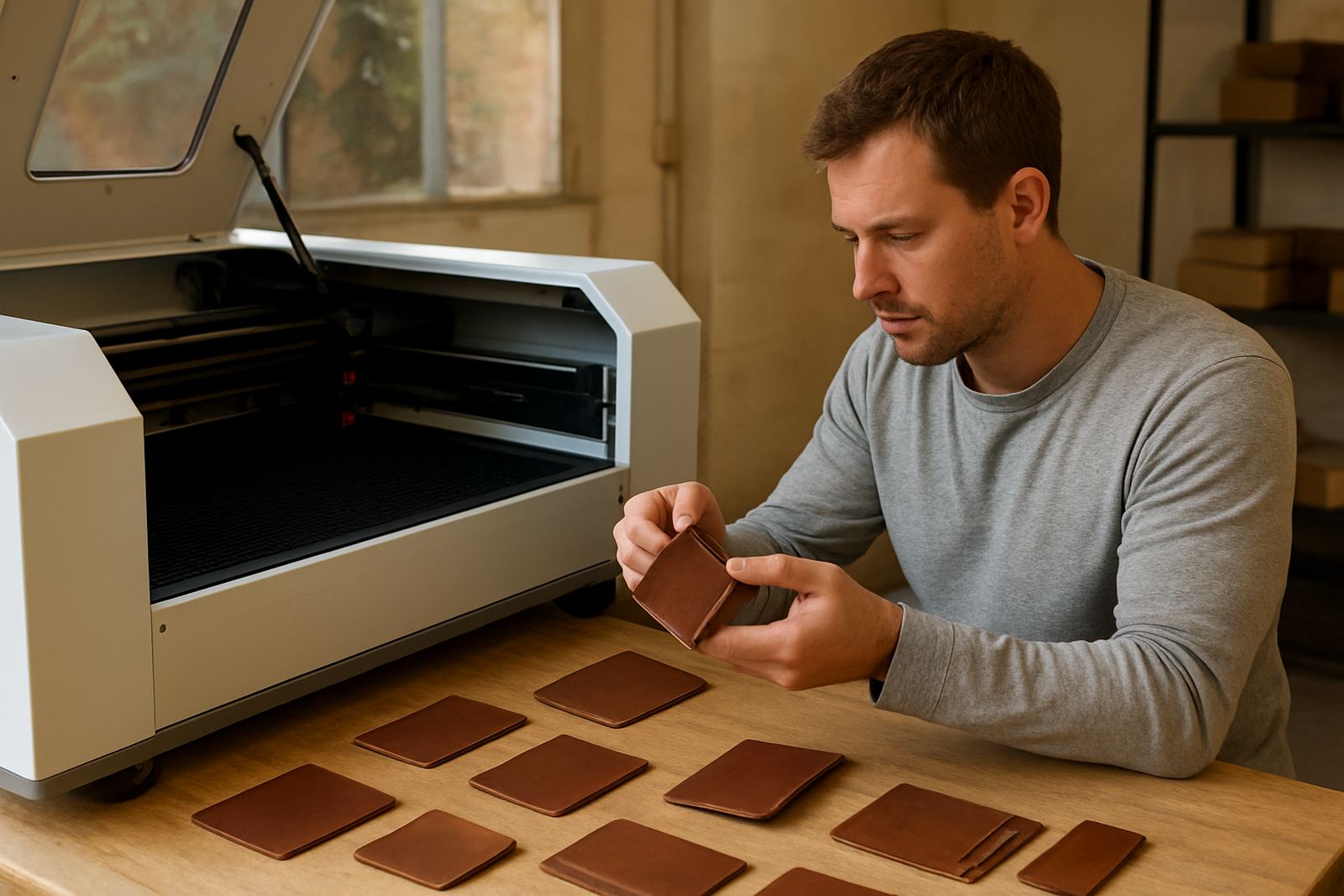
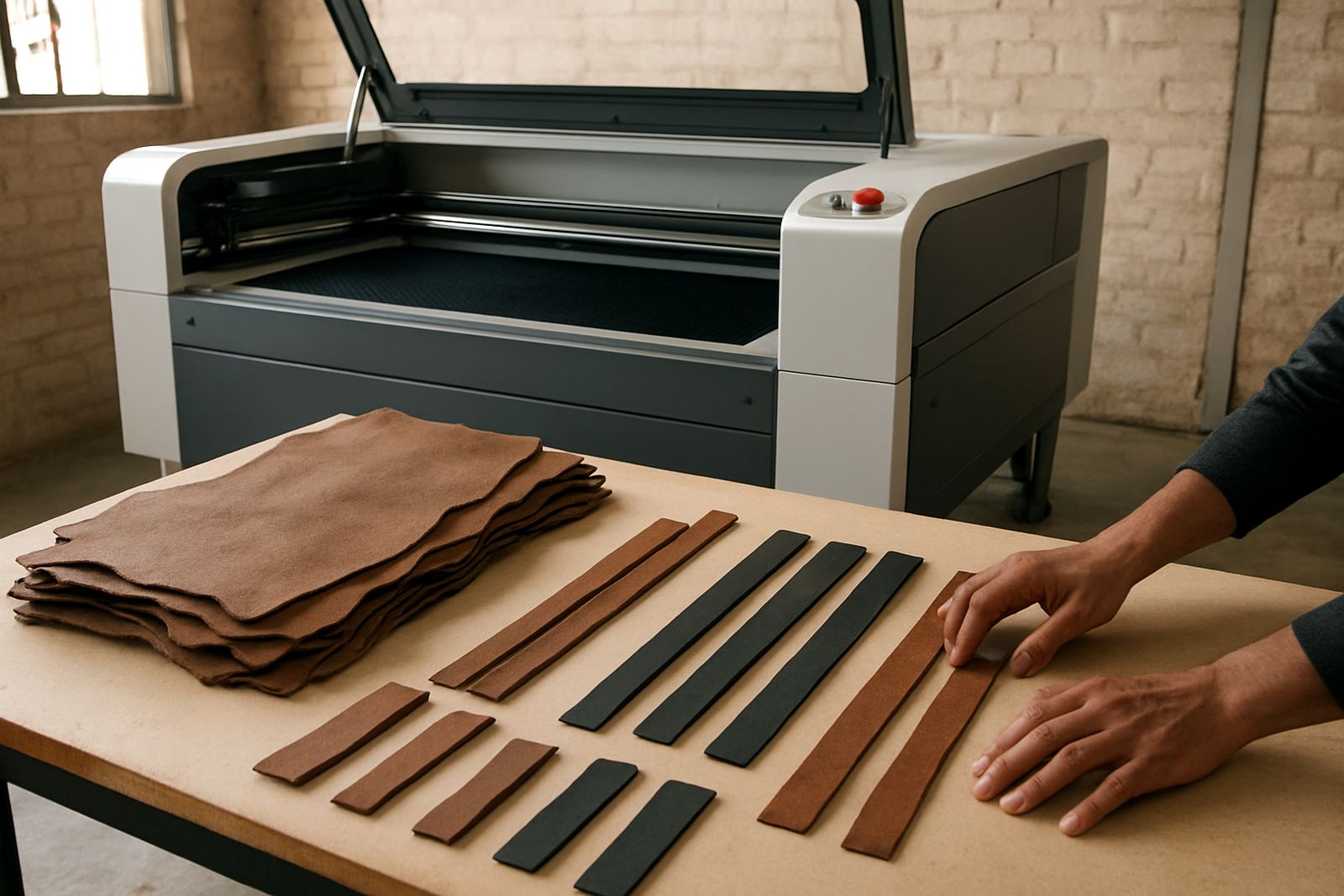
- Leather for tags, inserts, branding and custom items
- Paper, card and similar light materials for short run production
Material choice also affects ventilation, masking and cut settings. Acrylic cutting needs clean extraction, while wood can create more residue and requires good airflow to reduce smoke marks. In humid coastal areas like Durban and Cape Town, keeping optics clean and material dry becomes even more important, otherwise the finish can slip quicker than expected.
What to check before you buy
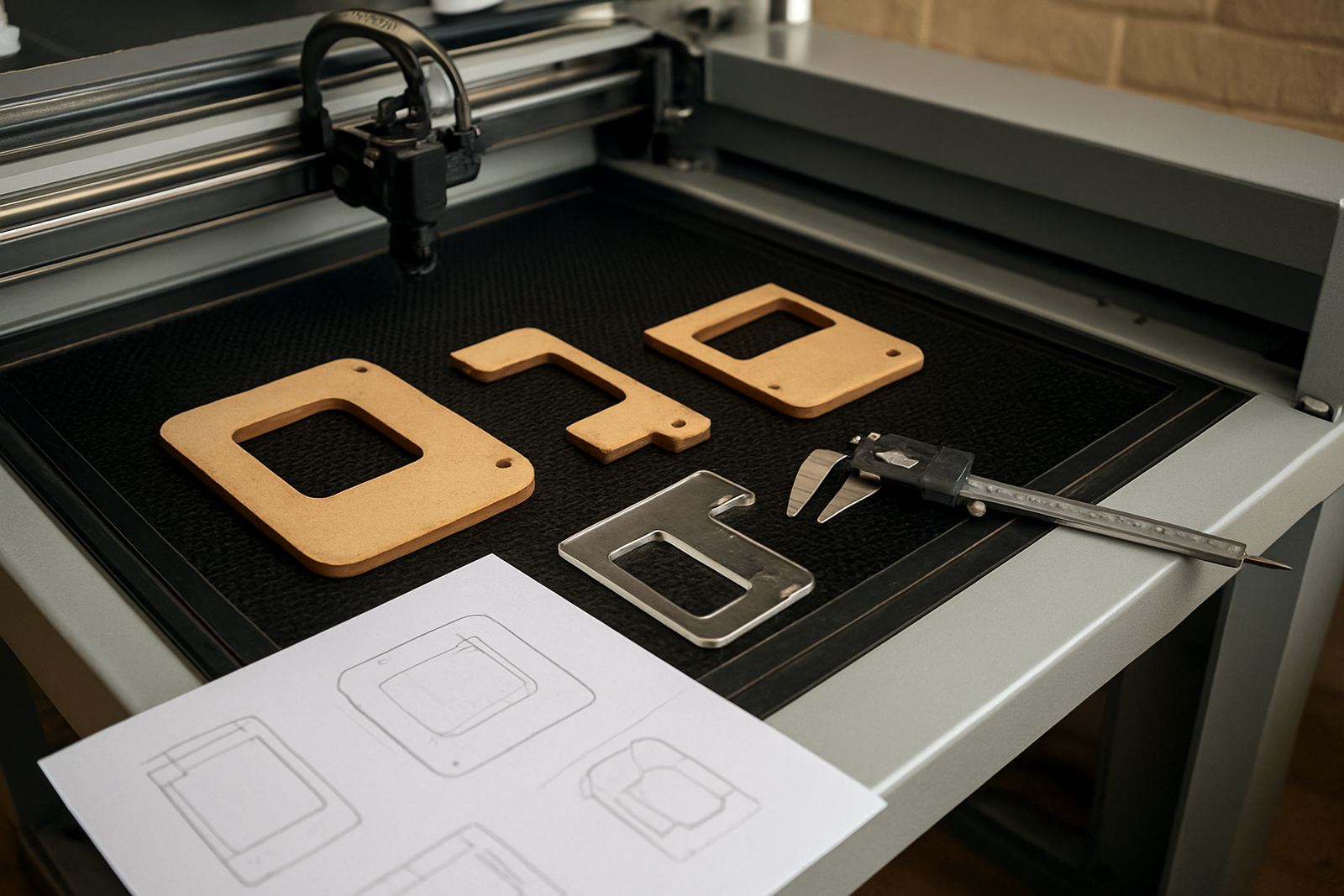
The best choice depends on what you cut, how often you cut, and how much support you want after installation. A machine that looks ideal on paper can be awkward in practice if the bed is too small, the cooling setup is under-sized, or the software is not easy for your operators to learn. That is why our team spends time on the practical side before installation.
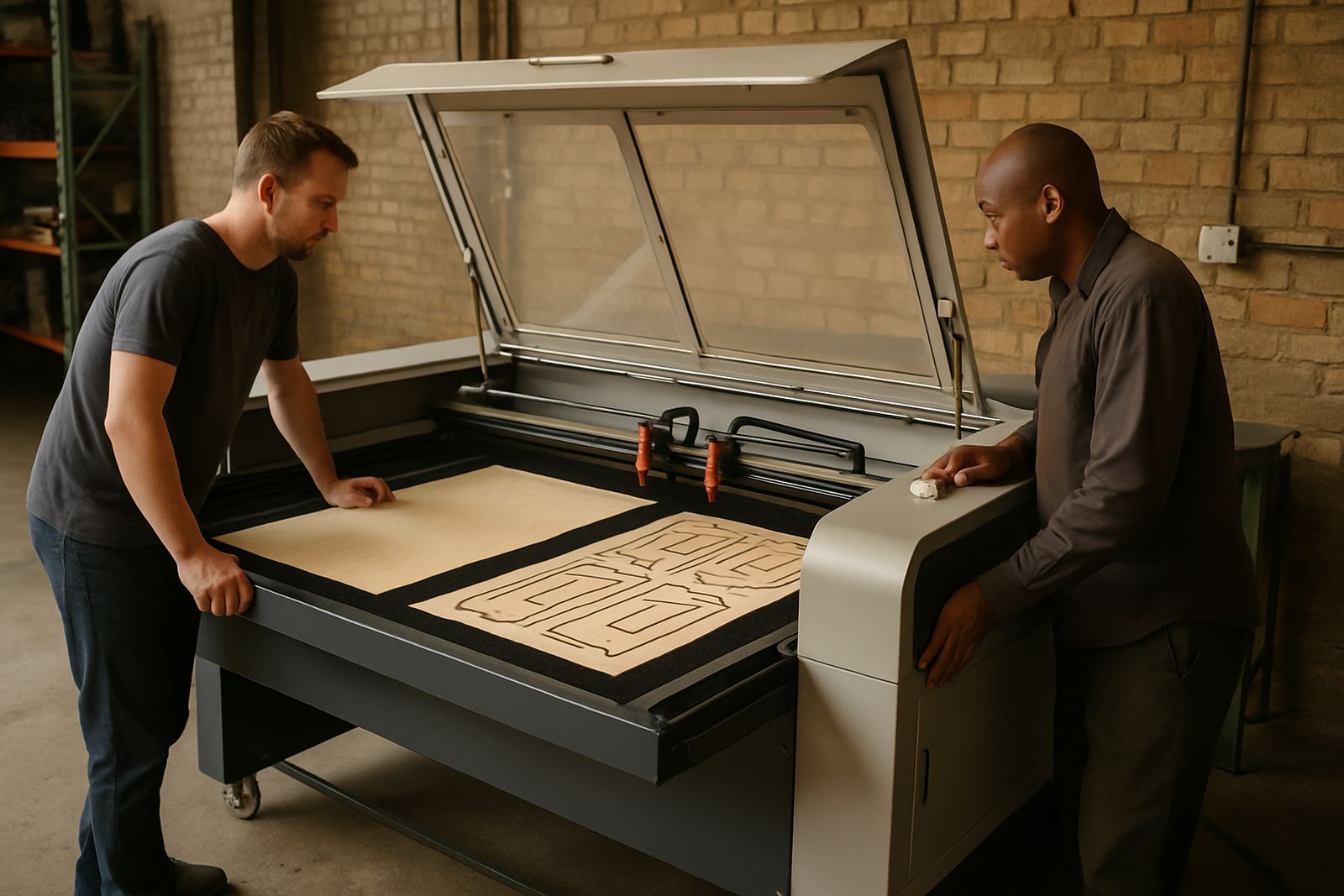
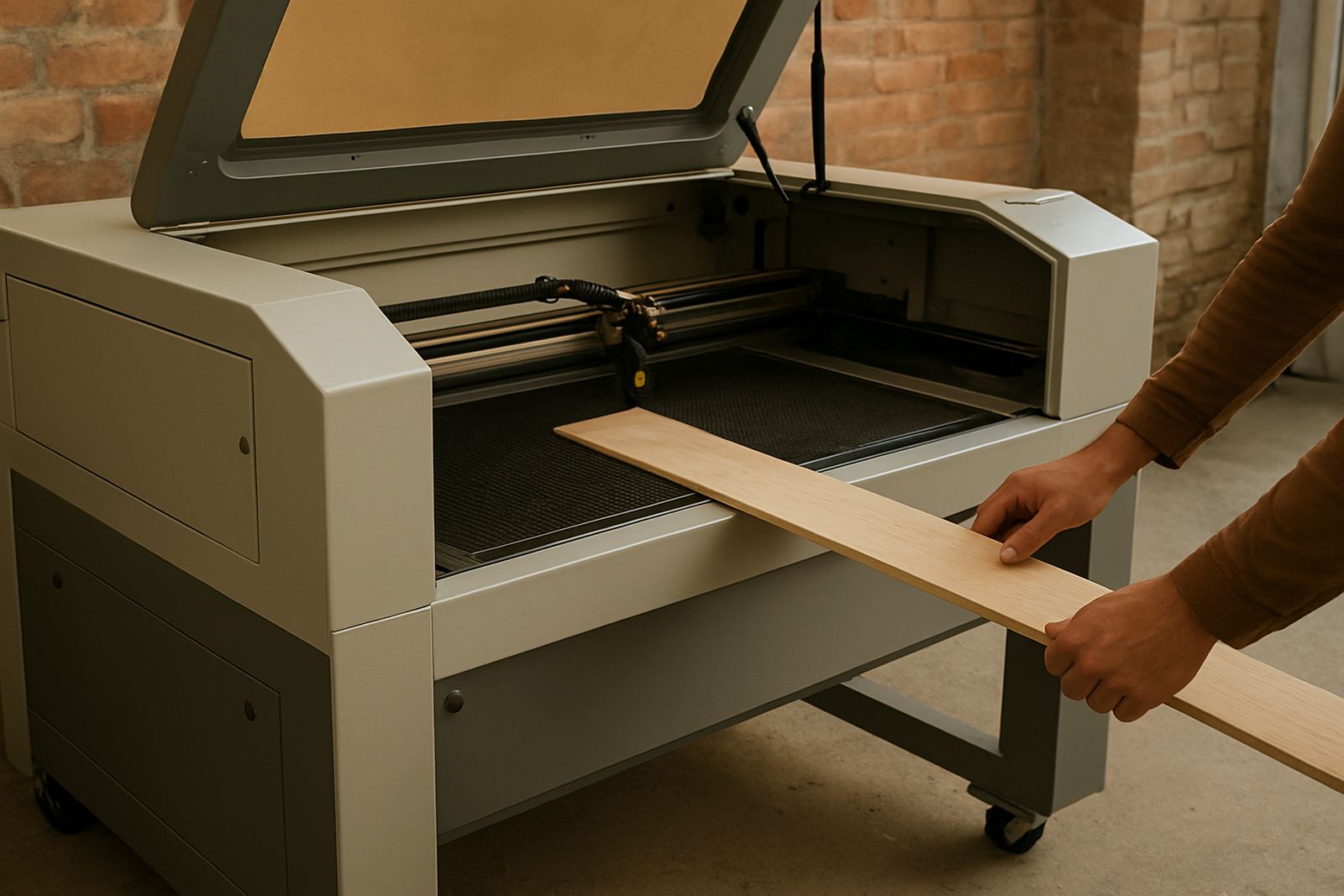
- Bed size and sheet handling for your standard material sizes
- Laser power matched to the thickness you cut most often
- Cooling, extraction and power stability for local conditions
- Access for cleaning lenses, mirrors and the cutting bed
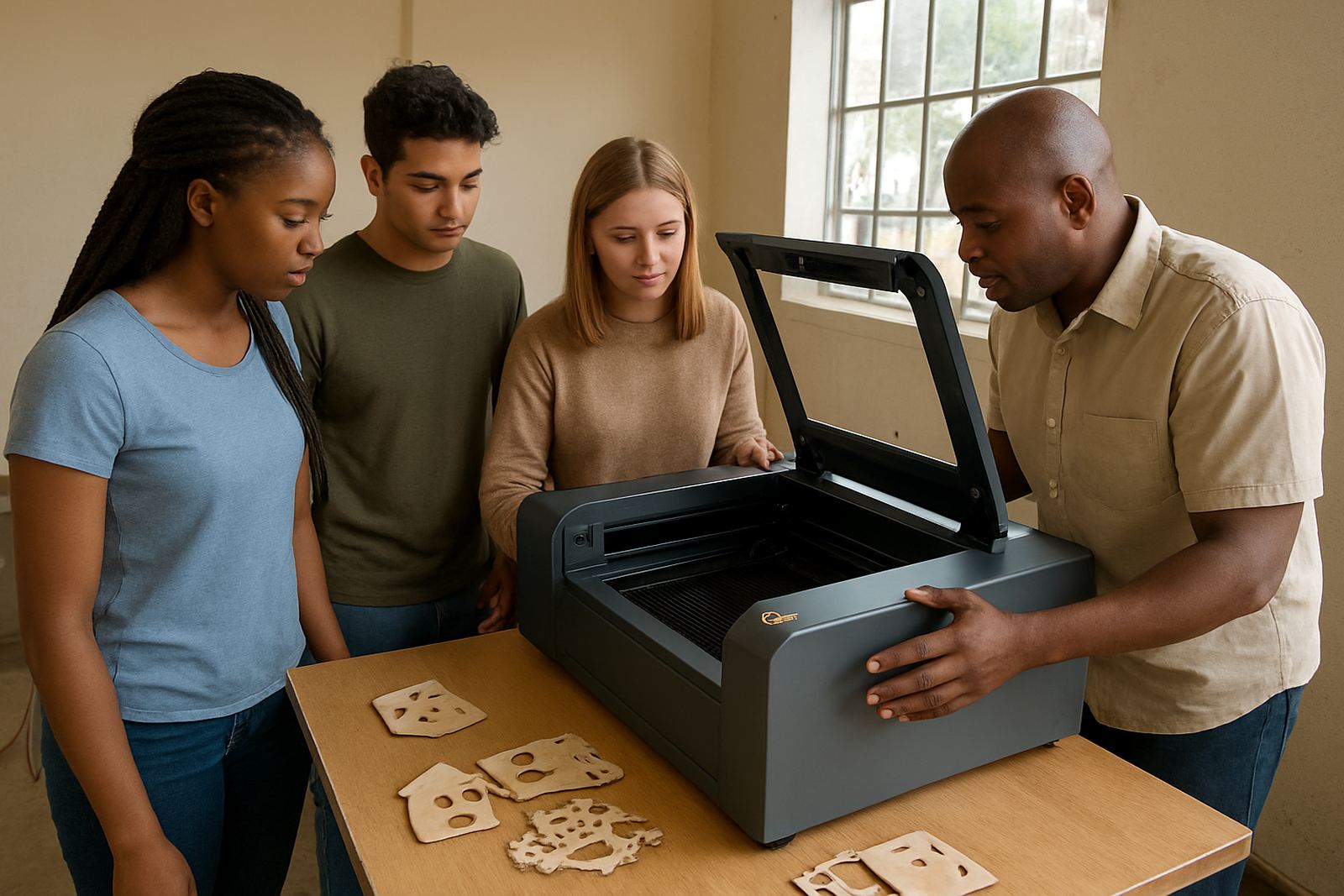
- Training requirements for one operator or a full team
In South Africa, load shedding and fluctuating site conditions can affect production if the machine room is not set up properly. A stable room, clean power and correct extraction make a real difference. If you are based in an industrial park in Midrand, a factory in the East Rand or a small shop in Pretoria, the setup should suit your actual site, not just the brochure specs.
Installation, training and support across South Africa
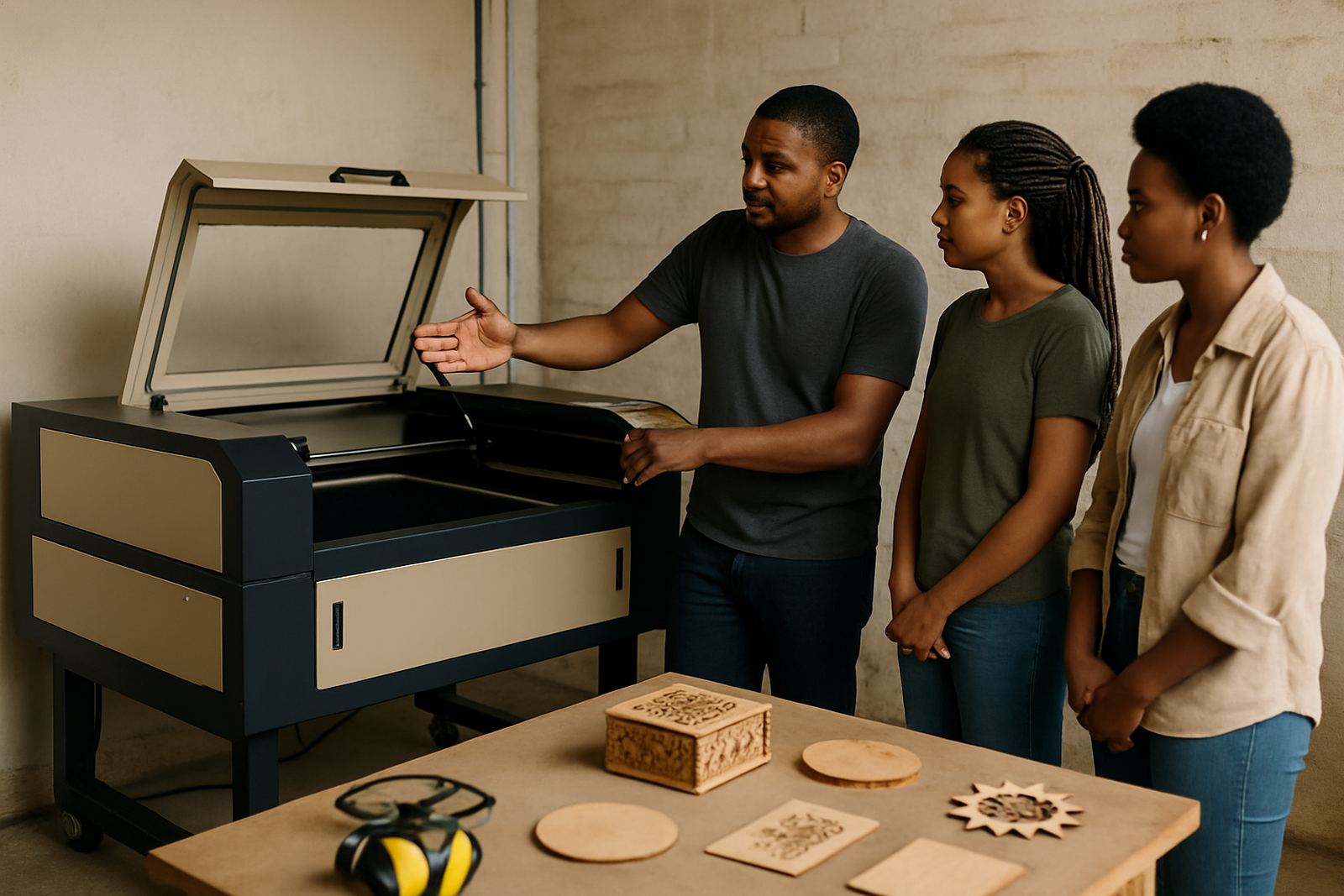
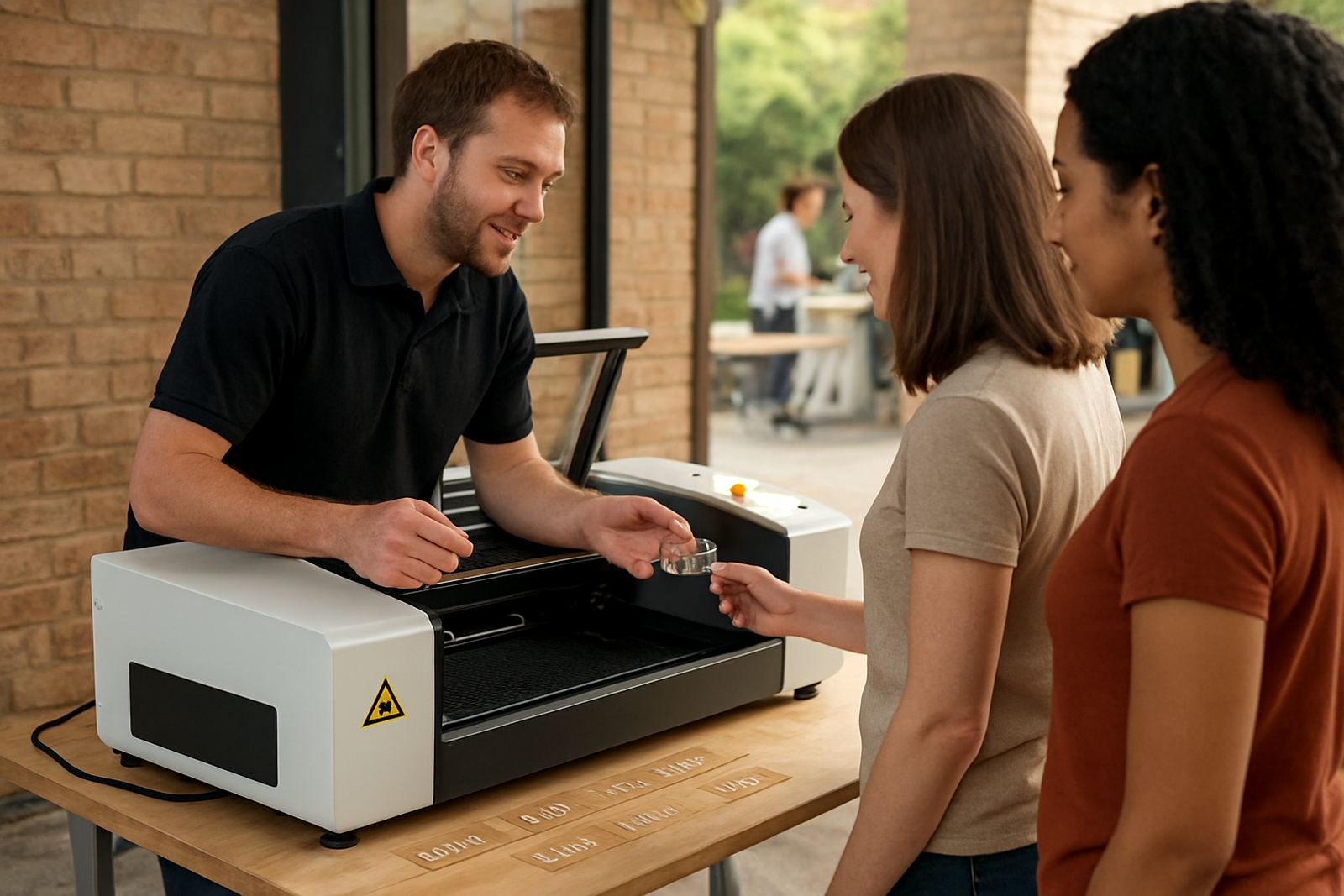
We supply machine installation, operator training and support from our Johannesburg base, with demo cuts in Wynberg and assistance in key service areas including Sandton, Pretoria, Midrand, the East Rand and the West Rand. For clients further afield, we also support installations in Durban and Cape Town. The aim is simple: get the machine running properly, then make sure the team knows how to use it safely and consistently.
Training covers day to day use, basic maintenance and the small checks that keep production moving. That includes beam alignment, optics cleaning, cooling checks and extraction service. If a machine needs relocating or a new operator needs a refresher, we can help with that too. Refilwe and Tyron often handle the practical side with customers, while Johan supports the technical setup and Mandla oversees the overall operation.
Keeping your laser cutter productive
Any laser machine will perform better when it is maintained properly. Dust, residue and poor cooling can shorten tube life and affect cut quality, so routine care matters. A good maintenance plan is not just for large factories. Small businesses benefit just as much, especially when the machine is used daily for custom work and there is no room for unexpected downtime.
- Preventive maintenance to reduce breakdowns
- Breakdown response when production stops
- Spares supply for common wear parts
- Annual service plan for regular scheduled checks
- Remote support for quick troubleshooting
For many workshop owners, the right service arrangement is as important as the machine itself. If you are running a custom sign shop, a maker space or a production workshop, one missed day can affect customer orders and cashflow. Regular checks on mirrors, lenses, extraction and cooling help prevent those problems before they start.
Talk to us about the right CO2 laser cutter
If you are comparing CO2 laser cutters for acrylic, wood, leather or mixed production, start with the work you need to finish each week. We will help you narrow down the options based on bed size, support needs, workshop space and how quickly you need to produce. Some customers want a simple entry setup, while others need a machine that can handle repeat production with proper service back-up.
Use the contact page enquiry form so we can match your request to the right support. Whether you need demo cuts in Wynberg, installation at your site or operator training for a new team, the goal is to keep the machine useful from day one, not just on installation day.