
Laser Journal
Home / Journal

Laser Journal

Read practical articles for buyers, operators and workshop owners using CO2 laser cutting in South Africa. The journal covers production ideas, maintenance basics, material tips and smarter machine planning.

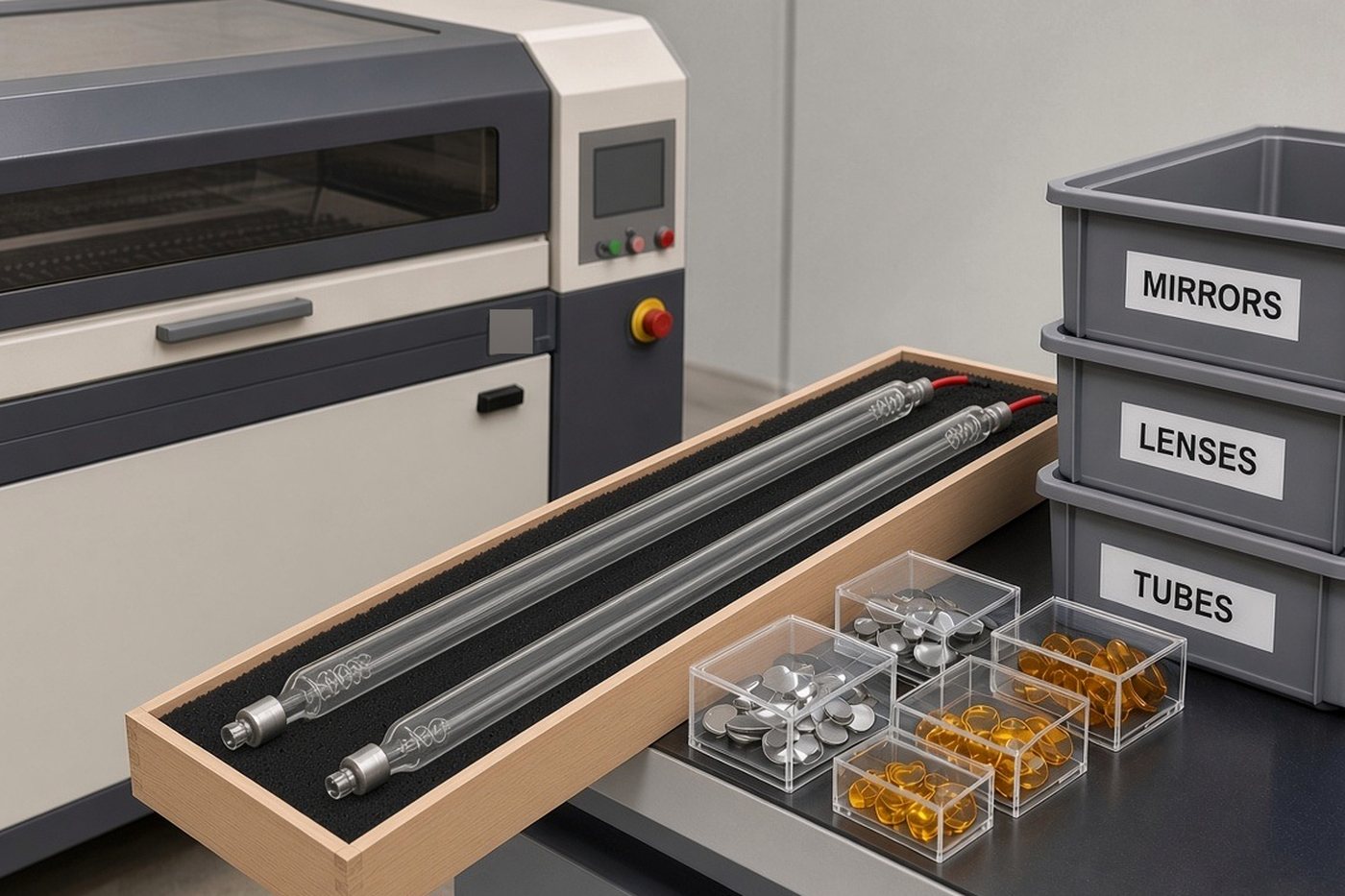
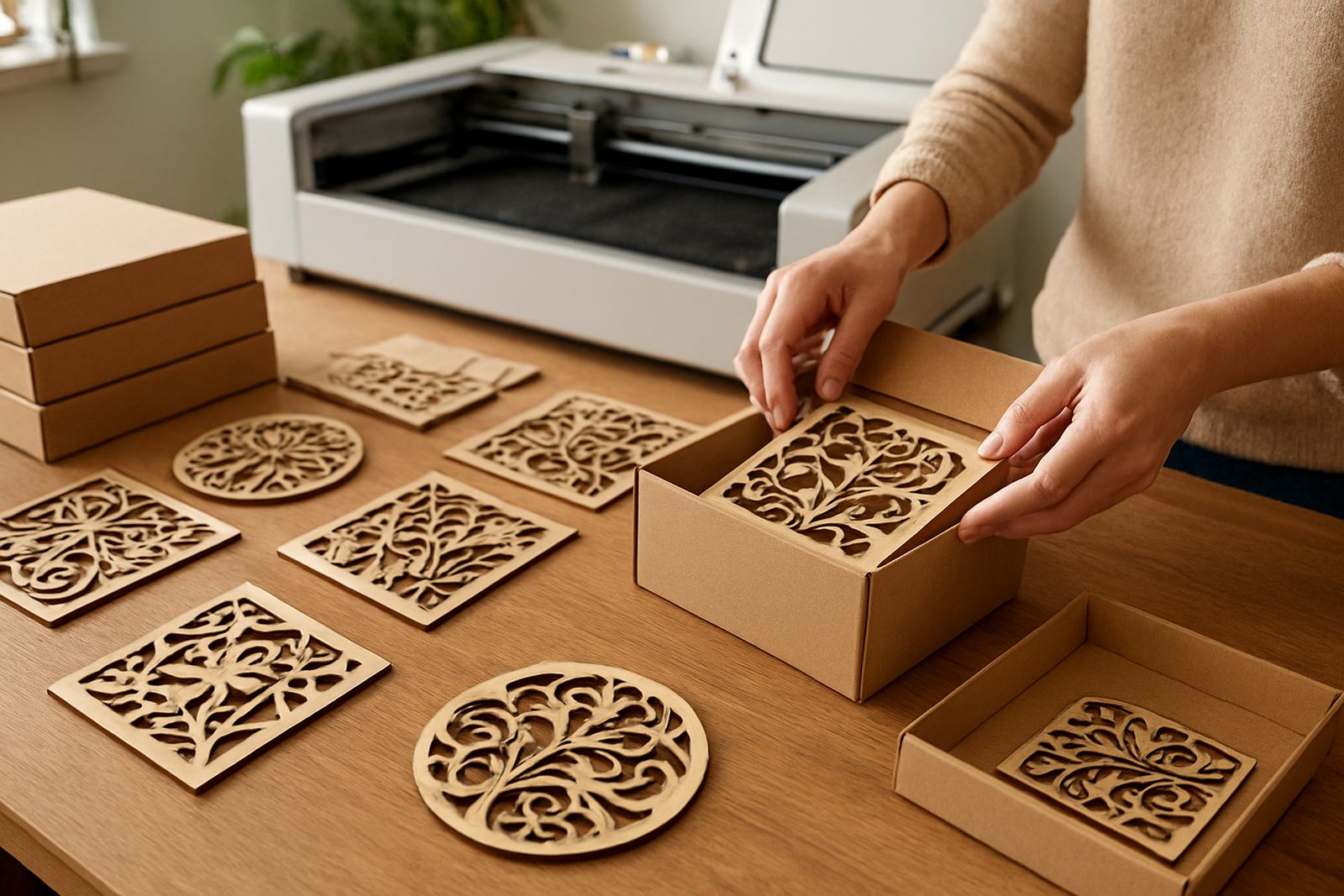
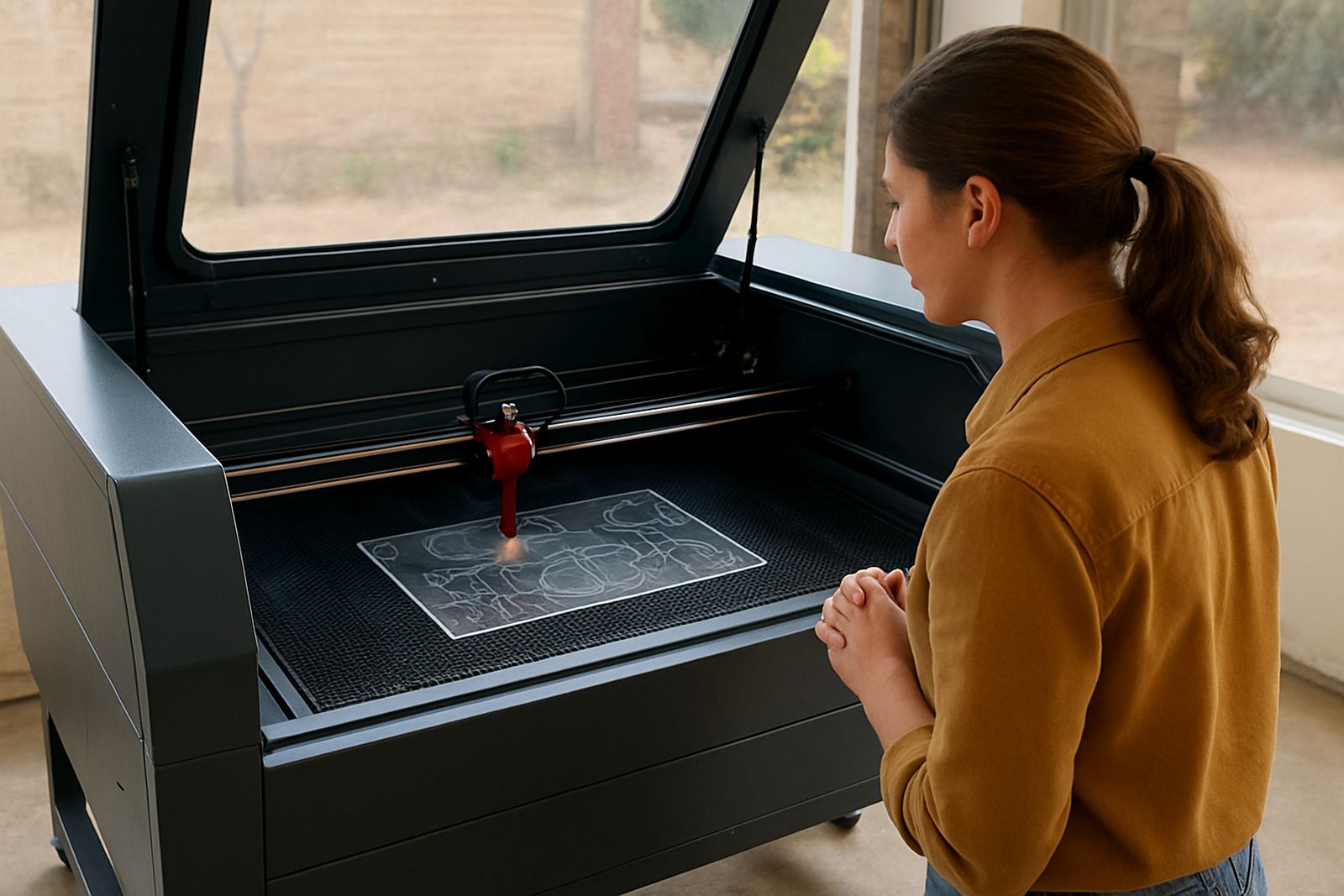
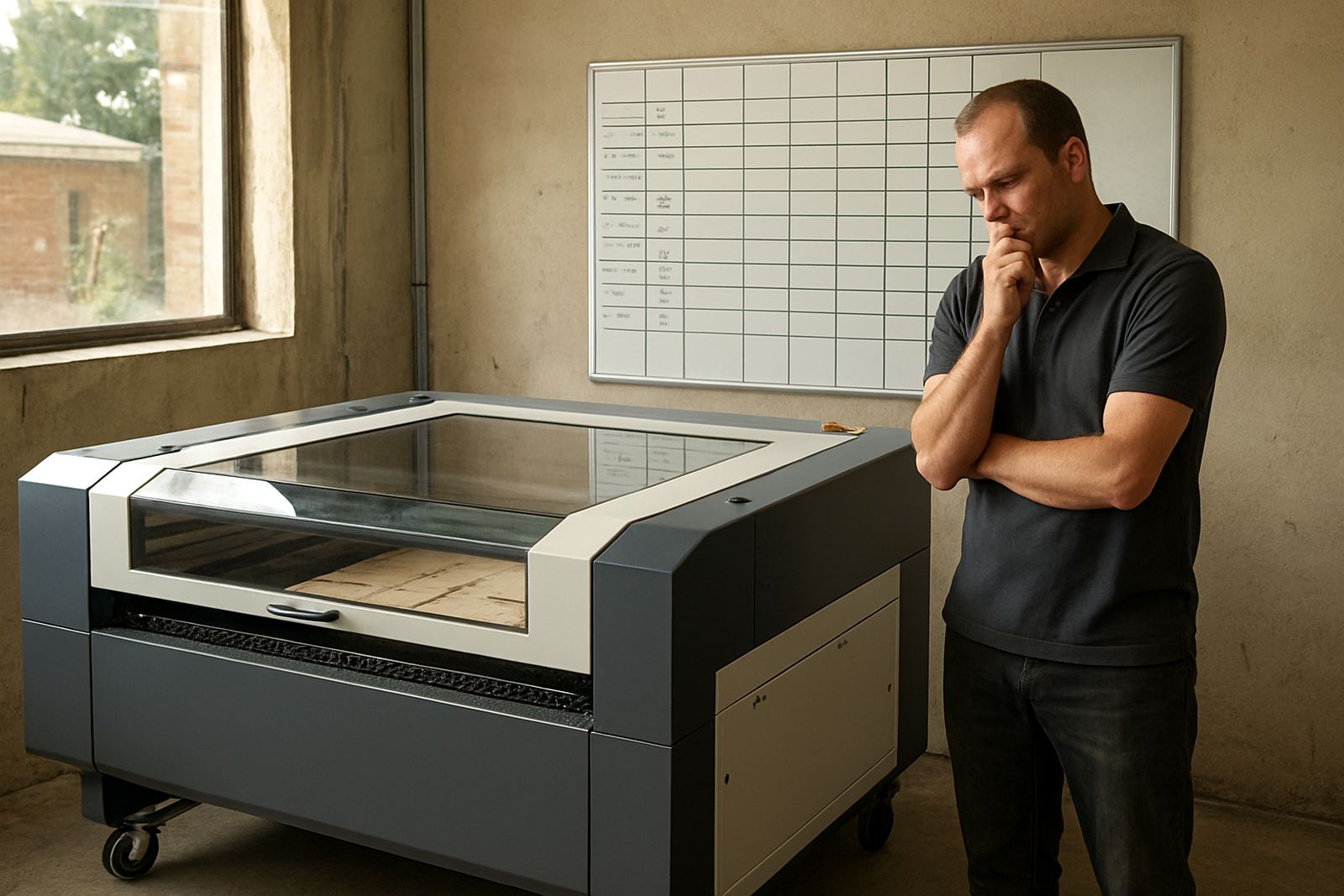
Fewer Stoppages: Spares on the Shelf With AM.CO.ZA

Fewer Stoppages: Spares on the Shelf With AM.CO.ZA

Tubes, mirrors, lenses and chillers our service plan keeps in stock, sourced from AM.CO.ZA.

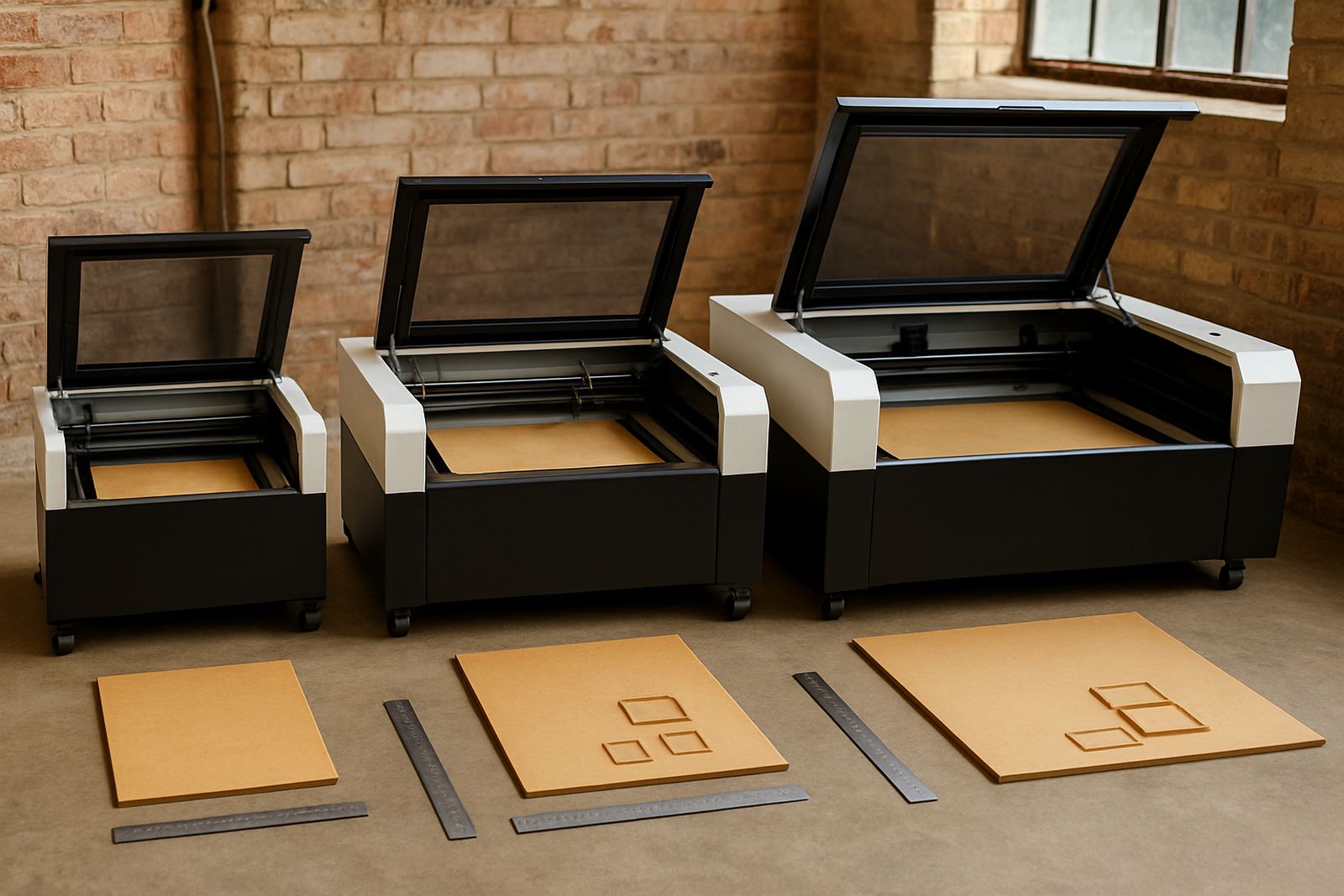
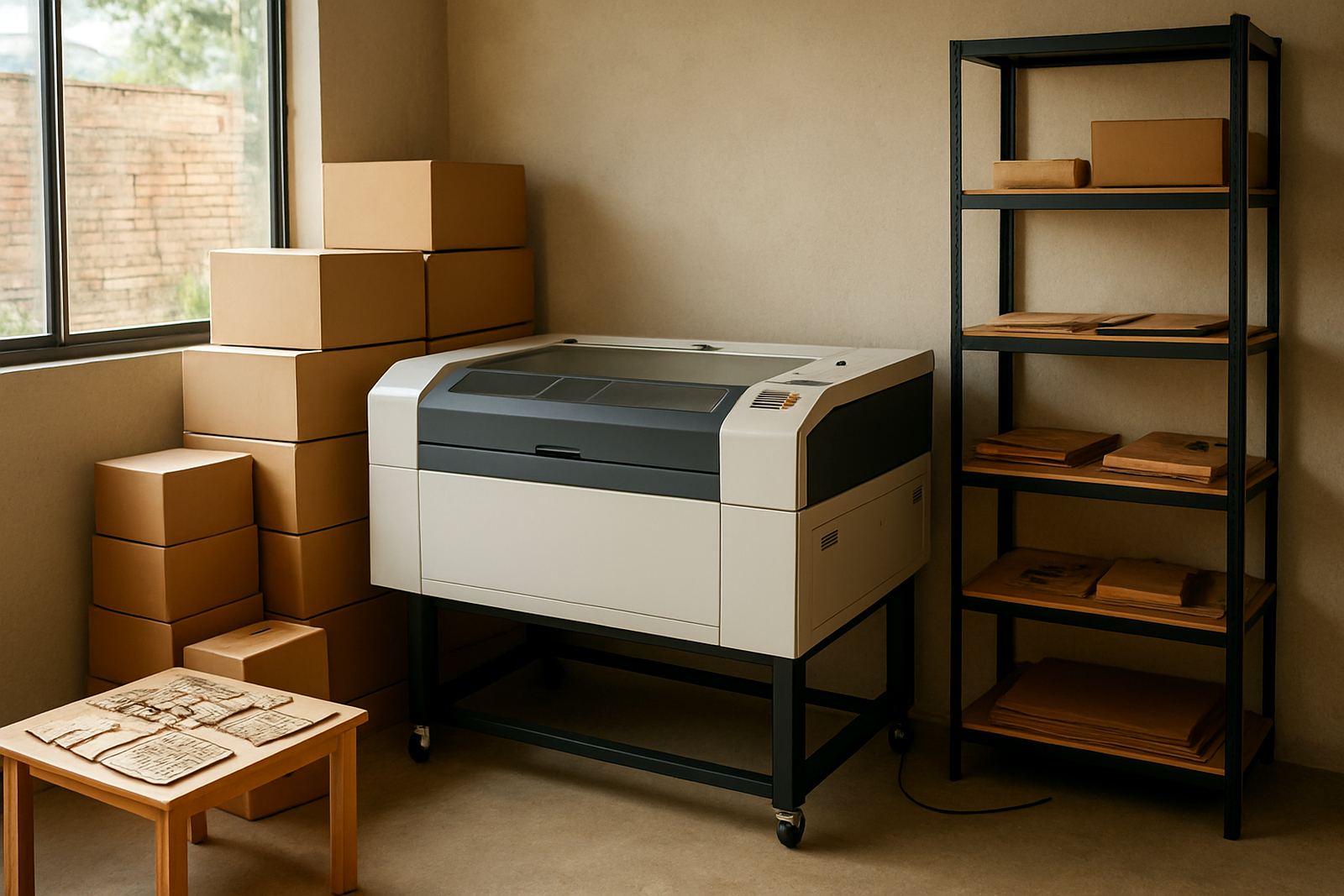
Choose Bed Size

Choose Bed Size

How to match machine bed size to the sheet formats and products you plan to cut.

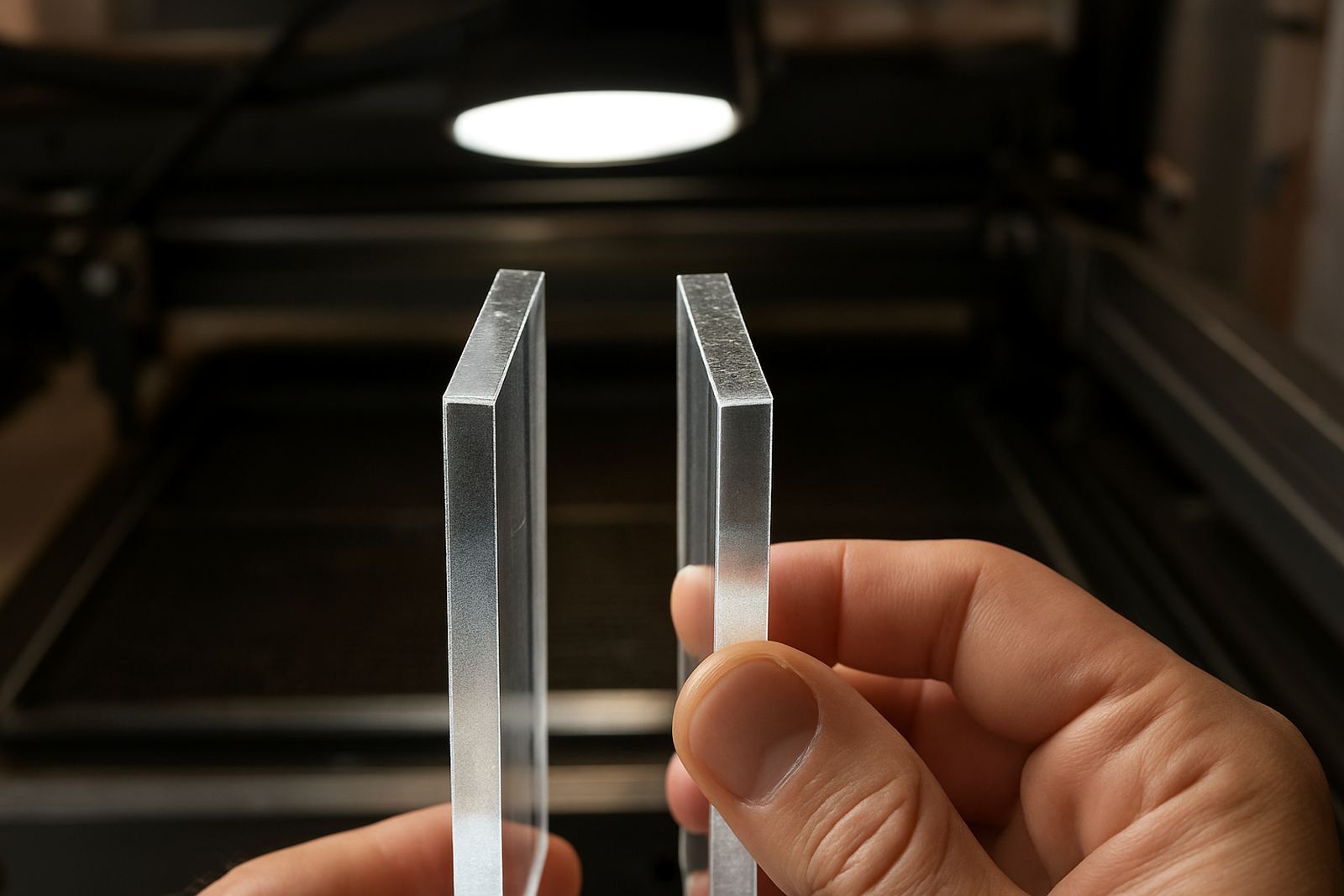
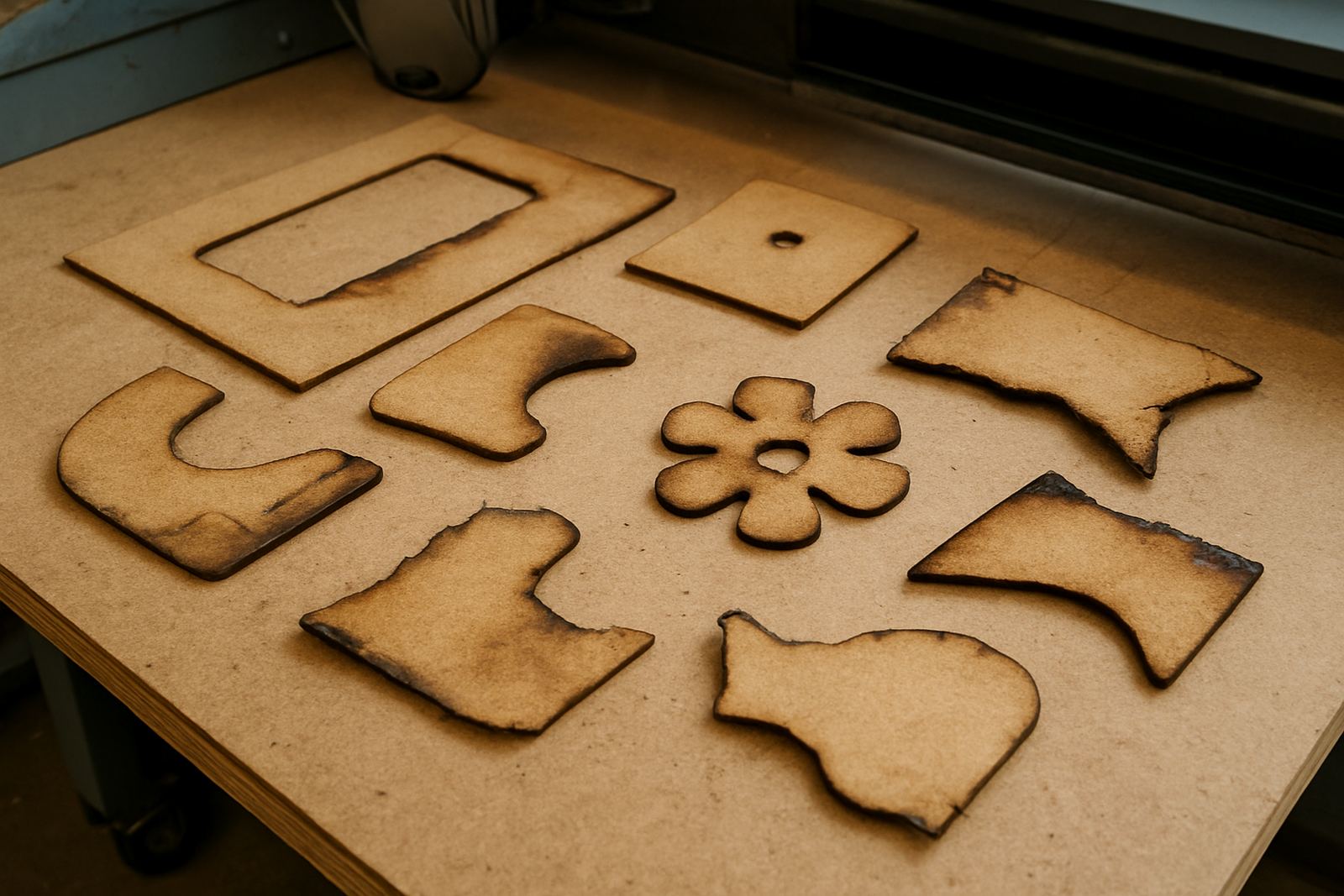
Acrylic Edge Quality

Acrylic Edge Quality

Why settings, airflow and material choice affect the finish on acrylic cuts.

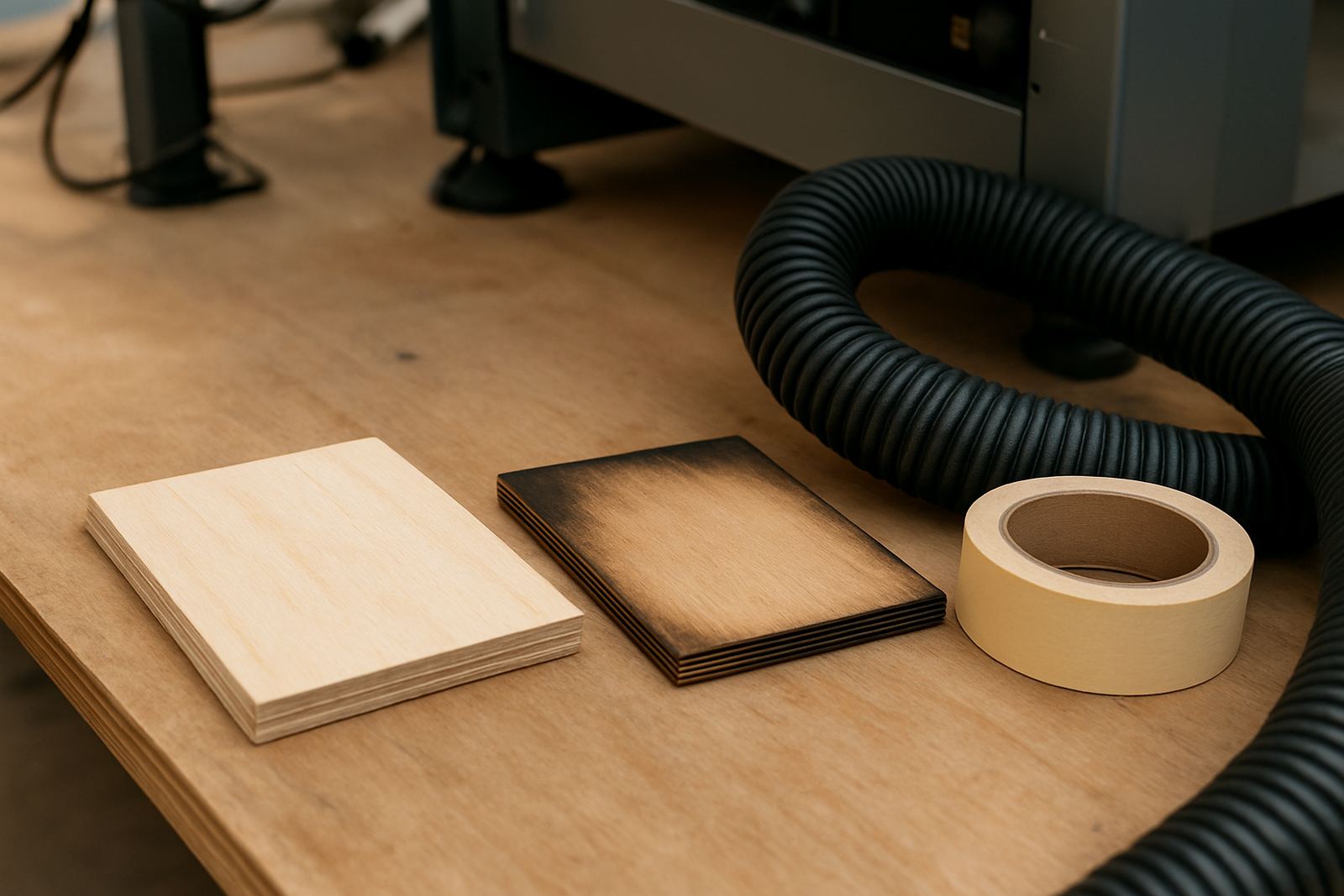
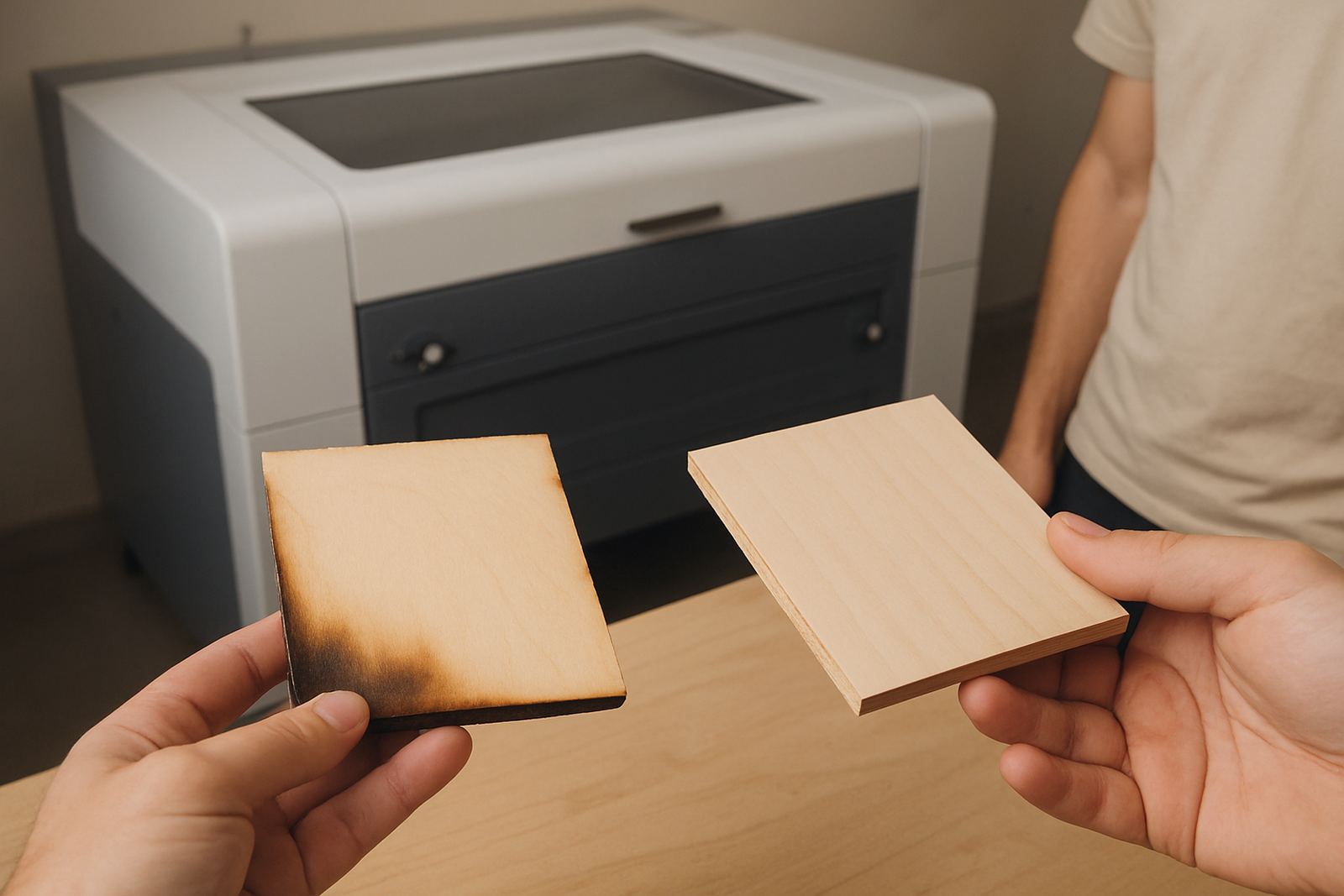
Wood Smoke Control

Wood Smoke Control

Simple ways to reduce residue and smoke marks when cutting wood products.

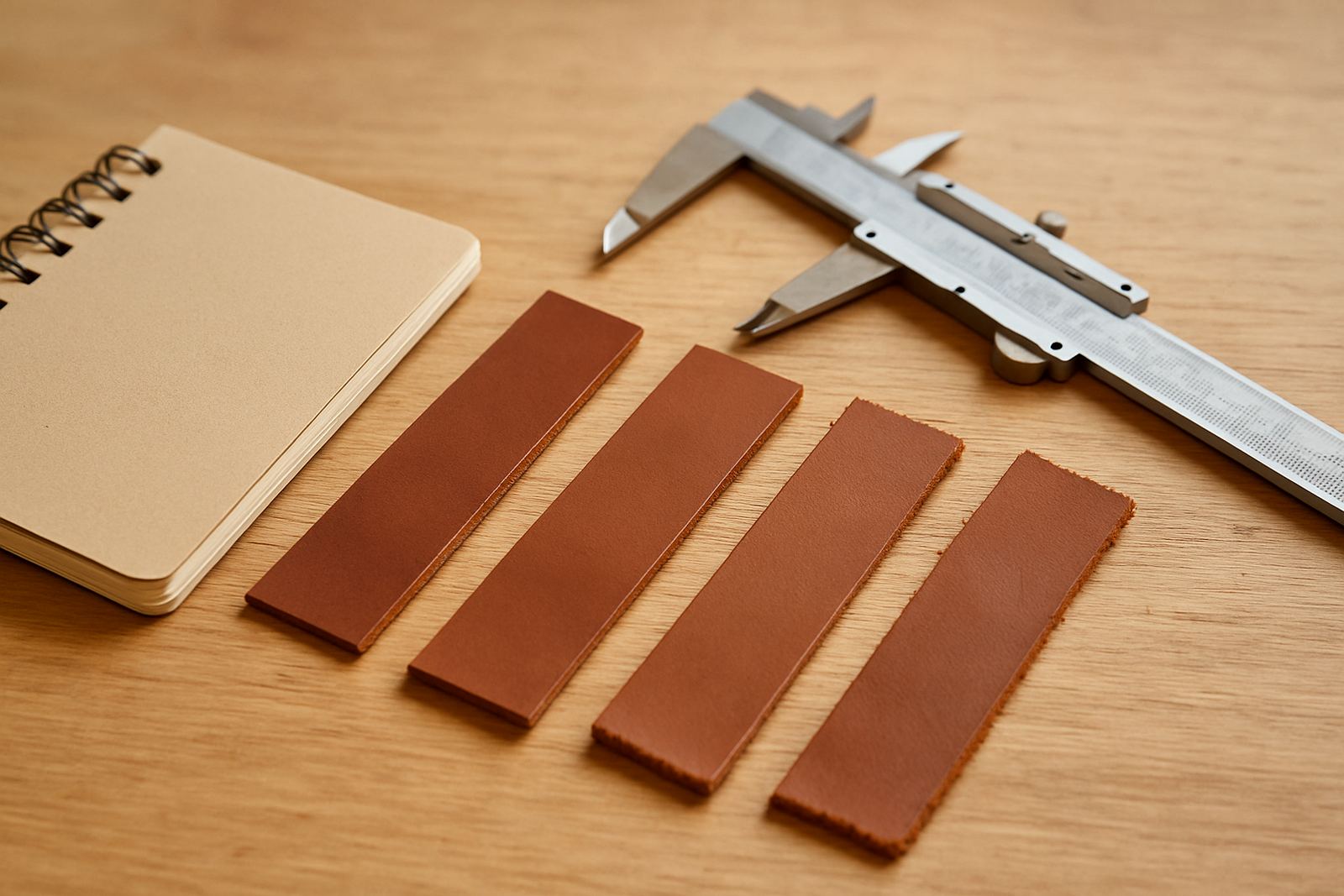
Leather Cutting Basics

Leather Cutting Basics

Key points for getting neat leather results while protecting consistency and workflow.

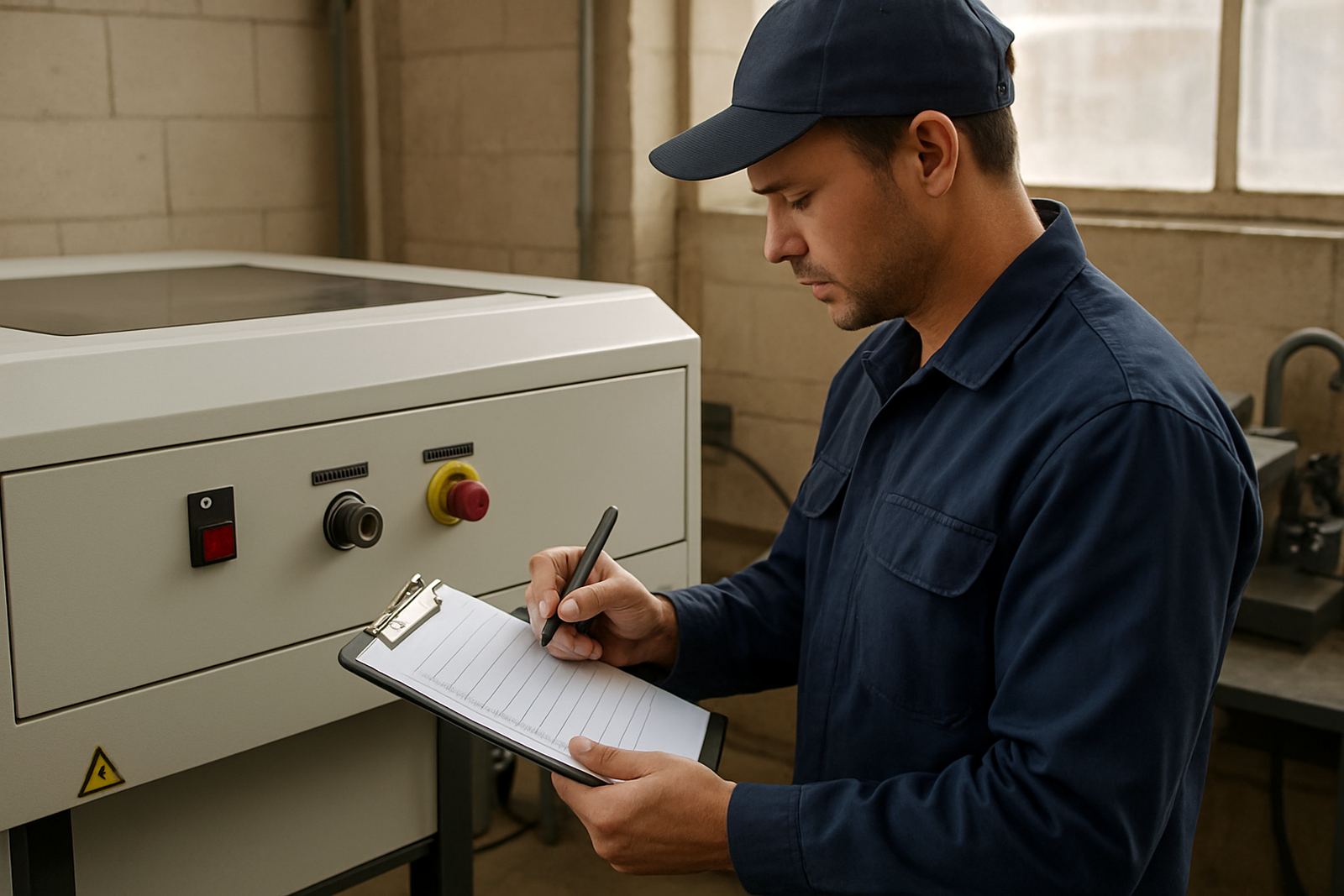
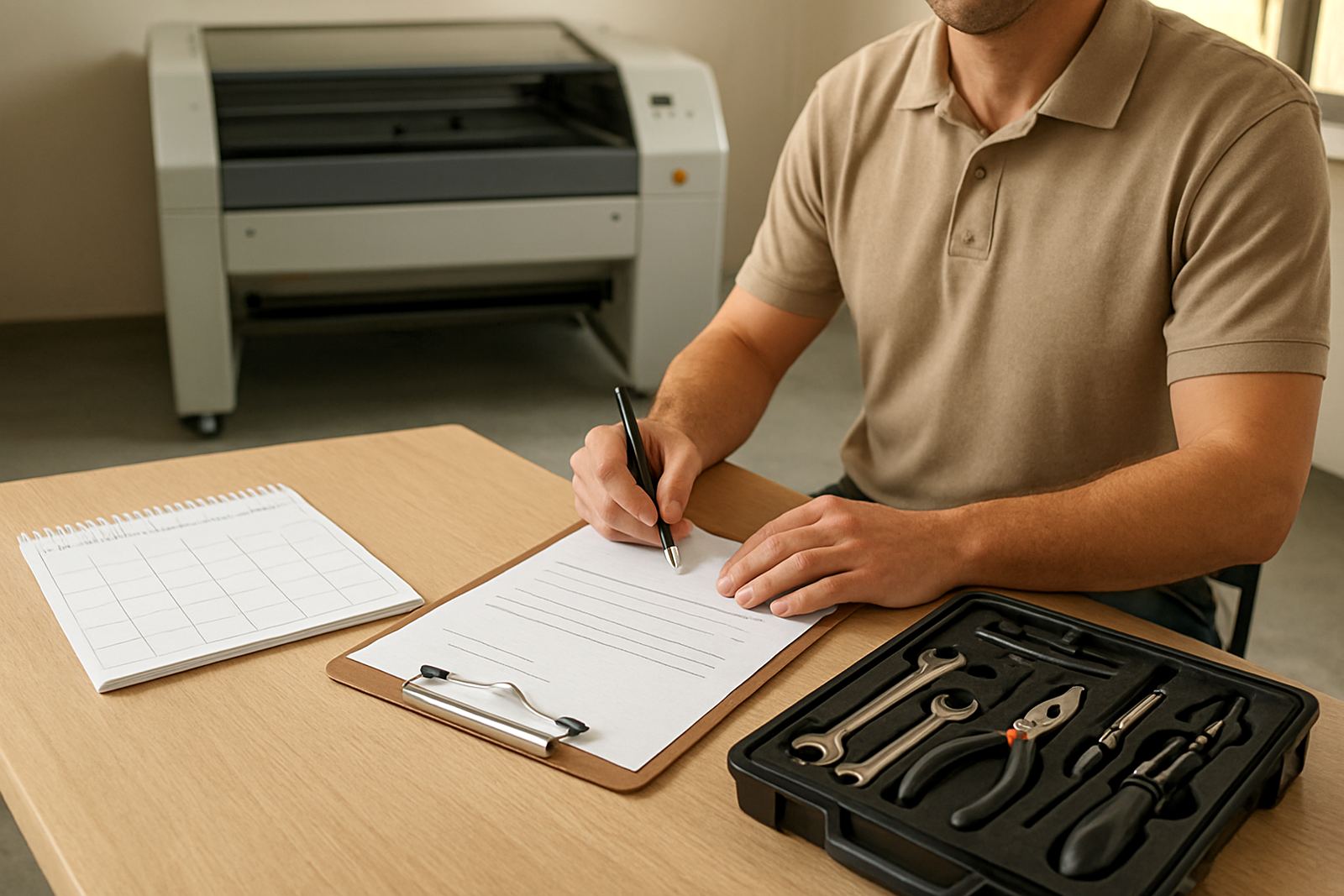
Daily Startup Checks

Daily Startup Checks

A practical pre-shift routine that helps avoid preventable laser cutting issues.

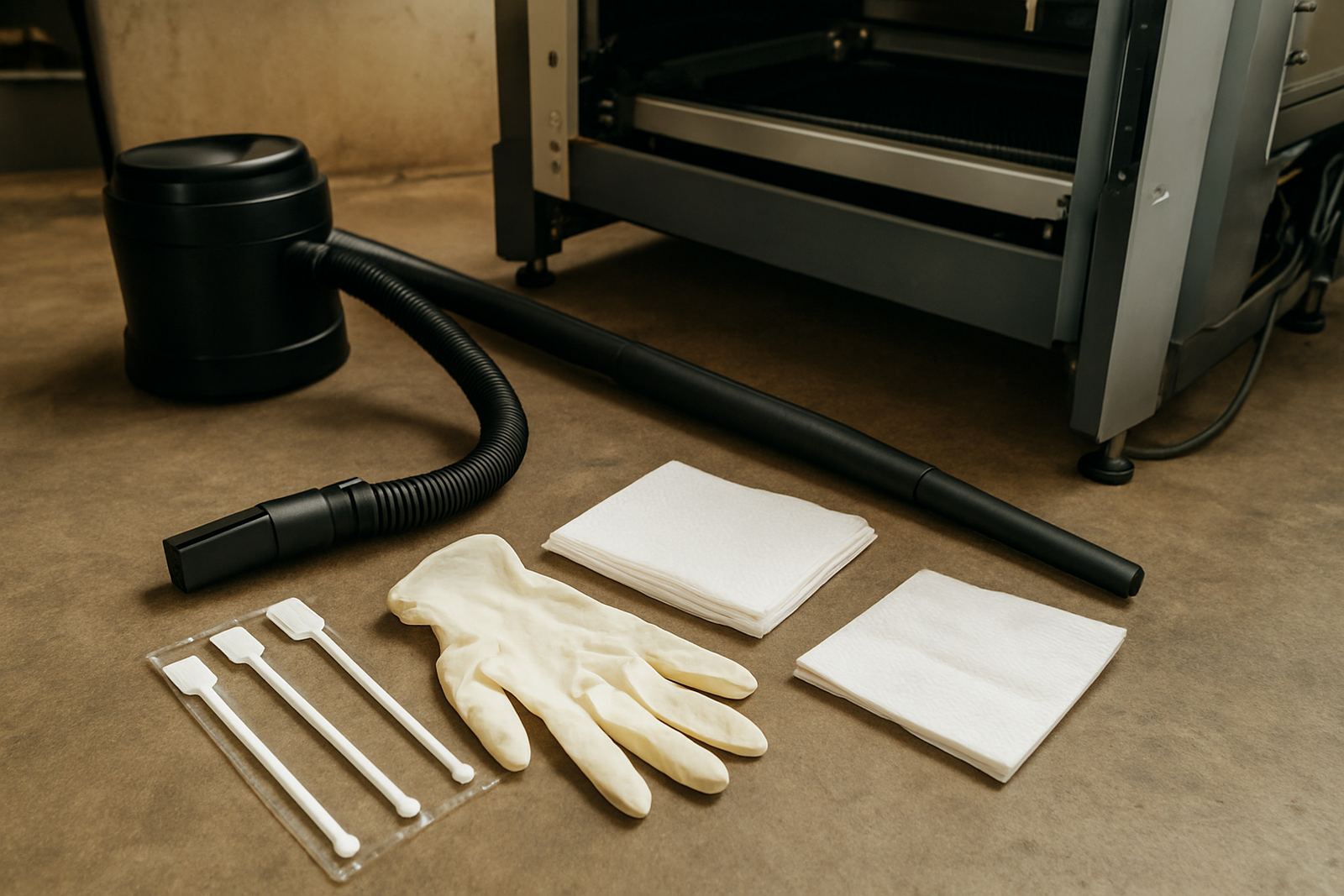
Weekly Cleaning Routine

Weekly Cleaning Routine

A simple weekly maintenance rhythm for busy production environments.

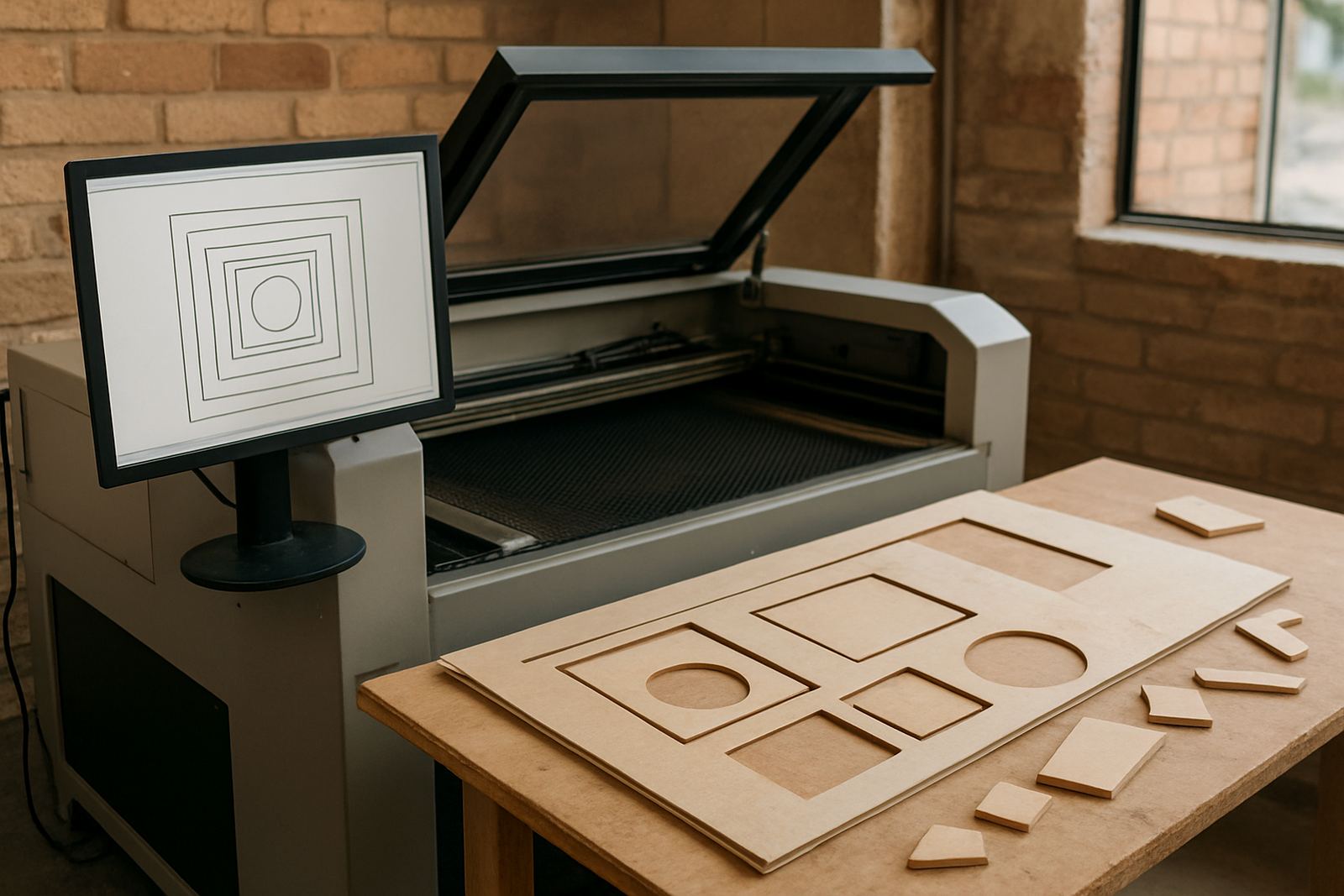
Nesting for Profit

Nesting for Profit

Better nesting can reduce waste and improve margins on repeat sheet jobs.

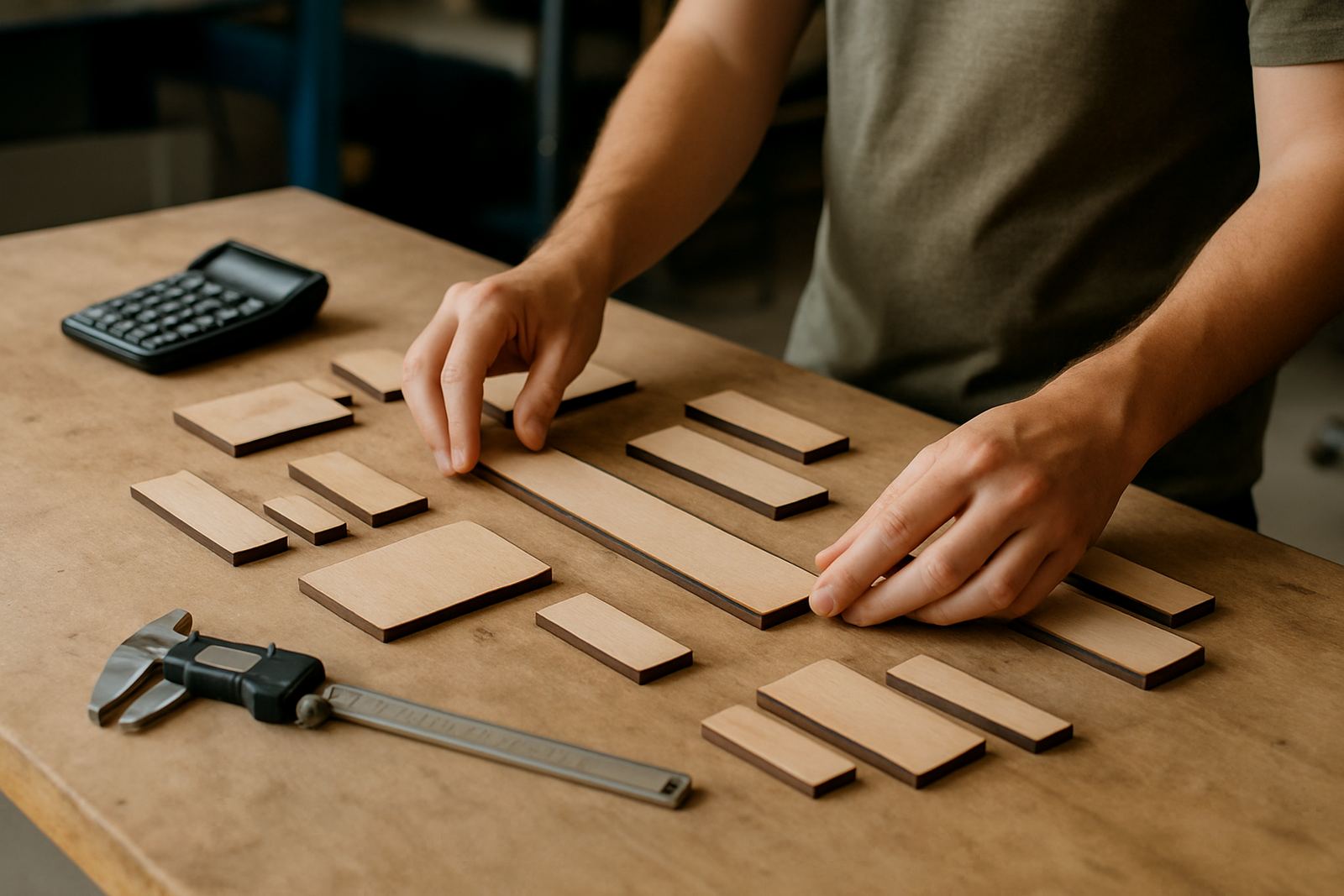
Pricing Cut Jobs

Pricing Cut Jobs

Factors to include when charging for custom laser cutting work in Rand.

Sample Cuts Matter

Sample Cuts Matter

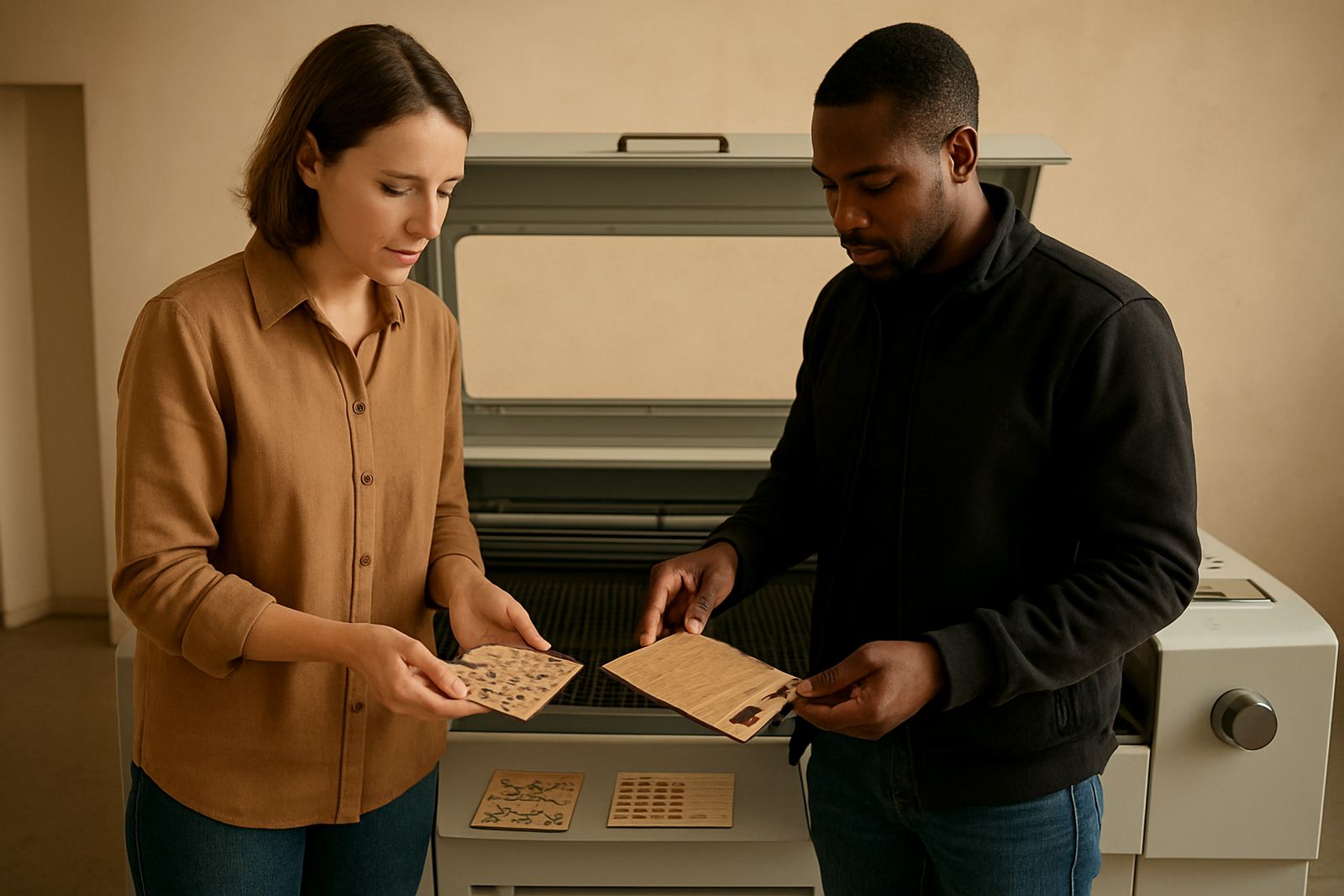
Why testing your own material before buying a machine can save time later.

Operator Training Value

Operator Training Value

Good training shortens learning time and supports safer, more consistent output.

When to Upgrade

When to Upgrade

Signs that your production flow may need a larger or faster laser system.

Small Shop Layout

Small Shop Layout

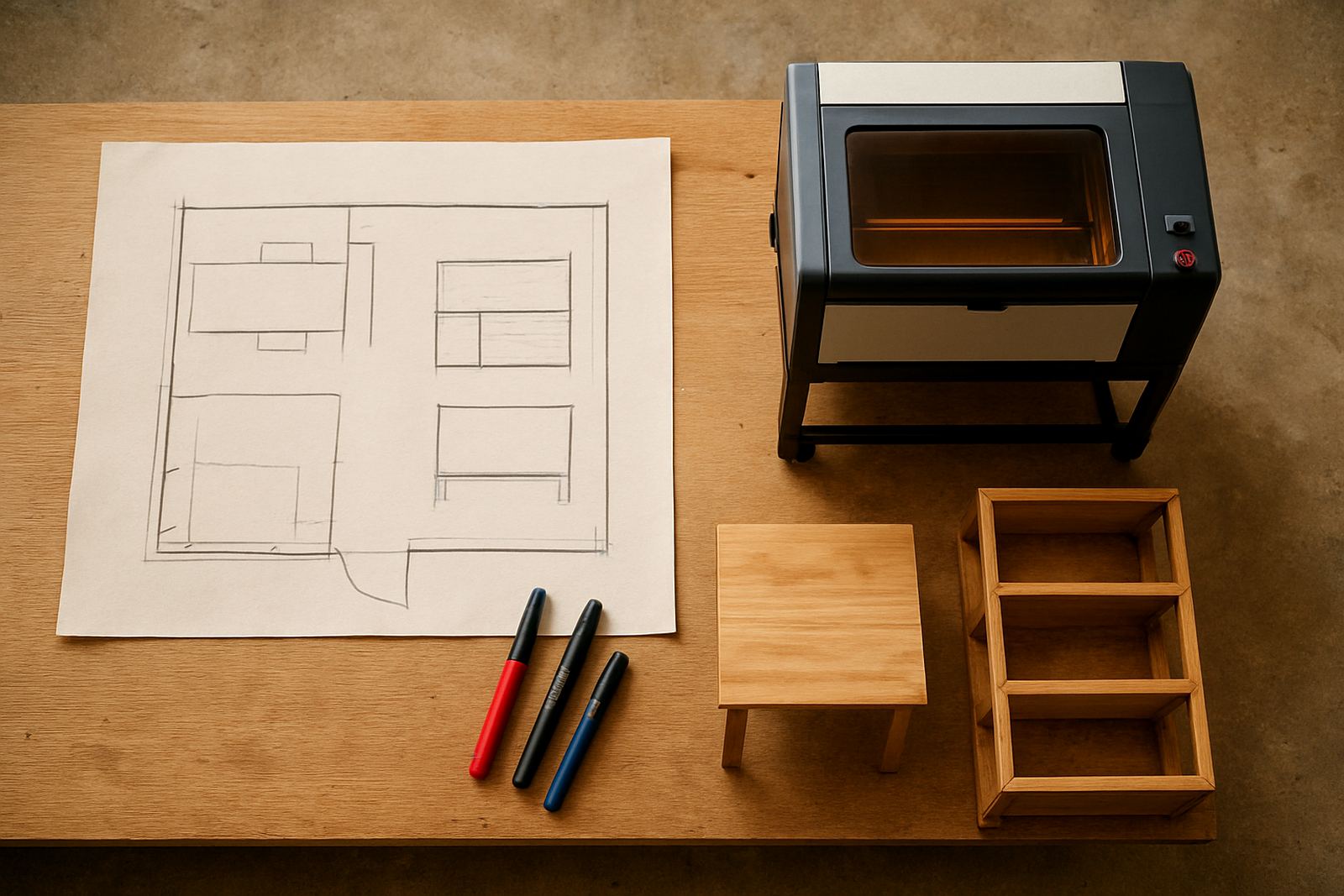
Plan a compact workspace around machine access, cooling, extraction and material handling.

Power and Ventilation

Power and Ventilation

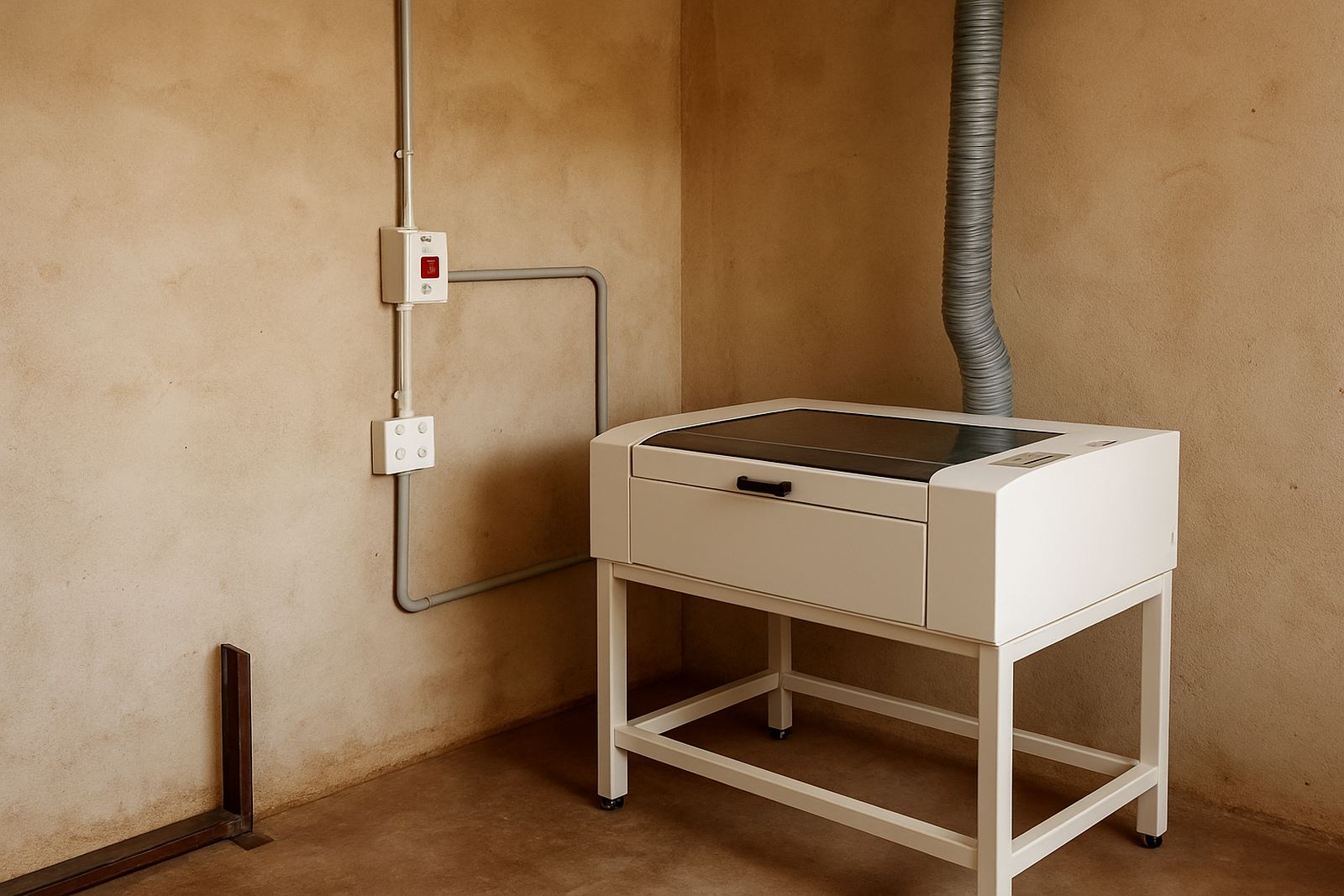
Prepare your site correctly before installation to avoid delays and poor performance.

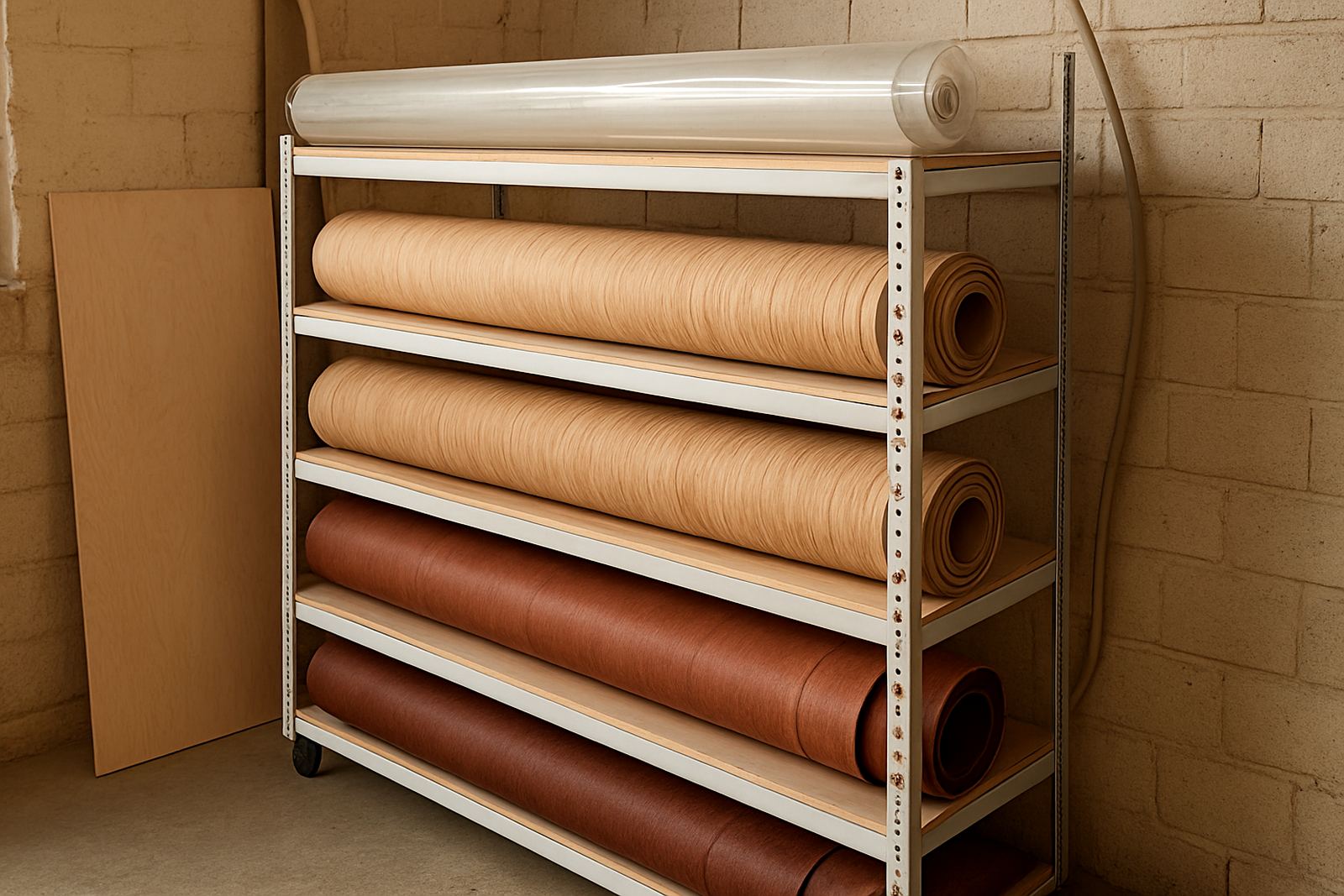
Material Storage Tips

Material Storage Tips

Store acrylic, wood and leather well to keep them flat, clean and production-ready.

Reduce Flare Marks

Reduce Flare Marks

Practical adjustments that can help limit scorching and heat-related blemishes.

Focus Height Explained

Focus Height Explained

Understanding focus height helps improve cut quality across different materials.

Air Assist Role

Air Assist Role

See how air assist supports cleaner cutting and steadier machine performance.

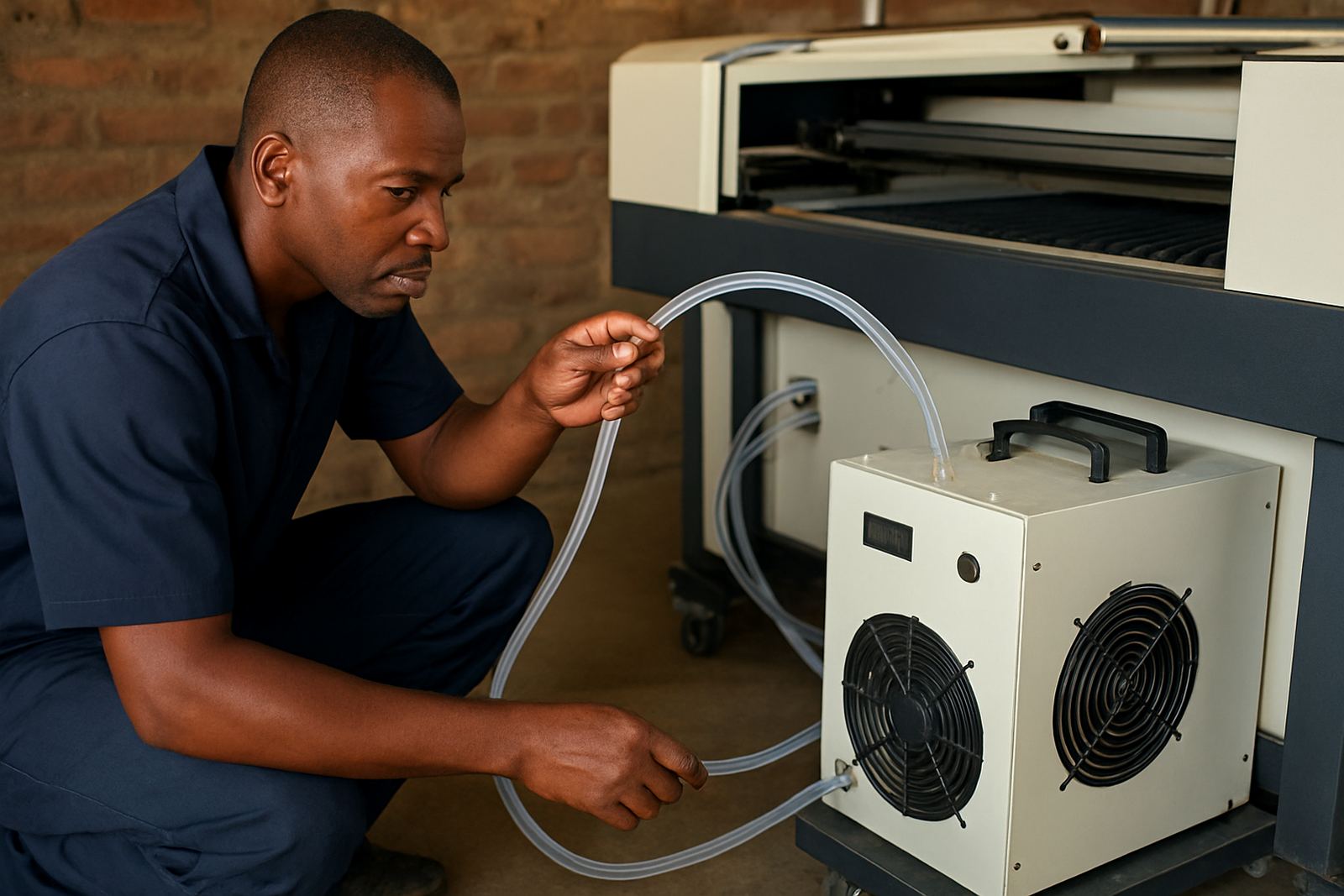
Cooling Water Care

Cooling Water Care

Basic water cooling care helps extend stable daily operation.

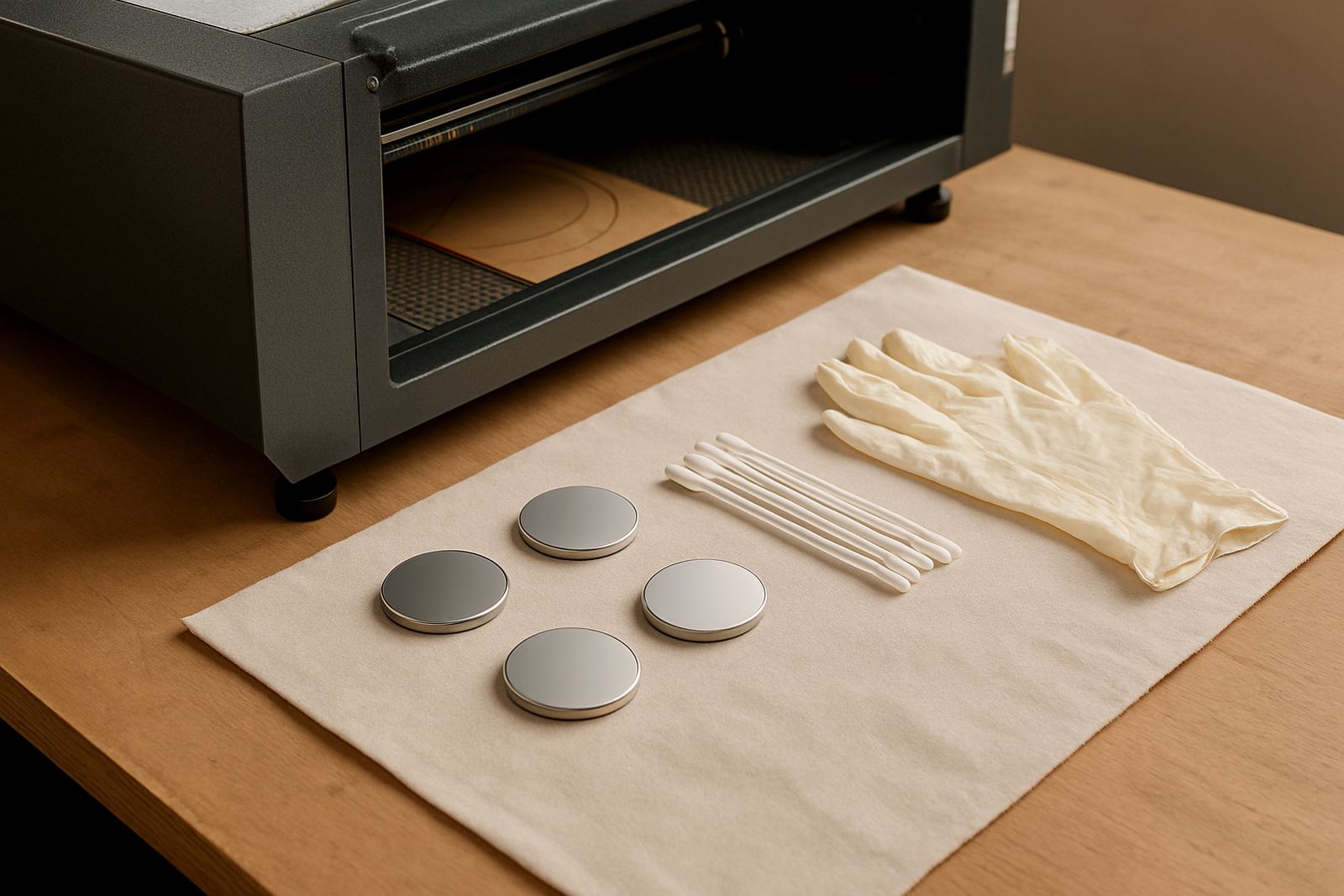
Mirror Cleaning Errors

Mirror Cleaning Errors

Avoid common mistakes when caring for sensitive optical components.

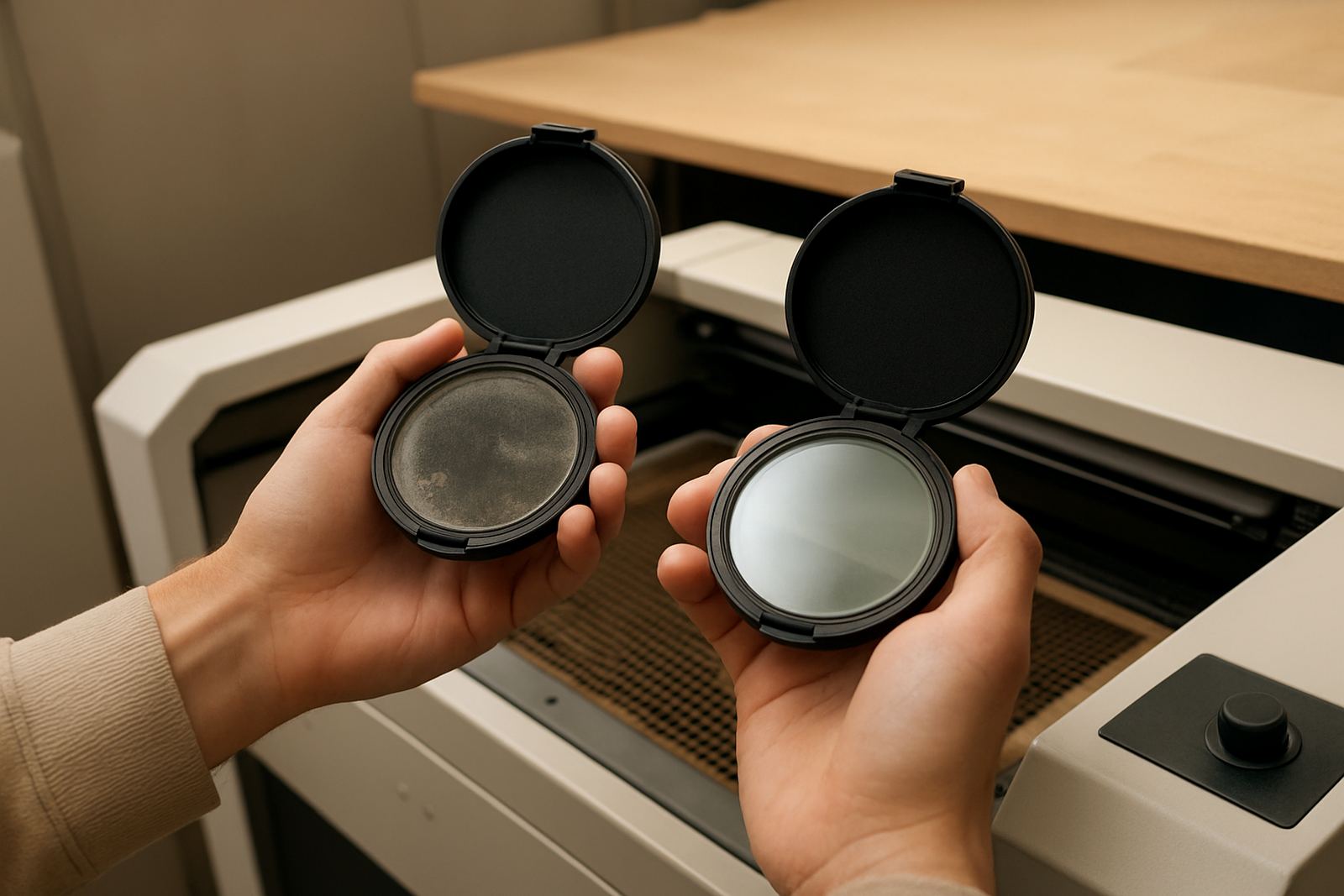
Lens Life Factors

Lens Life Factors

Dust, smoke and cleaning habits all affect lens lifespan and performance.

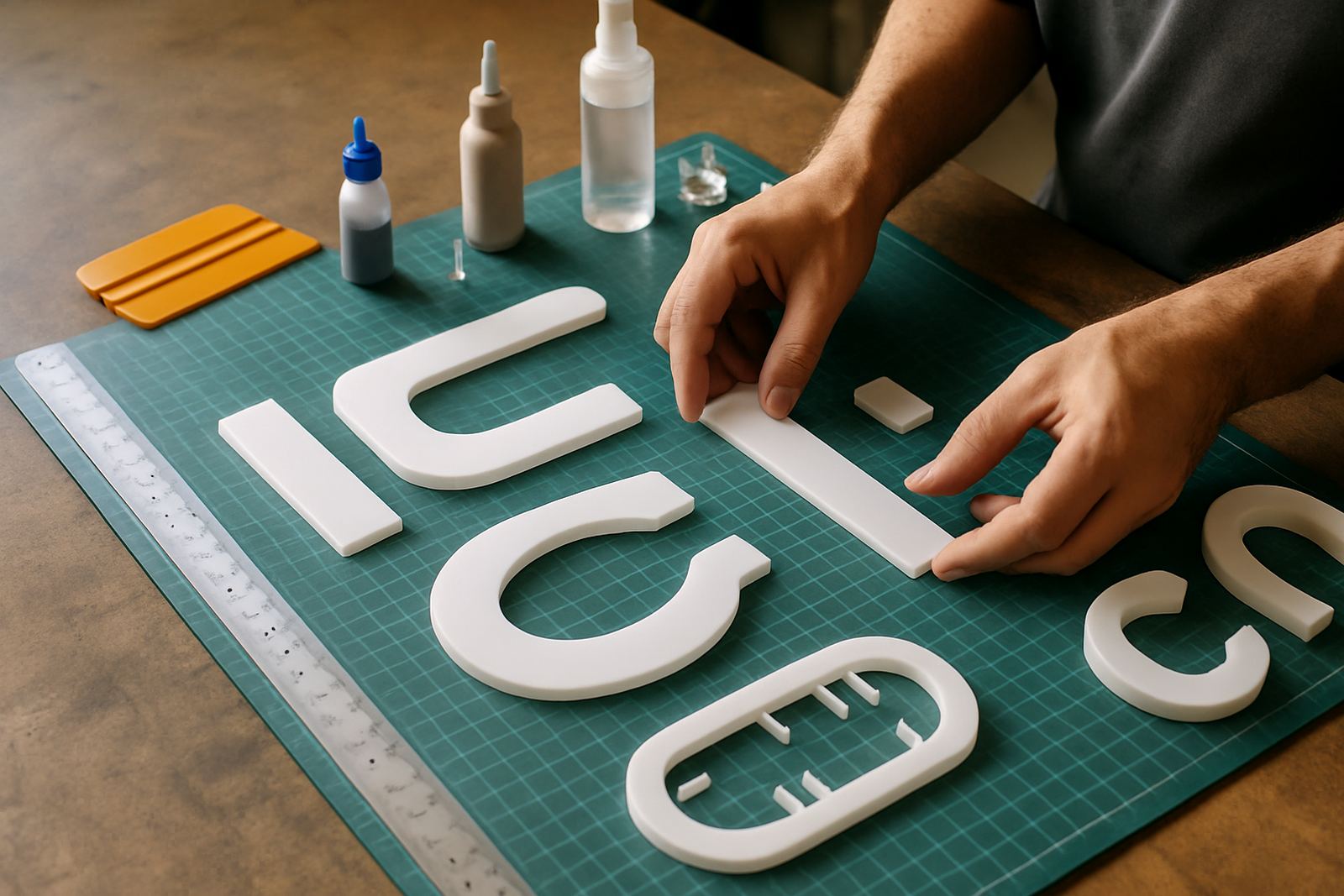
Signage Workflow Ideas

Signage Workflow Ideas

Improve flow for acrylic sign parts from cut file to finished assembly.

Craft Business Scaling

Craft Business Scaling

Ways small handmade brands can use laser cutting to grow product lines.

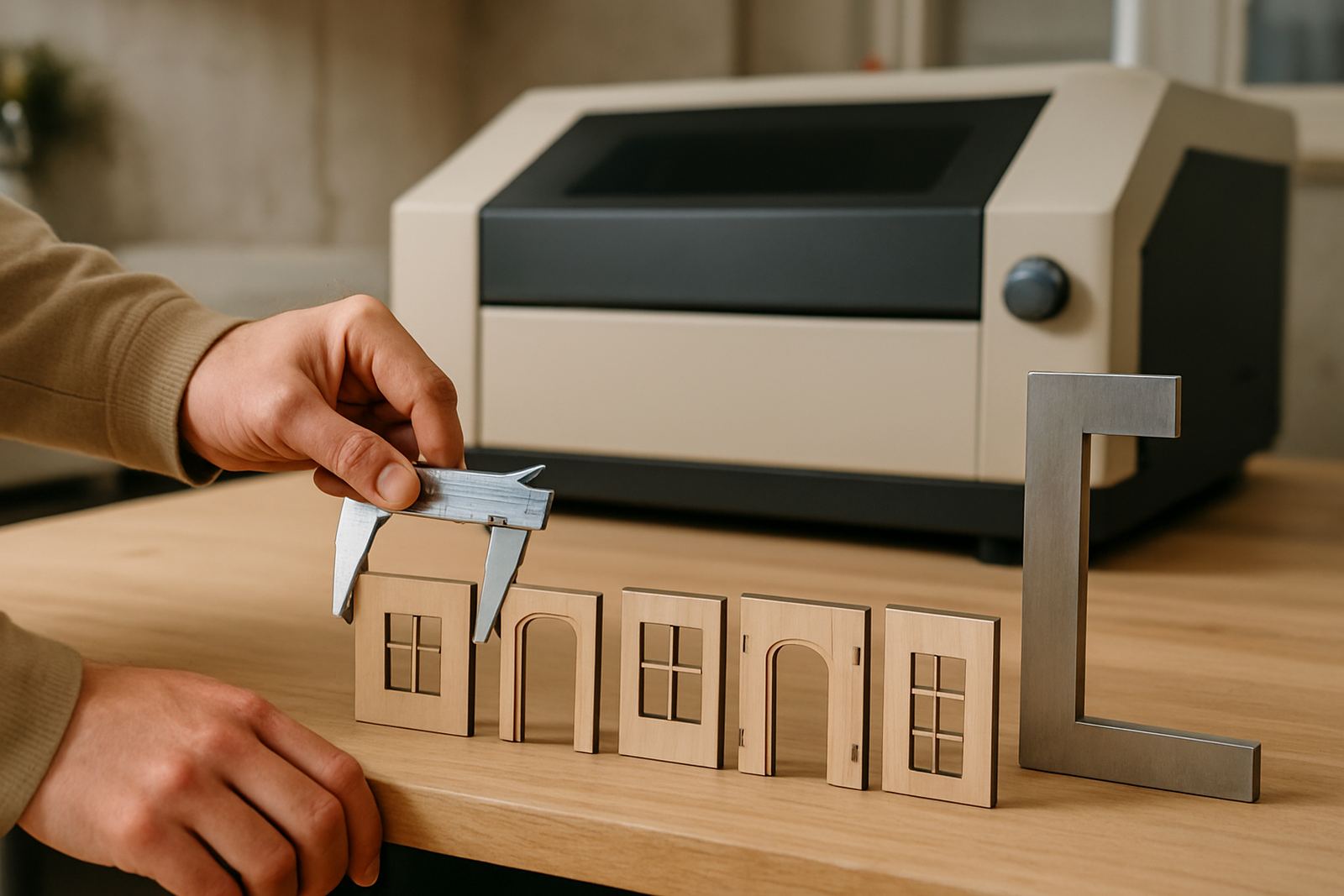
Model Shop Accuracy

Model Shop Accuracy

Consistency matters when producing repeat scale parts for models and mock-ups.

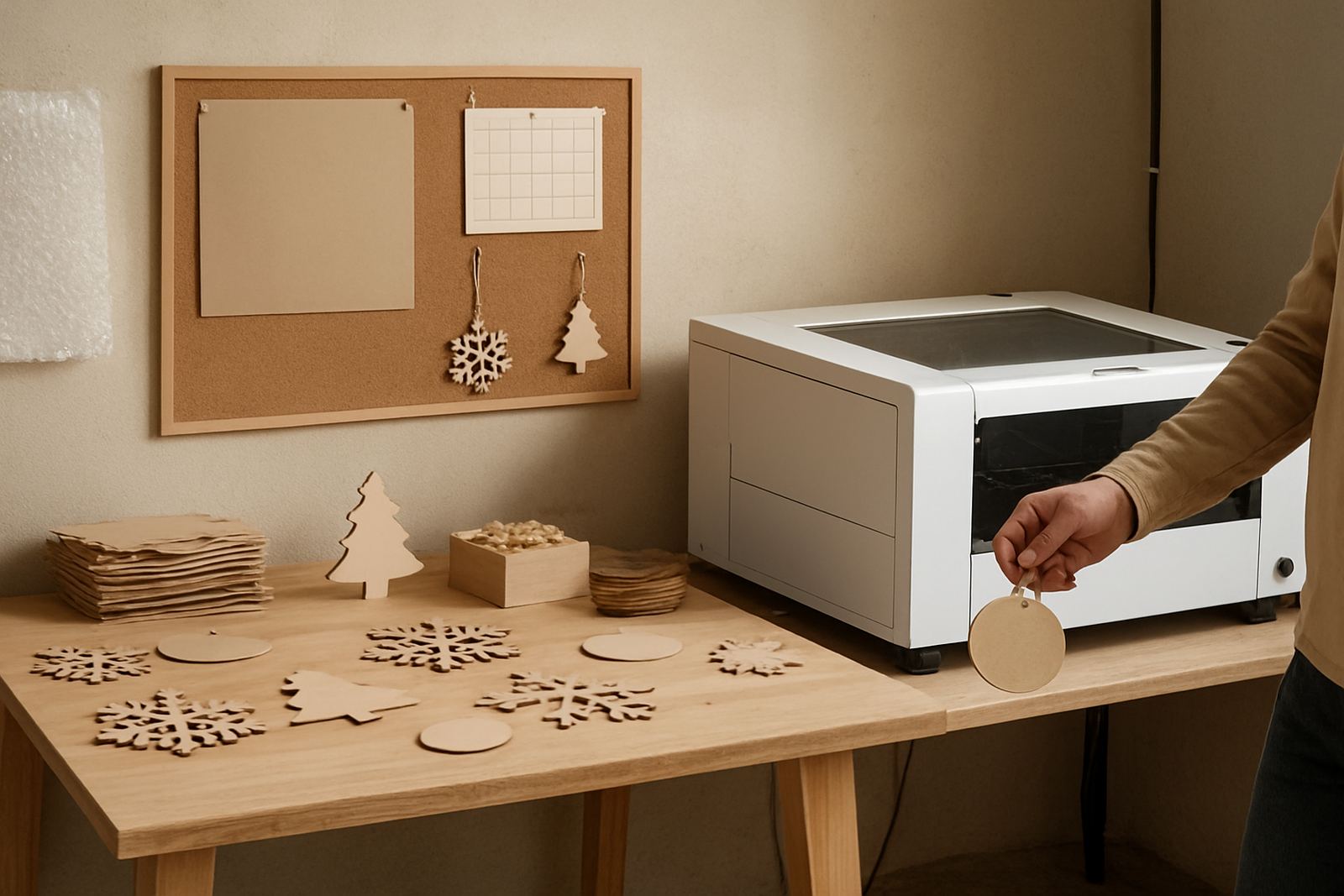
Gift Season Planning

Gift Season Planning

Prepare early for high-demand gift periods with stock, templates and workflows.

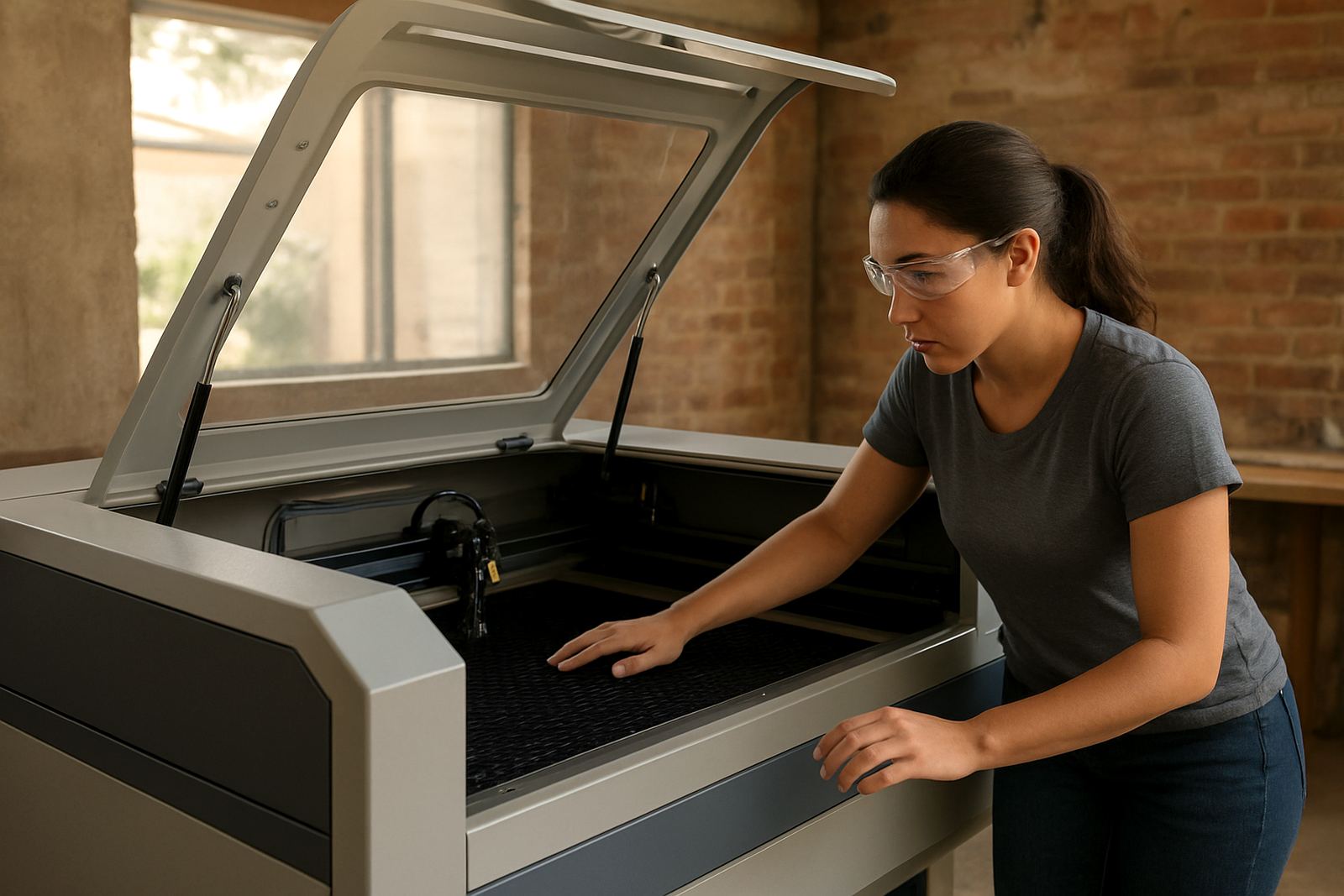
Operator Safety Habits

Operator Safety Habits

Everyday habits that support safer use around laser equipment and materials.

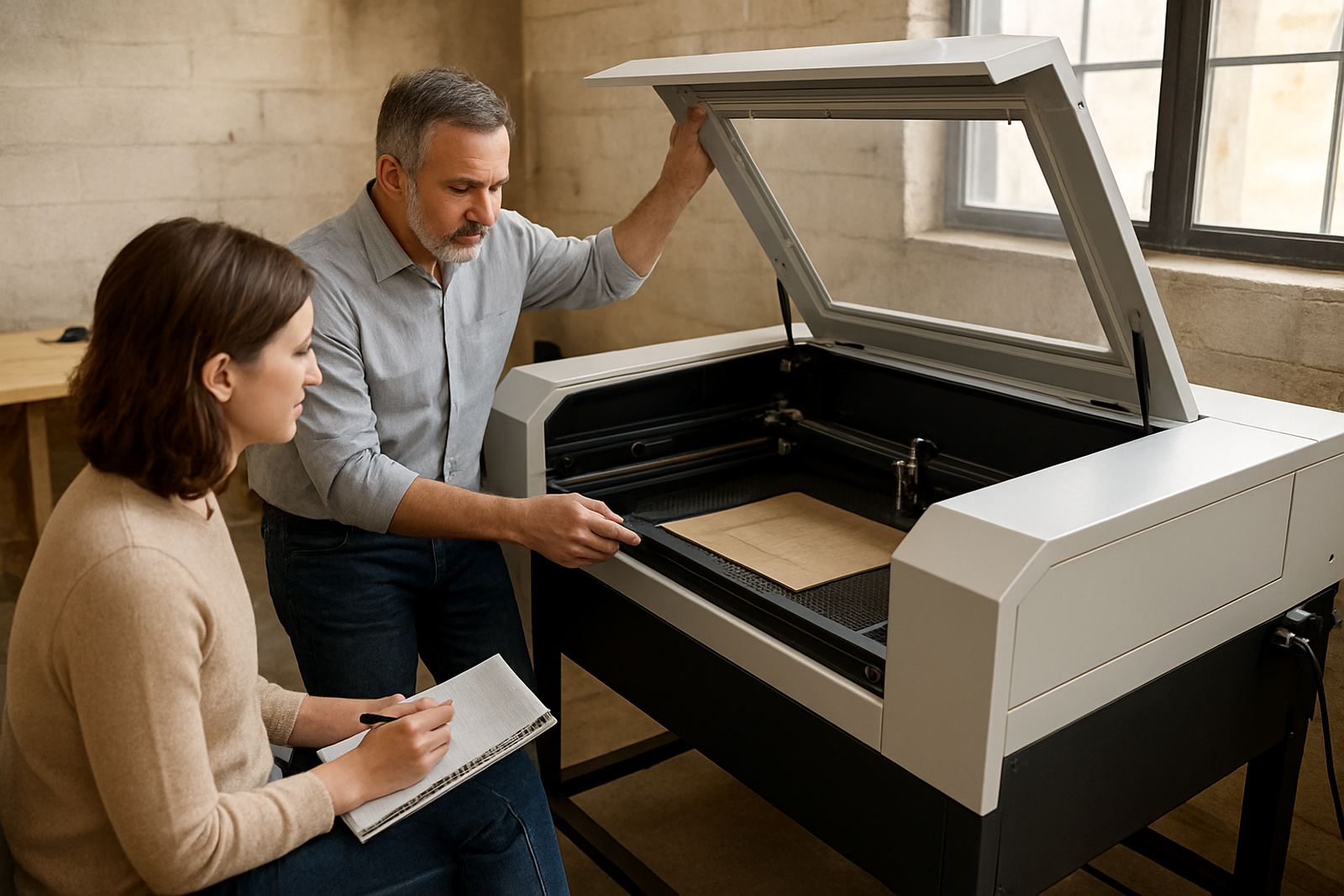
Why Demo First

Why Demo First

A live machine demo helps buyers understand speed, finish and practical fit.

Common Cutting Mistakes

Common Cutting Mistakes

Several avoidable setup errors can lead to waste, smoke and poor edge quality.

First Materials to Test

First Materials to Test

Start with predictable materials when learning a new CO2 laser workflow.

Hobby to Production

Hobby to Production

Know when informal making becomes a real production process needing better systems.

Downtime Costs

Downtime Costs

Even short stoppages can affect delivery promises, labour and customer confidence.

Service Plan Benefits

Service Plan Benefits

Planned support can simplify maintenance and reduce unexpected interruption.

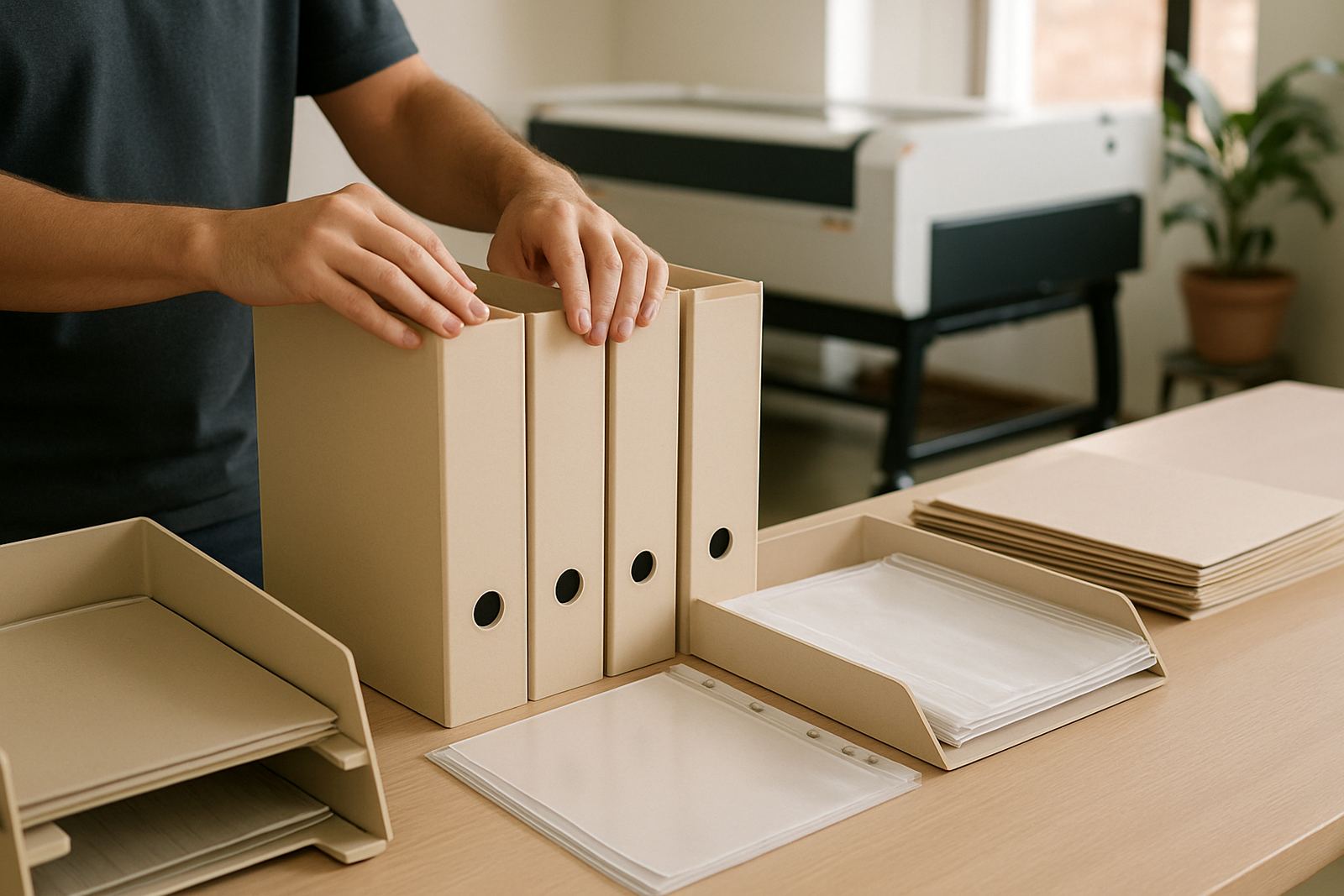
File Library Setup

File Library Setup

Organised files speed up repeat orders and reduce revision confusion.

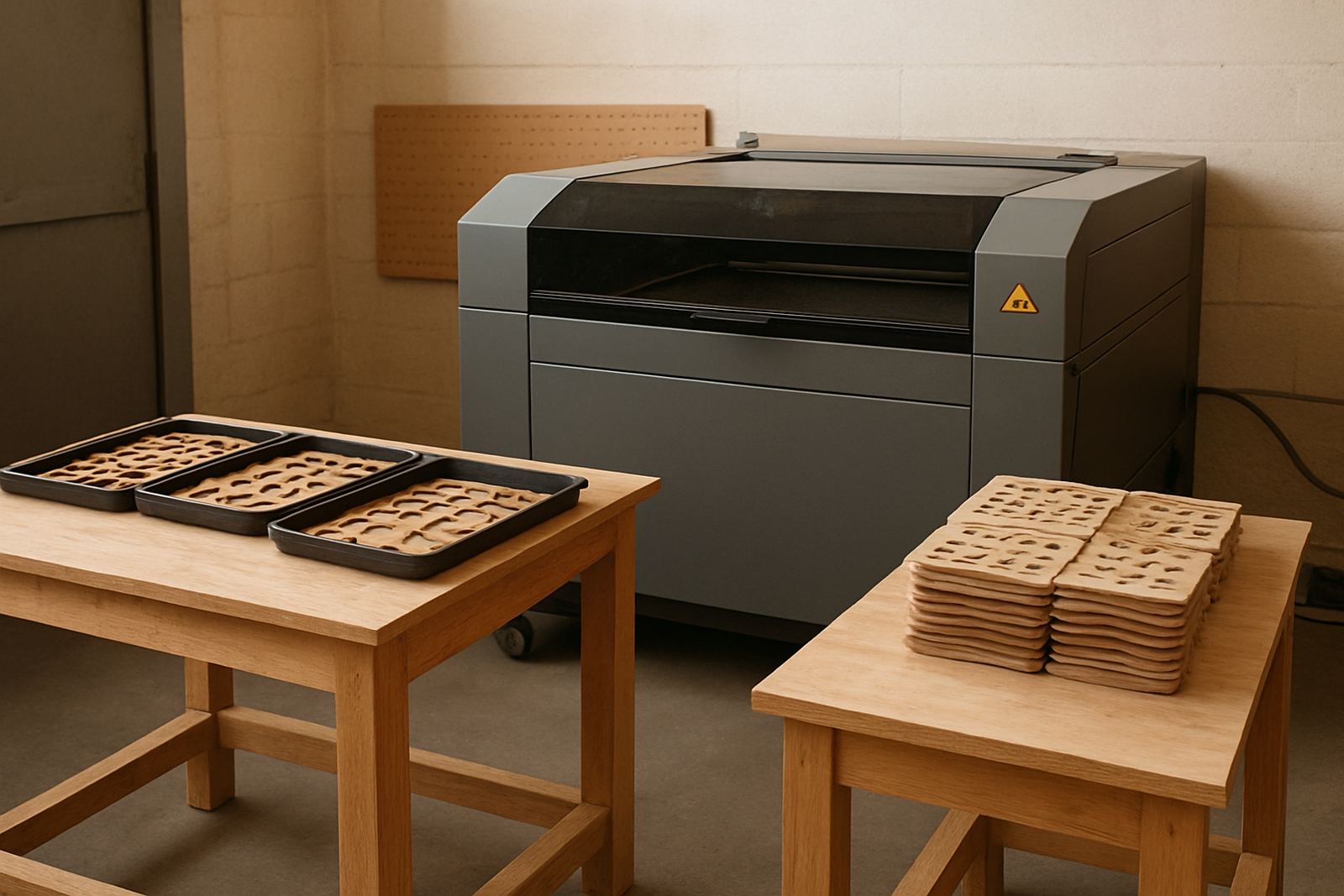
Repeat Order Efficiency

Repeat Order Efficiency

Standard settings and jigs help repeat jobs move faster through production.

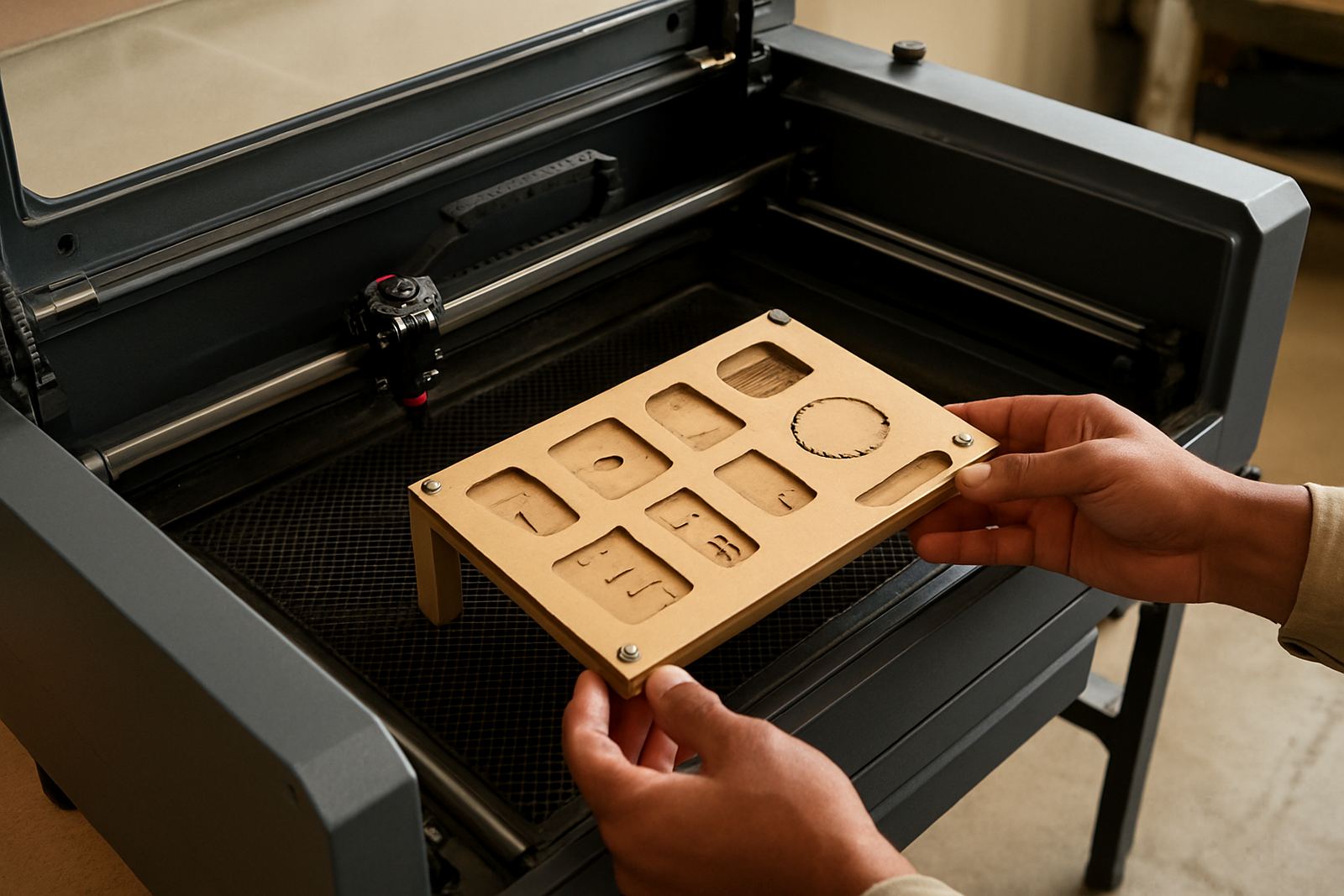
Using Jigs Well

Using Jigs Well

Jigs can improve placement consistency for recurring products and engraved parts.

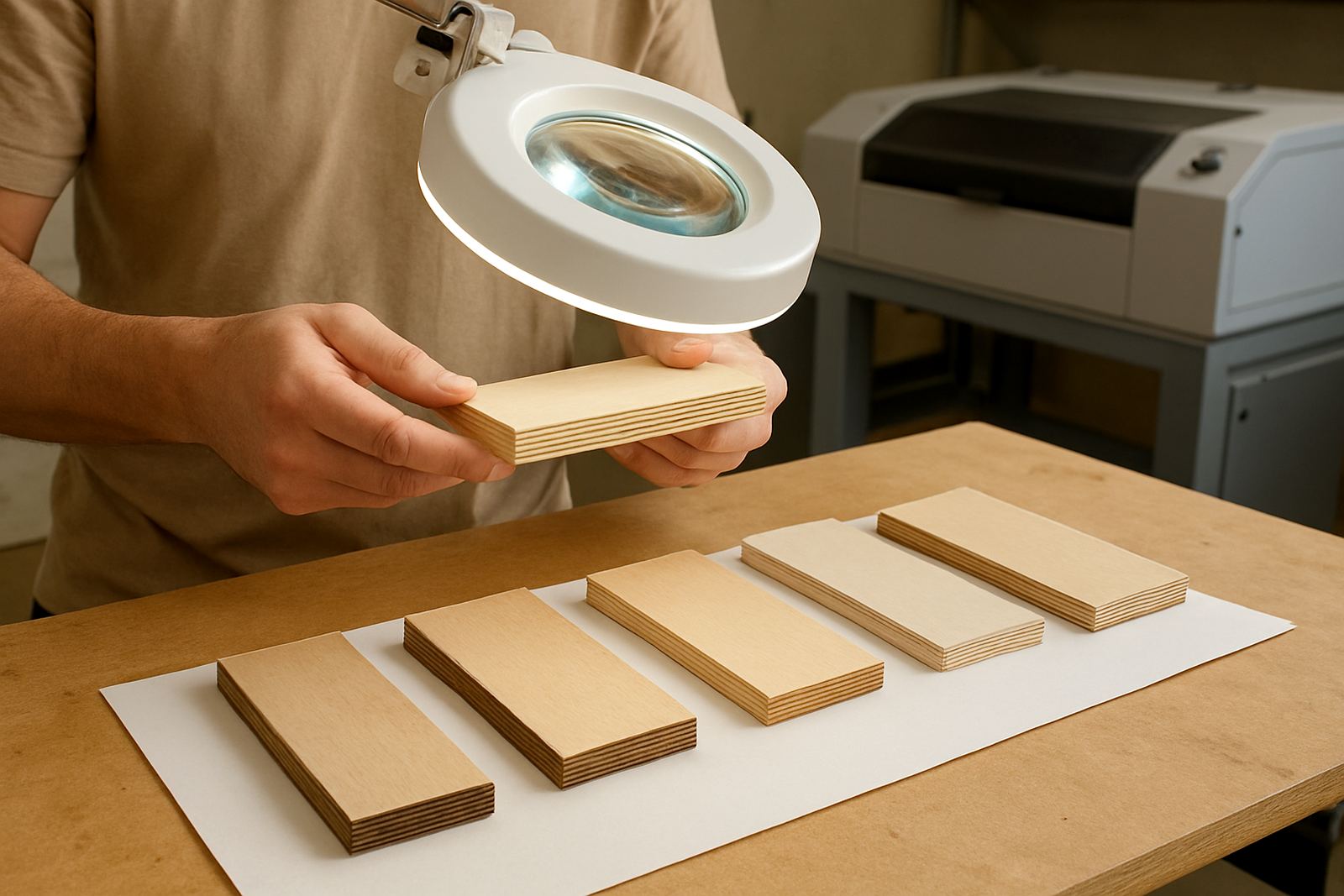
Clean Edges on Ply

Clean Edges on Ply

Material quality and airflow are major contributors to neat plywood results.

Customer Proofing Process

Customer Proofing Process

A clear approval process helps avoid rework on personalised or custom jobs.

Training New Staff

Training New Staff

Structured onboarding helps new operators build confidence faster and make fewer mistakes.

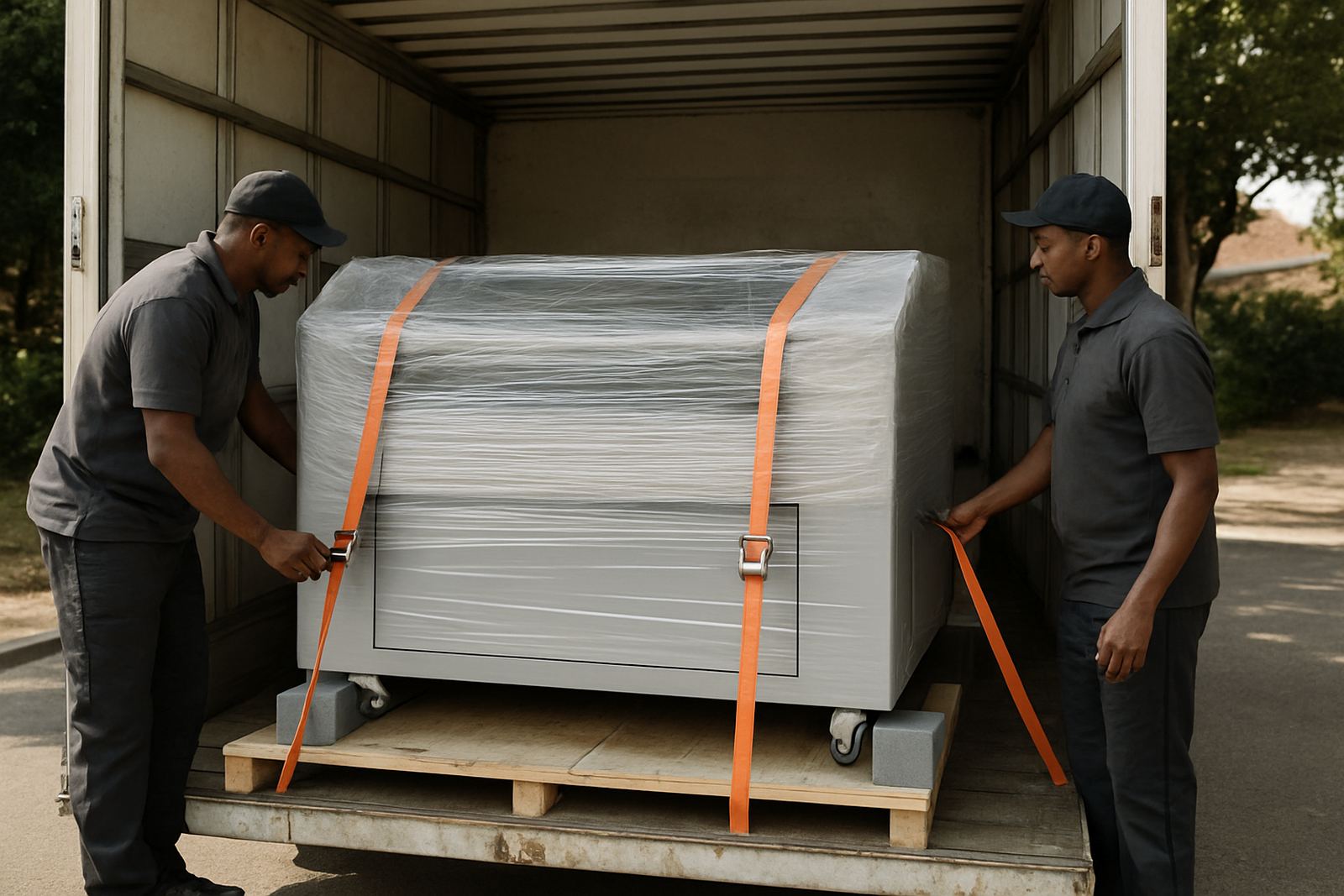
Shipping Machine Safely

Shipping Machine Safely

Careful transport planning matters when moving laser equipment between sites.

Expanding Product Ranges

Expanding Product Ranges

A CO2 laser can open new categories if you plan production and pricing well.

What this journal covers for South African workshops

The journal brings together short, useful articles for anyone using CO2 laser cutting in a workshop, school, small factory or custom studio. Expect clear guidance on what a machine can do with acrylic, wood and leather, how to plan jobs, and what to look for when comparing options for Johannesburg, Durban, Cape Town and beyond.

If you are setting up a new room in Wynberg or adding capacity to an existing shop in Pretoria, the aim is simple: help you choose better, cut cleaner and avoid wasted material. We keep the advice practical, with local conditions in mind such as dust, humidity, power interruptions and the need for proper extraction.

Choosing the right machine for your work

Not every workshop needs the same size bed, tube power or cooling setup. A craft business making small signage and gifts may need a compact machine with fine detail, while a production team cutting sheets daily will need faster throughput and stronger support. Think about the thickness you cut most often, the finish your customers expect and how many hours a day the machine must run.

  • Match bed size to your common sheet sizes to reduce trimming and wastage.
  • Allow space for extraction, cooling and operator access around the machine.
  • Plan for load shedding with UPS support, safe shut down steps, or backup power.
  • Consider service access, because a machine that is hard to reach slows down maintenance.

The right choice is rarely the biggest option. It is the one that suits your material mix, staff skill level and delivery targets, without putting pressure on your floor space or electrical supply.

Material notes for cleaner cuts and less rework

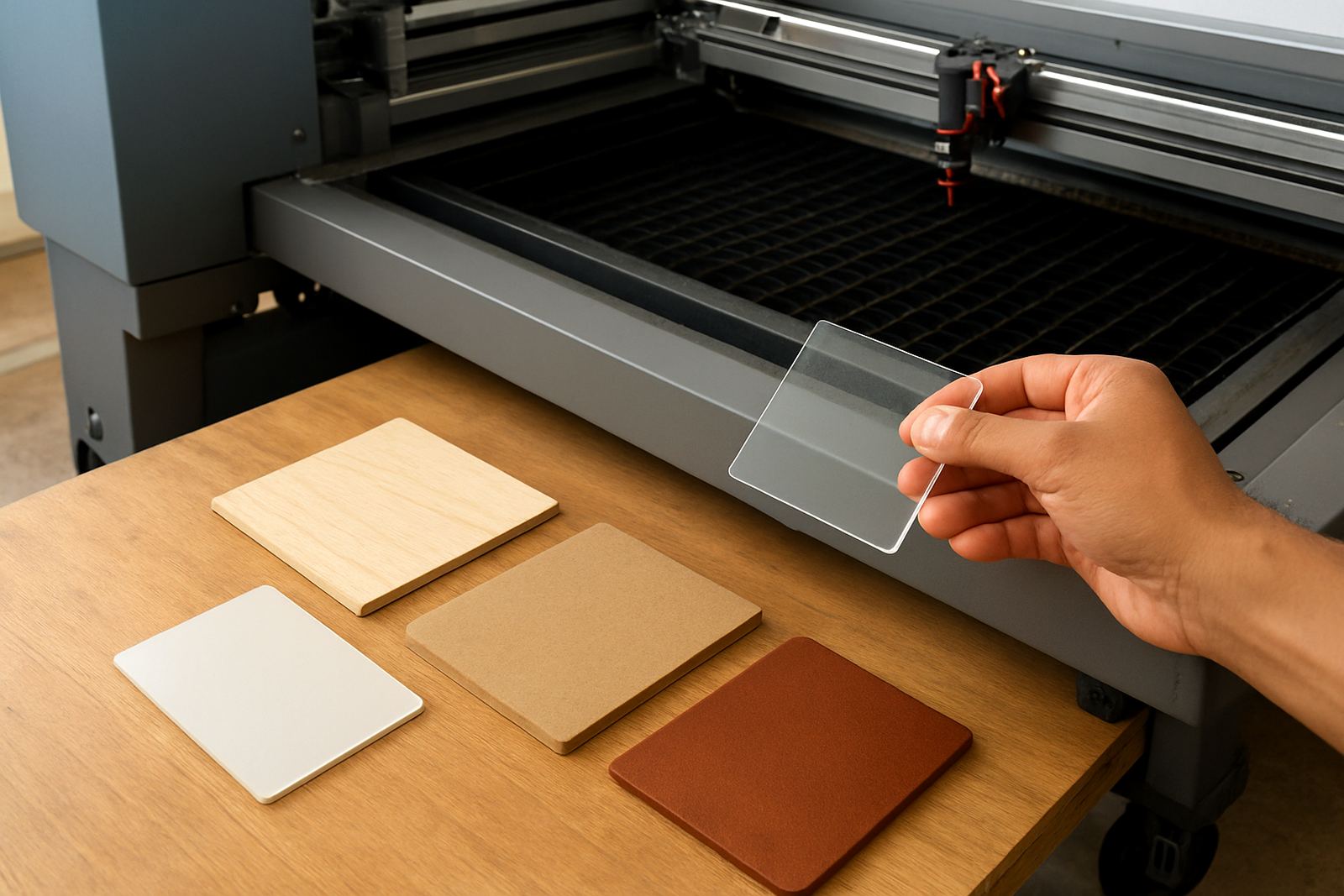
Different materials behave differently under a CO2 beam, so the same settings will not work for everything. Acrylic cuts cleanly when the focus and air flow are set well, while wood can char if the feed is too slow or the extraction is weak. Leather needs care too, because excess heat can mark the surface or leave a smell that lingers in the workshop.

For best results, keep test pieces on hand and record settings for each material batch. Board density, glue content and even moisture can change the outcome. In humid coastal areas, stored sheets may behave differently from stock kept inland, so it pays to check before a full production run.

  • Test first on offcuts before committing to a full sheet.
  • Keep materials flat and dry to avoid uneven focus and warping.
  • Use proper extraction to reduce smoke marks and residue.
  • Clean optics often, because dirty lenses can spoil edge quality fast.

Maintenance habits that save time and money

Most breakdowns start as small issues that were left too long. A bit of dust on mirrors, a weak water flow, or a loose belt can become a full stoppage later. Regular checks are worth more than panic repairs after a deadline has already slipped.

A sensible routine keeps the machine ready for work and helps the operator notice changes early. This is especially important for busy teams that run several shifts or handle customer stock that must go out the same day. If your workshop depends on reliable output, a planned service routine is cheaper than repeated emergency callouts.

  • Check cooling water quality and flow before each shift.
  • Inspect optics, rails and belts for dust, wear and misalignment.
  • Review extraction performance when you notice more smoke or smell.
  • Keep a service log so faults and adjustments are tracked properly.

Production planning for better throughput

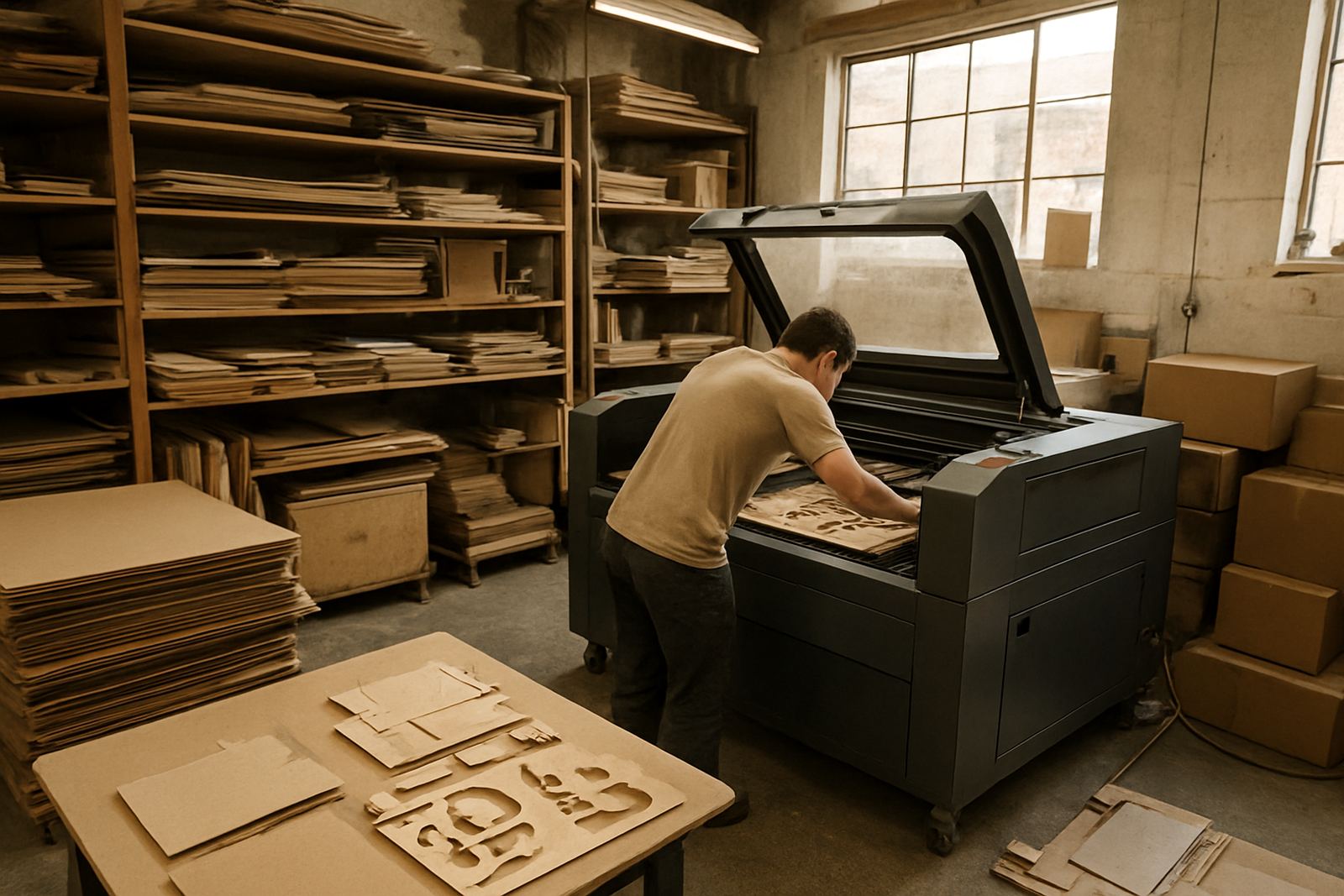
Good output is not only about cutting speed. It starts with nesting, job sequencing and a clear handover between design, machine setup and finishing. Workshops that plan sheet use properly waste less material and get more out of each day. That matters when jobs arrive in batches and customers expect quick turnaround.

It also helps to think about operator training as part of production, not as a once off task. A trained operator can spot poor file prep, avoid repeat cutting and reduce the time spent on trial runs. That is useful for custom work, school projects and contract production alike, and it keeps the machine earning instead of standing idle.

Support across Johannesburg and nationwide

From Wynberg in Johannesburg, support is available for demo cuts, installations and operator training nationwide. We also assist workshops in Sandton, Pretoria, Midrand, the East Rand, the West Rand, Durban and Cape Town with service visits, remote support and relocation help where needed.

Whether you need a fresh installation, preventative maintenance, a beam alignment check or help after a breakdown, the aim is to keep production moving. If you are planning a new setup or improving an existing line, the journal articles can help you ask better questions before you commit.

Questions we get asked

Who is the Laser Journal for?

It is for buyers, operators and workshop owners who use CO2 laser cutting for acrylic, wood, leather and similar materials in South Africa.

Does the journal help with maintenance planning?

Yes. It covers practical checks, cleaning routines, cooling, extraction and other basics that help prevent avoidable downtime.

Can I use the journal to compare machine options?

Yes. The articles explain how to think about bed size, throughput, support needs and workshop conditions before you choose a machine.

Book a CO2 laser cutting demo.

Contact form