

Start With the Material You Cut Most
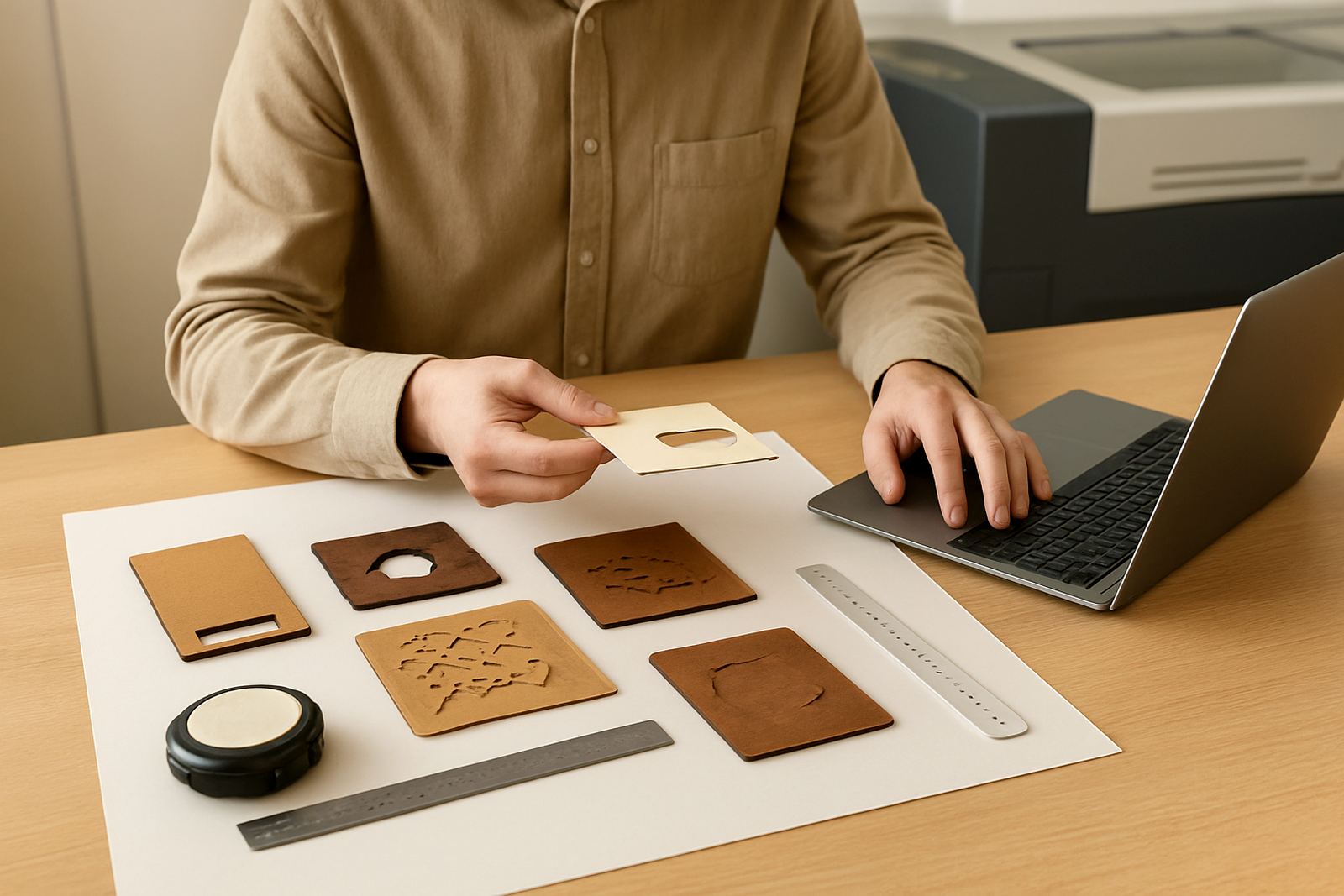
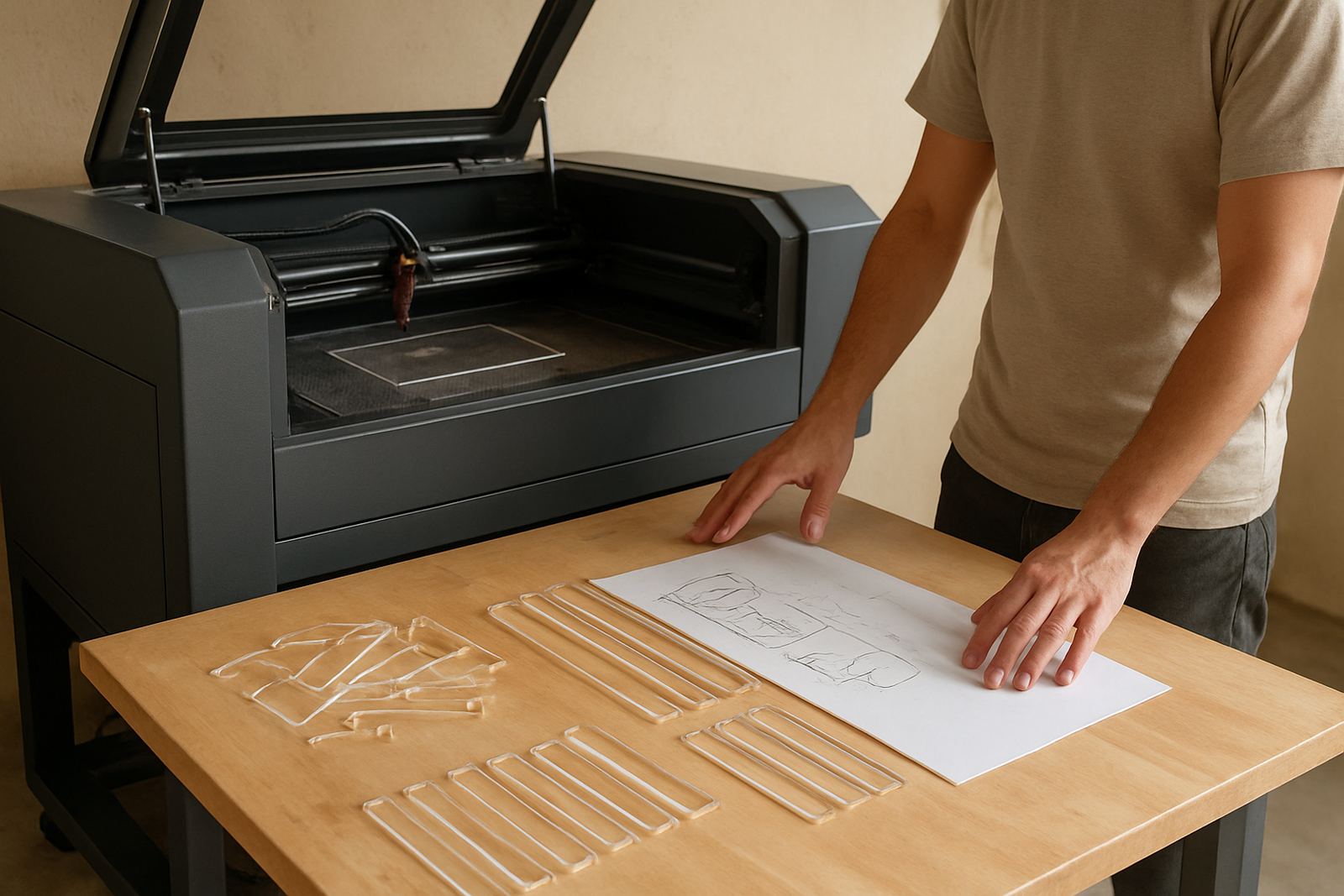
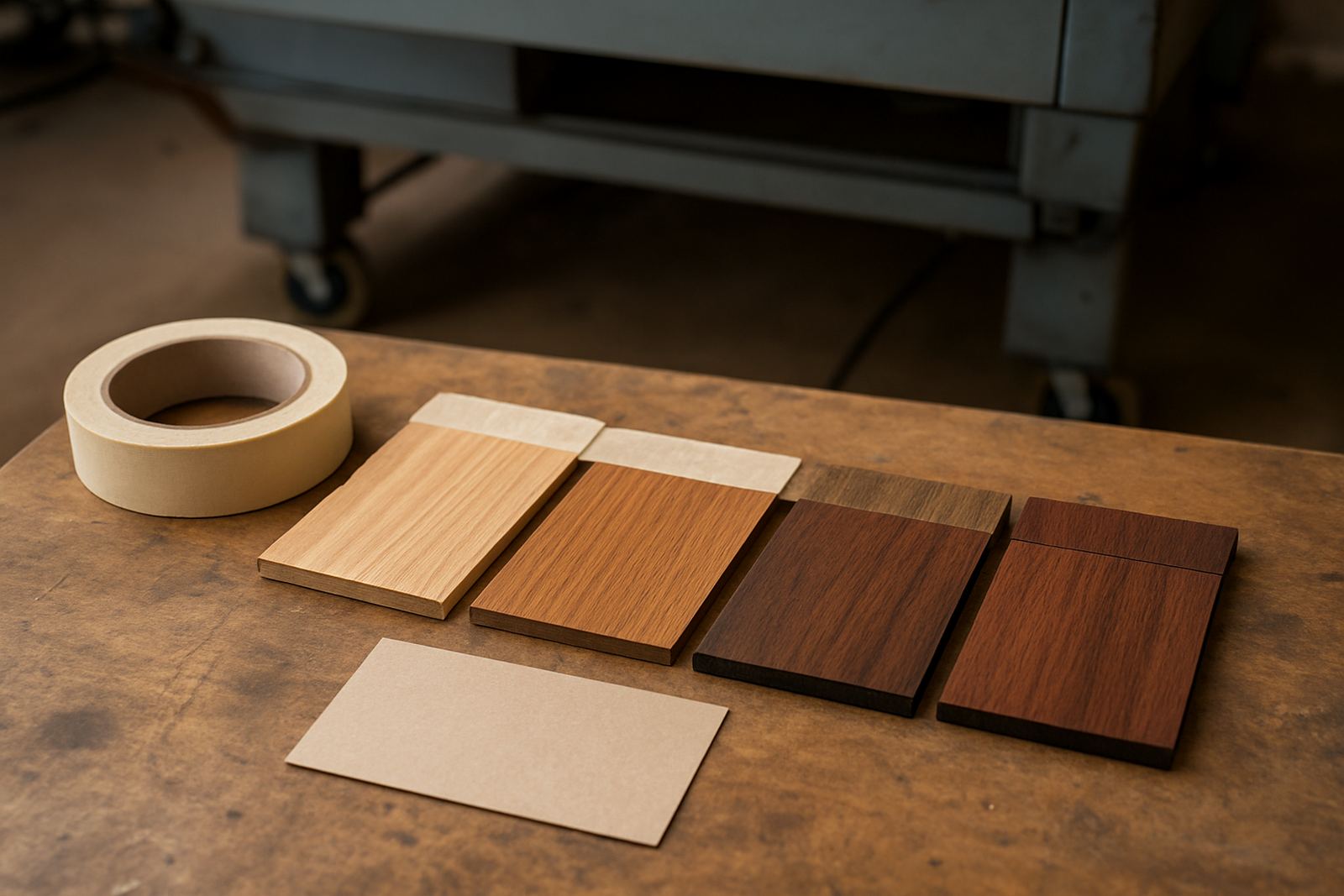
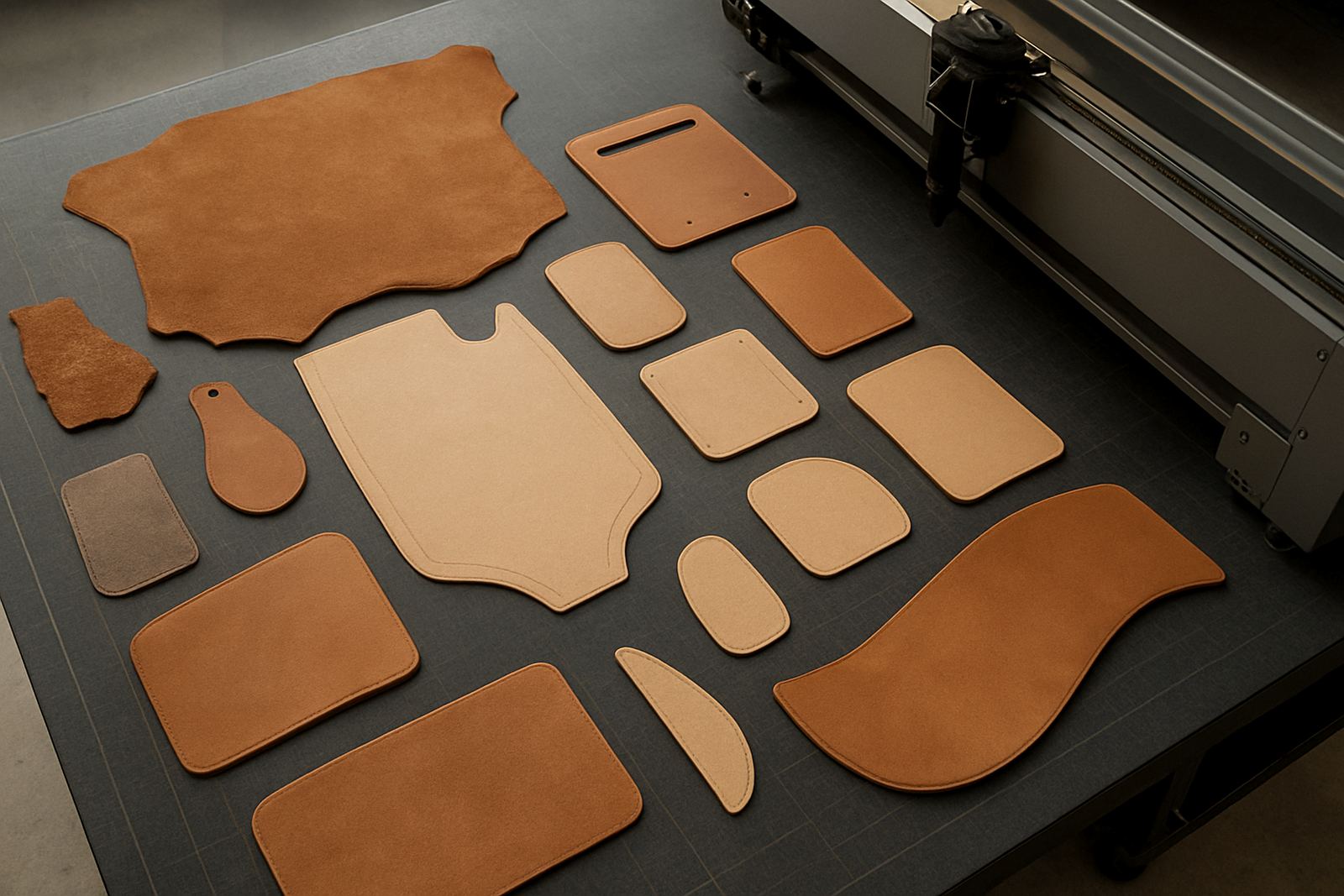
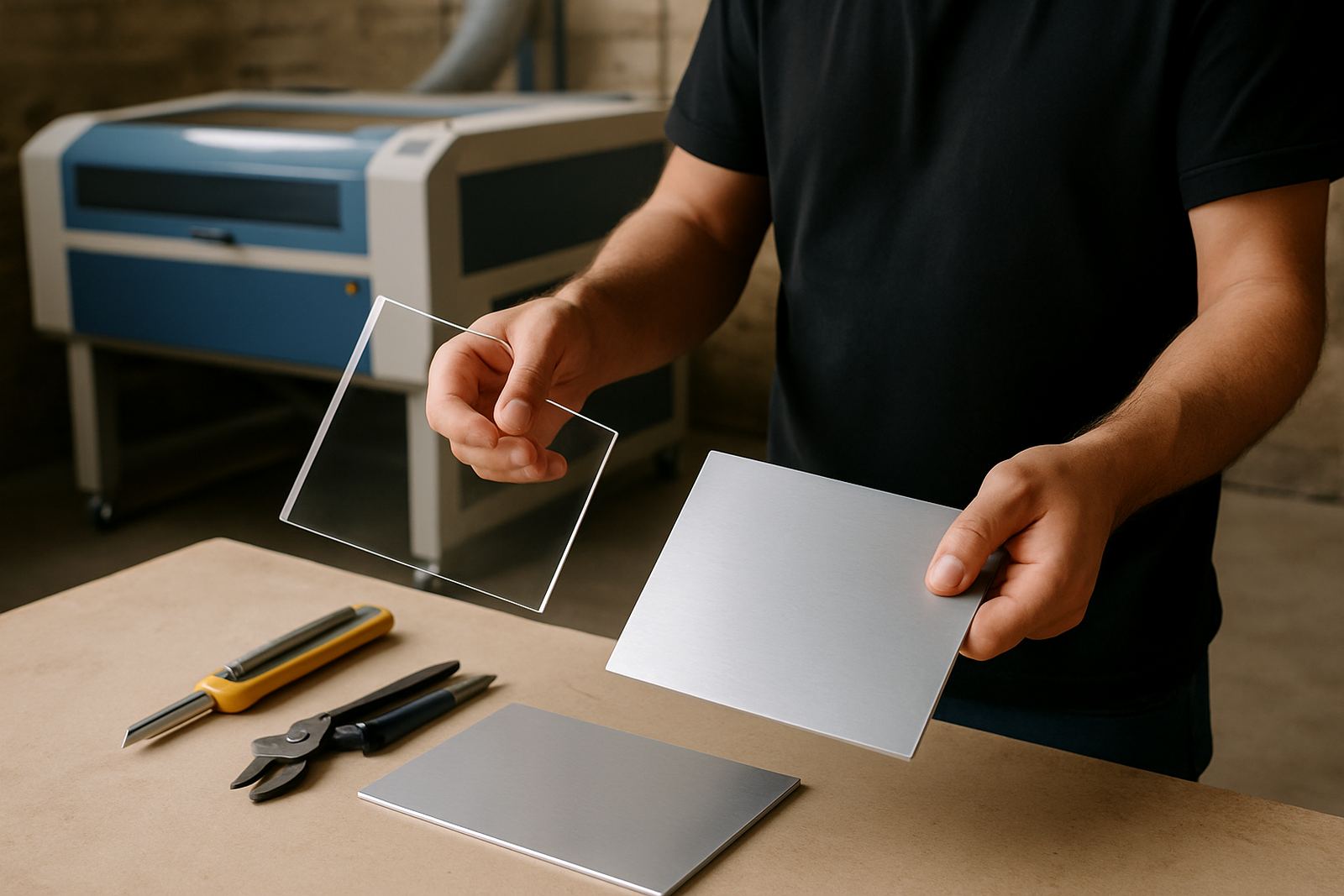
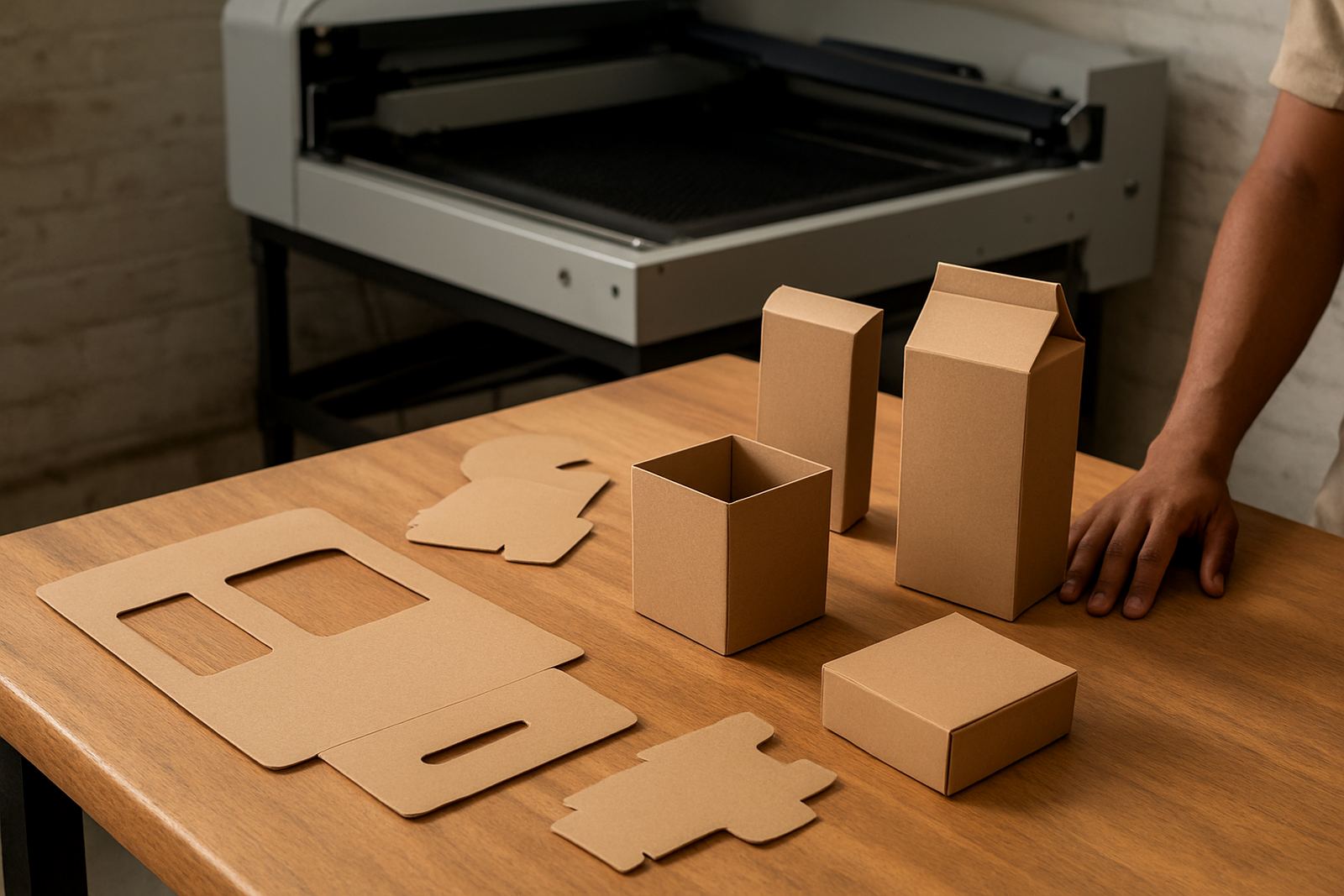
Not every CO2 laser suits every job, so start with the material you use day to day. Acrylic, plywood, MDF, leather and similar sheet goods behave differently on the bed, and the right setup depends on thickness, finish quality and the amount of repeat work you do. A craft studio cutting 3 mm acrylic badges has very different needs to a workshop handling display pieces, jigs or packaging inserts.
If you are comparing machines, look at bed size, tube power, extraction, cooling and how easy it is to clean and align the system. In Johannesburg and other inland areas, heat and dust can affect performance, while coastal humidity can influence timber and leather storage. A machine that suits your material mix today should also allow for growth if orders increase next year.
How to Choose the Right Machine Size
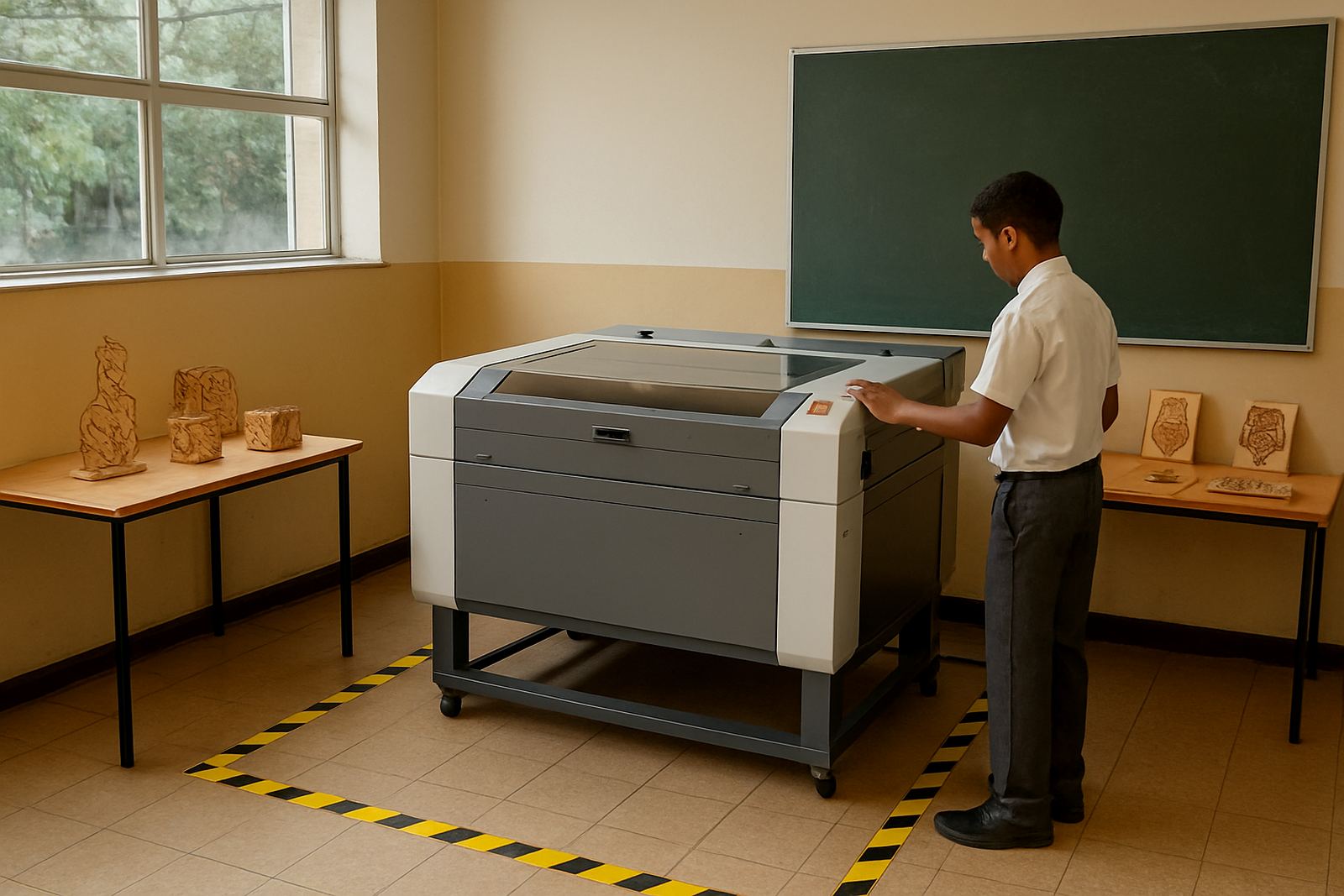
Capacity is not only about the cutting area. It also affects how you load material, how much scrap you handle and how often you need to reposition sheets. For many South African buyers, a larger bed saves time on batch work, while a smaller unit can be easier to place in a tight shop, school lab or production room.
- Choose a bed size that matches your common sheet size to reduce waste and handling.
- Check ceiling height and doorway access before delivery, especially in older buildings.
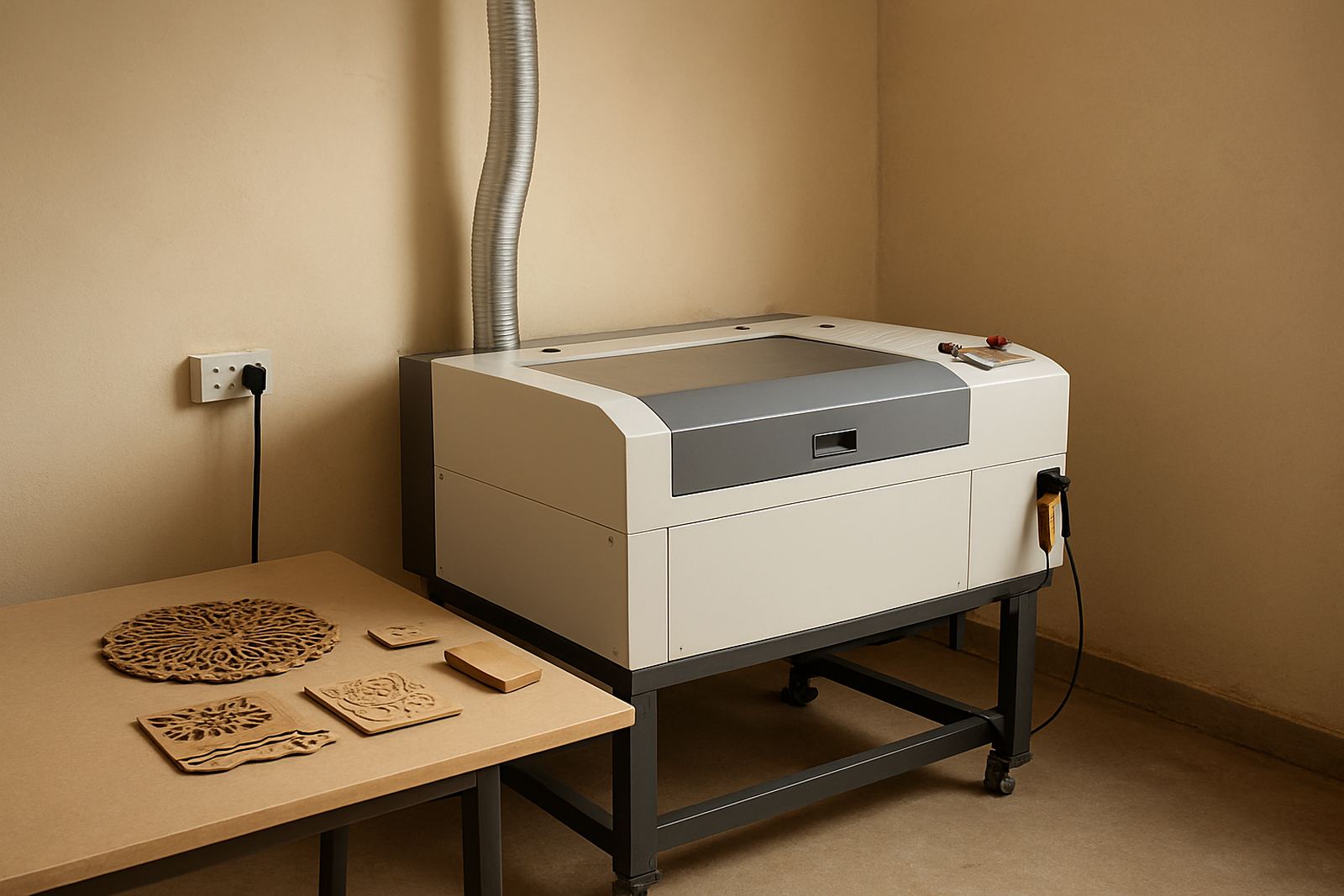
- Allow space for extraction ducting, cooling gear and safe operator movement around the machine.
- Plan for power stability and load-shedding back-up if you need consistent production hours.
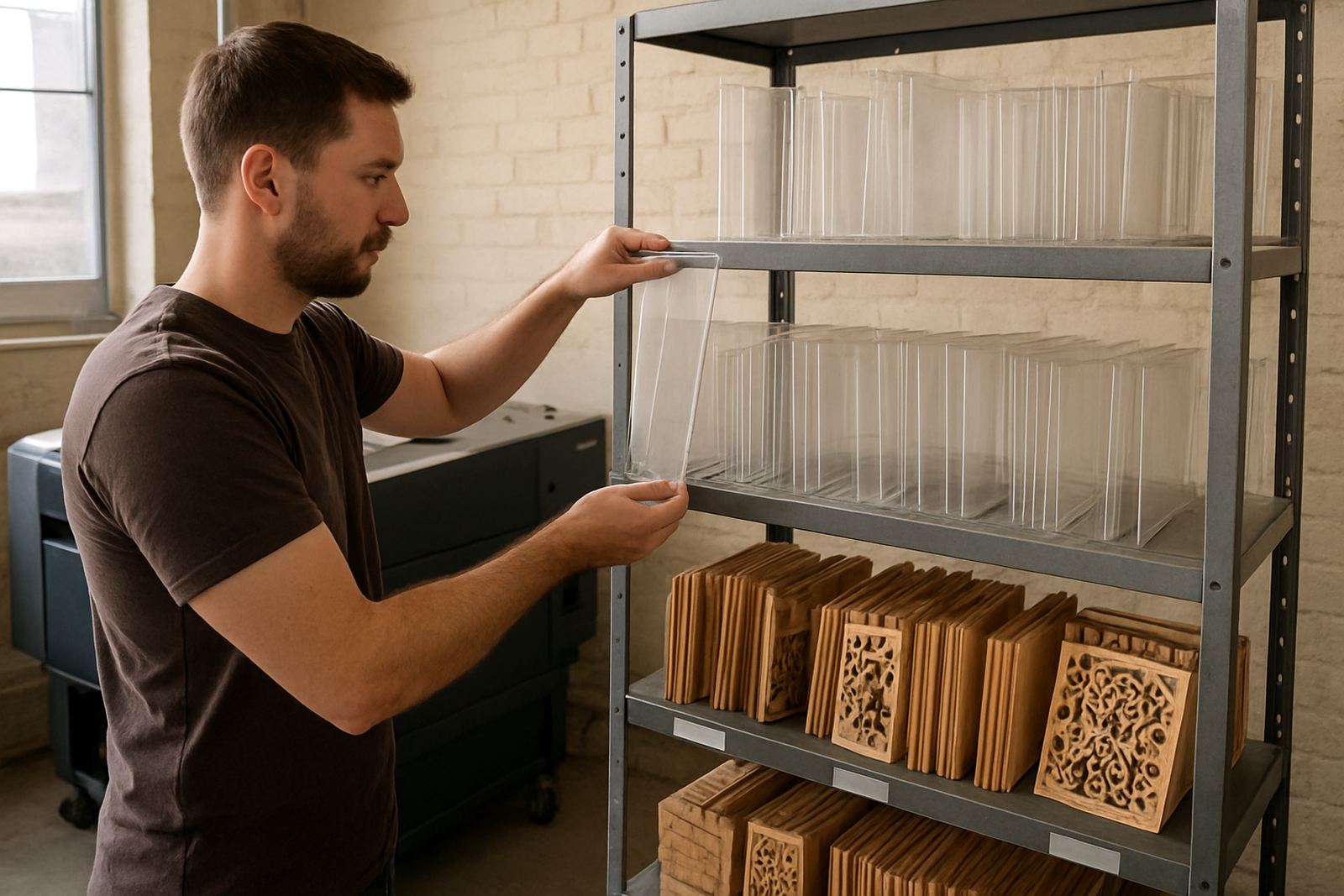
It is worth measuring the full footprint, not just the machine cabinet. Once the extractor, chiller and material racks are added, a compact room can feel very crowded very quickly.
Prepare Your Site Before Installation Day
A good site makes installation quicker and day-to-day work safer. The floor should be level, the room should be dry, and the machine should be positioned where operators can load materials without bending around obstacles. If you are in a municipal area with specific ventilation or fire rules, check those in advance so you do not have delays after delivery.
Stable power, clear extraction and cooling water access are all part of the setup. For some sites, a dedicated circuit is enough, while others need electrical work before the machine can run properly. Dust control matters too, because fine debris can build up on mirrors, rails and guides if the room is not kept clean. A tidy workspace keeps output more consistant and reduces faults.
Improve Edge Quality and Cut Accuracy
Clean edges and accurate detail depend on the whole process, not just the machine. Focus on lens condition, mirror alignment, assist air, material flatness and correct speed settings. If the beam is not aligned or the optics are dirty, you may see burn marks, rough edges or uneven depth across the sheet.
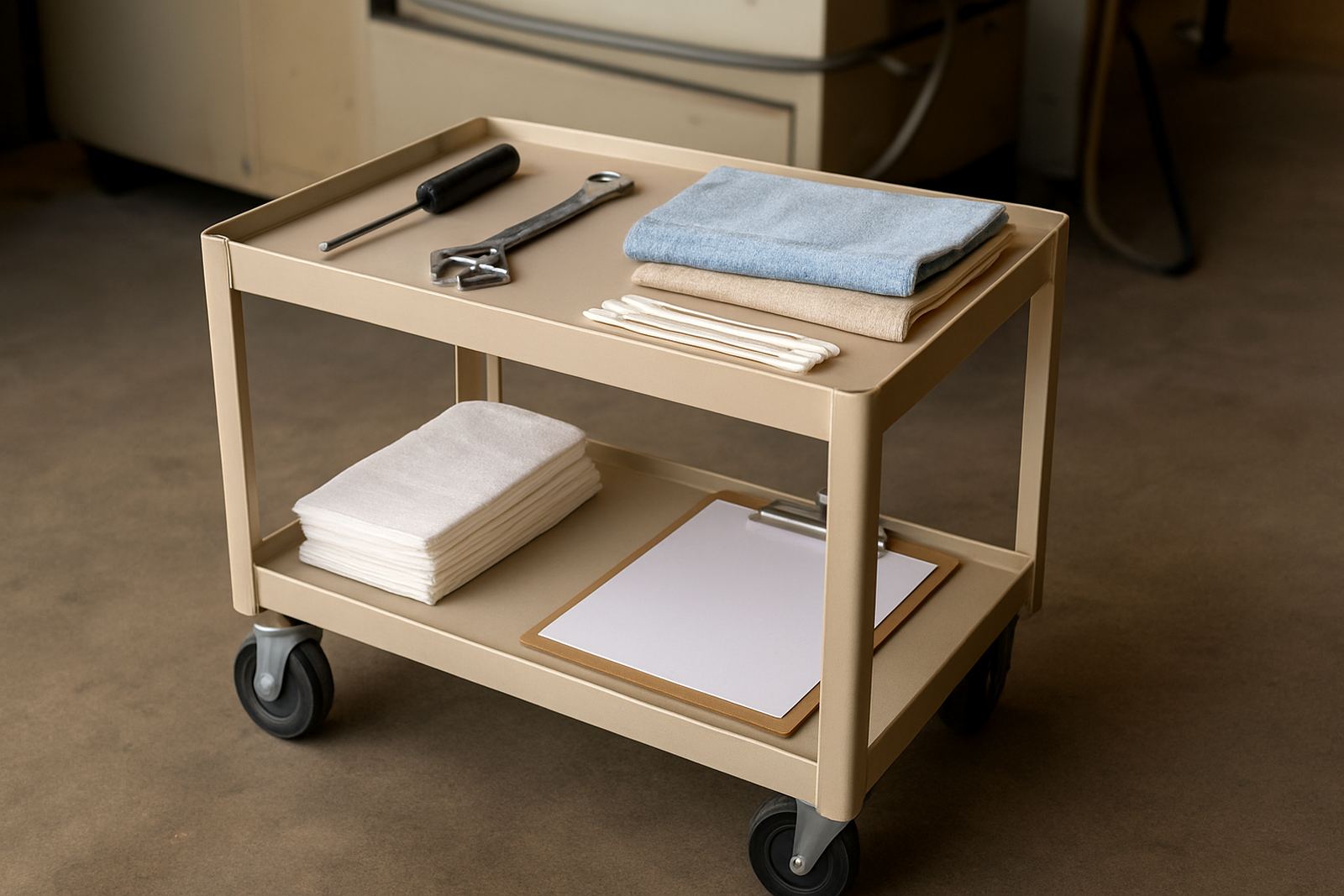
- Check optics regularly and clean them with the right method, not with household cloths.
- Keep the cutting bed level so the beam stays consistent across the surface.
- Use proper extraction to clear smoke and reduce staining on acrylic and wood.
- Match speed and power settings to the thickness and type of material, then record what works.
Small setting changes can make a big difference, so keep notes for each material. That helps when different operators are sharing the same machine or when you need to repeat a job weeks later.
Maintenance That Protects Output and Uptime
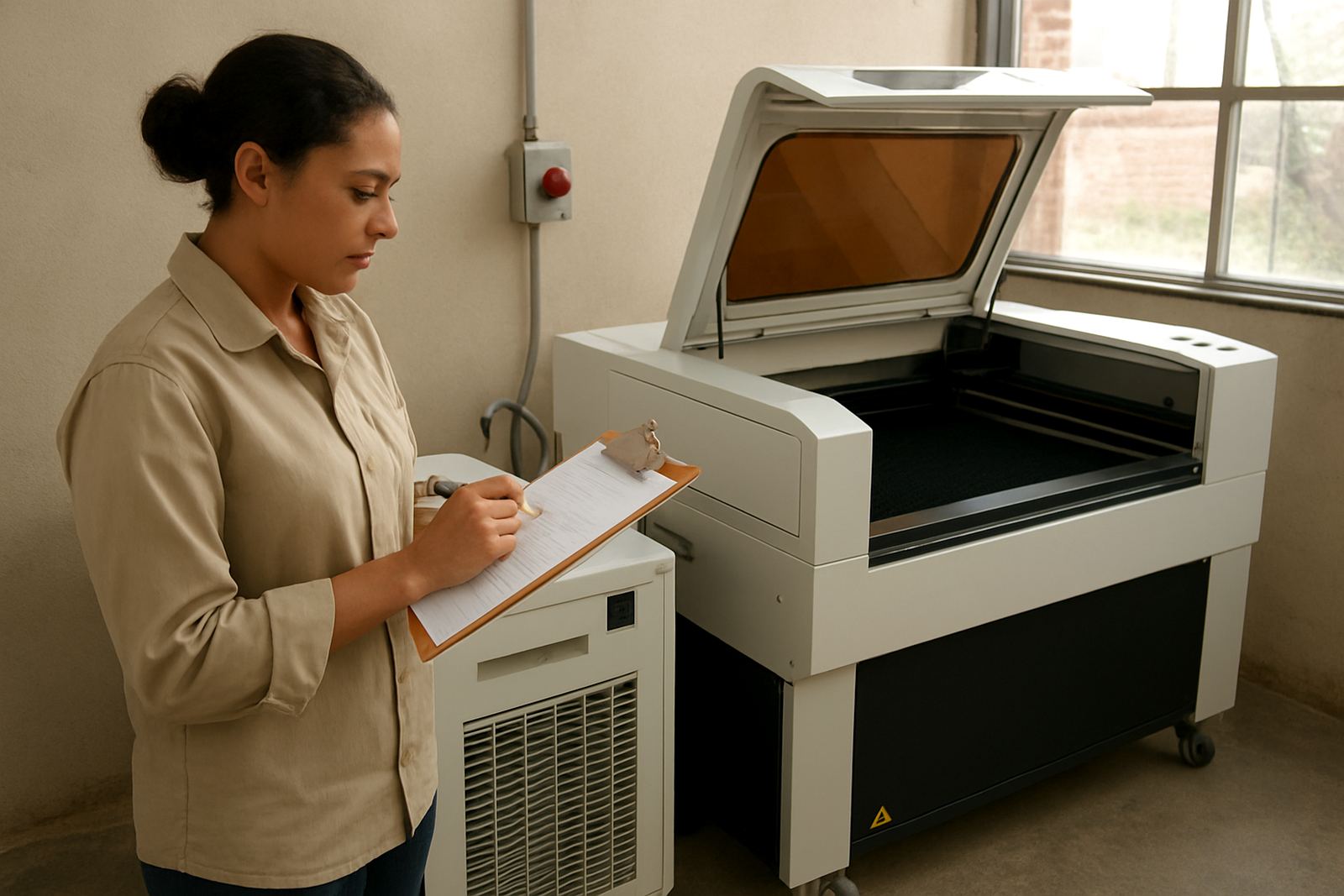
Preventive maintenance is cheaper than downtime. In busy workshops, a missed cleaning cycle or a blocked cooling line can stop production for hours, and sometimes longer if spares need to be sourced. Regular checks should cover the cooling system, extraction, belts, mirrors, lenses and beam path. If a machine is used daily, it needs attention before small issues become breakdowns.
For South African operations, service planning should also account for power interruptions, dust, heat and seasonal humidity. A practical maintenance routine can include operator checks each shift and a more detailed inspection on a weekly or monthly basis, depending on output. Keeping spares on hand for common wear items is often the difference between a short pause and a full production delay.
Training, Demo Cuts and Ongoing Support
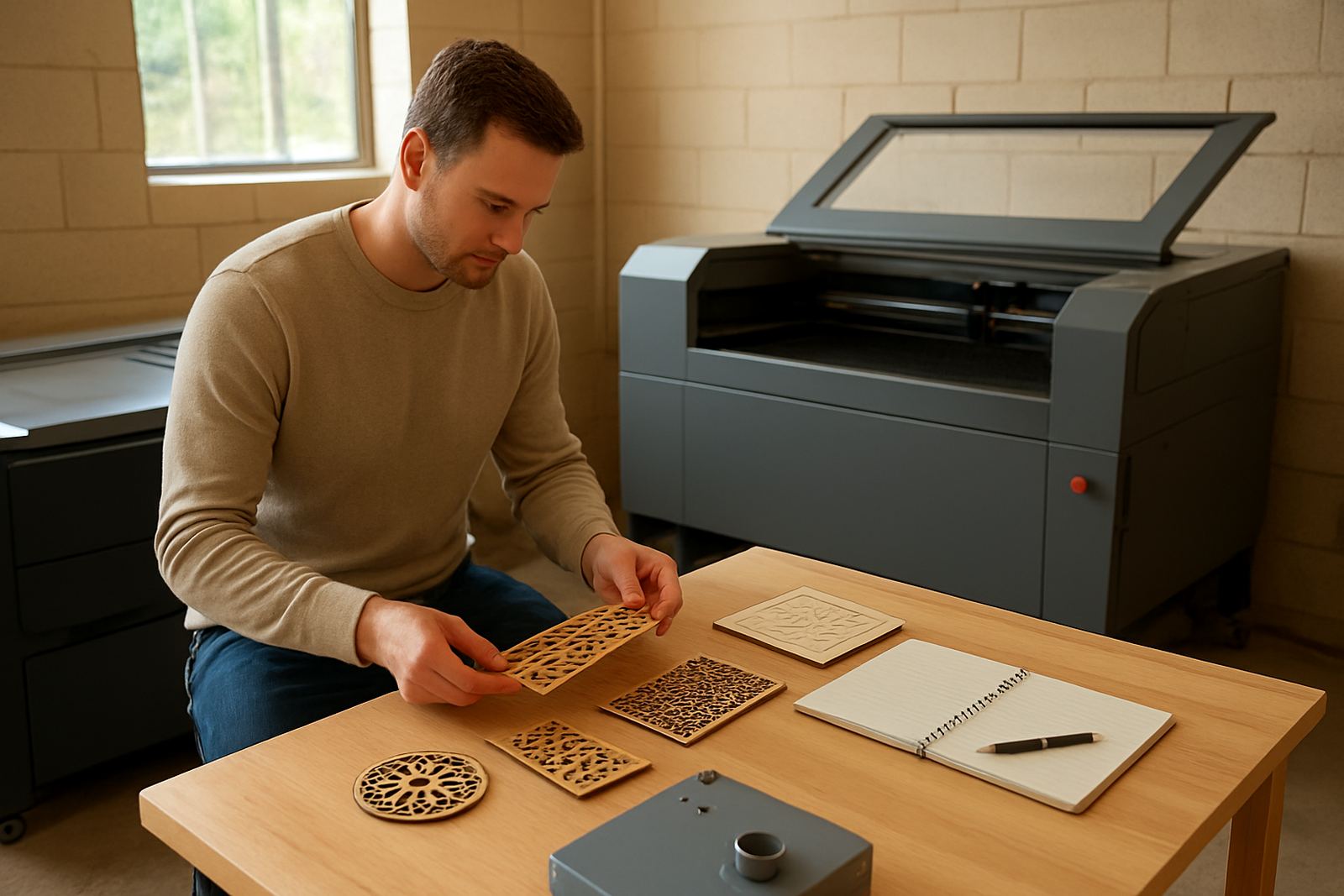
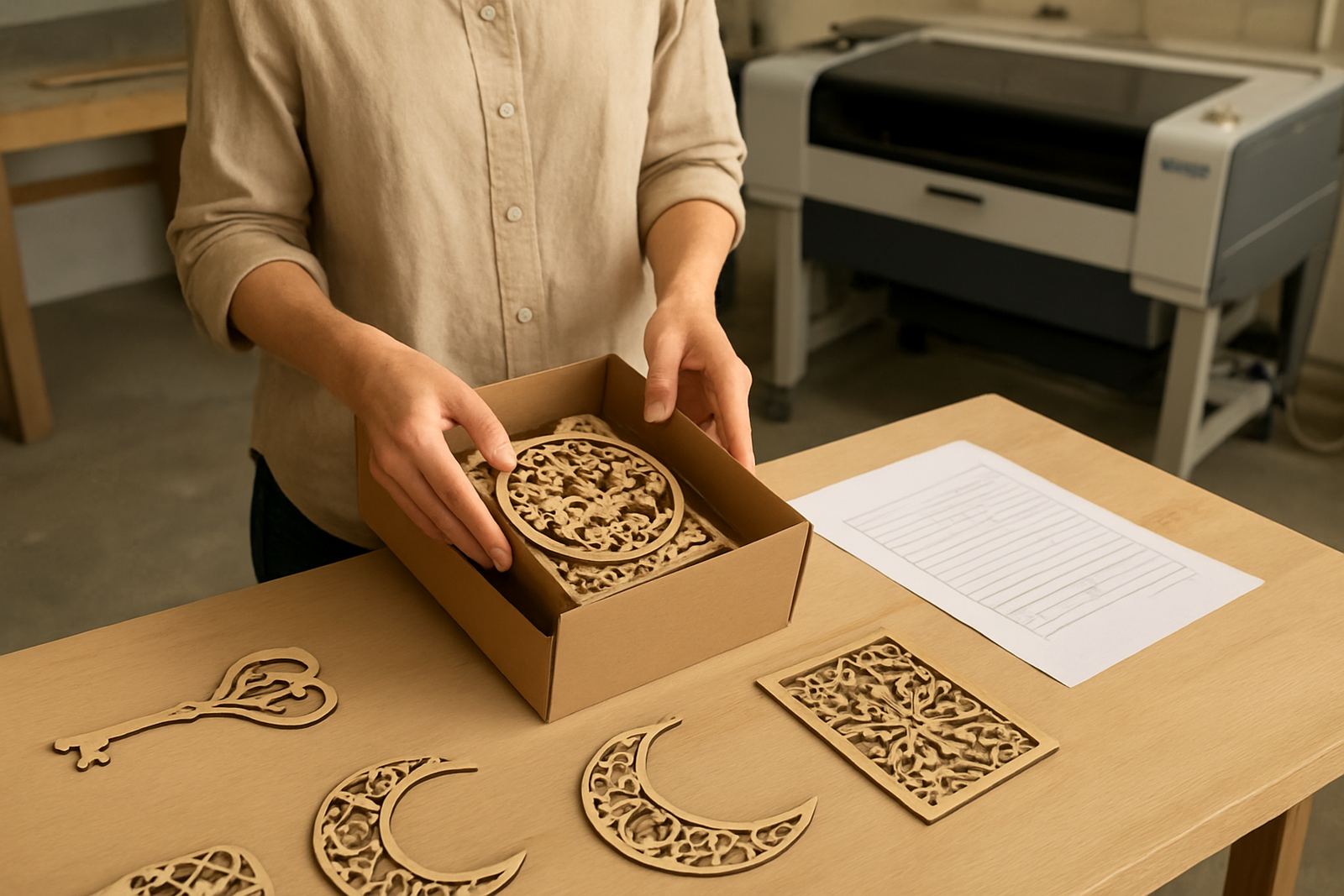
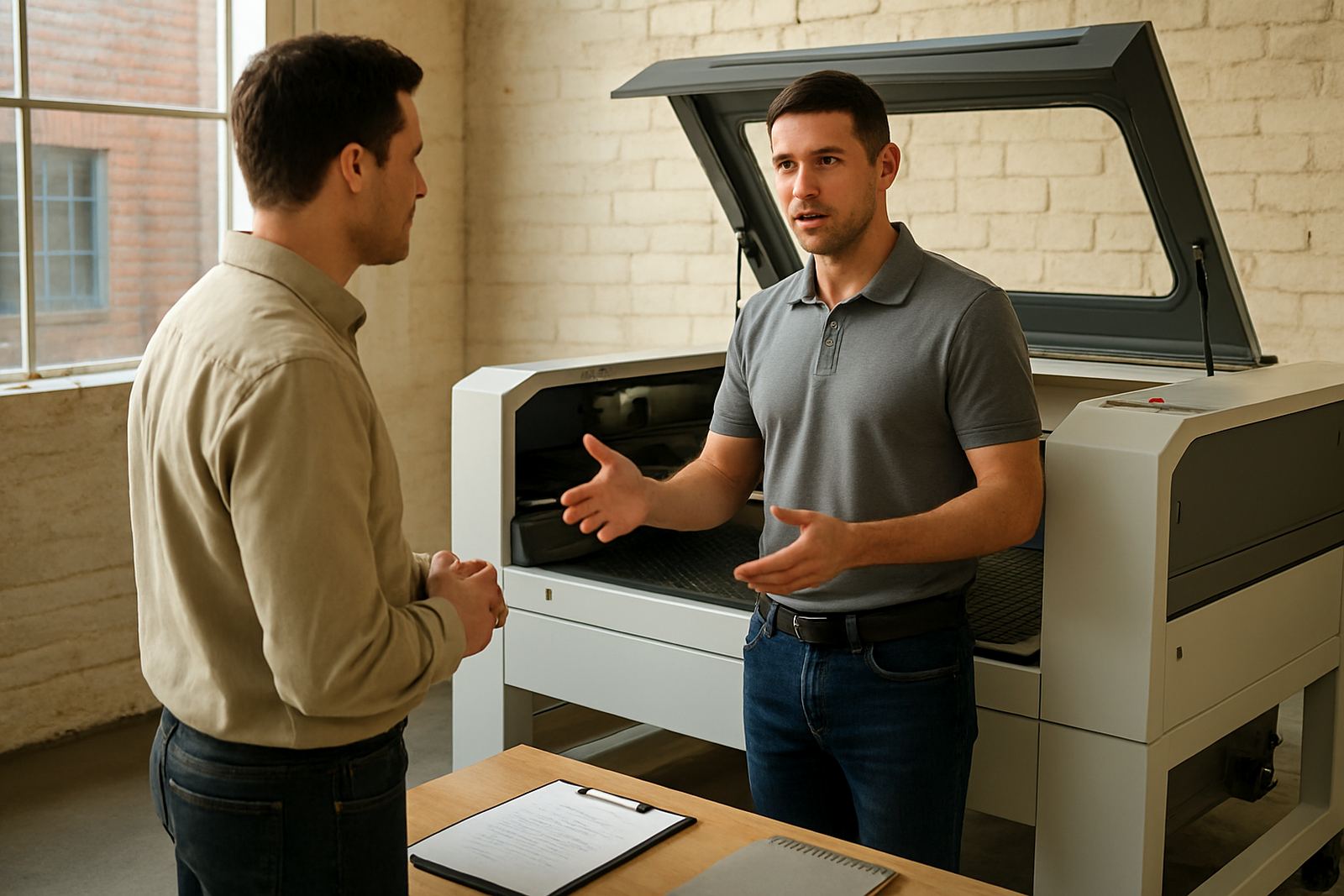
Good training helps operators cut safely and get the most from the machine from day one. Demo cuts are useful when you want to test material, compare finishes or confirm that a machine suits your workflow before installation. They also help new staff understand how settings affect the final result on acrylic, wood and leather.
Support should not end after handover. When a machine is moved, serviced or adjusted, the operator often needs a quick refresher on settings, cleaning and setup checks. That is especially useful for multi-site teams and busy production shops that cannot afford trial-and-error on live orders.
- Machine installation and relocation help
- Operator training for new and existing staff
- Remote support for quick troubleshooting
- Preventive maintenance and annual service plans
Whether you are in Wynberg, Sandton, Pretoria, Midrand, the East Rand, the West Rand, Durban or Cape Town, the same practical basics apply: clean optics, stable cooling, correct settings and a well prepared site.