What a dual head cutter does in daily production
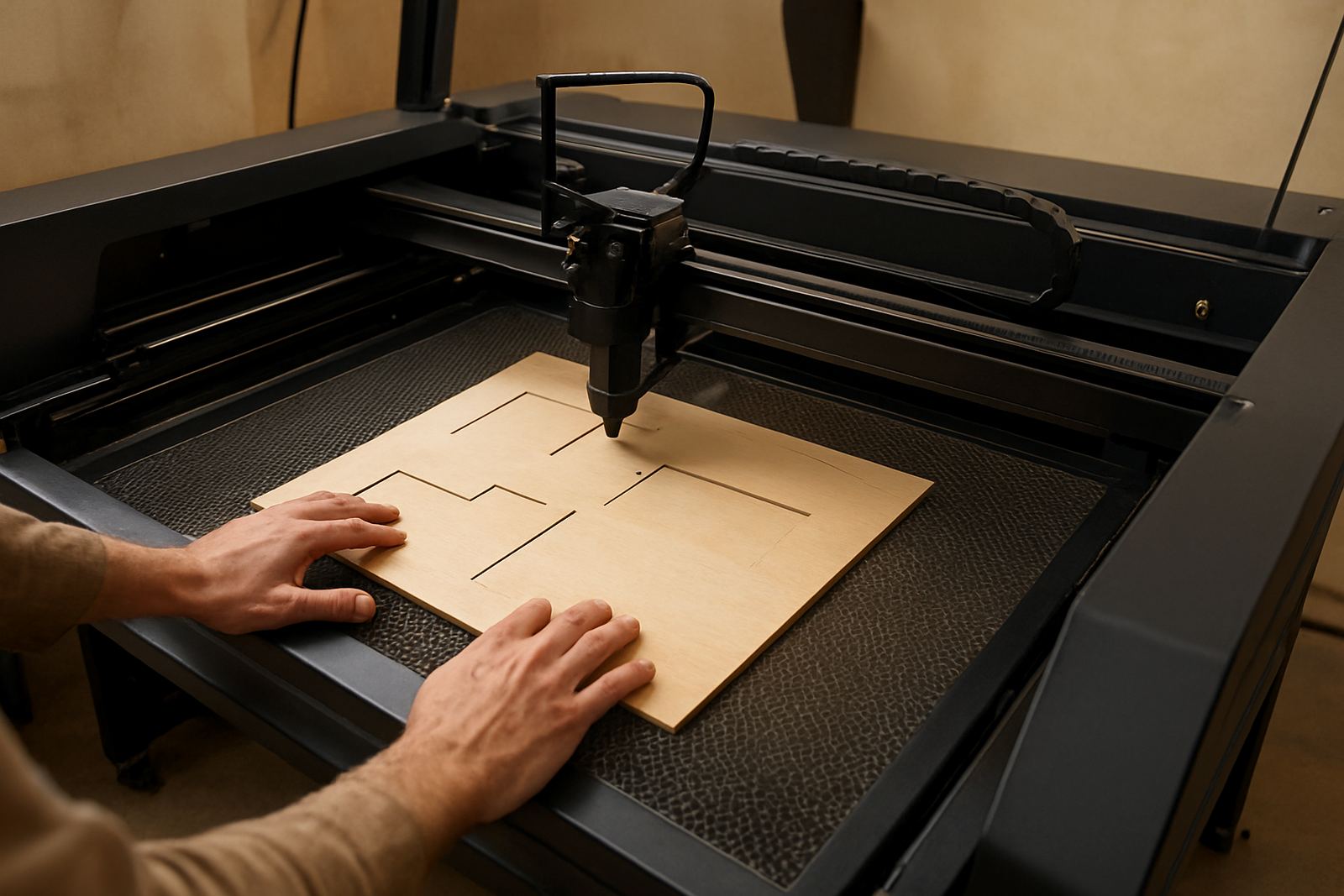
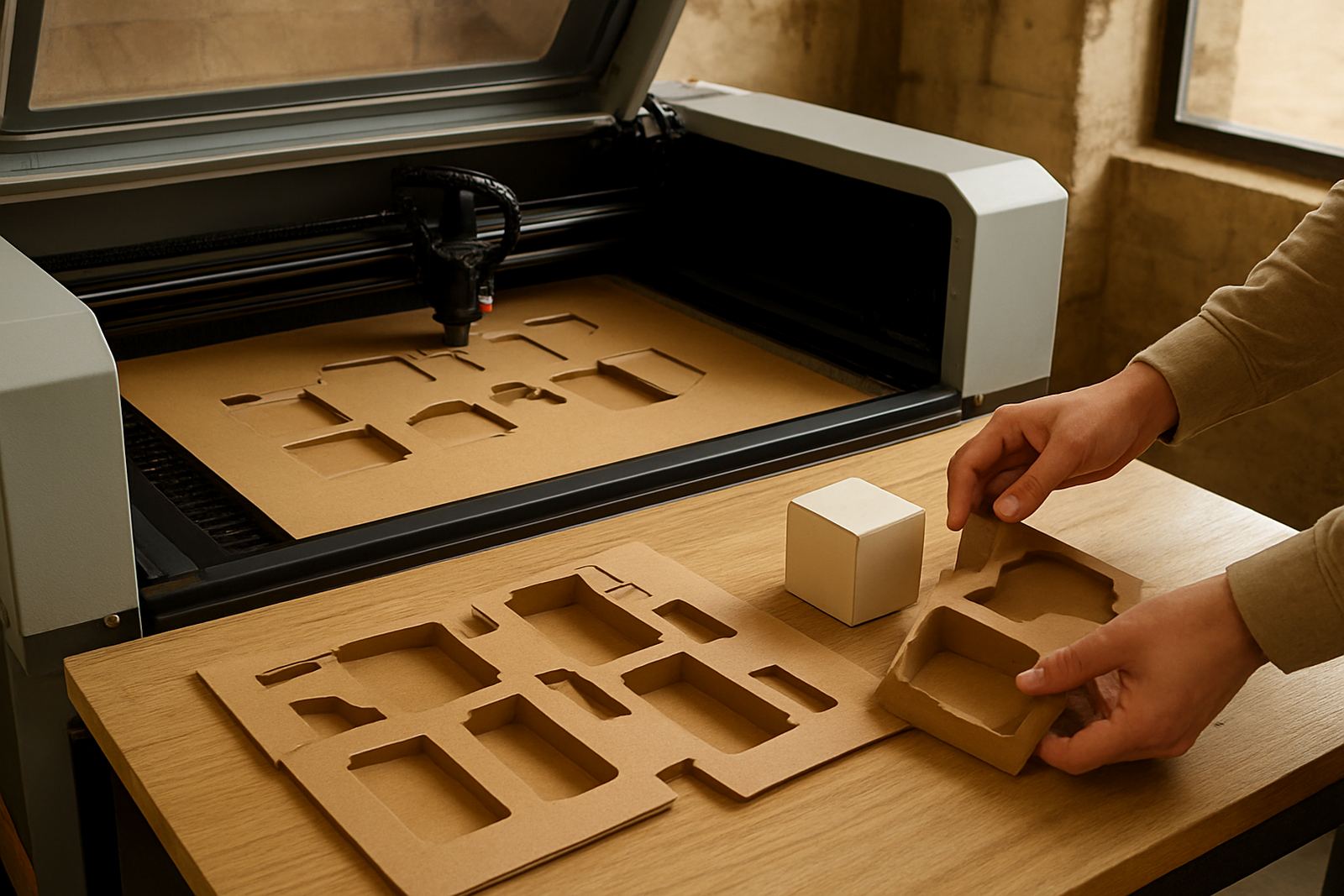
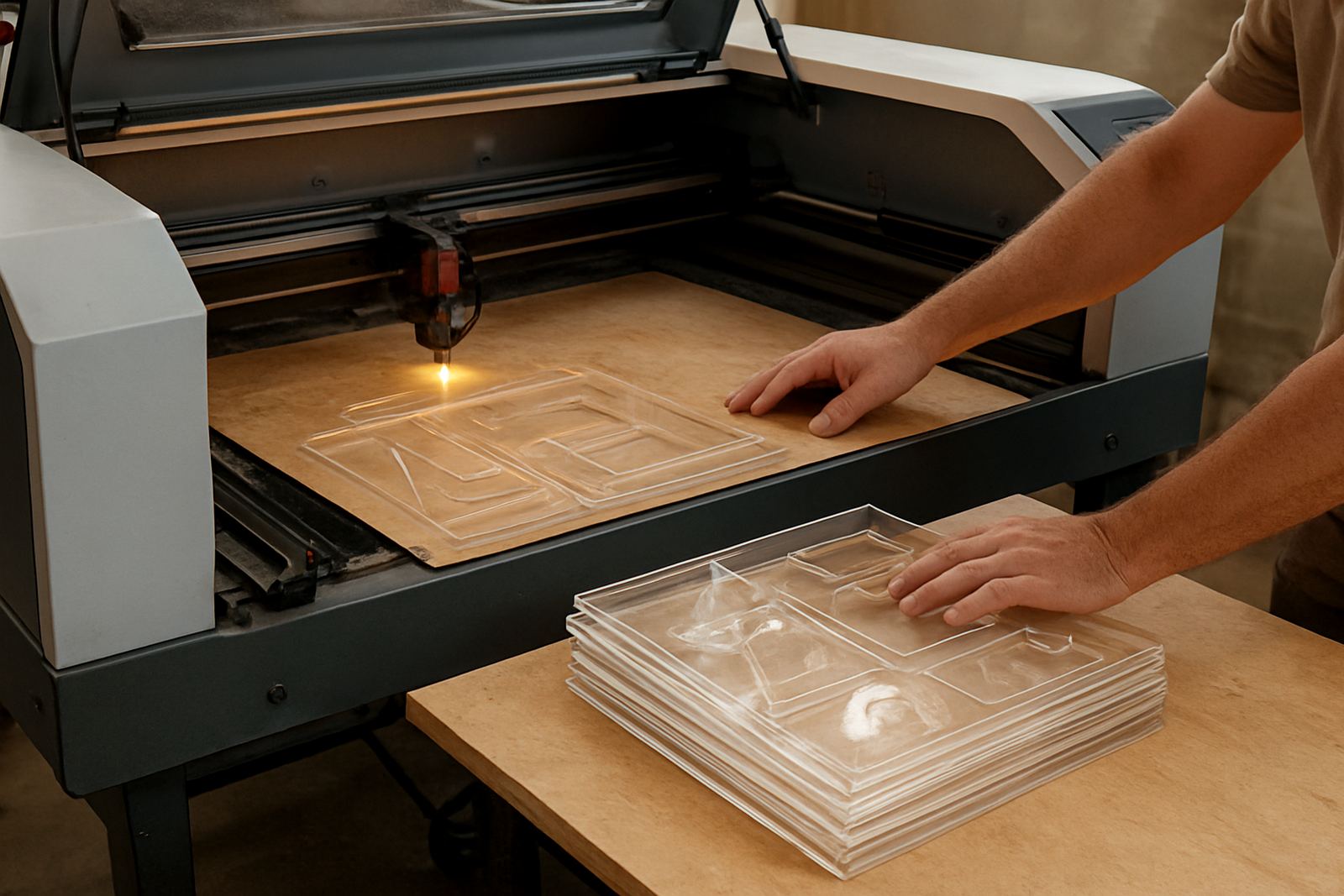
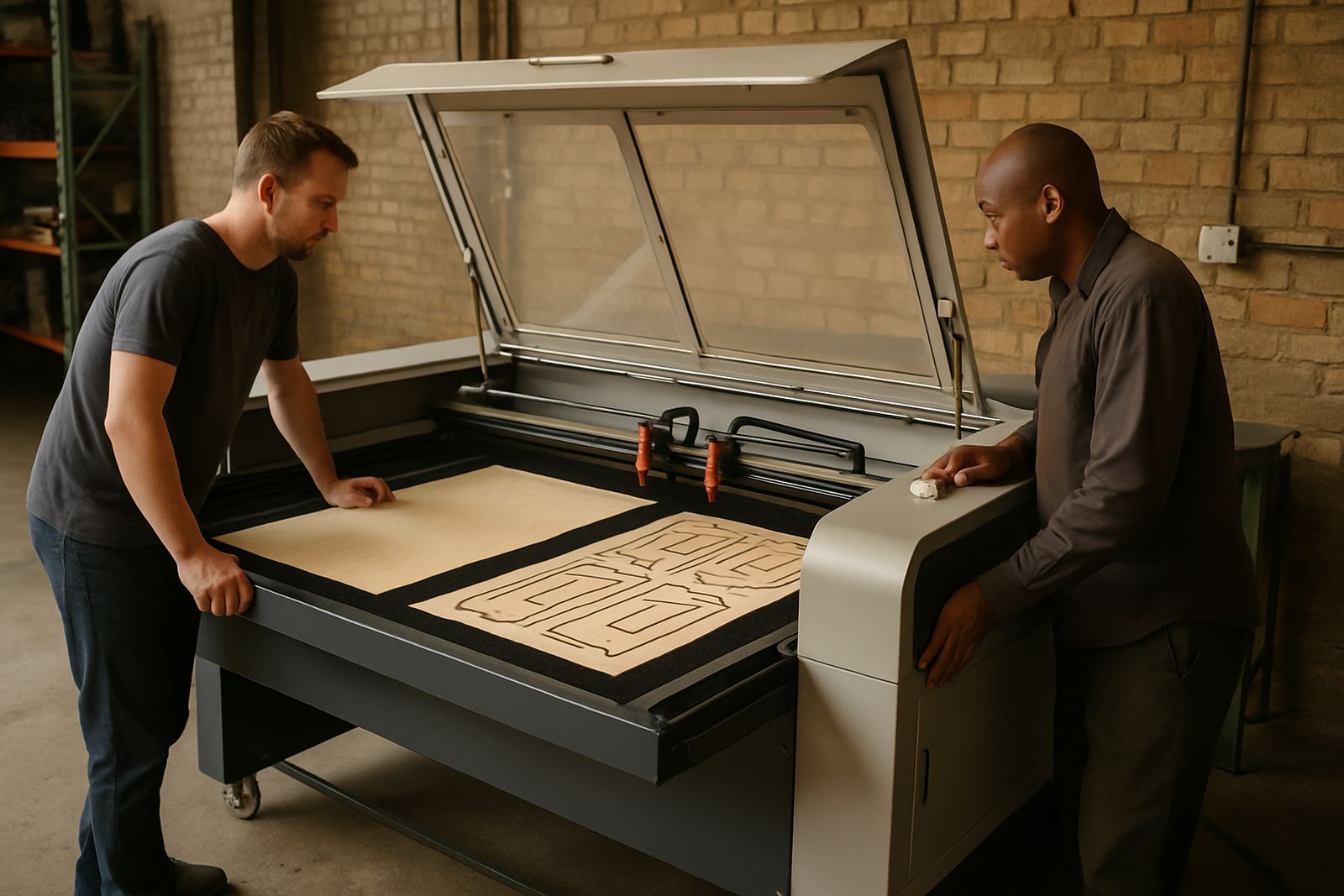
A dual head cutter uses two laser heads on one machine bed so the same pattern can be cut from one sheet in a single run. That makes it a practical choice for repeat jobs such as signage blanks, packaging parts, labels, display pieces and leather components where the work is similar from sheet to sheet.
It is not the best option for jobs that change every few minutes, because both heads work as a pair and the layout must suit repeated cutting. For steady production runs though, it can save time, reduce operator handling and help keep output more even during busy weeks.
In Johannesburg and other inland cities it also helps when power is unpredictable. A well set up dual head machine can be scheduled around production blocks, with parts prepared in batches so the workshop can keep moving after load-shedding or supply interruptions.
Typical sizes and machine options
Most buyers choose the bed size according to sheet material and the space available in the workshop. Common working areas include 1300 x 900 mm, 1600 x 1000 mm and 1800 x 1200 mm, with the larger beds better for sign work and wider nesting patterns. A bigger bed does need more floor space and better extraction planning, so measure the route into the workshop before delivery.
- Working area matched to acrylic sheet sizes, timber panels or leather hides
- Single or dual head configuration depending on throughput needs
- Optional honeycomb or knife bed support for different materials
- Choice of tube power for light engraving or faster cutting jobs
- Simple panel control with repeat job memory for production work
Some workshops ask for a dual head system only after their order book starts growing. Others go straight into it because they already know they will be cutting the same shapes every day. If your work includes mixed one-off items the machine can still be used, but the best value comes from repeating the same cut file across batches.
Where this machine works best
This setup suits makers and production teams that need volume without moving into full industrial automation. It is often used for acrylic display parts, point of sale items, interior decor pieces, craft blanks, leather goods, educational kits and light fabrication work. Clean edges and tight repeatability matter here, because the final product must fit together without extra sanding or trimming.
For coastal towns, humidity must be considered. Acrylic stores well, but wood and leather should be kept dry before cutting so the finish stays clean and smoke marks are easier to control. In Durban, Cape Town and other humid areas, good extraction and proper storage make a noticeable difference to the finish.
- Sign shops cutting repeated lettering and panel parts
- Packaging and display makers working with consistent templates
- Leather product workshops making belts, tags and panels
- Craft and schooling suppliers producing batches for resale
Installation, power and extraction needs
Installation needs a level floor, enough working room around the machine and a clear path for loading sheets. The machine should be placed where the operator can move material safely and where the exhaust can be routed without sharp bends. For many workshops a dedicated extractor is not optional, it is part of getting usable results from day one.
Power requirements depend on the machine size and tube output, but most sites should plan for a stable single phase or three phase supply as specified for the unit. Because local voltage can vary, a power conditioner or protection equipment is often recommended. If your area has frequent outages, a UPS for controls and a proper restart routine helps protect the machine and reduce downtime.
We install nationwide and can assist with demo cuts, machine placement, operator handover and relocation support. The team also helps assess access doors, window openings and parking space before delivery so the machine arrives where it needs to be without unnecessary delay.
Care, servicing and everyday upkeep
Like all CO2 laser equipment, a dual head cutter performs best when the lenses, mirrors, rails and cooling system are kept in good condition. Optics should be cleaned regularly, the water temperature should stay within the proper range and the extraction system must be checked for blockages or weak airflow. If the heads are not aligned correctly, cut quality drops fast and you can waste material on repeat jobs.
Preventive maintenance is usually cheaper than waiting for a breakdown. A good routine includes beam alignment, cooling checks, extraction service and inspection of belts, moving parts and the tube performance. In busy workshops this is worth planning into the month so the machine is not only fixed when it stops but kept ready before it gets there.
- Clean optics and check beam alignment on a set schedule
- Inspect water cooling and refill with clean coolant or treated water as specified
- Keep the extraction system clear of dust, offcuts and resin build up
- Check head spacing and test repeat cuts before a large run
What to confirm before placing an order
Before ordering, it helps to confirm the type of material, the largest sheet size, the average batch size and the finish you need on the final cut. You should also check whether the jobs need engraving as well as cutting, because dual head machines are mainly about repeating cuts and may not be the best fit for mixed detail work across different layouts.
Ask about spare lenses, mirrors, hoses, extraction ducting and cooling setup so the machine can be used properly from the start. If your workshop is in Gauteng, KwaZulu-Natal or the Western Cape, ask what is needed for installation in your specific area, especially if the site has access limits or power issues. It is better to know upfront than to discover that a delivery truck cannot reverse into the yard.
When you send an enquiry through the contact page, the team can talk through the right bed size, head configuration and support plan for your production goals. That includes operator training, remote support, annual servicing and help with moving the machine later if your workshop grows.
Key facts
| Machine type | CO2 laser cutter with dual head arrangement |
|---|---|
| Best materials | Acrylic, wood, leather and similar non-metal sheet materials |
| Common working areas | 1300 x 900 mm, 1600 x 1000 mm, 1800 x 1200 mm |
| Use case | Repeat cutting runs where throughput matters more than mixed job flexibility |
| Typical support | Installation, operator training, preventive maintenance and breakdown response |
| Service area | Wynberg, Johannesburg base with nationwide demo cuts and installs |