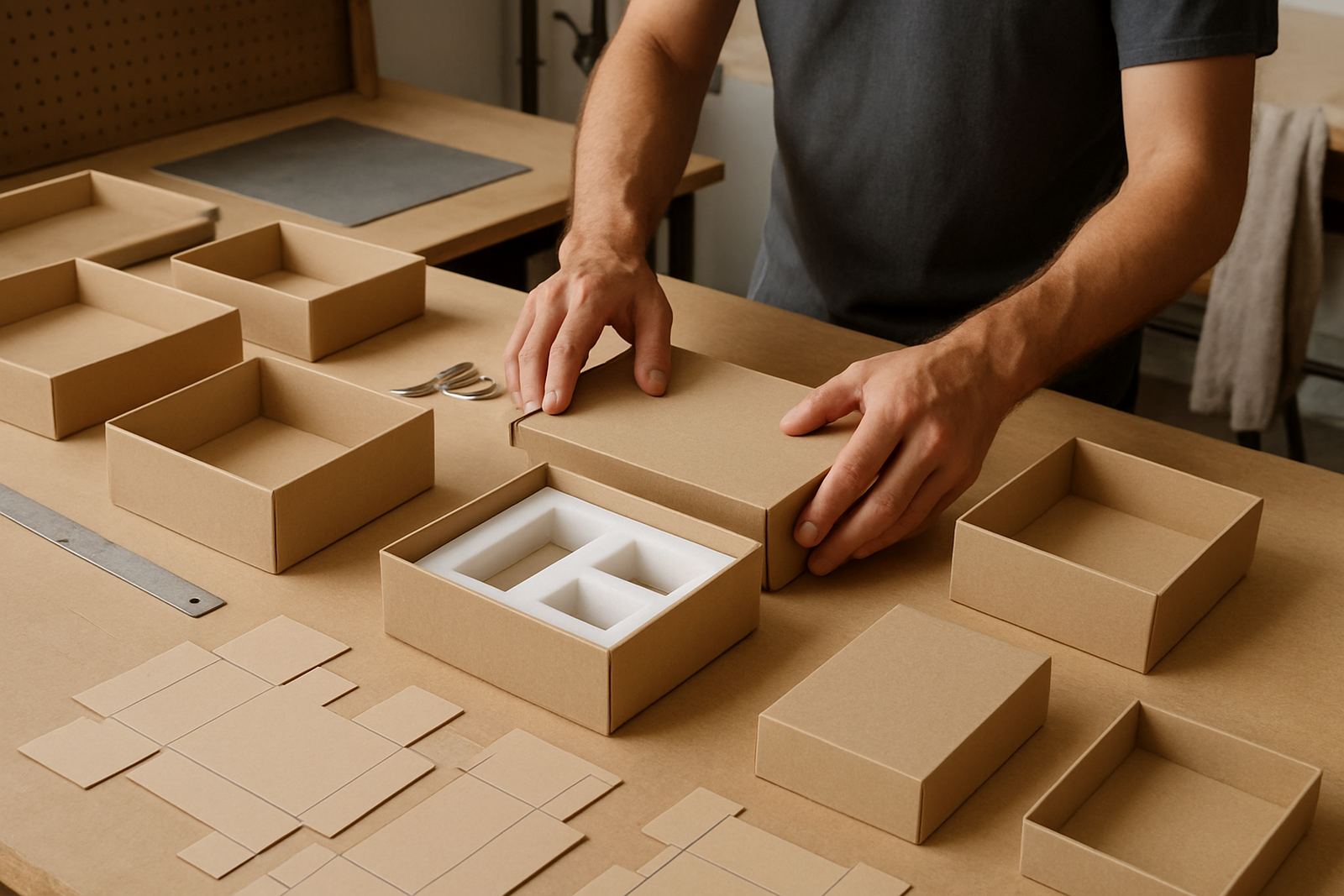
What the Boksburg team needed from its sample room
The client is a packaging studio in Boksburg that supplies sample packs for retail, gifts and promotional work. Their team needed a better way to produce shaped inserts, folded mock-up boxes and neat cut-outs for presentation samples without waiting on outside cutters for every small change.
The job looked straightforward, but the workshop conditions made it exacting. They wanted clean, accurate cuts on board stock, clear acrylic presentation parts and a machine that could keep up with short notice requests from sales teams and designers. The sample room also had to cope with regular power interruptions in the east rand, so the solution needed sensible electrical planning and stable cooling.
They were also working in a fairly busy space, with limited floor area and a steady stream of sample changes. That meant we had to look at cutting footprint, extraction, heat control and operator access, not just cutting size. The result had to fit the room, fit the pace and fit the way packaging samples are actually made day to day.
Material mix and cut quality requirements
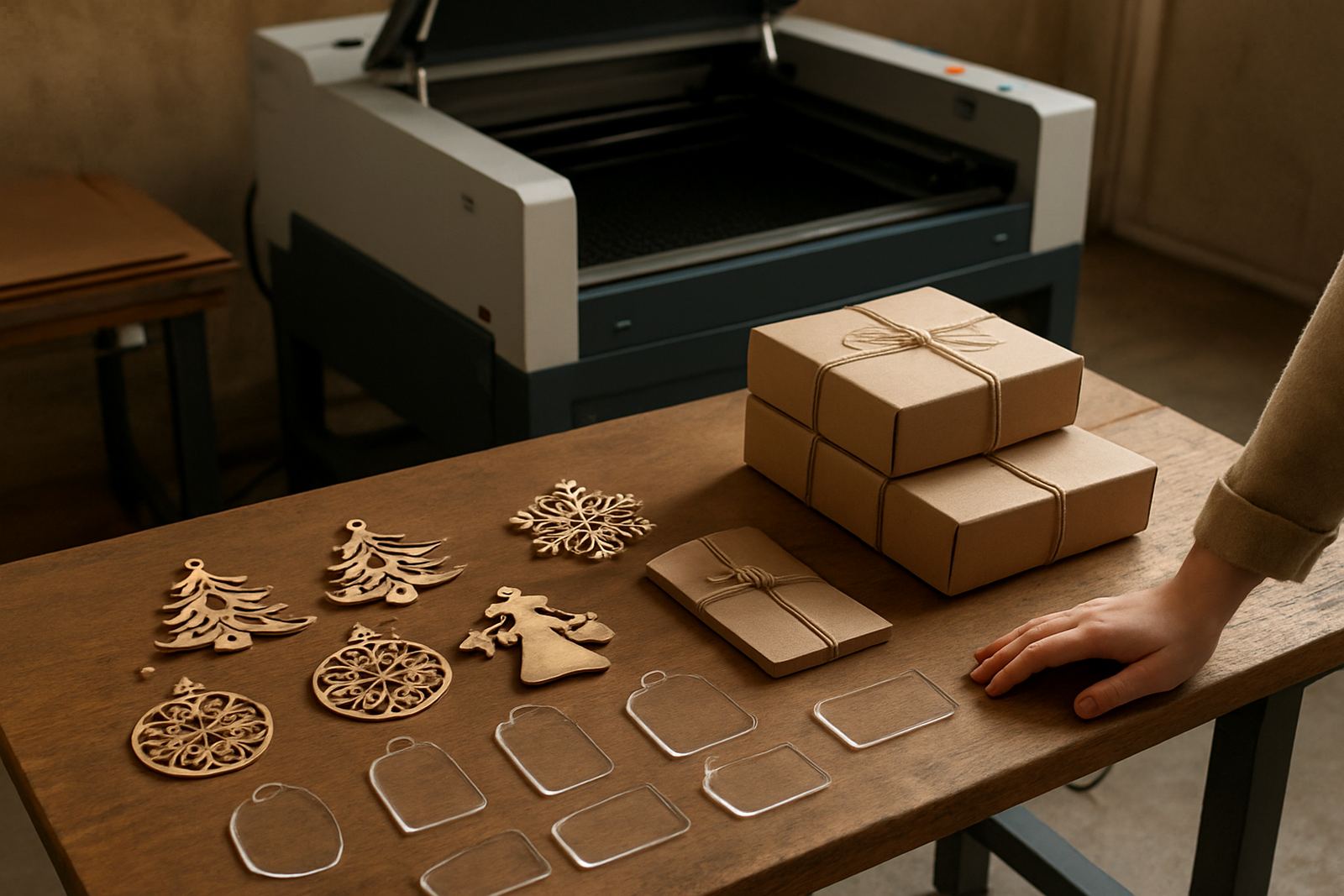
The main materials on the job were folding carton board, display card, acrylic sheet for presentation parts, and thin leather offcuts used for premium sample detailing. The team needed clean edges with no heavy scorching on board and no stress marks on acrylic, especially on visible edges where a buyer would notice any rough finish straight away.
We also had to account for the sort of work that packaging studios do all the time: nested parts, small tabs, quick revisions and different thicknesses from one project to the next. In this case the setup had to be easy enough for trained staff to run, but still accurate enough for repeat sample production. We supplied a machine package that could handle fine detail without slowing the team down.
- Board and card sample parts for mock-up boxes
- Acrylic inserts and presentation windows
- Leather tags and premium finish details
- Small-format shapes for folds, slots and locating tabs
What we supplied for the sample service upgrade
We supplied a CO2 laser cutting setup with a working area suited to sample production, plus the support items needed to keep it running properly in a packaging environment. That included extraction support, cooling checks, beam alignment, optics cleaning and operator guidance for the day-to-day work. The aim was not just to drop in a machine, but to make sure the studio could use it properly from week one.
The installation was planned so the team could keep part of their sample work moving while the machine was being set up. We checked access points, machine positioning and airflow around the unit before final placement. Because the site is in Boksburg, we also allowed for local municipal conditions, dust control and the usual load-shedding interruptions that can affect production timing.
- CO2 laser cutting machine for packaging samples
- Extraction service and ducting layout advice
- Cooling checks and safe operating setup
- Beam alignment and optics cleaning on handover
- Operator training for sample room staff
Installation and training over three weeks
From the first site check to handover, the work was completed over three weeks. Week one covered the room check, power planning and sample review. Week two was the installation and first test cuts. Week three focused on operator training, repeat runs and small adjustments to improve cutting speed and finish.
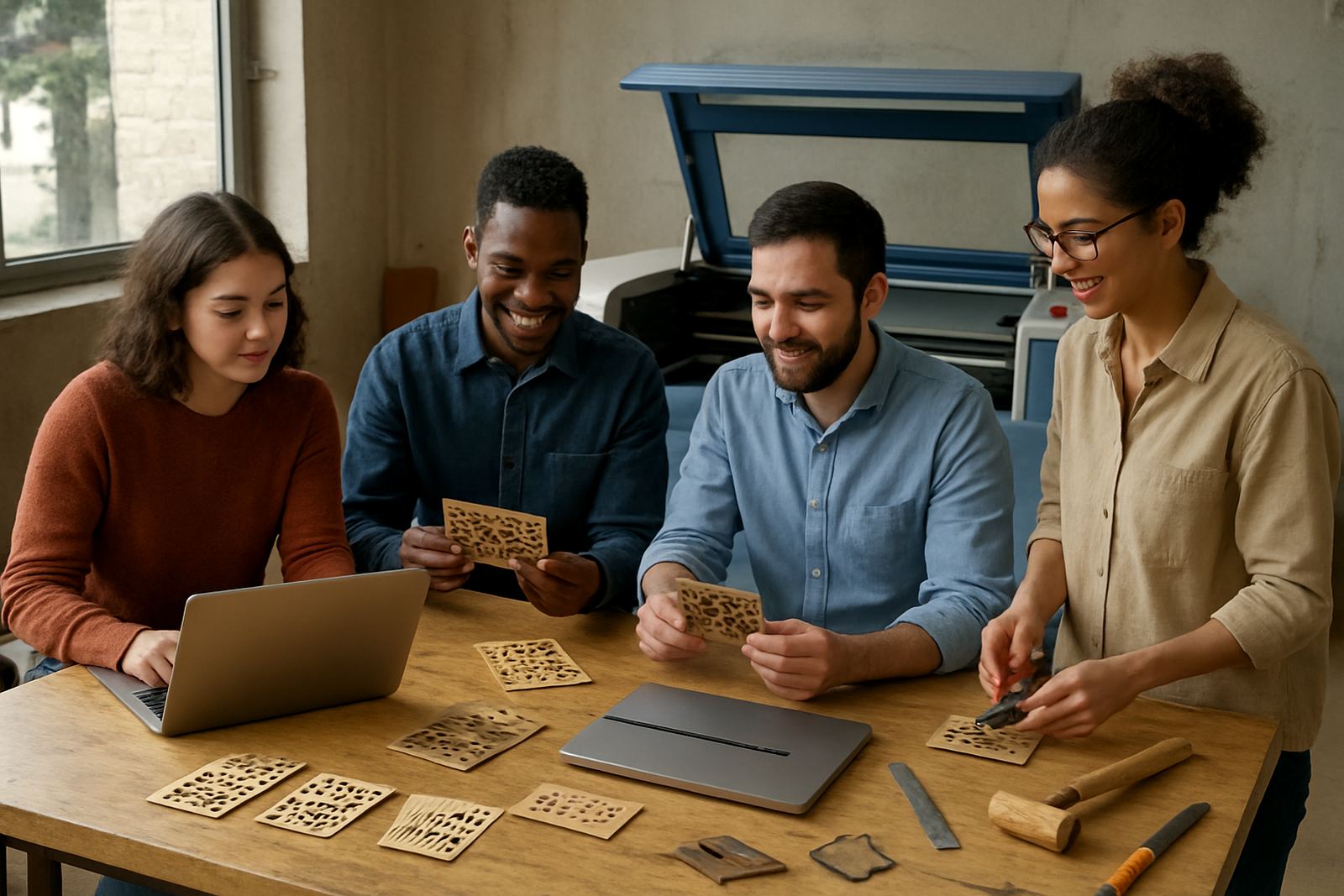
Refilwe handled the training schedule with the studio staff, while Johan oversaw the technical setup and final alignment. Tyron remained on standby for service support after handover, especially for anything linked to cooling flow, lens cleaning or extraction performance. The team wanted a practical learning process, not a rushed demo, and that made a big difference to how quickly they picked up the machine.
Lethabo worked with the client on what to keep in stock for regular use, including essential consumables and a few spare items that help avoid delays when a sample needs to be done on the same day. That planning saved time later on when the first urgent mock-up jobs came in, and it also reduced the chance of holding up client presentations.
Results on sample packs, mock-ups and presentation runs
Once the setup was in daily use, the studio was able to produce cleaner shaped inserts, sharper mock-up boxes and better fitting presentation parts without sending every small job out. The biggest change was consistency. Parts that needed to line up, fold and fit now came off the machine with less manual trimming and fewer corrections.
The client also gained better turnaround on same-week sample requests. That matters in packaging because a customer may want one version for a sales meeting in the morning and a revised version by the next day. With the laser in place, the studio could work faster without sacrificing fit or finish.
- Cleaner cut edges on sample inserts and box mock-ups
- Less hand finishing after cutting
- Faster turnaround for urgent customer presentations
- Improved repeatability across short-run sample jobs
The team also found the machine useful for premium presentation work, where the sample itself has to look finished enough to be shown to a buyer. That included transparent parts, detailed inserts and small features that would have been awkward to cut by hand. There was a real lift in output, and less wastage too.
Why this setup suits packaging work in Gauteng
Packaging studios in Gauteng need equipment that can cope with mixed materials, quick changes and occasional power cuts. In Boksburg, that means planning for stable cooling, dust control and sensible maintenance intervals. This project was a good fit because the setup was matched to the actual work, not just the machine sheet on its own.
For sample services, a laser cutter makes the most sense when the team needs detail, speed and repeatability in smaller batches. It is especially useful where client approvals depend on how the sample looks and feels. If a board insert or acrylic piece has to fit neatly on the first try, the cutting method matters a lot.
What we would do again on a similar project is build in the same practical handover: site review first, install second, operator training last. That sequence kept the team confident and reduced avoidable down time. It also gave the studio a clean process for maintenance, which helps a lot in a busy production room.
Key facts
| Project location | Boksburg, Gauteng |
|---|---|
| Client type | Packaging specialist and sample service studio |
| Timeline | 3 weeks from assessment to handover |
| Main materials | Board, card, acrylic and light leather |
| Services used | Installation, training, alignment, extraction and support |
| Outcome | Cleaner samples, faster turnaround and less manual finishing |