What the Randburg shop needed from a laser setup
The client was a craft-focused retailer in Randburg with strong foot traffic and a growing demand for personalised gifts, wedding items, school keepsakes, and small batch retail pieces. Their main problem was turnaround time. They were outsourcing too many jobs and losing margin on simple custom work that should have been done in house.
The brief was clear: fit a compact machine into a tight studio area, keep power use sensible for a small retail site, and make sure the system could handle acrylic, wood, leather, and card without giving rough edges or extra finishing. They also wanted a setup that staff could use after a short training run, not something that needed a full-time technician on site.
Because the shop operated in a mixed retail centre, we also had to consider noise, extraction, and safe placement. The landlord had rules on electrical work and ventilation, and the team wanted a clean customer-facing area, not a workshop that looked cluttered. In Randburg, that matters just as much as cut quality.
The machine spec and working footprint
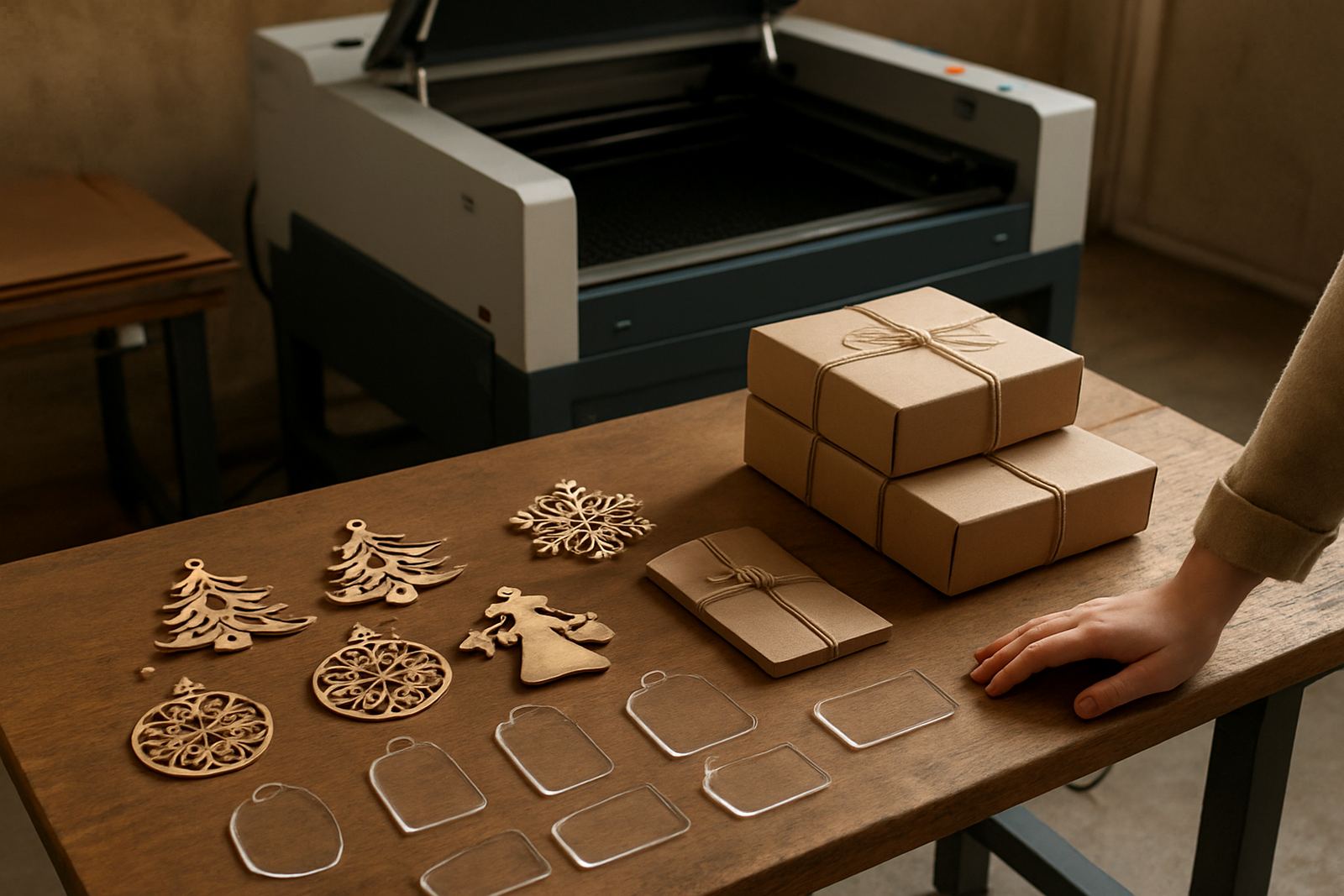
We recommended a compact CO2 laser suited to studio and retail production rather than heavy factory use. The unit was sized for small format gift work, display parts, and detailed cutouts, with enough bed space to produce repeat items in batches without taking over the shop.
- Working area: 900 x 600 mm
- Laser source: CO2, 100W class
- Materials used most often: acrylic up to 10 mm, plywood, MDF, leather, card
- Cooling: water-cooled system with daily checks
- Extraction: fitted for indoor use with smoke and odour control
- Power: single phase supply with load-shedding aware shutdown steps
The small footprint made it easier to fit beside finishing tables and stock storage. We also planned for extractor duct routing and access around the machine, because in a compact retail site it is the little things that usually slow people down. The shop needed clean edges, not more admin.
Installation in Randburg without disrupting trade
The installation was completed over two visits in week one. First we checked the site, measured the available space, reviewed electrical capacity, and confirmed where the extractor and water unit would sit. Then we returned with the machine, set it in place, levelled the frame, and carried out beam alignment, cooling checks, and first test cuts.
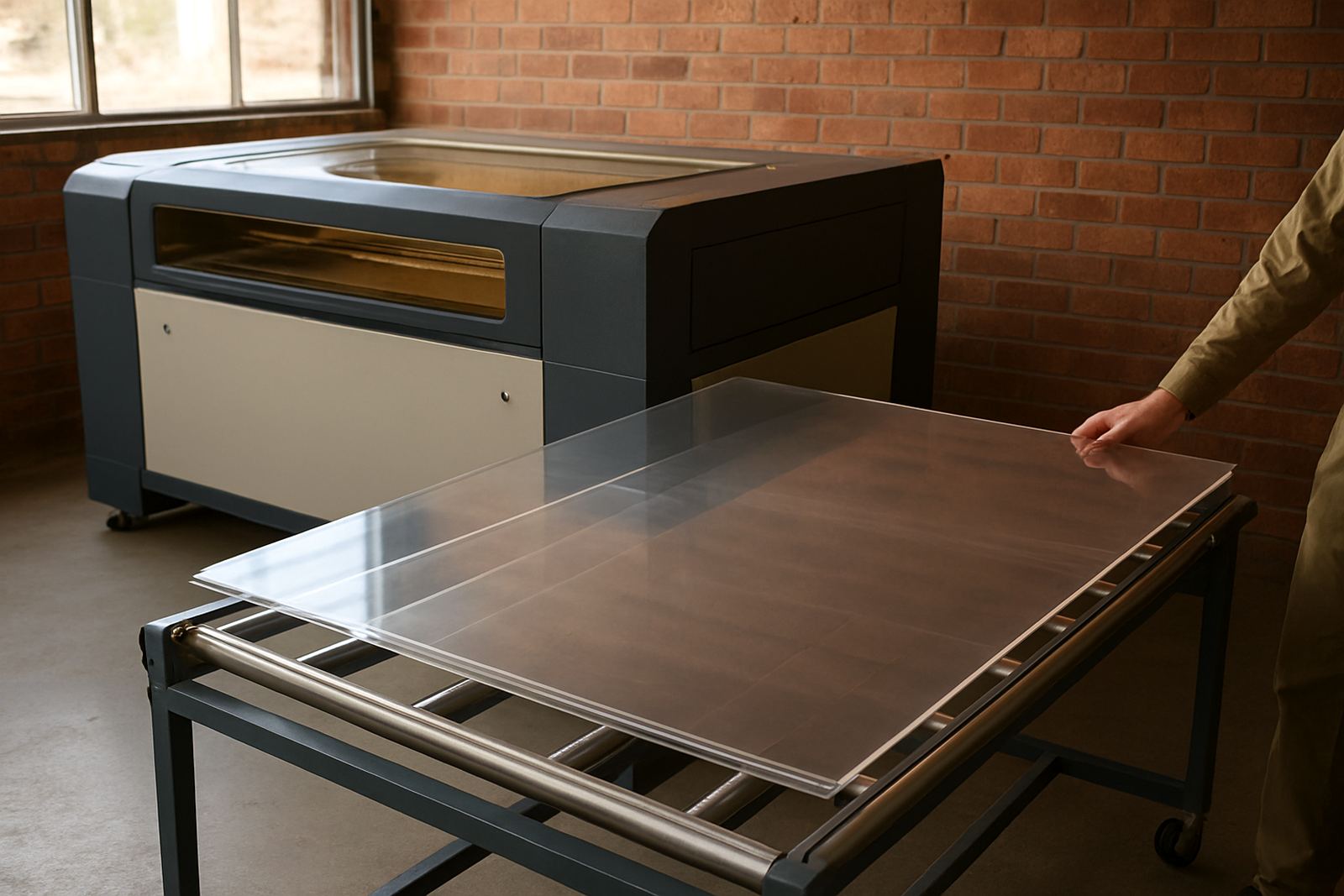
We kept the work practical and low fuss so the retail team could keep serving customers. The machine was positioned for easy loading from one side, with enough room for offcuts, jigs, and finished stock. We also marked a simple daily start-up and shut-down routine so staff could get used to the process quickly. A small mistake on a compact machine can waste material fast, so we made the workflow as simple as possible.
Installation notes covered extraction routing, safe storage for scrap acrylic, and how to deal with short power interruptions. Johannesburg load-shedding can interrupt production at the worst time, so we set up restart steps that reduced risk of warped material and incomplete jobs.
Training the team to cut and finish faster
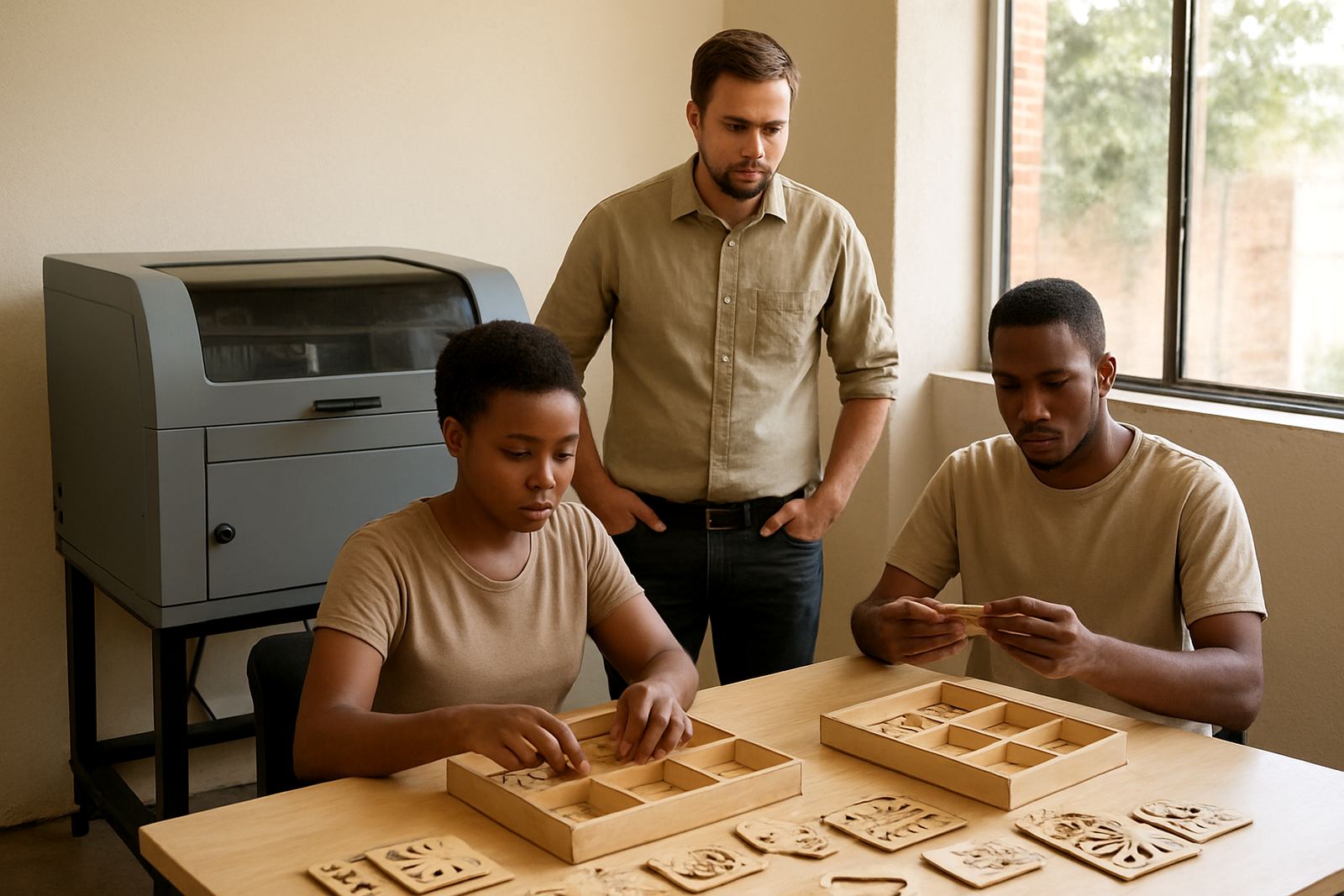
Week two was focused on operator training. The shop had a mix of craft staff and retail staff, so we kept the training practical and repeatable. The aim was not just to show the machine, but to build confidence around common jobs the store would take on every day.
- Setting power and speed for acrylic, wood, and leather
- Preparing files for clean corner detail and small text
- Using test cuts before production runs
- Cleaning optics and checking the bed between jobs
- Managing extraction and cooling during long runs
- Recovering safely after a power cut or reset
By the end of the second week, the team could handle standard custom orders with less back-and-forth. That meant fewer delays for customers asking for names, dates, logos, or short-run gift items. It also reduced waste, which is important when you are cutting expensive coloured acrylic or timber sheets in small quantities.
Support plan for a busy retail environment
Once the machine was running smoothly, we put a maintenance plan in place that matched the pace of a craft shop rather than a factory. The plan included preventive maintenance, optics cleaning, cooling checks, extraction service, beam alignment, and remote support for common operator questions.
The client also wanted the option of quick breakdown response and spares supply, because retail deadlines do not wait. With seasonal spikes around school events, weddings, and year-end gifting, even a short stoppage can affect sales. We structured the support so the store could keep moving without needing a specialist visit for every small issue.
For a Randburg site, this matters. Traffic delays, courier lead times, and power interruptions all play a part in whether a custom order leaves the shop on time or not. The service arrangement was built to keep the machine ready, day after day.
Results after the first few weeks
Within the first month, the shop had shifted a meaningful share of custom gift work from outsourced suppliers to in house production. That gave them better control over turnaround times and allowed them to quote smaller jobs that would previously have been too much trouble to source externally.
- Faster turnaround on personalised gift orders
- Cleaner cut edges with less sanding and hand finishing
- More profit retained on simple custom items
- Less waiting on outside suppliers during busy periods
- More product variety for the retail floor
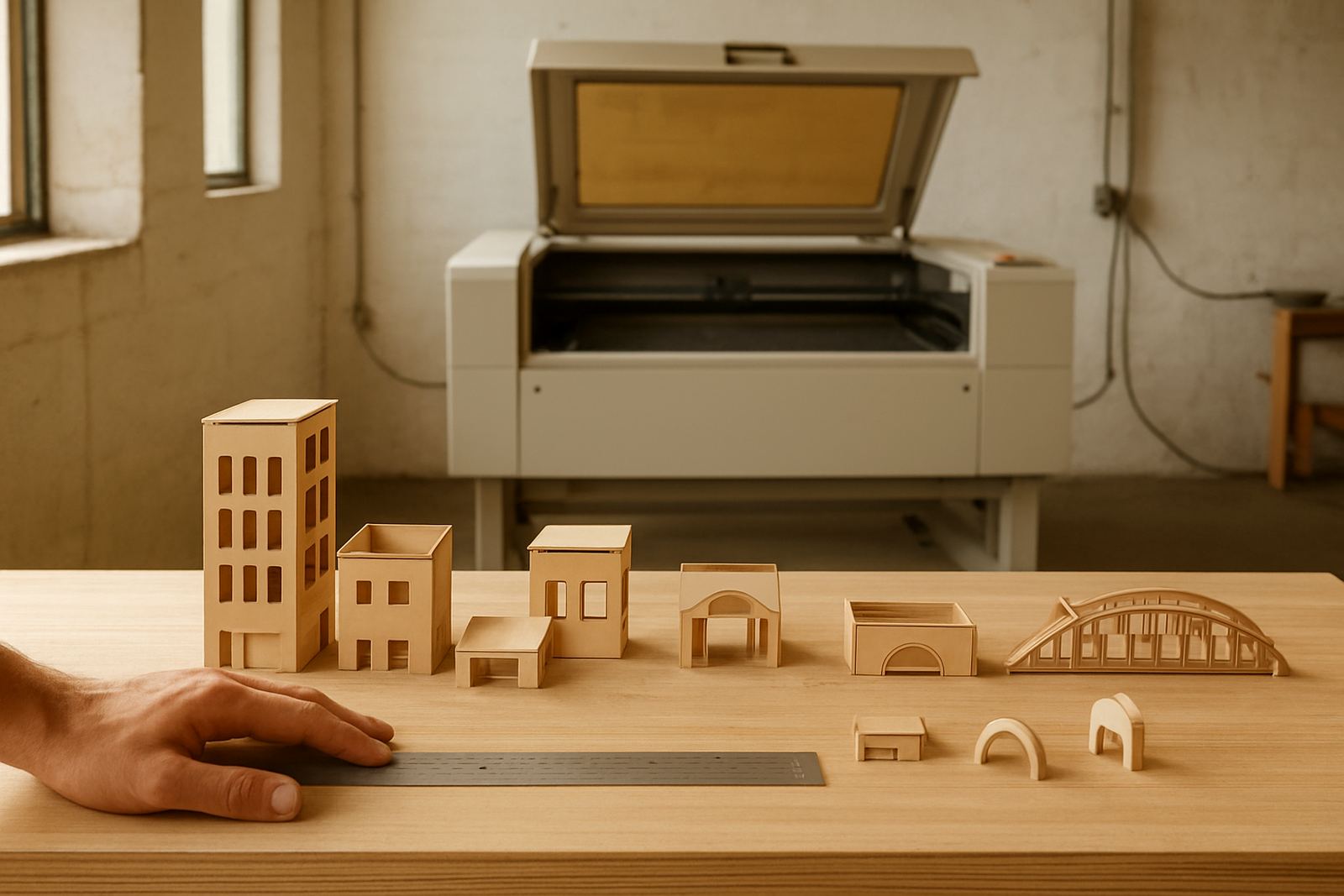
The team also found that customers responded well to seeing samples of cut acrylic and timber items in store. It made the service feel more immediate and helped convert walk-in enquiries into paid orders. The machine paid its way through time saved as much as through the new sales it opened up.
What we would repeat for another craft retailer
If we were setting up another craft shop in Randburg, Sandton, or the Midrand area, we would keep the same approach: start with the actual product mix, measure the available space properly, and train the people who will run the machine every day. That is usually better than chasing a bigger machine than the site can support.
We would also recommend planning for extraction and cooling from the start, not after the machine is already in the shop. On a retail site, neat installation and simple daily routines are just as important as the cutting itself. When staff can load, cut, clean, and restart without drama, the machine becomes part of the business instead of an extra chore.
The Randburg project showed that a compact CO2 setup can do serious work when it is matched to the right shop. For custom gifts and short-run retail production, that balance is what counts.
Key facts
| Project location | Randburg, Johannesburg |
|---|---|
| Client type | Craft-focused retail shop |
| Machine format | Compact CO2 laser cutter |
| Working area | 900 x 600 mm |
| Typical materials | Acrylic, wood, leather, card |
| Timeline | 2 weeks from site check to training completion |