Roodepoort workshop brief and production pain points
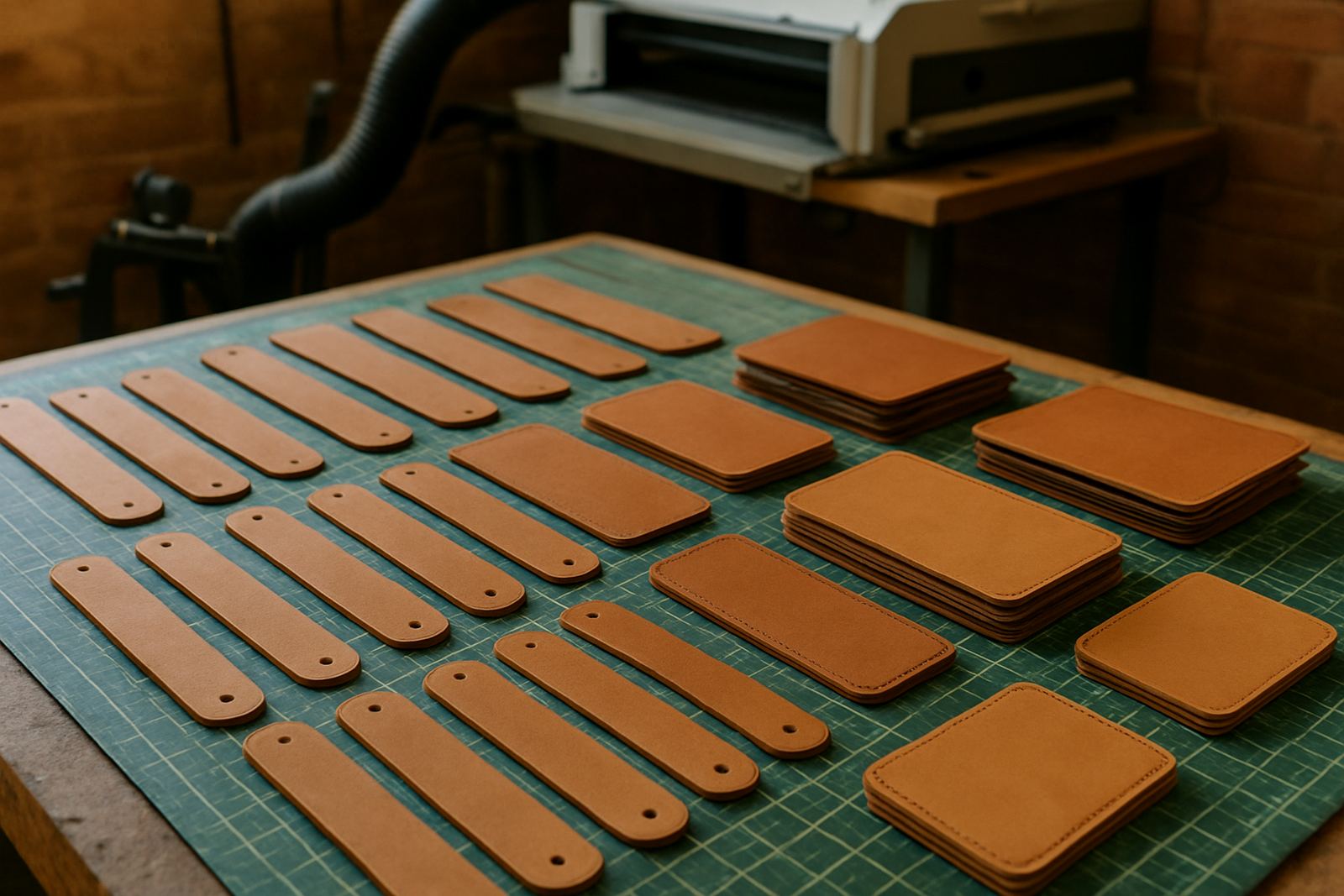
The client is a leather goods workshop in Roodepoort making straps, wallets, card holders and small custom runs for retail and corporate orders. Their main problem was inconsistency on repeated parts. Some pieces needed a second pass with a knife, and the edge finish varied from operator to operator.
The brief was straightforward: improve cut consistency, reduce hand finishing, and keep the setup practical for a workshop that runs in mixed shifts. They also needed a machine that could handle both fine detail and longer straight cuts without constant adjustment. The team wanted a setup that could be trusted for daily work, not only for sample pieces.
Because the workshop sits in an industrial area with changing power conditions and dust in the air, we also had to plan for reliable cooling, extraction and safe placement. Load-shedding was part of the reality, so the machine choice and the installation had to suit stop start operation without wasting material every time the power moved.
- Material focus: leather, strap blanks and wallet components
- Cutting need: repeatable pattern work with tidy edge quality
- Workshop constraint: limited floor space and variable power supply
- Operator need: simple controls and repeatable settings
What we supplied and how it matched the work
We supplied a CO2 laser cutting system matched to leather pattern work and lighter production runs. The setup was chosen for clean edge definition, fine detail on wallet corners, and stable operation on day to day workshop use. The machine bed was sized to suit common sheet stock, with enough space for multiple parts per run.
Key specifications included a working area suitable for common leather panels, a controlled laser output for detailed cutting, and a water cooled system with extraction support. We also included beam alignment checks, cooling checks and a basic preventive maintenance plan so the workshop could keep cut quality steady over time. The control layout was kept practical for operators who needed to move between jobs quickly.
The team asked for something that would fit into their existing flow rather than forcing a full process change. So we matched the machine to the way they already nested patterns, labelled batches and tracked finished parts. That made the transition quicker and reduced setup errors on the first few production days.
- Clean cuts for straps, tabs, card slots and wallet bodies
- Repeatable settings for short runs and batch work
- Cooling and extraction arranged for workshop use
- Training included on material handling and safe operation
Installation in Wynberg, then onsite set-up in Roodepoort
The project timeline ran over 3 weeks from first assessment to handover. In week one, we reviewed the workshop layout, power points, extraction route and material flow. We checked where the machine could sit without blocking stock movement or finished goods handling. We also confirmed access for delivery and future servicing.
Week two covered installation and commissioning. The machine was positioned, levelled and connected, then we tested cooling and extraction before any production cuts. Beam alignment was checked, focus settings were set for the workshop's main leather thicknesses, and a few sample sheets were run to confirm edge quality. The first cuts showed good definition on narrow straps and rounded corners, with no heavy scorching on the surface when the settings were kept correct.
In week three we moved into operator training and fine tuning. Refilwe took the team through job setup, material placement, file handling and routine checks. We also covered what to do during a power interruption, how to restart safely, and how to spot when optics needed attention. That practical session mattered because the staff wanted one clear process, not different instructions from person to person.
Operator training that reduced rework
The client wanted more than a machine drop-off. They needed the team to gain confidence quickly so that one operator could hand over to another without losing settings. Training focused on the exact parts they cut most often, which meant the workshop could standardise its main jobs first.
We worked through the real production steps used on site, from nesting to final checking. The result was a simple cut routine that gave the same pattern dimensions across batches. The team also learned when to slow the cut speed slightly on denser leather and when to leave settings alone because changing them too often was causing variation.
What we covered during training:
- Setting up jobs for strap and wallet patterns
- Checking material flatness before cutting
- Using test pieces to confirm finish and fit
- Cleaning optics and checking water levels
- Safe shutdown during load-shedding or afterhours stops
One practical change made a big difference: the team started logging the preferred settings for each leather type and thickness. That meant less guessing, fewer mistakes, and faster repeat production on returning orders.
Results after the first production runs
Within the first few weeks of production use, the workshop saw steadier cut sizes and less hand trimming. Strap ends matched more closely from batch to batch, and wallet parts needed far less correction before assembly. The clean edge finish also improved the final look, which helped with customer presentation on premium orders.
They also reported better material use. Because the machine could cut detailed shapes accurately, there was less waste from oversized manual cuts. For a leather workshop, that matters quickly because offcuts add up and usable hide area is always limited. The team estimated fewer rejected parts and a smoother assembly line, especially on orders with many repeated components.
After the first production runs, the main gains were:
- More consistent strap lengths and corner shapes
- Less rework before stitching and assembly
- Cleaner detail on small wallet components
- Better use of sheet stock and offcuts
- Faster handover between operators
There was also a quieter benefit. Because the machine was set up properly and the process documented, the workshop felt less pressure when larger orders came in. They had a repeatable method rather than relying on one skilled person to fix every issue by eye.
Support plan for a busy leather workshop
For this type of workshop, we would do the same support plan again. The best outcome comes from pairing the machine with preventive maintenance, regular optics cleaning and a clear response plan for breakdowns or alignment drift. Leather dust and everyday workshop handling can affect output faster than people expect, so routine checks are worth it.
We also recommend an annual service plan for workshops that run several days a week. That gives the team a known maintenance rhythm and helps catch cooling or extraction issues before they interrupt orders. If a workshop is moving premises or expanding its production area, relocation help is also useful because the machine should be re-installed and checked rather than simply switched on in the new space.
For this Roodepoort client, the project confirmed that the right machine setup, installed properly and backed by local support, can make a real difference to leather work. The workshop now has a cleaner process for repeat production and a more dependable way to meet customer deadlines.
Key facts
| Client type | Leather goods workshop in Roodepoort |
|---|---|
| Primary materials | Leather straps, wallets, card holders and small components |
| Project timeline | 3 weeks from assessment to handover |
| Machine type | CO2 laser cutting system |
| Installation support | On site setup, beam alignment, cooling checks and extraction setup |
| Training | Operator training for setup, safe use and routine care |