A higher-output cutter for a busier Sandton workshop
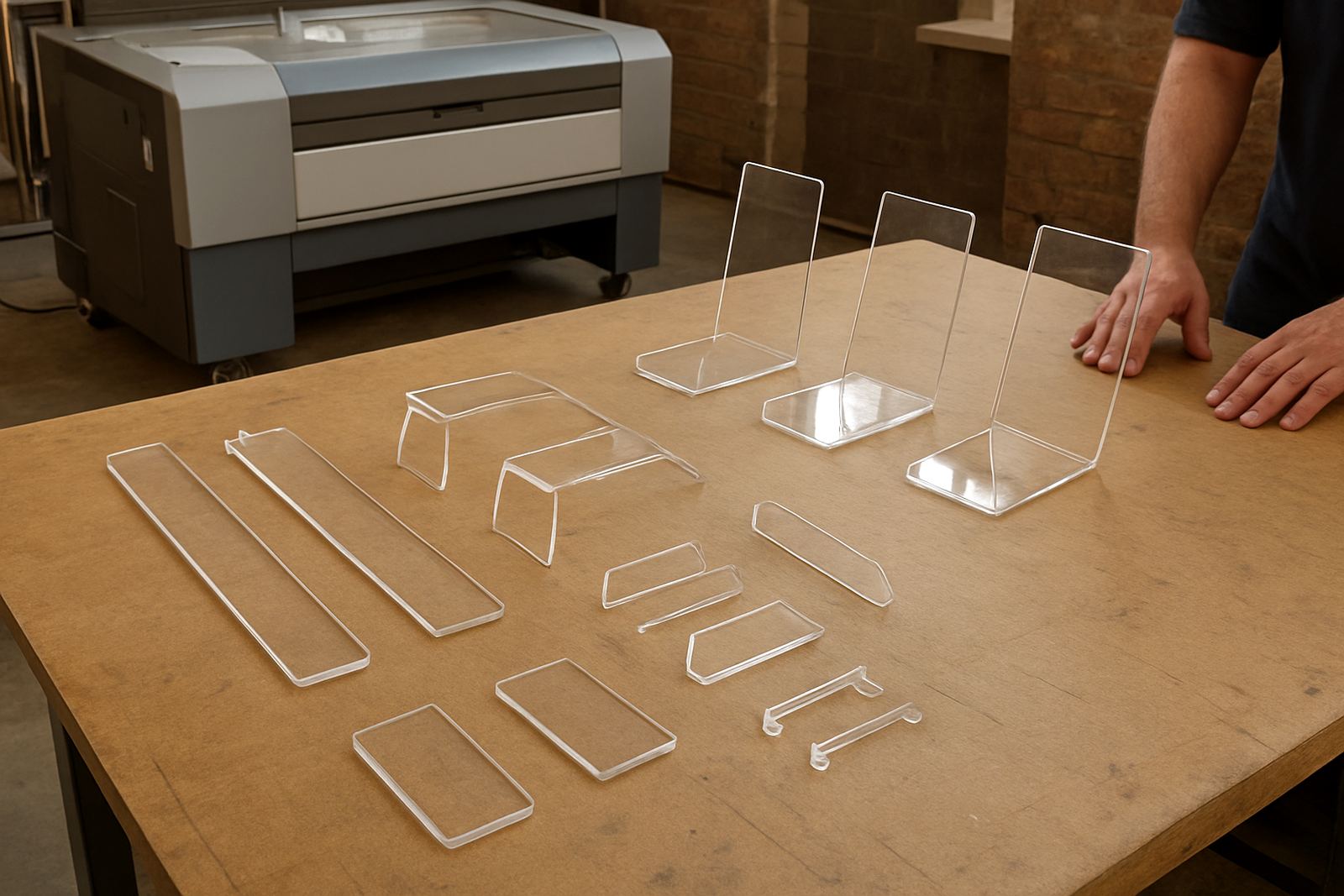
The client was a signage workshop in Sandton that was handling more trade work for offices, retail fronts and interior fit-outs. Most of their jobs were acrylic lettering, layered sign faces, lightbox parts and small custom pieces, so they needed a machine that could keep up with repeated cutting through 3 mm to 10 mm sheet without slowing the floor down.
The brief was plain enough: increase output, improve edge quality and give the team enough table size to process longer sheets in fewer passes. They also wanted a machine that could handle local power realities, because load-shedding and voltage dips were affecting production planning. The new cutter had to fit into a working shop in Wynberg access terms, then be usable on a Sandton site with minimal disruption. That meant practical planning around delivery, extraction, cooling and operator training.
The workshop had been doing short runs for years, but they were losing time on narrow cutting areas and repeated sheet handling. For acrylic lettering, that meant extra labour, more chance of chipping and more time spent cleaning up edges before dispatch. They needed something built for steady production, not a light hobby unit.
What the job needed to cope with
We looked at the real constraints before anything was installed. The site needed dependable airflow for extraction, stable water cooling, a sensible footprint and enough electrical planning to avoid tripping when the rest of the workshop was running. Sandton premises can be fussy about access and after-hours work too, so the changeover had to be tidy and fast.
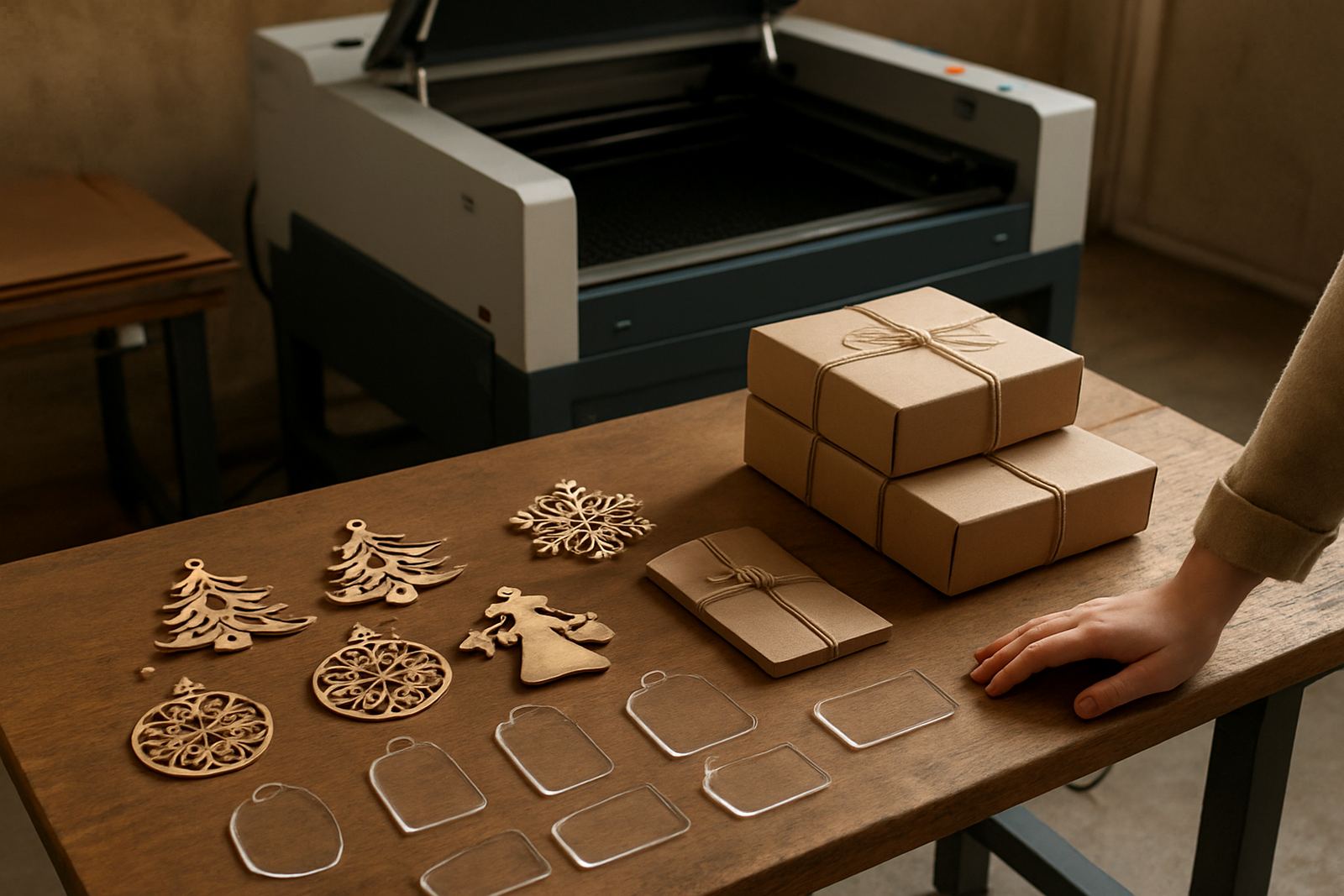
Material was mainly cast and extruded acrylic, with smaller runs in wood veneer and leather for display items. The team wanted sharp corners, readable small text and smooth internal cuts on logo shapes. They also asked for a machine that was easier to keep consistent across different operators, because the workshop runs with a mix of experienced staff and newer cutters. One operator had been doing most of the setting up thier own way, so part of the job was standardising the process.
- Primary materials: acrylic sheet, light timber products and leather
- Typical sheet sizes: 1 220 mm x 2 440 mm and smaller offcuts
- Cutting focus: signage lettering, panels, inserts and repeat production parts
- Production needs: cleaner edges, less manual finishing and faster throughput
Machine supplied and workshop fit-out details
We supplied a larger CO2 production cutter sized for signmaking work, with a 1 300 mm x 900 mm working area and a sealed tube setup suited to repeat cutting. The machine was paired with proper water cooling, extraction connection points and a layout that allowed the workshop to move sheets in and out without fighting the frame. It was sized for practical production rather than showroom use.
The installation included beam alignment, focus checks, cooling checks and extraction service setup so the team could start with a clean baseline. We also checked the cable routing, air assist and venting before handover. In a busy sign shop, those details matter because a machine that is technically installed but awkward to use will slow everyone down.
Because the client was working with coloured acrylic and display pieces, we also helped set a few standard cutting profiles for common thicknesses. That gave the operators a starting point for 3 mm, 5 mm and 10 mm sheets, instead of wasting time guessing settings every time a new job came in.
- Working area: 1 300 mm x 900 mm
- Common material range: 3 mm to 10 mm acrylic, with smaller wood and leather jobs
- Cooling: water-cooled system with routine level and temperature checks
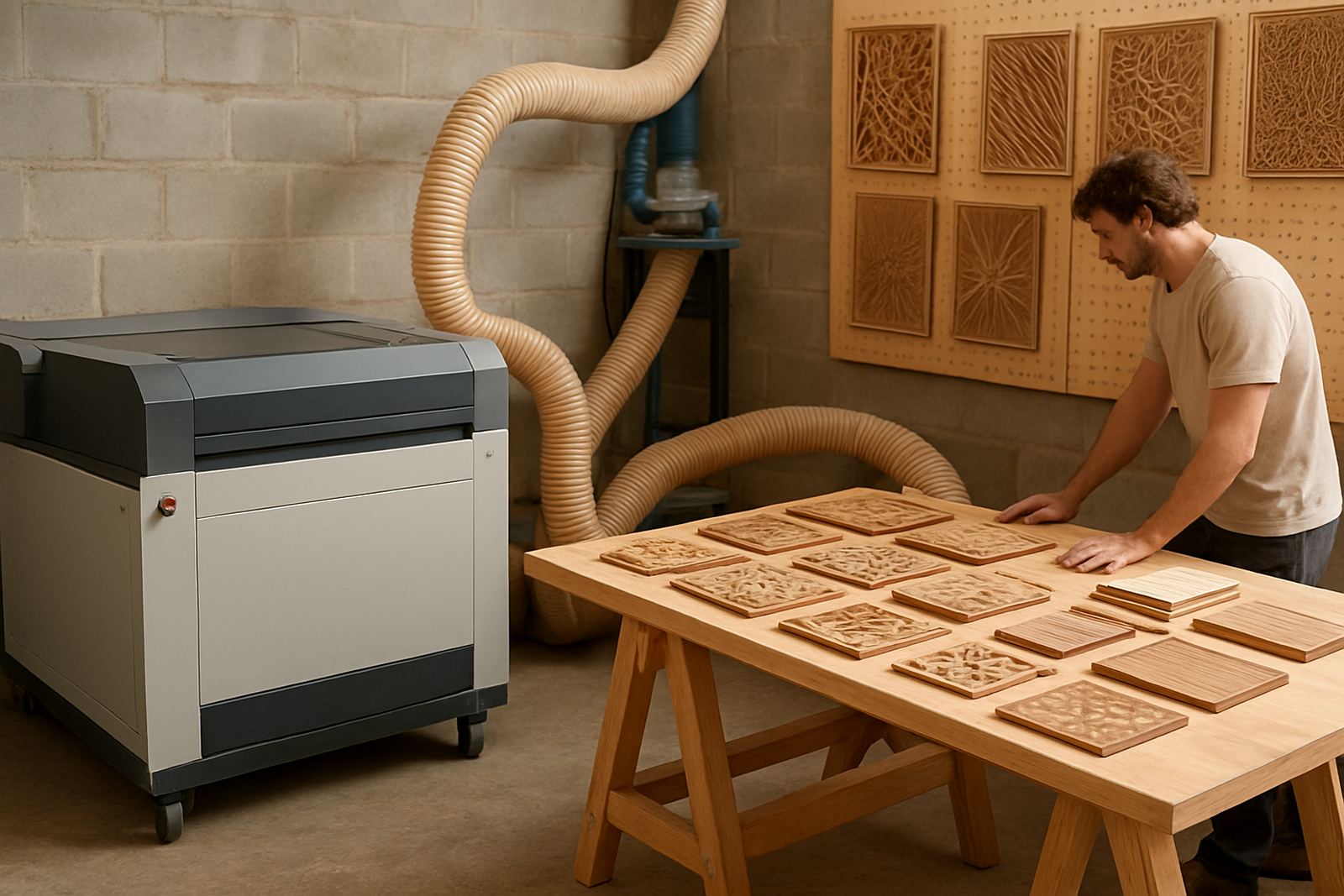
- Extraction: connected for smoke removal and cleaner cutting conditions
- Setup: focus, alignment, airflow and test cuts completed on site
Installation in Johannesburg and operator training
The changeover took two weeks from final confirmation to production-ready handover. In week one, we assessed the site, confirmed space, power and extraction, and planned the delivery route. In week two, we completed installation, ran test cuts and trained the operators on the full workflow. The team wanted a proper handover, not just a quick run-through, so we spent time on setup and maintenance as well as cutting.
Training covered material loading, safe starting and stopping, lens care, mirror cleaning, focus adjustment, and how to spot signs of poor beam alignment before the job goes off track. We also showed them what to check after a load-shedding interruption, because a machine that comes back on after a power cut needs a quick inspection before production starts again.
- Week 1: site review, production needs assessment and delivery planning
- Week 2: installation, test cuts, operator training and final handover
- Training topics: focus, cutting settings, cooling checks, optics cleaning and safe shutdown
- Support: remote help available for setup questions after handover
Results for acrylic lettering and repeat jobs
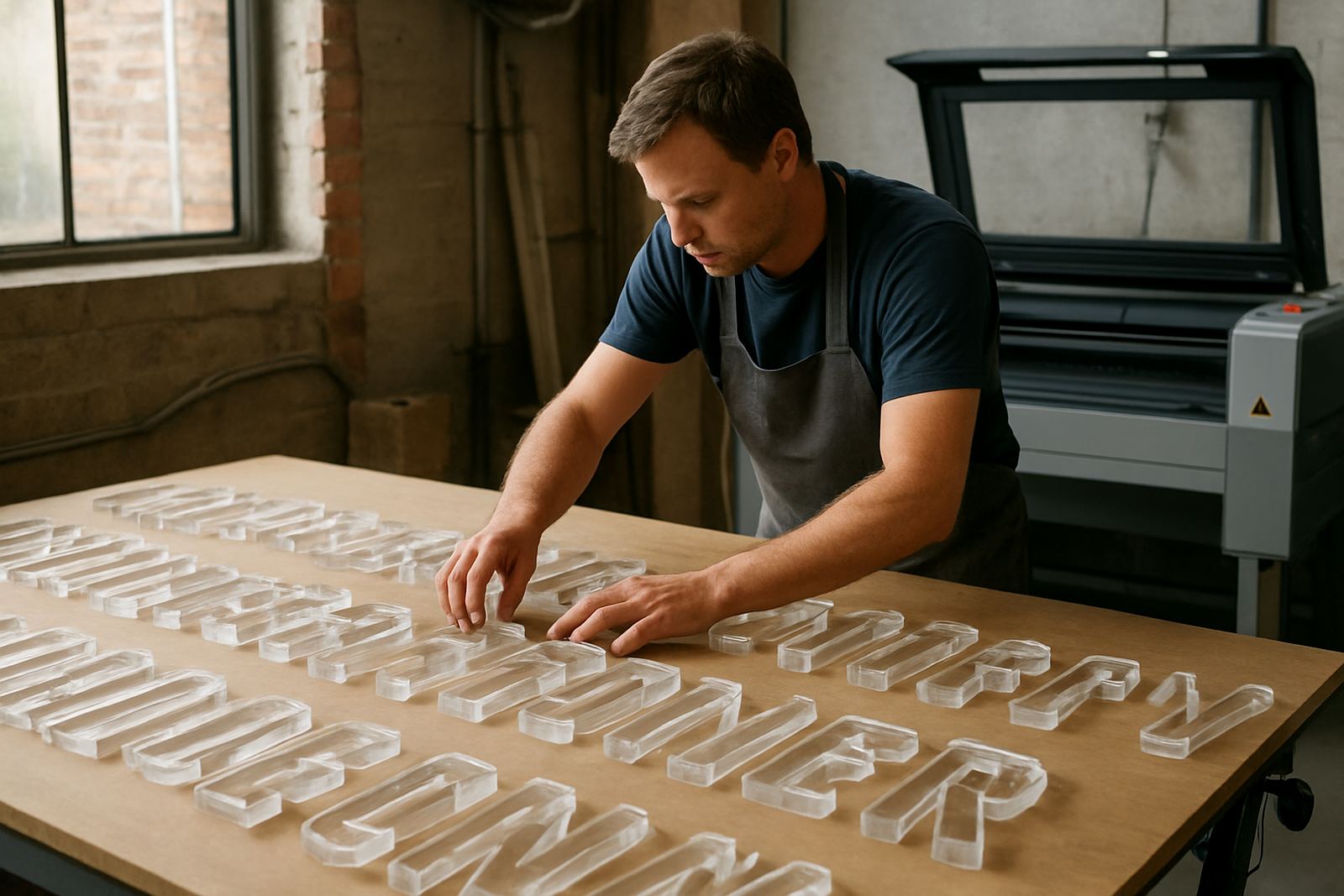
Once the team got into a routine, the biggest change was consistency. Acrylic letters were coming off the bed with cleaner edges, less charring and less need for hand finishing before application. That mattered for the workshop because sign jobs often leave on tight deadlines and the last thing a fitter wants is to arrive on site with pieces that still need cleanup.
The larger working area also cut down on sheet handling. Instead of breaking larger jobs into smaller sections, they could nest more parts on a single sheet and keep repeat items grouped together. That improved material use and made it easier to keep sets matched when the same client ordered multiple signs. Turnaround improved, and the shop could quote more confidently for mid-size production runs.
They also reported better day-to-day stability when the machine was kept on a maintenance schedule. Simple checks like optics cleaning, cooling water monitoring and extraction cleaning reduced stoppages. When a workshop is busy, those small tasks save time every week.
Why this setup suited Sandton work
Sandton signage work tends to be exacting. Clients want neat lettering, consistent edges and clean finishing because the final product often goes into offices, retail centres and reception spaces where detail is visible. For that reason, we aimed for a machine that would support production discipline rather than force the team to work around it.
We would do the same job again with the same priorities: measure the real workload, choose the right bed size, set up the cooling and extraction properly, then train the team before the pressure of live orders kicks in. That approach keeps the workshop in control, which is what matters most when a sign shop is trying to grow without adding avoidable rework.
- Cleaner finish on acrylic lettering
- Less manual edge cleanup
- Better sheet use on repeat orders
- More predictable turnaround for trade work
- Easier production handover between operators
Key facts
| Project location | Sandton, Johannesburg |
|---|---|
| Client type | Signage workshop |
| Material focus | Acrylic lettering and sign parts |
| Machine type | CO2 production laser cutter |
| Working area | 1 300 mm x 900 mm |
| Project timeline | 2 weeks from review to handover |