A Small Kiosk With Big Daily Foot Traffic
The brief came from a retailer in Kempton Park that wanted to add personalised items and quick-turn cut accessories to an existing kiosk format. The space was limited, the trading hours were long, and the team needed a process that could handle rush periods without clogging up the counter. The focus was simple: fast turnaround, neat edges, and a setup that looked orderly in a public mall environment.
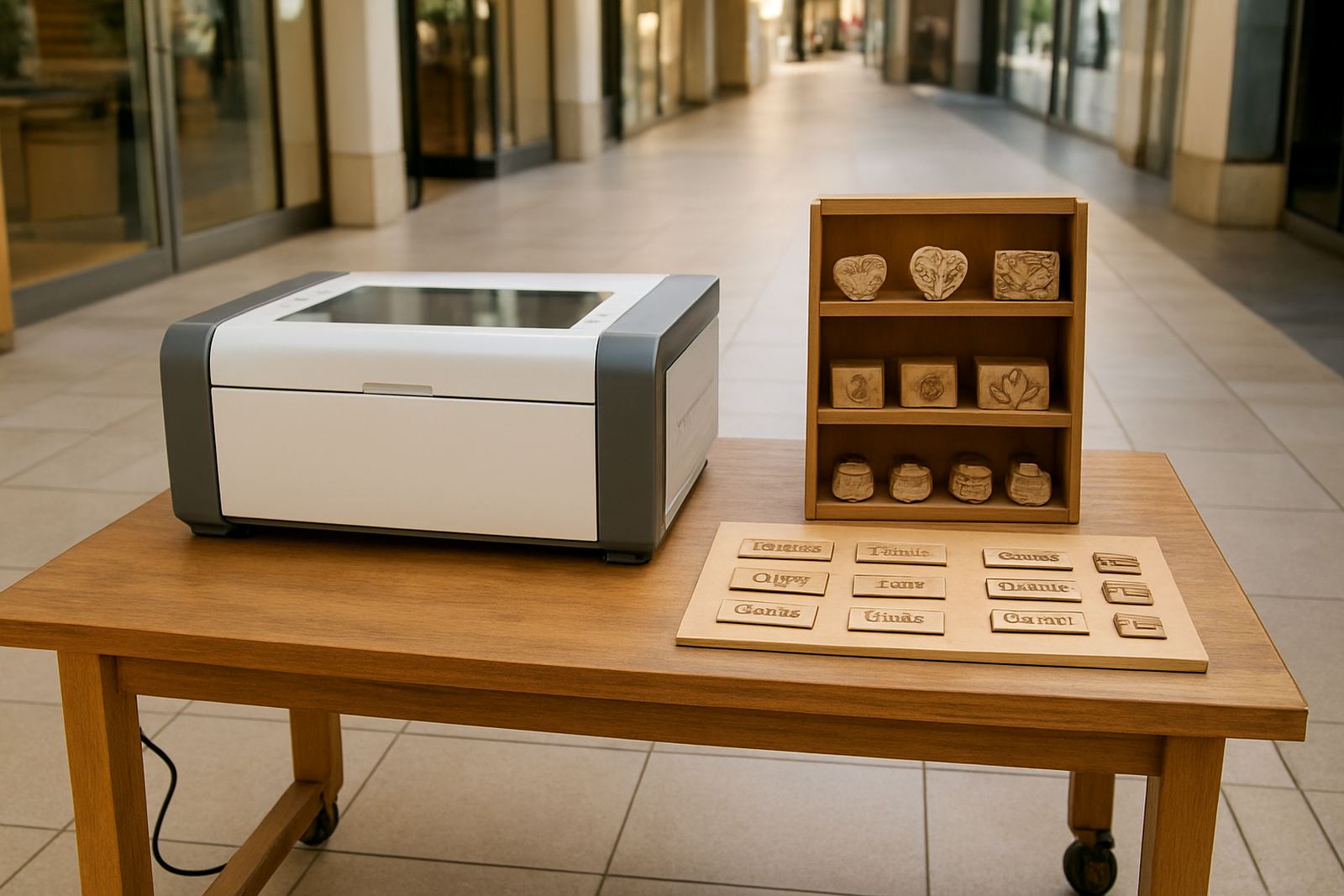
Because the kiosk sat inside a shopping centre, every square metre counted. There was no room for a bulky backroom arrangement, and the operator needed to work safely around shoppers, tenants and centre rules. We designed the workflow around compact equipment, clear material storage, and a clean handover point for finished items. That meant the team could take orders at the counter, process the job, and return the item without sending customers elsewhere.
- Location: Kempton Park mall kiosk
- Use case: on-demand engraving and cut accessories
- Audience: walk-in shoppers and gift buyers
- Operating model: same-day retail production
The Brief: Fast Turnaround Without A Crowded Counter
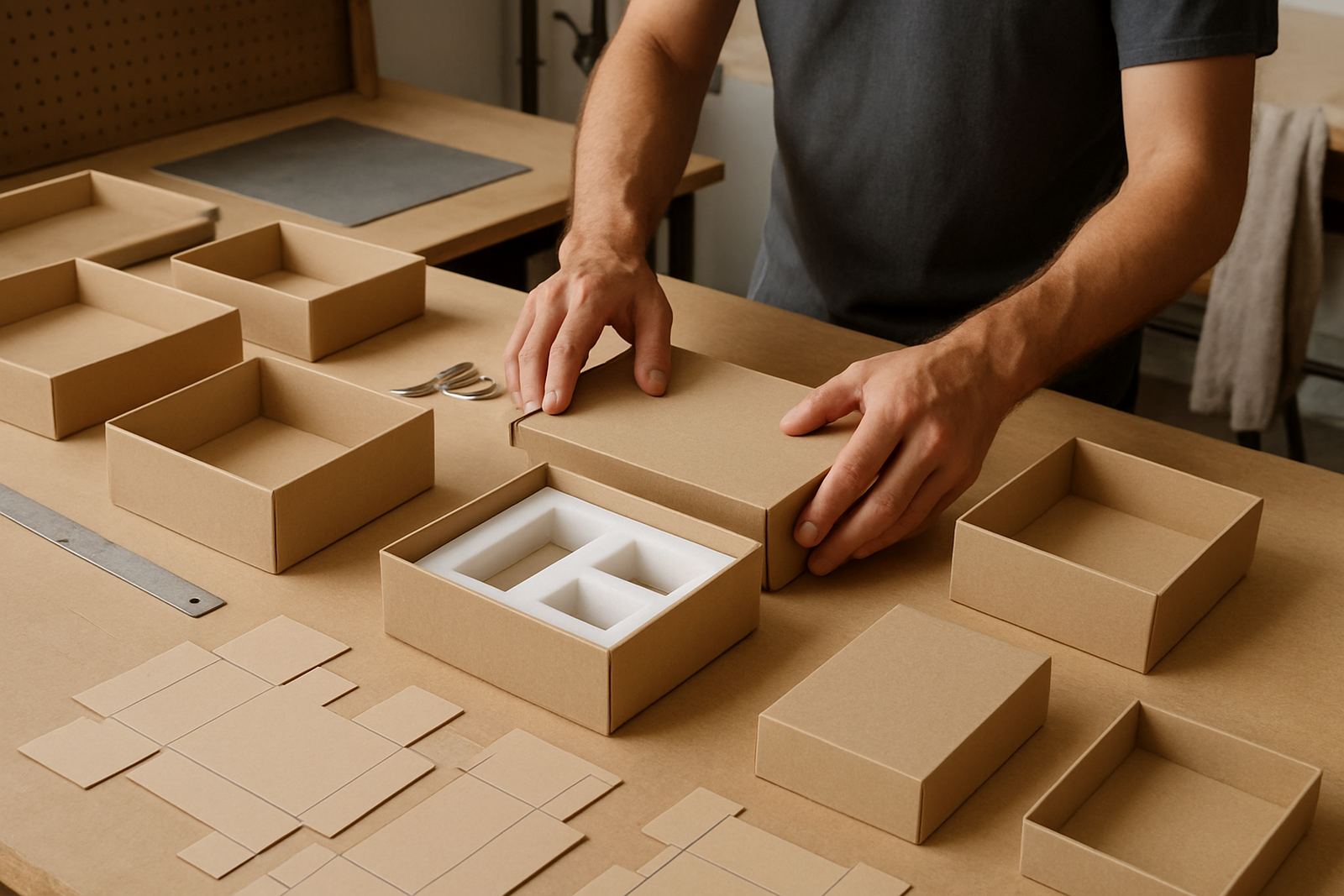
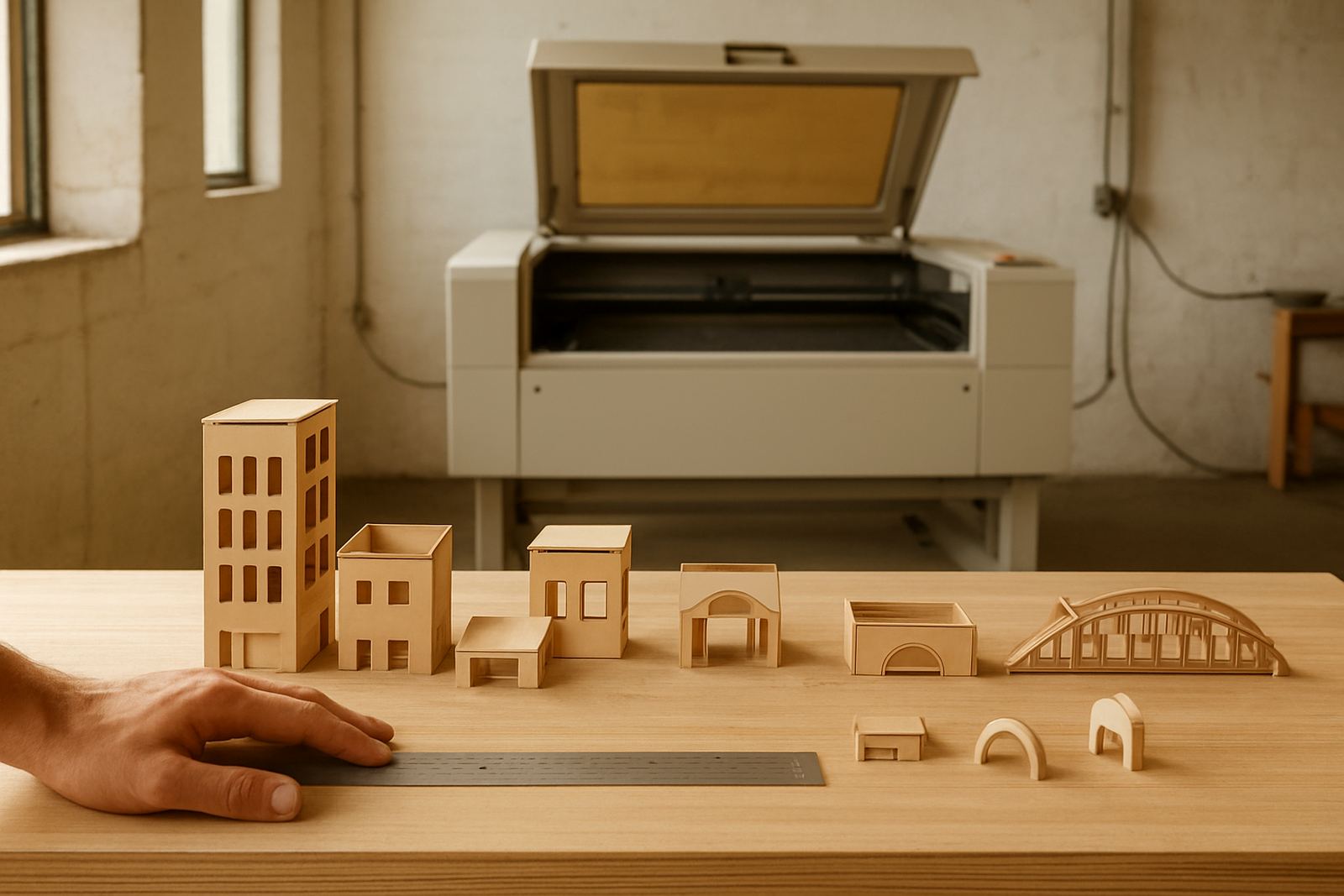
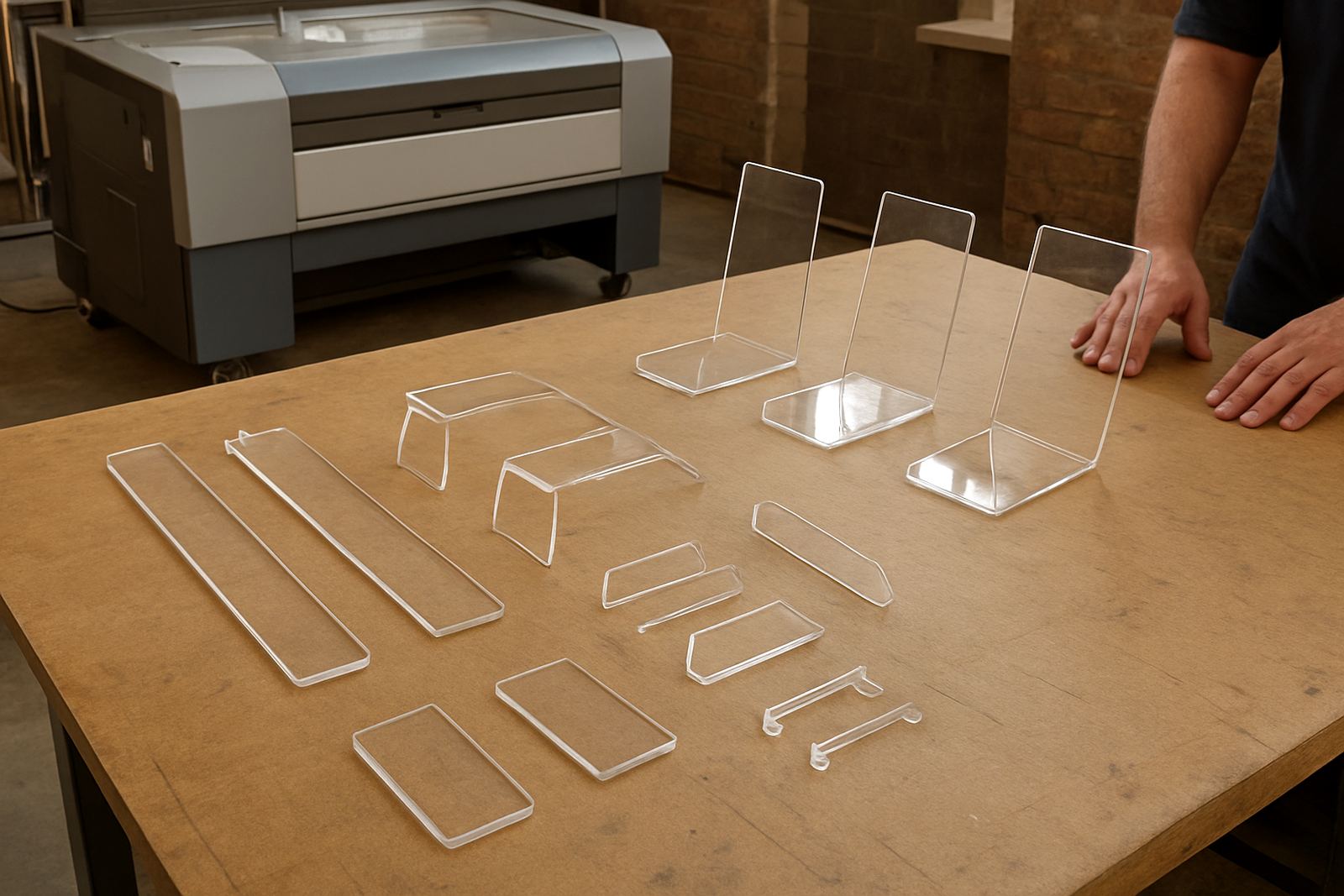
The client wanted a kiosk that could produce name tags, small signs, leather accessories and acrylic pieces on demand, while still keeping the display neat for passing trade. They also needed a way to personalise stock during peaks like month-end, school events and festive trading, when shoppers do not want to wait too long. The brief asked for precision, easy staff training, and low day-to-day effort.
We agreed on a setup that could handle common materials used in retail gifting and customisation, including acrylic, wood and leather. The machine had to be suitable for fine detail, consistent repeat work, and quick changeovers between product types. The kiosk also had to cope with the usual South African realities: load-shedding, summer heat, and the dust that builds up in mall environments when air handling is not ideal.
- Materials: acrylic, wood, leather
- Output: engraving and cut accessories
- Priority: fast retail turnaround
- Constraints: limited floor space and mall trading rules
What We Supplied And Set Up
We supplied a compact CO2 laser cutting solution sized for kiosk work rather than workshop scale production. The installation included the machine, extraction support, cooling checks, beam alignment, and operator training so the team could run jobs correctly from day one. We also helped map the workflow so stock, offcuts and finished pieces stayed organised in the small footprint available.
The machine was configured for clean cut lines and fine engraving detail, which is important when shoppers are making impulse purchases at the counter. We checked the optics, extraction path and cooling setup before handover, then tested sample jobs in multiple materials to confirm the quality. For a retail kiosk, consistent output matters more than anything else, because a poor first cut can cost the sale immediately.
- Machine setup: compact CO2 laser cutter for retail use
- Commissioning: alignment, extraction checks, cooling checks
- Training: daily operation, material handling, safety and basic maintenance
- Support: remote support and breakdown response if needed
Timeline From Delivery To First Sales
The project moved from site check to opening in just over three weeks. Week one covered the space assessment, trade flow, and power planning. Week two was used for delivery, installation, alignment and test cutting. Week three focused on operator training, sample production and getting the retail team comfortable with order handling and material prep.
That timeline worked because the kiosk model needed practical steps rather than lengthy technical changes. We kept the handover tight and made sure the staff could start with a small menu of sellable items rather than trying to offer everything at once. It was a sensible way to control waste, especially when stock levels were still being refined and the team was learning what moved fastest on the floor.
- Week 1: site assessment and workflow planning
- Week 2: delivery, installation and test cuts
- Week 3: operator training and launch prep
- Go-live: kiosk opened with a starter product range
Results On The Mall Floor
Once the kiosk opened, the client could offer immediate personalisation instead of sending shoppers away for later collection. That changed the nature of the sale. Customers who came in for a gift, keyring, label or accessory could leave with a finished item in one visit. For a busy mall location, that shortens the sales cycle and improves the chance of a walk-in turning into a purchase.
The kiosk also benefited from a cleaner presentation. Because the machine and workflow were planned around the available space, the counter stayed workable and the operation did not feel crowded. Staff were able to manage orders in sequence, keep the finish quality consistent, and handle repeat designs without confusion. The result was a more dependable retail offering that could cope with daily foot traffic and weekend surges.
- Faster customer turnaround at the point of sale
- More personalised items sold from the same kiosk footprint
- Cleaner working area with better stock control
- Less dependence on off-site production for small jobs
What We Would Repeat For Another Mall Kiosk
We would take the same approach again for any shopping centre kiosk that needs customisation without sacrificing floor space. Start with the best-selling items, define a limited material range, and build the operating routine around the busiest trading hours. That keeps the team focused and reduces mistakes while the kiosk is still settling in.
For a site like Kempton Park, we would also repeat the maintenance routine from the start. Regular optics cleaning, cooling checks and extraction service make a real difference in a warm, dusty retail setting. If the machine is used daily, small checks done early prevent unnecessary downtime later on. That matters where the kiosk depends on same-day trade and cannot afford a missed weekend shift.
- Keep the opening menu small and profitable
- Use clear training steps for new staff
- Schedule preventive maintenance before problems start
- Plan for power interruptions and hot-weather operation
Support After The Launch
After handover, the client had access to training follow-up, remote support and practical service help when needed. For a retail operation, that kind of back-up is useful because staffing changes and trading pressure can quickly affect consistency. If a new operator comes in, the same process can be repeated without starting from scratch.
The kiosk project showed how a small footprint can still produce a proper retail offer when the equipment, training and workflow are matched correctly. It was a straightforward job in concept, but the detail mattered. The finished result gave the client a neat, workable point of sale and a new income stream tied to customer demand right there in the centre.
- Post-launch support: operator refreshers and remote guidance
- Service cover: maintenance, alignment and breakdown response
- Expansion path: add more designs as sales patterns become clear
Key facts
| Project | Kempton Park mall kiosk |
|---|---|
| Application | On-demand engraving and cut accessories |
| Materials | Acrylic, wood and leather |
| Timeline | Just over 3 weeks |
| Setup | Compact CO2 laser cutter with extraction and cooling checks |
| Support | Operator training, remote support and service backup |