Built for repeat cutting, not one-off tinkering
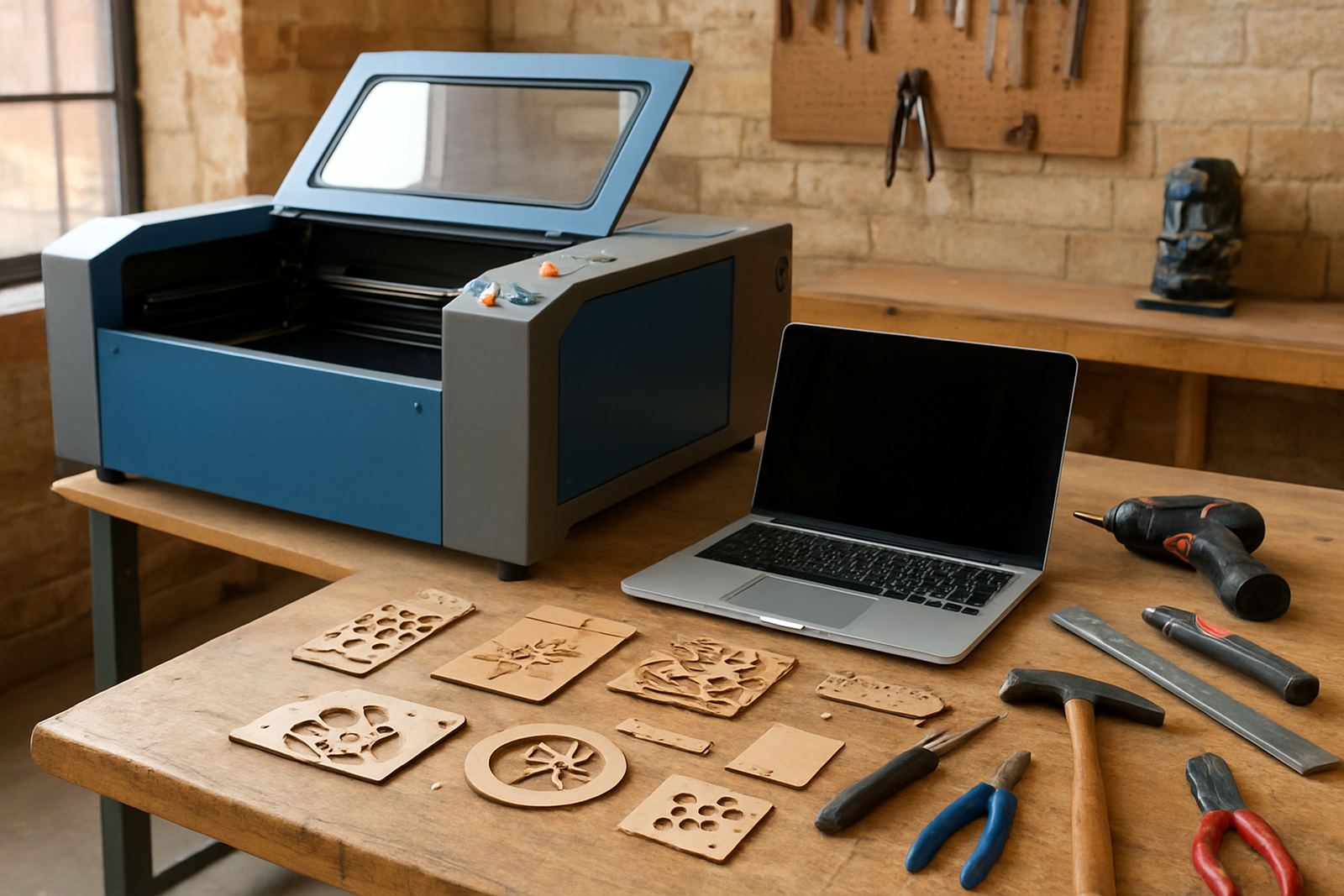
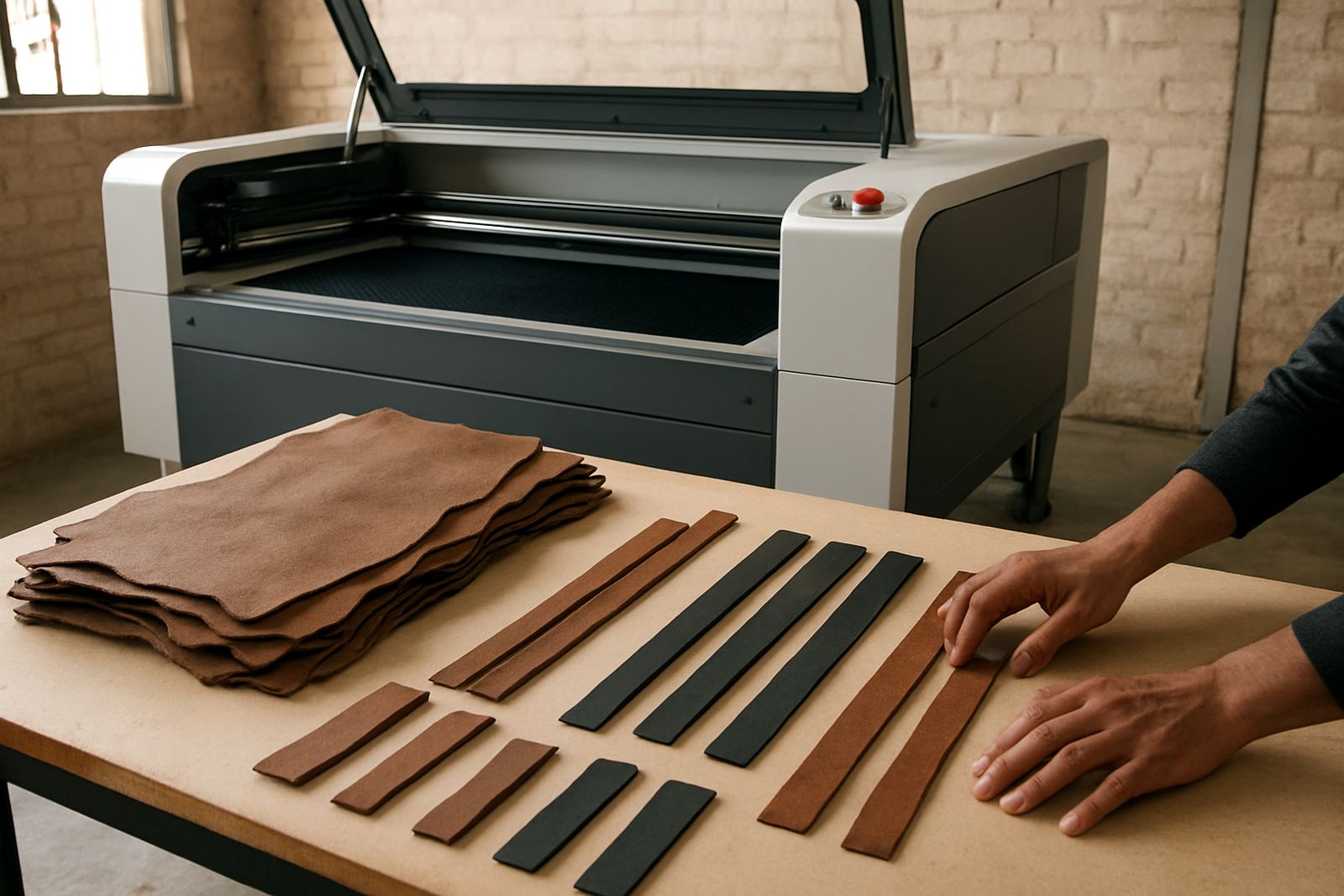
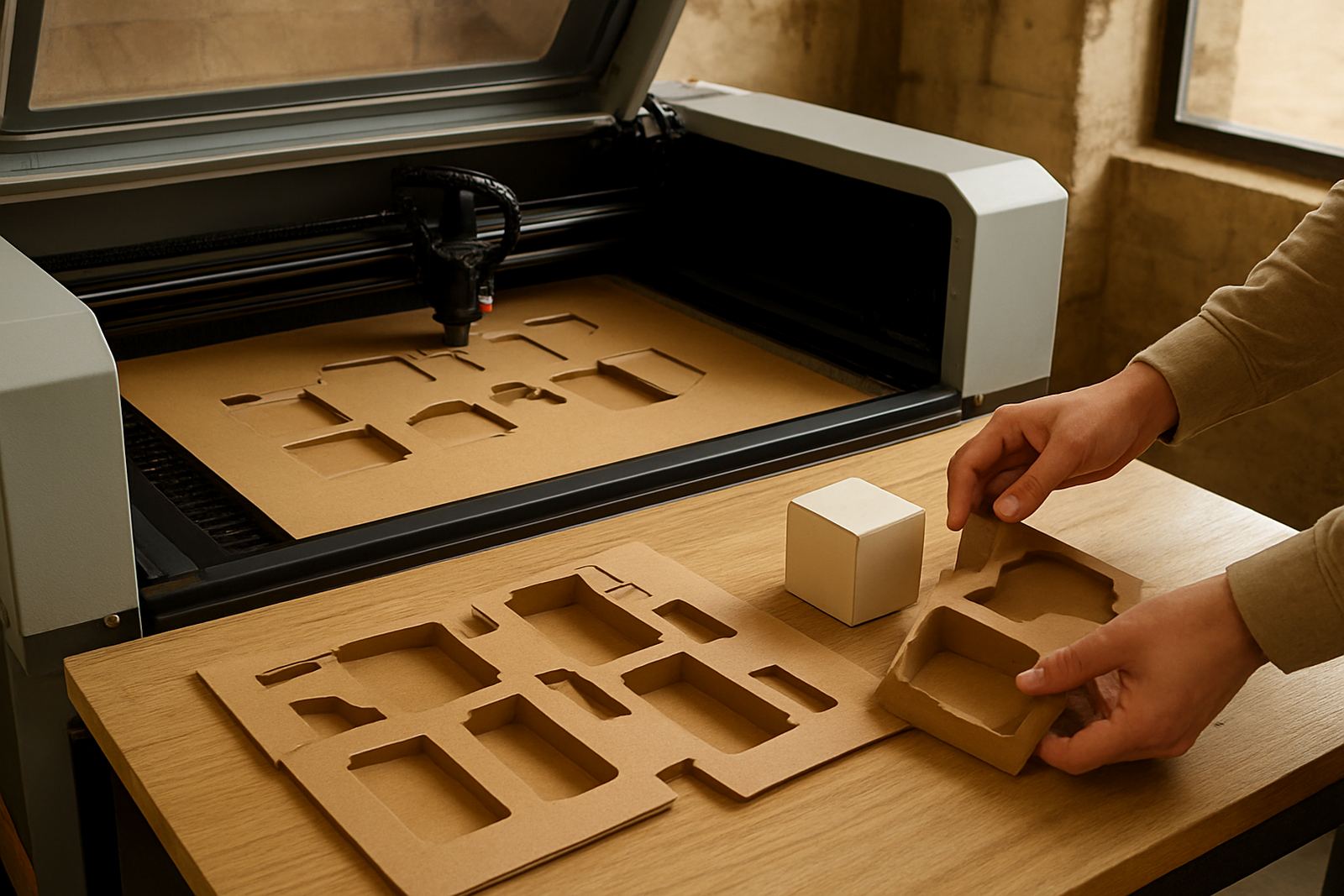
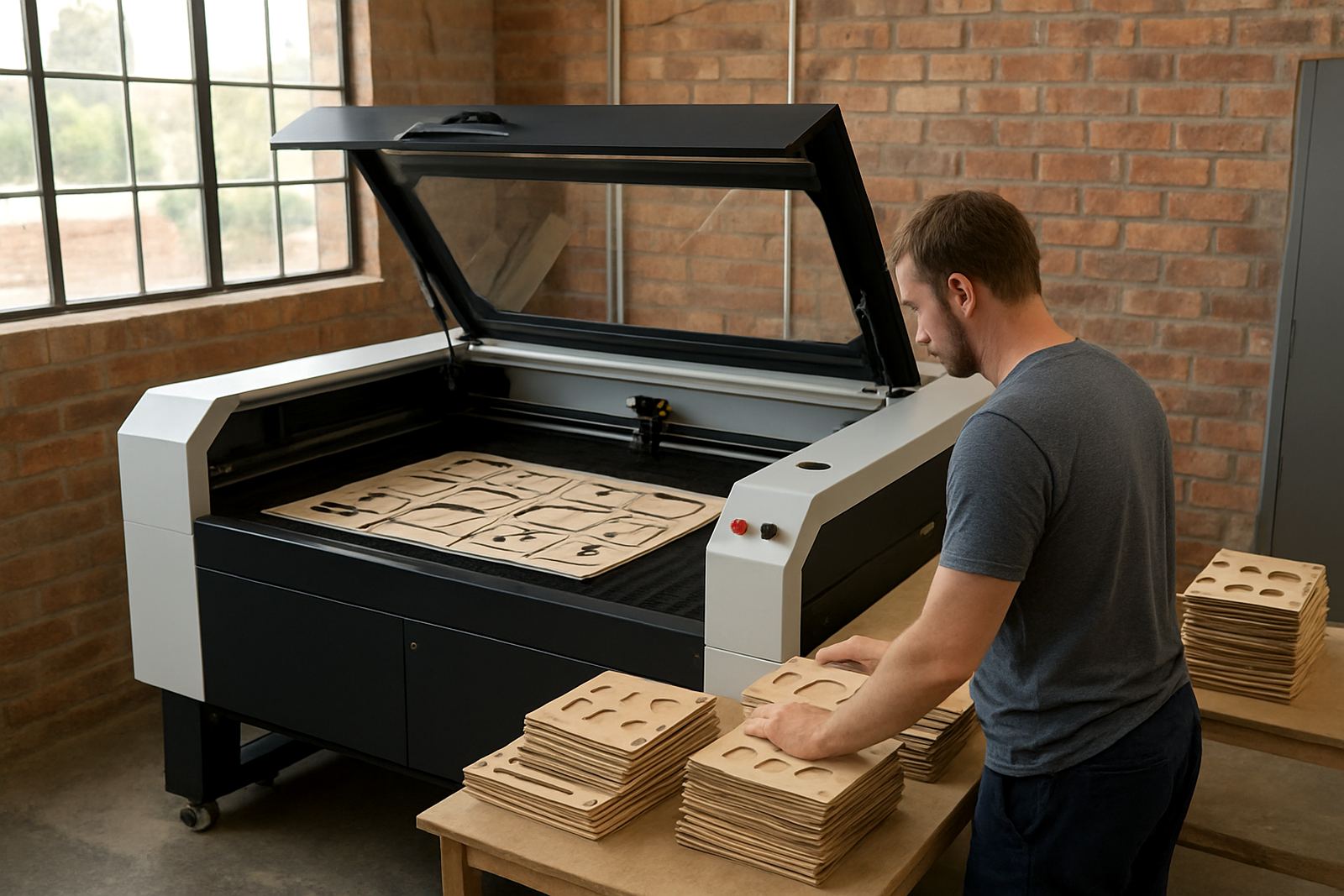
The Batch Production Laser is a CO2 cutting system set up for mid-volume work, where the same parts must come off the bed in order, with the same edge quality, all shift long. It is a strong fit for acrylic signage, wooden components, leather goods, packaging inserts, stencils and other repeat jobs that need accurate nesting and steady throughput. For businesses in Johannesburg, Pretoria, Midrand and the East Rand, this type of machine makes sense when you are moving beyond hobby work but do not yet need a full factory line.
It is especially useful where jobs come in batches of 10, 50 or 200 pieces and you need to keep scrap down. The machine handles detailed cuts well, and because the beam is focused cleanly the edge finish is neater on compatible materials. That means less hand finishing and fewer returns from customers who notice poor fit or burnt edges.
If you are planning to use the machine in a small workshop or a production room, the layout should allow easy loading, safe unloading and space for offcuts. A clear path around the unit helps with workflow and operator safety, and it keeps dust from building up around the machine bed.
Sizes and options that suit South African workshops
Batch production work usually needs a bed size that can take full sheets or sensible sub-sheets, depending on your material mix. Common working sizes include 900 x 600 mm, 1300 x 900 mm and 1600 x 1000 mm. The right size depends on the sheet sizes you buy, the floor space available and how often you cut long parts or nested panels. If your team works with offcuts from acrylic suppliers or timber merchants, a smaller bed may still be practical, as long as the nesting stays efficient.
Options can include a motorised bed, red-dot positioning for setup, autofocus, a honeycomb or knife bed, and a front or pass-through door for longer material. For sites that cut leather or thinner sheet materials, good fume extraction is important because smoke residue can affect edge quality and workshop comfort. Some teams also want a rotary attachment for cylindrical items, though that is more common on mixed-use machines than pure batch cutters.
- Working area options: 900 x 600 mm, 1300 x 900 mm, 1600 x 1000 mm
- Bed styles: honeycomb, knife slats, motorised up-down table
- Helpful extras: autofocus, red-dot guide, pass-through access, rotary option
- Common materials: acrylic, wood, leather, paperboard and similar sheet stock
Where this machine suits best
This machine suits sign shops, craft producers, packaging workshops, model makers and businesses doing short-run manufacturing. It also works well for training centres and production teams that want repeatable results for client orders. In coastal areas like Durban and Cape Town, you should factor in humidity and dust control, because both can affect storage, optics and finish quality. In Johannesburg and Pretoria, power interruptions and voltage dips are the bigger concern, so stable electrical supply and sensible shutdown procedures matter.
For businesses in industrial parks, shared workshop spaces or home-based setups with municipal compliance, it helps to plan extraction and noise control before installation. The machine should not be placed where fumes will drift into neighbouring work areas or public spaces. If you are operating in a mixed-use premises, check local rules for ventilation, fire safety and after-hours work, especially if staff will run shifts.
Batch production also benefits from a trained operator who can load sheets, set origin points and monitor cuts without wasting material. A good workflow means fewer pauses, less rework and better use of each shift.
Installation, power and workshop requirements
Installation starts with a level floor, enough access for moving the machine into position, and a clean area for the laser, chiller, extractor and control cabinet. The machine needs proper ventilation and a safe route for exhaust. If the workshop is in Wynberg, Sandton or Midrand, access planning matters because tight entrances, low rollers and stairs can slow the installation. Our team handles machine installation, relocation help and remote support where needed.
Power needs depend on the exact size and configuration, but most batch production systems require a dedicated electrical supply and surge protection. A clean, stable supply is important in South Africa because load-shedding and voltage fluctuation can interrupt a job and affect component life. For water-cooled systems, a suitable chiller is required, and the cooling loop must be checked regularly. Some materials also need an assist gas or air assist to keep cut lines clear and reduce flare-up.
- Dedicated electrical supply with proper earthing
- Surge protection and a clear shutdown plan for load-shedding
- Extraction sized for your material mix and daily duty cycle
- Cooling system matched to the laser tube and operating hours
- Safe space for sheet handling, packing and offcut removal
Care, servicing and keeping output steady
To keep output steady, the machine needs regular care. That includes optics cleaning, beam alignment, cooling checks and extraction servicing. Dust, resin and smoke residue build up quickly when you run batches, and if the machine is left unchecked the cut quality drops, the edges darken and the machine works harder than it should. Preventive maintenance is far cheaper than waiting for a breakdown in the middle of an order, or when a customer is collecting the same day.
Operators should inspect mirrors, lenses, belts, guides and air assist before the start of each shift. Keep the bed free of waste, and make sure the chiller is holding the right temperature for the room conditions. In summer, especially in warm workshops, temperature drift can affect performance. A yearly service plan is useful if the machine is part of daily production, because it spreads maintenance over the year and reduces surprise downtime.
When faults happen, breakdown response and remote support help get the machine back into service quickly. For teams outside Johannesburg, operator training also matters because a trained operator can spot a small issue before it turns into a longer stoppage.
Points to check before you place your order
Before ordering, check the materials you cut most often, the sheet sizes you buy, and your target output per day or per week. A machine that is too small will create waste and extra handling, while one that is oversized may cost more than your current workload can justify. It is also worth checking the thickness range you need, because acrylic and wood each behave differently and the cut settings will vary. If your team handles leather, test the smell, edge finish and smoke control before committing to the final setup.
Ask what is included in the package: bed type, chiller, extractor recommendations, software support, starter spares and training. Also confirm access to spares supply and local support for the long term. If you are in Pretoria, the East Rand, the West Rand or Durban, factor in service cover and the practicalities of site visits.
- Most-used material types and thicknesses
- Largest sheet size you want to load
- Expected daily or weekly volume
- Need for training, service and spares
- Workshop power, extraction and cooling readiness
A good batch machine should fit your actual work pattern, not the other way around. When the specification matches the job mix, the machine pays back in cleaner output, quicker turnaround and fewer interruptions.
Key facts
| Machine type | CO2 laser cutter for repeat production work |
|---|---|
| Working area | Options from 900 x 600 mm to 1600 x 1000 mm |
| Materials | Acrylic, wood, leather, paperboard and similar sheet materials |
| Cut style | Clean edge cutting with detailed nesting for batch runs |
| Utilities | Dedicated power, cooling system and extraction required |
| Support | Installation, operator training, maintenance and breakdown response nationwide |