What the Compact Acrylic Cutter is built to do
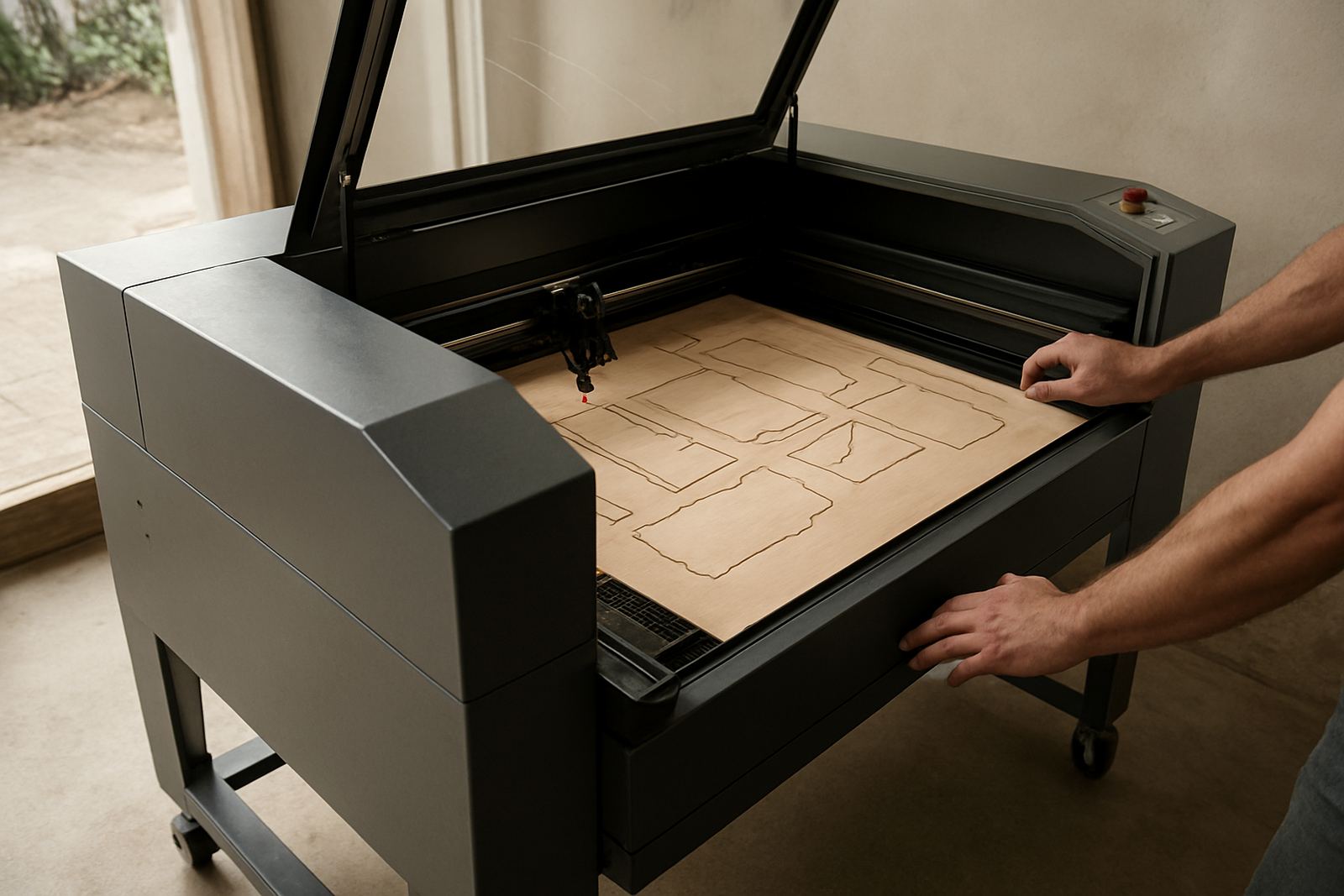
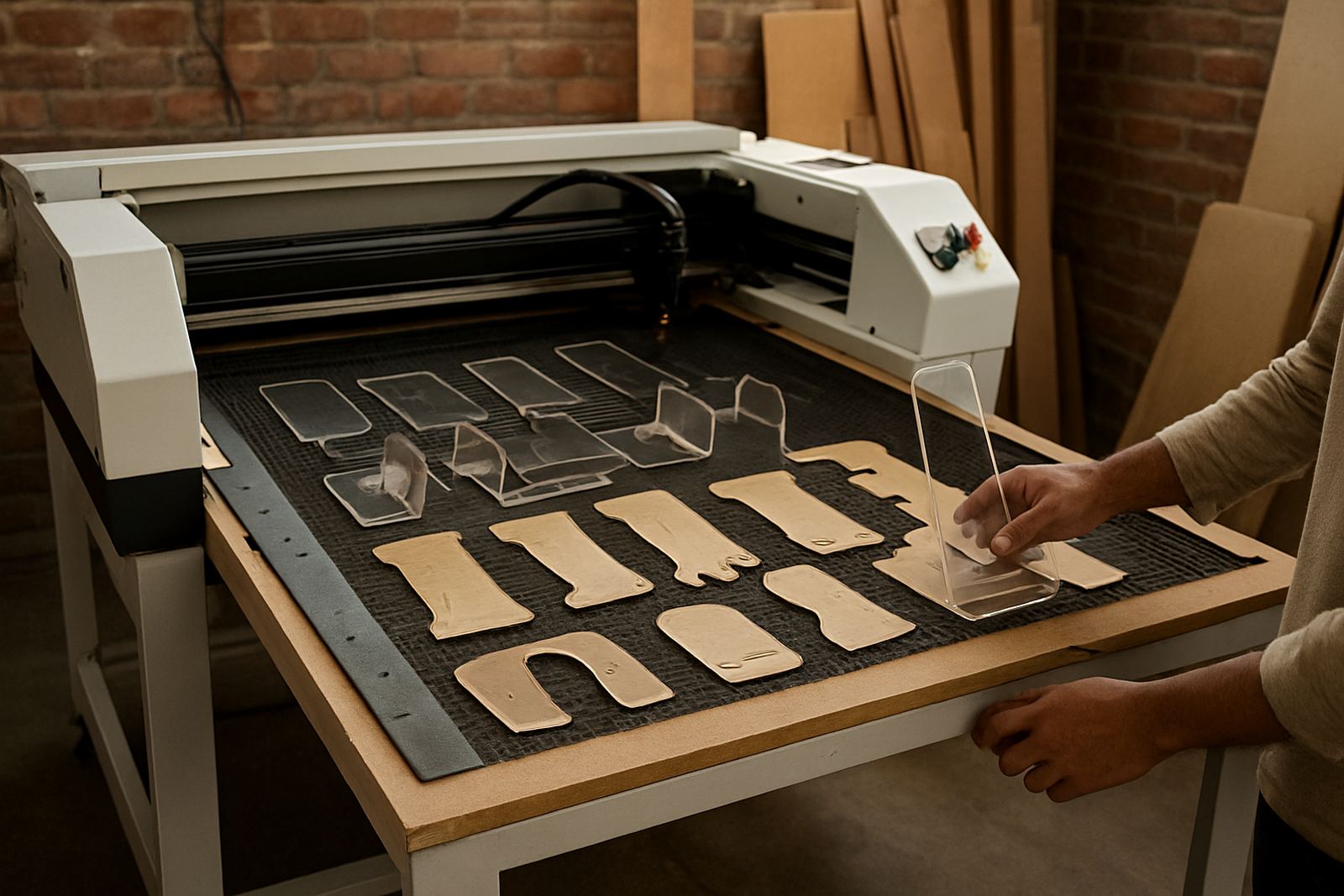
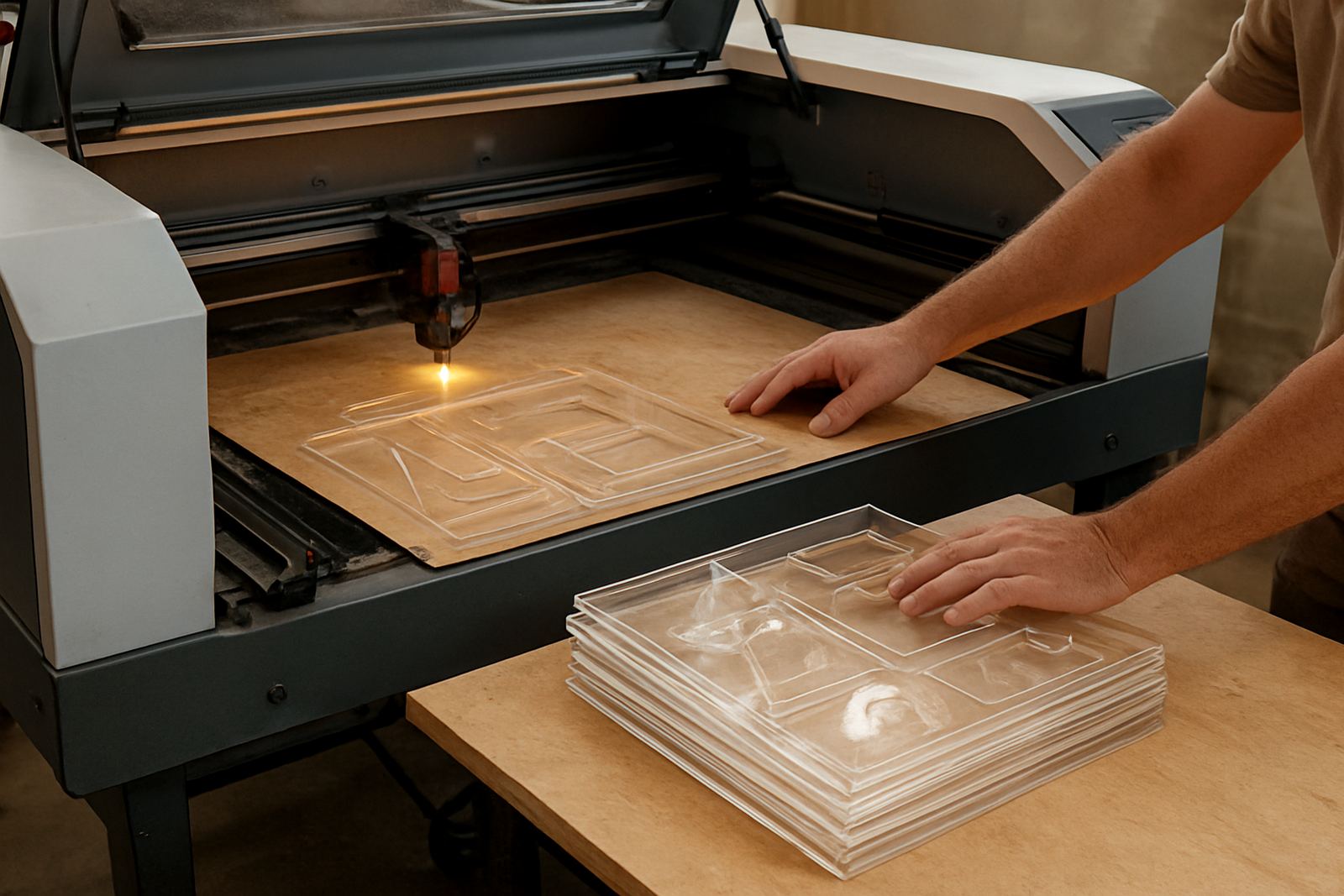
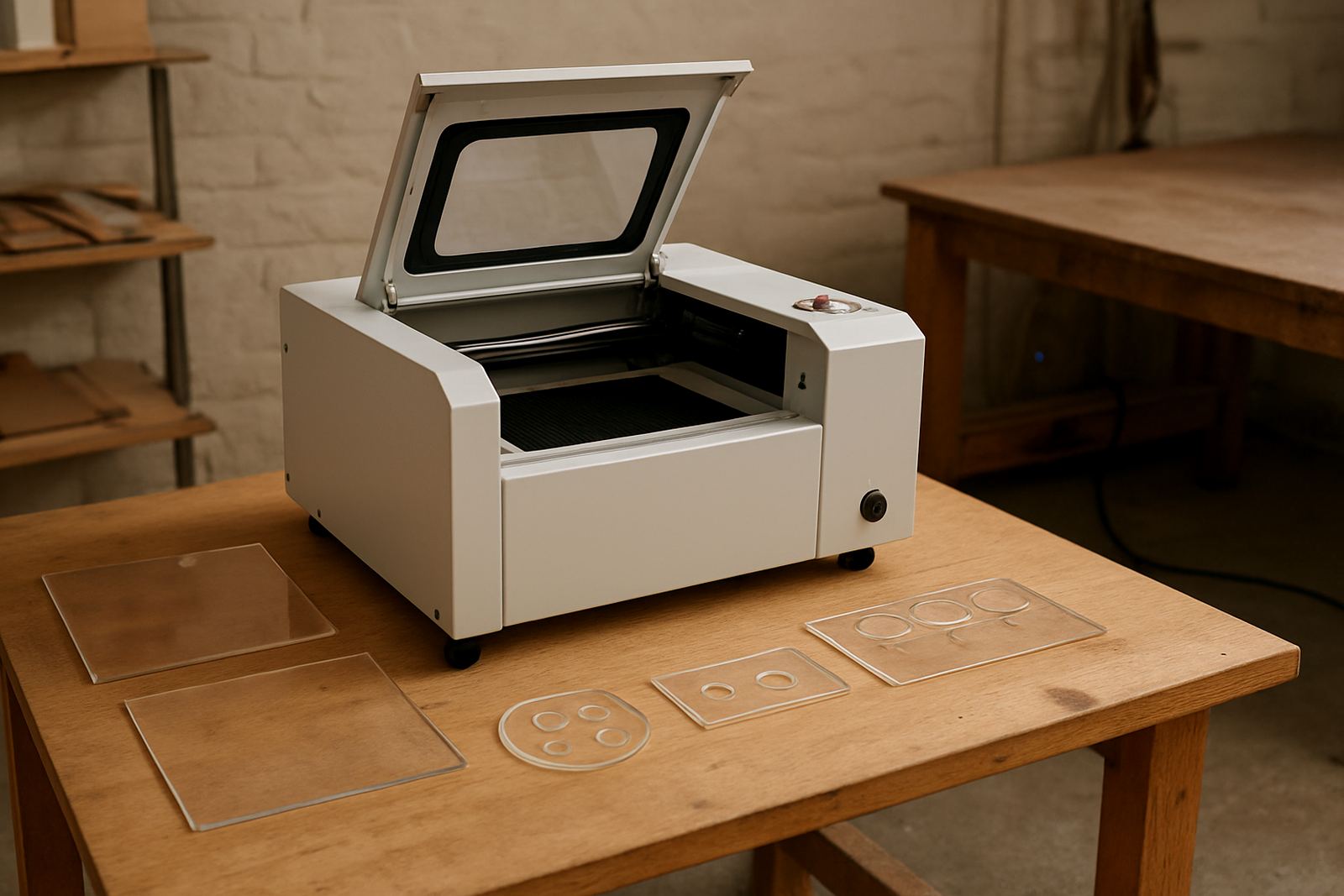
This compact CO2 laser cutter is set up for lighter production work where accuracy matters more than raw bed size. It handles cast acrylic, some wood products and leather very well, which makes it useful for name plates, retail tags, table signs, key fobs and small display parts. For many makers in Johannesburg, Pretoria or Durban it is the right first machine because it fits into a smaller workshop and still gives a proper, finished edge.
The machine uses a focused laser beam to cut clean lines and small details that are hard to match with hand tools or a router on thin material. On acrylic, the edge finish is smooth and clear enough for customer-facing items. On wood and leather, it gives crisp shapes for branding work, gifts and short-run production. It is a practical unit, not overcomplicated, and that helps when staff need to learn quickly.
- Good for small-format acrylic signs and letters
- Suitable for tags, badges and point-of-sale items
- Useful for sample work and short production runs
- Better edge quality than manual cutting on fine detail
Size options and the work area you should expect
Compact machines are usually chosen for their footprint as much as for their cutting ability. A smaller bed can still handle a lot of useful work if your products are within the right size range. For acrylic signage, it is common to cut parts up to the machine bed size and then do final assembly on site or in the workshop. If you mainly make small labels, layered logos or display inserts, a compact bed is often enough.
Typical setup options include a benchtop frame or a floor-standing cabinet style unit, depending on the available workshop space and extraction layout. The best fit depends on whether you need a machine that can move through a standard doorway, sit in a retail backroom, or stay in a dedicated production area. In Wynberg and other busy industrial nodes, that practical detail saves time when planning a delivery or relocation.
- Compact bed sizes are best for small signage and tags
- Choose a footprint that fits your room and extraction path
- Check door width, lift access and turning space before delivery
- If you plan larger jobs later, allow room for material handling
Where this cutter suits best in South African workshops
This model suits start-up makers, print shops adding laser work, schools, small trophy shops, gift businesses and sign makers handling short runs. It is also a good fit for businesses that want to offer custom acrylic items without moving straight into a larger machine. In coastal areas like Cape Town and Durban, it helps to keep the machine in a dry space because humidity can affect storage, optics and some materials if the workshop is not managed well.
If your work includes municipal or retail-style signage, always check the material thickness and the required finish before cutting. Some jobs call for clean edge presentation, while others need hole positions and repeat accuracy more than polish. A compact cutter is best where the day-to-day work is small, regular and fairly repeatable. It is not the right choice for very thick plate or high-volume sheet nesting, but for small parts it does the job properly.
- Craft and gift businesses
- Small signage workshops
- Schools, labs and maker spaces
- Retail display and packaging sample work
Installation, power and extraction requirements
For installation, the machine needs a level floor or solid bench, stable power and a proper extraction route for smoke and fumes. Many workshops use a standard single-phase supply, though the exact electrical requirement depends on the tube size and overall machine configuration. In South Africa, it is wise to plan for load-shedding with suitable backup power or controlled shutdown procedures, because sudden interruptions can affect the tube, control system and job accuracy.
Acrylic cutting produces fumes that should be extracted outdoors or through a suitable filtration setup. Good airflow also helps keep the lens and mirrors cleaner for longer. If the machine is being installed in a smaller room, make sure there is enough space behind and around it for maintenance access, especially if the extractor and chiller are positioned nearby. A tidy setup matters here, not just for safety but for day-to-day speed.
- Stable power supply is essential for consistent cutting
- Allow space for extraction, cooling and maintenance access
- Backup power or shutdown planning is important during outages
- Keep the unit away from damp walls and dust heavy areas
Care, servicing and day-to-day upkeep
Like any laser cutter, this unit performs best when it is kept clean and checked regularly. Optics should be cleaned on schedule, the cooling system should be monitored, and the beam path should be checked if cut quality starts drifting. If edges begin to frost, char or show uneven melt marks, that is usually a sign that alignment, airflow or lens cleanliness needs attention.
Planned maintenance is usually a better call than waiting for a failure. A simple service routine can extend tube life and keep jobs consistent, especially if the machine is used most days. For businesses in Gauteng and surrounding areas, planned servicing also helps avoid downtime during busy trade periods. If a machine is moved from one site to another, beam alignment and cooling checks should be done again after relocation. Regular checks save money in the long run, plain and simple.
- Clean optics regularly
- Check water cooling or chiller performance
- Inspect extraction flow and hose condition
- Book alignment after a move or if cut quality changes
Points to check before you place your order
Before ordering, it helps to confirm the material sizes you use most often, the thickness range, the workshop space available and the kind of finish your customers expect. If your main work is 3 mm or 5 mm acrylic, you may not need a large format machine. If you often cut layered parts, ask for the usable bed size and consider how you will load sheets, offcuts and finished pieces.
You should also confirm what support you need after delivery. Some buyers want operator training on day one, while others prefer help with installation, spares supply and routine maintenance over time. For businesses around Johannesburg, Sandton, Midrand, Pretoria, the East Rand or the West Rand, local support planning makes the whole setup easier. If you are further out, remote support and a clear service plan can still keep the machine productive. A quick check now avoids surprises later.
- Material thickness and sheet size
- Available power and extraction setup
- Need for training, relocation help or a service plan
- Expected monthly output and turnaround time
Key facts
| Laser type | CO2 laser |
|---|---|
| Best materials | Acrylic, wood, leather |
| Typical use | Small signage, tags, display parts |
| Power | Single-phase setup options depending on configuration |
| Cooling | Water cooling or chiller setup |
| Support | Installation, training, maintenance and breakdown response nationwide |