A practical size for busy small to medium workshops
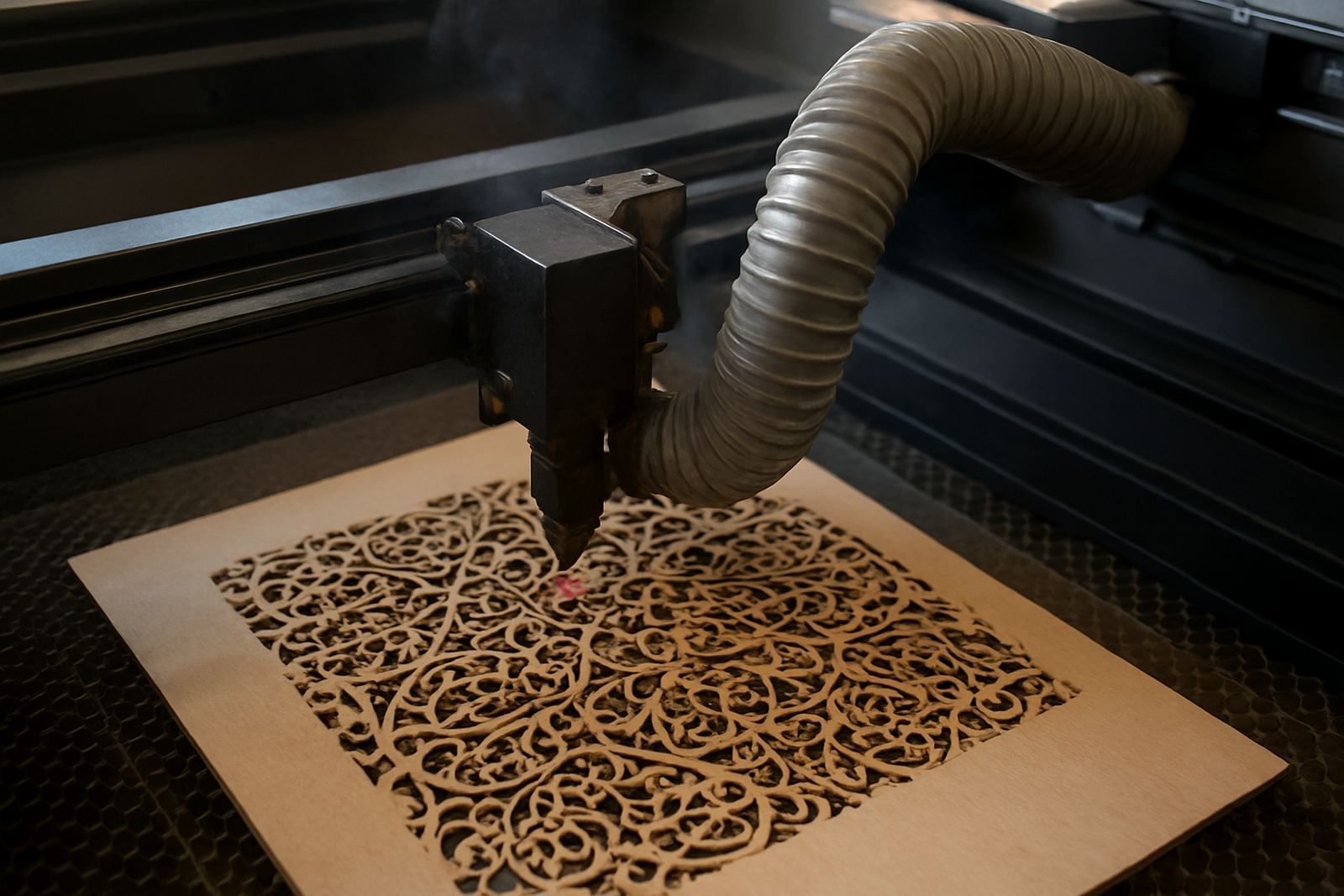
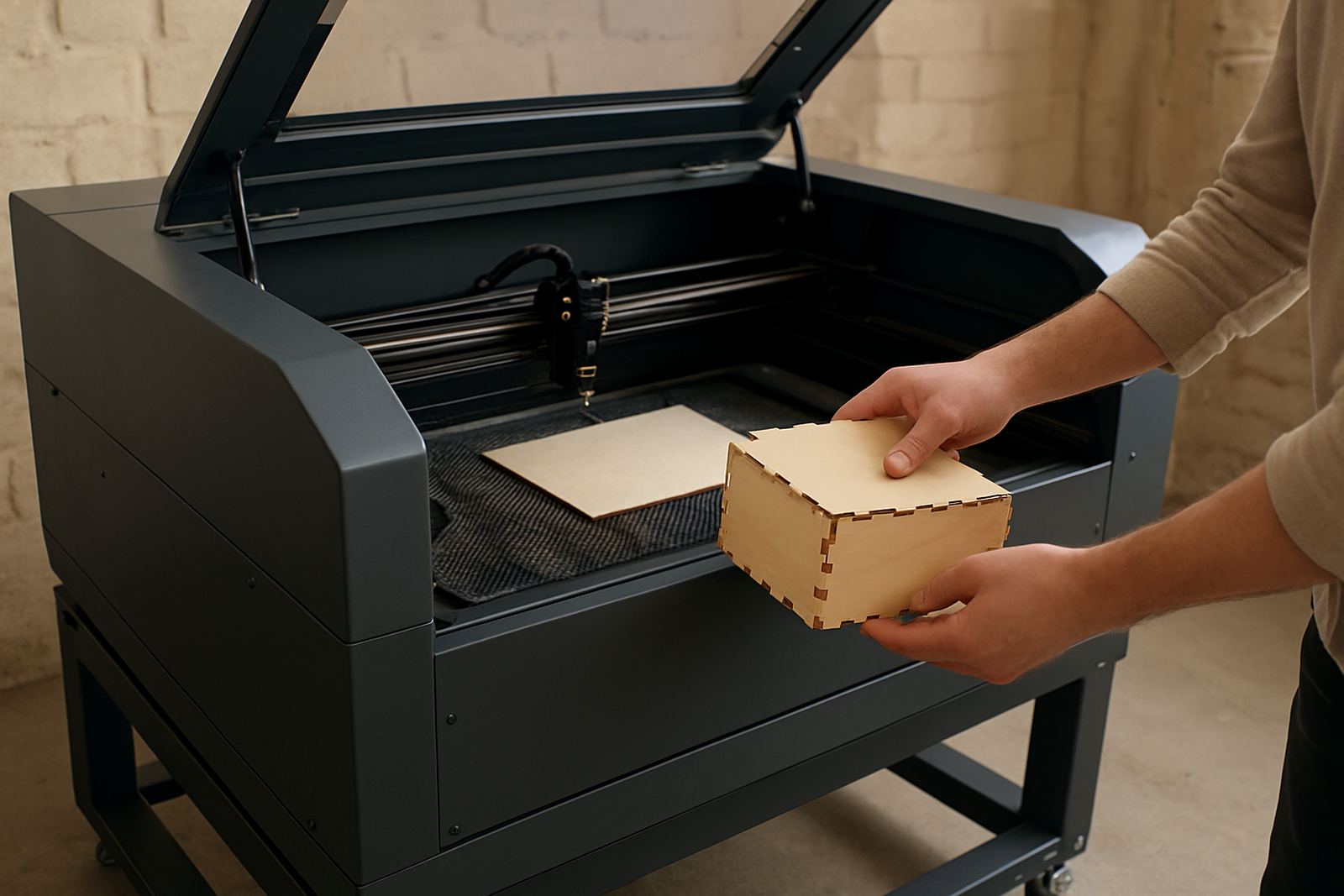
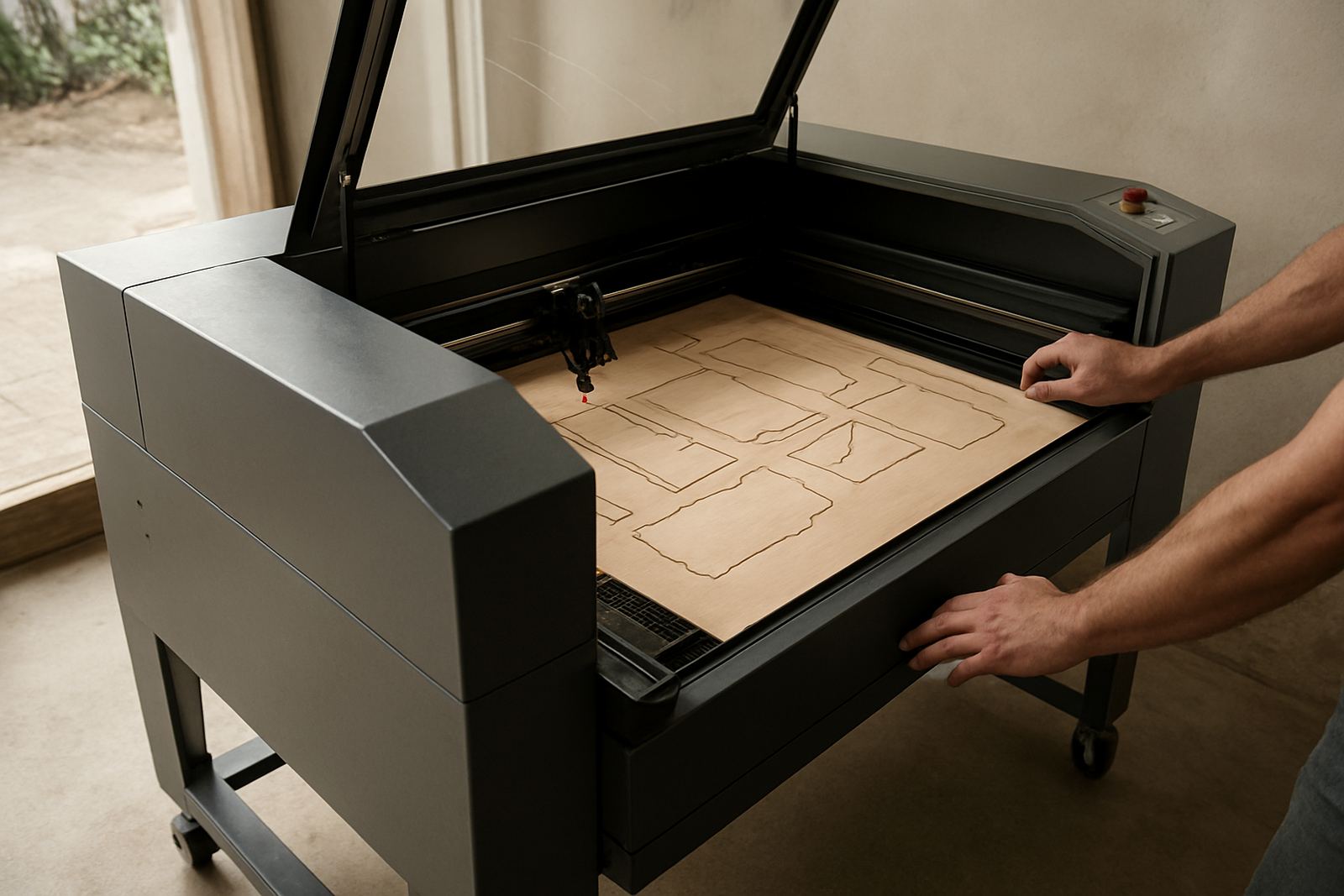
The 900 x 600 format gives you a working area of 900 mm by 600 mm, which is a good fit for signage shops, craft studios, sample rooms and small production floors. It is large enough for nested parts, lettering, display pieces and repeated jobs, but still compact enough to place in a workshop with limited floor space in Wynberg, Midrand or Randburg.
This model is often chosen by makers who need a machine that can handle daily work without taking over the entire room. It suits short run jobs, custom orders and regular cutting of sheet material. For many buyers, the balance between footprint and output is the main reason they go for this size.
- Working area: 900 mm x 600 mm
- Good for acrylic, wood, leather and similar non metal materials
- Useful for one-off custom work and repeat production
- Compact enough for smaller factory bays and studio spaces
Where the 900 x 600 laser fits best
This machine works well in businesses that need clean cut edges and accurate detail on medium sized sheets. It is commonly used for point of sale items, model making, interior decor parts, educational projects, leather goods and custom name pieces. In Gauteng it is especially useful where turnaround matters and workshop space is tight.
Because the bed size is practical, operators can work with a variety of sheet layouts and still keep waste under control. It is a sensible option for shops that get mixed work through the week rather than only large production runs.
- Signage and display work
- Craft production and custom gifts
- Prototype parts and small batch manufacture
- Leather cutting for accessories and samples
Typical specifications and available power options
Specs can vary depending on the tube size, controller setup and extraction arrangement, but a 900 x 600 CO2 laser is generally supplied with a stable gantry frame, water cooled laser tube and motorised bed. Buyers usually choose the power rating based on the material thickness they work with most often. For acrylic and thinner wood, a moderate power setup may be enough, while heavier workshop use often calls for a higher output tube.
Some users also want a honeycomb or blade table depending on the job mix. A good extraction setup is important, especially when cutting acrylic and timber, and the machine should be installed where fumes can be moved out efficiently. If you work in coastal areas like Durban or Cape Town, keeping the machine area dry and clean matters too because humidity can affect optics and storage.
- Bed size: 900 mm x 600 mm
- Laser type: CO2 laser tube
- Cooling: water cooled system
- Table options: honeycomb or blade bed depending on application
- Extraction: external fume extraction required
Installation, power supply and workshop setup
Installation should be planned around floor space, extractor routing, cooling access and electrical supply. The machine needs a stable surface, enough clearance for loading material and a sensible path for airflow and service access. In Johannesburg workshops, operators also need to think about load-shedding, so backup power planning is worth sorting before the machine is commissioned.
Depending on the configuration, the 900 x 600 laser may need a dedicated electrical circuit and a proper water cooling arrangement. It is best installed in a dry, well ventilated room with enough space for the chiller, air assist and exhaust system. If the machine is going into an industrial unit in Pretoria or on the East Rand, make sure the workshop can handle the extraction ducting and the daily material handling.
- Dedicated space for the machine, chiller and extractor
- Stable electrical supply with backup planning for outages
- Good ventilation and a clean cutting area
- Clear access for sheet loading and operator movement
Care, servicing and keeping cut quality consistent
A CO2 laser works best when it is kept clean and checked regularly. Optics need attention, the cooling system must stay in spec and the beam path should be aligned correctly. Dust, smoke residue and poor water quality can all affect cut finish, especially on acrylic jobs where edge quality matters. Regular servicing helps avoid wasted material and sudden stoppages.
For workshops running daily, preventive maintenance is usually better than waiting for a fault. That can include optics cleaning, cooling checks, beam alignment, extraction servicing and replacement of wear items before they fail. A machine that is looked after properly will usually give more consistent results and fewer interruptions on busy weeks.
- Clean mirrors and lens on a routine schedule
- Check water temperature and coolant quality
- Inspect belts, rails and moving parts
- Keep the extractor and air assist working correctly
Pre-Order Checks For A 900x600 Laser
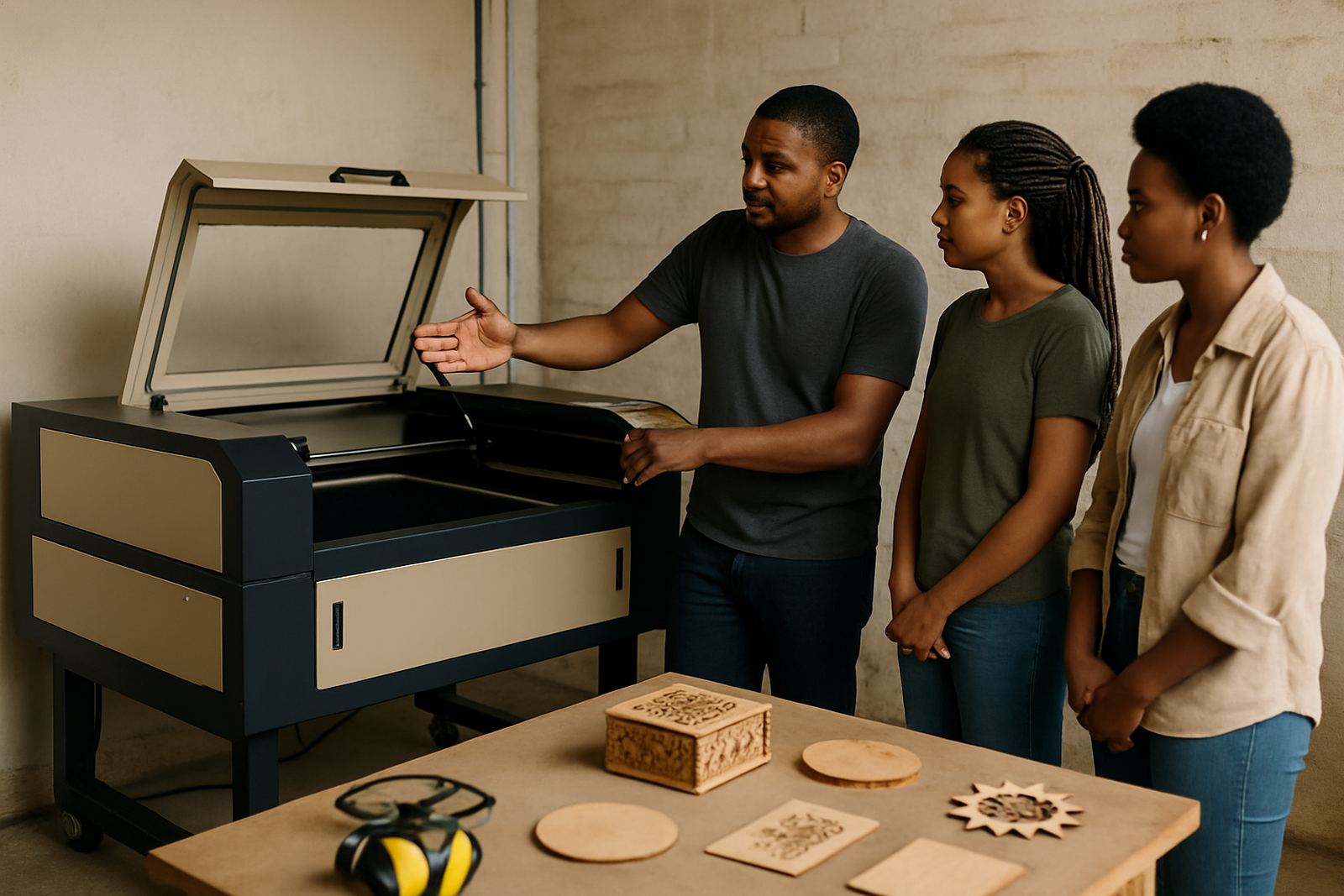
Before ordering, it helps to confirm the materials you will cut most often, the thickness range, your expected daily volume and where the machine will stand. That makes it easier to match the power rating and accessories to your work. If you need training for multiple operators, ask for a setup that suits the way your team actually runs the machine.
You should also check whether your workshop has enough power, extraction and access for delivery and positioning. A machine that fits the product line but not the space will only cause delays. If you are in Sandton, Midrand, the West Rand or further afield, it is worth planning the install properly so production starts smoothly.
- Material types and thicknesses
- Expected production volume per day or week
- Electrical supply and cooling requirements
- Space for machine, extractor and operator movement
- Training and service support needs
Key facts
| Working area | 900 mm x 600 mm |
|---|---|
| Laser type | CO2 laser |
| Best materials | Acrylic, wood, leather and similar non metal materials |
| Cooling | Water cooled system |
| Table type | Honeycomb or blade table depending on configuration |
| Typical use | Workshop cutting, custom production and small batch jobs |