Built for small runs and detailed work
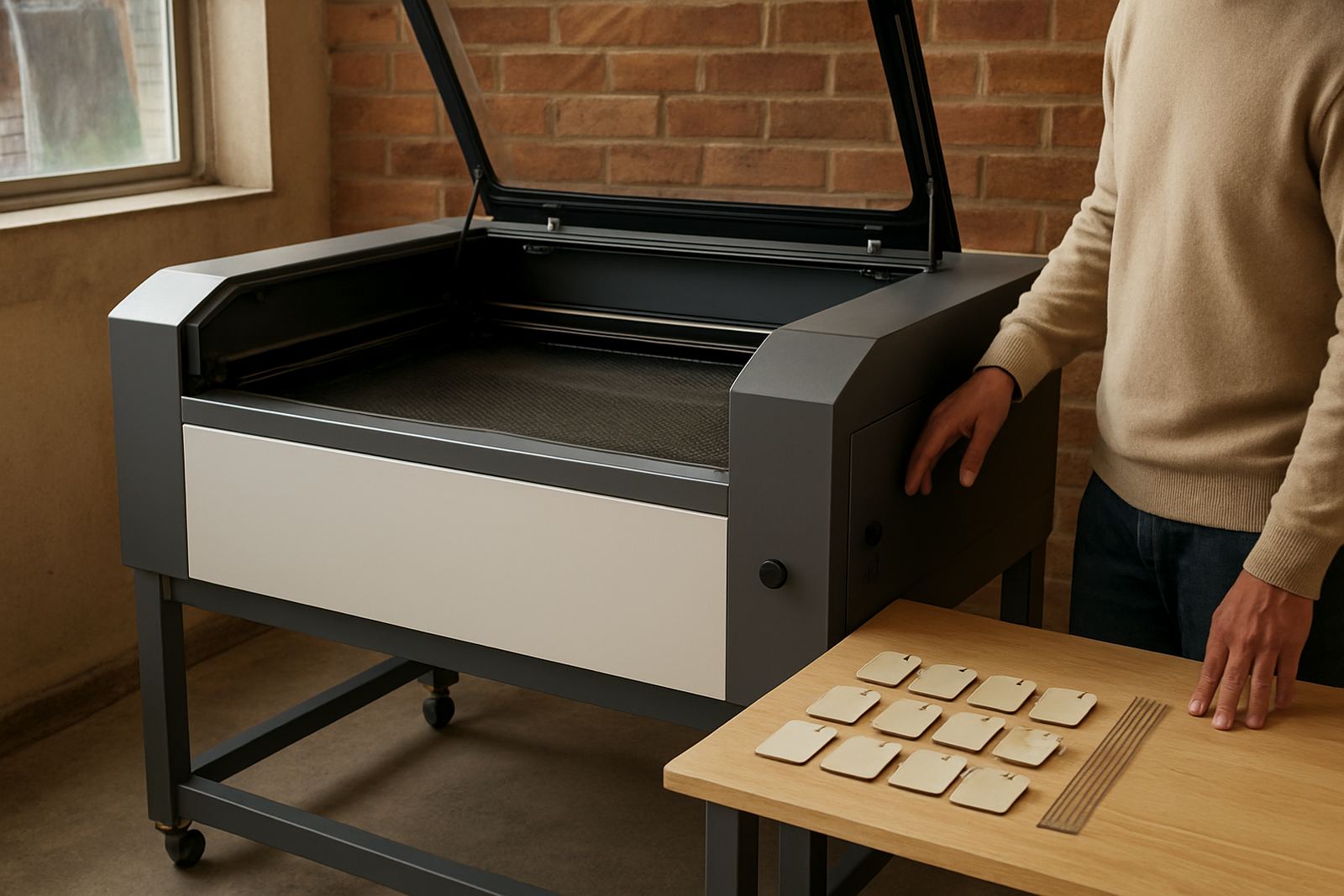
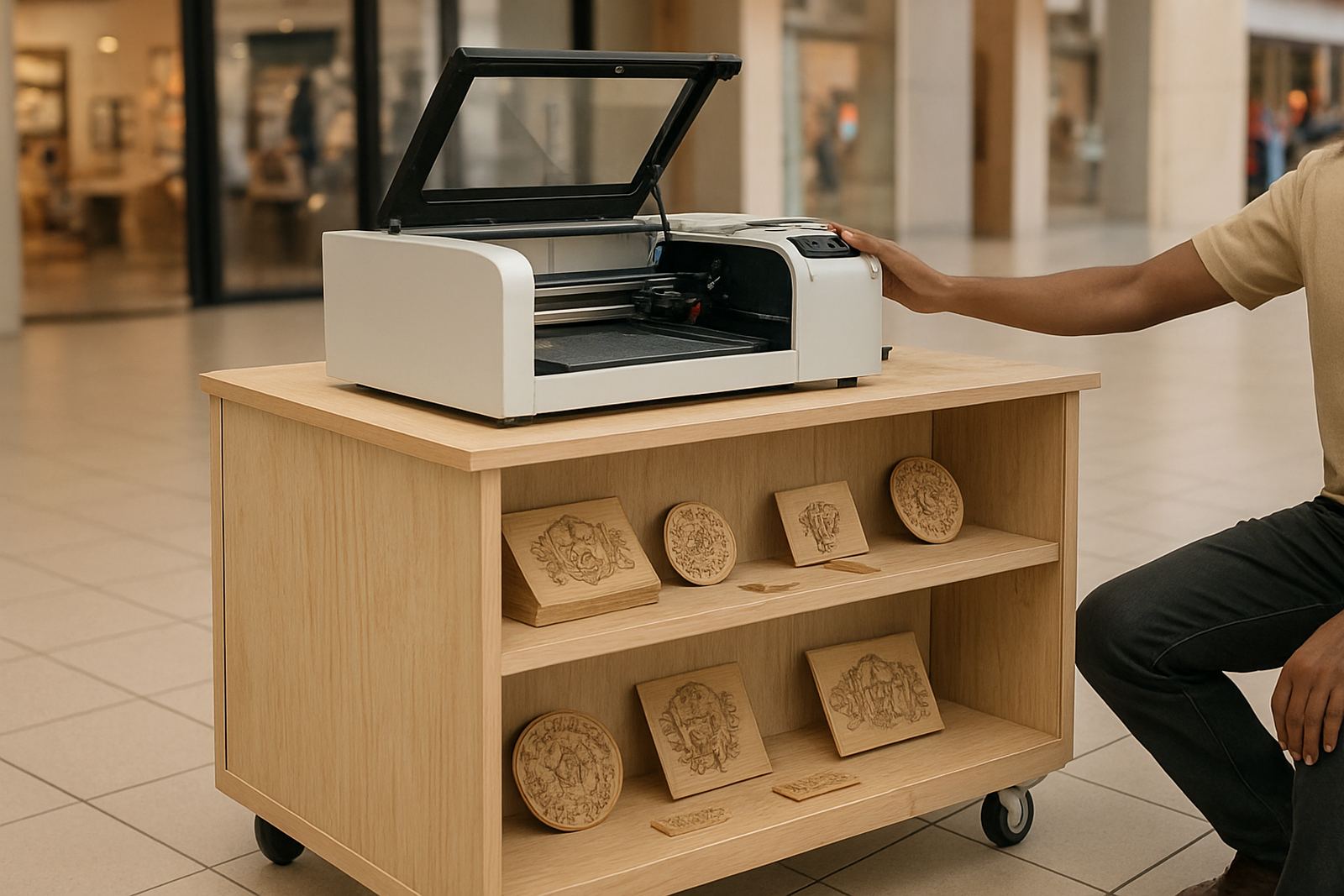
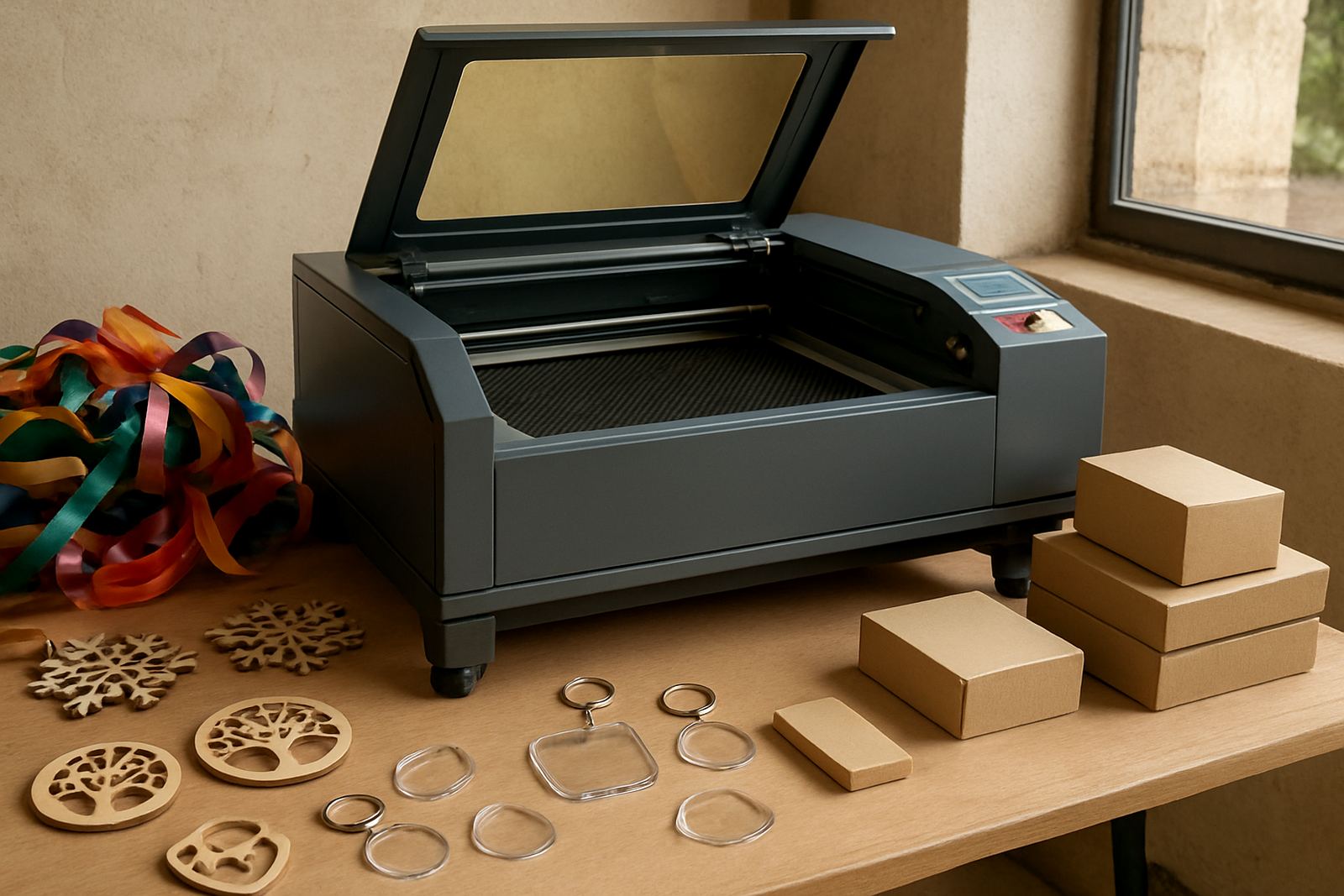
The Craft Studio Laser is made for studios, workshops and small production spaces that need reliable cutting without taking up too much floor area. It is commonly used for personalised décor, wedding signage, name tags, cake toppers, boxes, stencils and handmade product ranges. For many businesses, it bridges the gap between hobby equipment and full production machinery.
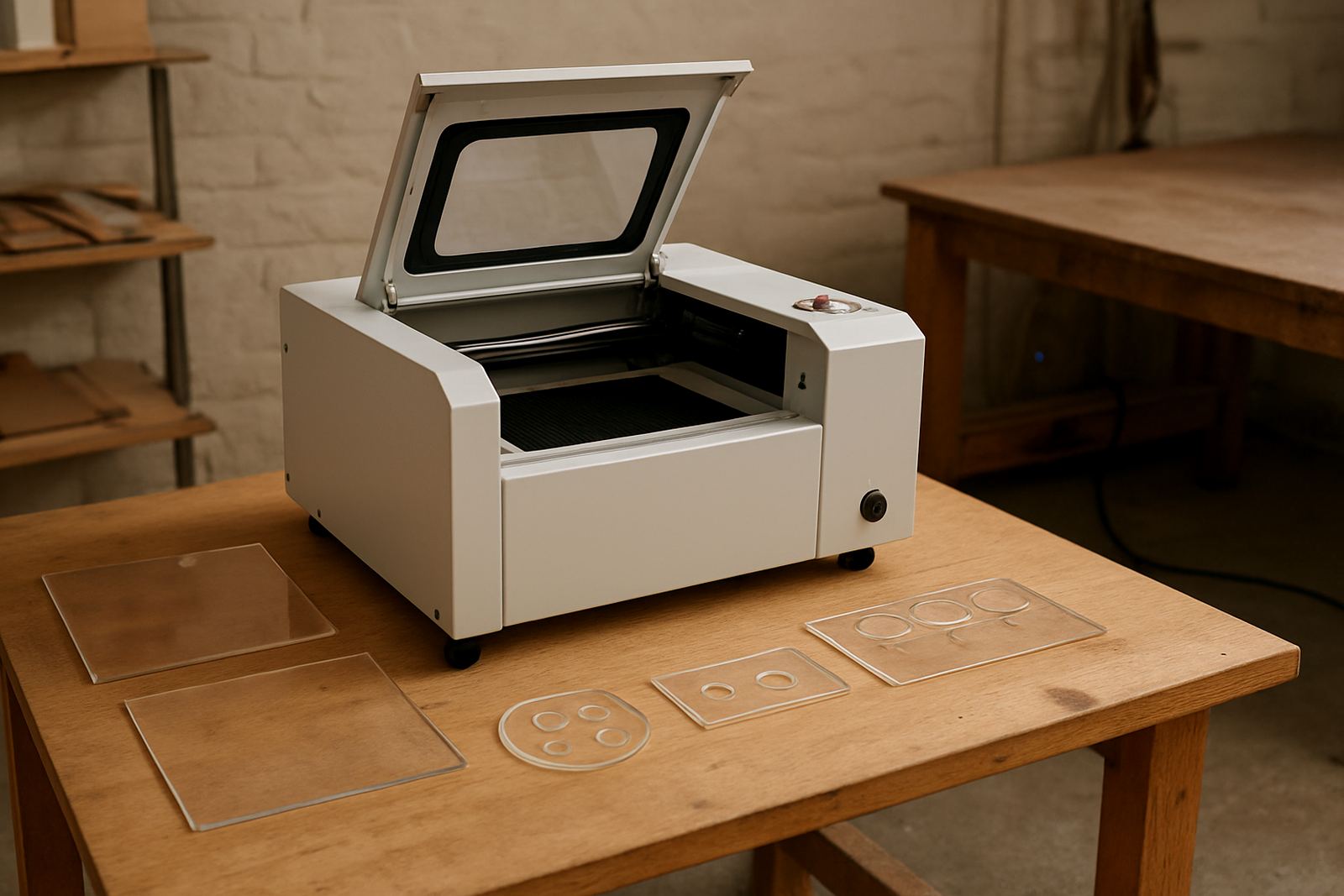
Because it uses a CO2 laser, it handles non-metal materials with clean, controlled cuts and sharp internal detail. Acrylic is one of the main uses, but wood, leather, cork, paperboard and coated sheet materials are also common. If your work includes repeated patterns or fine lettering, this type of machine gives you better consistency than hand cutting. It also helps when you need short turnaround on custom orders in Johannesburg, Pretoria, Durban or Cape Town.
- Suitable for one-off custom pieces and repeat production
- Works well for fine lettering, patterns and cut-outs
- Common in gift shops, makerspaces and décor studios
- Useful for wedding products, event items and branding work
Sizes and setup options to suit your production work
Craft Studio Laser units are typically selected by bed size, tube power and the type of control package needed for the work you do. Smaller beds are ideal when space is tight and you are cutting smaller components daily. Larger beds suit sheet goods and batch work where you want fewer material changes and less handling.
When comparing options, look at the working area first, then the cutting speed and the level of detail you need. A compact machine can still be productive if the layout is planned well and your nesting is tidy. For studios in Wynberg, Sandton or the East Rand, this matters when power interruptions or limited space affect workflow.
- Working areas commonly available from compact to mid-size formats
- Choice of laser tube power depending on material thickness
- Option for pass-through access on some setups
- Water cooling, extraction and air assist configured to suit the job
As a guide, most craft-focused users choose a bed that allows standard acrylic sheets and enough room for multiple smaller items at once. That reduces waste and speeds up production, especially when orders come in all at once.
Where the Craft Studio Laser works best
This product suits businesses that produce custom décor, promotional items, handmade retail stock and event pieces. It is a good fit for wedding suppliers, craft entrepreneurs, schools, training spaces and small manufacturing teams that need flexible cutting without moving into industrial scale.
It also suits shared workshops where more than one operator uses the same machine. With proper training, the laser can be used for repeat jobs with fairly simple setup changes, which helps when different customers want different fonts, shapes or thicknesses. The machine is especially useful where finish quality matters, because clean edges often reduce post-processing time.
- Personalised décor and signage
- Wedding and event ranges
- Handmade retail products
- Educational and maker spaces
- Short-run custom production
If you are in a coastal area, remember that humidity can affect storage and some materials behave differently in damp conditions. Keeping stock flat, dry and sealed helps maintain cutting quality and reduces warping.
Installation, power and workshop requirements
Before ordering, check the space where the machine will stand, the power available and how you will manage extraction. Most workshop setups need a level floor, stable ventilation and enough clearance for loading sheets and cleaning around the machine. A dedicated area is better than moving the unit around the shop each day.
Power requirements depend on the exact configuration, but you should plan for a stable single-phase supply where possible and protection against load-shedding with the right backup system. If your workshop runs during outages, discuss inverter, generator or battery support early, as startup surges and cooling loads need to be considered. It is also important to allow for water cooling, air assist and fume extraction from the first day, not after installation.
- Level floor with enough access around the machine
- Stable electrical supply and protection from outages
- Water cooling and extraction should be planned in advance
- Allow space for material storage and offcut handling
Our team can assist with machine installation, relocation help and operator training nationwide, with support in Johannesburg, Pretoria, Midrand, the East Rand, West Rand, Durban and Cape Town.
Care, servicing and day-to-day upkeep
Like any production machine, a laser cutter performs better when it is cleaned and checked regularly. Optics need to stay clean, mirrors and lenses should be checked for dust or residue, and the cutting bed should be kept free of offcuts and soot. Extraction must be working properly so fumes and fine particles do not build up inside the unit.
Preventive maintenance helps avoid breakdowns and keeps cut quality steady. That includes beam alignment, cooling checks, optics cleaning, extraction service and general inspection of moving parts. If a machine starts cutting unevenly, leaving scorch marks or missing detail, it often points to a maintenance issue rather than a full repair.
- Clean optics and lenses on a regular schedule
- Check water cooling and airflow before long production runs
- Keep the cutting bed clear of scrap and dust
- Use preventive servicing to reduce downtime
For businesses with busy seasons, an annual service plan can help spread maintenance costs and keep turnaround predictable. It is especially useful where a machine is used most days and any stoppage affects client delivery dates.
Pre-Order Checks For A 900x600 Laser
When ordering a Craft Studio Laser, start with your main materials and the thicknesses you use most often. Acrylic for signage is different from thin wood for décor, and leather cutting brings its own handling needs. Knowing your most common jobs helps choose the correct bed size and tube power, so you are not paying for capacity you will not use.
You should also confirm how your artwork will be prepared, who will run the machine and whether training is needed for one person or a full team. If the product range will grow later, it may be worth selecting a setup that gives you a little extra room now. A slightly larger working area can save time later when orders become more varied.
- Main material types and maximum thickness
- Typical sheet sizes and expected batch quantities
- Space available in the workshop
- Extraction, cooling and power access
- Operator experience and training needs
- Future growth plans for the product range
If you are unsure which option fits, send an enquiry through the contact page and our team will help you compare the practical choices. That way you can match the machine to the work you actually do, not just the catalogue picture.
Key facts
| Machine type | CO2 laser cutting system for non-metal materials |
|---|---|
| Typical materials | Acrylic, wood, leather, cork and paperboard |
| Use case | Personalised décor, wedding items and handmade product ranges |
| Working format | Compact production bed with optional larger size configurations |
| Support | Installation, training, maintenance and breakdown response nationwide |
| Service areas | Wynberg, Sandton, Pretoria, Midrand, East Rand, West Rand, Durban and Cape Town |