Repeat cutting for templates that must match every time
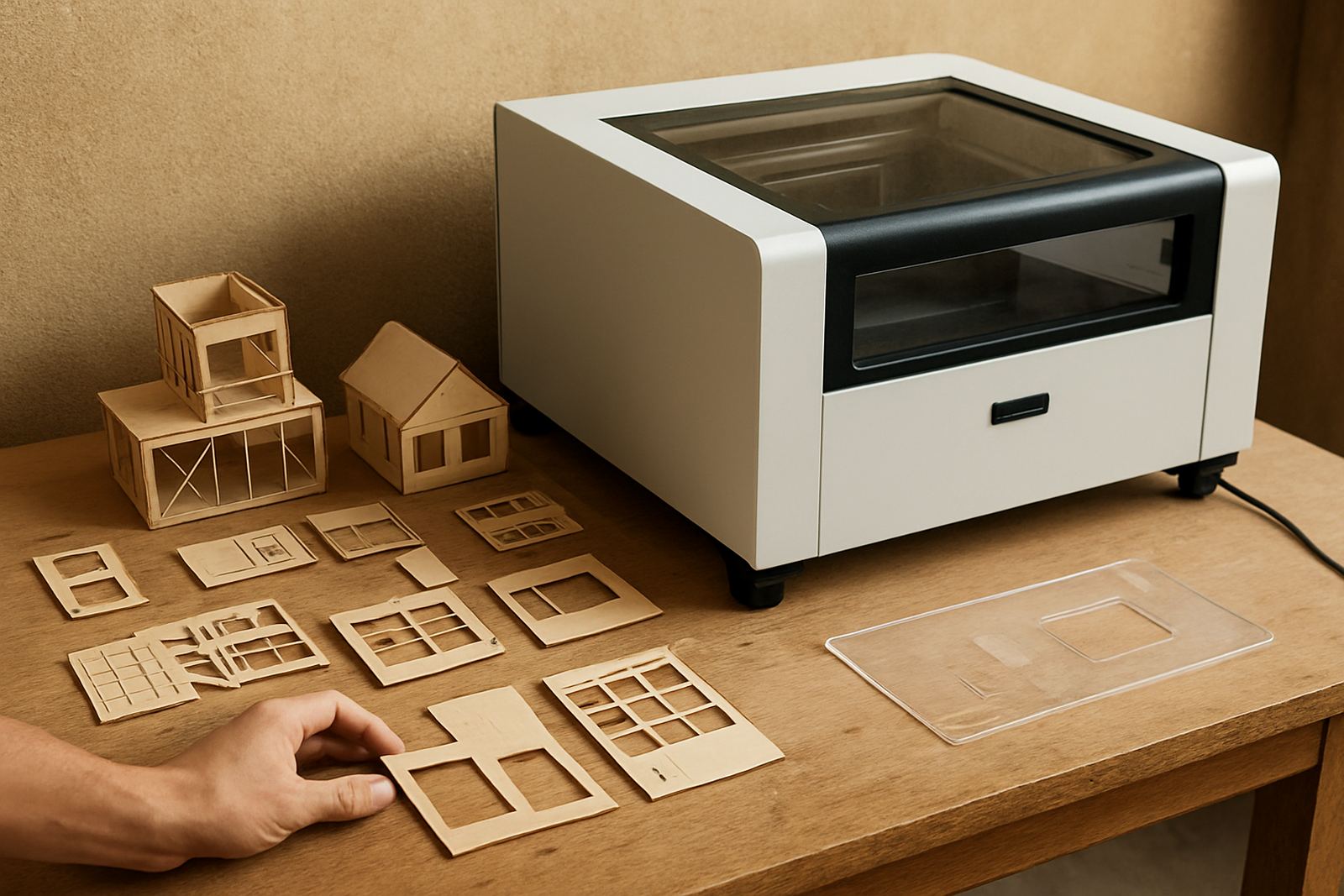
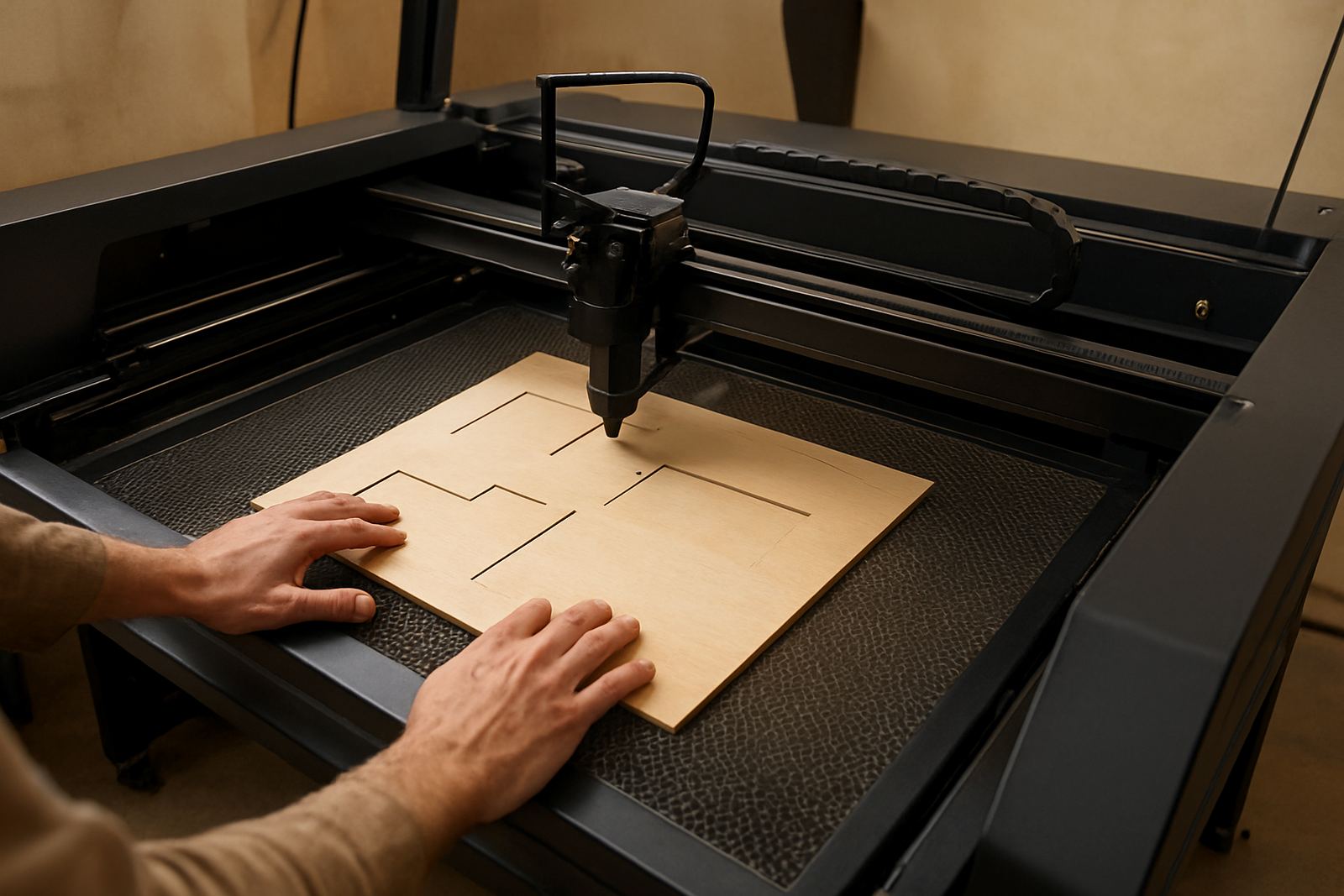
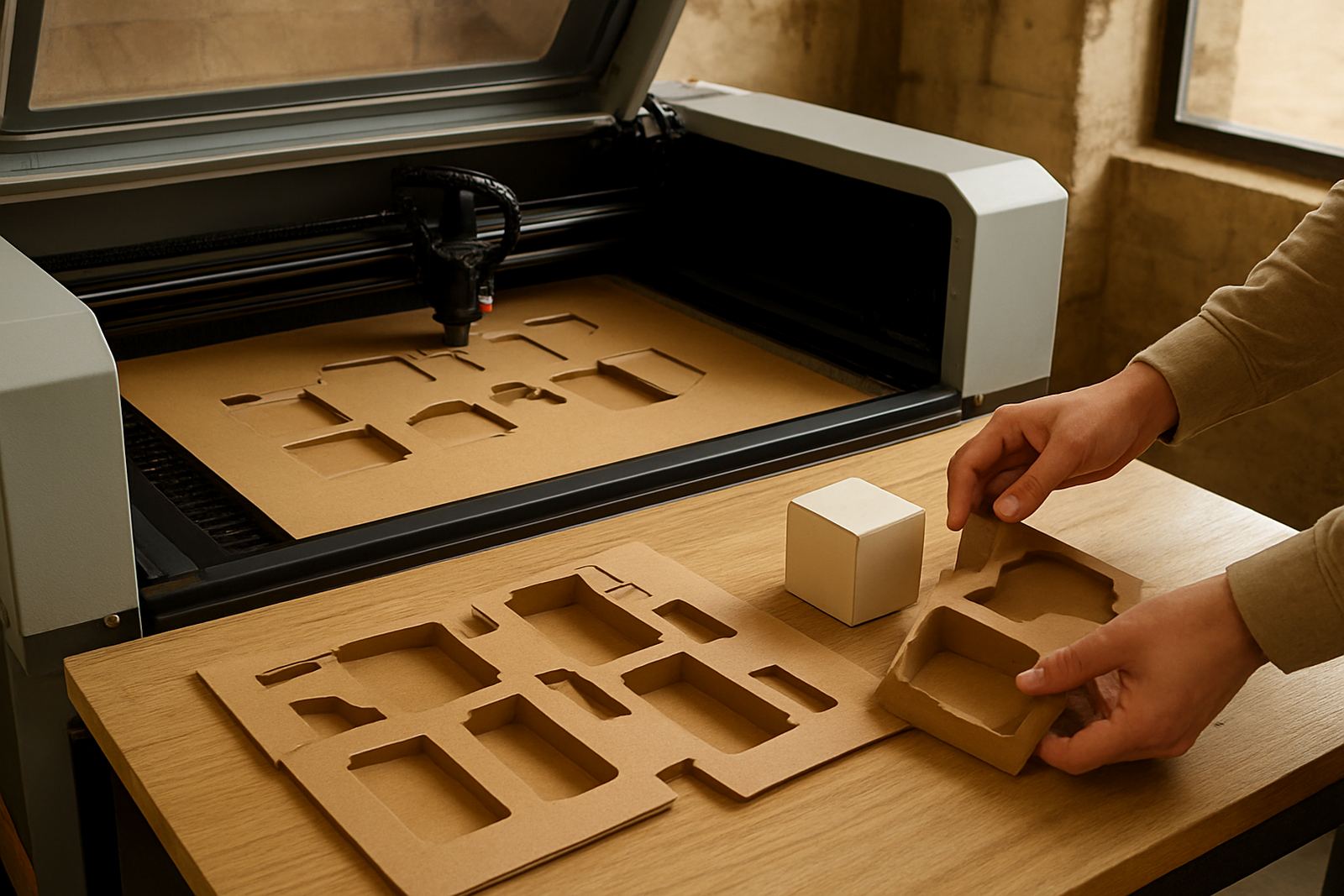
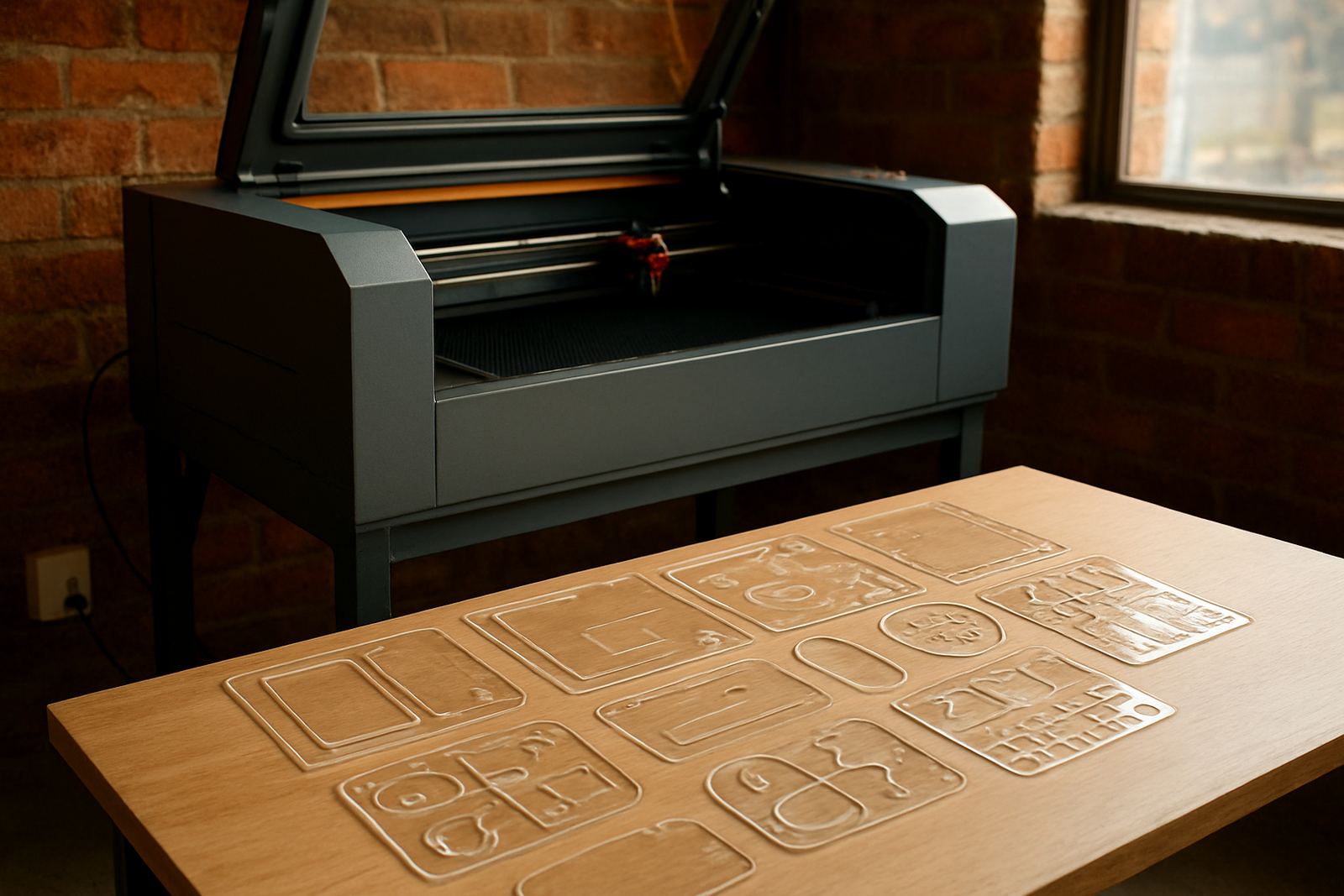
A template making laser is a CO2 laser cutter set up for accurate, repeat work on sheet materials such as acrylic, plywood, MDF, card, leather and some plastics that cut cleanly under laser. It is used where parts must match exactly, whether you are making routing templates, upholstery patterns, sign stencils, packaging inserts or production jigs for workshop use.
The main value is consistency. Once the job is set up, the machine follows the same path each time with very little variation, which helps when you are cutting batches of 10 or 200. Clean edges also reduce post-processing, so there is less sanding and less hand finishing. For smaller workshops and growing production rooms, that saves time on every run and makes planning easier.
In Johannesburg and across SA, many customers use this type of machine where work needs to be neat, repeatable and practical. It suits makers, fabricators, training centres and shops that need exact patterns for fitting, cutting or assembly.
Size options and working area choices
Template work often comes in different sheet sizes, so the machine should suit the material you buy and the space you have available. Common options are compact machines for smaller shops and larger bed sizes for wider sheets or multi-part nesting. We help with demo cuts in Wynberg so you can see how your material behaves before you choose a size.
- Small format: good for stencils, labels, small patterns and sample work
- Medium format: suitable for regular production, signage blanks and workshop templates
- Large format: better for full sheet nesting, larger pattern sets and higher output
- Flatbed layout: ideal when you need stable support for sheet goods
- Pass-through options: useful for longer material sections where applicable
When ordering, check the sheet size you use most often, the thickness range, and whether you need a machine that can fit through your workshop door or lift area. In tight premises, the right footprint matters as much as the cutting area.
Where a template laser fits best in South African workshops
This type of machine suits businesses that need accurate repeat work rather than general engraving. It is often used in joinery shops, upholstery rooms, leather workshops, model making, packaging, custom displays and trade counters that cut templates for installers. It also works well in training environments where learners need neat results with less waste.
For coastal areas, humidity can affect stored material, especially wood and card, so dry storage is important. In inland areas, dust control matters. If you are near a busy industrial zone, plan extraction properly because smoke and fine residue can build up on optics and inside the cabinet if the room is not managed correctly.
For work in Gauteng, KZN and the Western Cape, we also look at power quality, space for extraction ducting and how you will handle load-shedding. A machine that is easy to switch off safely and restart without fuss is worth a lot in a working shop.
Installation, power and workshop setup
Installation is handled nationwide, with support from our Wynberg, Johannesburg base and service coverage in Sandton, Midrand, the East Rand, the West Rand, Pretoria, Durban and Cape Town. We assist with positioning, setup, test cuts, beam alignment, operator handover and training so the machine starts off correctly from day one.
- Single-phase or three-phase supply, depending on machine size
- Stable earthing and correct circuit protection
- Extraction fan and ducting to move fumes out of the room
- Cooling system for the laser tube and safe water flow
- Clean, dry room with enough space around the machine for access
Power needs vary by model, so it is important to confirm supply details before delivery. Some sites need extra attention for voltage dips, changeover from generators or inverter backup, and long extension runs are not recommended. For busy workshops, a proper extraction setup and a neat cable layout help keep daily operation simple.
Specs that matter for accuracy and repeatability
When you compare template cutting machines, focus on cut quality and control rather than only the size of the bed. Speed, bed stability, tube power and motion accuracy all affect the final result. If your work includes thin acrylic, wood and leather, the machine should be able to make fine detail without burning the edges more than needed.
- Cutting area: available in compact, mid-size and large-bed formats
- Laser source: CO2 glass tube or sealed tube system, depending on model
- Material range: acrylic, wood, MDF, leather, card and selected plastics
- Control: digital controller with repeat job storage and layer management
- Motion system: belt or rail driven system for accurate movement
- Cooling and extraction: water cooling and fume extraction required
For template work, ask about kerf width, corner accuracy and how the machine handles small inner cut-outs. Those details affect fit, especially where parts must line up with routers, stitching marks or assembly points. A small error can show up quickly in pattern work, so test cuts are worth doing.
Routine care, servicing and what to check before ordering
Good upkeep keeps the cut quality steady and reduces downtime. Regular care includes optics cleaning, cooling checks, extraction cleaning, beam alignment, lens inspection and checking that the rails and bed stay free of dust. In a busy shop, a weekly wipe-down and monthly service routine goes a long way.
We offer preventive maintenance, breakdown response, remote support, spares supply and annual service plans. If a machine is used daily, it is smart to schedule service before a busy season starts rather than wait for a failure. That is especially useful when you are running production for sign shops, fit-out work or templated batches where delays cost money.
- Confirm the material types and thicknesses you will cut most often
- Check the sheet size and nesting layout you need
- Ask about installation access, power supply and extraction space
- Request demo cuts on your own material where possible
- Consider operator training for safer, cleaner daily use
Before ordering, also check if you need relocation help for an existing machine, spare optics, or a service plan that fits your volume. A template laser should be set up for your actual workflow, not only the spec sheet.
Key facts
| Product type | CO2 laser cutter for template making, stencils and pattern work |
|---|---|
| Typical materials | Acrylic, wood, MDF, card, leather and selected plastics |
| Cutting focus | Repeat accuracy, clean edges and fine internal detail |
| Working area | Compact, medium and large-bed options available |
| Power supply | Single-phase or three-phase depending on model |
| Support | Installation, training, maintenance and nationwide service |