Built for accurate model work and layered detail
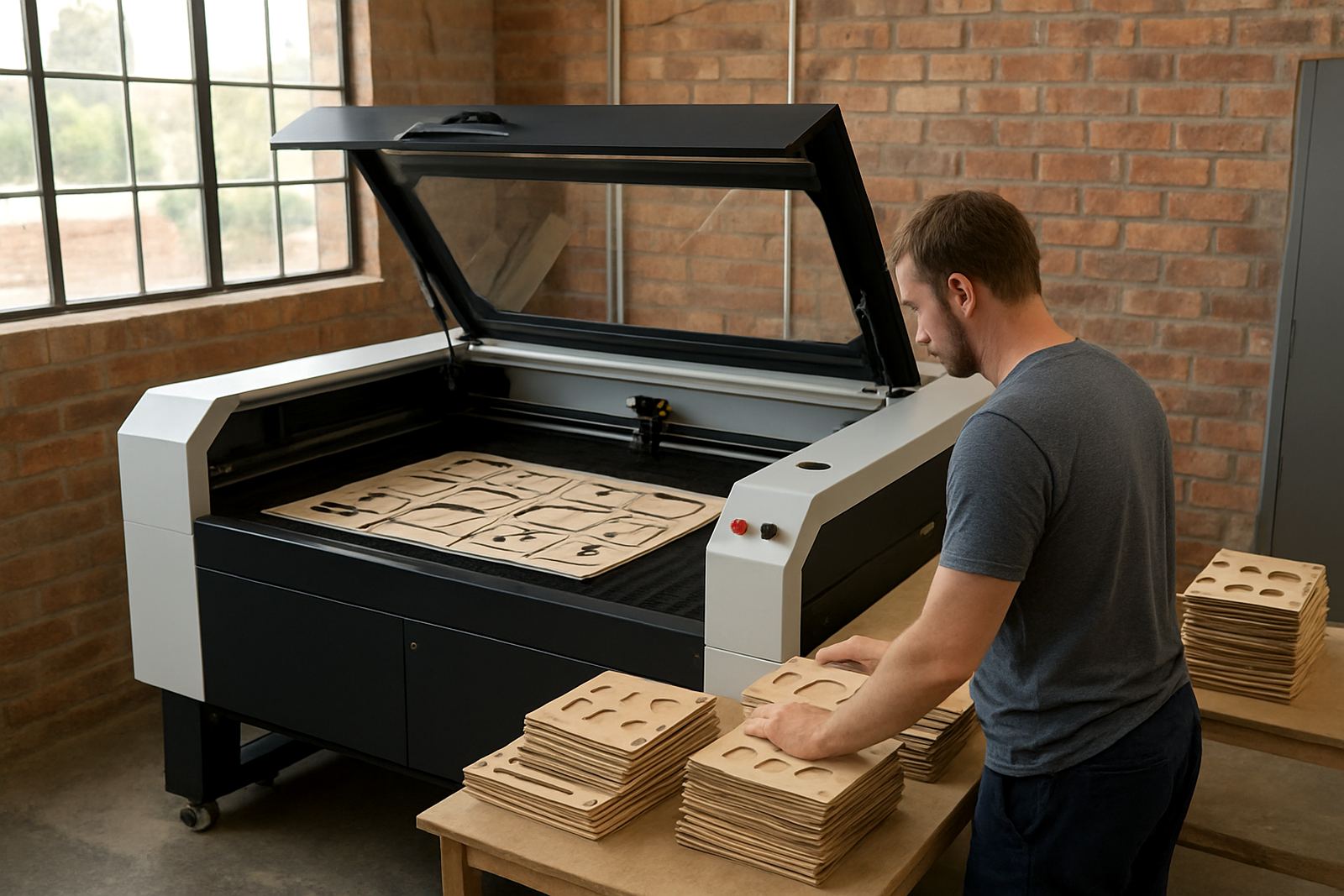
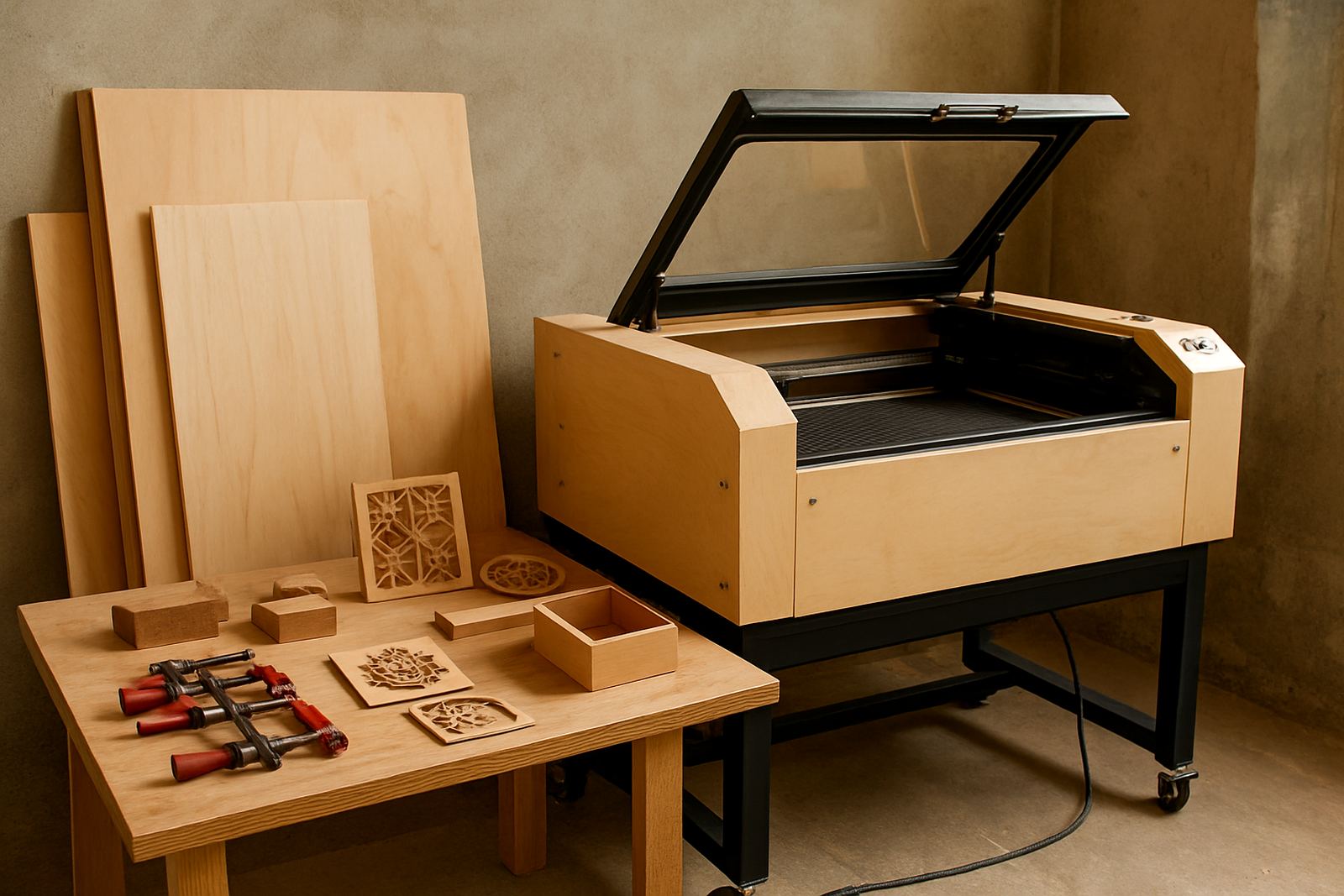
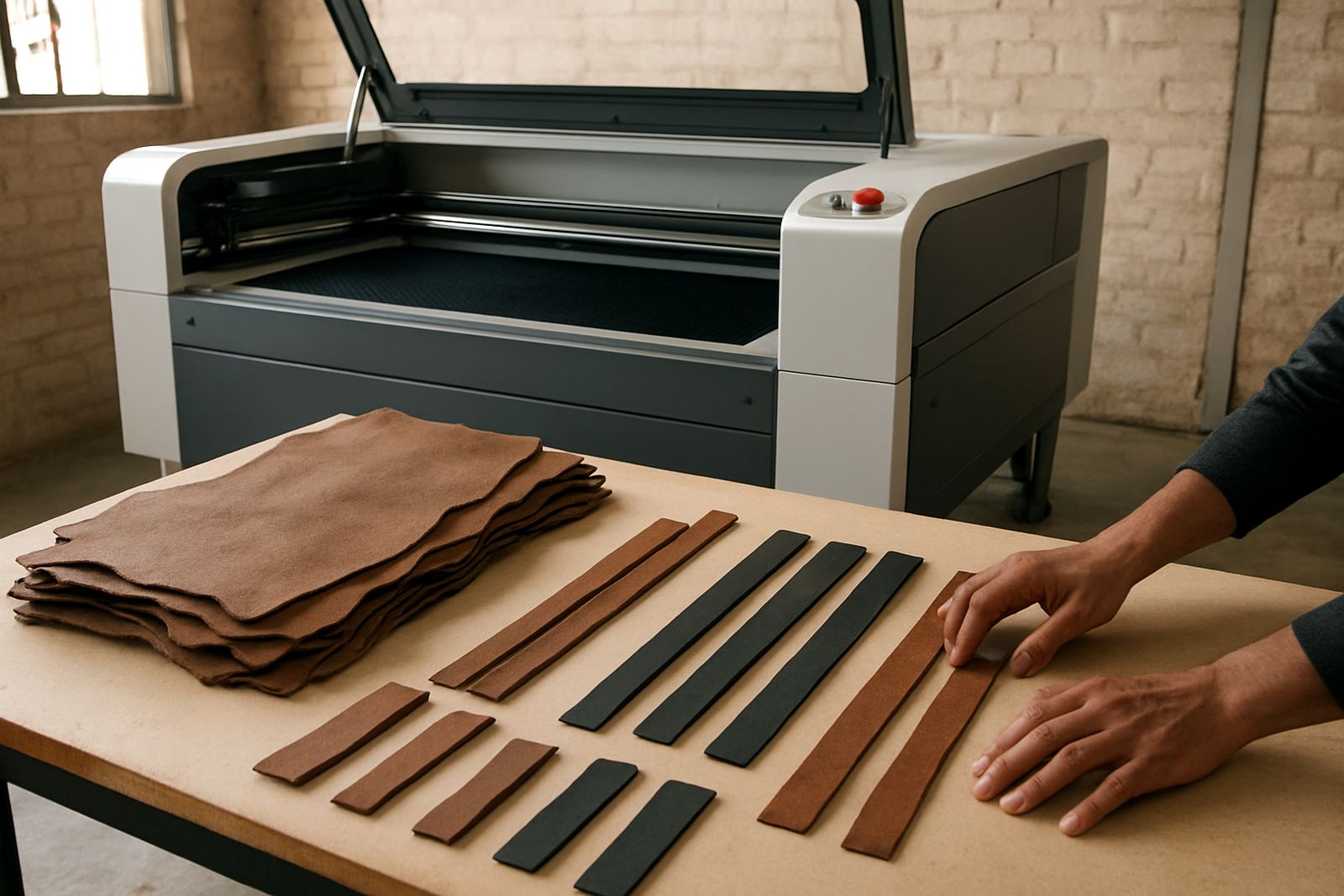
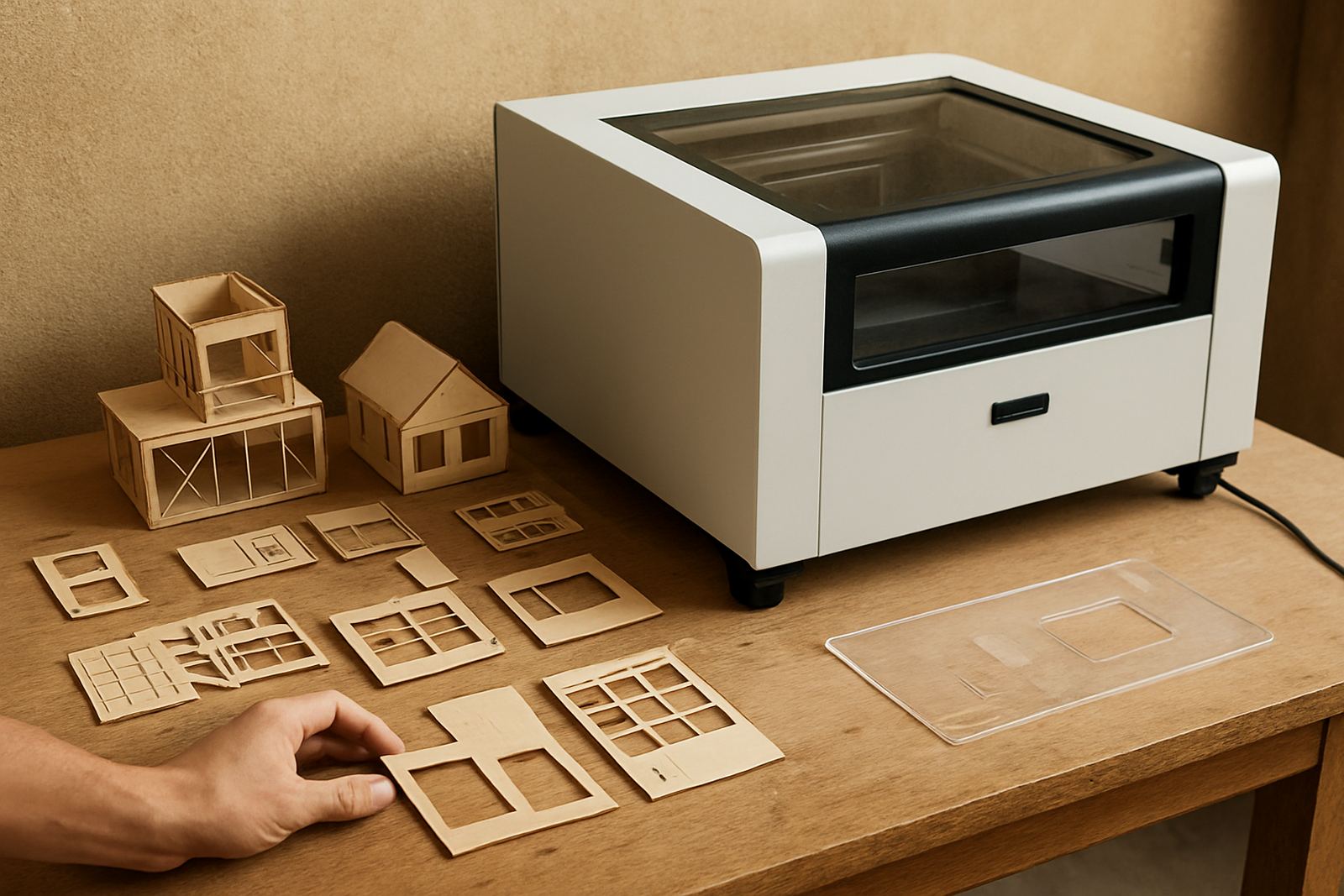
The Architect Model Laser is a CO2 cutting unit suited to makers who need small parts to come out true to size, cut after cut. It handles acrylic, MDF, plywood, veneer and leather with fine detail, so it works well for architectural models, exhibition pieces, educational displays and site layout boards.
For model making, the main benefit is control. Thin layers can be nested closely to save material, and edge finish is neat enough for visible parts without extra trimming in most cases. That helps when you are preparing wall panels, glazing inserts, roof sections, contour layers or small furniture elements for presentation models.
In practical terms, this machine is chosen for work that must look tidy on the table and still make sense at production level. It suits studios, sign shops, fabrication rooms and inhouse design teams in Johannesburg, Pretoria, Durban and Cape Town where short turnaround and repeat accuracy matter.
Sizes and options that suit different workloads
We supply the Architect Model Laser in working sizes that cover light production and detailed one-off jobs. The right bed size depends on the sheet sizes you use, the scale of your models and how often you need to cut multiple parts in one run.
- Compact bed for smaller studio work and sample pieces
- Mid-size bed for regular architectural models and bulk part nesting
- Larger bed for facade panels, layout boards and taller sheet stock
- Choice of laser power to suit thin acrylic, timber sheets and denser woods
- Optional air assist and extraction setup for cleaner edges and better smoke control
- Optional rotary support if the same machine will be used for tubes or cylindrical items
If you are working from a shared fabrication space in Wynberg or running a college workshop in Midrand, a mid-size unit often gives the best balance between footprint and output. It keeps the setup manageable while still letting you process enough material in one batch to save time. A 4 ft by 2 ft format is common for this type of work, but we can advise based on your sheets and nesting style.
Where the machine suits best in South African projects
This product suits firms and makers who need clean, repeatable cutting for presentation and technical work. It is useful for architect studios, model shops, interior fit-out teams, theatre set builders, exhibition contractors, product designers and educational departments.
In Johannesburg and the surrounding areas, many clients use it for client presentation models, retail mock-ups and training samples. Coastal customers in Durban and Cape Town also appreciate the neat cut finish on acrylic and the fact that a proper extraction setup keeps smoke and moisture from affecting the work area. Near the coast, the machine should be kept in a dry, enclosed room because humidity can affect both materials and optics if the area is not controlled.
For municipalities and project teams working on site layout pieces, the machine is handy for producing neat contour layers, access labels and proposed building footprints. It is especially useful where drawings need to become physical pieces for meetings, tender packs or stakeholder reviews. Load-shedding is part of local planning too, so a stable power arrangement and controlled shutdown procedure are worth considering.
Installation, power and workshop setup
We handle machine installation, operator training and demo cuts from Wynberg, with support across Johannesburg and nationwide. For best results, the machine should be placed on a level floor, in a well ventilated room, with enough space around it for loading sheets, cleaning and service access.
Most installations need a dedicated electrical supply sized for the machine model and its support equipment. In many workshops this means planning for the laser unit, extraction, cooling system and compressor on a suitable circuit. A clean, stable power supply is important, especially where voltage dips and outages are common. If your area has frequent load-shedding, backup power or controlled restart procedures should be discussed before commissioning.
- Dedicated power circuit sized to the selected model
- Chiller or cooling system for stable tube temperature
- Extraction unit or ducting to remove smoke and fumes
- Air assist for cleaner cuts and less edge charring
- Dry, dust controlled room with enough working space
We also assist with relocation help if your equipment is moving between branches, for example from Sandton to Pretoria or from the East Rand to Midrand. That includes checking alignment after transport and making sure the system is ready for production again.
Care, cleaning and planned servicing
Like any precision cutting unit, the Architect Model Laser performs best when it is kept clean and aligned. Acrylic dust, wood smoke and fine residue build up quickly in a busy workshop, so regular care makes a real difference to edge quality and tube life.
Basic maintenance includes optics cleaning, cooling checks, beam alignment, extraction service and general inspection of moving parts. If the machine is used most days, a preventive maintenance plan is a smart choice. It helps reduce breakdowns and keeps cutting quality consistent, which matters when you are delivering parts to a deadline.
- Clean lenses and mirrors on a set schedule
- Check coolant level and water temperature
- Inspect belts, rails and motion systems
- Clear extraction filters and ducting regularly
- Test alignment after transport or heavy use
We provide breakdown response, spares supply and remote support where practical, so small issues do not turn into long stoppages. A yearly service plan is useful for teams that depend on the machine for client work and cannot afford downtime during busy periods.
Points to check before you place your order
Before ordering, it helps to be clear about the type of work you do and the material sizes you use most often. That lets us match the machine to your real production needs instead of guessing. The right setup will depend on cut thickness, detail level, sheet size and how fast you need to process jobs.
Please check the following points before ordering so the machine is specified correctly:
- Material types, for example acrylic, MDF, plywood or leather
- Typical sheet size and the largest part you need to cut
- Whether the focus is fine detail, speed or mixed use
- Workshop power supply and available floor space
- Extraction route and cooling water arrangement
- Need for operator training, installation or after-sales support
If your team is new to laser cutting, we recommend training on setup, safe operation and routine cleaning. Refilwe Mokoena coordinates training, while Johan van Wyk and Tyron Naidoo support the technical side, so the handover is practical and clear. That makes it easier for staff to start producing good parts quickly, without wasting material in the first week.
Specifications for Architect Model Laser
The exact specification depends on the selected size and power option, but the Architect Model Laser is typically configured for fine detail work on sheet materials. If you need a machine for architectural models, facade layers or layout pieces, these are the core details to compare.
Key facts
| Laser type | CO2 laser cutting system |
|---|---|
| Primary materials | Acrylic, wood, MDF, plywood and leather |
| Typical bed options | Compact, mid-size and large format |
| Work focus | Fine detail, layered parts and clean edge finish |
| Support services | Installation, training, maintenance and breakdown response |
| Coverage | Wynberg, Johannesburg base with nationwide support |