Built for timber work that needs clean repeat cuts
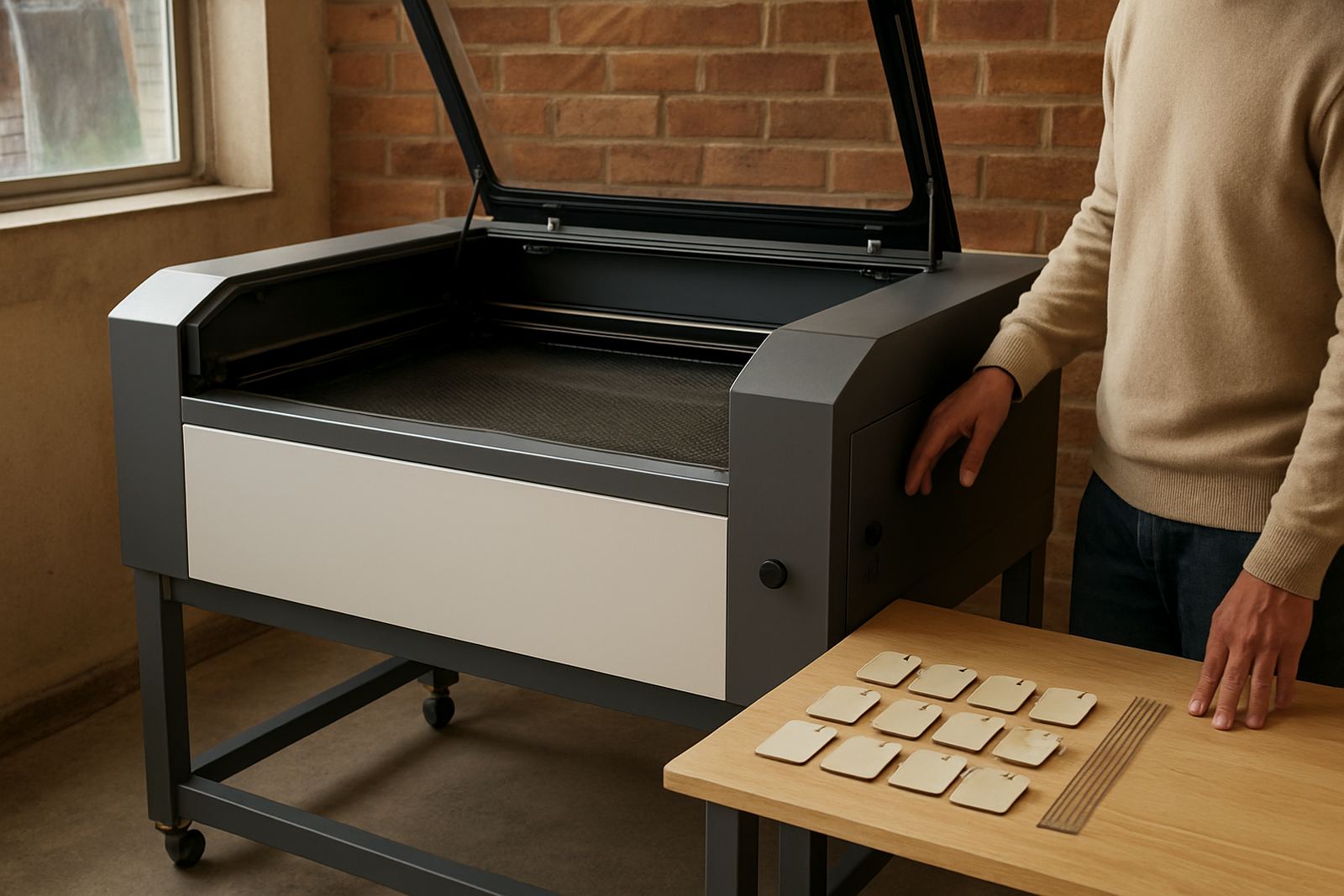
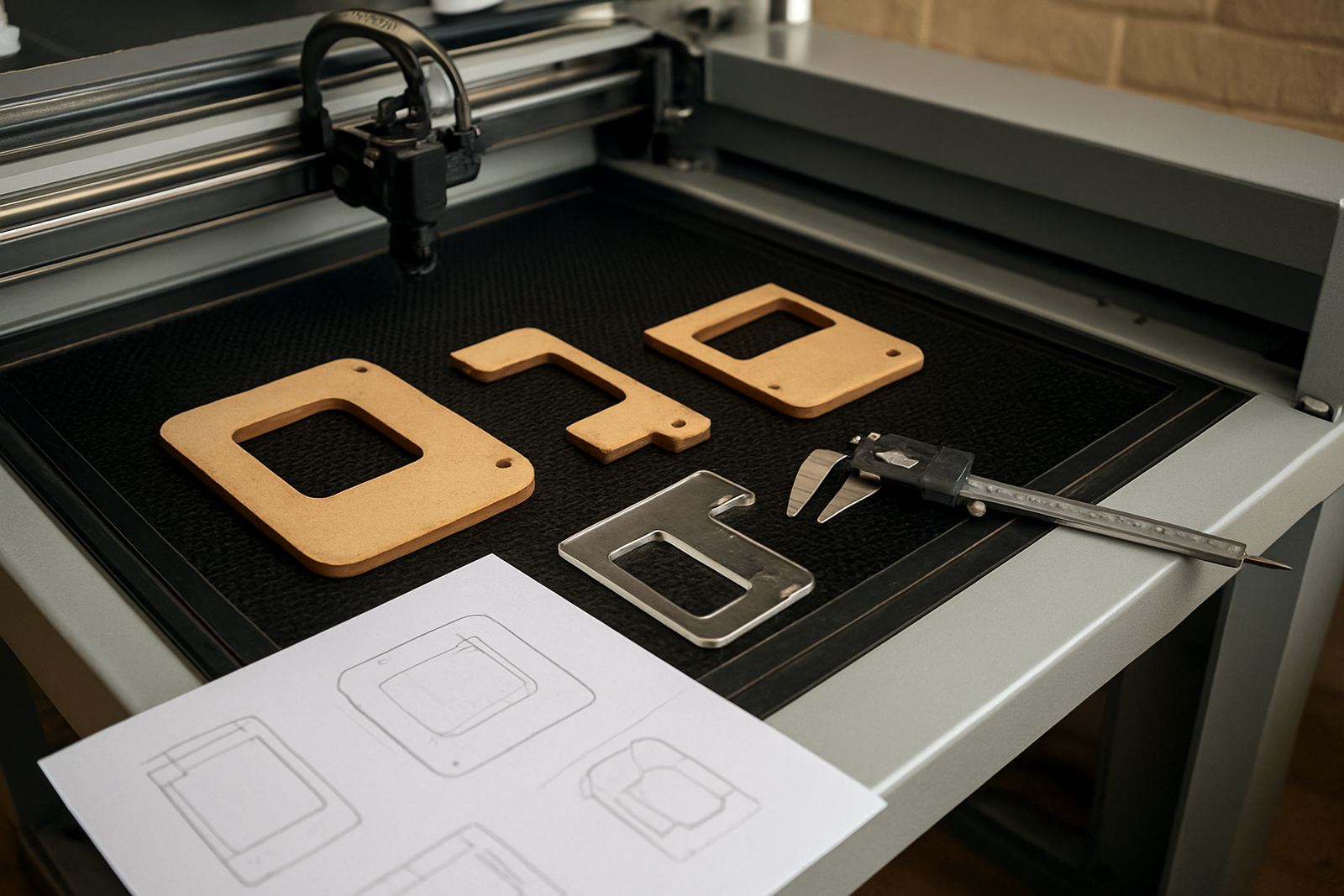
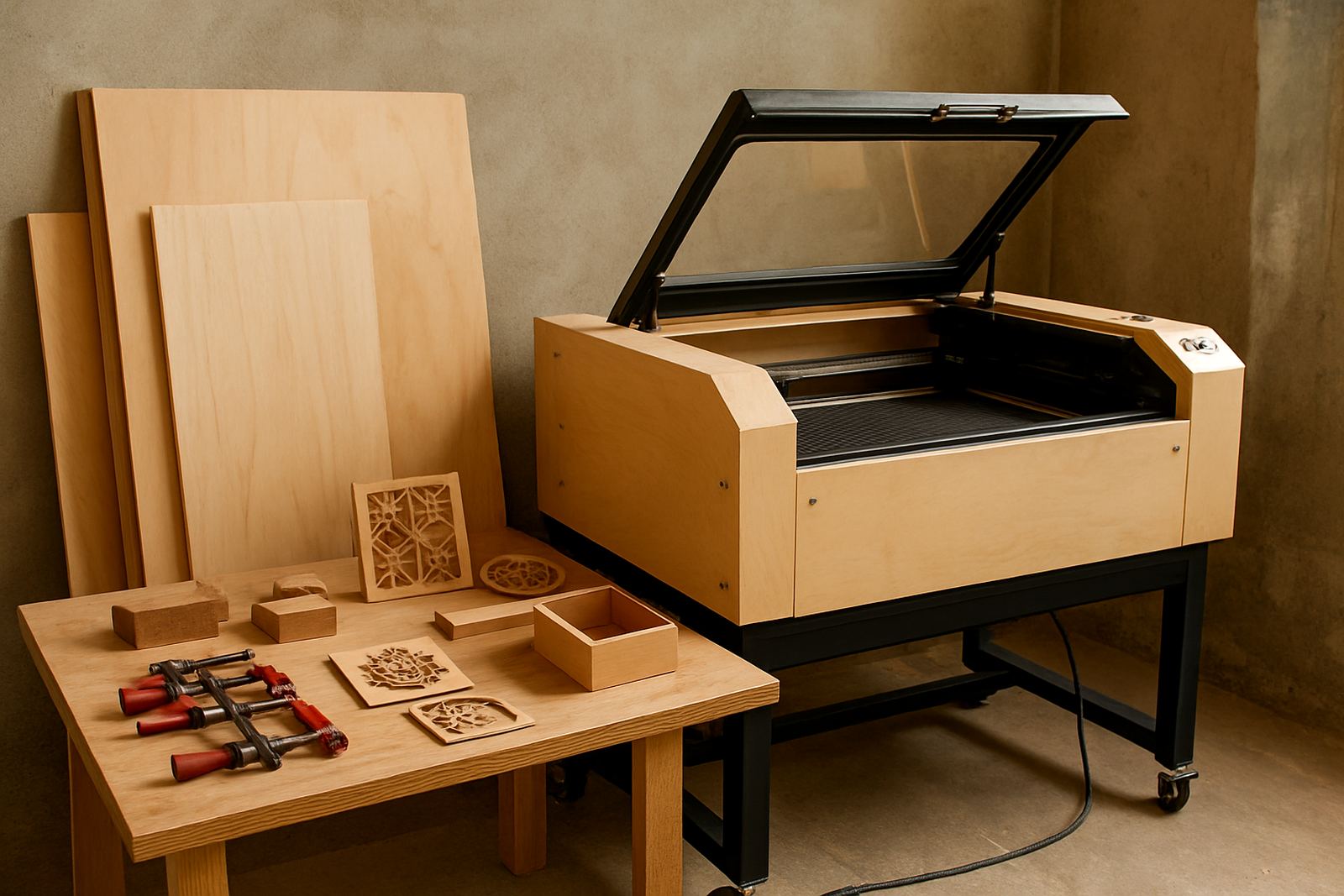
The Woodwork Studio Laser is a CO2 laser cutting solution for wood based materials, with the focus on joinery support, inlays, jigs and timber craft production. It is commonly used where a router leaves too much tear out or where thin parts need fine detail and a consistent finish. On suitable timber and board products, it gives clean edges and accurate profiles for repeat orders.
This product suits workshops that work with plywood, MDF, veneer, solid timber sections, basswood, balsa, paper backed veneers and similar non-metal materials. It is also useful for patterns, templates, architectural models, shopfitting details and custom décor. For material choices, grain direction and masking type matter, so the operator should test before full production.
- Suitable for cutting, engraving and profiling timber based materials
- Useful for small batches, prototypes and repeat workshop parts
- Helps with fine detail that is hard to finish by hand
Size options and working area choices
Units are typically specified by working area, machine footprint and the thickness of material to be processed. Common workshop sizes include compact systems for smaller studios and larger beds for sheet goods and wider layout work. The right option depends on what you cut most often, the sheet sizes you buy and the amount of floor space you can spare.
For Johannesburg and surrounding industrial areas, many buyers want a machine that fits through a standard workshop entrance and still leaves room for loading material, extraction and maintenance access. If your work includes panels or nests from full sheets, allow enough bed size to reduce offcuts and manual repositioning. If your job mix is mostly components and craft parts, a smaller unit may make more sense and lower your running cost.
- Available in compact and larger-bed configurations
- Choose bed size around your most common sheet dimensions
- Allow extra space for extraction ducting and operator movement
Where this laser fits best in a wood shop
This machine suits cabinet makers, joinery shops, signage workshops, exhibition builders, model makers and craft producers. It is especially helpful for jobs that need matching parts, decorative cut-outs and repeatable slots or tabs. For short runs it can save time on marking out, and for production work it can reduce variation between pieces.
It is also practical for businesses in places like Wynberg, Sandton, Midrand, the East Rand and Pretoria where floor space is tight and deadlines are strict. If you run a shop that shares power with compressors, extraction or other machines, planning the workflow matters. Good dust control is important too, because wood fibre and fine debris can affect cut quality and optics over time.
- Joinery support for jigs, fixtures and templates
- Inlays, sign parts, decorative panels and craft items
- Suited to workshops that need neat detail and repeatability
Installation, power and workshop support needs
Installation should be planned with level flooring, stable power and enough clearance around the machine for service access. Most woodwork laser setups need a suitable mains supply, extraction, cooling and a safe working area with fire precautions in place. Because South African workshops often deal with load-shedding, you should confirm what backup power you have for the laser, extraction and cooling system before committing to a production schedule.
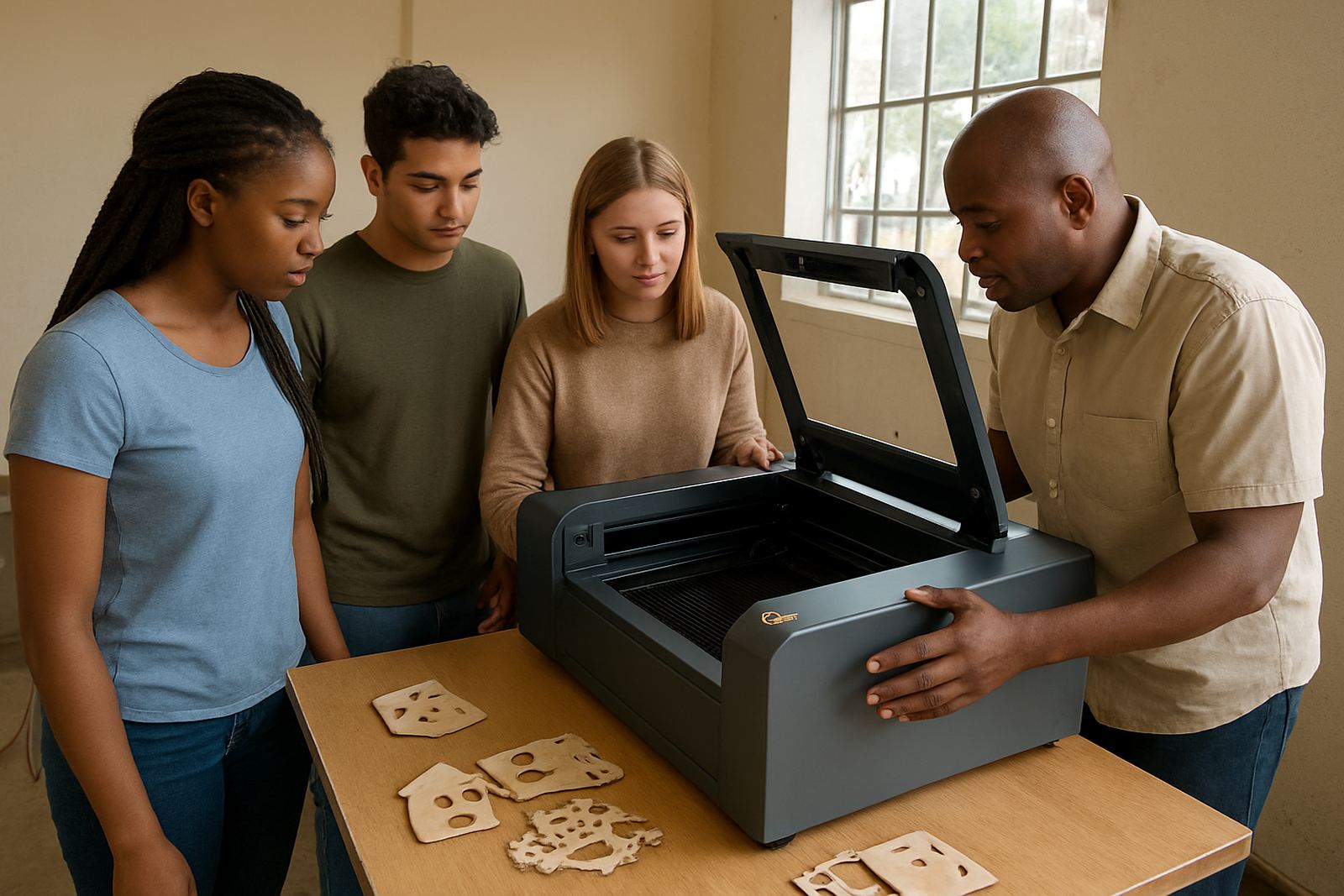
For many sites, the practical setup includes a dedicated electrical circuit, a water cooling arrangement where required, and proper fume extraction to remove smoke and fine particulates. If the machine is moving into an existing shop, check door widths, access routes and lifting needs before delivery. Our team handles machine installation, remote support, relocation help and operator training nationwide, with demo cuts and installs available from Johannesburg through to Cape Town and Durban support areas.
- Check power supply, cooling and extraction before delivery
- Allow for safe access, airflow and fire prevention measures
- Training helps operators understand speed, focus and material settings
Keeping cut quality steady in dusty timber work
Wood cutting creates dust, resin and smoke residue, so the machine needs regular care to keep optics and motion parts in good order. Lens and mirror cleaning should be done on a routine basis, and alignment must be checked whenever cut quality changes. The extraction path also needs attention, because blocked ducting or poor airflow can leave more residue inside the cabinet.
In humid coastal areas, stored timber and machine parts can also pick up moisture faster, so correct storage and regular checks are worth the effort. Preventive maintenance is usually cheaper than waiting for a breakdown, especially when the workshop depends on steady production. We provide preventive maintenance, breakdown response, spares supply, optics cleaning, beam alignment, cooling checks and annual service plans to keep the unit working as it should.
- Clean optics and check alignment on a regular schedule
- Inspect extraction, belts, rails and cooling performance
- Keep timber dry and store consumables away from damp areas
Pre-Order Checks For A 900x600 Laser
Before ordering, confirm the materials you plan to cut, the thickness range, the sheet or panel sizes, and the finish you need on the edge. It also helps to note whether the machine will be used for cutting, engraving or both, because that affects the configuration and the operator settings. If you need nested production, ask how the software workflow will handle your layout files and repeat jobs.
You should also check the extraction method, the cooling setup, the spare parts that should be kept on site and the training required for your team. If your workshop has frequent power interruptions, ask how the machine should be shut down safely and restarted after an outage. It is better to sort these details before delivery than to discover them while a job is due tomorrow.
- Material type and maximum thickness
- Required bed size and workshop footprint
- Power, extraction and cooling requirements
- Operator skill level and training needs
Key facts
| Laser type | CO2 laser cutting system |
|---|---|
| Best materials | Acrylic, wood, MDF, veneer, plywood, leather and similar non-metals |
| Typical use | Joinery support, inlays, jigs, craft production and decorative parts |
| Working sizes | Compact and larger-bed options depending on production needs |
| Installation needs | Stable power, extraction, cooling and level floor space |
| Support | Machine installation, operator training, maintenance and remote support nationwide |