What the Prototype Laser is used for
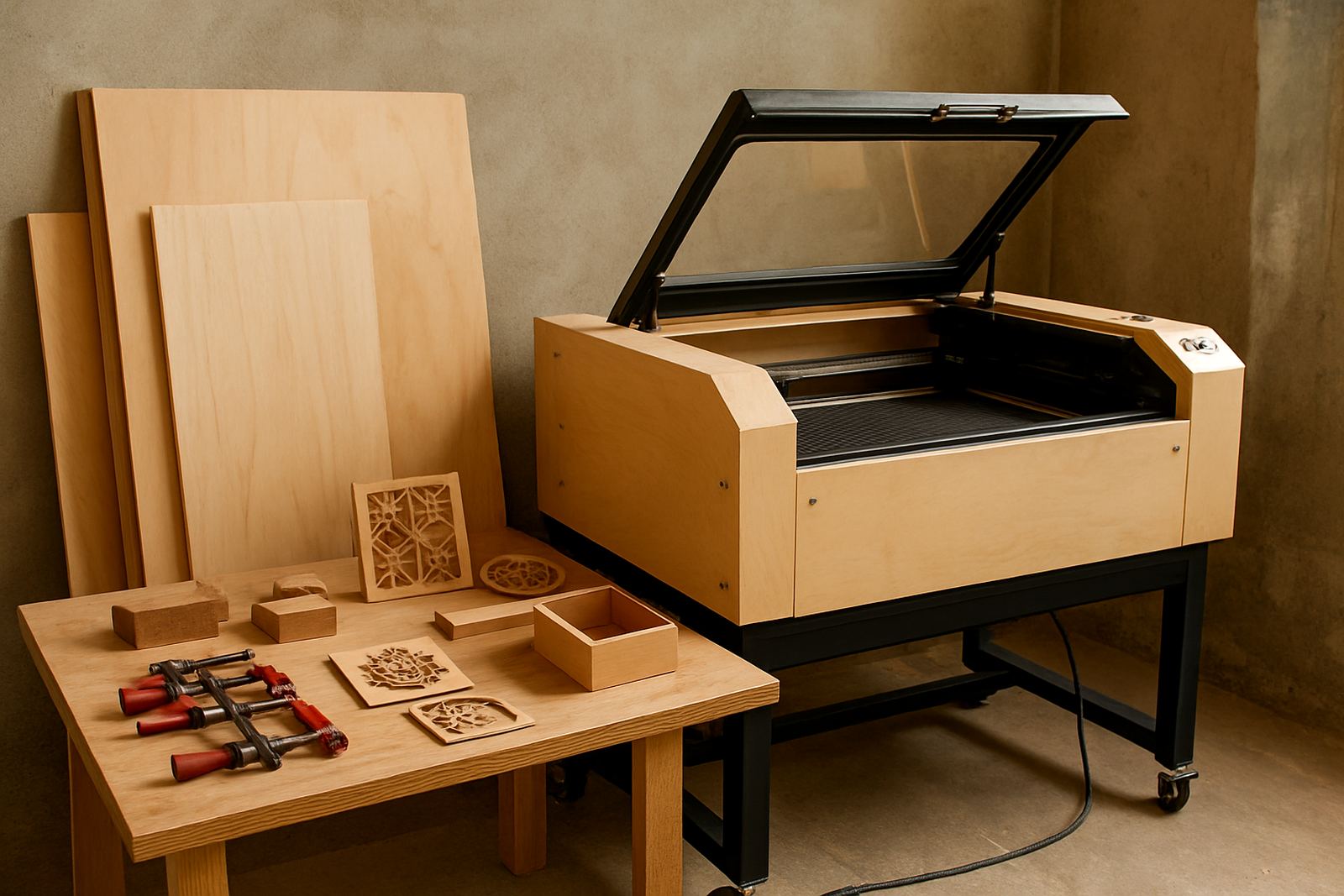
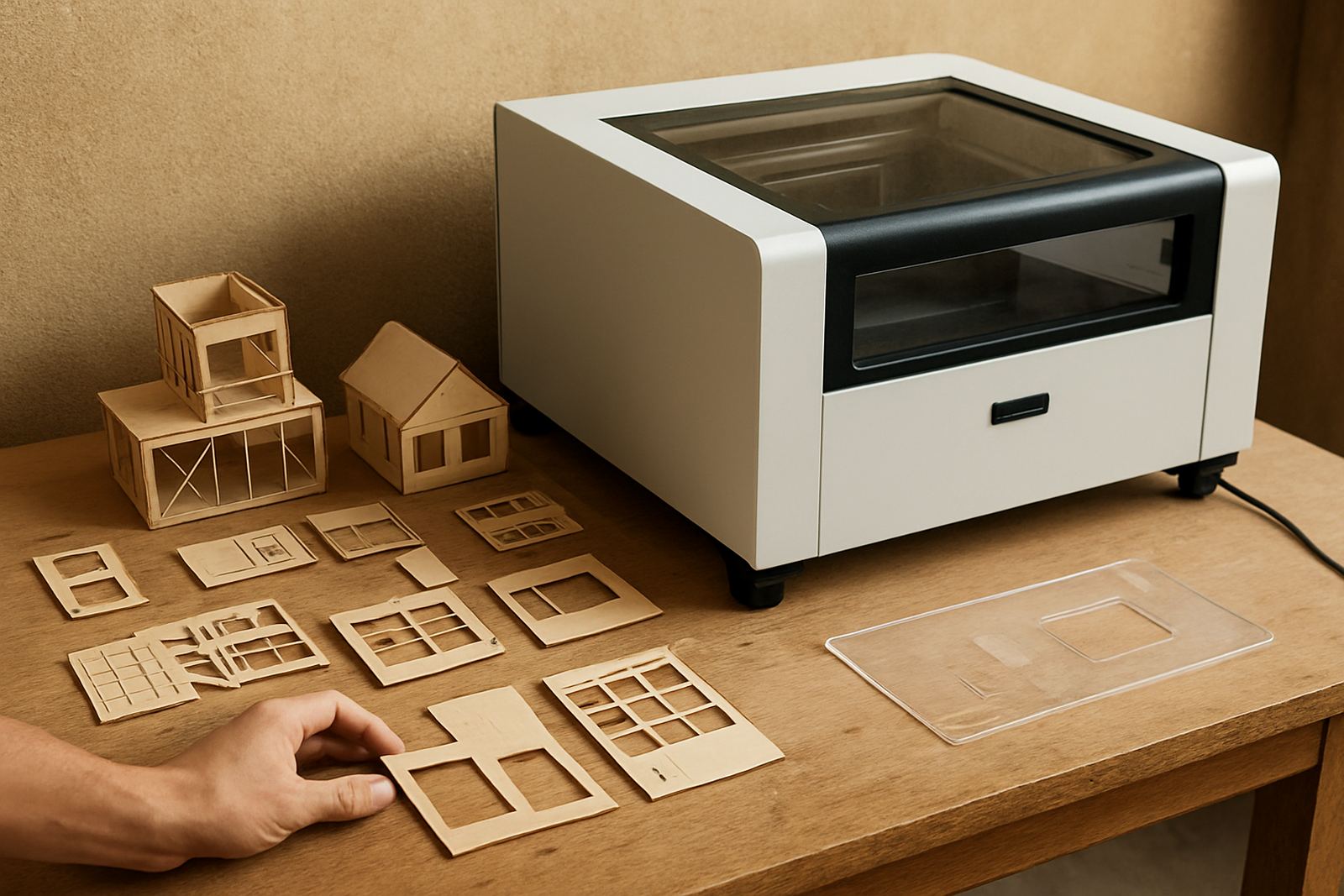
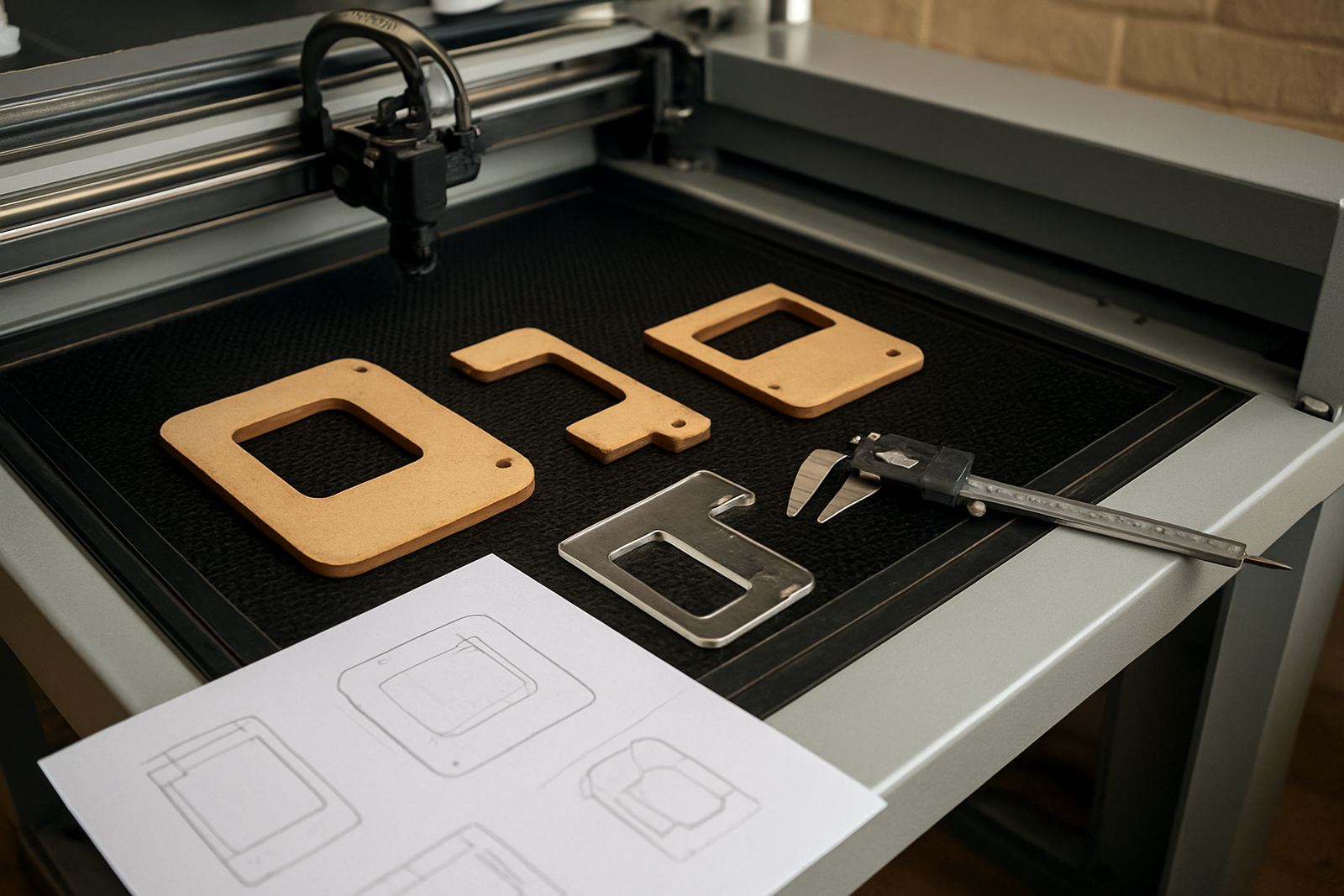
The Prototype Laser is a CO2 laser cutting machine aimed at product development, sample making and short production runs. It helps when you need to test fit, compare versions, check edge quality or make presentation samples before committing to full production.
It is commonly used by sign shops, model makers, packaging teams, artisans and industrial suppliers who need accurate parts without long setup times. For acrylic, wood and leather it gives a neat cut edge and consistent detail, which makes it useful for brackets, inserts, letters, templates and decorative components.
- Fast sample cuts for new product lines
- Repeatable parts for fit checks and assembly tests
- Small batch work for custom orders
- Design changes without expensive tooling
Sizes and configuration options
We supply the Prototype Laser in practical working sizes to suit bench work and production spaces. The right bed size depends on the sheet sizes you use, the detail level in your artwork and how much material you want to load per cycle.
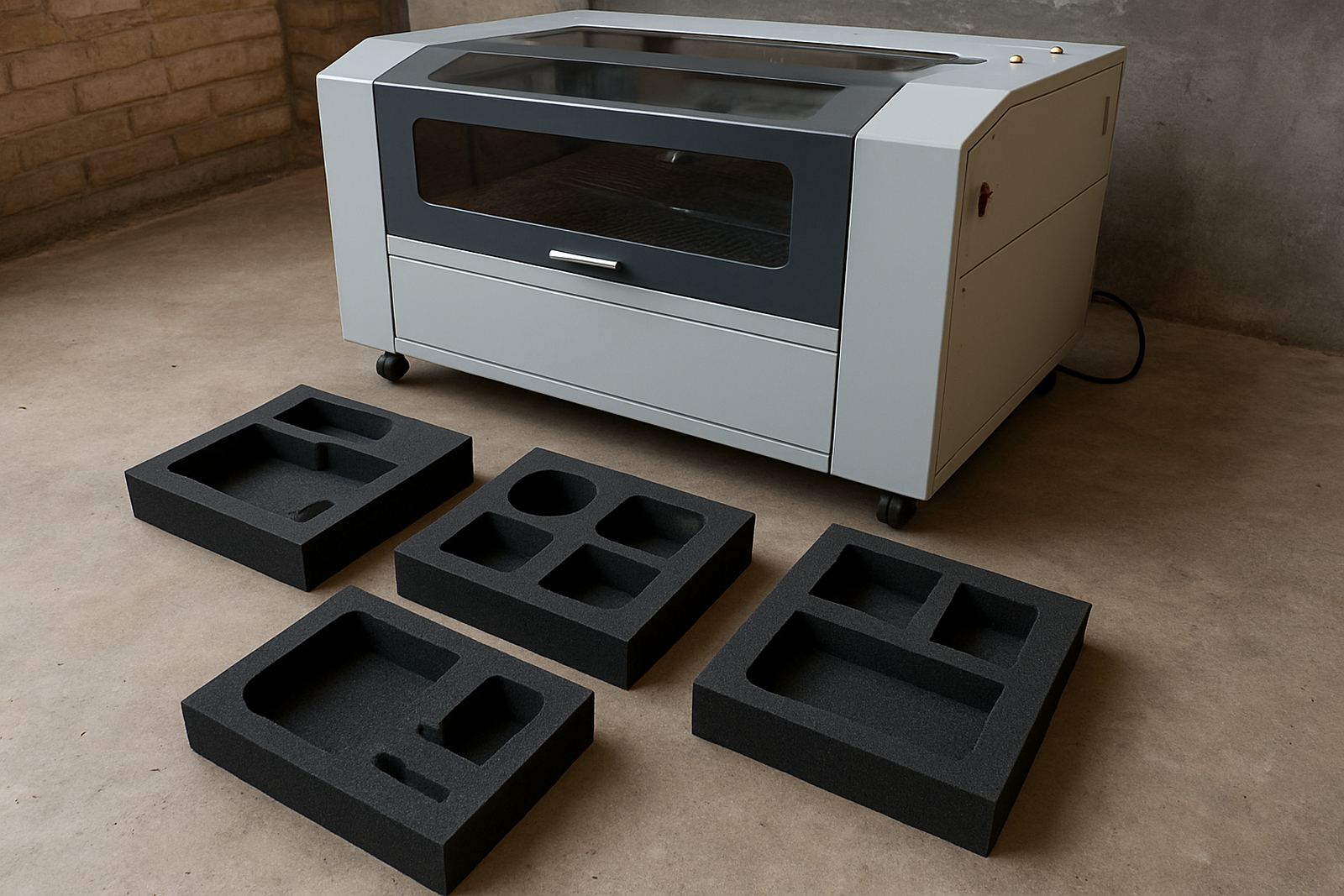
Popular options include compact units for tighter workshops and larger beds for fuller sheet use. You can also choose a higher power tube when you need quicker throughput on thicker materials. If your work includes frequent acrylic cutting, the extra power can save time, although finer detail work may still favour slower feed settings.
- Compact bed sizes for sample rooms and smaller studios
- Mid-size beds for general production and training use
- Larger beds for wider sheets and higher batch output
- Power options matched to material thickness and cut speed
Where it suits in South African workshops
This machine suits businesses in Johannesburg, Pretoria, Midrand, the East Rand and the West Rand where short lead times matter. It also works well for Durban and Cape Town operators who need a reliable cutter that can be installed with proper extraction and stable power.
Because many workshops deal with load-shedding and variable site conditions, planning matters. A clean power supply, good ventilation and a dry, dust controlled space will help keep the machine performing properly. In coastal areas, humidity can affect storage and optics care, so parts should be kept clean and covered when not in use.
- Product development rooms and sample stations
- Signage and display workshops
- Education and training centres
- Small manufacturing and maker spaces
Installation, power and workshop setup
Installation is handled with attention to site layout, extraction routing and operator access. The machine needs a level floor, enough clearance for loading sheets and space for service access around the body. For stable operation, your workshop should also have a suitable power point, a proper extraction route and enough room for cooling and material handling.
Power requirements depend on the model and tube size, but the machine should be connected on a circuit that can support continuous use without nuisance tripping. Water cooling is required on most CO2 systems, and the cooling setup should be checked before first use. If your site uses a generator or backup supply during outages, it must be sized correctly for the machine and ancillaries or the tube can be affected.
- Level floor and clear access for sheet loading
- Stable electrical supply with proper protection
- Extraction fitted to remove fumes and fine dust
- Cooling system checked before commissioning
Care, servicing and day to day checks
To keep the Prototype Laser cutting accurately, the optics, rails and bed should be checked on a regular basis. Dust and smoke residue build up quickly when you cut wood or acrylic, so cleaning schedules matter. Most workshop issues start with simple neglect, like blocked airflow, dirty lenses or poor cooling water quality, so routine care is not optional.
Our support team assists with preventive maintenance, optics cleaning, beam alignment, extraction service, cooling checks and breakdown response. Operators can also be trained to recognise early warning signs, such as uneven cutting, burnt edges or a drop in cutting speed. Catching these early helps avoid costly downtime and scrap.
- Daily lens and bed inspection
- Regular water level and temperature checks
- Air assist and extraction cleaning
- Scheduled alignment and service visits
What to check before you order
Before ordering, confirm the sheet sizes you use, the materials you cut most often and the level of detail you need. A machine chosen for thin acrylic letters may not suit thicker timber parts or heavy batch work. It helps to know your average job size, where the machine will sit and whether you need installation help in Johannesburg or at another site nationwide.
You should also confirm whether you need spares supply, relocation help, operator training or an annual service plan from the start. If the machine is for a busy production room, ask about demo cuts so you can see edge finish and cutting speed on your own material. That way you know exactly what to expect before the first run, and there is less room for surprises.
- Material type and thickness
- Working bed size and sheet format
- Power availability and cooling setup
- Training, support and service requirements
Key facts
| Machine type | CO2 laser cutting system for prototype and short-run work |
|---|---|
| Typical materials | Acrylic, wood, leather and similar non-metal materials |
| Use case | Fit checks, sample making, design iteration and custom parts |
| Service support | Installation, training, maintenance and breakdown response nationwide |
| Workshop needs | Stable power, extraction, cooling and a level installation area |
| Support base | Wynberg, Johannesburg with demo cuts and site support across South Africa |