
When the machine stops, the clock keeps running
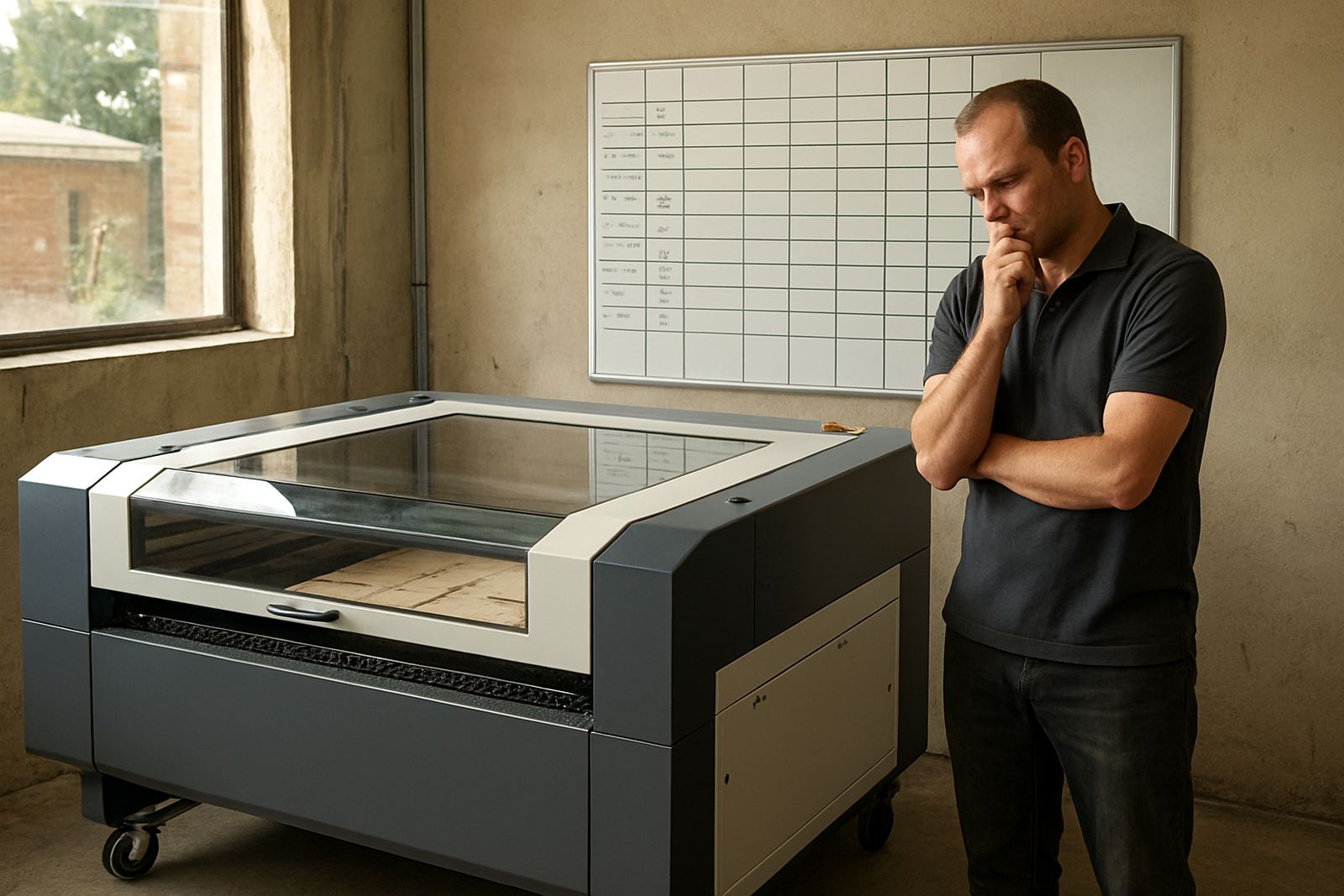
In a busy workshop, downtime is never just a machine issue. The operator is still on the clock, the job still needs to go out, and the customer is still expecting the same collection time that was promised yesterday. If you run acrylic signage, wood parts or leather panels, even a 30 minute stoppage can throw off the rest of the shift.
That cost is not always obvious at first. You may only see a single job delayed, but the real effect is bigger: another order gets pushed back, the cutting queue changes and someone has to explain the delay to a client. In Johannesburg, where many customers work on tight lead times, that conversation can be the difference between a repeat order and a lost one.
For smaller teams, downtime can also mean one person standing by while the rest of the crew waits on the next step. If the machine is down during peak hours, you are paying for labour with no output, and that hits cash flow quicker than most people expect.
The hidden cost is often bigger than the repair bill
A breakdown response invoice is only part of the picture. A lost afternoon may include wasted material, urgent courier fees, overtime to catch up and extra handling to recover a missed order. If a job needs to be redone because the cut was not completed cleanly, you can also lose stock that was already prepared.
There is also the cost of reputation. Customers remember missed dates more clearly than perfect work. One late delivery in Sandton or Pretoria can affect the next quotation, because buyers talk and procurement teams keep notes. Over time, repeated stoppages can reduce trust even when the cutting quality is excellent.
- Idle labour while the machine is offline
- Material waste from interrupted or restarted jobs
- Rush transport to meet a revised deadline
- Overtime to recover lost production time
- Client confidence that becomes harder to win back
What usually triggers stoppages in South African workshops
Many downtime incidents are preventable. On CO2 laser equipment, we often see performance drift because the machine has not had regular optics cleaning, beam alignment checks or cooling system attention. Dust, adhesive residue and heat build-up can all affect cut quality before a full stoppage happens.
Power issues are another common cause, especially where load-shedding, voltage dips or poor site wiring are part of daily life. If the cooling system is not stable, or if extraction is blocked, the machine can start behaving unpredictably. Coastal humidity can also affect stored materials and some internal components, so the same setup that works well in Johannesburg may need more care in Durban.
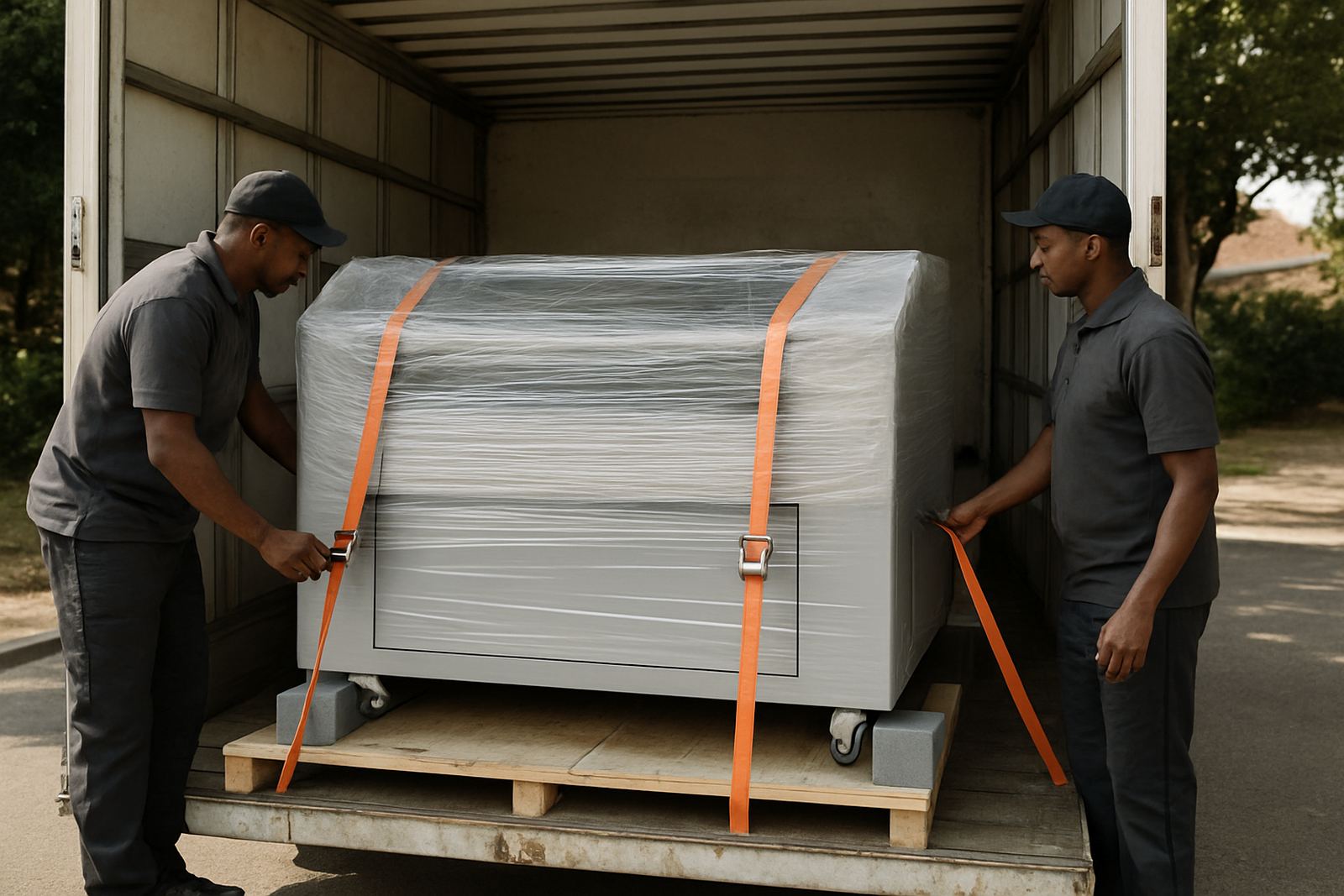
Relocation is another risk point. A machine moved without proper setup can arrive looking fine but still need beam alignment, level checks and a full test before production starts. That is why installation support matters as much as the machine itself.
A simple maintenance routine saves more than it costs
The best way to control downtime is to treat maintenance as part of production, not as an optional extra. A workshop that checks cooling, mirrors, lenses, extraction and motion components on a set schedule will usually spend less on emergency callouts. It also gets more predictable output, which makes quoting easier.
Operators should know the first warning signs too. A small change in edge quality, slower cutting on the same material or unusual noise can point to a problem that is still manageable. Catching it early may only need a service visit, not a full stoppage.
- Daily visual checks before starting production
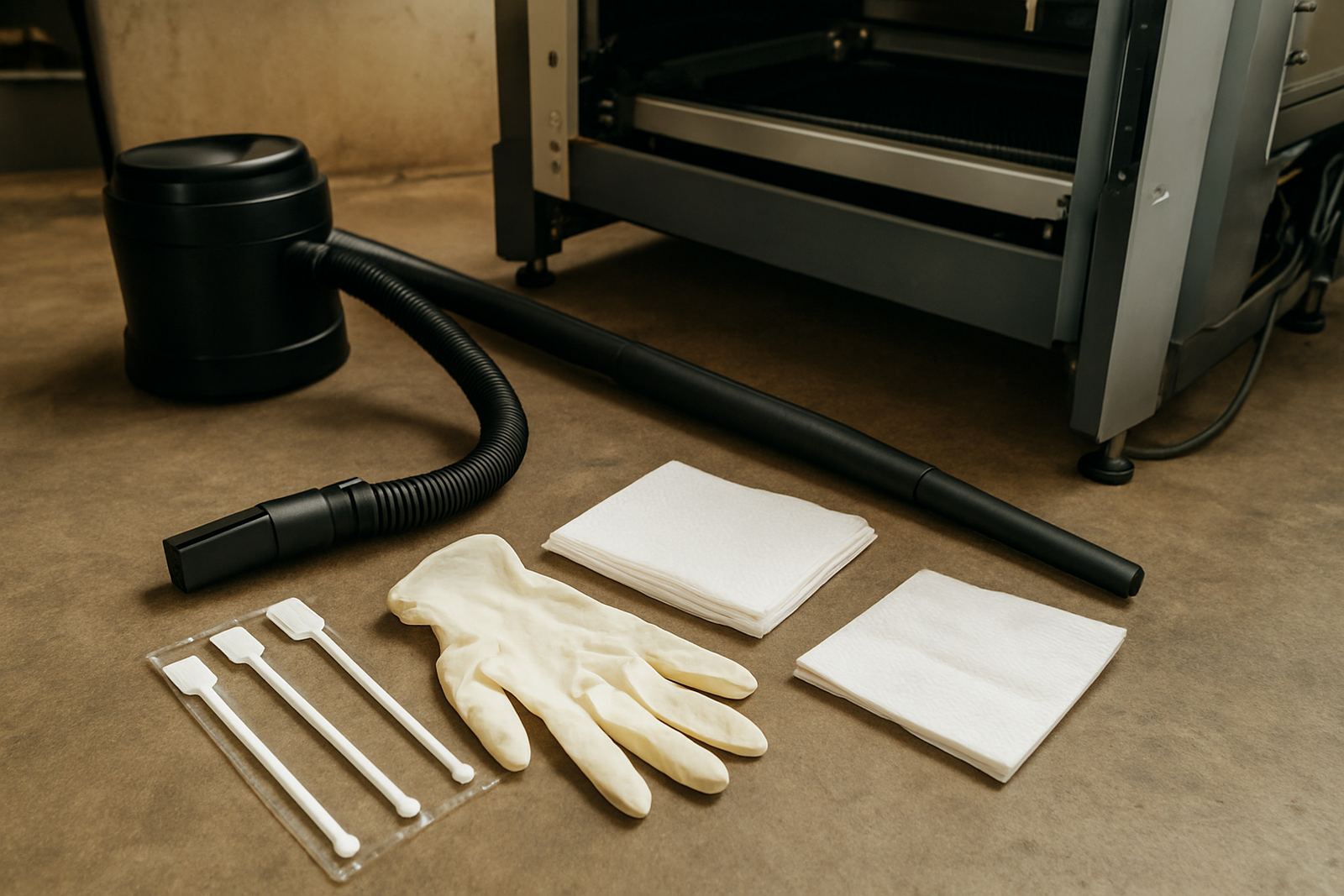
- Weekly cleaning of optics and work area surfaces
- Regular cooling checks and water quality control
- Extraction service to keep fumes and debris moving out properly
- Scheduled beam alignment and preventive maintenance
When these tasks are part of the routine, the machine is less likely to surprise you at the worst possible time. It also helps your team work with confidence instead of guessing why the cut has changed.
Local example: a two hour delay in Wynberg can affect three towns
Take a small workshop in Wynberg supplying laser-cut lettering to clients in Sandton, Midrand and the East Rand. If the cutter stops after lunch because of a cooling fault, the operator may lose the rest of the afternoon just trying to get it stable. That one delay can push the Sandton order to the next day, force a late pickup in Midrand and leave the East Rand customer waiting for an update.
Now add labour and transport. The team may stay on site longer to finish the job, or return after hours to recover the queue. If the material was already prepared, there is also the risk of damage from handling and repeated setup. What looked like a small fault becomes a chain of extra costs.
This is why many businesses ask for remote support first, then plan a site visit only if needed. A quick diagnosis can save travel time and get the workshop back into production sooner, which matters when the month end work is already packed.
How to reduce downtime before it starts eating into margin
You do not need to wait for a major failure to improve uptime. A practical support plan can keep the machine healthy and make the next issue easier to handle. The aim is not perfection, it is fewer surprises and faster recovery when something does go wrong.
For many South African businesses, the best approach includes installation done properly from the start, operator training for the actual jobs being run, and an annual service plan that keeps checks on a calendar rather than in someone’s memory. If a problem does appear, a clear process for breakdown response and spares supply reduces the time spent looking for parts or deciding what to do next.
- Train at least two people to cover the same machine
- Keep a basic service log with dates and fault notes
- Store consumables and commonly used spares on site
- Plan maintenance outside peak production hours where possible
- Check extraction and cooling before every heavy production run
That kind of discipline does not remove every risk, but it makes the business far more resilient. And when a customer is waiting on a deadline, resilience is worth real money.