
What the Benoni team needed from the workshop
The client was a small trade workshop in Benoni that made stencils, marking guides and repeat parts for contractors, sign makers and fitters. Their old process depended on manual marking and knife cutting, which meant each set came out slightly different, especially on jobs with tight corners or repeated cut lines.
The brief was straightforward. They wanted a reliable way to cut acrylic, thin wood and leather template stock with better accuracy, while keeping the setup practical for day to day production. They also needed something that could cope with local working conditions in Gauteng, including dust, occasional power interruptions and the need to keep the machine protected during wet summer months.
Key requirements were:
- Repeatable stencil accuracy for batch work
- Clean edges on acrylic and wood up to 6 mm thick
- Simple operator workflow for a small team
- Enough bed size for common template sheets
- Support for installation, training and aftercare
How we planned the machine and workflow
We started by mapping the workshop’s usual output and the materials they handled most often. The team worked from paper patterns, card layouts and sheet offcuts, so the machine had to be easy to load and quick to set up between jobs. We recommended a CO2 laser cutting system suited to non-metal materials, with a working area large enough for standard template sheets and enough detail control for small cut-outs and text.
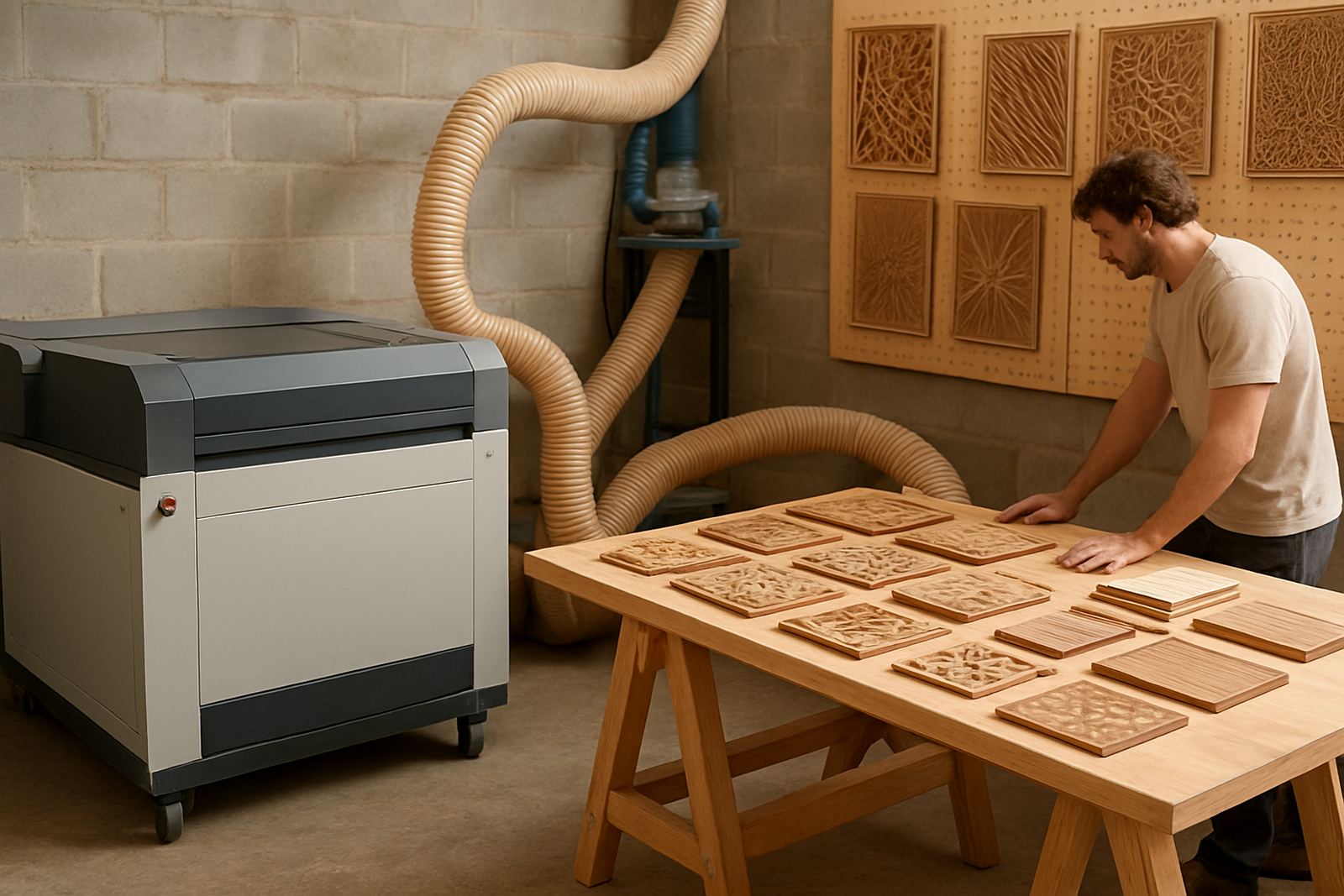
The setup was planned around practical production, not showroom conditions. We looked at extraction, cooling and placement in the workshop, then planned the install so the machine could sit on a level surface with clear access for cleaning and daily checks. Because load-shedding was part of the picture, we also discussed safe shutdown steps and how to protect optics and electronics during sudden power loss.
- Material focus: acrylic, plywood, MDF, card and leather
- Typical sheet handling: common workshop formats with repeat nesting
- Cut quality target: neat edges with minimal sanding or trimming
- Training goal: one operator able to run jobs and another able to back up production
Installation in Benoni and operator training
The install and handover took place over two weeks. Week one covered delivery, positioning, cooling checks, extraction routing and beam alignment. Week two focused on production trials, cutting tests and operator training. The workshop had limited floor space, so we worked carefully around their existing benches and storage, making sure the machine could be serviced without moving half the room. It was a practical layout, not fancy, but it worked well.
Training covered file setup, speed and power settings, focusing, nesting, material handling and daily cleaning routines. We also showed the team how to spot early signs of lens contamination, air assist problems and cooling issues before they affected output. One of the operators said the biggest change was not just speed, but consistency, because every next batch matched the first one far better than before.
- Install time: 2 weeks from delivery to signed off training
- Training format: hands-on, on-site sessions with live cutting tests
- Support provided: remote help for the first production runs
- Maintenance cover: optics cleaning, beam alignment and cooling checks
Production results after the first run
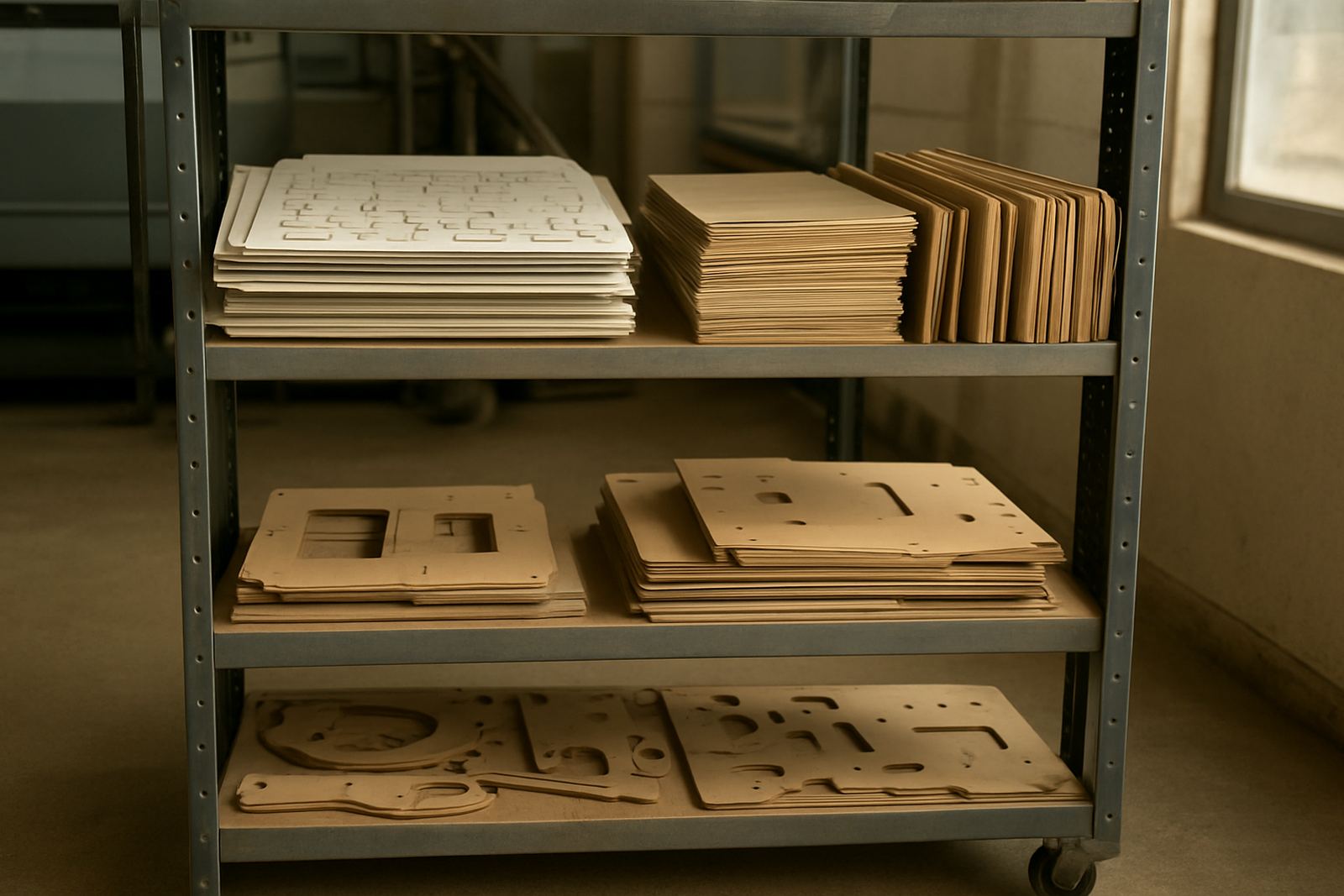
Once the workshop moved into regular use, the team saw faster turnaround on stencil orders and fewer rejects from misaligned cuts. Clean edges meant less filing and less time spent correcting small errors. For repeat jobs, the operator could save the layout and cut the same pattern again with the same measurements, which made a big difference on recurring trade work.
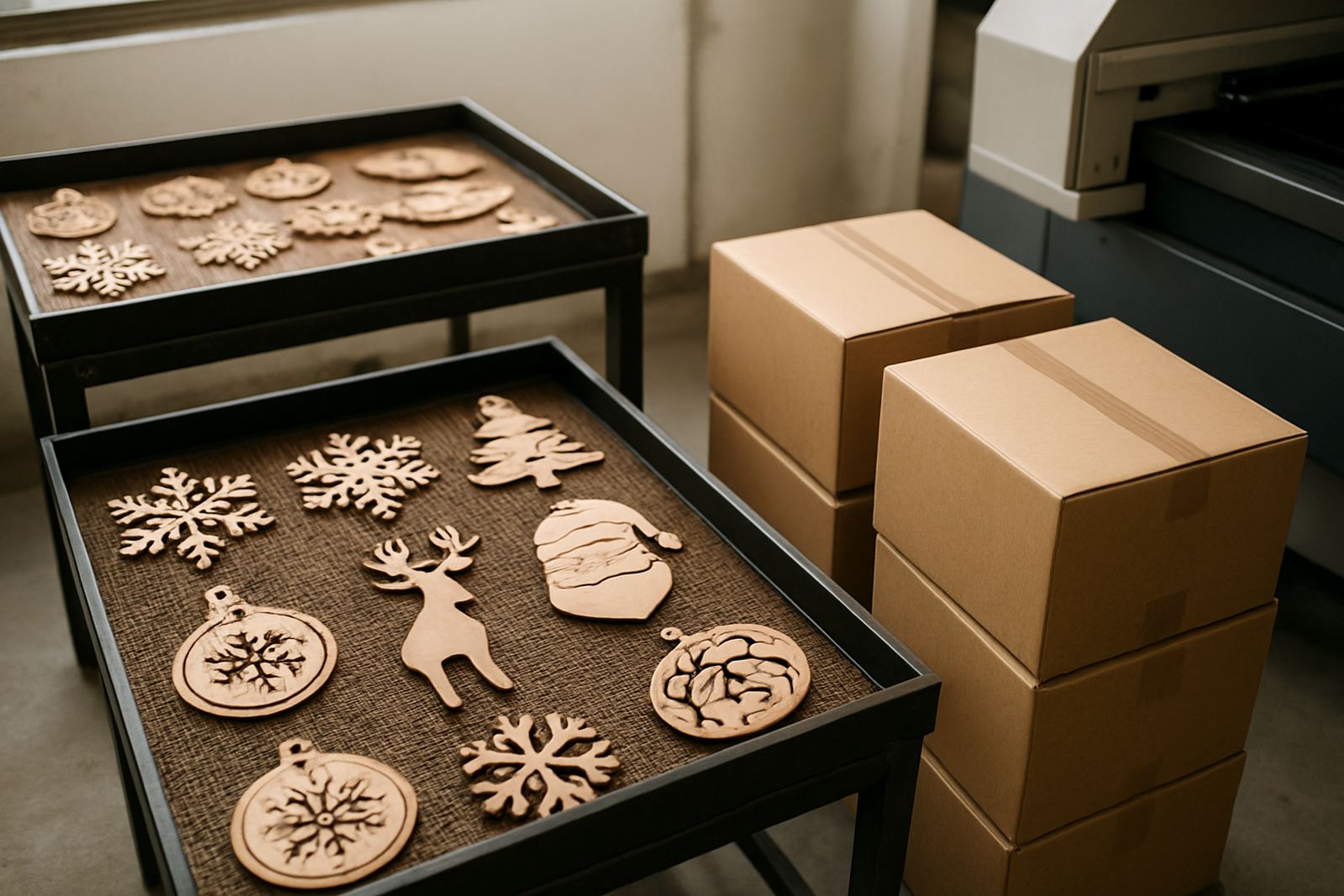
They also found the machine useful for short run custom pieces. Instead of turning away low-volume jobs, they could produce them in house and keep the margin. For a Benoni workshop serving nearby contractors and businesses, that extra flexibility mattered. It meant they could take on more varied work without needing outside cutting help for every small batch.
In practical terms, the workshop reduced hand finishing time and got better repeatability on stencil sets. The team also reported fewer delays from redoing parts, which helped them keep delivery promises when a job had to leave the same day.
What we kept an eye on for local conditions
Benoni workshops deal with dust, temperature swings and the occasional humidity spike in summer. We therefore paid close attention to extraction and routine cleaning. Acrylic fumes and fine residue can build up quickly if extraction is weak, so we checked airflow, ducting runs and filter condition before sign-off. The cooling system was also tested for steady operation during longer cutting runs, especially on warmer afternoons.
For power stability, we discussed how to pause work safely, park the head and restart without damaging the job sheet. The team also received guidance on keeping lenses and mirrors clean after busy production days, because contamination is one of the fastest ways to lose cut quality. A small issue becomes a bigger one if it is left too long, and that applies to dust as much as it does to alignment.
- Daily checks: lens, mirrors, bed, cooling level and extraction flow
- Weekly checks: alignment confirmation and optics inspection
- Workshop care: keep sheet stock dry and flat
- Power care: safe shutdown steps during interruptions
What we would repeat on the next template project
If we were doing the same type of workshop again, we would keep the same approach: start with the materials, then size the machine to the real jobs, then train the people who will use it every day. That sequence gives a better result than chasing spec sheets alone. The machine must suit the work, not the other way round.
We would also repeat the short, hands-on training model. For a small workshop, long theory sessions are less useful than learning on actual jobs with actual stock. Once the operators see how settings change on acrylic, wood and leather, they pick it up quickly and start trusting the process. That trust is what gives repeatability.
For a job like this, the main win is simple: cleaner stencils, quicker turnaround and a workflow that can be repeated by more than one person. That is the difference between a machine sitting idle and one that pays its way week after week.
Key facts
| Project type | Template-making workshop for stencil and repeat part production |
|---|---|
| Town | Benoni, Gauteng |
| Machine type | CO2 laser cutting system for non-metal materials |
| Typical materials | Acrylic, wood, leather, card and thin sheet stock |
| Install and training timeline | 2 weeks |
| Support included | Installation, operator training, beam alignment, extraction checks and remote support |