
What the Pretoria team needed before the season peak
The client, a personalised gift producer in Pretoria, was getting a sharp rise in orders for festive ornaments, corporate giveaways and event gifts. Their work included acrylic name pieces, thin plywood shapes and leather tags, all of which had to be cut cleanly and stacked by design without mix ups. The brief was simple enough on paper: get batch-ready production in place before the busy season, keep material waste down and make sure the team could run the machine safely during long production days.
The main pressure points were nesting, repeatability and speed. Every order had several variants, and the team could not afford uneven cuts or time lost tracing layouts by hand. They also wanted a setup that could handle regular load-shedding planning, because if the machine stopped mid run, the whole cutting sequence was affected. So we looked at their order sizes, sheet sizes and finishing steps, then mapped a process that would suit short runs and bulk batches alike.
- Town: Pretoria
- Client type: personalised gift producer
- Main materials: acrylic, wood, leather
- Typical products: ornaments, tags, corporate gifts
Batch-ready nesting for seasonal ornaments
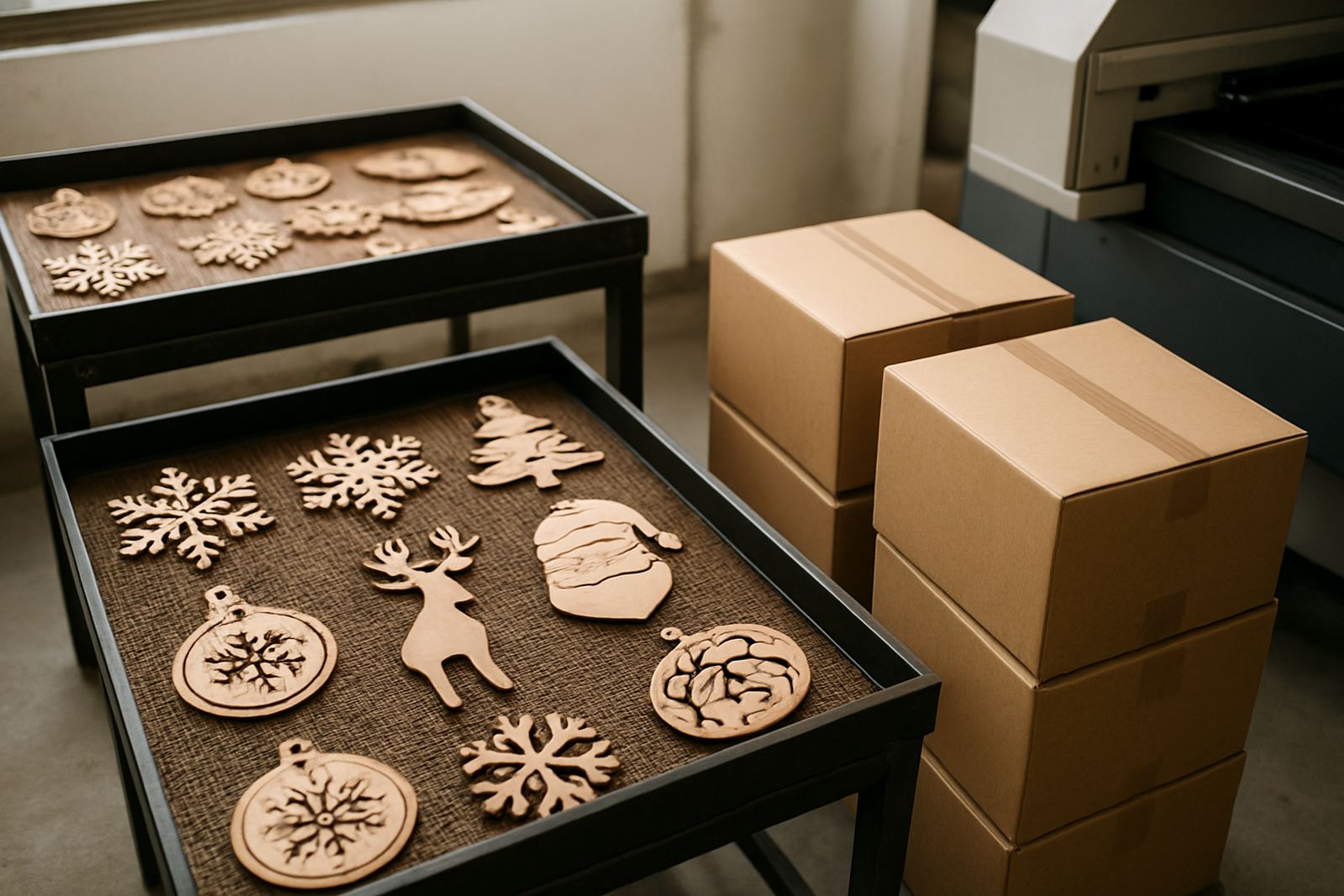
The biggest gain came from changing the layout method. Instead of setting up each job one piece at a time, we built batch-ready nesting for common seasonal shapes. That meant the operator could load a full sheet and cut multiple designs in one pass, with spacing set for clean separation and quicker sorting. The nesting was arranged to reduce offcuts and keep small parts stable during cutting, which mattered on thin acrylic and light timber sheet.
We also adjusted the job flow for the kinds of items they sell most. Ornament circles, stars, gift tags and logo inserts were grouped into repeatable templates. This gave them a much more predictable cut cycle and helped the production team quote jobs with more confidence. The team said the new layout method cut out a lot of guesswork, and the workshop felt more organised almost immediately.
- Sheet sizes planned around common stock sheets for less waste
- Repeatable templates set for seasonal and corporate designs
- Cut paths arranged to protect small parts from movement
- Sorting order matched to packing and finishing steps
Machine setup for clean edges and finer detail
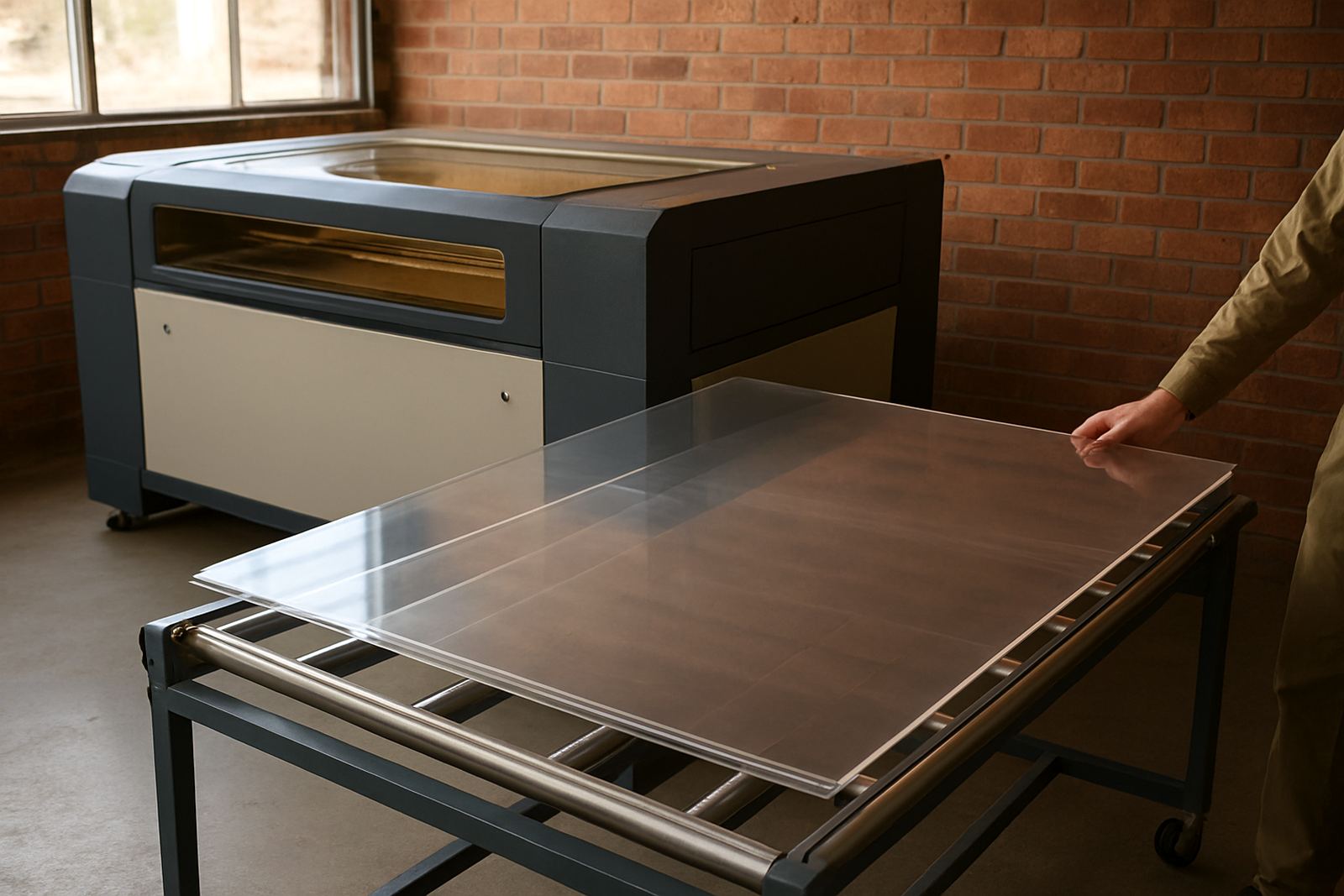
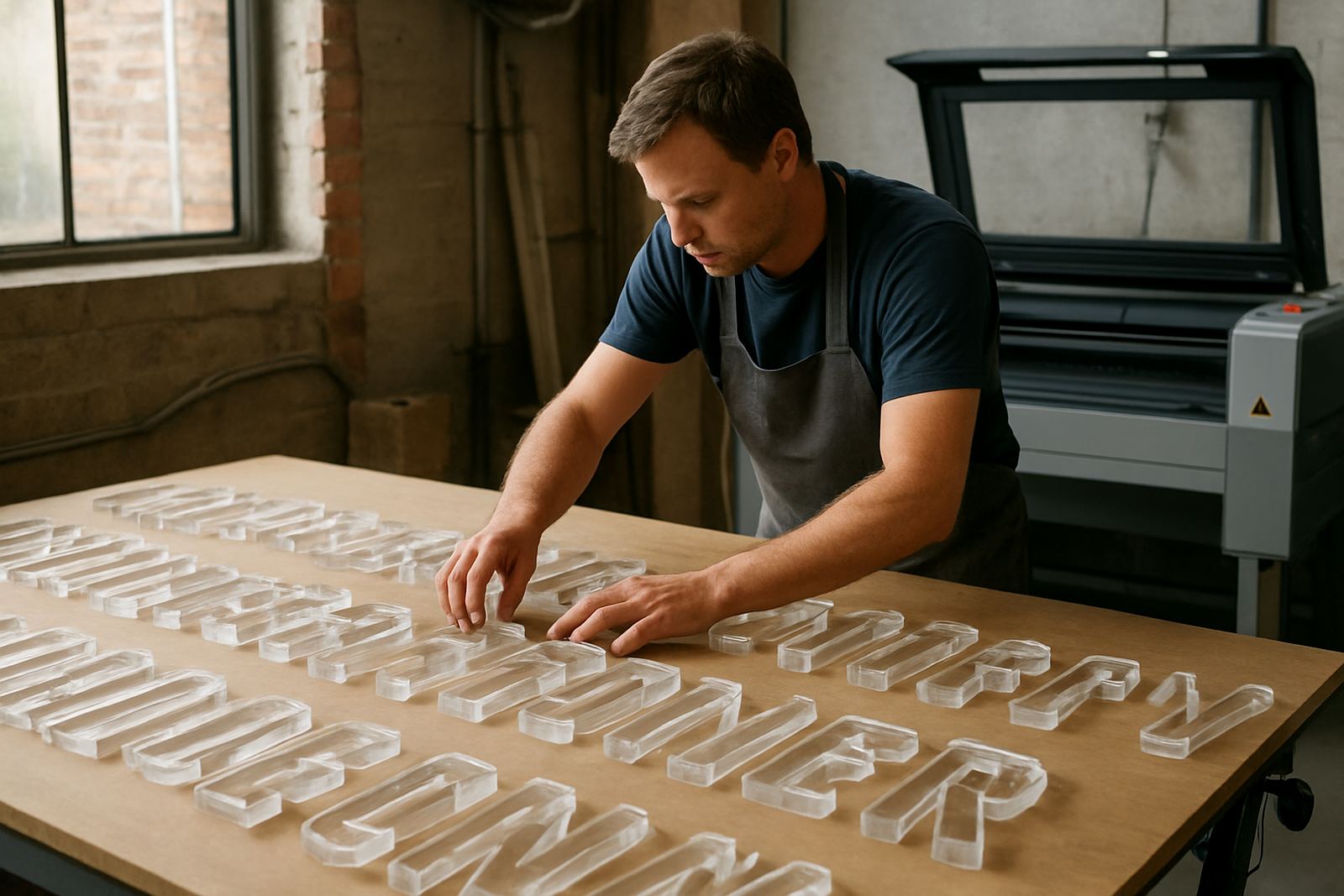
We supplied a CO2 laser cutting solution suited to acrylic, wood and leather work, with settings matched to the material thicknesses they use most often. The focus was on clean edges, controlled speed and consistent results over long cutting sessions. For the Pretoria workshop, this mattered because some jobs needed polished-looking acrylic edges while others needed sharp wood profiles with no charring along the cut line.
The setup included practical support for day to day use: beam alignment checks, optics cleaning guidance, cooling checks and extraction support. Those points matter in any workshop, but especially where small particles and smoke can build up during back-to-back production. We also made sure the machine routine was realistic for the team, not overcomplicated. If the process is too fussy it gets skipped, and then the output starts drifting.
- Material focus: acrylic, wood, leather
- Edge quality: clean cut edges with reduced rework
- Support items: cooling checks, optics cleaning, extraction service
- Use case: custom orders and repeat batch work
Training the operators to keep production moving
Installing the laser was only one part of the handover. We also ran operator training so the team could handle daily setup, basic troubleshooting and safe production without waiting on outside help for every small issue. Training covered starting and ending checks, job loading, simple alignment awareness and how to spot signs of poor focus or cooling trouble before a cut goes wrong. Refilwe Mokoena handled the training coordination and kept the sessions practical, with time set aside for the team to try the same process more than once.
Because the workshop had more than one person rotating through the machine, we set up a simple handover routine as well. That meant the next operator could see what had been loaded, what settings were used and which material batch was in progress. It sounds basic, but in a busy gift production room it saves time and avoids mistakes. A few small notes in the wrong place can send the whole run sideways, so we kept it plain and direct.
- Training included setup, shutdown and safe handling
- Handover routine introduced for shared machine use
- Early fault spotting covered for focus, cooling and extraction
- Operator confidence improved within the first few sessions
Timeline, installation and the practical bits in between
The project ran over four weeks from planning to sign-off. Week one was site review and material assessment. Week two covered machine installation and alignment. Week three was operator training and test cutting. Week four was follow-up support, final adjustments and batch trial runs on actual ornament orders. That schedule worked well because it gave the team enough time to learn the process while still staying ahead of seasonal demand.
Installation support was handled from our Johannesburg base with service coverage available for Pretoria, and where needed we can assist nationwide with demo cuts, installs and training. The client also wanted a clear support plan for the months after the setup, so we discussed preventive maintenance, remote support and breakdown response options. In practical terms, that meant less downtime risk when the order book filled up and the workshop was already under pressure.
- Week 1: site review and material planning
- Week 2: installation and alignment
- Week 3: training and test runs
- Week 4: follow-up support and batch trials
Results for the production floor
Once the nesting templates and machine routine were in place, the Pretoria team could cut larger seasonal batches with much less handling between jobs. Their output became more consistent, especially on ornaments with fine inner shapes and small name details. They also reduced waste from poor layout planning, which helped on higher-cost sheets and offcuts that would otherwise have been thrown away.
The other result was better planning. With repeatable templates and a trained operator team, they could estimate material use and production time more accurately for each order. That made quoting easier and cut the stress around peak periods. In a business where timing matters and customers want neat, finished gifts before the deadline, that kind of control is worth a lot. The workshop now runs with a steadier rhythm and fewer interruptions, which is exactly what they needed going into each season.
- Cleaner repeat cuts on seasonal ornament batches
- Less material waste from improved nesting
- Faster order turnaround on repeat designs
- Better production planning and quoting accuracy
What we would do again for a similar gift producer
If we were doing this same type of project again, we would keep the process just as practical: start with the most popular products, build the nesting around actual sheet sizes and train the operators on the jobs they run every week. That approach gives faster results than trying to solve everything at once. It also keeps the machine setup matched to the real work, not a theoretical load that never happens.
For gift producers working in Pretoria, Johannesburg or anywhere else in South Africa, the key is to build for the order mix you really have. A setup that handles acrylic name pieces today should also cope with wood tokens and leather tags tomorrow. That kind of flexibility matters when sales change with the season, and it helps the business stay ready for both small custom orders and bigger batch runs. We would use the same approach again without changing much, because it held up well in production.
- Start with top-selling products first
- Build nesting around real stock sheet sizes
- Train for repeat jobs, not only one-off samples
- Keep support simple and easy to follow
Key facts
| Client location | Pretoria |
|---|---|
| Project type | Seasonal ornament production upgrade |
| Materials processed | Acrylic, wood and leather |
| Implementation period | 4 weeks |
| Core supply | CO2 laser cutting setup with training |
| Support included | Installation, alignment, maintenance guidance and follow-up |