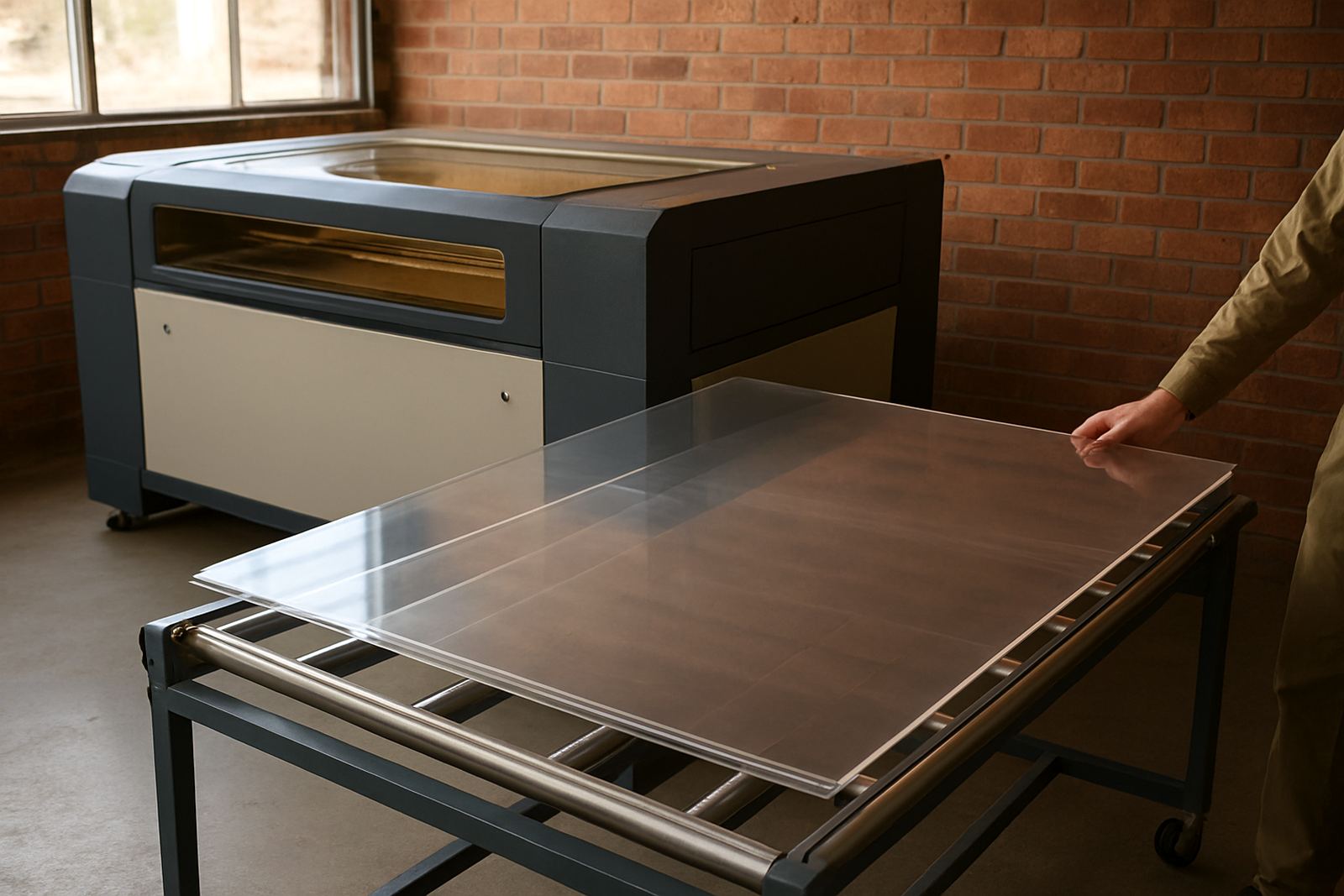
Why the move to in-house cutting made sense
The customer was a fabrication business in Germiston handling display parts, machine covers and custom panels for local industrial clients. Their main issue was lead time. When jobs depended on outside cutting, even a small change to a panel size could set the whole order back by a day or two. That made planning difficult, especially when jobs were tied to site installs, urgent replacements and municipal or factory shutdown windows.
They wanted to bring acrylic panel cutting into the workshop so they could control turnaround, keep tolerances tighter and respond to changes without waiting on a third party. The brief was straightforward: cut acrylic cleanly, keep edge finish good enough for fitment and reduce waste on sheet stock. They also needed a solution that could be operated reliably by their own team after training, with proper backup for maintenance and alignment.
The workshop is in an industrial part of Germiston, so the setup had to suit dust, busy loading bays and uneven power conditions. They also needed a machine that could handle regular production runs without being fussy about daily use. We kept the scope practical and focused on throughput, edge quality and easy upkeep.
The brief and the site constraints
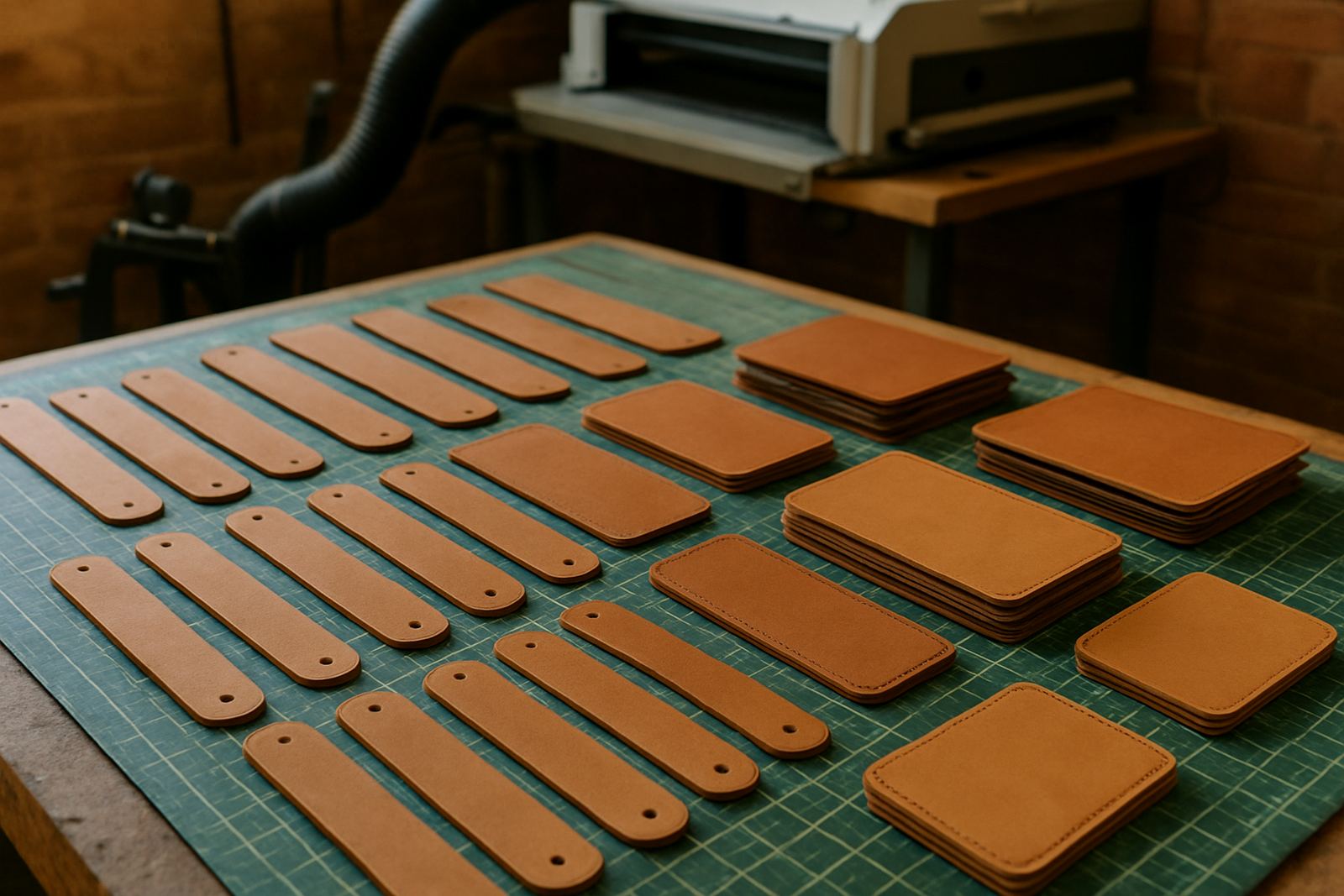
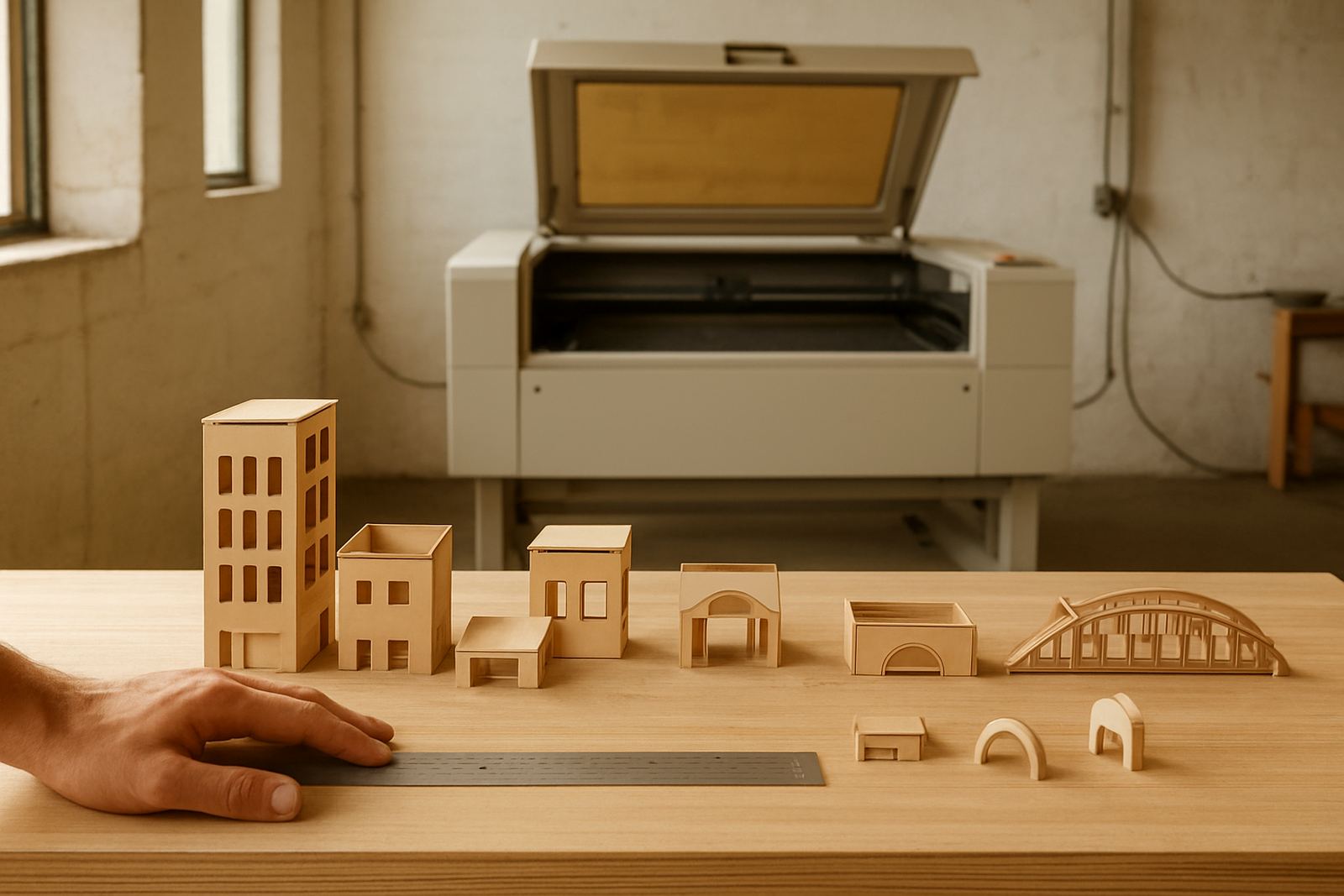
Before supply, we checked the job flow, the sizes being cut and the operator skill level. Most of the work was 3 mm to 10 mm acrylic, with some thicker sheets for special orders. The customer also cut wood and leather for smaller internal jobs, so the machine needed enough flexibility to cover more than one material type. Their workshop had limited floor space and one section close to a high-traffic door, which meant dust control and extraction mattered.
Power stability was another factor. Like many businesses in Johannesburg, they deal with load-shedding and voltage dips, so the setup had to be treated carefully. We planned for safe shutdown procedures, correct start-up sequence and basic checks that operators could do before each run. Cooling and extraction were also part of the brief because acrylic can mark or edge-burn if settings drift or fumes are not cleared properly.
- Primary material: acrylic sheet, mainly 3 mm, 5 mm and 10 mm
- Secondary materials: wood and leather for light production work
- Typical use: panel cutting, lettering, covers and inserts
- Workshop constraints: limited space, dust, busy traffic flow and load-shedding
What we supplied and set up
We supplied a CO2 laser cutting system suited to sheet work and fine detail cutting. The working area was set up for standard fabrication jobs and repeat cuts, with the machine installed to allow easy access for sheet loading and cleaning. We also set up the extraction route, cooling checks and basic optics care so the team could keep the machine in good condition from day one.
Our technical team handled the installation, beam alignment, and initial test cuts. We ran sample jobs on the actual materials the customer uses, then adjusted the cut settings for edge finish and speed. For acrylic, that meant getting a balance between clean edges and stable cutting on repeated sheets. We also showed the team how to nest parts better to save material, which made a noticeable difference on offcuts. It is a small thing but it adds up quickly.
The machine was commissioned with a simple process flow: material prep, test cut, production run, cleaning, and end-of-day shutdown. That helped the workshop manager keep the job card process neat and reduced confusion when different staff members handled the machine.
Training for the Germiston workshop team
Training was handled on site over two weeks, with practical sessions built around the customer’s own jobs. Refilwe Mokoena led the training plan and made sure the operators could follow the process without having to call for help every time they changed material or started a new batch. The aim was not just to press buttons, but to understand settings, airflow, lens care and what to do when cut quality starts changing.
The team covered the machine in stages so no one was rushed. By the end of the second week, the customer had staff who could set up a run, check focus, spot issues early and do basic daily maintenance. We also covered what to do during a power interruption, how to recover a job safely and when to stop and ask for support. That sort of discipline matters in a busy shop, particularly when jobs are going out same day.
- Operator training for day-to-day use
- Basic fault finding and safe shutdown steps
- Optics cleaning and lens care routines
- Cooling checks and extraction checks
- Practical nesting and sheet layout advice
Timeline, handover and first production run
The full project ran over three weeks from the final site confirmation to handover. Week one covered the site assessment and workflow planning. Week two was installation, alignment and first cutting tests. Week three was operator training, production trials and handover of the support plan. The customer could begin regular acrylic cutting immediately after the final sign-off, with no need to wait for further setup.
The first production run included a mixed batch of acrylic panels, holes and cut-outs for a client order due later that week. The result was a cleaner edge finish than they had been getting from outside suppliers and a much faster turnaround. The workshop could now make changes on the spot instead of reissuing a cutting request and waiting. That alone saved time on the floor and helped the team keep promises to their own customers.
We also left the team with a simple maintenance routine and a list of wear items to monitor. This reduced the chance of small issues becoming downtime later on. For a fabrication business, that sort of practical follow-through is often the difference between a machine that sits idle and one that pays its way.
What changed after the install
After commissioning, the customer reported better control over lead times and less dependence on outside cutting. Jobs that used to wait for an external turnaround could now be handled in-house, which made planning easier for the whole workshop. The acrylic edges were cleaner, the repeatability improved and the team had more confidence taking on custom work. For a business competing on short lead times, that matters.
They also had better stock control. Because the team could cut panels to size as needed, they were not carrying unnecessary finished stock or making guesses on part counts. The machine gave them a more efficient way to work with sheet material and opened up additional small jobs that were previously not worth outsourcing. In plain terms, the workshop got faster and more self-reliant.
On a similar factory job, we would use the same practical method: assess the real jobs, train on the actual material and keep the maintenance routine simple. That is what works in a production environment. Fancy extras are less useful than a clean install, good extraction and operators who know how to keep the machine running properly.
Support available after handover
After handover, the customer could access support for installation follow-up, preventive maintenance, breakdown response, remote support and annual service planning. That matters for a workshop in Germiston because downtime can hit quickly if optics drift, cooling is off or extraction starts underperforming. We also keep spares supply and relocation help available when a business expands or rearranges the floor.
For this customer, the important part was not just the machine itself but having a practical support path in place. If a setting changes, a cut starts to wander or the team needs a refresher, they can reach us through the enquiry form on our contact page. The goal is simple: keep the machine useful, keep the cuts clean and keep the workshop moving.
Key facts
| Project location | Germiston, Gauteng |
|---|---|
| Customer type | Fabrication workshop |
| Main materials | Acrylic, wood, leather |
| Acrylic thickness range | 3 mm to 10 mm |
| Timeline | 3 weeks from site confirmation to handover |
| Services used | Installation, operator training, beam alignment, extraction checks, remote support |