
Start with the room, not the machine
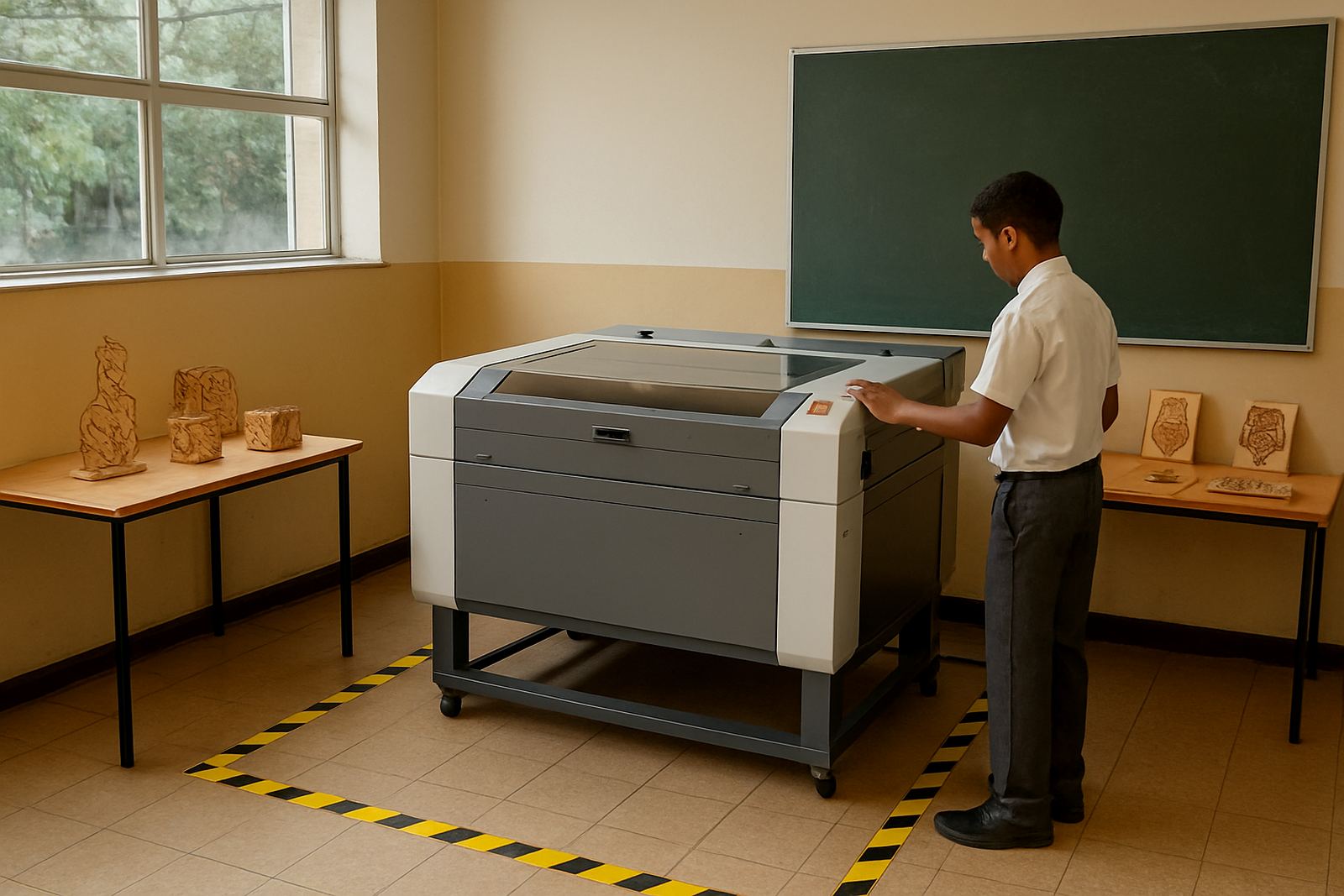
Before any installation, look at the room itself. A school lab needs enough space for the machine, the extraction unit, stock storage and a safe working aisle around the table. Keep the cutter in a dry area with stable power, away from open windows where dust can blow in. In Johannesburg and Pretoria, dust control matters. In coastal towns like Durban and Cape Town, humidity can affect stored sheet material and optics so the room must stay well ventilated and clean.
Plan the layout so learners can stand back from the working area and still see the process. A clear floor plan also helps during load shedding because staff need to restart work safely after power returns. If the room has limited power points or shared circuits, have the electrical supply checked before installation.
- Leave space for a fire extinguisher, first aid kit and emergency shutoff access.
- Keep materials on shelves, not on the floor where they collect dust.
- Use a dedicated bench for loading and unloading sheets.
- Fit a lockable room or access control if younger learners use the lab.
Choose age-appropriate materials and clear rules
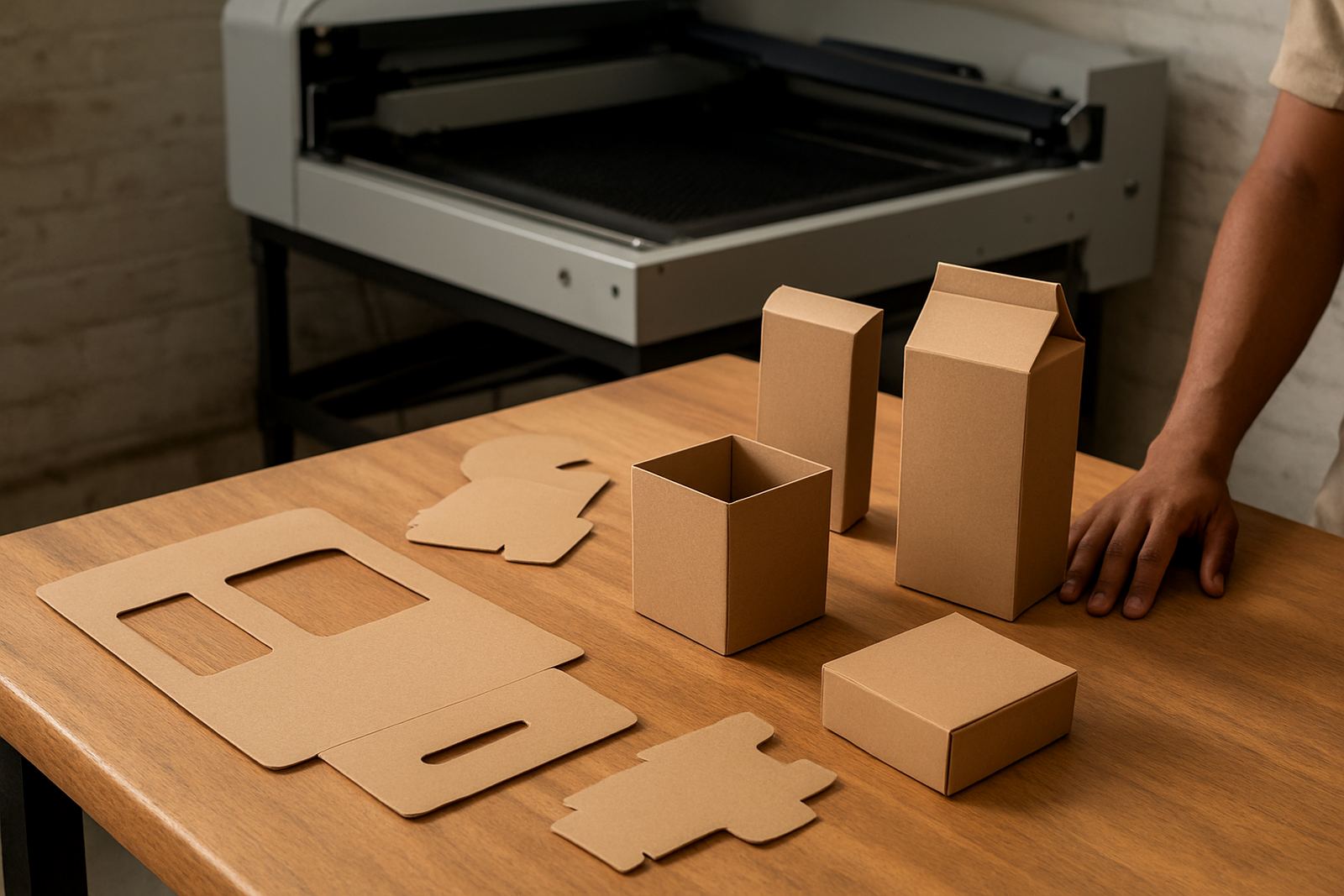
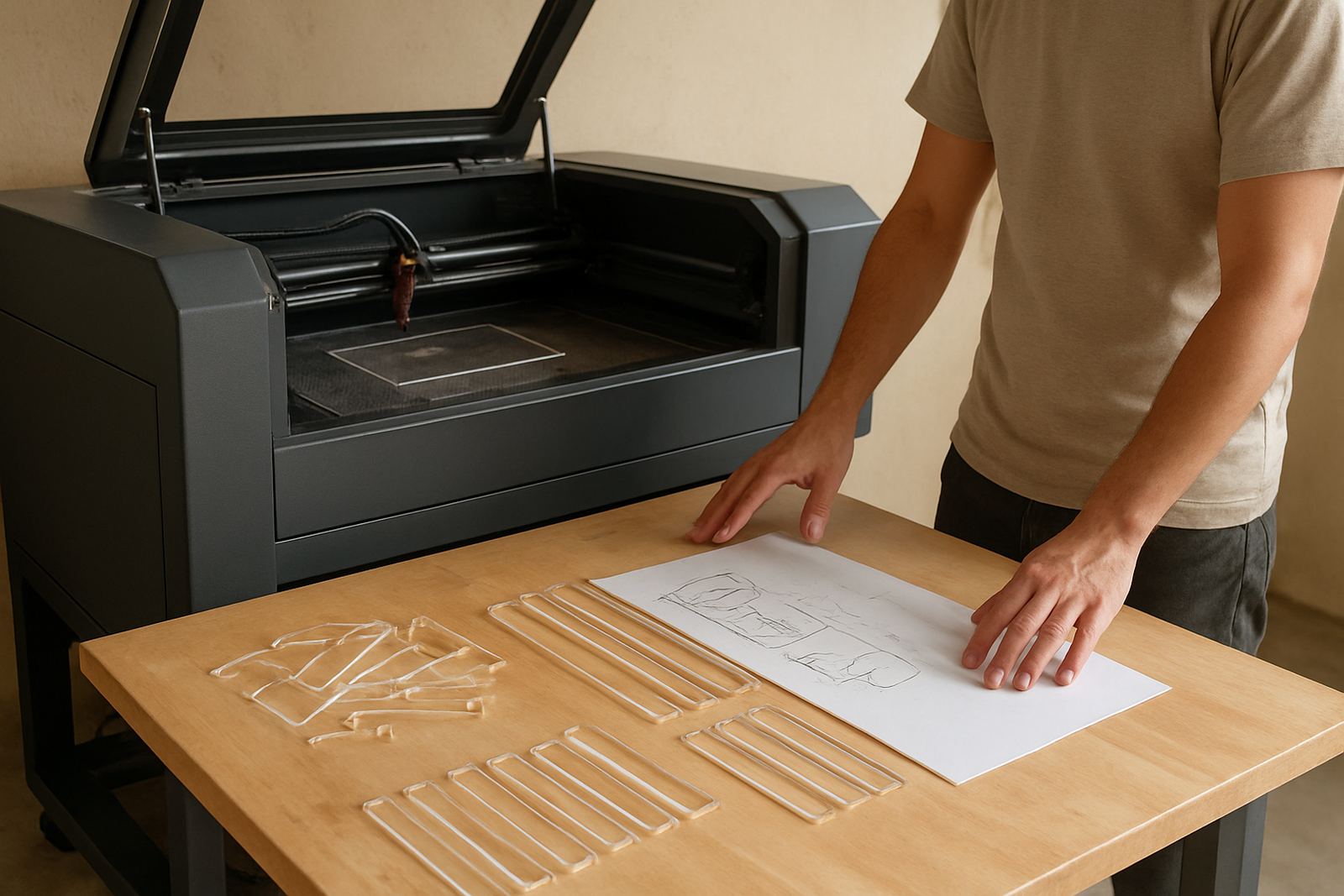
For school use, keep to materials that are known and tested for CO2 laser cutting, such as acrylic, wood and leather. Do not allow random offcuts from home or mixed plastics that can release harmful fumes. A simple material register helps teachers check what is allowed before each session. If the school runs art, engineering and technology classes in one room, label shelves by material type so learners do not mix them up.
Rules should be short enough to remember and strict enough to follow. One trained adult should supervise all cutting, even for older learners. No learner should ever load a job, start a cut or leave the machine unattended. It is also useful to make a sign-in sheet for each lesson, especially where several classes share the room.
- Only approved materials may enter the lab.
- No food, drink or loose paper near the cutter.
- Hair tied back, sleeves secured and no dangling jewellery.
- All jobs must be checked by the supervisor before pressing start.
- Finished parts go into a marked tray for collection.
Train teachers and lab assistants first
A school should never rely on one person to know everything. Train at least two staff members so the lab can still function during sickness, leave or timetable changes. Training should cover the full process: power-up, focus setting, job loading, test cuts, monitoring and safe shutdown. It should also include what to do if a cut is not going well, if smoke is heavier than normal, or if a learner puts the wrong material into the machine.
Good training is practical. Teachers should practise on sample sheets, not only watch a demonstration. They need to know how to read the machine panel, confirm the cooling system is running and check the extraction before cutting starts. For schools outside Gauteng, remote support can help with refreshers between visits, but the on-site session should always be done first.
- Start with one controlled demo cut for every new group.
- Show how to clean the lens and mirrors without forcing parts.
- Explain what a clean edge should look like on acrylic and wood.
- Teach learners to wait for full stop before opening the lid.
- Keep a signed training register for staff and lab assistants.
Daily checks that prevent breakdowns
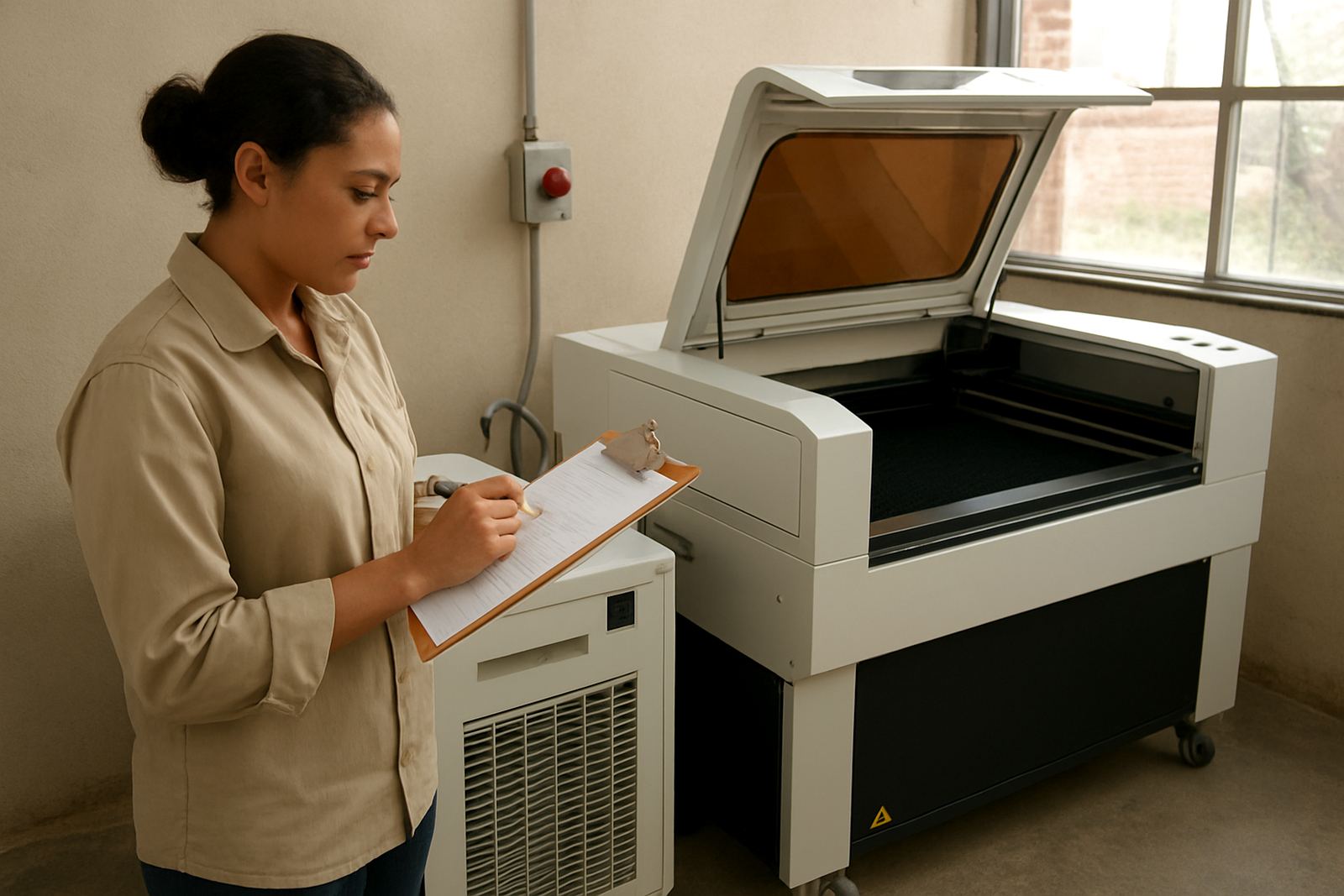
Most school problems begin with skipped checks. A quick daily routine saves time and avoids missed lessons. Before each session, check the optics, the water temperature if the system uses water cooling, the air flow, the extraction path and the condition of the bed. Dust, tiny offcuts and sticky residue build up fast in a busy school environment. If the machine has been idle during holidays, do a full inspection before the first class.
Preventive maintenance should be scheduled, not left until a fault appears. That includes cleaning the optics, checking belts and alignment, testing the cooling system and confirming the exhaust is pulling correctly. In summer, especially in warmer inland towns, the lab can heat up quickly. If the room gets too warm or the cooling is weak, cutting quality drops and the machine works harder.
- Check water level or cooling status before every lesson.
- Wipe the working area and remove scraps after each class.
- Inspect the extraction duct for blockages or loose joints.
- Listen for unusual noises from fans, motors or the cooling unit.
- Record every fault, even if it fixes itself later.
Build a safe workflow for learners
The safest school workflow is simple and repeated every time. First, the supervisor checks the material and the file. Then the learner confirms the design size, the supervisor approves the placement, and only then does the job start. During the cut, learners stand at a safe distance unless the lesson specifically requires a close look. Once the cut is complete, the machine must stop fully before the lid opens and the part is removed.
Keep jobs short enough for a class period. Long jobs can run over time and cause learners to rush. If a design is complicated, split it into smaller stages so the group can follow each step properly. That also makes it easier to teach quality control, because learners can compare a test piece with the final result and see where adjustments were needed.
- Use a pre-cut checklist for file, material, settings and supervision.
- Limit the number of learners around the machine at one time.
- Assign one person to monitor the cut and one to manage the class.
- Store finished parts only after they have cooled and been counted.
Keep the lab going through term breaks and power cuts
School labs often sit unused during holidays, and that is when problems build up. Before a break, clean the machine thoroughly, cover the bed, switch off the power correctly and store materials in sealed containers. If the site is exposed to dust or coastal moisture, use dry storage for sheets and keep the room well sealed. When term starts again, run a short test before any learner work begins.
Power interruptions are a normal part of South African operations, so the lab plan should include restart steps. Staff must know how to shut down safely during an outage and how to bring the machine back online without skipping checks. If a unit has been moved between rooms or to a new campus, book relocation help and a fresh alignment check before the next class. That keeps the teaching schedule steady and avoids avoidable damage.
- Close all jobs and switch off correctly before load shedding starts.
- Keep a printed restart checklist inside the lab.
- Book annual service before the busy school term begins.
- Arrange breakdown support if the room starts missing lessons.