

What a service plan covers in day to day use
An annual service plan is built around the way your machine is used, the type of material you cut and the conditions in your workshop. A unit cutting acrylic in Wynberg will need a different support rhythm to a machine running wood in Pretoria or leather in Durban where humidity can affect cooling and optics. The aim is simple: keep cut quality steady, catch wear early and reduce surprise stoppages.
Planned support usually includes a set number of visits and a clear checklist for each visit. That may cover cleaning optical parts, checking beam alignment, testing cooling flow, inspecting the extraction path, reviewing motion accuracy and confirming safe operation. It also gives you a record of what was done, what needs attention next, and any parts that should be replaced before they fail.
For busy shops, this is often the difference between a machine that is always being fixed and one that is properly managed. You get a practical schedule, not guesswork.
How planned visits are scheduled
Service visits are arranged around production hours, access to the machine and the urgency of any issues already reported. In Johannesburg and surrounding areas, the technician may combine a routine check with a minor correction on site. For national support, especially where travel is involved, the visit is planned so the right tools and spares are brought along first time, which saves repeat trips.
Before the visit, it helps to have a short note of what changed since the last service. This can include unusual noise, slower cutting, inconsistent edge quality, water temperature changes or extraction issues. If your site is affected by load-shedding, mention whether the machine is on a stabilised supply, inverter or generator because that changes what the technician will check.
- Confirm the machine model, tube size and controller details
- Share the main materials you cut most often
- List any recent faults, alarms or cut quality changes
- Make sure the area is clear and accessible
- Keep the machine powered safely for testing where possible
Routine checks that protect cut quality
Most laser trouble starts small. A lens with fine contamination, a mirror out of line or a cooling issue can slowly affect output before it becomes obvious. That is why a good service plan focuses on routine checks, not only repairs. During a visit, the technician will normally inspect the beam path, clean the optics where needed, verify cooling performance and test the exhaust or extraction system.
These checks matter because CO2 machines are sensitive to heat, dirt and vibration. Coastal humidity can cause more frequent attention to optics and metal parts, while dust from timber or acrylic work can build up inside the cabinet faster than expected. Regular cleaning and alignment help keep edges clean and reduce charring, especially on finer jobs or long production runs.
If your machine is used by several operators, small differences in setup can also show up in the cut. A service plan gives you a stable baseline, so the team knows what normal looks like.
What to prepare before the technician arrives
A bit of preparation helps us use the service visit properly. Clear access around the machine, make sure the work area is safe, and have the last service notes or fault history ready. If you have moved the machine recently, or if the power setup changed after a workshop move, say so upfront. Relocation and reconnection often need extra checking on rails, levels and cabling.
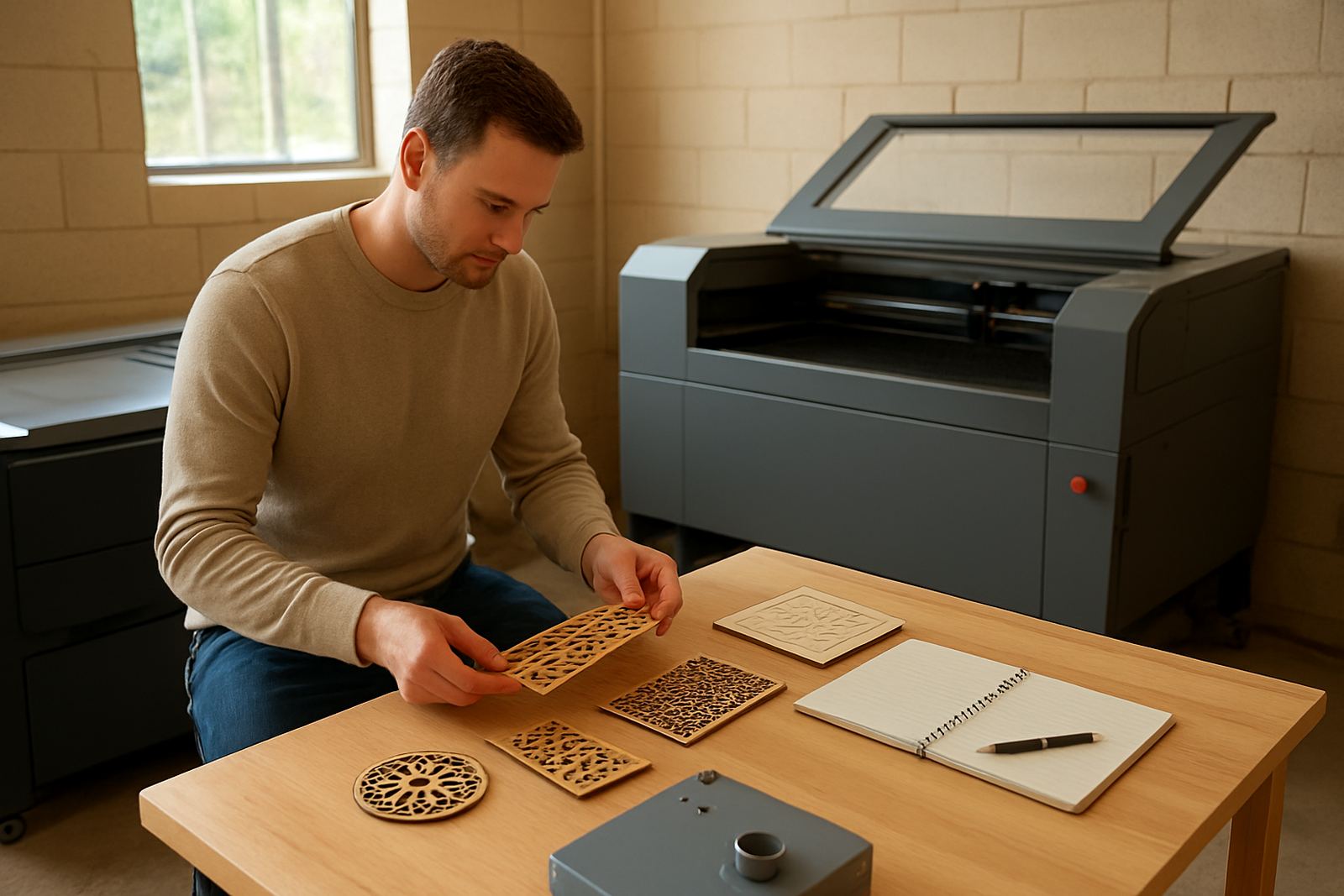
It also helps to keep a few samples on hand so the technician can see what is happening on real jobs. A clean test file and a recent cut sample usually tell more than a long explanation. If the issue is linked to specific material thicknesses, mention the exact size in millimetres and whether the problem appears on straight lines, corners or engraved detail.
- Remove offcuts, dust and loose packing around the machine
- Keep water, air and power connections easy to reach
- Have sample material ready for a test cut
- Note the last time optics were cleaned or a tube was replaced
- Tell the technician about any generator or power quality issues
Maintenance structure for reliable production
A service plan is usually organised into routine maintenance, corrective support and parts management. Routine maintenance keeps the machine in good working order. Corrective support handles faults that need attention between visits. Parts management means likely wear items can be identified before they hold up production. That structure makes budgeting easier and helps you plan around your busiest weeks.
For many businesses, the biggest value comes from preventing unnecessary downtime. If a blower, pump or optic starts to drift, the plan gives you a clear path to act early. In practice, that can mean a quick adjustment, a replacement item, or a scheduled visit before the problem spreads. It is not about over-servicing, it is about keeping the machine usable.
When the equipment is looked after regularly, you also get better consistency across shifts. Operators spend less time trying to compensate for faults, and more time producing parts that meet the same standard every time.
Breakdown response, spares and remote help
Even with planned support, machines can stop for reasons that need fast attention. A service plan should explain how breakdown response works, what information is needed before a call-out, and whether remote support can be used first. In many cases, a quick phone or remote check can rule out a simple setup issue, saving a site visit and getting you back to work sooner.
Spares supply is part of the same picture. Knowing which items are commonly held, and which are ordered specifically, helps reduce delays. For users in Sandton, Midrand, the East Rand or further afield, that planning matters because a small fault can affect an entire day of production. Good support means the follow-up is ordered, tracked and explained clearly.
When a part does need replacing, a proper record of the fault and the machine condition before failure helps avoid repeat problems. That is especially useful on older units or machines running long hours.
How to get the most value from your annual plan
The best results come when the service plan is treated as part of production management, not an extra expense. Keep basic records of cut settings, service dates and any changes in output. If you train new operators, make sure they know how to spot early warning signs such as poor airflow, dirty optics or unusual vibration. Those routine habits help a CO2 laser stay reliable in daily use.
If you run more than one machine, it is worth staggering service dates so all units are not due at once. That makes budgeting easier and keeps your workshop running without a big interruption. For sites with municipal compliance concerns, particularly around extraction and workshop ventilation, the service schedule also helps show that regular maintenance is being carried out. A tidy plan now saves a lot of stress later.
Used properly, a service plan gives you fewer surprises, steadier output and a better grip on total running cost. That is what most workshop owners actually need.