Start With the Sign Type, Not the Machine
Before you choose a cutting method, define the sign itself. Is it a shopfront logo, layered letters for an interior wall, wayfinding panels, or small batch promotional signs? Each one needs a different balance of edge finish, thickness and turnaround time. In Johannesburg, where many sign shops work on mixed orders from corporate offices, retail stores and events, the smartest starting point is to group jobs by material and finish.
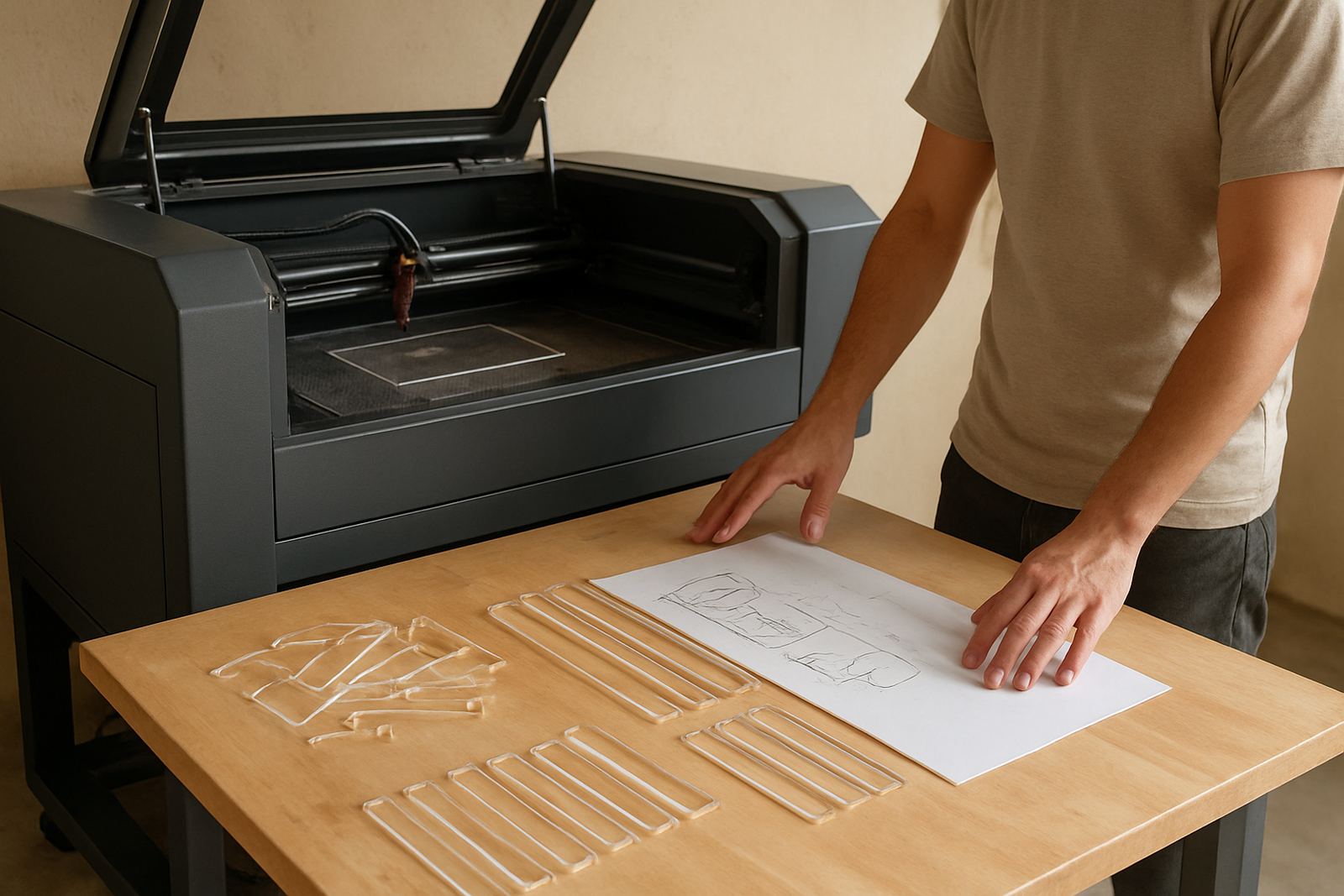
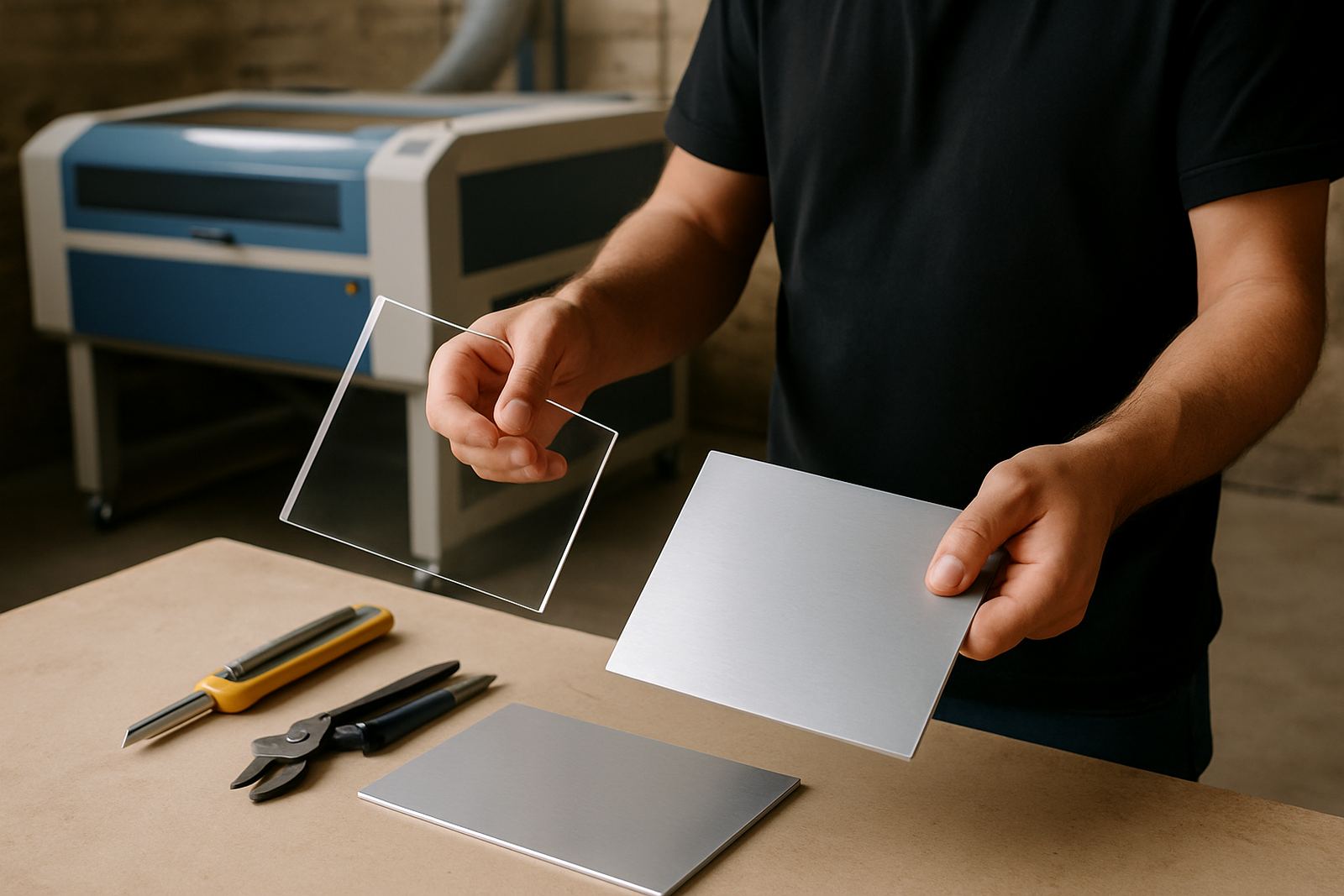
For acrylic signs, laser cutting is often the first choice because it gives a polished edge on many colours and thicknesses. For wood and leather, the key is consistency across repeat pieces. If the work involves fine lettering, small internal cut outs, or intricate logo shapes, a clean beam path matters more than raw speed. That is where precision helps keep letters readable and edges neat for fitment.
Think about where the sign will be used as well. Outdoor work near the coast, such as Durban or Cape Town, needs attention to humidity and storage. Indoor office branding in Sandton may need a higher visual finish because clients see it up close. A practical brief saves time and stops expensive rework.
Choose Materials That Suit the Job and the Environment
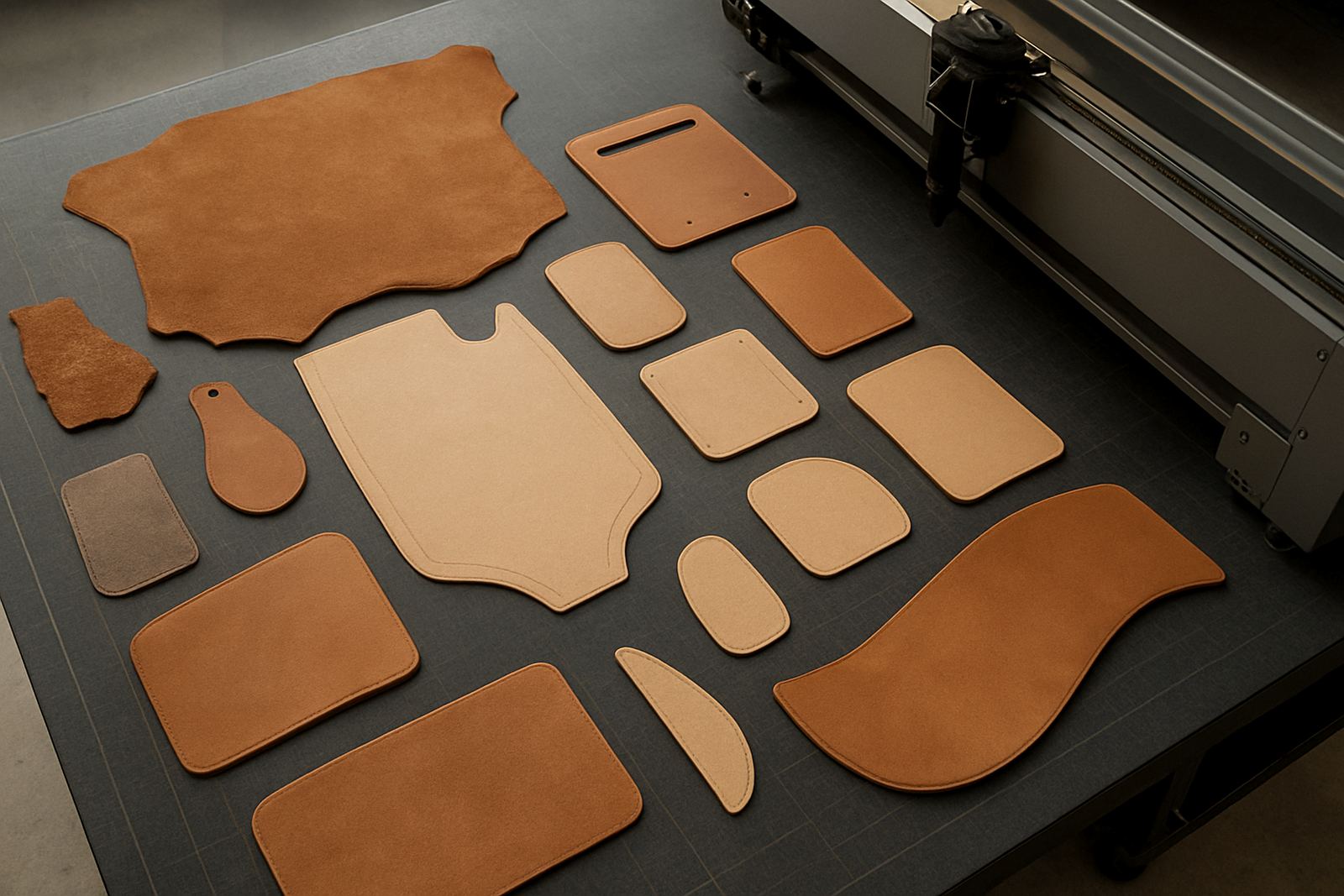
Material choice affects both production and the final appearance. Acrylic remains popular for illuminated letters, directional signs and clean-cut branding panels. Wood works well for boutique retail, hospitality and decorative pieces. Leather is better for labels, branding samples and speciality pieces rather than bulk signage. The right material also depends on thickness, supplier consistency and how much handling the item needs after cutting.
For signage buyers, one useful habit is to test the material before committing to volume. A sample cut can show whether the sheet melts, chars or lifts at the edges. It can also reveal if the protective film leaves residue after cutting. This is especially useful when ordering from more than one supplier, because sheet quality can vary a lot between batches.
- Check sheet thickness with a vernier or caliper before the run starts
- Ask for a test cut on the actual material, not just a similar offcut
- Confirm whether the edge will be flame polished, painted or left as cut
- Store sheets flat and dry to avoid warping in humid weather
- Keep wood and leather away from dusty areas before cutting
Edge Quality Is What Clients Notice First
Signage customers may not ask about beam alignment or optics cleaning, but they will notice a rough edge. On acrylic, a smooth cut edge can reduce post processing and make the sign look more premium. On wood, a cleaner cut can save sanding time and improve paint adhesion. On leather, it can help with consistency when pieces must fit together neatly.
Edge quality depends on more than the artwork file. Speed, focus, material thickness and regular maintenance all play a role. If the machine is slightly out of alignment, the kerf may widen or one side of the cut may show more scorching. That can be the difference between a clean fit and a part that needs trimming. In signage, those small defects add up quickly when you are producing 20, 50 or 100 pieces at a time.
Good production shops keep a simple quality check on every batch: look at corners, inside cut outs, lettering joins and any transparent material that will show marks under light. If the batch will be installed in a showroom or corporate reception, inspect it under bright light before packing.
Set Up for Volume Without Losing Accuracy
When orders get bigger, the challenge is keeping cut quality steady from the first item to the last. That means planning sheet layouts properly, reducing unnecessary starts and stops, and making sure the machine can run for long periods without losing focus. For sign makers in Midrand or the East Rand, where production often runs through the day and into the evening, reliability is just as important as speed.
Volume planning also means allowing for downtime. Load-shedding, cooling issues and extraction problems can disrupt a full production day if they are not managed early. A machine that is well maintained and checked before a big run is less likely to slow down the whole workshop. If your team is cutting repeated letters or identical panels, keep the file naming and nesting tidy so the next operator can pick up the job without confusion.
- Group similar materials together to avoid constant setting changes
- Leave enough spacing between parts for safe handling and finishing
- Run a short test before every new batch or new thickness
- Keep spare lenses, mirrors and consumables on hand for critical orders
- Schedule maintenance before peak periods, not after a breakdown
Training Makes the Difference Between Good and Consistent
Even a precise machine can produce poor signage if the operator is not comfortable with setup, focusing, material selection and basic fault finding. Training should cover more than start and stop buttons. Staff should know how to inspect a sheet, load a file correctly, set the focus height, monitor extraction, and spot when the cut is drifting out of spec. That saves material and cuts down on repeat jobs.
A new operator should also understand the practical side of workshop work. For example, acrylic dust and smoke need proper extraction, and some materials behave differently when the weather changes. In a coastal area, moisture can affect storage. In a busy inland workshop, dust build-up can affect optics and the finish. These are small things, but they affect daily output.
For signage teams with multiple staff members, refresher training helps keep everyone on the same process. That is useful when the same machine is used for craft work, retail signage and one off custom pieces. A clear method means fewer mistakes when the pressure is on.
Plan Maintenance Around Real Workloads
Preventive maintenance is cheaper than emergency downtime. A signage business should not wait for a bad cut or a complete stop before checking optics, cooling, extraction and beam alignment. Basic upkeep keeps the machine ready for the next batch and protects the finish on detailed work. In Johannesburg and surrounding areas, where workshops often run long hours, regular checks are part of staying productive.
A simple service plan can cover cleaning, alignment, cooling checks, extraction servicing and worn spares. If the machine is moved between sites, as often happens with installations or relocations, a follow-up check is wise after set up. Transport vibration can shift settings and affect cutting quality. If a business handles sign work in more than one location, remote support can help confirm whether a problem is mechanical, electrical or file related before a technician visits.
The goal is straightforward: keep production steady, protect material, and make sure every cut looks ready for fitment. Signage buyers need predictable results, not surprises.
A Practical Buyer Checklist Before You Place the Order
Before you commit to a laser cutting run, it helps to ask a few direct questions. The answers will show whether the supplier understands signage work and whether the job is likely to be finished cleanly and on time. This is especially important for clients handling client-facing branding where the finish must be neat and the pieces must fit first time.
- What material thickness will give the best finish for this sign
- Will the edge need sanding, polishing or painting after cutting
- How many pieces can be processed before quality starts to shift
- Is the artwork set up for efficient nesting and minimal waste
- What support is available if the machine needs a quick check or adjustment
- Will installation require site checks, repositioning or operator assistance
If you work with acrylic, wood or leather signage, these checks keep the job practical and the final result clean. The best outcome is simple: less waste, fewer delays and a sign that looks right when it is mounted.