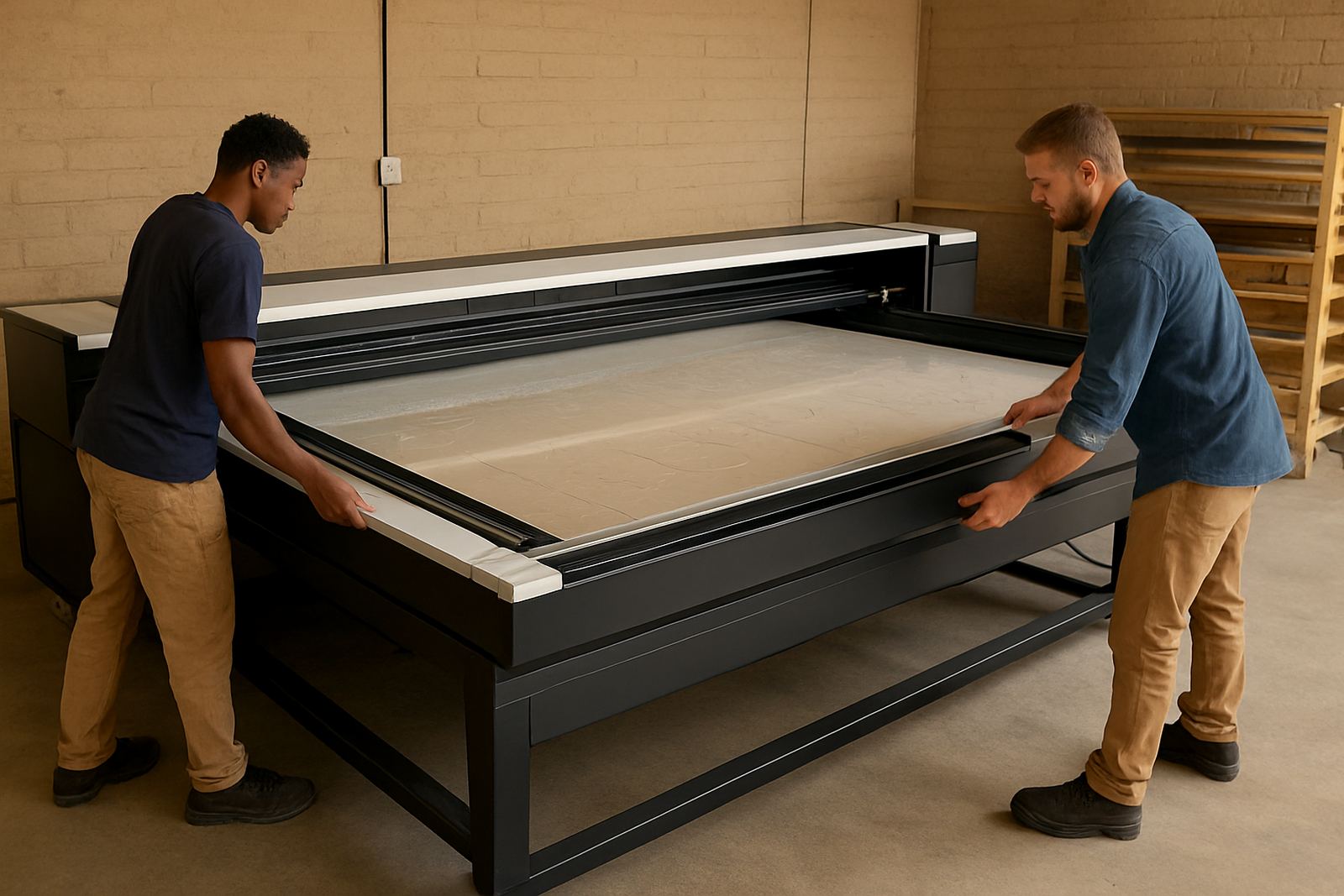
Built for Full-Panel Cutting
This format gives you a generous 1300 mm by 2500 mm working area, which is useful when you buy material in sheet sizes and want to nest parts tightly. Instead of cutting everything down into smaller sections first, you can plan jobs around the full panel and reduce waste. For sign makers, cabinetry shops, display teams and craft operators, that saves time and material on every run.
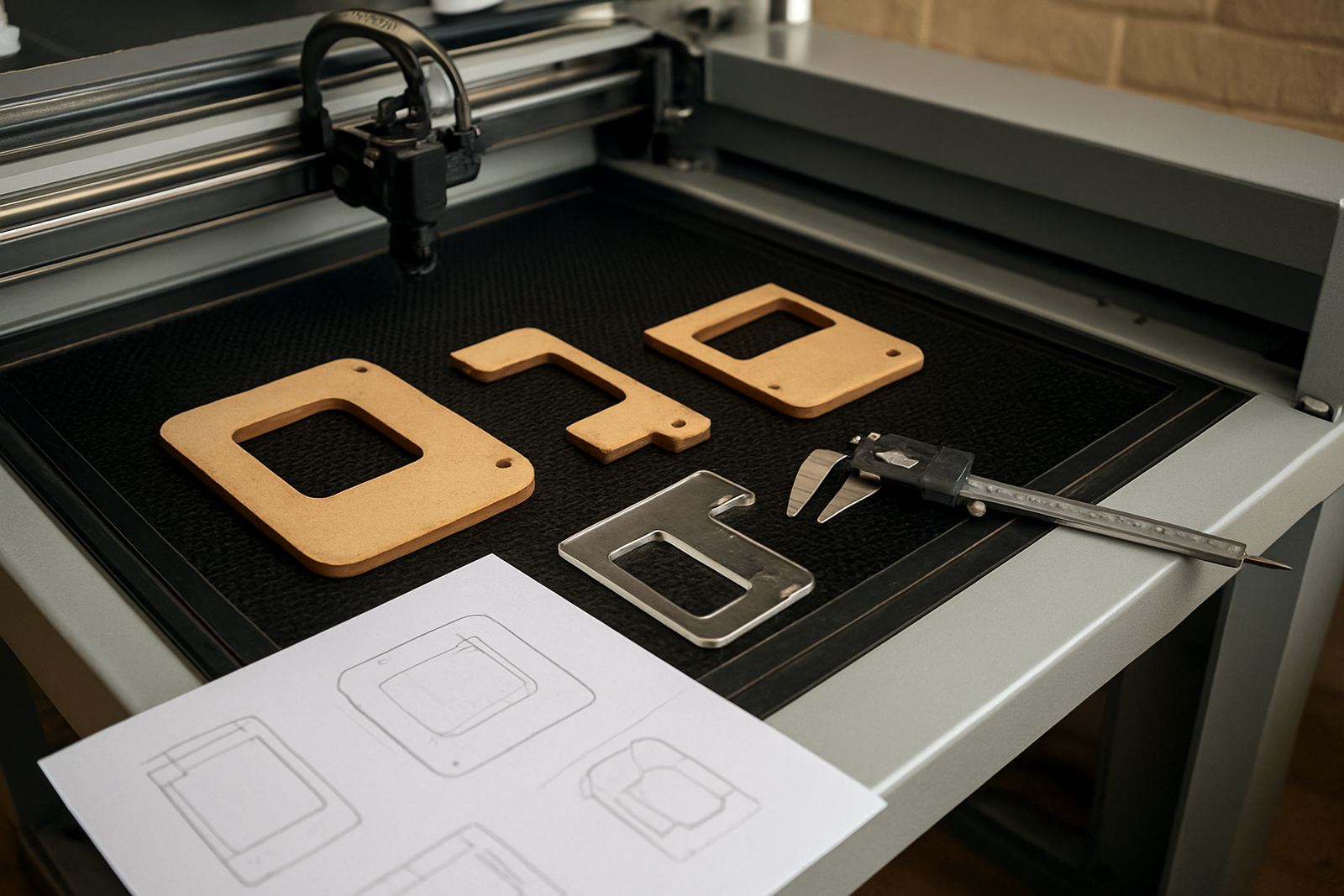
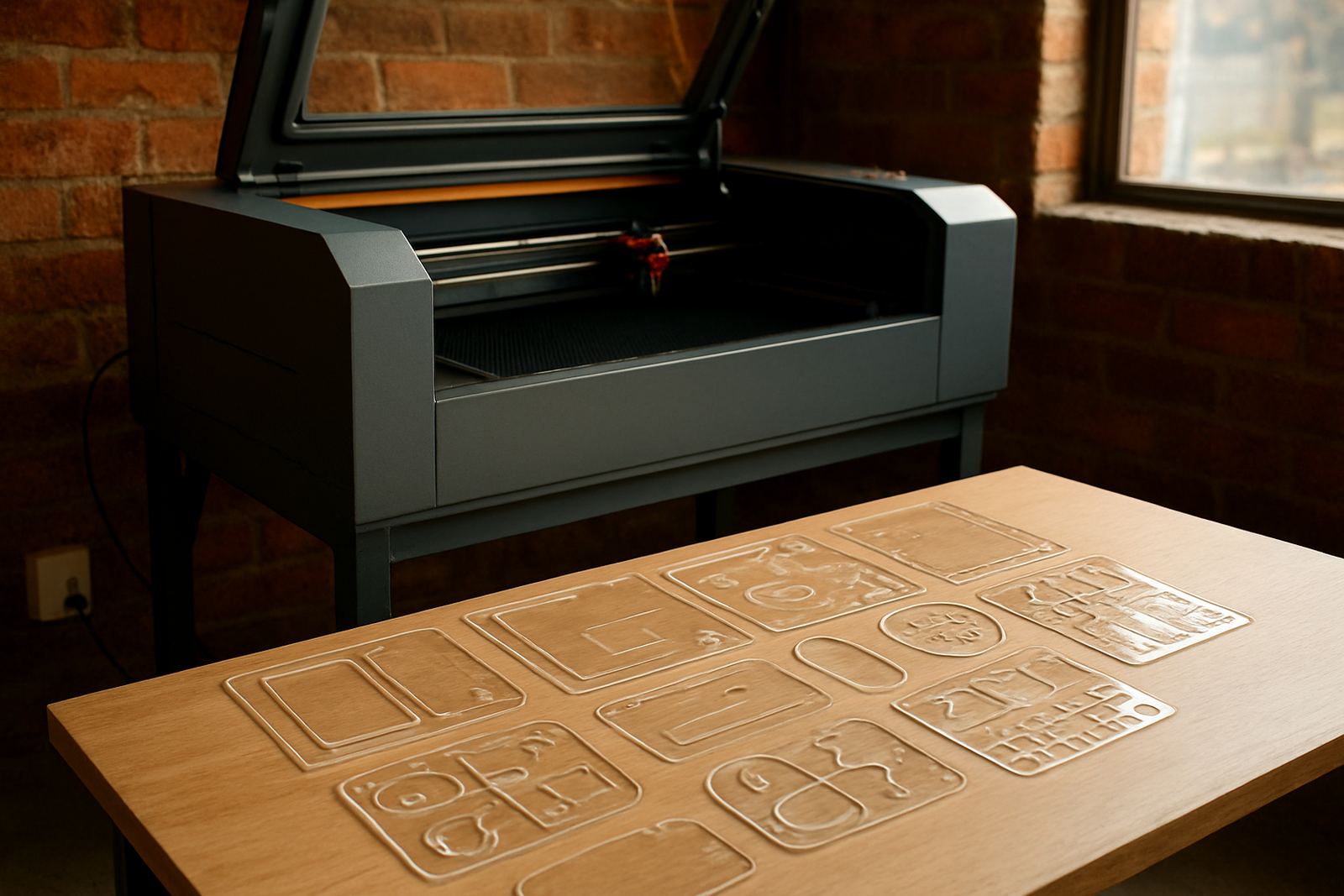
The machine is set up for CO2 laser cutting, so it handles non-metals such as acrylic, MDF, plywood, solid wood, rubber and leather. It is not meant for steel or aluminium. If your work includes layered parts, lettering, packaging inserts or pattern cutting, the larger bed makes the layout easier and the final result neater.
In practical terms, this size also helps when you need to run longer parts in one piece rather than joining them later. That is often the difference between a job that looks tidy and one that needs extra finishing. For many workshops the 1300 x 2500 format becomes the main production machine, not just a side unit.
Typical Sizes, Power and Options
Most buyers compare bed size first, then tube power, table type and extraction setup. The 1300 x 2500 format is available in configurations suited to light production through to higher volume cutting. Power choice depends on your material thickness, the detail in your artwork and how fast you need to finish each batch.
- Working area: 1300 mm x 2500 mm
- Material focus: acrylic, wood, MDF, plywood, leather and similar non-metals
- Tube power options: chosen to suit lighter detail work or heavier daily production
- Table options: flatbed or slatted support depending on the type of material you cut
- Motion and control: digital control for repeatable settings and saved job files
- Extras: air assist, extraction setup, water cooling and job positioning aids
Ask for the exact cut speeds and thickness guidance for your material mix. A 3 mm acrylic job behaves very differently from 12 mm plywood, and the right setup matters. If you are running mixed orders, it is worth matching the power to the hardest working part of your product range, not just the easiest one.
Where This Machine Suits Best
This model suits businesses that cut sheets every week and want better nesting from the start. It works well in Johannesburg, Pretoria, the East Rand and the West Rand for shops that produce signage blanks, décor pieces, jigs, templates, packaging parts and custom timber items. It is also a good fit for Durban and Cape Town operators who need to think about humidity, dust control and day-to-day servicing.
For craft producers, the advantage is consistency. For professional makers, the advantage is speed and scale. You can produce more parts from a single panel, keep the grain or colour flow sensible, and reduce the time spent reworking joins. If your business takes short run jobs from retailers, event teams or fit-out clients, this machine gives you room to work without feeling cramped.
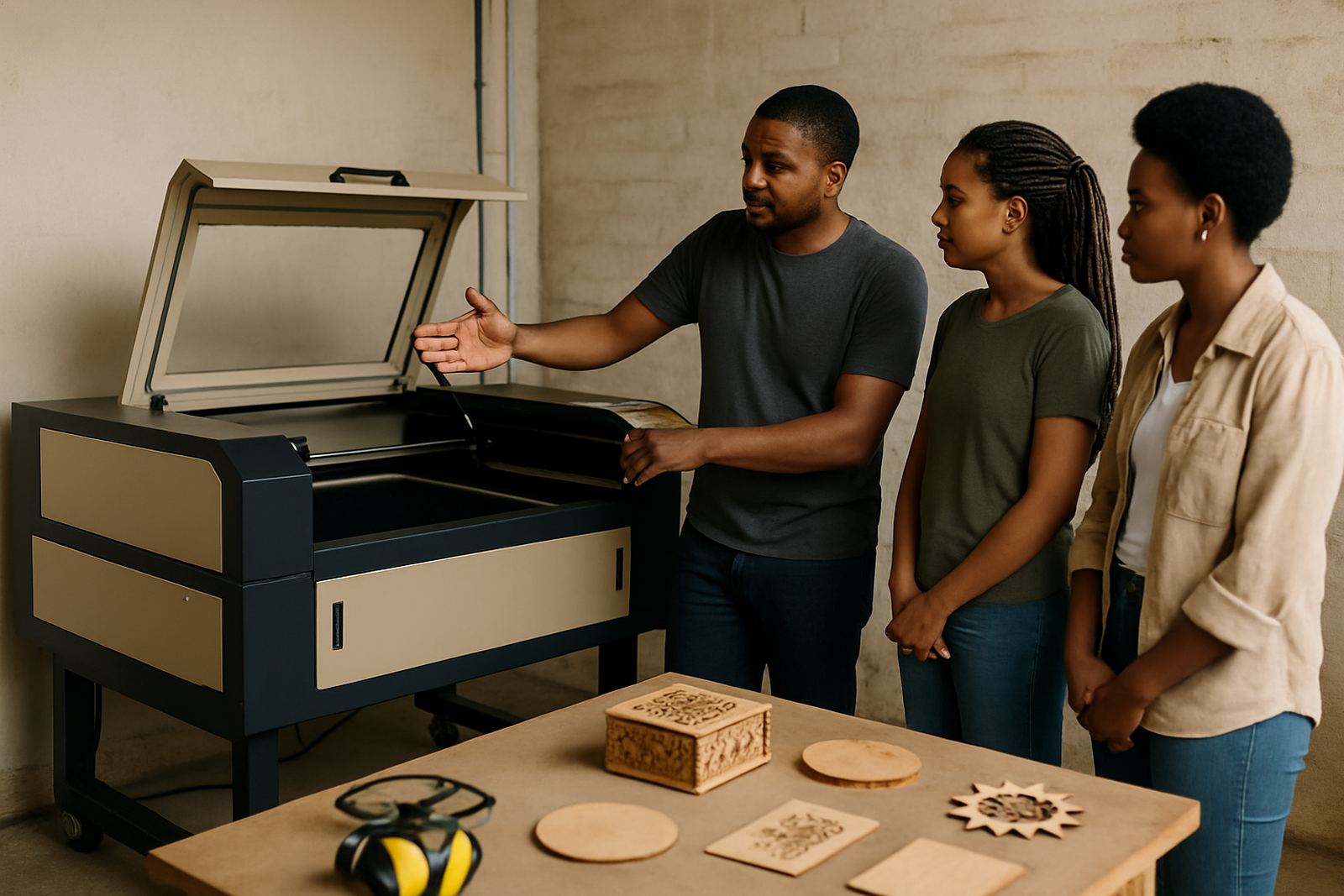
It also suits training environments and shared workshops. With the right operator process, one machine can handle sample pieces, small batches and production work. That makes it a practical choice when you want one reliable cutter rather than several smaller units spread across the floor.
Installation, Power and Workshop Requirements
Before installation, check floor space, door access and the path into the room. A 1300 x 2500 machine needs proper clearance for moving, levelling and servicing. In many Johannesburg buildings the lift size and passage width are the first constraint, so it helps to measure carefully before delivery day. If the machine is going upstairs or into a tight unit, plan the route in advance.
Power requirements depend on the final configuration, but you should always allow for stable mains supply, proper earthing and protection against outages. In South Africa, load-shedding and power dips can interrupt cutting and affect tube life, so many customers add backup power or controlled shutdown procedures. Cooling water must stay clean and at the right temperature, and extraction should remove smoke and fine residue from the cutting area.
- Allow enough room for the machine body, operator access and material loading
- Fit proper extraction to manage fumes, dust and cutting smell
- Keep cooling equipment in a sheltered area where possible
- Plan for surge protection and a safe shutdown during outages
- Check that the shop has a dry, level floor and enough ventilation
If you operate close to the coast, keep an eye on humidity and corrosion around fittings, mirrors and rails. That extra checking helps protect cut quality and moving parts.
Care, Servicing and Daily Checks
Good maintenance keeps the cut quality steady and reduces breakdowns. The main routine is simple: keep the optics clean, check water flow, make sure the extraction is working and confirm that beam alignment stays correct. Dust, smoke residue and sticky material buildup can affect edge quality faster than many operators expect.
A practical workshop routine should include daily checks, weekly cleaning and scheduled servicing. If you use the machine heavily, a preventive maintenance plan is worth it because it catches wear before it stops production. Our team can assist with optics cleaning, cooling checks, beam alignment, extraction service and annual service planning. That is especially useful when the machine forms part of a busy production line and down time costs money.
Operators should also watch the cutting bed for warping, the air assist for blockages and the exhaust path for build-up. A machine that is looked after properly gives cleaner edges, fewer failed jobs and a better return over time. It sounds simple but it is often where workshop results are won or lost.
What to Confirm Before You Order
Before placing an order, work through the job list you actually need to cut. The right machine for thin acrylic samples is not always the right machine for daily plywood production. Think about your average sheet size, the thickest material you cut, the detail level in your artwork and how many hours a day the machine will run.
- Material types and thicknesses you plan to cut most often
- Whether you need faster throughput or finer detail
- The size of your standard sheet stock and nesting layout
- Available electrical supply and backup arrangements
- Extraction, cooling and space for the installation site
- Training options for a single operator or your wider team
It also helps to ask how the machine will be supported after installation. If you need demo cuts, operator training, breakdown response or relocation help, we can plan that into the supply process. That way the machine arrives ready for proper use, not as a guessing game.
Johannesburg Supply, Support and Training
Our base in Wynberg, Johannesburg supports customers across Sandton, Midrand, Pretoria, the East Rand, the West Rand, Durban and Cape Town. Demo cuts, installs and operator training are available nationwide, with practical support for workshops that need help getting the machine up to standard. The team is led by Mandla Sibiya and includes sales, technical, training and service support.
For many buyers, the best first step is to send an enquiry through the contact page and tell us what you cut, how often you cut it and what size sheets you use. That makes it easier to match the configuration to your work, and to advise on installation, spares and servicing needs. If you are replacing an older cutter or adding a second unit, we can also help with relocation planning and annual service cover.
This is a serious production machine, but it still needs the right setup and the right people behind it. With proper support, it becomes a practical part of daily work rather than a costly headache.
Key facts
| Working area | 1300 mm x 2500 mm |
|---|---|
| Machine type | CO2 laser cutter for non-metals |
| Suitable materials | Acrylic, wood, MDF, plywood, leather and similar sheet stock |
| Power options | Configured to suit light detail work or higher volume production |
| Support systems | Water cooling, air assist and extraction required |
| Best use | Full-panel cutting with better nesting and fewer joins |