What the Fine Detail Laser is made to do
The Fine Detail Laser is a CO2 cutting system set up for small apertures, narrow bridges and pattern work that needs a steady beam and accurate motion control. It is a practical choice for sign shops, craft studios, packaging mock-ups, school project rooms and production teams that cut a lot of repeat parts during the week.
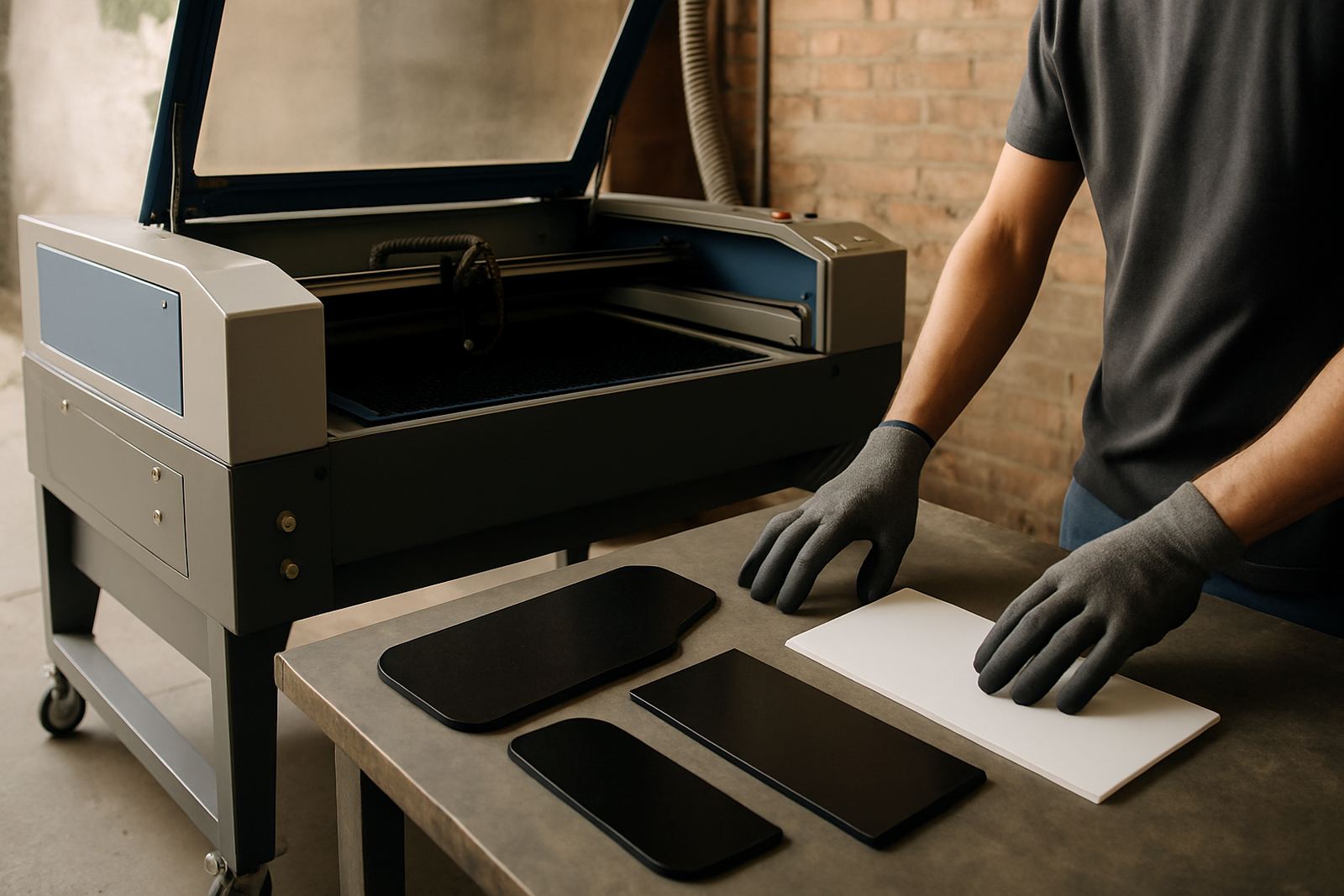
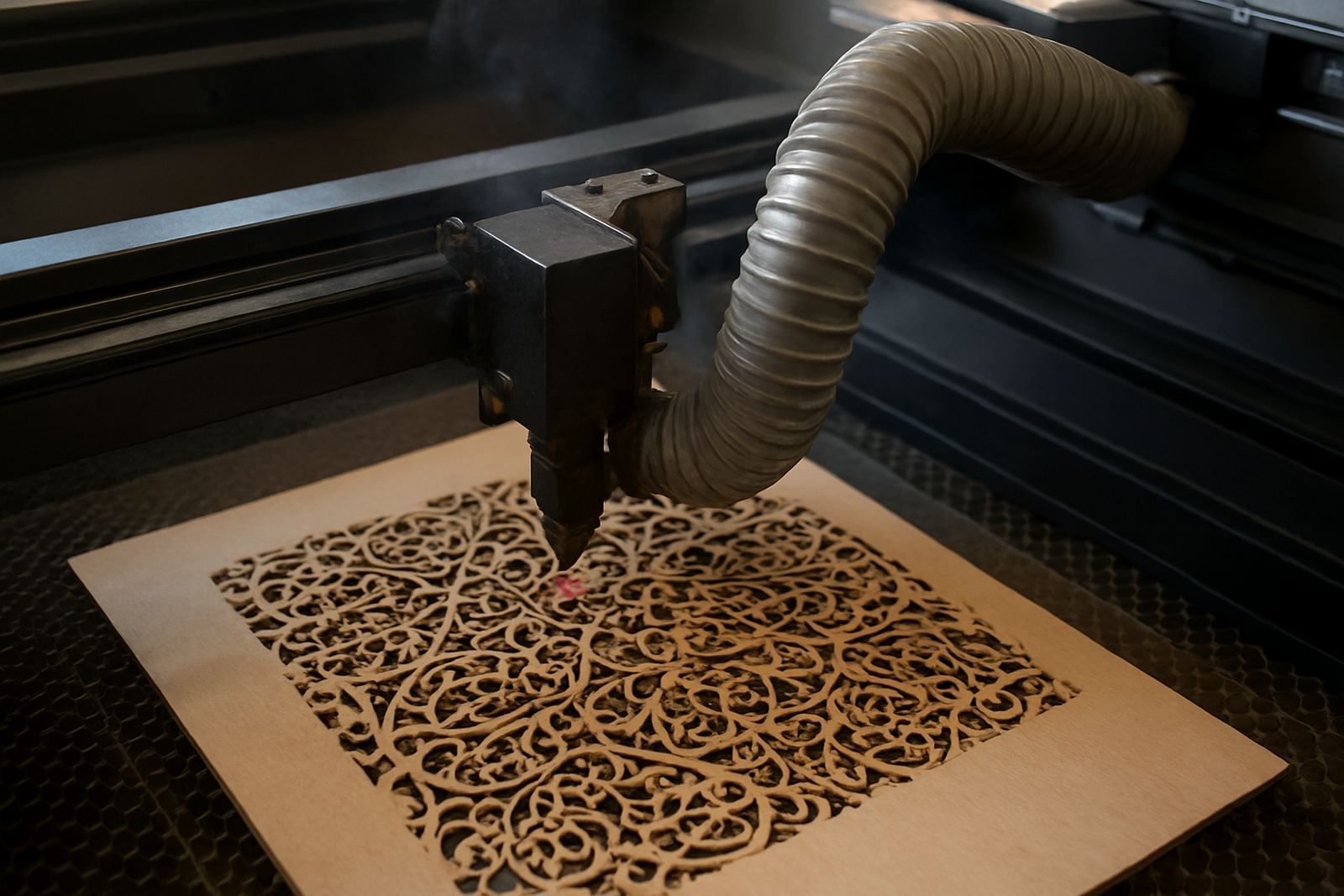
Because CO2 laser energy handles non-metal materials well, the machine is commonly used on acrylic, plywood, MDF, veneer, cork, leather and selected plastics. It is especially useful where a cutter must hold detail on inner corners, script, fretwork and layered parts without rough edges. For many users, that saves time on sanding and hand finishing, which matters when you are pushing orders through during load-shedding schedules.
- Fine cut paths for decorative work and technical parts
- Suitable for short runs, batches and repeat production
- Works well where clean edge quality is important
Sizes and build options for different workshops
Fine detail work does not always need a large bed, but it does need enough working area for efficient nesting. This system is available in a range of bed sizes, from compact units for smaller studios to wider beds for sheet work and higher output. The right size depends on your material format, the size of your standard jobs and how often you want to load sheets by hand.
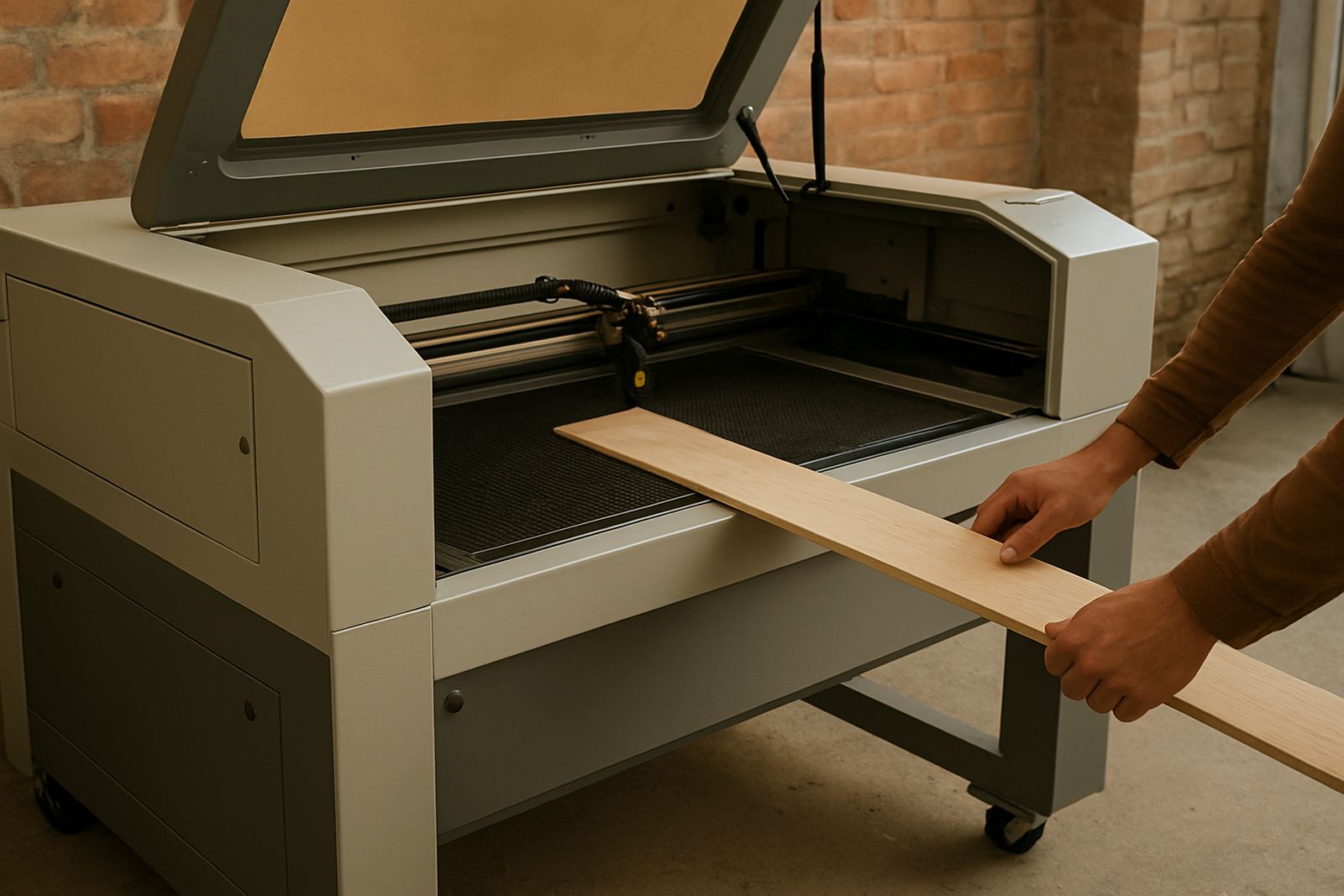
Common options include a smaller footprint for benchtop-style production spaces, mid-size beds for jobbing shops, and larger flatbeds for cutting full panels with less waste. If you regularly process 1220 x 610 mm sheets, or want to keep material handling simple, it is worth choosing a bed that lets you place the sheet flat with enough room for clamps, offcuts and airflow. A good fit now avoids bottlenecks later, and that is worth more than saving a bit on the first day.
- Compact, mid-size and larger bed options available
- Choice of power levels to suit speed and material thickness
- Extraction and air-assist configurations matched to your work
Where this cutter earns its keep
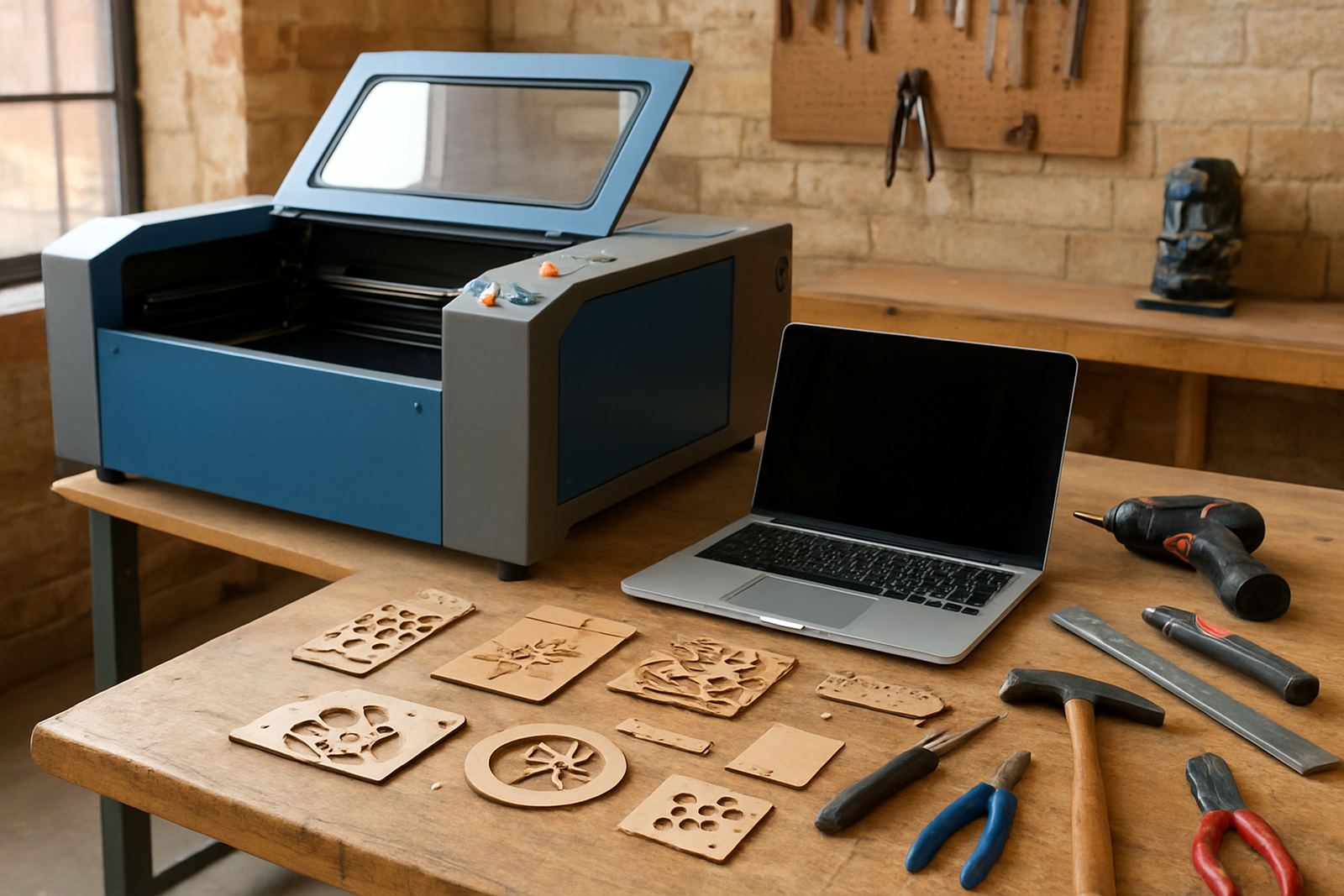
This machine suits makers who need consistent cut quality on detailed geometry, especially where the final product is visible to the end customer. It is used for architectural models, display lettering, gift items, custom jigs, leather blanks, decor panels, name pieces and intricate inserts. In Johannesburg and Pretoria, it often fits into workshops serving retailers, exhibition builders and product developers. Along the coast, operators also use it for short-run custom work where humidity can affect storage and material handling, so dry storage is important.
For service businesses, a fine detail cutter helps when you need fast turnarounds and a neat finish straight off the bed. The machine is not only for hobby use. It is also useful in production environments where you want the same part to come out the same way every time, even on a busy week with mixed jobs and urgent re-cuts.
- Model making and prototype parts
- Decorative filigree and signage inserts
- Leather and soft material pattern cutting
Installation, power and workshop setup
Installation is arranged from our Johannesburg base in Wynberg, with demo cuts, installs and operator training available nationwide. Before delivery, it is important to confirm the route into the premises, the floor space, bench height if a stand is used, and where the extraction duct will exit. If the machine is going upstairs or through a narrow doorway, measure properly so the install does not turn into a half day of moving things around.
Power requirements depend on the machine size and configuration, but most installations need a stable mains supply, proper earthing and enough space for the chiller, extraction and air support equipment. In South Africa, a dedicated circuit is often recommended so the system is less exposed to voltage dips during load-shedding changeovers. Some setups also use surge protection or backup power for control equipment, depending on how critical uptime is. A clean, dry area with decent airflow is best, especially if you are working with wood and adhesive-backed materials.
- Single-phase or three-phase options depending on size
- Stable earthing and surge protection recommended
- Extraction route and cooling position planned during install
Care, servicing and daily checks
Fine detail work depends on clean optics, steady alignment and proper cooling. If the lens or mirrors carry dust, the cut line can widen or the edges can char, especially on thin material. Daily wipe-downs, lens inspection and a quick check of the bed surface go a long way. Operators should also keep an eye on air assist, water temperature, exhaust flow and belt condition, since small faults can show up first as poor detail or a slight drag in the cut path.
For workshops with steady throughput, preventive maintenance is worth planning instead of waiting for a breakdown. We provide breakdown response, beam alignment, cooling checks, extraction service, optics cleaning, remote support and annual service plans. If the machine is being moved to another site in Midrand, the East Rand or further afield, relocation help keeps the optics and rails from taking unnecessary knocks. That saves time and it usually saves money too.
- Keep optics clean and alignment checked
- Change water and monitor cooling regularly
- Book servicing before detail quality starts to drop
Pre-Order Checks For A 900x600 Laser
Before ordering, check your material list, the thickest sheet you plan to cut, the smallest detail you need to hold, and the type of finish you expect. If you work mostly with acrylic, the key question is edge quality and speed. If you cut wood or leather, check smoke control, masking needs and how much cleanup is acceptable after the job. You should also confirm whether you need a pass-through setup, rotary support, a stronger extraction unit or a different bed size.
It helps to have sample files ready so the training team can confirm how the artwork, nesting and kerf settings will behave on the machine. If you are based in Sandton, the West Rand, Pretoria or Durban, we can discuss the right install plan and training format for your team. The goal is simple: pick a machine that suits the work you already do, and the work you want to take on next.
- Material types and maximum thickness
- Smallest detail size and required cut finish
- Space, power and extraction allowances on site
Key facts
| Machine type | CO2 laser cutter for fine detail cutting |
|---|---|
| Working materials | Acrylic, wood, leather, cork, MDF and selected plastics |
| Bed options | Compact, mid-size and larger flatbed formats |
| Typical use | Intricate cut patterns, model parts, decor, signage inserts and short-run production |
| Utilities | Mains power, water cooling, compressed air assist and extraction |
| Support | Installation, operator training, preventive maintenance and breakdown response nationwide |