Clean Acrylic Cutting For Shop-Floor Work
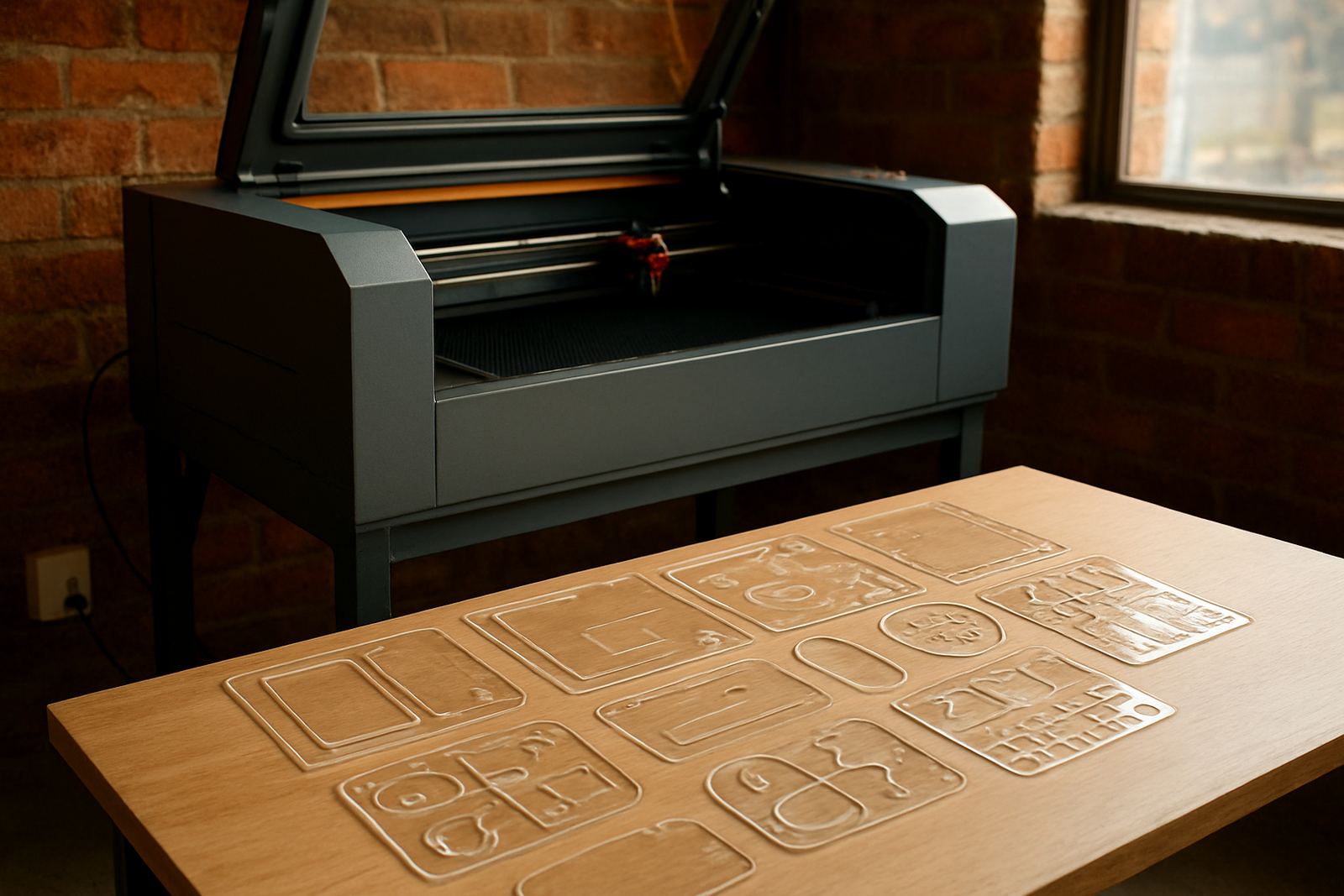
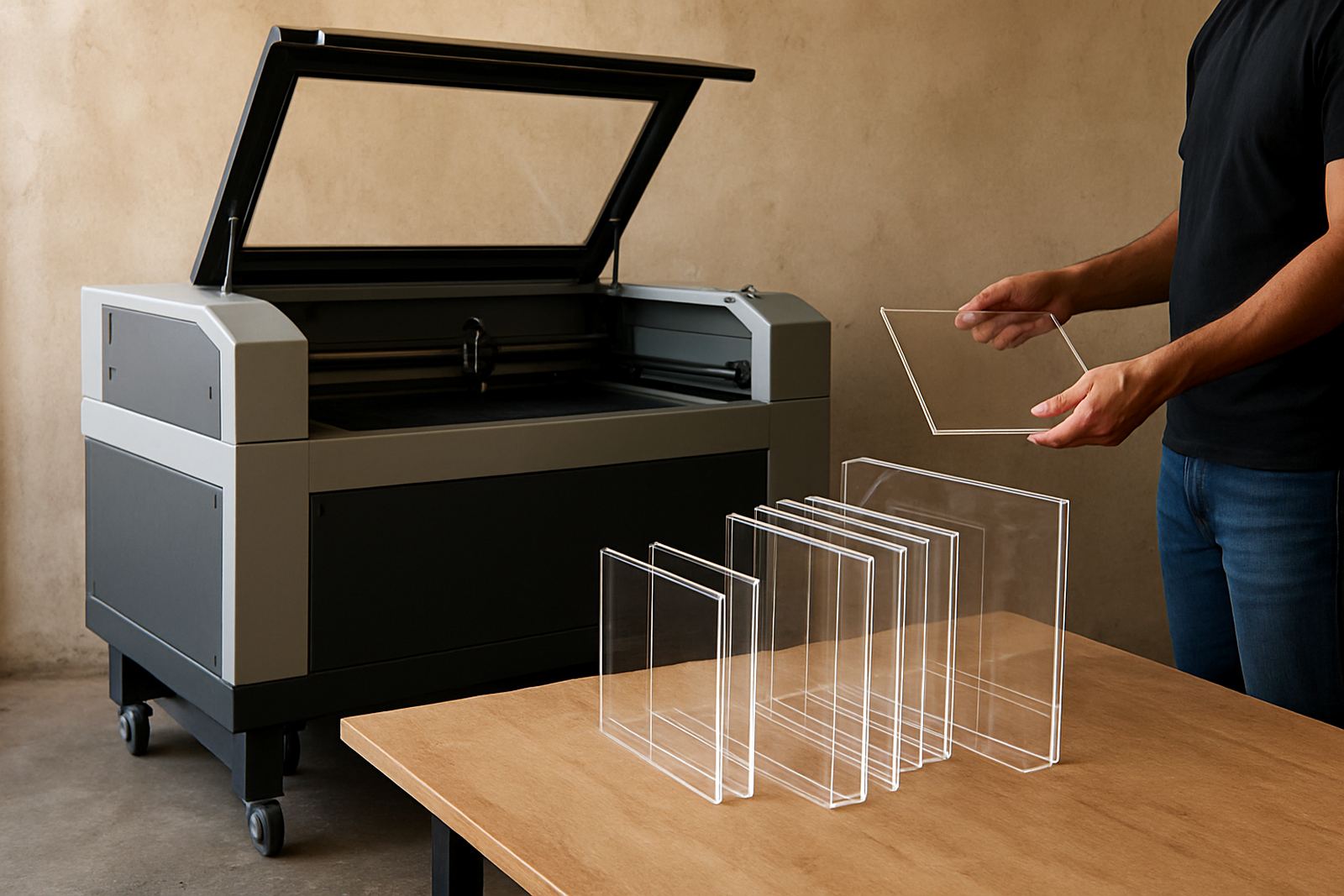
This machine is built for acrylic fabrication where finish matters. It cuts cast and extruded sheets with smooth edges, fine internal detail and less hand finishing when the settings are matched correctly to the sheet type and thickness. For display work, that means letters, light box faces, product stands, brochure holders and protective screens can move from design to fitting with less rework.
It is suited to workshops that need a dependable laser for repeated short runs as well as larger batch work. The tube output, bed size and motion system are selected to handle daily cutting without fuss, and the airflow and exhaust setup helps keep the cut face cleaner. On clear cast acrylic the edge quality is usually better for polished finishes, while coloured sheet can be cut to very crisp detail. A careful setup also helps reduce flame marks and keeps the corners sharp, even on smaller parts.
Sizes, Bed Options And Practical Specs
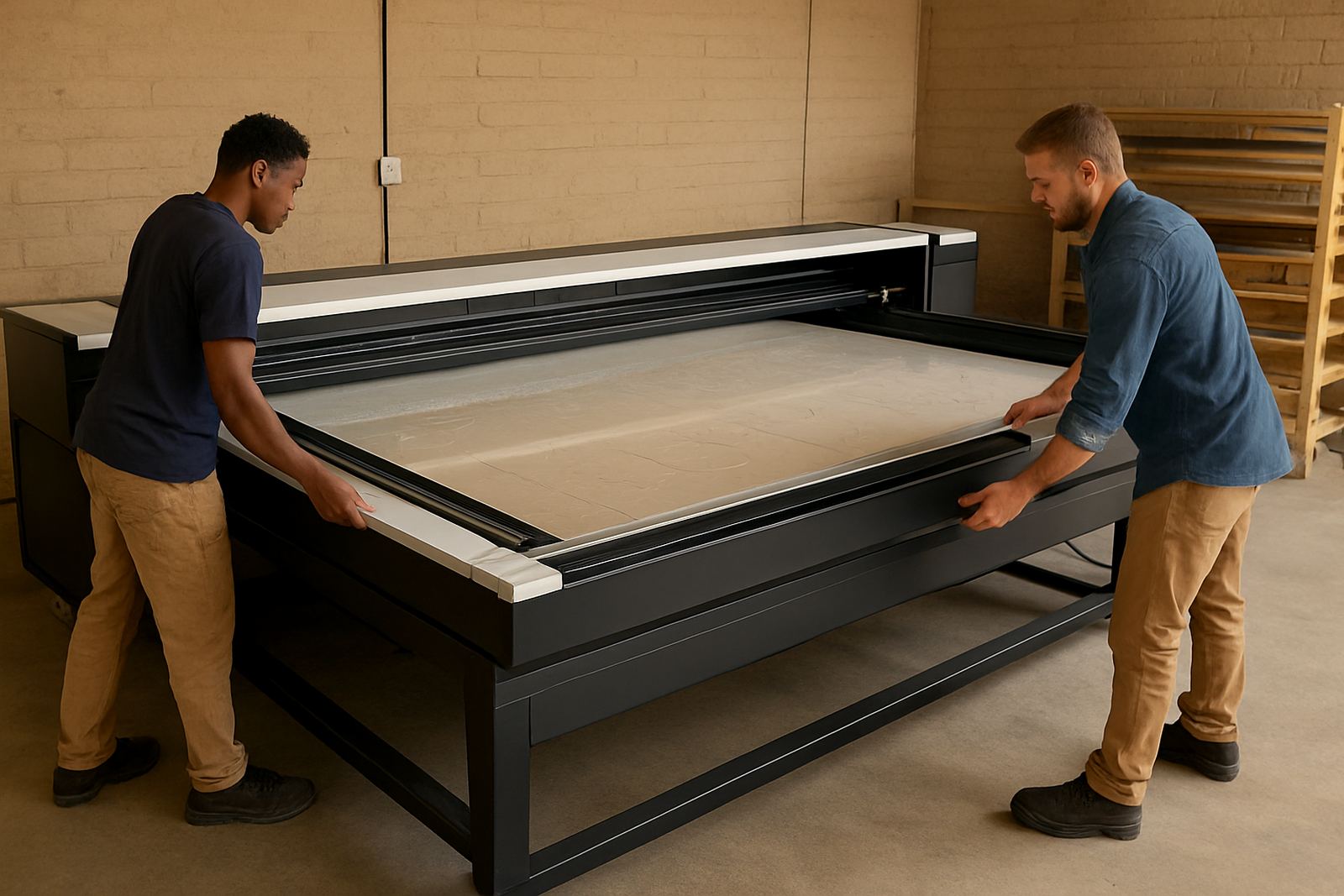
Choosing the right size depends on the sheet format you buy most often and how much nesting you want to do in one run. Most Johannesburg and Pretoria fabrication teams work from standard sheet sizes, so the bed should allow sensible placement with space for offcuts and tabs. If you are cutting display panels for malls, offices or retail fit-outs, a wider bed can save time on repeat nesting and reduce sheet handling.
- Working area options: 900 x 600 mm, 1300 x 900 mm, 1600 x 1000 mm and larger formats on request
- Typical acrylic thickness: 2 mm to 25 mm, depending on tube power and finish requirement
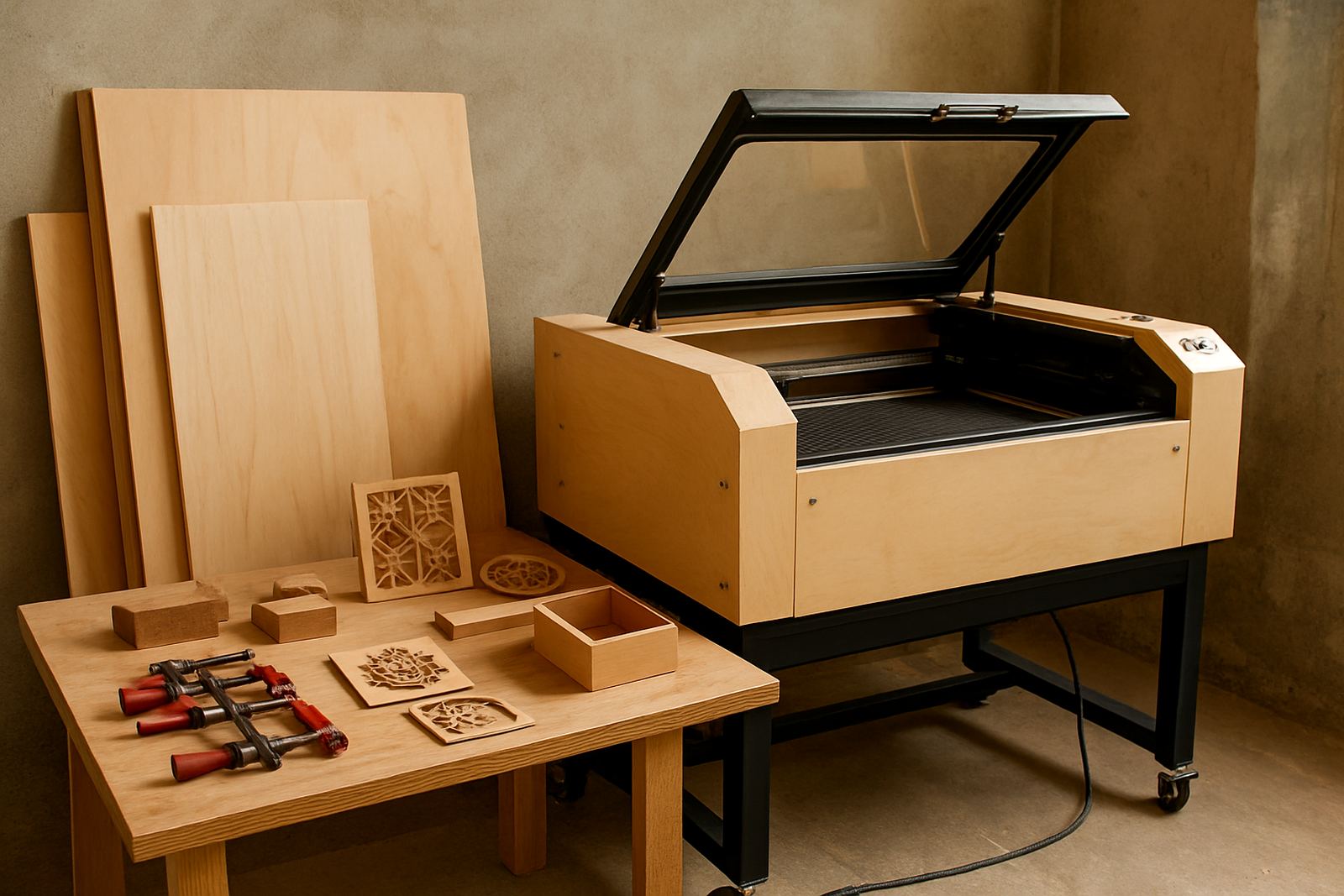
- Cut type: acrylic cutting, score-style detail work and mixed material jobs with wood and leather
- Motion control: stepped or servo style drive options, matched to the production load
- Cooling: water chiller support for stable cutting during long shifts
- Extraction: rear or side ducting for fumes and fine residue
For a clean result, the cut path must be well controlled and the machine needs stable cooling. In practice, a properly installed unit is easier to keep accurate than one that is underpowered or badly ventilated, and that shows up quickly on acrylic edges. If you are doing sign work in batches, a model with a stronger bed and better airflow is worth the extra spend.
Where Acrylic Fabrication Laser Work Fits Best
This product is a good fit for businesses that produce display and point of sale items, custom signage, shopfitting components and exhibition pieces. It is also used by makers producing trophies, branded panels, box fronts, menu holders and light diffusers. Acrylic responds well to laser cutting because the beam can trace detailed shapes without heavy mechanical pressure, which helps on small parts and delicate internal cut-outs.
In coastal areas such as Durban or Cape Town, acrylic sheets should be stored flat and covered so dust and moisture do not affect the job before cutting. In Gauteng, where many shops run through load-shedding with backup power, it helps to plan cutting runs around stable supply and to keep a proper cooling backup in place. For municipal or commercial fit-outs, the finished parts are often required to fit exact drawings, so the machine should be set up to hold tolerances consistently and the operator should check dimensions before production starts.
- Best for retail displays, illuminated signs, exhibition stands and internal fit-out parts
- Useful for short custom runs as well as repeated batch production
- Suitable for local fabrication teams, signage makers and product developers
- Handy where a clean edge matters and sanding time must stay low
Installation, Power And Site Preparation
Installation should be planned around the room, the material flow and the power available on site. A laser cutter needs a level floor, enough clearance for maintenance access and a safe place for the chiller, extraction and compressor if fitted. In Wynberg, Sandton, Midrand and the wider East Rand, the common issue is not just floor space but also the quality of power and ventilation. If the supply is unstable, voltage protection and proper shutdown practice become part of daily use.
Most systems need single phase or three phase power depending on size and specification, plus a dedicated circuit where possible. Acrylic cutting also needs reliable extraction because fumes and residue can build up inside the cabinet and on optics if airflow is poor. A gas assist supply is not always needed for standard CO2 acrylic cutting, but clean compressed air is often used to help clear the cut line and keep the edge cleaner. If the job room is hot or dusty, extra attention should go to cooling and filter checks, otherwise you end up cleaning the optics too often.
LaserCutter CO2 handles installs, demo cuts and operator training nationwide, with support in Johannesburg, Pretoria, Midrand, the East Rand, West Rand, Durban and Cape Town. That helps when the machine has to be moved into an existing workshop or lined up with a new extraction route and packing area.
Care, Servicing And Day-To-Day Running
Good care keeps the machine cutting neatly and protects the tube, mirrors and lenses. Acrylic leaves light residue that can build up if the extraction is weak or the optics are not checked on time. A clean machine is not just easier to run, it also holds its focus better and cuts more predictably on thicker sheet. That is especially important when the workshop is running a mix of signs and display fabrication in the same week.
- Check water temperature and flow before each shift
- Clean lenses and mirrors on a regular schedule, not only after a fault
- Inspect the extraction path and filters for blockages
- Keep rails, belts and drive parts free of dust
- Use the right cut settings for cast or extruded acrylic
- Book preventive maintenance before the machine starts drifting on quality
Service support covers breakdown response, beam alignment, optics cleaning, cooling checks, extraction service, remote support and annual service plans. If a workshop is near the coast, humidity can affect storage and electrical contacts a bit faster, so routine checks matter. For busy shops, it is often cheaper to keep a maintenance timetable than to stop production after a lens fault or chiller issue.
What To Confirm Before You Order
Before placing an order, confirm the sheet size you use most often, the thickest acrylic you expect to cut and the finish you want on the edge. A machine that handles 3 mm signage well may not be the best choice for 20 mm display blocks, so the tube power and bed size must match the job mix. It also helps to know whether you need just cutting, or cutting plus mixed material work for wood and leather too.
Ask what the install will require on site, including power, cooling, extraction and any relocation help if the machine is moving into an existing factory. If you have operators in place, training should cover focus setting, safe loading, cut parameter selection and routine cleaning. That is usually where most production issues start. For teams in busy areas like Sandton or Pretoria, a clear handover matters because staff may change and the machine still needs to run the same way the next morning.
- Sheet size used most often
- Typical and maximum acrylic thickness
- Power supply available on site
- Extraction and cooling arrangement
- Need for operator training and ongoing support
- Space for material storage and finished parts
Key facts
| Product type | CO2 laser cutter for acrylic fabrication |
|---|---|
| Working area | 900 x 600 mm to 1600 x 1000 mm and larger |
| Material range | Acrylic, wood and leather |
| Acrylic thickness | 2 mm to 25 mm depending on setup |
| Power | Single phase or three phase options |
| Support area | Wynberg, Johannesburg with nationwide install and training |