What a benchtop wood cutter is used for
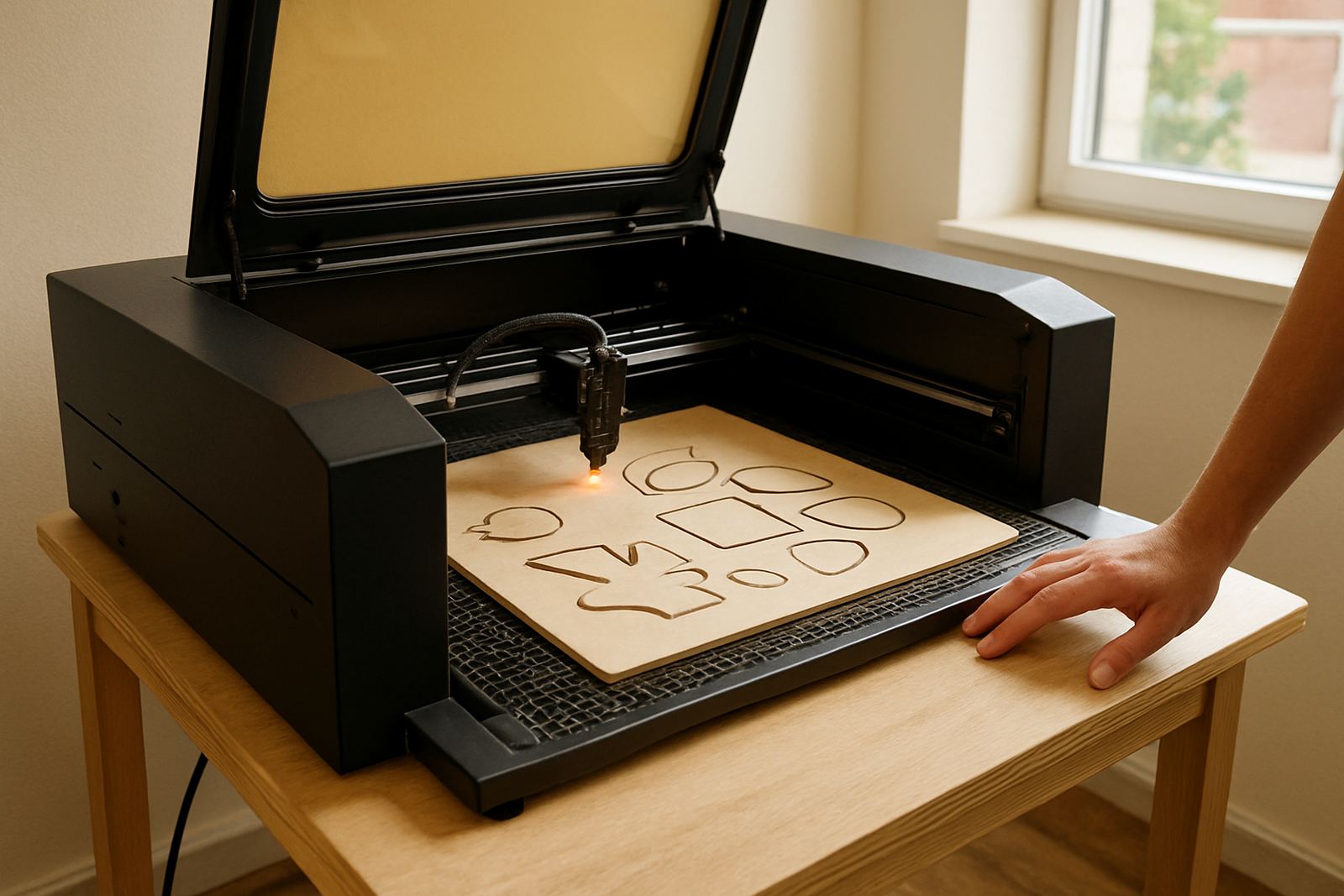
A benchtop wood cutter is a small-format CO2 laser system set up for cutting light timber sheets, thin MDF, plywood, veneer, paperboard and similar flat materials. It is commonly used for model making, signage samples, craft products, packaging inserts, educational projects and short production runs where repeat accuracy matters. For many users it replaces slow hand cutting and reduces sanding, because the beam leaves a finer edge on suitable materials.
In practice, this type of machine works best where the job is more about detail than brute force. If you are cutting in Johannesburg, Wynberg or operating from a small unit in Sandton, the main benefit is that a compact machine can sit in a modest workspace and still produce steady results. It is a practical fit for makers who need a controllable process and not a large floor-standing system.
For thin sheets, the cut quality is usually clean and consistent, provided the material is dry and properly supported. Where the wood has glue pockets, knots or uneven moisture content, settings need checking before production starts.
Sizes, bed options and cutting capacity
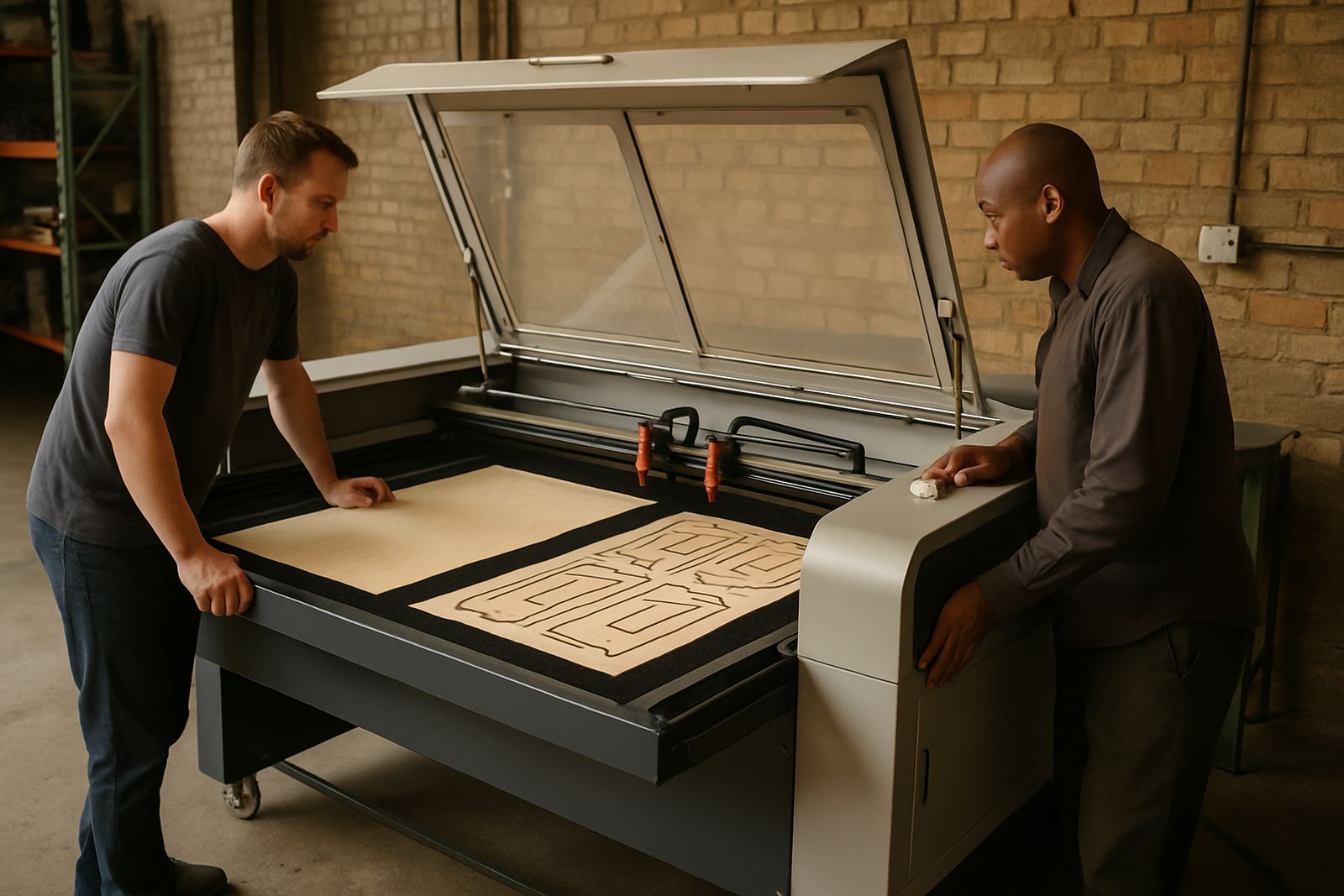
Benchtop systems are normally supplied with working beds that suit smaller sheet sizes and offcuts rather than full industrial panels. Common choices include 600 x 400 mm, 900 x 600 mm and other compact bed formats that can handle craft stock, sample boards and smaller batch work. The right size depends on your sheet size, the biggest item you plan to make, and whether you want room for nesting parts on one run.
Typical cutting performance depends on wattage, lens choice, airflow and material thickness. For thin plywood and MDF, most buyers look for a machine that can handle 3 mm to 6 mm material comfortably, with some users stepping up for occasional thicker cuts. Engraving detail is also important, especially for signage, personalised products and decorative panels.
- Working area options for small batch production
- Zoned honeycomb or slat support for cleaner cut edges
- Front or pass-through access on selected models
- Laser power matched to thin timber and light MDF work
- Compatible with extraction and air assist for cleaner results
When comparing options, check the maximum workpiece height, the bed access, and whether the machine allows easy focus adjustment. A tight workspace in Midrand or Pretoria can benefit from a model with a compact footprint, while a maker doing mixed product work may prefer a larger bed for layout flexibility.
Where it fits best in South African production spaces
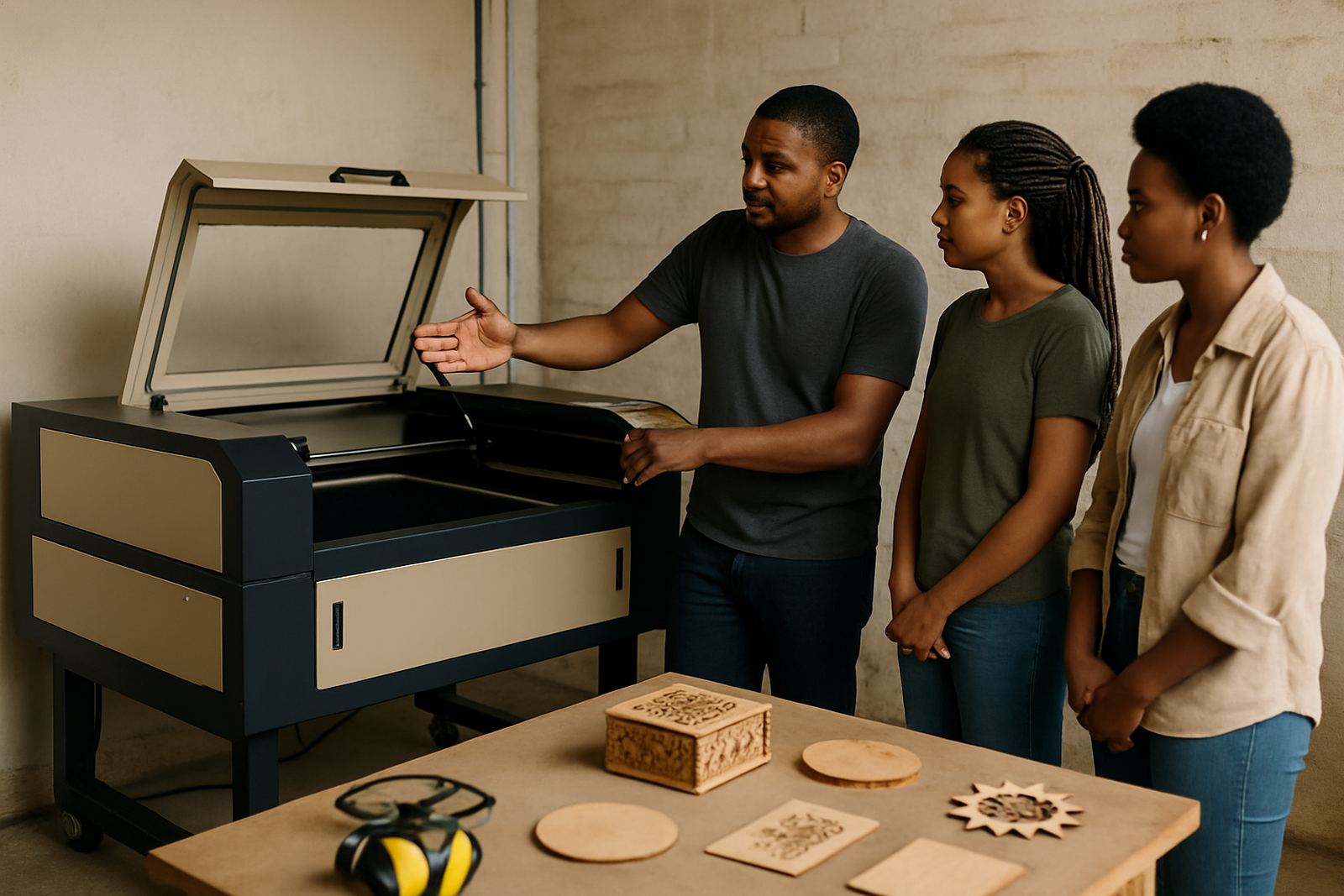
This product suits craft studios, signage makers, school tech rooms, small furniture shops, model builders and entrepreneurs producing gift items or display pieces. It is also useful for seasonal production, custom wedding decor and short-run retail packs. Because it is a benchtop system, it is a good match where floor space is limited and materials are handled in smaller batches.
In coastal areas such as Durban and Cape Town, humidity needs to be managed carefully. MDF and plywood should be stored flat and dry, because swollen edges and warped sheets affect cut quality. In Gauteng, dust control matters just as much. Fine wood dust can build up quickly and should be removed from the machine body, rails and extraction area before it starts affecting alignment or smoke removal.
For light commercial users, the real advantage is repeatability. Once your settings are dialled in, the machine can keep producing parts to the same size, which helps when you are making signage letters, inserts, tokens or product kits.
Installation, power and extraction requirements
Benchtop wood cutters normally need a stable mains power supply, a properly earthed socket and enough clear space around the machine for access, cooling and exhaust routing. The exact electrical load depends on the model, but most units are fitted for standard workshop use rather than heavy three-phase supply. During load-shedding, many users plan their cutting schedule around generator or inverter support where appropriate, especially if they need to complete a run without interruption.
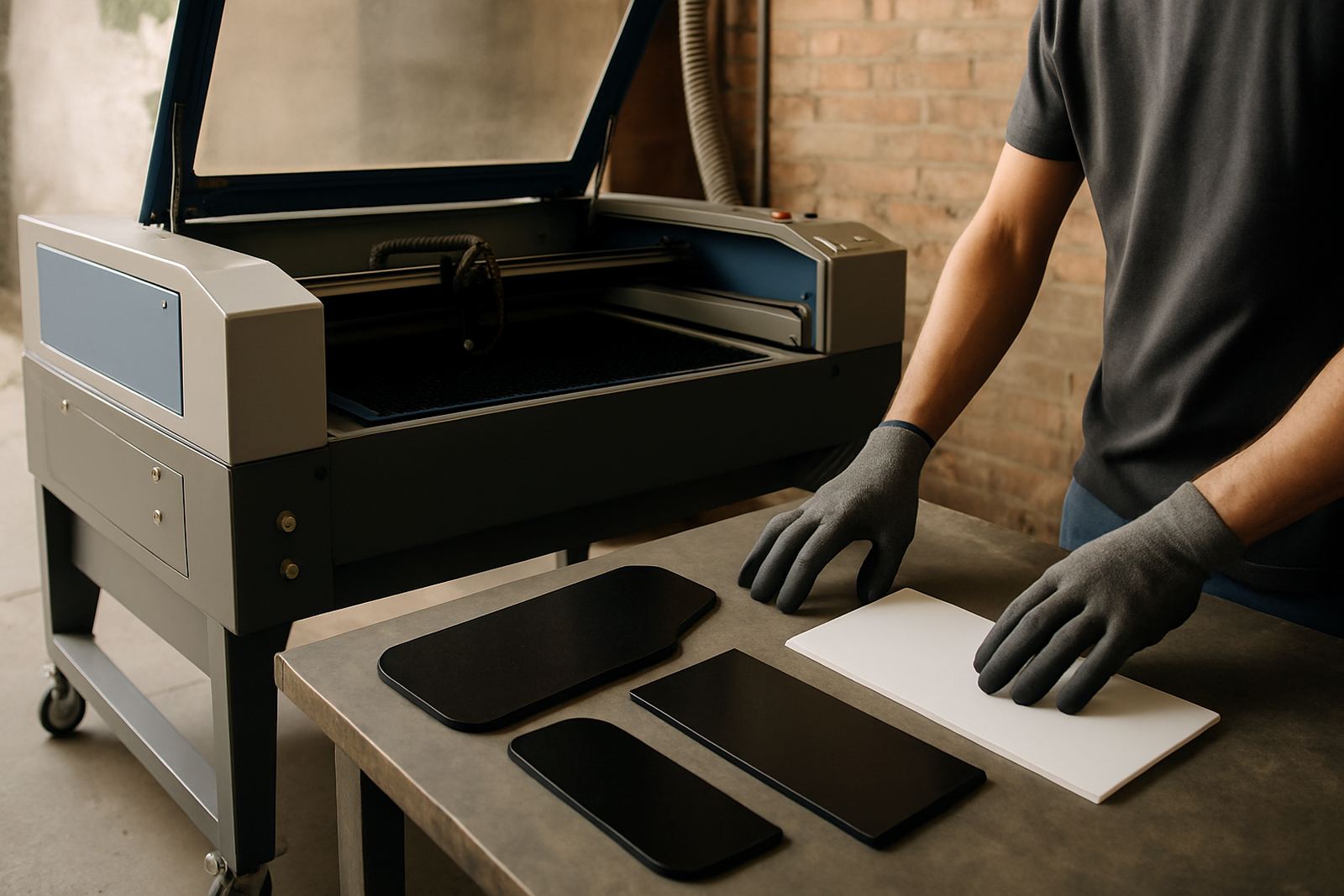
CO2 laser cutting of wood creates smoke and fine particles, so extraction is not optional. A proper extraction fan and ducting route to the outside are needed, with care taken to comply with building rules and any local municipal requirements for ventilation and nuisance control. Air assist also helps keep the cut line cleaner by reducing flare-ups and helping to clear smoke from the beam path.
- Stable power supply with correct earthing
- Extraction fan and ducting to a safe discharge point
- Air assist for cleaner cuts and less scorching
- Level surface with space for loading sheets and offcuts
- Room for cooling, service access and safe material storage
Where installation is done nationwide, we also check the room layout, access for delivery and the available power before commissioning. That saves time and avoids a machine being placed where it cannot breathe properly or be serviced easily.
Care, cleaning and service intervals
Wood cutting machines need regular care to keep cut quality steady. Lenses and mirrors should be checked and cleaned on schedule, rails should stay free of dust and resin, and the extraction path must not be allowed to clog. A machine that looks fine on the outside can still lose performance if the optics are dirty or the beam path is out by a small amount.
Preventive maintenance usually includes optics cleaning, beam alignment checks, cooling checks, belt and motion inspections, and a review of the exhaust system. If a chiller or cooling system is running too warm, the machine may cut inconsistently or shut down under load. This is often where a service visit pays for itself, especially for operators running jobs daily.
For Durban and other humid areas, keep an eye on condensation and stored materials. For Johannesburg dust conditions, keep filters and internal surfaces clean. A small clean-up at the end of each shift is far cheaper than a repair after smoke contamination or a slipped belt. We have seen machines lose accuracy because nobody checked the bed and optics for a few weeks, then the job queue backs up fast.
What to check before ordering
Before you place an order, confirm the material thickness you want to cut, the sheet size you plan to use, and the level of detail required on your work. It also helps to know whether your main work is cutting, engraving or a mix of both. A compact system for hobby use is not always the same as one intended for light commercial output.
Ask about the following points so the machine is matched to your workshop and not just the catalogue spec:
- Working bed size and maximum material thickness
- Laser power rating for your plywood and MDF range
- Extraction, air assist and cooling requirements
- Software compatibility and file setup workflow
- Training for first-time operators and supervisors
- Maintenance access, spares supply and service support
It is also worth checking the finish you expect on the edge. Some woods cut darker than others, and some MDF types create more smoke or residue than expected. If you need demo cuts in Wynberg, or installation support in Pretoria, Midrand, the East Rand, West Rand, Durban or Cape Town, it helps to test your own material before finalising the order.
Key facts
| Machine type | Benchtop CO2 laser cutter for thin wood-based sheets |
|---|---|
| Working area | Common options from 600 x 400 mm to 900 x 600 mm |
| Typical material range | 3 mm to 6 mm plywood and MDF, depending on setup |
| Power supply | Standard mains supply with correct earthing |
| Cooling | Water-based cooling with temperature monitoring |
| Support | Installation, training, maintenance and breakdown response nationwide |