Built for signwork that needs clean edges and repeat cuts
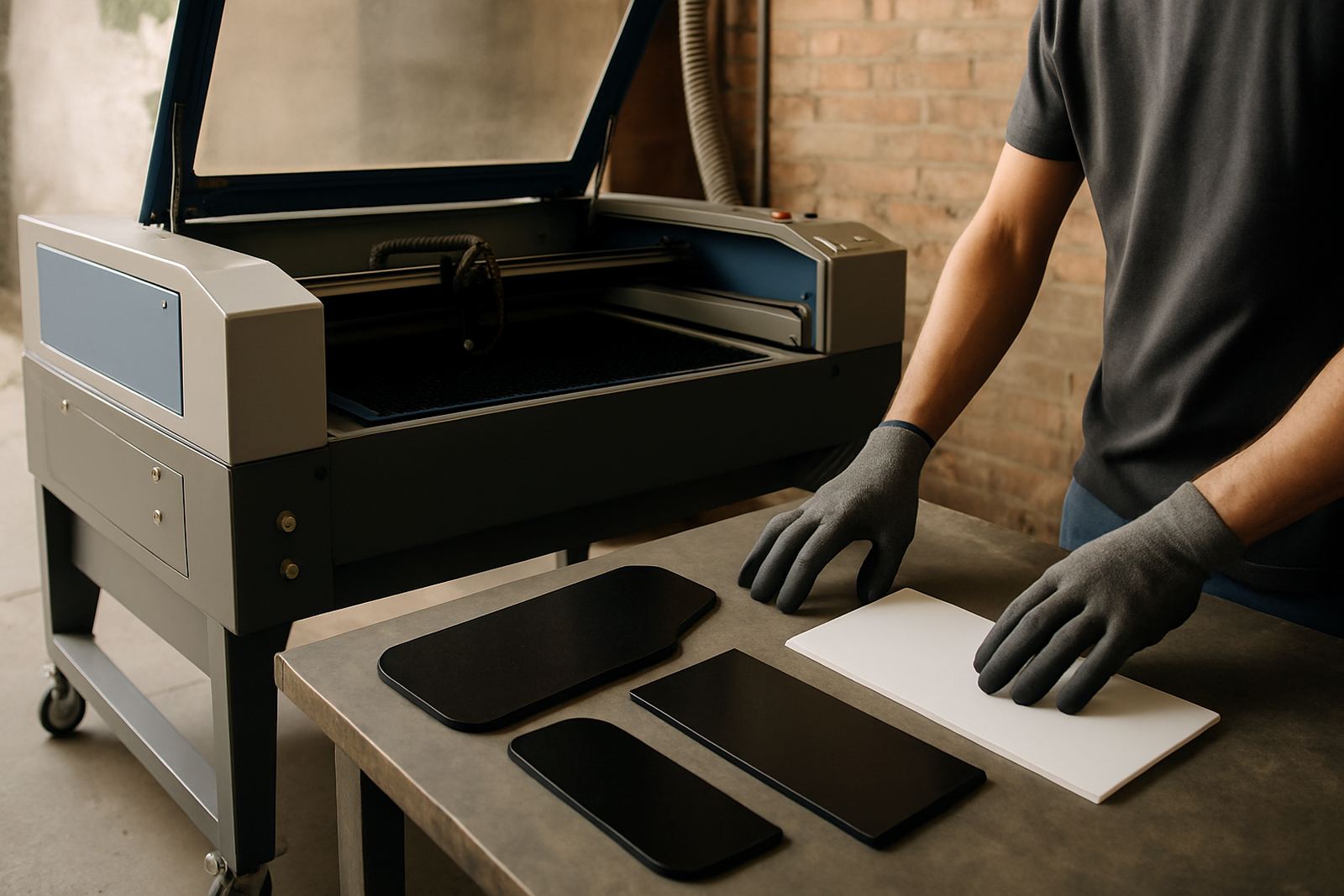
The Sign Maker Laser is a CO2 laser cutting setup configured for acrylic, wood, leather and similar non-metal materials. It is commonly used for illuminated lettering, standoff signs, directional panels, small display parts and custom components where a neat edge finish and accurate detail are important. For sign shops in Wynberg, Sandton, Pretoria or Cape Town, it gives a dependable way to move from single-off jobs to regular production runs without changing the workflow each time.
This type of machine is best for flat sheet material and fine profile cutting, not for metal cutting. It works well when you need letters, logos, stencils, inlays and display components with consistent corners and smooth internal cuts. The beam path and cutting head are set up for precision, so smaller lettering and detailed shapes come out better than with hand cutting or basic routing on thin material.
For businesses handling acrylic sign faces, POS display parts or craft production, the practical value is in repeatability. Once your settings are sorted for a material thickness, the same file can be run again with the same result. That helps when you have a rush job, a replacement part or a batch of wayfinding pieces that must match exactly, even if the order comes in late on a Friday.
Sizes and options for different production spaces
We help match the machine size to the space and the type of work being done. A smaller bed suits sample work, short runs and shops with limited floor space, while a larger bed is better for full sheets, nested jobs and busy production. Common working areas include 600 x 400 mm, 900 x 600 mm and 1300 x 900 mm, with larger formats available where the workload justifies it.
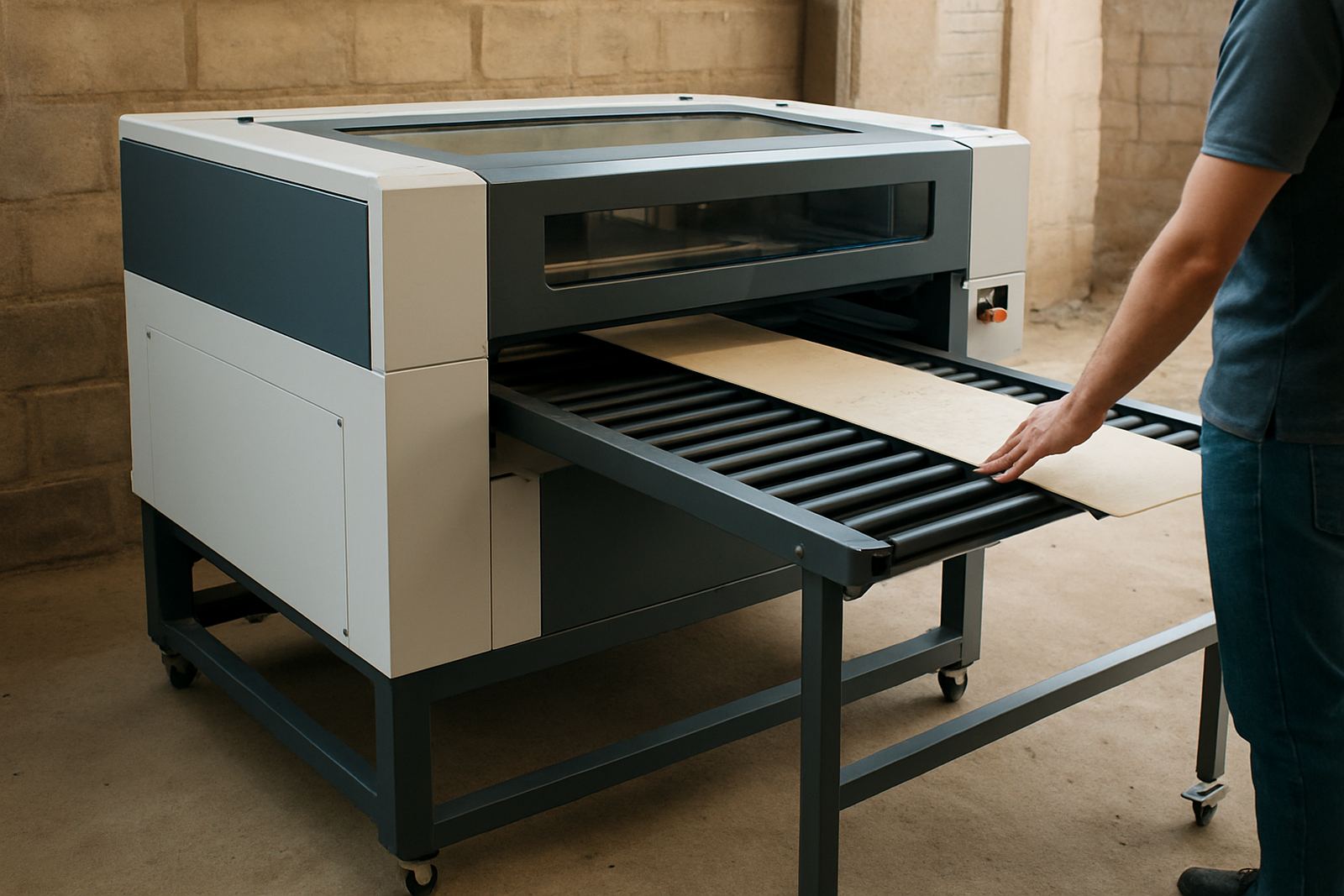
When choosing a size, think about the largest sheet you cut regularly, how often you need to nest parts, and whether your team is cutting one-off pieces or repeated batches. A larger bed can save time on repositioning, but it also needs more floor space, stronger extraction and a bit more planning for loading material. In some workshops the right choice is not the biggest unit, it is the one that fits the real job list and the available power.
- Bed sizes available for sample work, signage and batch cutting
- Power levels selected to suit the material thickness and speed required
- Optional airflow, extraction and cooling arrangements for heavier use
- Installation support and operator training for single users or teams
We also help with relocation and setup changes if your workshop layout changes later. That matters in places where premises are tight and you need to plan around storage, cutting tables and ventilation. A good setup leaves space for loading sheets, keeping lenses clean and moving finished parts safely without damage.
Where it suits best in signage and display work
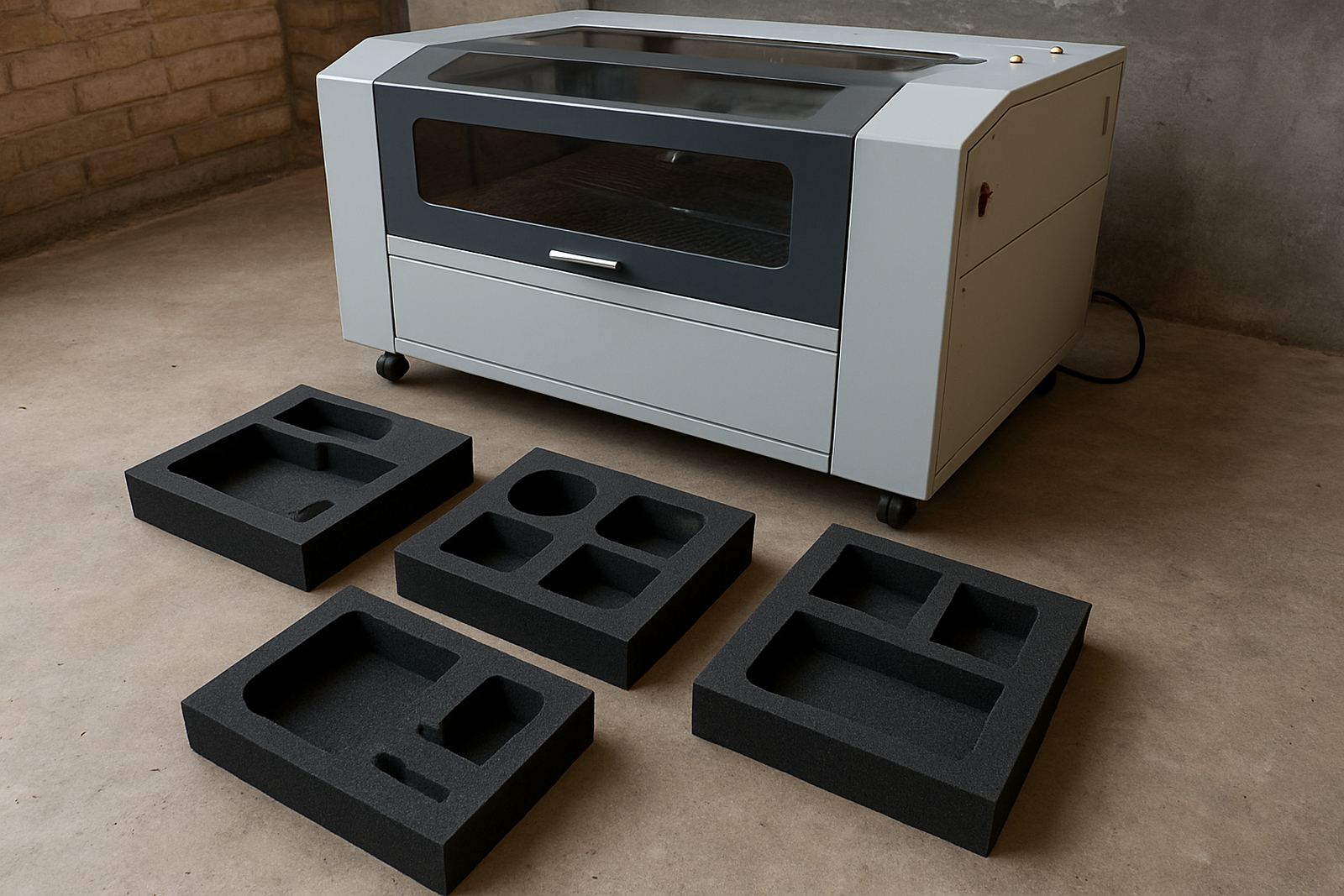
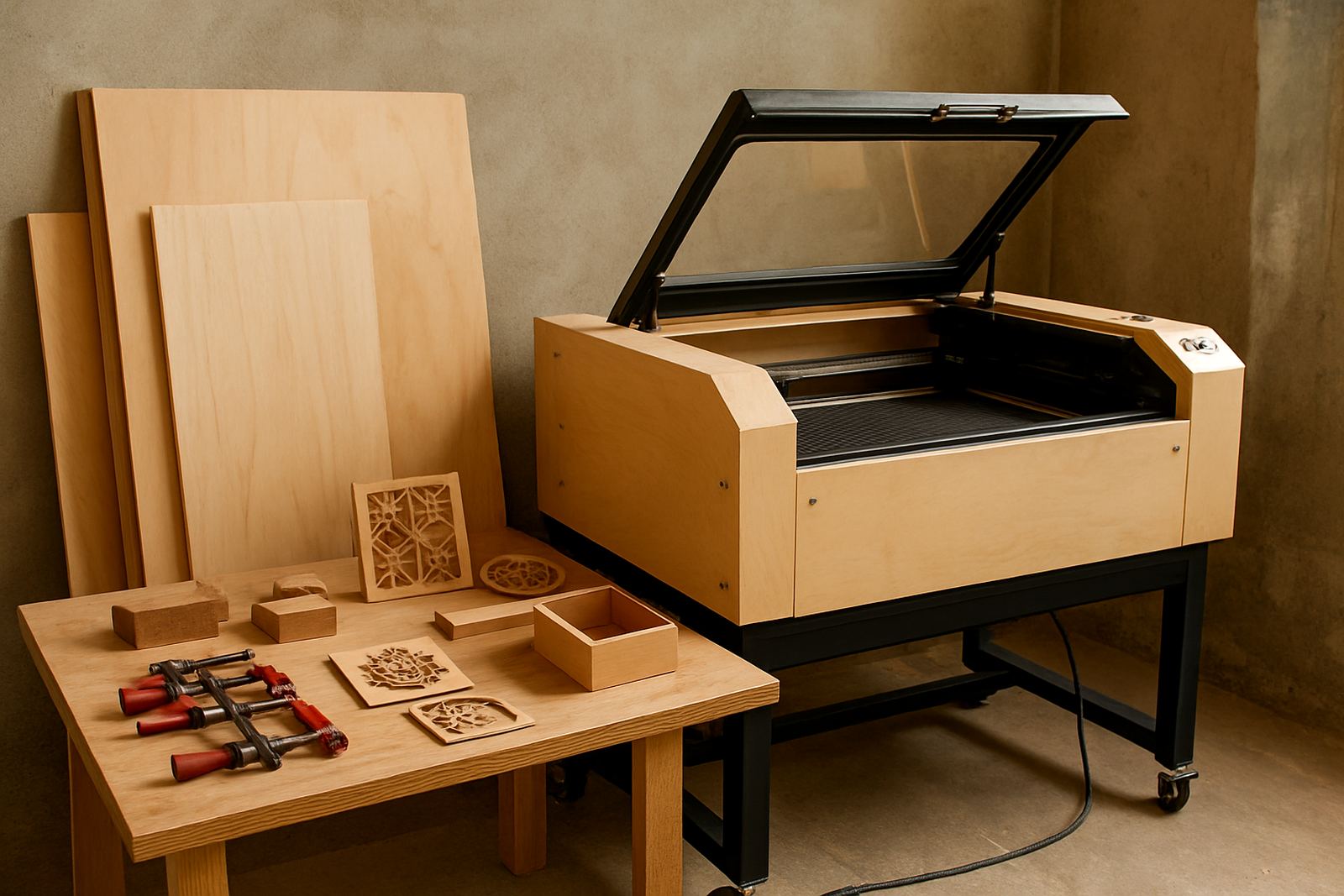
This machine suits acrylic letter cutting, wayfinding components, display stands, packaging inserts and detailed decorative panels. It is a strong fit for sign makers who need neat internal corners, small text, repeating logos and cut-outs that must line up with other production steps. It also works well for light fabrication jobs in wood and leather, which can add extra revenue without needing a separate process for every material.
For municipal or corporate wayfinding work, accuracy matters because the parts often need to match a drawing or approval sample closely. For shopfitting and retail displays, the cut quality affects how clean the final item looks before polishing or assembly. In craft and custom manufacturing, the laser helps reduce hand finishing time, which is useful when a client wants a quick turn around and the same result on every unit.
- Acrylic letters and face parts
- Wayfinding panels and directional inserts
- Display components and retail fittings
- Decorative engraving and profile cutting on suitable materials
- Short runs, repeat jobs and custom one-offs
It is worth checking the airflow and room conditions in your workshop too. Acrylic cuts best when fumes are extracted properly, and dust from wood can build up around moving parts if cleaning is neglected. In coastal areas like Durban or on the Cape side, humidity and salt in the air can also affect optics and metal parts, so the machine needs regular care even if it is not running every day.
Installation, power and workshop requirements
Installation starts with the right site prep. The machine needs a stable level surface, space for access on all sides, and enough room for loading sheets and removing cut parts. We install across Johannesburg, Pretoria, Midrand, the East Rand and West Rand, with support for Durban and Cape Town projects as well. Operator training is included so your team knows how to run jobs, adjust settings and keep production moving safely.
Power requirements depend on the machine size and accessories, but most workshop units need stable single phase or three phase supply with protection against surges and interruptions. In South Africa, load-shedding planning is part of the setup, so backup power or controlled shutdown procedures should be considered. Cooling and extraction are not optional extras. The laser tube, optics and cutting area all depend on correct cooling and fume removal for safe daily use.
Gas support may be needed depending on the material and cutting results you want. Air assist is commonly used to keep the cut clean and reduce flare-ups, especially on acrylic and wood. If your site has a generator or inverter arrangement, we check what the actual load is before commissioning so the machine does not trip out in the middle of a job. That small bit of planning saves time later and keeps the workshop calmer when the power goes off without warning.
Care, servicing and keeping output consistent
A laser cutter performs best when the optics, mirrors, lens and cooling system are kept clean and checked on schedule. Preventive maintenance makes a difference, especially in production sites that run daily or cut dusty material. Our service support includes optics cleaning, beam alignment, cooling checks, extraction service, breakdown response and annual service plans for busy workshops that want fewer surprises.
Simple workshop habits also help. Keep material flat and clean, store sheets away from damp walls, and do not let scrap and offcuts build up around the machine base. On wood jobs, dust extraction should be cleared regularly. On acrylic, residue around the bed and head can affect cut quality if ignored. A short daily check is better than waiting for a fault that stops work half way through a batch.
- Check lens and mirrors for residue before heavy production
- Inspect cooling flow and water condition on a regular schedule
- Keep the extraction path clear and the filters serviced
- Test alignment after transport, relocation or a hard knock
- Book preventive maintenance before peak season jobs start
If a fault does happen, remote support can often narrow down the cause before a technician visits site. That is useful when you are trying to decide whether the issue is in the cutting settings, extraction, cooling or optics. The aim is to get the machine back into service quickly, without guessing at parts or wasting material on repeated test cuts.
Points to check before you place your order
Before ordering, confirm the largest material size you cut, the thickness range you use most often, and whether you need mainly sample work or full production runs. It also helps to know if the machine will be used for acrylic only or for a mix of acrylic, wood and leather. That tells us what size bed, power level and support setup will suit your shop best.
You should also check your workshop conditions, including floor space, power supply, ventilation and access for delivery. If you are in a shared industrial unit or retail space, confirm whether extraction ducting can be run outside and whether any local rules apply. In some buildings, noise and fumes have to be managed carefully, so planning that early avoids trouble later.
- Largest sheet size and thickness you want to cut
- Main materials and how often each one is used
- Available power supply and backup arrangements
- Floor space for the machine, extraction and loading area
- Need for installation, training and ongoing service support
If you are not sure which configuration is right, send the job details through the enquiry form and we will help you match the setup to the work. Whether you need a first machine or a replacement for an older unit, the aim is the same: clean cutting, practical support and a setup that suits South African workshop conditions, not just a spec sheet.
Key facts
| Laser type | CO2 laser cutting system for non-metal materials |
|---|---|
| Working areas | 600 x 400 mm, 900 x 600 mm, 1300 x 900 mm and larger options |
| Typical materials | Acrylic, wood, leather, paperboard and selected display sheet materials |
| Common uses | Acrylic letters, wayfinding parts, displays, stencils and small production runs |
| Support | Installation, operator training, preventive maintenance and breakdown response |
| Service area | Wynberg Johannesburg base with nationwide demo cuts and install support |