What a pass through laser does on longer jobs
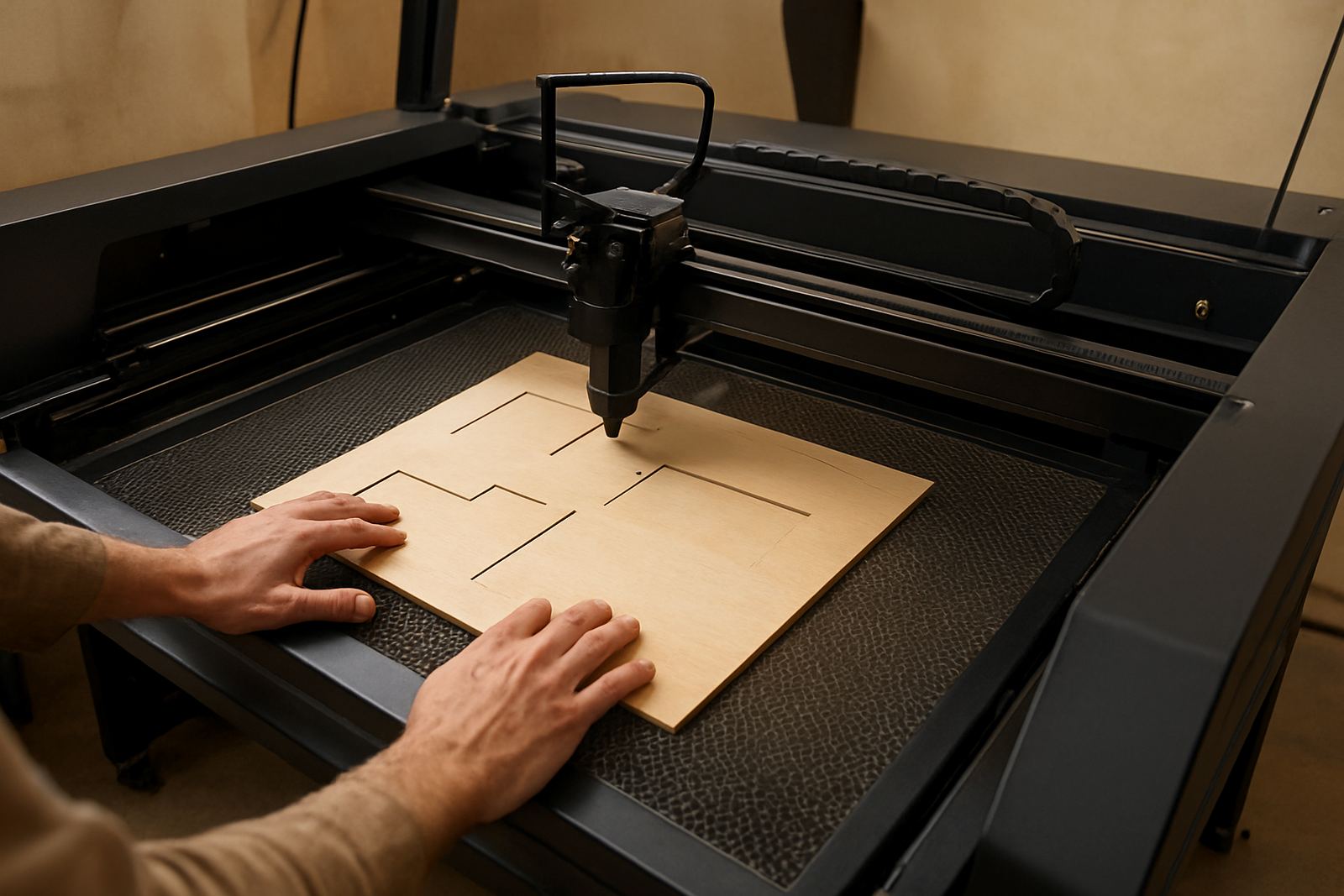
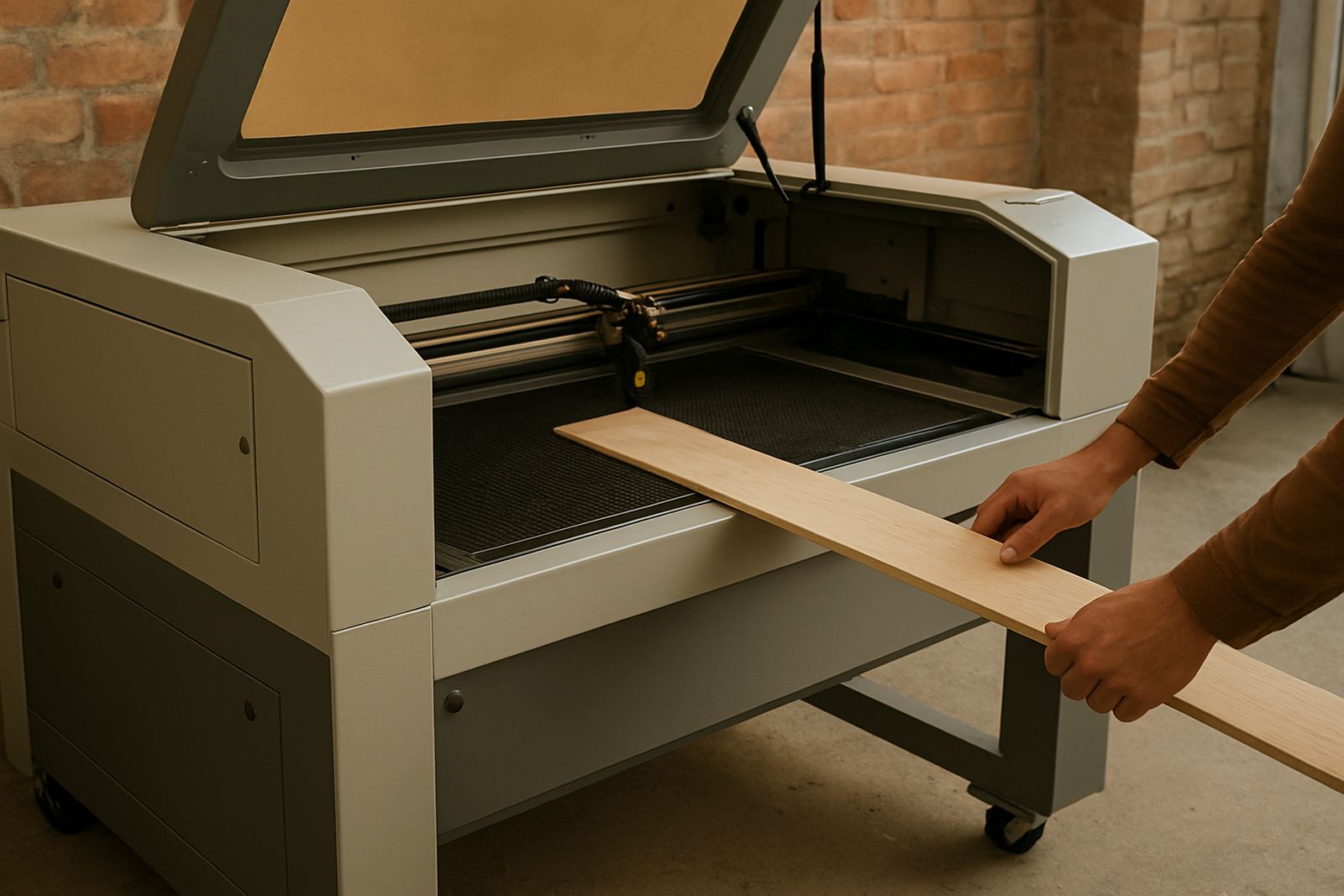
A pass through laser is built with open access points at the front and rear of the cutting area, so material can be loaded through the machine and fed past the standard bed length. That makes it useful for signage panels, long profile parts, decorative strips, display components and production runs where the job is simply too long for a fixed table.
For many workshops in Johannesburg, Pretoria, Durban and Cape Town, the main benefit is less handling. Instead of cutting long work in sections and trying to join lines later, you can keep the job in one setup. That helps with alignment and saves time on repeat work, especially when you are cutting acrylic, MDF, plywood or leather on a daily basis.
In practical terms, the pass through arrangement is about workflow. If your team already knows the sizes you sell most often, the machine can be matched to those lengths so you are not fighting with offcuts and awkward loading every shift.
Standard sizes and pass through options to compare
Pass through laser machines are usually specified by bed size and by the clear opening at the front and rear. The right choice depends on the longest sheet you handle, the width of the parts, and how much room you have in the workshop for loading and extraction.
- Bed sizes commonly used for these machines include 1300 x 900 mm, 1600 x 1000 mm and 1800 x 1000 mm.
- Pass through openings are set to suit long work, with some configurations allowing material to extend well beyond the table area.
- Higher tube power suits thicker acrylic, denser timber boards and faster production cycles.
- Optional rotary support may be added for cylindrical items on some setups, if the job mix needs it.
- Honeycomb or slat-style support can be chosen depending on the material and the finish you want under the cut.
The actual working envelope matters more than the headline machine size. A 1600 mm bed with pass through access can be better value than a larger fixed bed if your main work is long, narrow parts that need to be pushed through in stages.
Where this machine suits the job best
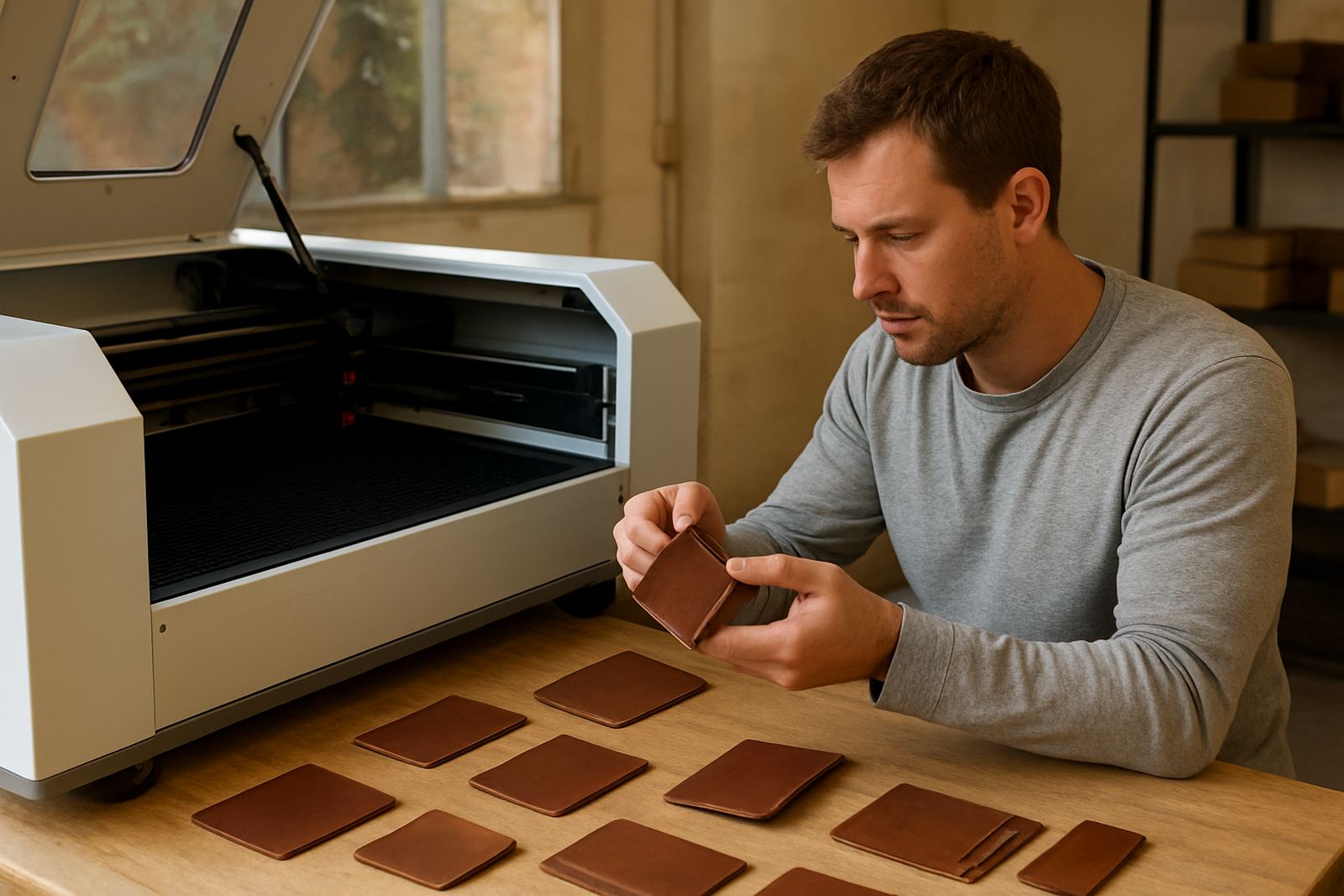
This type of laser suits sign shops, display makers, joinery workshops, model makers, leather goods producers and small manufacturing teams. It is also useful for custom work where every order is a bit different and you need to handle both short detail work and longer production pieces on the same machine.
In coastal areas like Durban or along the Cape side, many buyers also look at air flow and corrosion control because humidity can affect optics, fasteners and cabinet life over time. Inland workshops often focus more on dust control and stable power. In both cases, the machine needs to be placed where the operator can load from front and rear without squeezing past racks, compressors or finishing benches.
If your business cuts for retail displays, event graphics, signage or furniture detailing, the pass through format can be a practical choice because it keeps the job moving. It is not only for high volume factories. Smaller shops use it as well when custom orders start to include longer panels and batch work that must stay accurate.
Installation, power supply and extraction needs
Installation should be planned around floor space, access for service, and the path for long sheets coming into the machine. A level base, clear access at both ends, and enough room for the extraction run are all important. If the machine is being installed in a busy Wynberg, Sandton or Midrand workshop, allow space for the operator to move material without blocking the feed side.
- Stable single phase or three phase power, depending on the machine specification.
- Correct earthing and protection for local load shedding or power dips.
- Air assist for cleaner edges and reduced scorching on wood and acrylic.
- Fume extraction sized to the material, with ducting placed for safe discharge.
- Cooling system support, usually water-based, with regular temperature checks.
- Enough clearance at both ends for long material to travel in and out safely.
For many South African sites, power planning is not optional. If your area has load-shedding or unstable supply, the machine should be installed with the right protection and restart procedure so the tube, optics and controller are not put under unnecessary strain.
Care, servicing and keeping the cut clean
Regular care keeps a pass through laser accurate. The cutting path, mirrors or beam delivery parts, guide rails, filters and cooling system all need attention. Dust from wood and residue from leather can build up quickly, so cleaning should be scheduled before the machine starts losing edge quality or speed.
Operators should check lens condition, alignment, air assist pressure and extraction performance each day. Water quality matters too. If the cooling system is neglected, tube life can shorten and cutting consistency drops. A machine that works well on Monday can start giving rough edges by Friday if nobody is checking the basics, so simple routine care pays for itself.
Annual servicing is worth planning, especially for workshops that run full weeks or handle urgent jobs. Preventive maintenance helps with beam alignment, optics cleaning, cooling checks and general wear before a breakdown lands in the middle of a production run.
What to verify before you place the order
Before ordering, measure the longest part you need to cut, not just the sheet size on paper. Then check whether your production flow needs a front load, rear discharge, or both. A good fit depends on the actual jobs on your floor, not only on brochure dimensions.
- Longest material length and widest part you need to process.
- Material types, thicknesses and the daily volume you expect.
- Available floor space, door access and the route for installation.
- Power supply available at the site.
- Extraction route and whether ducting can be installed neatly.
- Training needs for new operators and shift staff on a pass-through laser.
You should also ask how the machine will be supported after installation, including spares, remote help and service response if something stops cutting. For many buyers, that support detail matters as much as the machine itself.
Support from Wynberg and nationwide
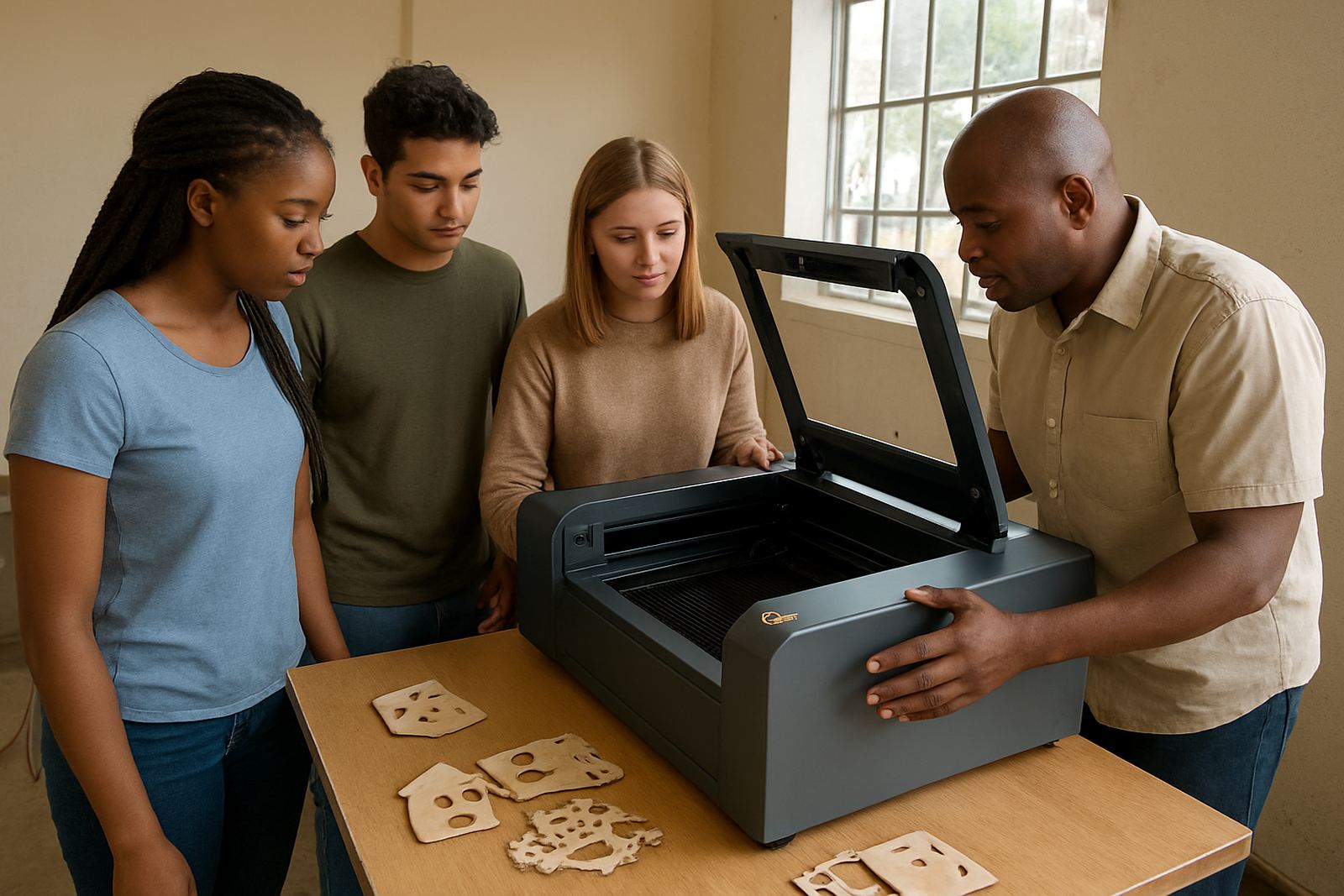
LaserCutter CO2 works from Wynberg, Johannesburg and supports demo cuts, installations and operator training nationwide. Clients in Sandton, Pretoria, Midrand, the East Rand, the West Rand, Durban and Cape Town can arrange practical support based on the job and the site.
The team includes Mandla Sibiya, Lethabo Makhubu, Johan van Wyk, Refilwe Mokoena, Tyron Naidoo and Dineo Nkoana, with a focus on making sure the machine is set up properly and the operator knows how to use it. If you need a pass through laser for longer work, the best next step is to send your enquiry through the contact page so the right specification can be matched to your workshop.
Key facts
| Machine type | CO2 pass through laser cutter |
|---|---|
| Typical bed sizes | 1300 x 900 mm, 1600 x 1000 mm, 1800 x 1000 mm |
| Supported materials | Acrylic, wood, leather and similar non-metal sheet materials |
| Access style | Front and rear pass through openings for oversized jobs |
| Power requirement | Single phase or three phase depending on build and tube size |
| Support | Installation, training, maintenance, spares and remote assistance nationwide |