
What a foam insert laser cut is used for
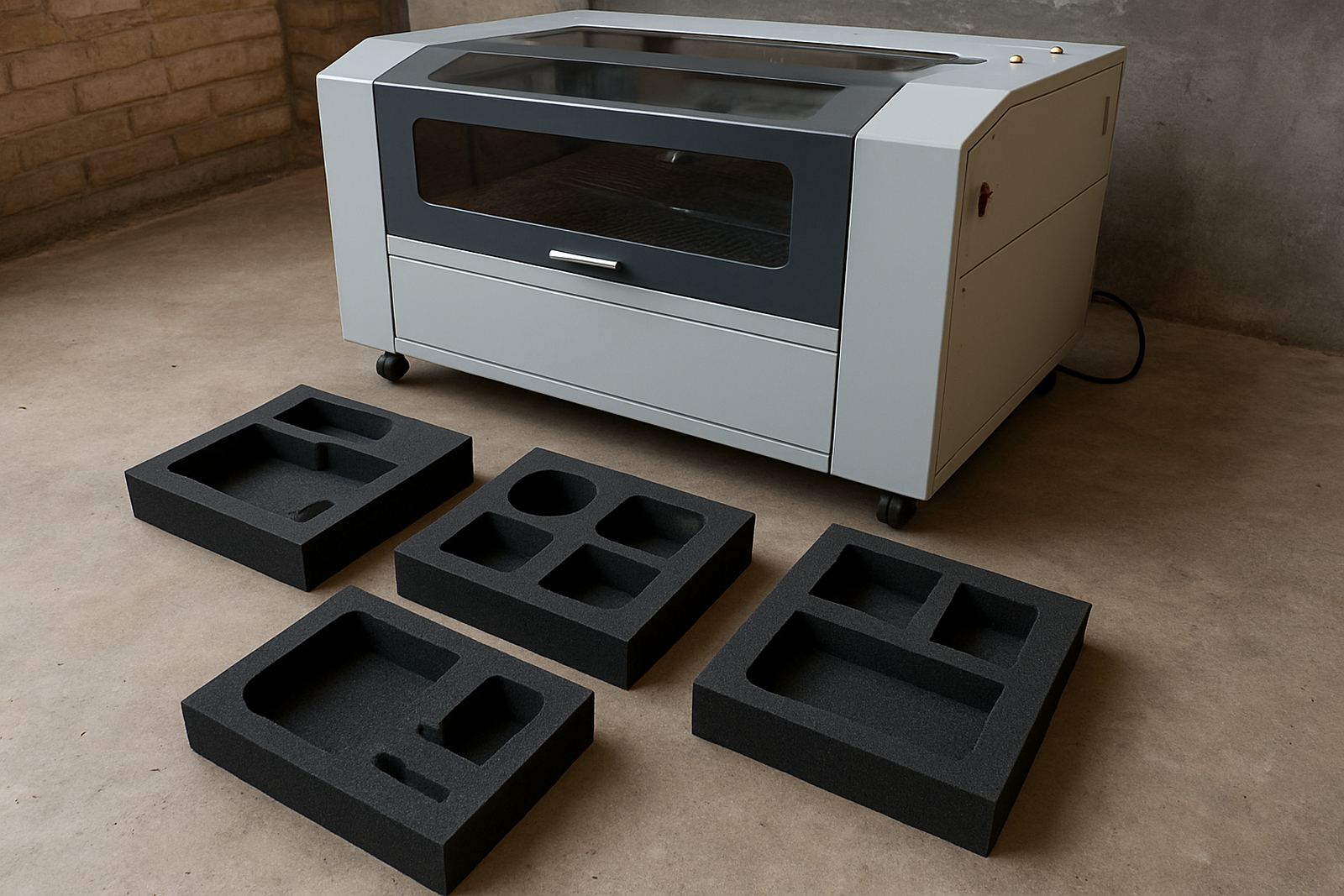
A foam insert laser is used to cut shaped cavities into foam so items sit securely in a case, tray or display pack. In practice, it is a good choice for product presentation, shipping protection, workshop storage and sales samples that need a tidy finish. The laser follows the outline you set, so you get crisp corners, clean tool recesses and consistent spacing from one insert to the next.
This is especially useful for custom cases used by technicians, sales teams, craft makers and product demonstrators. A well cut insert helps keep equipment in place during transport, which reduces scuffing and movement. It also gives a more professional look when the case is opened at a client meeting or on-site demo.
- Presentation cases for samples and display kits
- Protective inserts for tools, probes and small parts
- Retail packs and promotional sets
- Workshop trays for organised storage
Material types and finish options
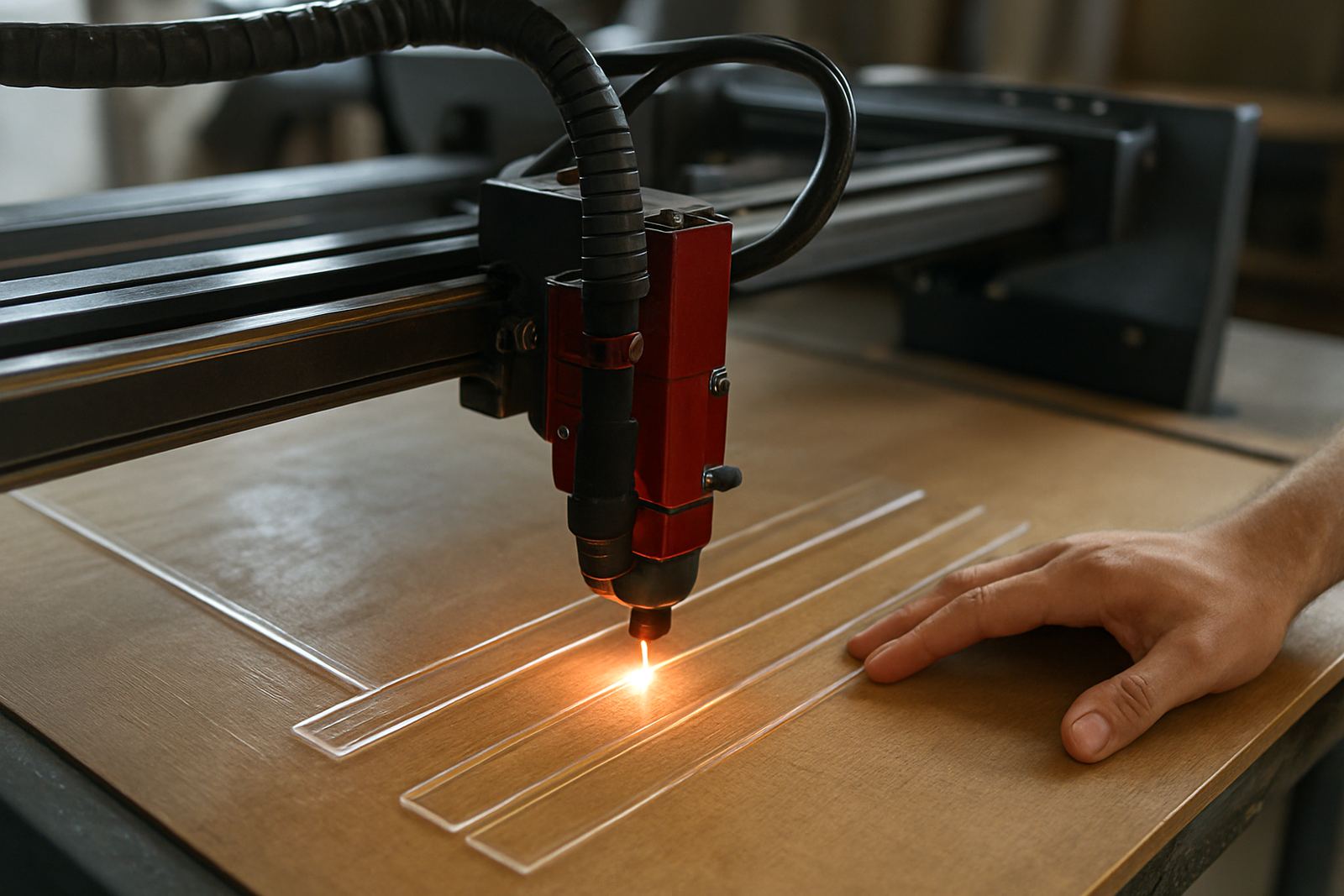
Foam insert cutting works best on materials that respond cleanly to a focused CO2 beam. Common options include soft foam, closed-cell foam, PU foam and layered insert foam used in cases and storage trays. For some jobs, a top skin or facing layer can be cut together with the foam below it, which helps when you want labels, cut-outs or layered presentation.
The finish depends on the foam density, thickness and the shape of the cut. Thicker foam can be cut in one pass or with controlled multi-pass settings, while softer foam may need careful power control to avoid excess melting. For neat presentation work, we usually aim for smooth walls and corners that hold shape without tearing. A test cut is always worth doing when the foam type is new or when the insert has tight internal corners.
- Best for 10 mm to 50 mm foam, depending on density
- Suitable for flat sheets, laminated layers and pre-cut case foam
- Can include cut-out names, labels and finger lifts
- Works well for single prototypes or short production runs
Sizes, tolerances and layout choices
When ordering a foam insert laser cut, size matters. The outer dimensions need to suit the case or tray and the internal pockets must match the item closely enough to hold it, but not so tight that removal becomes difficult. For most presentation work, a small clearance is added around each item so the part can be removed by hand without damaging the foam. The actual allowance depends on the foam type, item shape and whether the insert will be used daily or only for presentation.
We can work from a drawing, a paper template or a sample item supplied in hand. If you are cutting for a hard case, the internal lid depth, hinge area and corner radii should be checked first. It is worth measuring each item with callipers, especially on mixed kits where every tool is different. A mm or two can make the difference between a snug fit and a frustrating one.
- Standard sheet sizes can be arranged around your case dimensions
- Common pocket tolerances: 1 mm to 3 mm clearance
- Wall thickness between pockets should be kept strong enough for handling
- Corner radii may need to be increased on brittle foam types
Where foam inserts suit South African work
Foam insert laser cutting suits many local uses, from Johannesburg and Pretoria to Durban, Cape Town and the smaller industrial towns in between. In Gauteng, it is often used for service kits, lab items and trade presentation cases. Along the coast, the extra protection helps when equipment travels in humid conditions or gets loaded and unloaded repeatedly. For teams doing demos, maintenance calls or site visits, a proper insert can save time because everything has a fixed place and is easier to check before leaving the office.
The process also suits businesses that need a tidy handover for clients. For example, a product launch pack, a courier-safe sample box or a fitted storage case for an instrument set all benefit from precise cut work. If the job needs repeated use, we can advise on a foam grade that holds its shape better and does not break down too quickly under daily handling.
- Technical service cases and inspection kits
- Sales demo packs and sample presentation boxes
- Workshop and production organisation trays
- Protective storage for transport and courier work
Installation, setup and power requirements
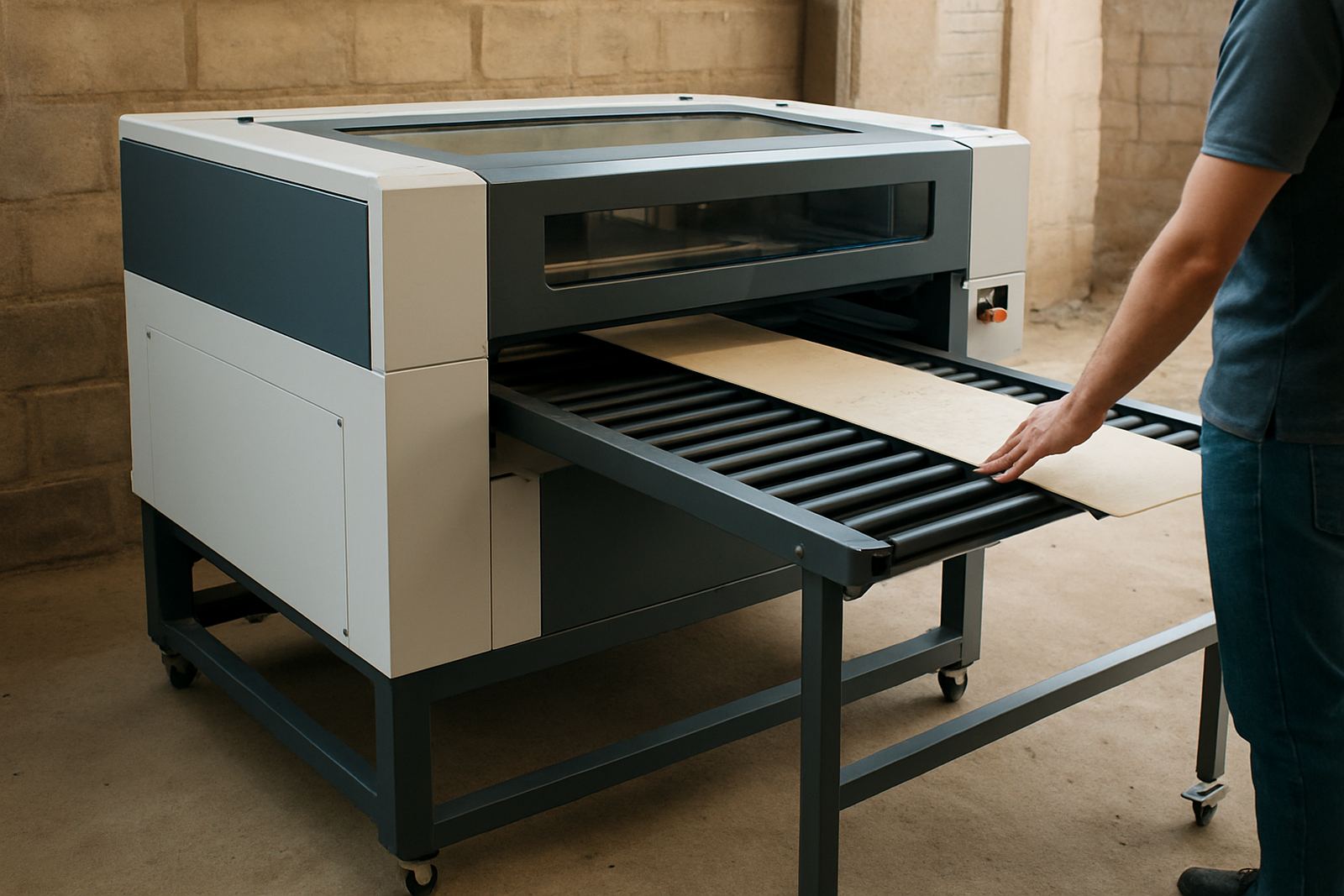
A foam insert laser cut does not need special installation in the customer sense, but the material setup matters. The machine must be correctly aligned, extraction must be working properly and the correct cut table or support bed must be in place so the foam lies flat. Foam can release fumes when cut, so a good extraction system is essential. In enclosed work areas, this is not optional. It helps keep the cut line cleaner and keeps the workspace more comfortable for operators.
Power supply requirements depend on the machine used for the cut, but a stable electrical feed is important. In areas affected by load-shedding, operators should plan for shutdown control and safe restart procedures. If the foam job is part of a larger production run, it is also worth checking whether the machine will be used near a compressor or other equipment that can add noise or vibration. For reliable cutting, the setup should be level, clean and checked before each run.
- Need proper extraction and clean airflow at the cutting point
- Flat support bed or honeycomb table helps reduce back marking
- Stable power and safe restart procedures are important during outages
- Coolant and optics should be checked if the machine runs long shifts
Machine care, servicing and checks to make before ordering
Foam inserts need less care than many other cut parts, but they still benefit from sensible handling. Keep them dry, away from direct sun and clear of oils, glue spills and sharp edges. If the insert is used in a case that travels often, check the pocket edges for wear and the corners for tearing. Once a pocket starts to open up, the item can move around and the protective value drops quickly.
Before ordering, confirm the item list, foam thickness, case size and whether the insert needs a top layer, finger slots or a branded cut-out. It helps to know if the insert must survive daily use or only short-term presentation. A sample can be cut first when there are many different parts in one case. That saves time later and keeps the final layout sensible, not over-crowded.
- Confirm foam type, thickness and colour
- List every item that must fit into the insert
- State if the insert is for display, courier use or daily tool control
- Ask for a sample cut if the layout has several complex pockets
Specs for foam insert laser cutting
Below are the practical specs we use as a guide for foam insert work. Final settings depend on the exact foam grade and the finish you want. If you are working to a case already in hand, send the internal measurements first so the layout can be matched properly.
- Material range: soft foam, closed-cell foam, PU foam and layered insert foam
- Typical thickness: 10 mm to 50 mm, subject to foam density
- Cut style: single pass or controlled multi-pass on thicker material
- Tolerance guide: 1 mm to 3 mm clearance around most pockets
- Finish: clean cut edges with optional label cut-outs and finger lifts
- Use cases: presentation cases, protective storage, courier packs and tool organisation
If your insert must travel across provinces or sit in a humid storage room near the coast, tell us upfront. That way the cut plan can factor in handling, fit and the kind of wear the insert will see over time.
Key facts
| Product type | Foam insert laser cut for cases, trays and protective packs |
|---|---|
| Compatible materials | Soft foam, closed-cell foam, PU foam and layered insert foam |
| Common thickness | 10 mm to 50 mm depending on density |
| Fit tolerance | Usually 1 mm to 3 mm clearance around pockets |
| Finish options | Clean cut pockets, finger lifts, labels and layered layouts |
| Best suited for | Presentation cases, tool kits, sample packs and storage organisation |