What the High Speed Laser is built to do
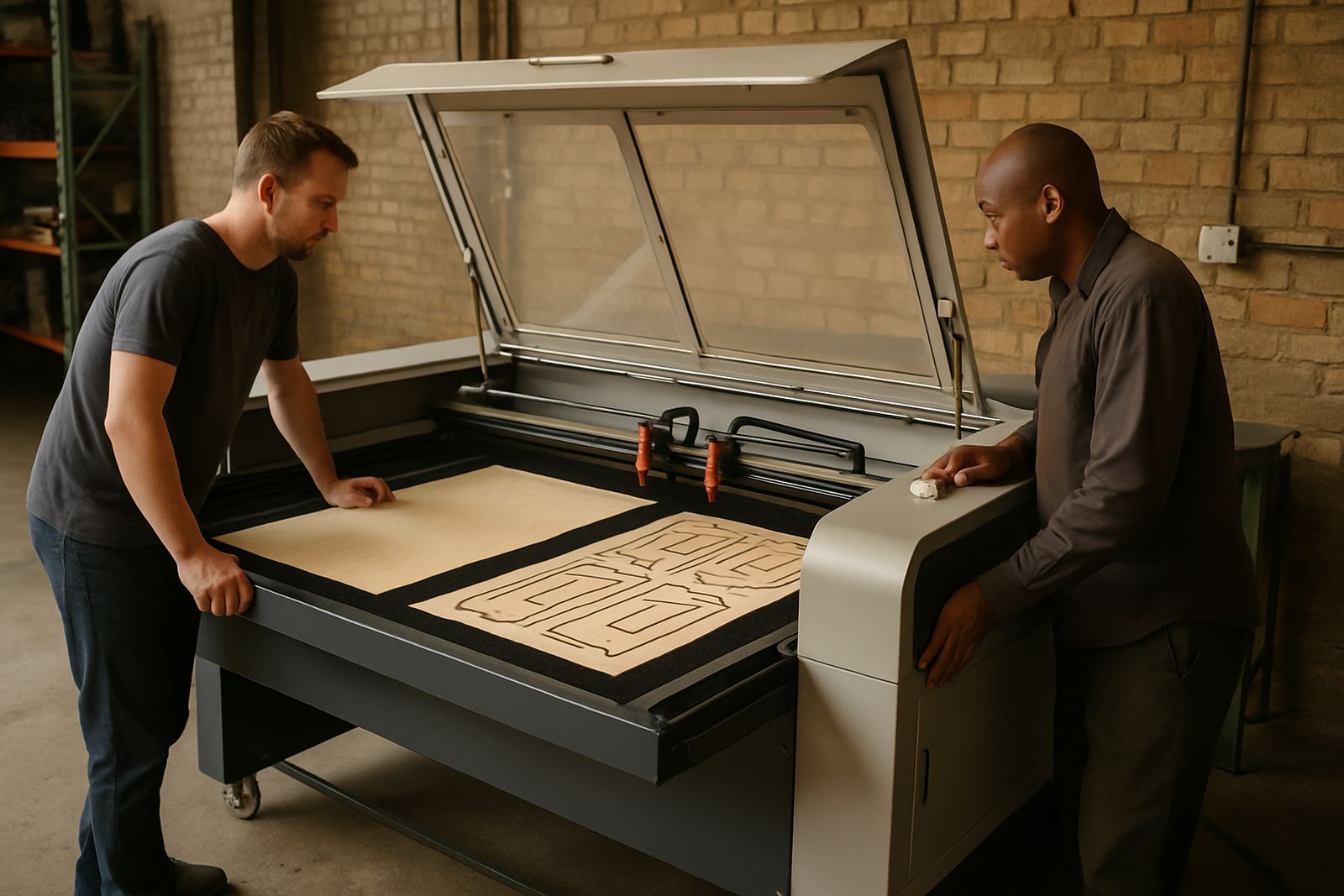
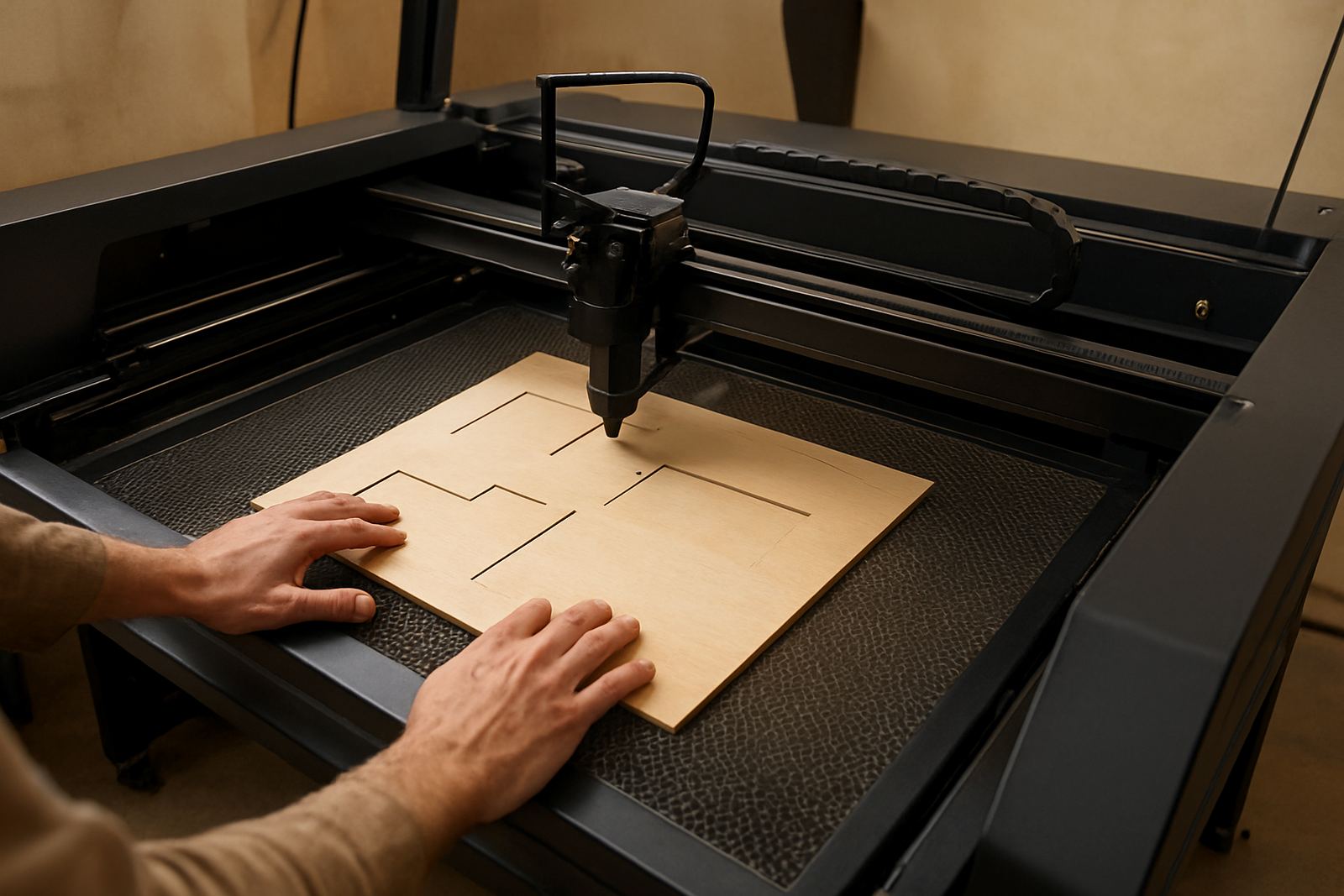
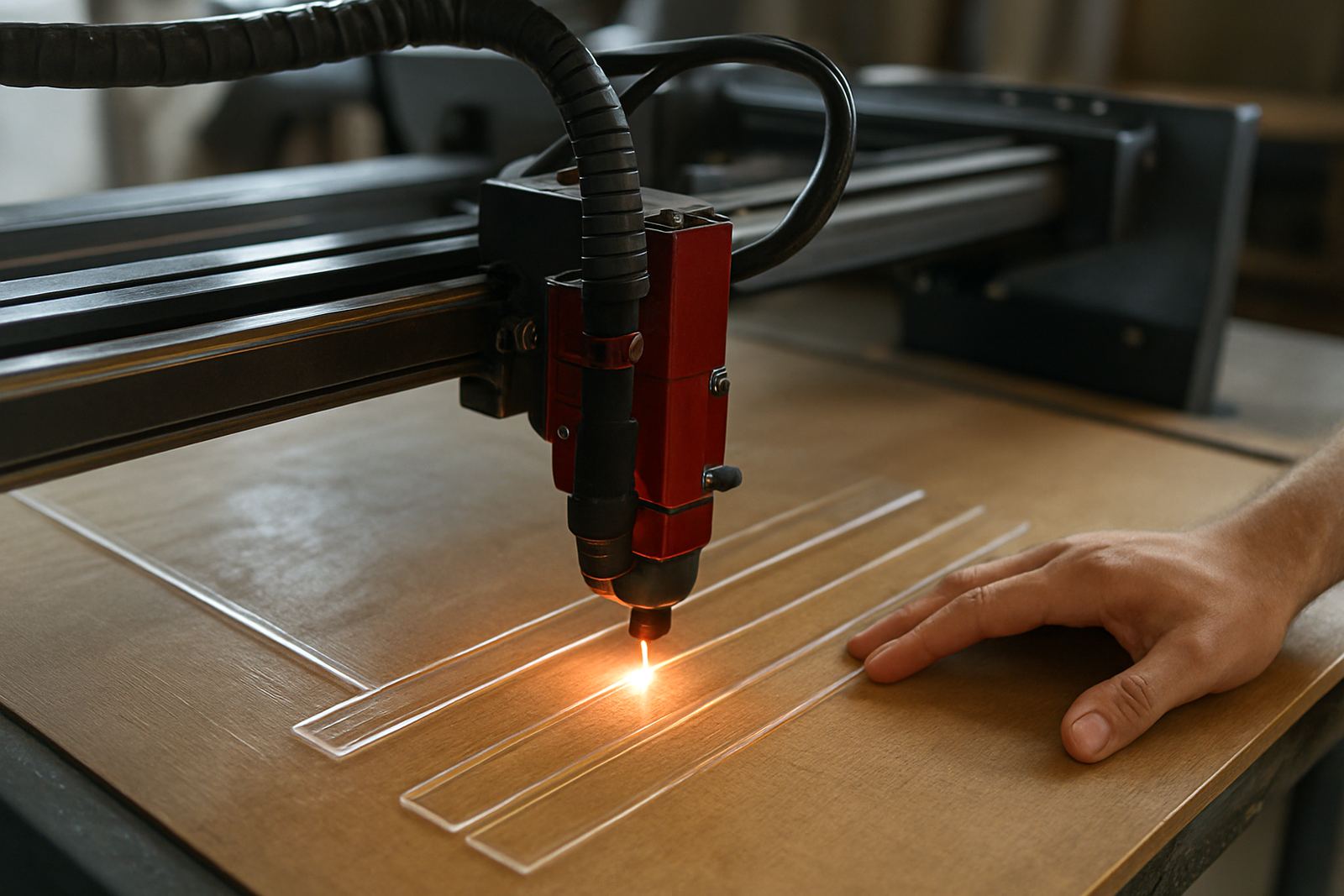
The High Speed Laser is a CO2 laser cutting system set up for fast movement, fine detail and repeatable cutting on lighter sheet and soft material. It is commonly used on acrylic, ply, MDF, veneer, paperboard, fabric, felt and leather, where operators need neat cuts and accurate nesting across short and medium production runs. The machine is not aimed at thick plate or heavy industrial fabrication, but it is a practical choice where speed and finish matter more than sheer cutting force.
In Johannesburg, Pretoria, Durban and Cape Town, we often see this type of machine used by sign makers, packaging teams, craft studios and product workshops that need to turn jobs around quickly. It gives a clean cut edge on the right material, with less post-processing and less waste from rework. For businesses running full days with mixed jobs, that extra time saved on each sheet adds up fast.
- Best for lighter materials and faster production cycles
- Suitable for detailed logos, patterns, lettering and small parts
- Useful where clean edge quality is important on first pass
Sizes, bed options and power levels
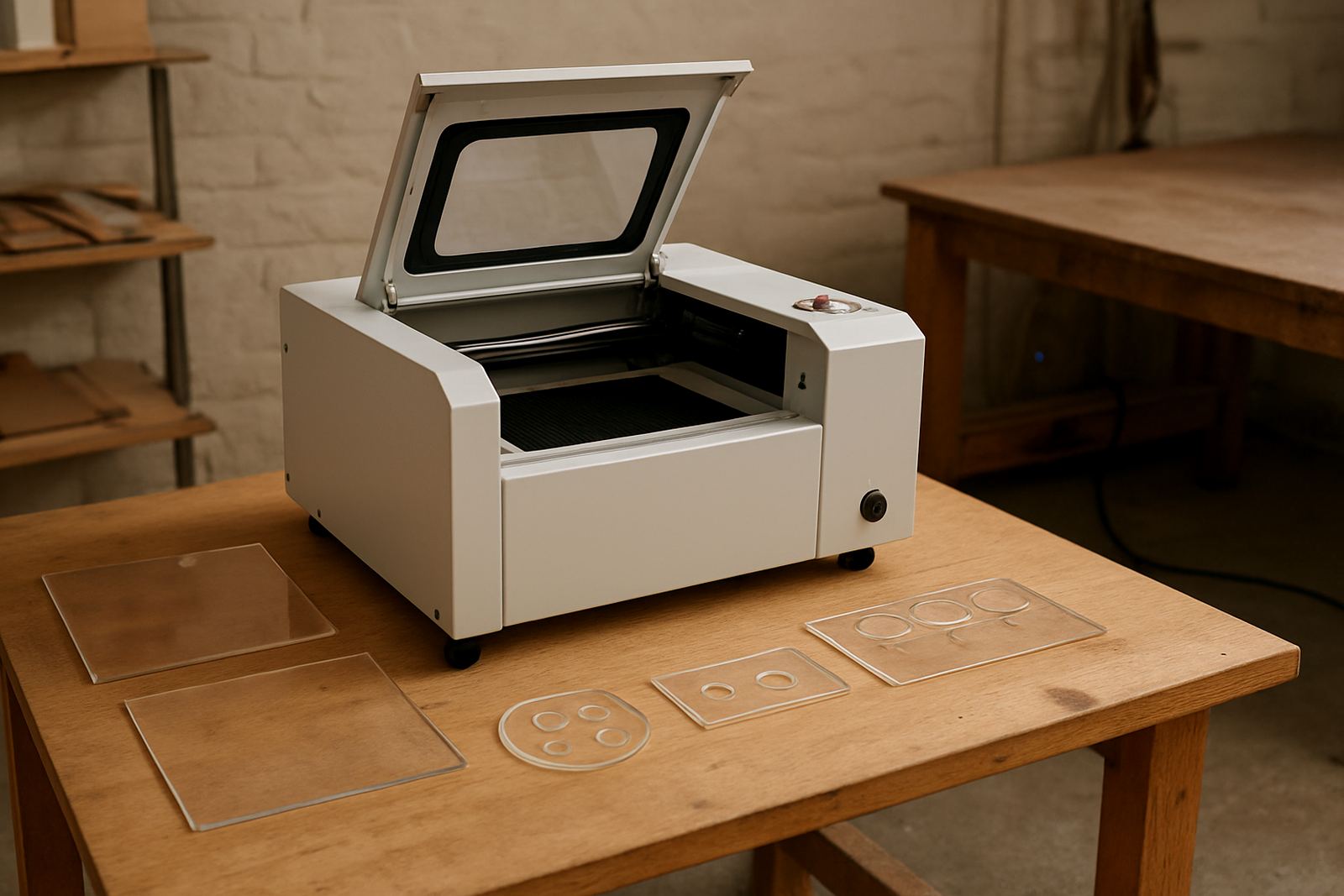
High Speed Laser systems are usually supplied in a range of bed sizes to suit the workroom and the size of stock you process. Common options include 600 x 400 mm for compact studios, 900 x 600 mm for general purpose work, and 1300 x 900 mm for larger sheets and batch jobs. Larger beds can be fitted with pass-through access for longer material, which is useful when cutting long panels or repeated sections from standard stock. The right size depends on the sheet size you buy, the floor space you have and how much material you need to move through the machine each day.
Power is matched to the application. Lighter cutting tasks often use lower power units for fine control, while higher wattage options give better speed on thicker sheets within the intended range. We help buyers choose the right output for the material mix, because too little power slows output and too much can increase edge charring or waste on delicate work.
- Typical bed sizes: 600 x 400 mm, 900 x 600 mm, 1300 x 900 mm
- Power options depend on material type and cutting speed needed
- Pass-through access can be useful for longer workpieces
Where this machine suits best
This product suits businesses that need quicker cutting on lighter material rather than deep cutting on thick stock. It is a good fit for sign shops, packaging makers, display fabricators, custom product brands, schools, maker spaces and workshops doing short run jobs. If your work includes acrylic letters, engraved blanks, template parts, small jigs or leather components, the High Speed Laser can improve output without needing a large team.
It also works well for operations that must respond to orders on short notice. In Gauteng, where many clients run with tight deadlines and intermittent power planning, a faster machine can help you complete the day’s work inside a shorter window. For coastal areas like Durban or Cape Town, stable extraction and regular optics care matter because humidity can affect dust build-up and storage conditions.
- Signage and display work
- Craft production and custom gifting
- Packaging samples and short run parts
- Leather goods, fabric templates and light industrial cutting
Installation, power and extraction requirements
A proper install starts with a level floor, a stable power supply and enough room for the machine, chiller, extraction line and material handling. Most workshops will need a dedicated circuit, good earthing and a plan for load shedding, especially where production must continue after hours. We also check the route for ventilation and the practical layout around the machine so operators can load sheets safely and remove finished work without slowing the workflow.
The machine needs reliable extraction to clear fumes and fine particles. Acrylic, wood and leather all produce different vapours and residue, so ducting must be sized correctly and kept clear. A cooled water system is also important for tube protection and consistent cutting. In some sites, compressed air is used to improve edge quality and reduce flare on certain materials. During installation we also cover beam alignment, focus checks and a clean first run so the operator knows the machine is set up properly before production starts.
- Dedicated electrical supply and proper earthing required
- Extraction must move fumes and dust away from the work area
- Cooling, beam alignment and focus are part of commissioning
Care, servicing and daily checks
Like any precision cutter, this machine performs best when it is kept clean and checked regularly. The lens and mirrors need optical care, the guide system should stay free of dust and the cooling water must be monitored for flow, level and temperature. In busy shops, a quick daily check can prevent small faults from becoming downtime. That includes checking airflow, water circulation, lens condition and whether the cut quality has changed since the previous job.
Our service support includes preventive maintenance, breakdown response, spares supply, remote support and annual service plans. For clients in the Wynberg Demo Room area or further afield in Pretoria, Midrand, East Rand, West Rand, Durban or Cape Town, we can assist with installation and operator training, then follow up with maintenance where needed. If a machine starts leaving rough edges, loses speed or shows inconsistent cutting, it is usually a sign that optics, alignment or cooling need attention. Catching that early keeps the unit productive and helps avoid unnecessary wear.
- Clean optics regularly and inspect for smoke staining
- Check cooling water, airflow and extraction before each shift
- Book servicing early if cutting quality drops or speed changes
What to check before you order
Before ordering a High Speed Laser, confirm the materials you cut most often, the largest sheet size you need and the daily output target. It is worth checking whether you need a smaller machine for tight floor space or a larger bed for nesting more parts per run. Also confirm the finish you want on the edge, because acrylic, wood and leather behave differently and the right settings depend on thickness, density and moisture content. A sample cut is often the best way to compare results on your own material.
You should also think about extraction, cooling, spare consumables and how the machine will be moved into the building. In some Johannesburg industrial parks, access is straightforward, but in other sites stairways, narrow doors or loading bays can affect delivery. If you need relocation help, operator training or a service plan after install, we can include that from the start so there are no surprises later.
- Material type and thickness
- Largest sheet or part size
- Floor space and access for delivery
- Power, cooling and extraction readiness
- Need for training, maintenance and spare parts support
Key facts
| Machine type | CO2 laser cutter for lighter materials and fast turnaround |
|---|---|
| Bed sizes | 600 x 400 mm, 900 x 600 mm, 1300 x 900 mm |
| Material range | Acrylic, wood, leather, fabric, felt, paperboard and similar sheet goods |
| Power options | Selected to suit cutting speed, detail level and material thickness |
| Cooling | Water cooled system with flow and temperature checks |
| Support | Installation, operator training, maintenance, alignment, extraction checks and remote support |