What a Giftware Laser Does for Short-Run and Repeat Work
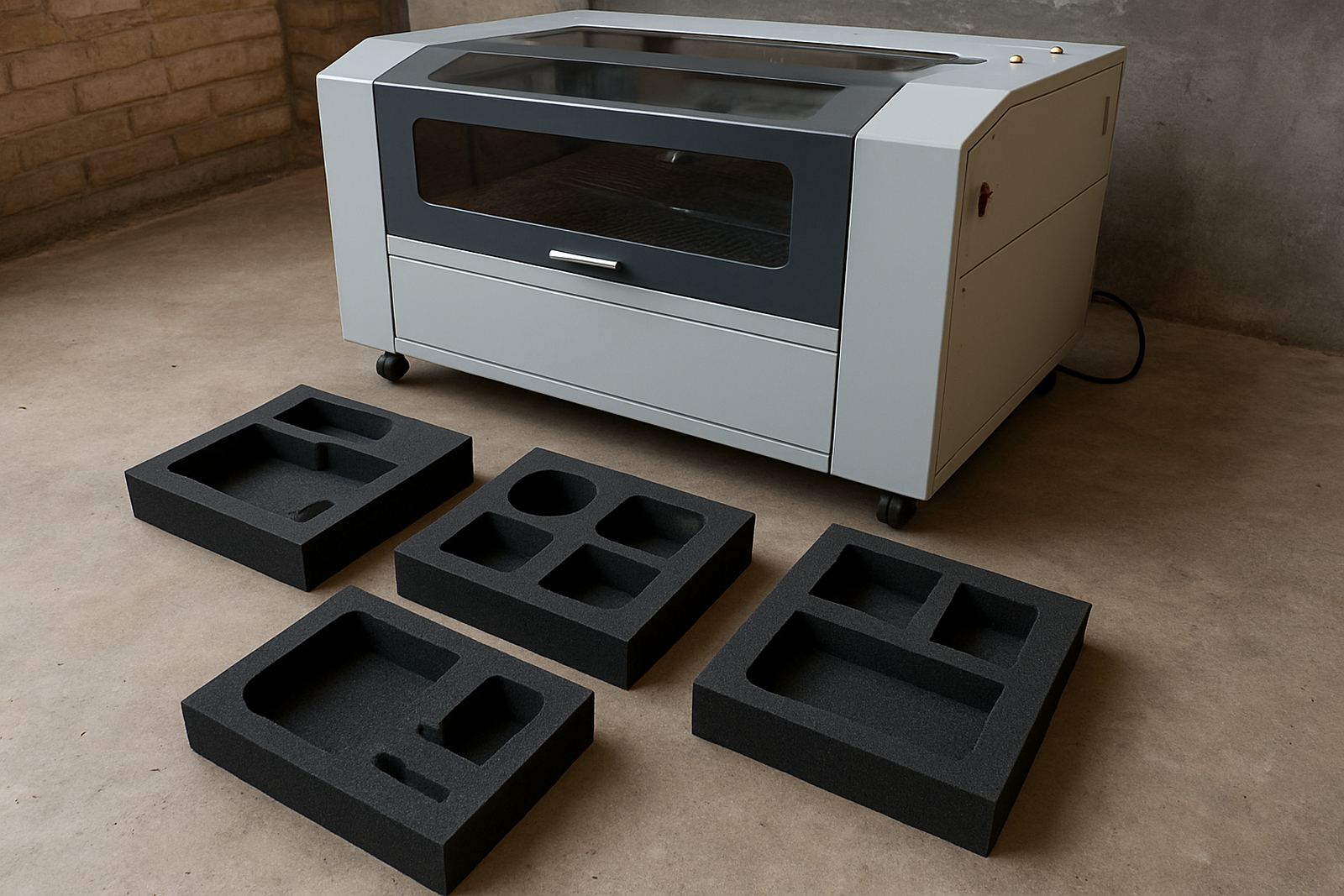
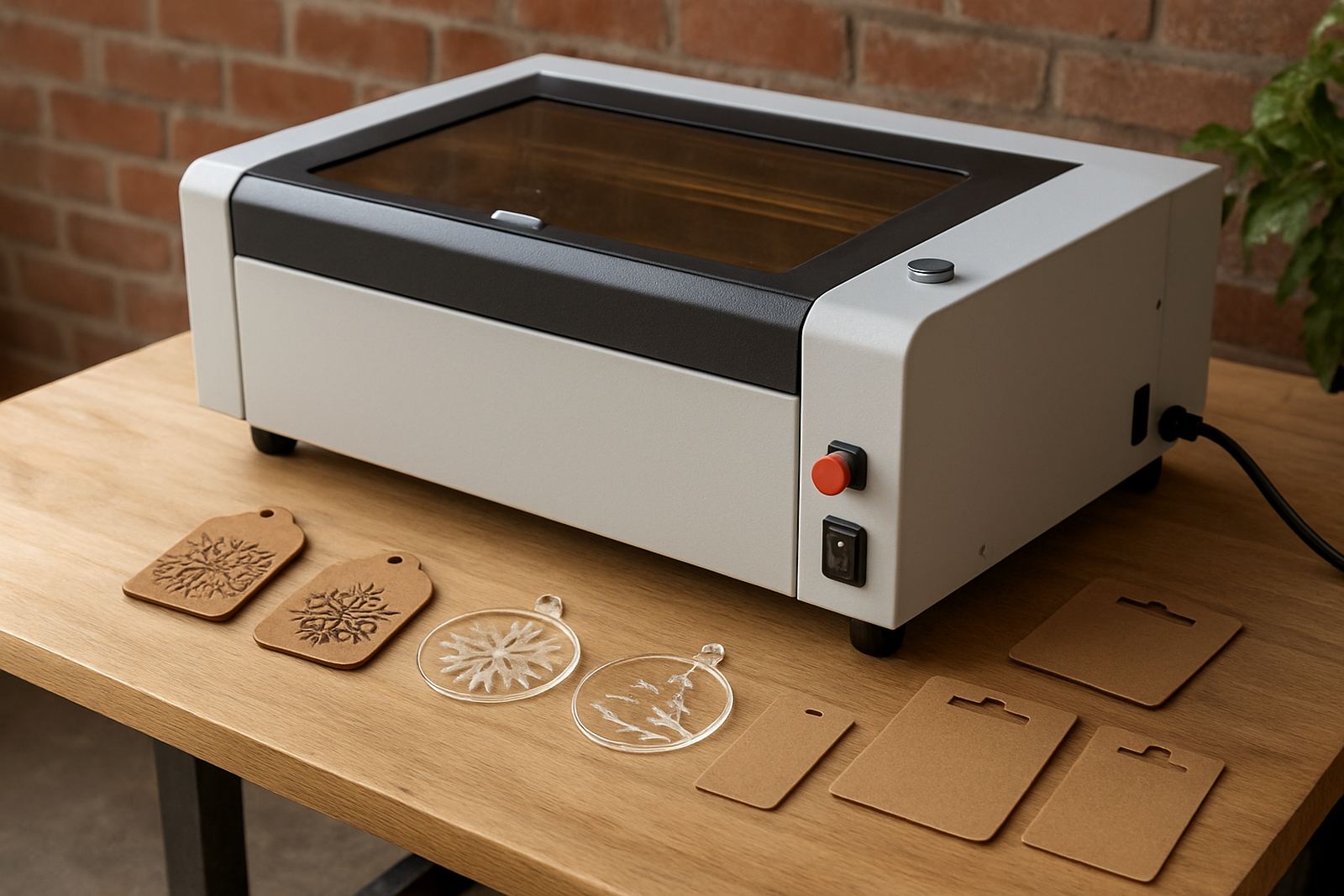
A giftware laser is a CO2 cutting machine used to shape and personalise materials such as acrylic, plywood, MDF, veneer, leather and some coated boards. It is ideal for product lines that need names, dates, logos, numbers or decorative patterns, with consistent results from the first item to the hundredth. For Johannesburg makers, wedding suppliers, corporate gift shops and studio producers, this means less hand finishing and better turnaround when orders come in one after another.
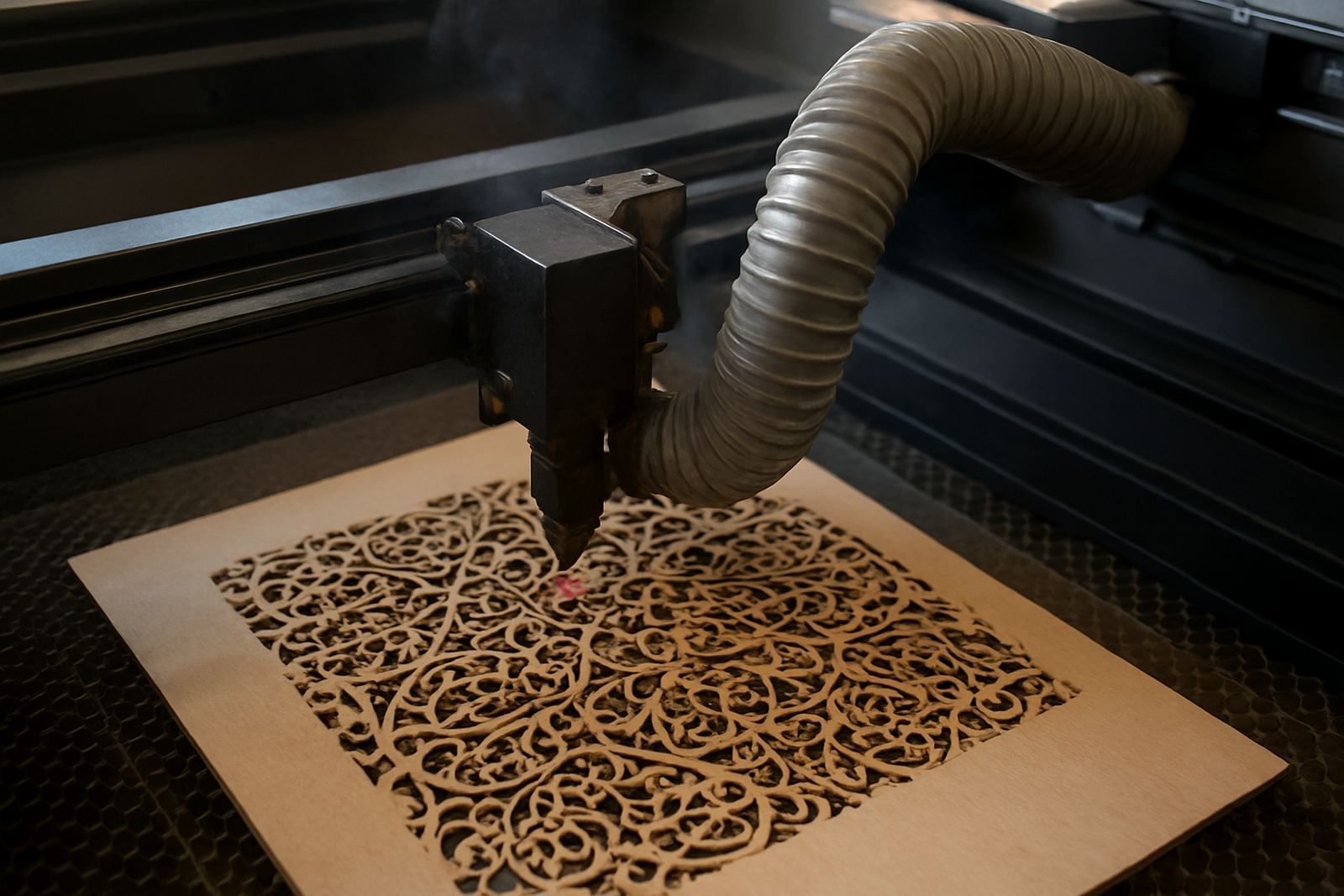
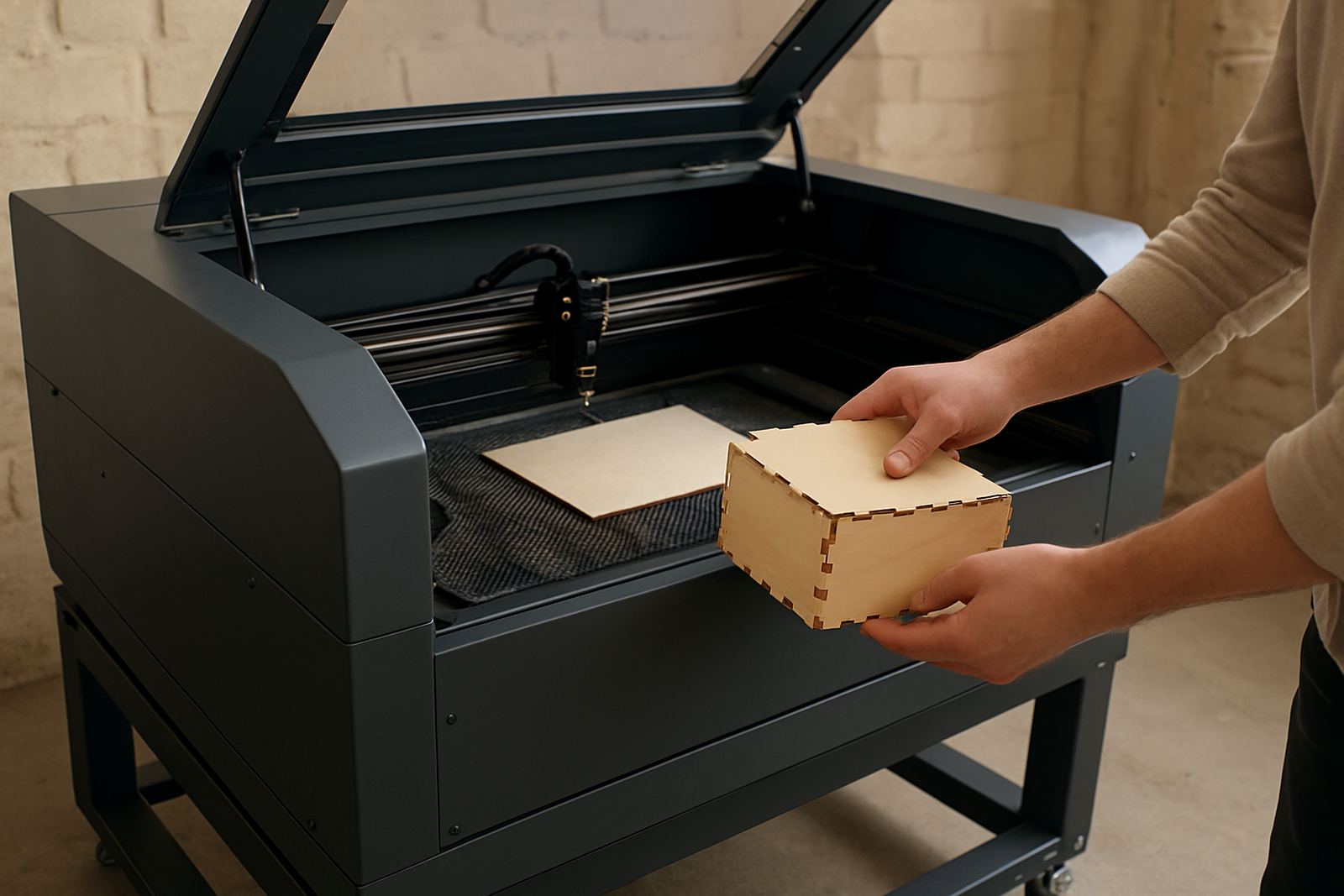
The process is simple in practice. A design file is loaded, the sheet or item is placed on the bed, and the machine follows the vector path with a focused beam. On suitable material, edges come off clean and presentable, which is useful for visible pieces like table numbers, keyrings, signage inserts, layered décor and promotional gifts. It is not only for cutting. Many users also engrave names, artwork, serial numbers and branding onto the same item in one setup.
If your work includes batch production, custom orders or seasonal peaks, the right spec matters more than a generic brochure claim. Material thickness, bed size, extraction, cooling and power supply all affect whether the machine keeps up in a real workshop or stalls when the order book gets busy.
Common Giftware Applications That Need Clean Detail
Giftware laser cutting suits products that depend on neat finishes and small features. It works well for event keepsakes, home décor, branded corporate gifts and retail ranges that are produced in batches. A machine with stable motion and proper focus control helps avoid burning on timber and chipping on brittle sheet materials.
- Wedding and event items such as table numbers, place cards, name tags and signage inserts
- Retail gift lines including keyrings, fridge magnets, bookmarks and layered ornaments
- Corporate giveaways with logos, taglines and serialised pieces
- Personalised décor for nurseries, kitchens, office spaces and seasonal displays
- Leather and faux leather items such as tags, labels and small accessories
For shops in Pretoria, Midrand, Sandton and the East Rand, the value is in repeatability. Once a template is dialled in, the same settings can be used again with less trial work. That helps when customers want the same shape in different names or colours, or when a market stall becomes a steady supply line for local retailers.
Sizes, Bed Options and Power Settings to Consider
Giftware work is often done on smaller sheets, but the bed size still affects how efficiently you can nest parts. A compact bed is suitable for a studio that makes short-run pieces, while a larger bed helps with nesting multiple items from one sheet and reduces offcuts. Typical options range from about 600 x 400 mm for compact work to 1300 x 900 mm or larger for busier production spaces.
Power choice depends on the material mix. Lower wattage machines can handle thin acrylic, paperboard and light engraving, while higher wattage units are better for thicker timber, denser board and faster cycle times. For giftware production, many buyers look for a balanced setup rather than the biggest unit available. Too much power without the right control can waste material or cause extra charring on delicate jobs.
- Bed size: small, medium or full sheet depending on output volume
- Laser power: suited to light engraving through to thicker cutting work
- Motion control: important for corners, lettering and fine internal detail
- Table type: blade, honeycomb or slatted support depending on material
- Access: front and rear pass-through options for longer sheets if required
When comparing options, check the real cutting area, not just the outer cabinet size. In a busy unit in Wynberg or on a tight production floor in Cape Town, usable space matters. So does the footprint for extraction, chiller and air assist equipment.
Where It Fits in South African Workshops and Retail Operations
This machine suits small manufacturers, gift shops, craft studios, promotional product suppliers and signage workshops. It also works for businesses that take custom orders from local schools, corporates, churches and event planners. In Durban or coastal areas, a sealed and well maintained machine is important because humidity can affect timber storage, optics and some packaging materials. In Gauteng, dust control and load-shedding planning matter just as much.
Installation should allow for a level floor, good ventilation and enough clearance around the machine for loading sheets and removing finished parts. The extraction route must be planned properly, especially where municipal rules or landlord conditions apply. If the unit sits in a retail park or shared industrial space, confirm where the ducting can exit and whether any fire or occupancy conditions affect your setup.
Our team handles demo cuts, installs and operator training nationwide, with support from Wynberg, Sandton, Pretoria, Midrand, the East Rand, the West Rand, Durban and Cape Town. That is useful when a buyer wants to see how acrylic, wood or leather behaves before committing to a machine size or power level. The right setup is usually the one that matches your actual orders, not just your wishlist.
Installation, Extraction and Power Needs
Giftware lasers need more than a plug-in and go approach. They require stable power, cooling, extraction and correct airflow to keep cuts clean and the tube operating safely. In South Africa, power quality can vary, so surge protection and a proper shutdown routine are important. For many sites, backup power planning is sensible if the machine is used daily for customer orders.
Depending on the model, the system may need single-phase or three-phase supply, plus a dedicated circuit with proper earthing. Water cooling is usually required, and the chiller must be sized to the laser tube and ambient conditions. Air assist helps reduce scorch marks and improves edge quality, especially on timber and leather. Extraction should move fumes and fine particles out of the work area, not just around it.
- Dedicated electrical supply with correct breaker size and earthing
- Water cooling or chiller matched to tube requirements
- Air assist for cleaner edges and less residue
- Proper extraction to remove smoke, fumes and dust
- Level installation area with enough access for maintenance
If you are moving premises or relocating a unit within Johannesburg or to another province, the machine should be stripped, protected and realigned correctly after installation. A poor move can leave you chasing beam issues for weeks.
Care, Servicing and Daily Checks That Protect Output
Giftware work depends on consistency, so routine care is part of the business. Optics need cleaning, mirrors need checking, rails need basic maintenance and the cooling system must be kept within range. If the machine is used every day, dust and resin build-up from timber and acrylic can creep in faster than expected. That is why preventive maintenance is cheaper than breakdown response.
Operators should also watch material condition. Warped boards, damp timber or low-grade acrylic can cause poor cuts and wasted time. In coastal towns, store sheet material off the floor and away from moisture. In hot inland workshops, keep an eye on cooling performance during long production runs. Small things like a blocked extraction duct or a weak air line can affect edge quality before the fault becomes obvious.
- Clean lenses and mirrors on a set schedule
- Check cooling water, filters and temperature daily
- Inspect belts, rails and cutting bed condition
- Keep the extraction system clear of resin and debris
- Test focus and alignment after any move or service
An annual service plan helps if you are producing for retail shelves or events with fixed deadlines. It reduces unexpected stoppages and gives you a known maintenance cost rather than a surprise repair bill.
What to Check Before You Order a Giftware Laser
Before ordering, match the machine to the kinds of gifts you actually sell. A studio making delicate personalised pieces will not need the same setup as a workshop producing thicker promotional items by the pallet. Look at material thickness, daily volume, bed size and how much finishing is acceptable after cutting.
It is also worth checking the file formats your team uses, the level of operator training needed and whether spare parts are easy to supply locally. If your business runs more than one shift, ask how long a typical service visit takes and what can be supported remotely. A machine is only useful if the team can keep it running during busy weeks, not just on the demo day.
- Materials to be cut or engraved, including thickness range
- Average order size and daily output target
- Available floor space and doorway access for installation
- Electrical supply, cooling and extraction readiness
- Training needs for new or existing operators
- Need for relocation support, maintenance cover or spares supply
If you need a practical giftware laser for personalised décor, keepsakes or repeat production, the right specification will save time and reduce waste from the start. It should suit your room, your power supply and the type of work your customers keep ordering.
Key facts
| Laser type | CO2 laser cutting and engraving system |
|---|---|
| Typical materials | Acrylic, wood, MDF, leather and coated board |
| Bed size options | Approx. 600 x 400 mm to 1300 x 900 mm plus larger formats |
| Power options | Selected to suit light engraving through to thicker cutting |
| Cooling requirement | Water cooling or chiller matched to machine size |
| Workshop needs | Extraction, air assist, level floor and dedicated electrical supply |