What a hybrid cut and engrave machine does
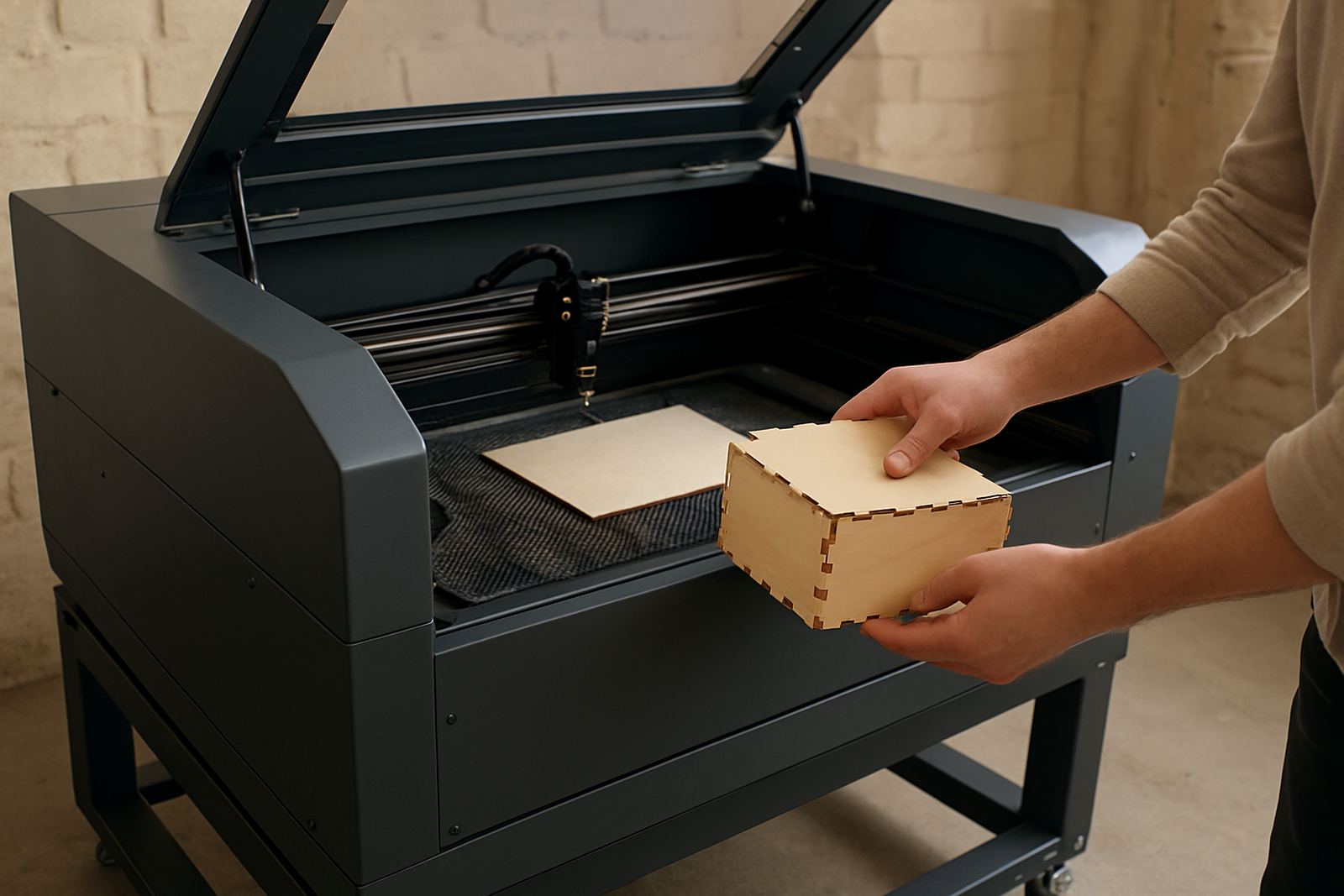
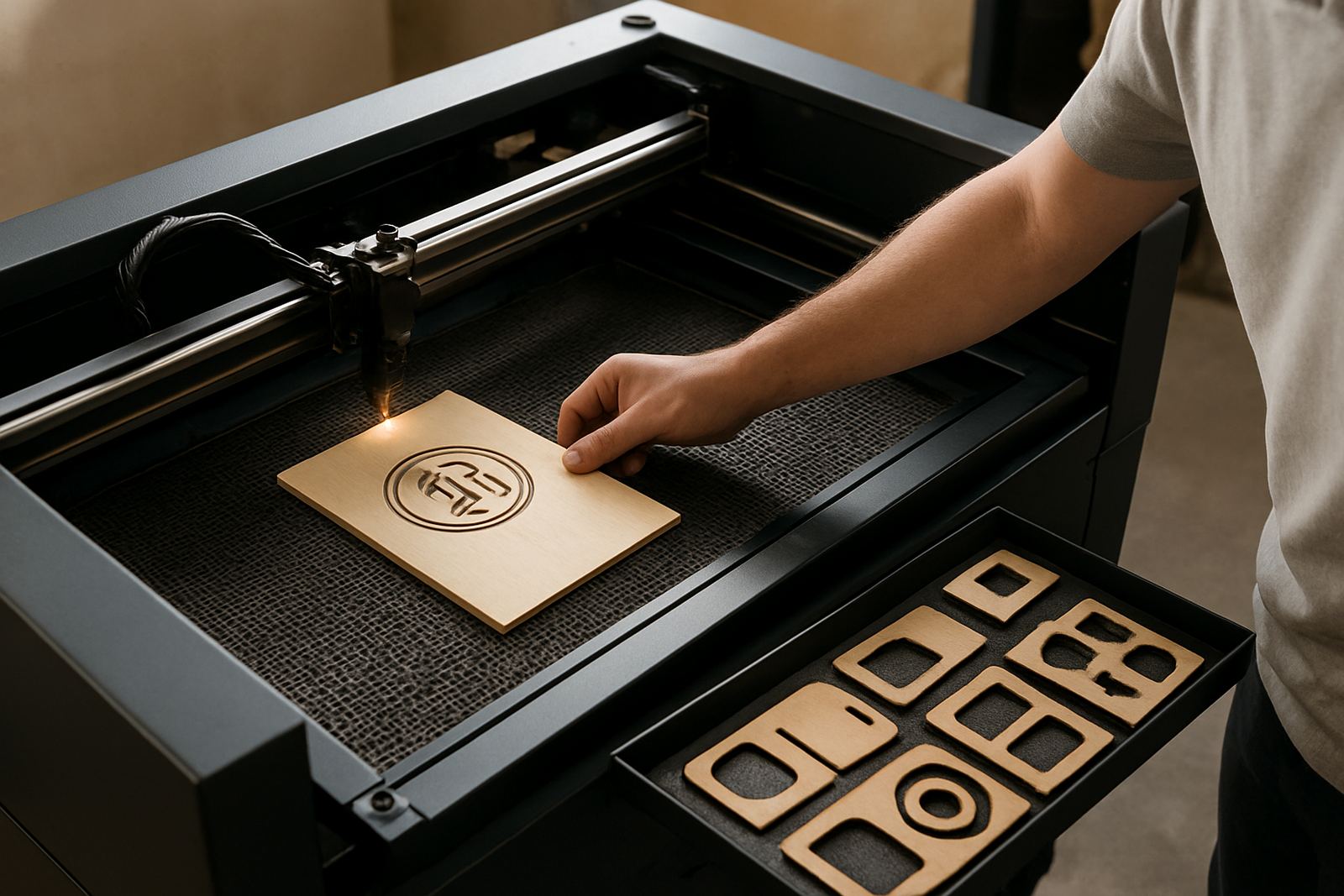
A Hybrid Cut Engrave machine is built for jobs where you need both sharp engraving detail and regular cutting output on the same platform. It handles lettering, logos, tags, panels, point of sale items and decorative parts without moving work between separate machines. That keeps setup time down and makes short runs much easier to manage.
For South African businesses, this balance matters when work volumes change from week to week. One day you may be engraving trophies or leather goods, the next you may be cutting acrylic faces or wooden components for a client in Sandton, Pretoria or Durban. The machine gives you a steady middle ground, not too small for production and not too large for custom work.
It is suited to flat sheet material and selected rolled items that can be laid out properly. The clean edge quality helps when parts must fit together neatly, and the engraving result is clear enough for branding, serials and fine pattern work.
Typical sizes and configuration choices
Hybrid Cut Engrave machines are available in several bed sizes so you can match the working area to your material and output. A smaller bed is useful for compact workshops and sample work, while a larger bed suits sign making, batch production and wider sheet sizes. Choice of wattage also matters because thicker materials need more cutting power and faster pass rates.
- Bed sizes commonly used: 600 x 400 mm, 900 x 600 mm, 1000 x 700 mm and 1300 x 900 mm
- Typical power ranges: 60 W, 80 W, 100 W and 130 W
- Optional extras: rotary attachment, honeycomb bed, blade bed and light extraction connection
- Control options: simple job memory, speed and power adjustment, autofocus on selected models
If your work includes both fine engraving and regular cutting, it is usually better to choose a slightly larger bed than your current average sheet size. That leaves room for nesting jobs and reduces waste, which helps when acrylic and hardwood prices move up.
Where the machine fits best
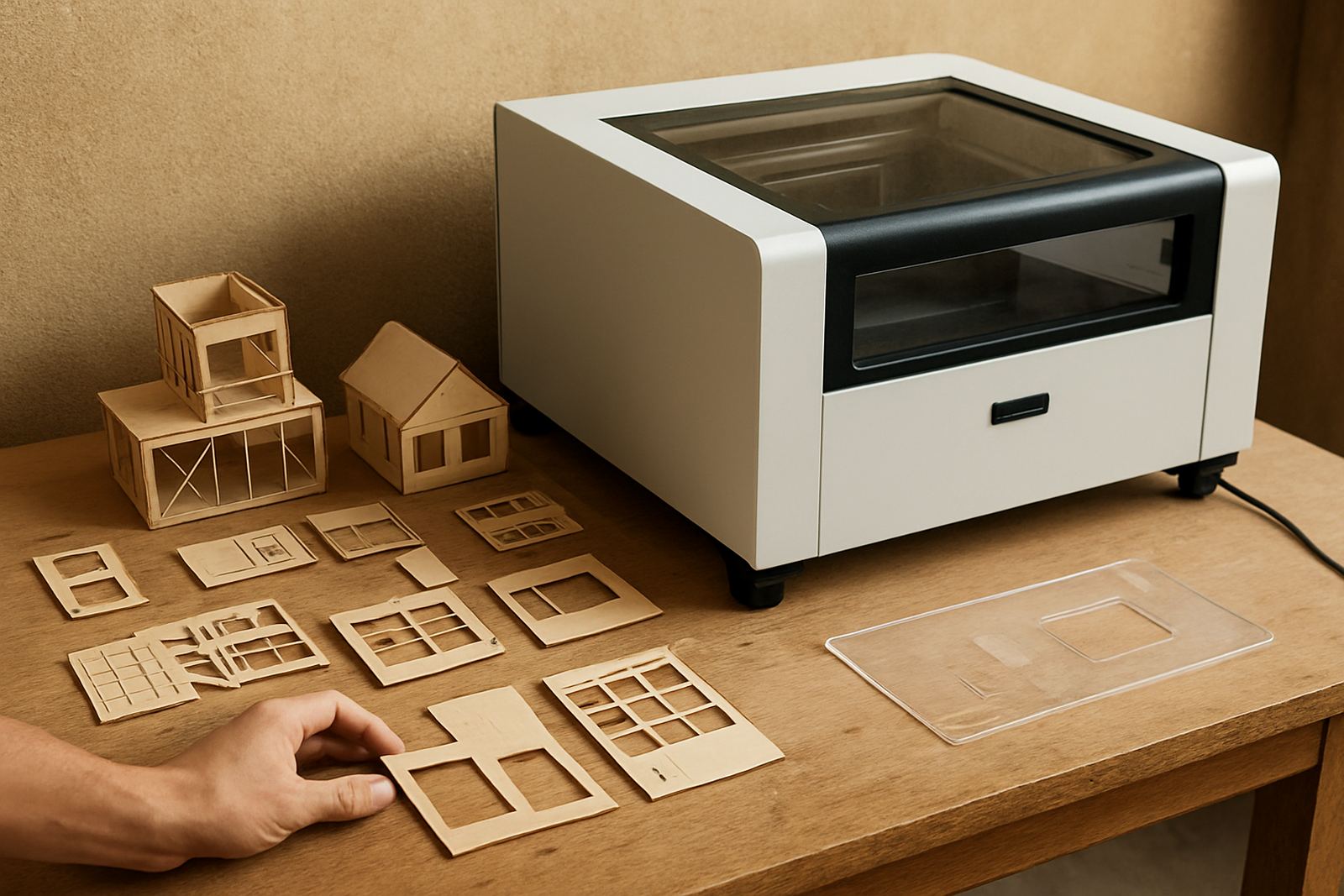
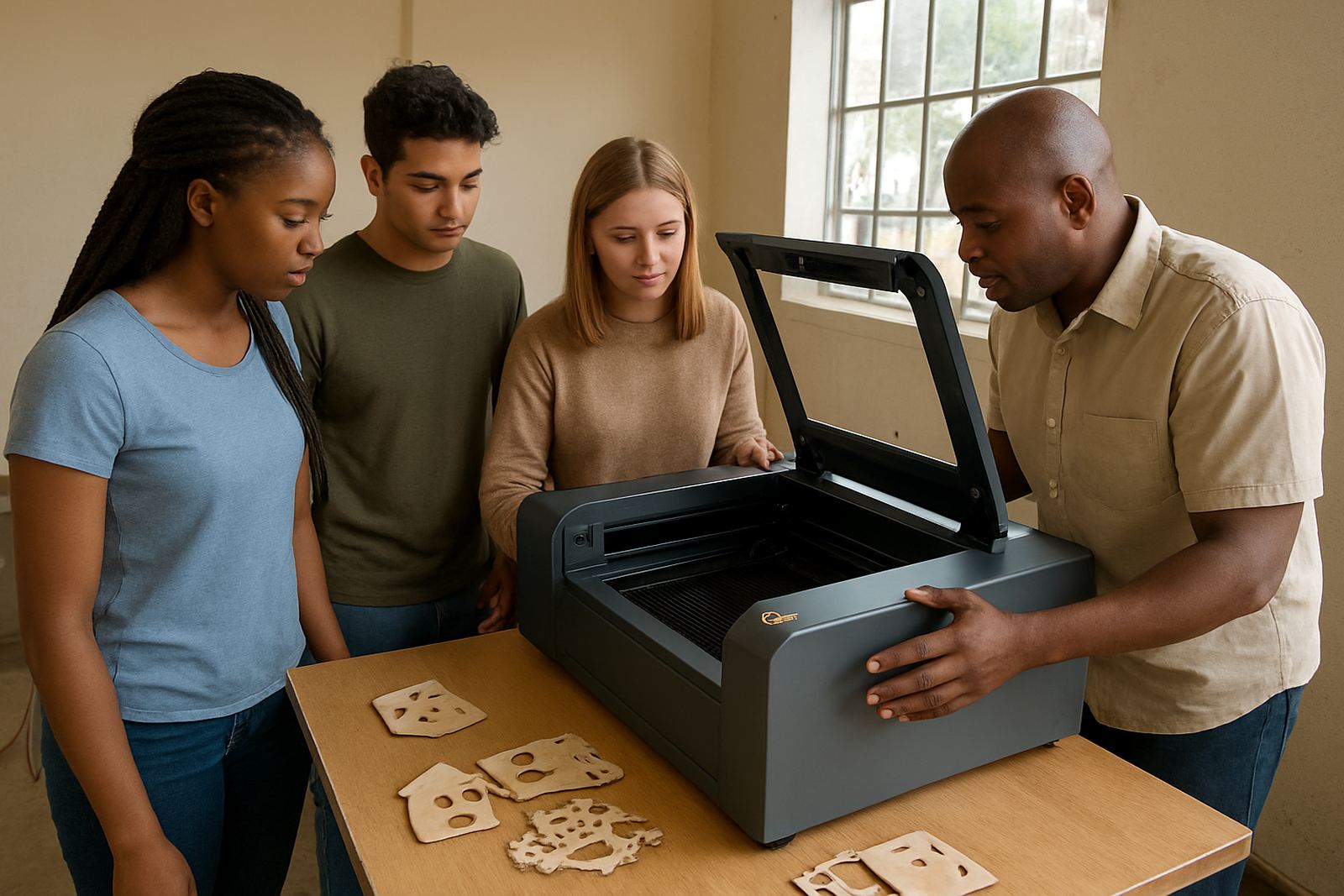
This type of machine suits sign shops, trophy makers, packaging sample rooms, leather goods workshops, educational facilities, maker studios and small production businesses. It is also useful for companies that supply branded gifts, architectural mock ups, jigs, templates and interior detail pieces. The same unit can handle a wide mix of work, so it is a good fit where order sizes vary.
In coastal areas such as Durban or Cape Town, the machine should be kept in a dry room with basic dust control and sensible corrosion care. In Johannesburg, Pretoria and the East Rand, the main concern is usually dust, power interruptions and keeping the extraction path clean. If your site has load-shedding, plan for a UPS or generator arrangement for shutdown protection and job recovery, because a sudden cut in power can interrupt a run and affect alignment over time.
For customers with multiple branches, a hybrid machine works well at a main production site with remote support to secondary locations. Our team handles demo cuts, installation and operator training nationwide, so your staff can get up to speed before the first full production week.
Installation, power and workshop requirements
Before installation, allow enough floor space for the machine, extraction, coolant access and safe material handling. Most users also need a stable bench or stand, a clean power supply and a dedicated area for finished parts. The machine should sit on a level surface to keep the gantry moving true and to reduce wear on belts and rollers.
- Power: typically 220V single phase supply, with a properly protected circuit
- Cooling: water chiller or equivalent cooling system is required on most models
- Extraction: fume extraction and ducting are important for acrylic, wood and leather
- Air assist: helps keep cuts cleaner and reduces flare marks
- Room conditions: dry, well ventilated, low dust and away from direct moisture
For customers in business parks with municipal or body corporate rules, check extraction routing, noise limits and fire safety requirements before install day. If the unit needs to move upstairs or into a tight workshop, tell us early so access and lifting are planned properly.
Care, servicing and day to day upkeep
These machines perform best when lenses, mirrors, rails and the cutting bed are cleaned on a regular basis. Dust from wood, sticky residue from acrylic and fibre from leather can build up quickly, so routine care is not optional. A small amount of prevention keeps edges cleaner and helps the tube and optics last longer.
Our service options include preventive maintenance, optics cleaning, beam alignment, cooling checks, extraction service, breakdown response and remote support. We also assist with spares supply and relocation help if a machine has to move to another site. An annual service plan is useful for busy shops that cannot afford long downtime.
Watch for signs such as weaker cutting, uneven engraving depth, smoke staining, unusual noise or the need for extra passes. If those issues show up, it is worth checking alignment and cooling first. A machine that is looked after properly gives more consistent results and fewer surprise stoppages, especially when you are working against a delivery date.
Pre-Order Checks For A 900x600 Laser
Before ordering, confirm what materials you cut most often, the average sheet size, the thickness you need to handle and whether engraving detail or cutting speed matters more. That helps determine the right bed size and wattage. It also avoids paying for capacity you will not use, or undersizing a machine that ends up struggling on thicker stock.
- Material list: acrylic, plywood, MDF, leather, paperboard or other approved flat stock
- Largest part size and the smallest detail you need to engrave
- Thickness range for daily work and occasional heavier jobs
- Available space, door width and route into the workshop
- Power supply, cooling setup and extraction plan
- Need for training, service support and future relocation
If you are unsure about the right setup, a demo cut is the best way to compare finishes on your own material. We can also help you judge whether your current workflow needs a smaller machine for detail work or a larger one for repeat production. Either way, the aim is a unit that keeps pace with your business, not one that becomes a bottleneck.
Key facts
| Machine type | CO2 hybrid cut and engrave laser system |
|---|---|
| Recommended materials | Acrylic, wood, plywood, MDF, leather and similar flat sheet materials |
| Available bed sizes | 600 x 400 mm to 1300 x 900 mm, depending on model |
| Power options | 60 W, 80 W, 100 W and 130 W configurations |
| Electrical requirement | 220V single phase supply with proper protection |
| Core functions | Cutting, engraving, marking, nesting and detailed pattern work |