Fine cutting for small presentation work
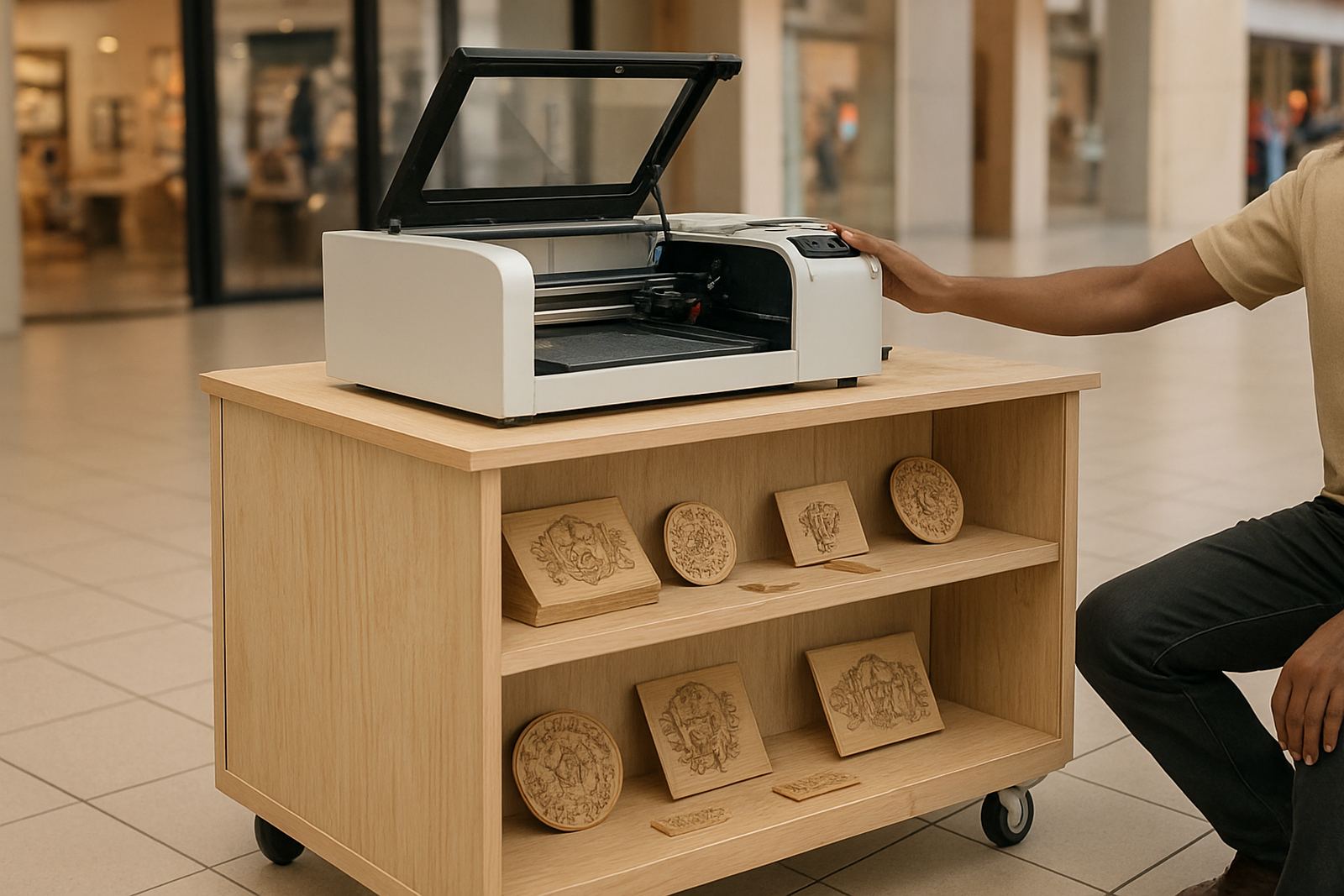
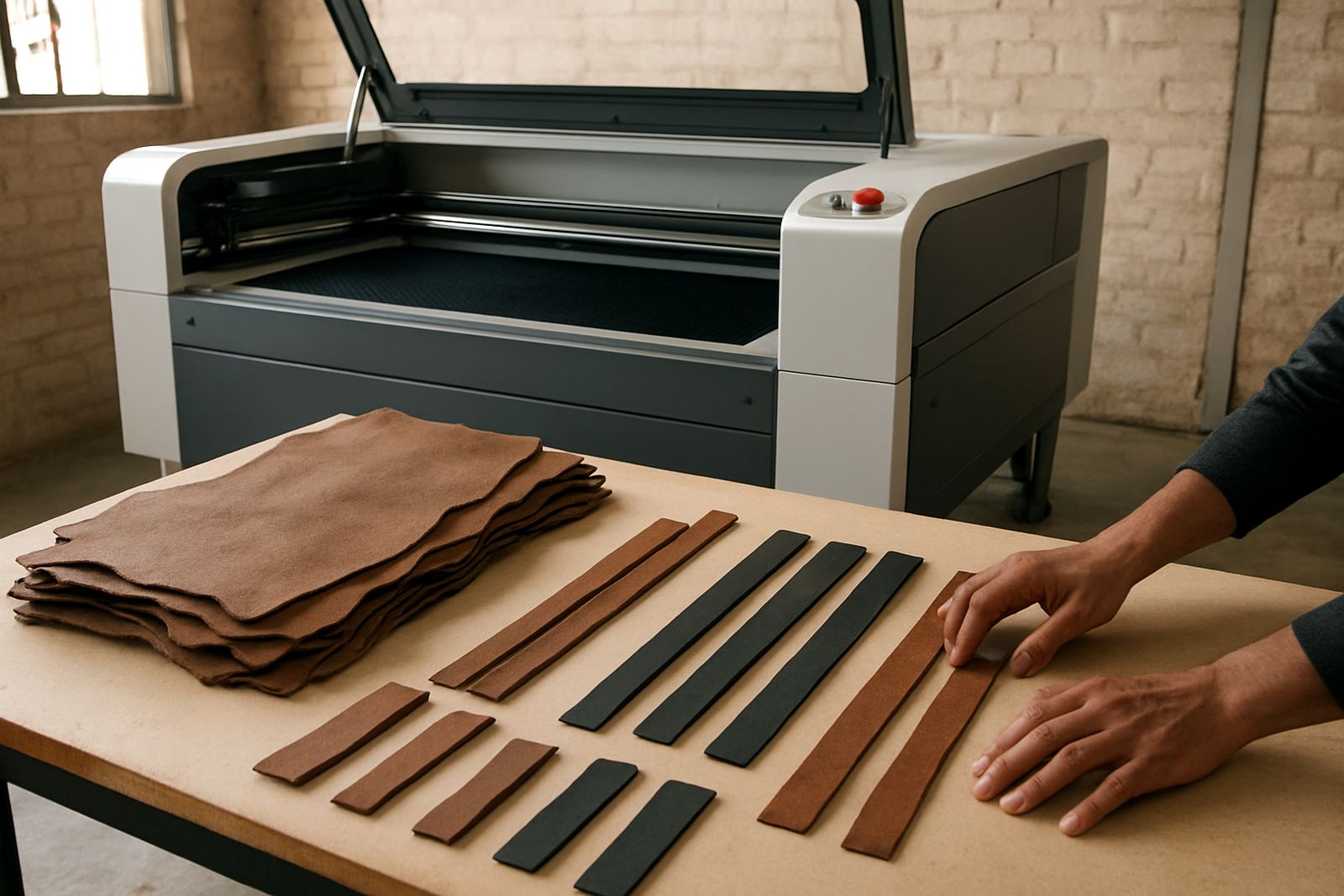
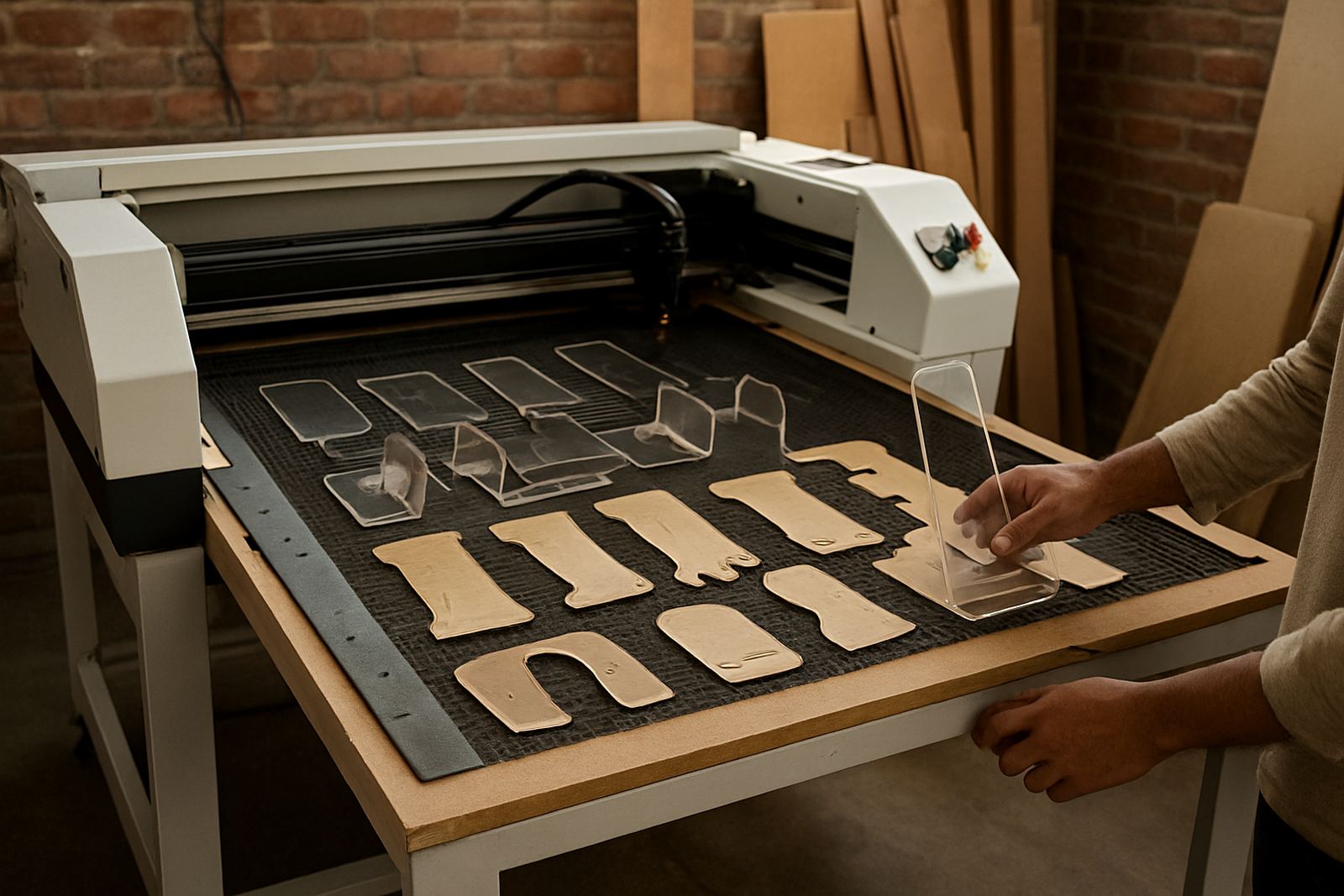
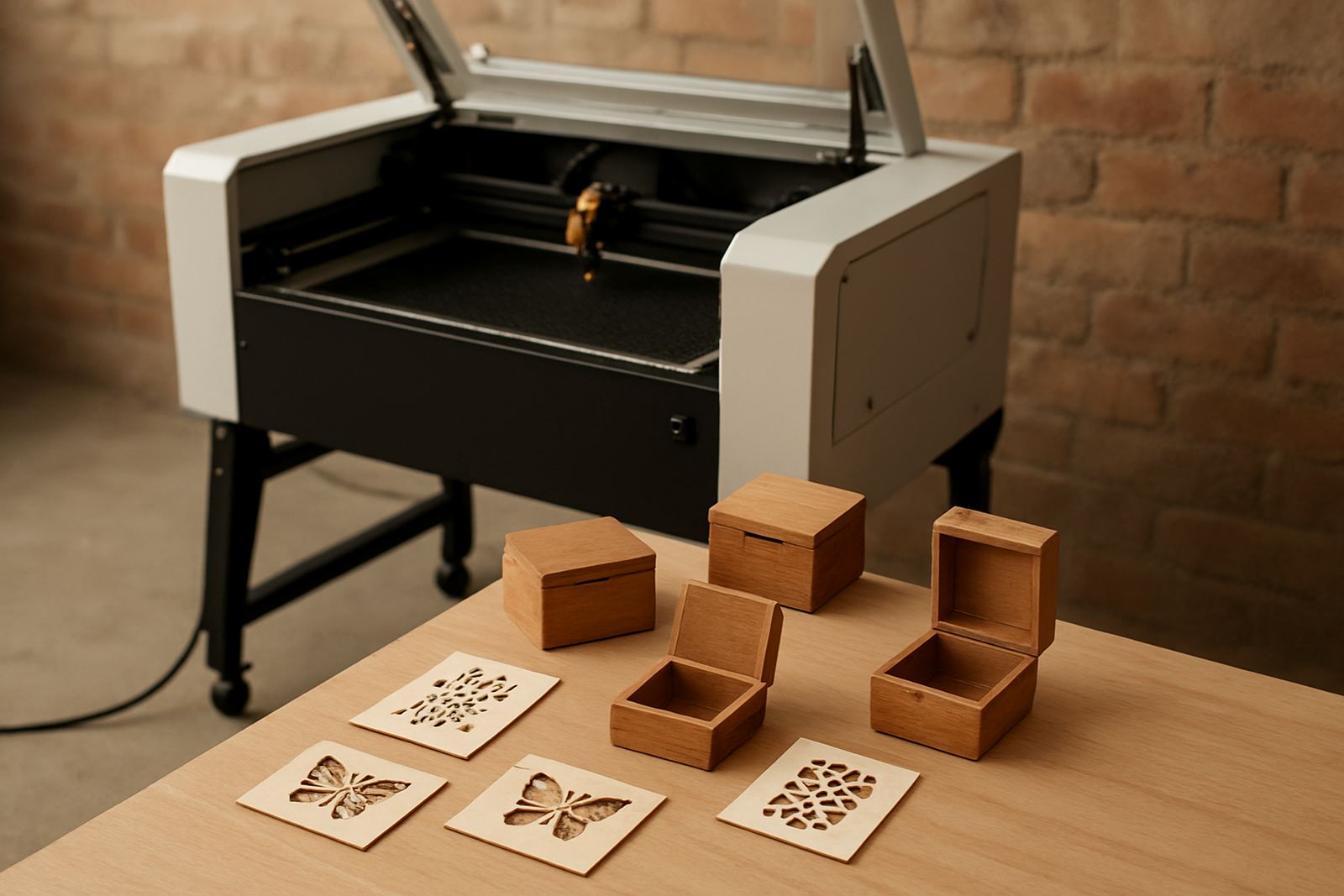
This format is made for delicate packaging parts that need neat edges and repeatable detail. It handles acrylic, paperboard, coated card, wood veneer, leather and select foam materials, making it useful for jewellery boxes, ring inserts, pendant cards and display pieces. For brands that sell online or in-store, the machine helps keep packaging consistent from one order to the next.
The cutting area is sized for small-format production, so it suits short runs, sample development and regular custom work. You can produce shaped windows, engraved logos, slot-fit inserts and layered presentation packs without relying on outside cutting. That saves time when launches are urgent or when a customer wants a quick turnaround.
- Delicate box panels and lids
- Insert cards and backers
- Foam or board inserts
- Branded display tags and sleeves
Sizes, bed options and detail levels
Most jewellery packaging work needs accuracy more than raw size, so the machine is configured for fine detail and controlled cutting. Typical working areas include 600 x 400 mm, 900 x 600 mm and 1000 x 700 mm depending on the production need. Smaller beds suit compact studios, while the larger option is better if you are running mixed packaging jobs on a daily basis.
Laser output is commonly specified in the 80 W to 150 W range for this class of machine, depending on material thickness and line speed. For thin card and veneer, lower power can give cleaner edges. For thicker acrylic parts or layered inserts, higher power gives more headroom. A proper extraction setup is important, because fine packaging work often uses coated board and glued materials that produce smoke and odour.
- Working area options: 600 x 400 mm, 900 x 600 mm, 1000 x 700 mm
- Laser power: 80 W to 150 W
- Control: digital file-based cutting and engraving
- Resolution: suitable for fine text, curves and repeat patterns
Where it suits best in South Africa
This product suits jewellers, packaging studios, gift makers, craft businesses and small manufacturers that need clean branded finishing. It works well in Johannesburg, Pretoria, Sandton, Midrand, the East Rand and West Rand, as well as Durban and Cape Town where presentation packaging often needs to cope with humid air and frequent handling. Coastal conditions make storage and extraction planning more important, especially when working with paperboard and card stock.
It is also a good fit for businesses that want to offer personalised packaging for weddings, corporate gifting and retail launches. If you make sets for bracelets, rings, earrings or scent samples, the machine can help you cut consistent inserts that hold the product neatly. For shops with limited floor space, the compact format keeps the footprint manageable, with enough room left for packing benches, stock and extraction ducting.
- Jewellery brands and boutique packaging makers
- Gift shops and event suppliers
- Craft businesses and short-run manufacturers
- Workshops needing small, accurate repeat jobs
Installation, power and workshop setup
We supply installation, operator training and setup support nationwide from Wynberg, Johannesburg. The machine should stand on a level, stable surface with enough space for loading sheets, opening the lid and running ducting to extraction. A clean indoor space is best, with dust control and good airflow. If the machine is placed near a window or loading door, avoid direct draughts that can disturb smoke extraction or affect finer cuts.
Power needs depend on the configuration, but most units run from standard single-phase supply with a dedicated circuit and proper earthing. In South Africa, it is worth planning for load-shedding with a suitable backup solution, because sudden shutdowns can interrupt a cut and affect alignment. If you are in an area with unstable power, we will advise on safe restart procedures and practical protection for the controller and chiller. For some materials, auxiliary gas assistance or compressed air may be used to keep edges cleaner and reduce charring, especially on paperboard and timber-based stock.
- Level floor and stable benching
- Dedicated electrical circuit and earthing
- Extraction ducting to outside or filtration system
- Optional gas or compressed air assist for cleaner edges
Care, servicing and day-to-day use
Packaging work is repetitive, so routine care matters. Lenses, mirrors and rails should be checked regularly, and the extraction path should be kept clear of dust and glue residue. If you cut coated board or leather often, the machine needs more frequent optics cleaning because residue builds up quickly. Water cooling must also be monitored, since overheating can shorten tube life and affect cut consistency.
Our support team handles preventive maintenance, beam alignment, cooling checks, extraction service and breakdown response. We also offer remote support, annual service plans and spares supply for regular users. If a workshop is running daily orders, a service plan helps reduce down time and keeps output steadier. Small issues like a loose mirror mount or blocked filter can cause edge quality problems before a full failure happens, so early checks are worth it.
- Clean optics on a set schedule
- Check coolant levels and flow
- Inspect belts, rails and focus height
- Keep extraction filters and ducts clear
What to check before you order
Before ordering, confirm the materials you want to cut, the maximum sheet size and the level of detail in your artwork. Fine fonts, tiny corners and repeated slots need a machine with stable motion and a good focus system. If you are working with acrylic presentation parts, check the thickness you plan to use. For card and board, ask about cut quality on coated stock so you know how much post-processing will be needed.
You should also look at file format handling, operator training and servicing access. If your team is new to laser work, training is just as important as the machine itself. We provide operator training at installation and can also help with relocation, upgrades and service after the machine is in use. For many customers, the best choice is the model that matches the day-to-day job, not the biggest one on paper.
- Material type and thickness
- Sheet size and batch volume
- Need for engraving, cutting or both
- Extraction, power and backup power plans
- Training and maintenance support requirements
Key facts
| Machine type | Small-format CO2 laser cutter for packaging and fine detail work |
|---|---|
| Typical working area | 600 x 400 mm, 900 x 600 mm or 1000 x 700 mm |
| Laser power | 80 W to 150 W depending on material and output needs |
| Material range | Acrylic, wood, leather, paperboard, veneer and select foam |
| Power supply | Single-phase supply with dedicated circuit and proper earthing |
| Support | Installation, training, servicing, extraction checks and remote support nationwide |