
Why air assist matters at the cut point
Air assist blows a directed stream of air across the cutting point while the laser is working. That simple action helps clear smoke, dust and hot vapour from the beam path so the material does not keep re igniting as the head moves along. On acrylic, wood and leather, the difference is easy to see in the edge finish and the amount of cleanup afterwards.
For many operators in Johannesburg, the biggest benefit is consistency. If you are running mixed jobs for signage, product samples or short production batches, you want the same cut quality on the first piece and the fiftieth. Air assist helps keep the cut zone cleaner, which means less charring on timber, fewer brown edges on leather and a better polish-ready edge on clear acrylic.
- Clears smoke and debris from the beam path
- Helps reduce scorching and re burn marks
- Improves edge quality on detailed work
- Supports more stable cutting on longer runs
What changes when airflow is set correctly
Too little air and the cut can look dirty, with soot sitting on the edge or on the face of the sheet. Too much air can push light material around, especially thinner paper board, veneer or small offcuts. The goal is a steady stream that protects the cut without disturbing the job. That balance matters when you are cutting tight lettering, fine pattern work or parts with small internal features.
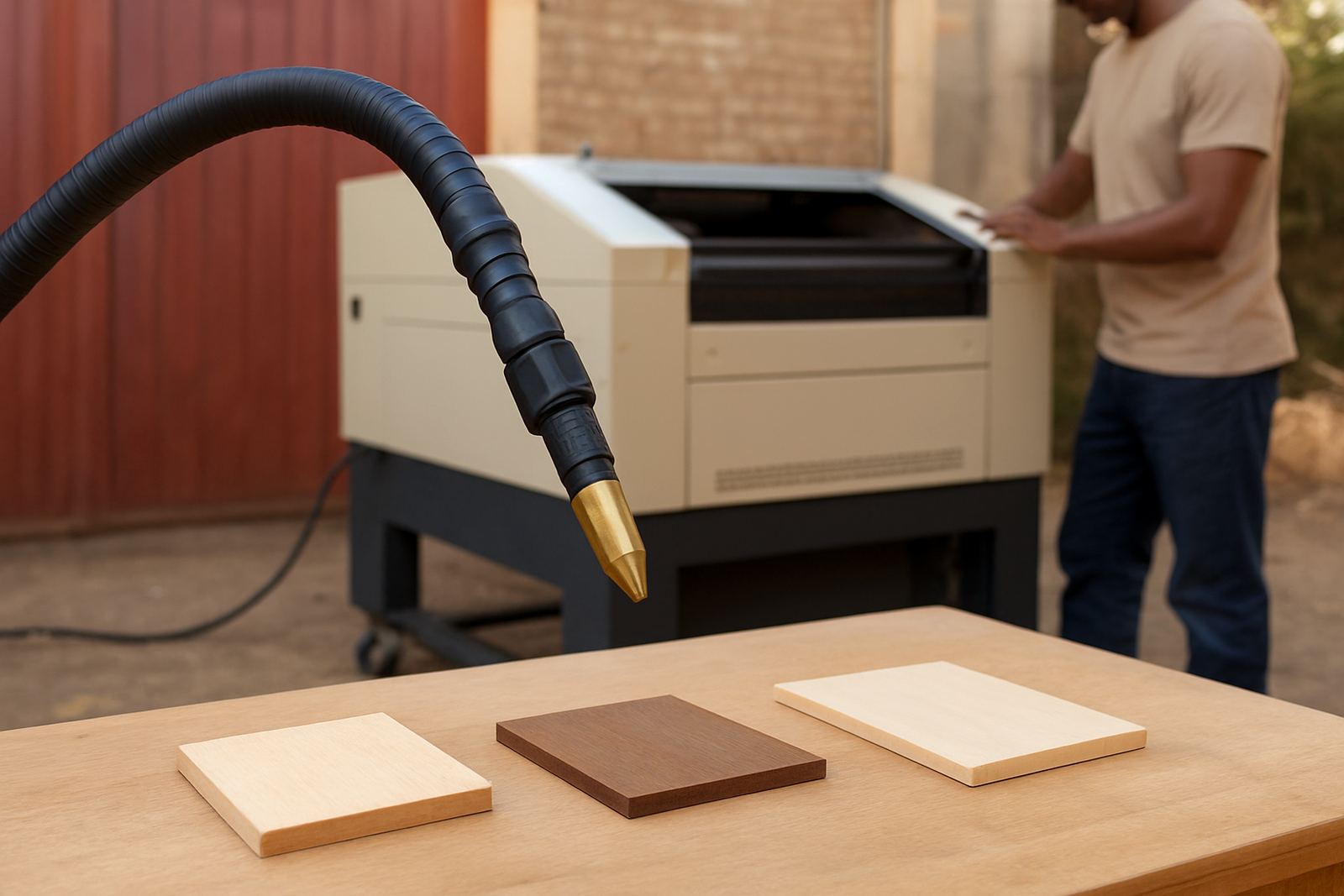
A practical setup also depends on nozzle position, hose condition and whether the compressor is delivering clean dry air. In humid coastal areas like Durban, moisture in the line can cause trouble if it is not managed properly. Water in the air line can lead to inconsistent pressure, dirty optics and the kind of edge marks that waste material and time. A proper filter and drain routine usually makes a noticeable difference.
- Check that airflow reaches the cut point, not just the chamber
- Keep hoses free from kinks and leaks
- Use dry filtered air where possible
- Confirm pressure settings after maintenance or relocation
Cleaner results on acrylic, wood and leather
Different materials react in different ways. Acrylic tends to show edge quality clearly, so any smoke or flare-up stands out fast. Wood can darken along the cut line if the heat lingers too long. Leather can mark easily and may carry a burnt smell if airflow is weak. Air assist does not replace good speed and power settings, but it supports them by removing waste heat and smoke at the source.
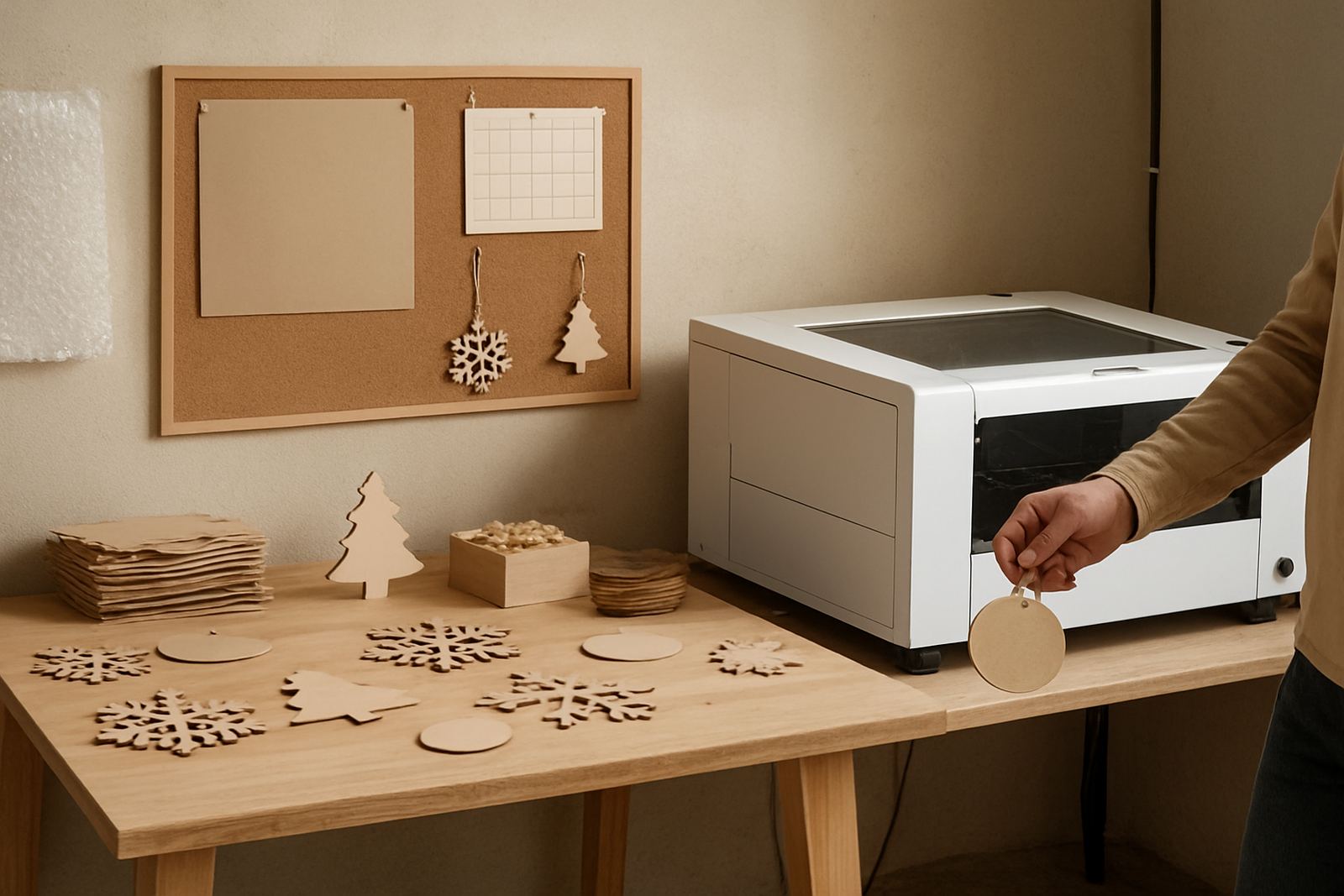
In a Wynberg demo room or on a factory floor in Midrand, operators often notice that air assist gives a more predictable finish on repeat jobs. That helps when a client wants matching parts for display stands, packaging inserts or small promotional items. It also cuts down on post-processing, which is important when your team is trying to keep up with orders and load shedding windows.
- Less sanding or edge wiping after the job
- Better visual finish on display pieces
- Reduced smell and residue on leather work
- More predictable output for repeat orders
Keeping the system steady during busy production
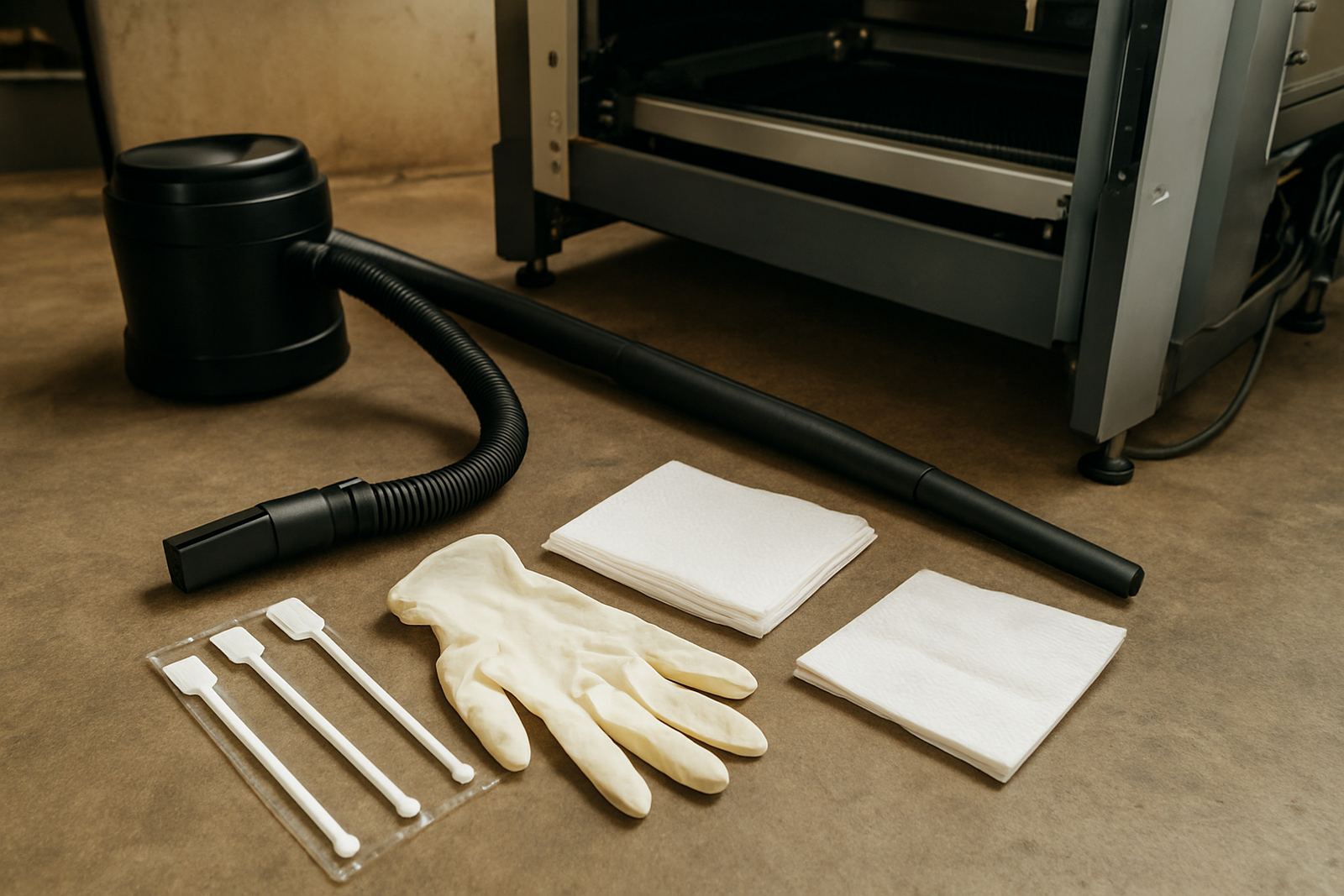
Air assist is part of the machine's operating rhythm, not an add-on to ignore until something goes wrong. If pressure drops, the cut quality can drift before anyone notices. That is why regular preventive maintenance should include checking fittings, cleaning nozzles, inspecting the compressor line and making sure the extraction side is also doing its job. Air assist works best when the machine is not fighting against smoke build-up.
For busy shops in Sandton, Pretoria and the East Rand, breakdowns often show up as quality problems before they become full stoppages. A soft hiss from a loose line or a clogged nozzle can lead to burnt corners, rough edges or more frequent rework. It is a small issue that turns into wasted sheets and lost hours if no one catches it early.
- Inspect nozzles for blockage or wear
- Check fittings after every move or install
- Match airflow to the material and thickness
- Include air checks in weekly maintenance routines
When the machine is moved or installed on site
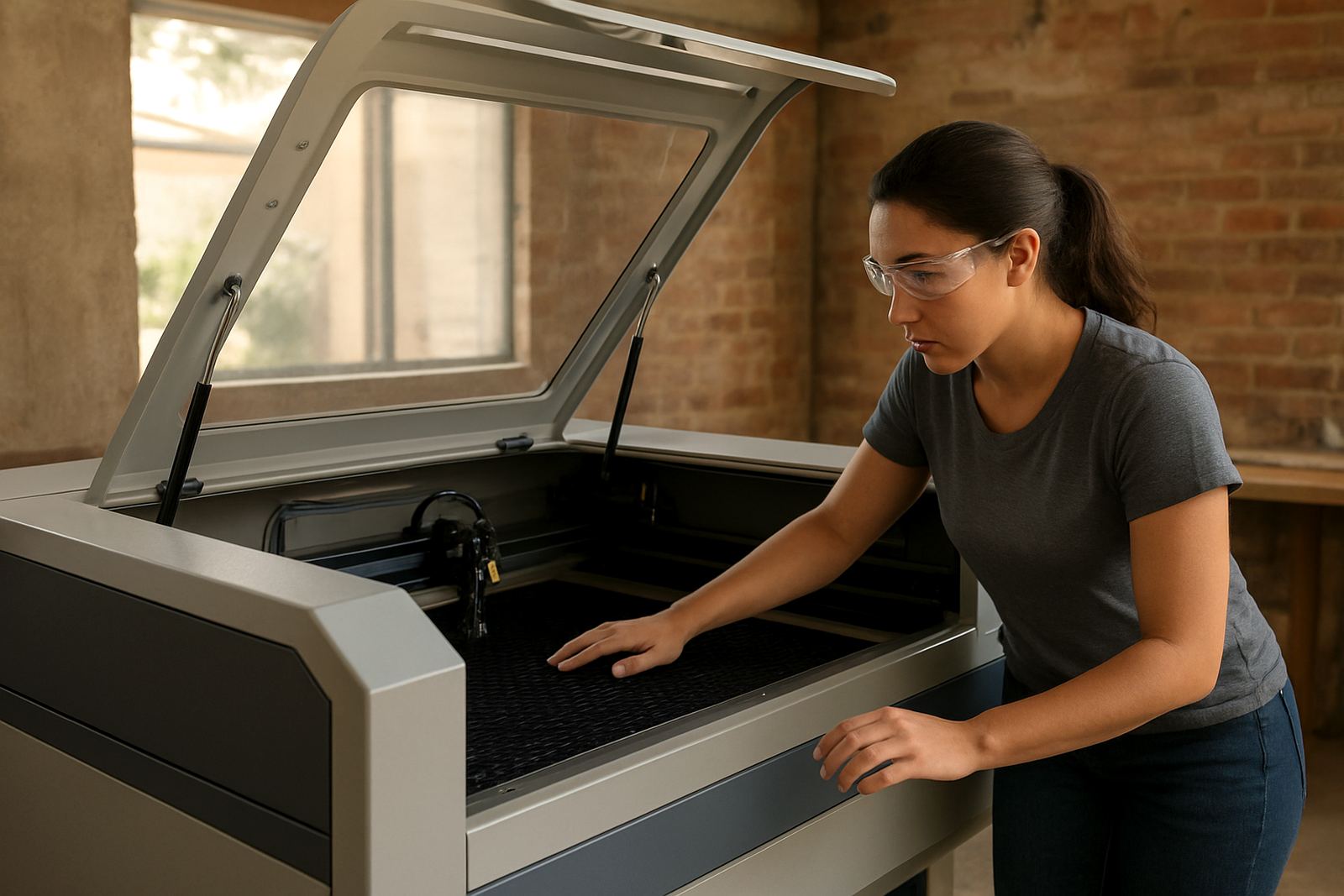
After installation or relocation, air assist should be tested before a job goes into full production. That includes verifying pressure, confirming the hose routing and checking that the machine is level and secure. If the setup is off by even a little, airflow can miss the cutting point and the operator will see it in the finish. A proper handover is important, because a machine that looks ready may still need fine adjustments at the nozzle.
LaserCutter CO2 supports installs, operator training and service work nationwide, which matters when a machine is going into a workshop with different power conditions or a site that has its own extraction and compressor layout. In places like Cape Town, Durban or the West Rand, local conditions and workshop space can vary a lot. Good training helps the operator understand what normal airflow sounds and looks like, so they can spot trouble early.
- Test airflow after moving the machine
- Confirm the compressor is delivering clean dry air
- Recheck cutting results on sample material
- Train operators to notice changes in sound and edge finish
A practical Johannesburg example
Picture a signage workshop in Wynberg handling a batch of acrylic nameplates for clients across Johannesburg. The job looks fine on the first few pieces, then the edges start showing slight haze because the nozzle has partly blocked and airflow has dropped. The operator may still finish the run, but the cleanup time doubles and a few pieces need re cutting. That is the sort of avoidable waste that good air assist setup helps prevent.
With a quick inspection, the team can clear the nozzle, check the line and confirm the pressure before carrying on. If the issue keeps returning, a service check on beam alignment, extraction and cooling may also be needed. The point is simple: air assist is not only about cleaner cuts, it also supports steadier machine performance across a full shift, which matters when deadlines are tight and materials are expensive.
For shops that want a more dependable routine, the best approach is to treat air assist as part of the full cutting system, not as a separate accessory. When it is set up properly, maintained regularly and checked after every major change, the machine is easier to run and the finished work looks better too.