
Start Every Shift With a 3 Minute Safety Check
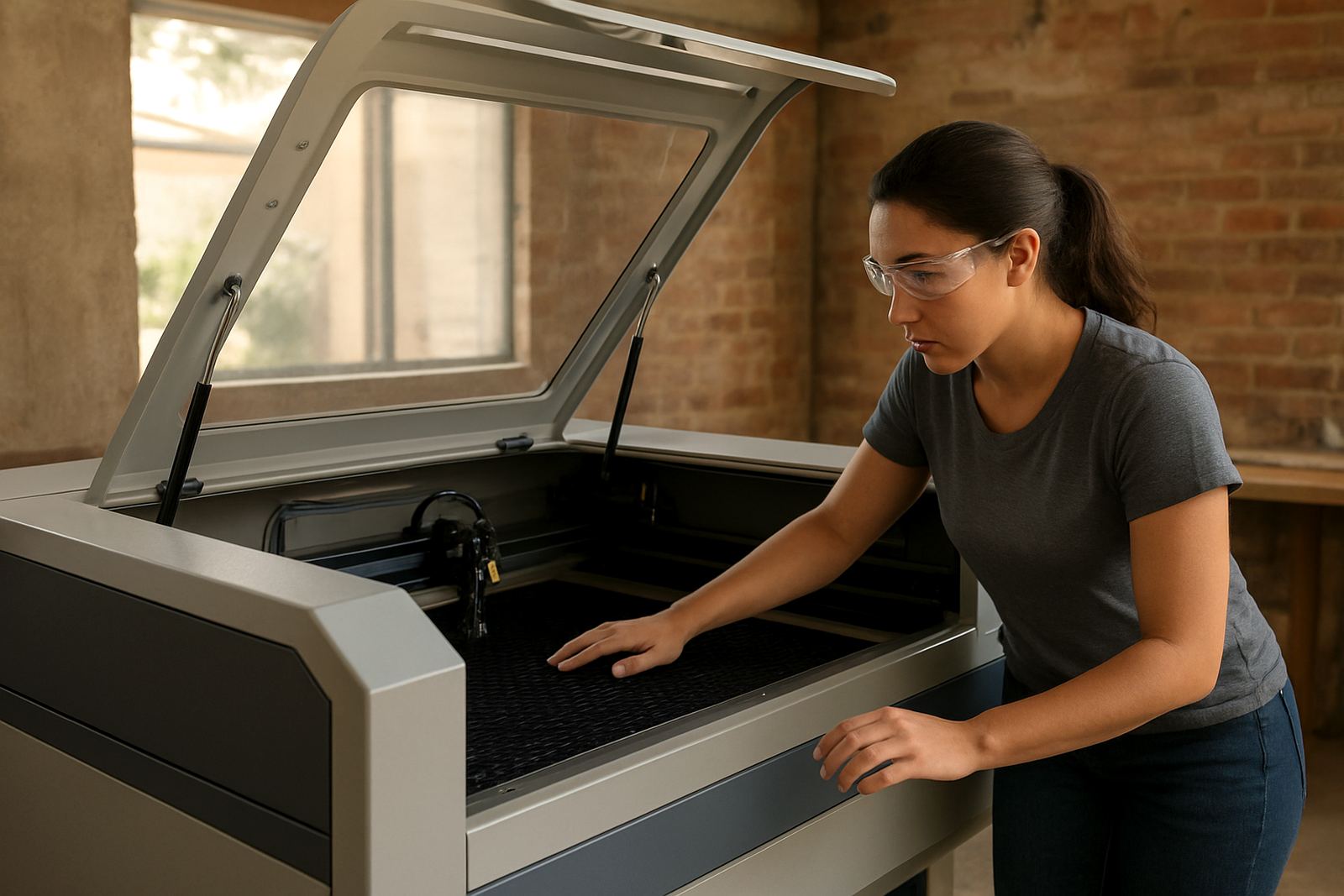
A quick start-up routine prevents most avoidable problems. Before any material goes into the machine, check the bed, the lens area, the water cooling, the extractor and the emergency stop. If something looks off, stop there and sort it out. A machine that is only half ready can turn a simple job into a risky one.
In a busy Wynberg workshop, this kind of habit matters because people often jump from one job to the next. One operator finishes acrylic name tags, the next wants wood panels, and the third is rushing leather samples for a client. When the check becomes part of the shift, nobody has to rely on memory alone.
- Confirm the cooling system is running and water levels are correct
- Make sure the extraction path is clear and filters are not choked with dust
- Check mirrors, lens housings and beam path covers for dirt or loose parts
- Test the emergency stop and front access safety features
- Clear offcuts, tape, scraps and packaging from the bed and surrounding area
Handle Materials With the Same Care You Give the Machine
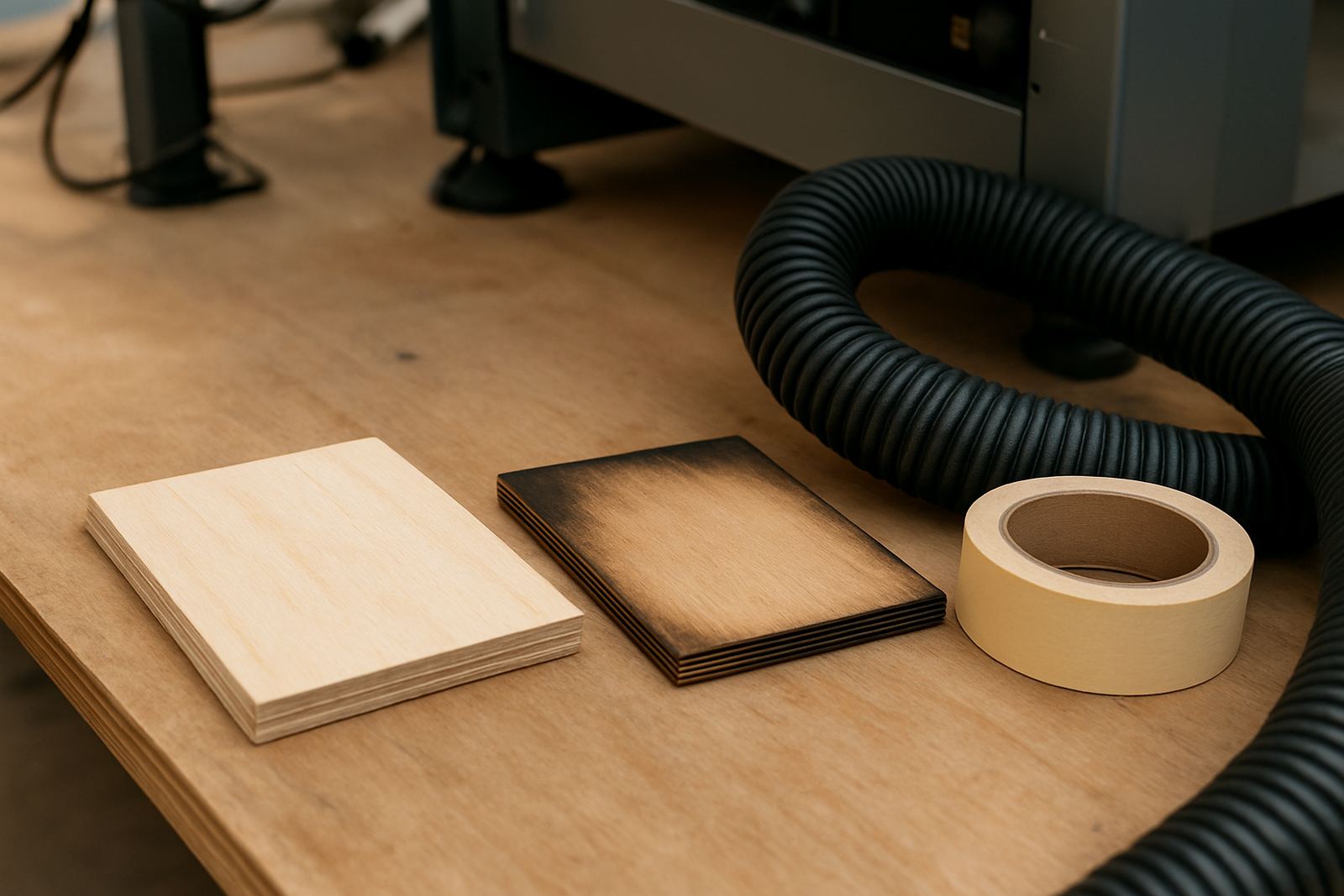
Many laser incidents begin with the wrong material or poor prep. Operators should know exactly which sheet, board or hide is going in, and whether it is safe to cut. Mixed materials, coated surfaces and unknown plastics can give off harmful fumes or behave badly under the beam. If there is any doubt, do not guess. Check the material before it reaches the machine.
Keep storage neat and labelled. Acrylic offcuts should not be mixed with MDF, and treated timber should be kept separate from natural wood. Leather also needs proper sorting because some products are finished differently and can smoke heavily. In humid coastal conditions like Durban, materials can warp or absorb moisture, so a flat, dry storage area helps prevent bad cuts and surprises.
- Label all stock by type, thickness and supplier batch where needed
- Keep flammables away from the machine and the extractor outlet
- Inspect boards for warping, splits, glue lines or metal inserts
- Never cut unknown plastics or unverified composite materials
- Store materials dry and off the floor, especially near coastal areas
Ventilation and Fume Control Are Not Optional
Clean edges are not the only thing the extractor must handle. The fumes from laser cutting can build up quickly, especially when jobs are repeated through the day. Operators should never treat ventilation as a background task. It needs a routine check, much like the cutter itself. If the airflow drops, the work area becomes unpleasant and the machine may start leaving scorch marks or residue.
Extraction should be running before the first cut and kept on until the area is clear. Ducting needs to stay free of kinks, dust build-up and loose joints. In many South African workshops, load-shedding means systems are switched off and on during the day, so operators must be extra careful when power comes back. A rushed restart can miss a fan fault or a blocked line, and that is where problems start.
Good habits around fumes also mean keeping lids shut during operation and opening the machine only once the smoke has cleared. It sounds simple, but simple steps are the ones most often skipped.
Keep Hands, Eyes and Clothing Clear of Trouble
Operator safety is often about what not to do. Loose sleeves, dangling jewellery and cluttered benches can all create avoidable risk. The operator should stand where they can see the job clearly, but not lean into the machine while it is running. If a cut is not behaving as expected, pause the job and check it properly rather than reaching in. That small delay is better than a burn, a cut hand, or damage to the material.
Eye protection should be kept close by and used according to the workshop rules. Even when the machine is enclosed, there are still moments when an operator is checking alignment, loading material or clearing a finished sheet. Good lighting helps too. In poorer light, mistakes happen faster than people expect, especially during early morning starts or late afternoon shifts.
- Wear fitted work clothing with sleeves kept tight or rolled neatly
- Remove rings, bracelets and lanyards near moving parts
- Keep hands clear while the beam is active and wait for full stop before opening
- Use proper lifting technique for heavy sheets and ask for help with larger panels
- Keep the floor dry and free of tripping hazards around the machine
Train One Way, Then Stick to It
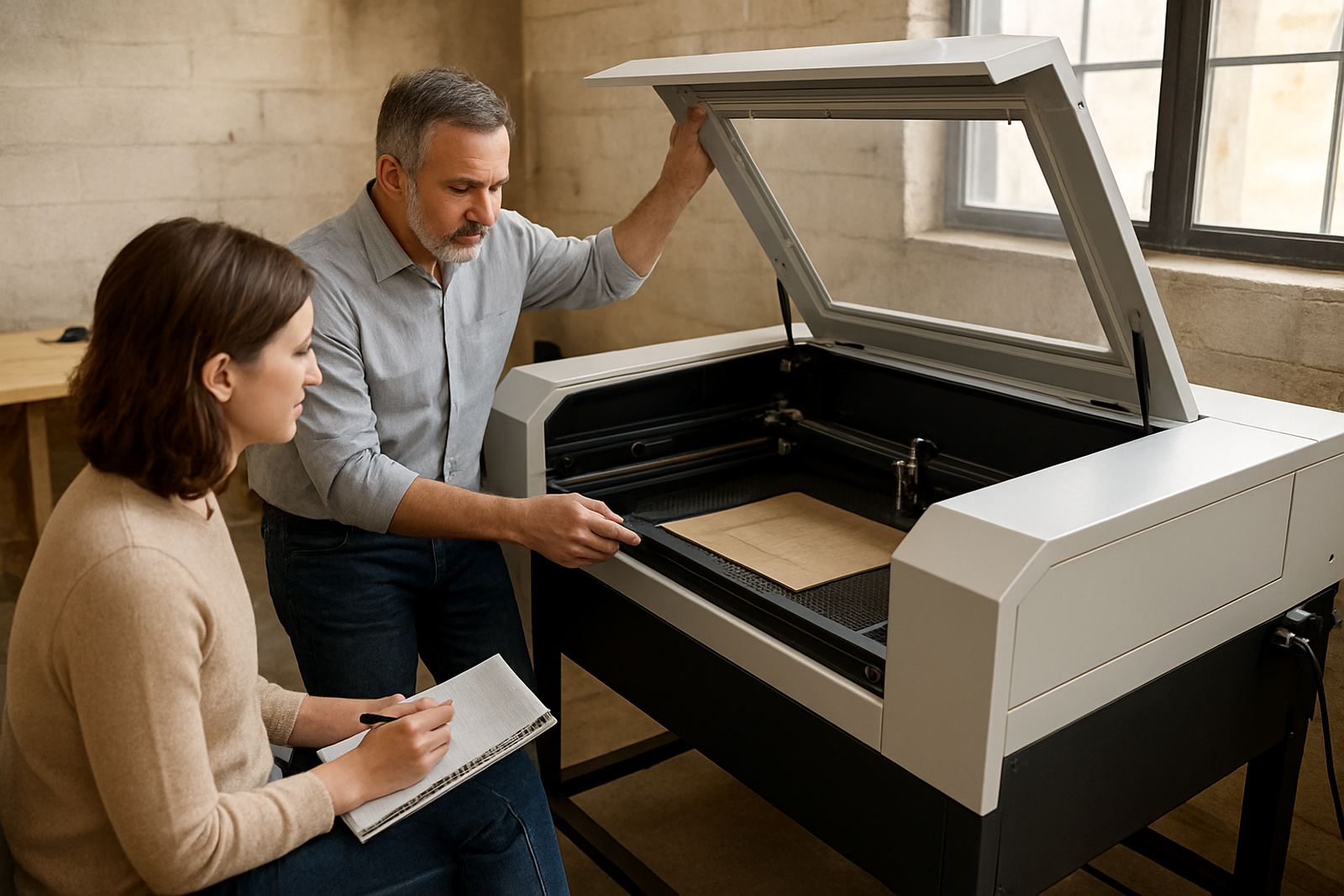
A lot of workshop risk comes from mixed habits. One operator sets material one way, another does it differently, and a third starts changing settings from memory. A clear standard keeps everyone on the same page. That includes how to load material, how to confirm focus, where to stand, and what to do if a job starts smoking or stalling.
Training should not be a once-off lesson. New staff need supervision until they can run normal jobs without shortcuts, and experienced operators still need refreshers when new materials or accessories are introduced. In Johannesburg and the surrounding areas, we often see sites where a sound routine is the difference between steady production and repeated call-outs. When the same basic steps are followed every time, the machine lasts longer and the team works with more confidence.
Write the simple rules down. Keep them near the machine, not in a file nobody opens. If a rule cannot be explained in plain language, it usually needs to be improved.
Housekeeping After the Cut Matters as Much as Setup
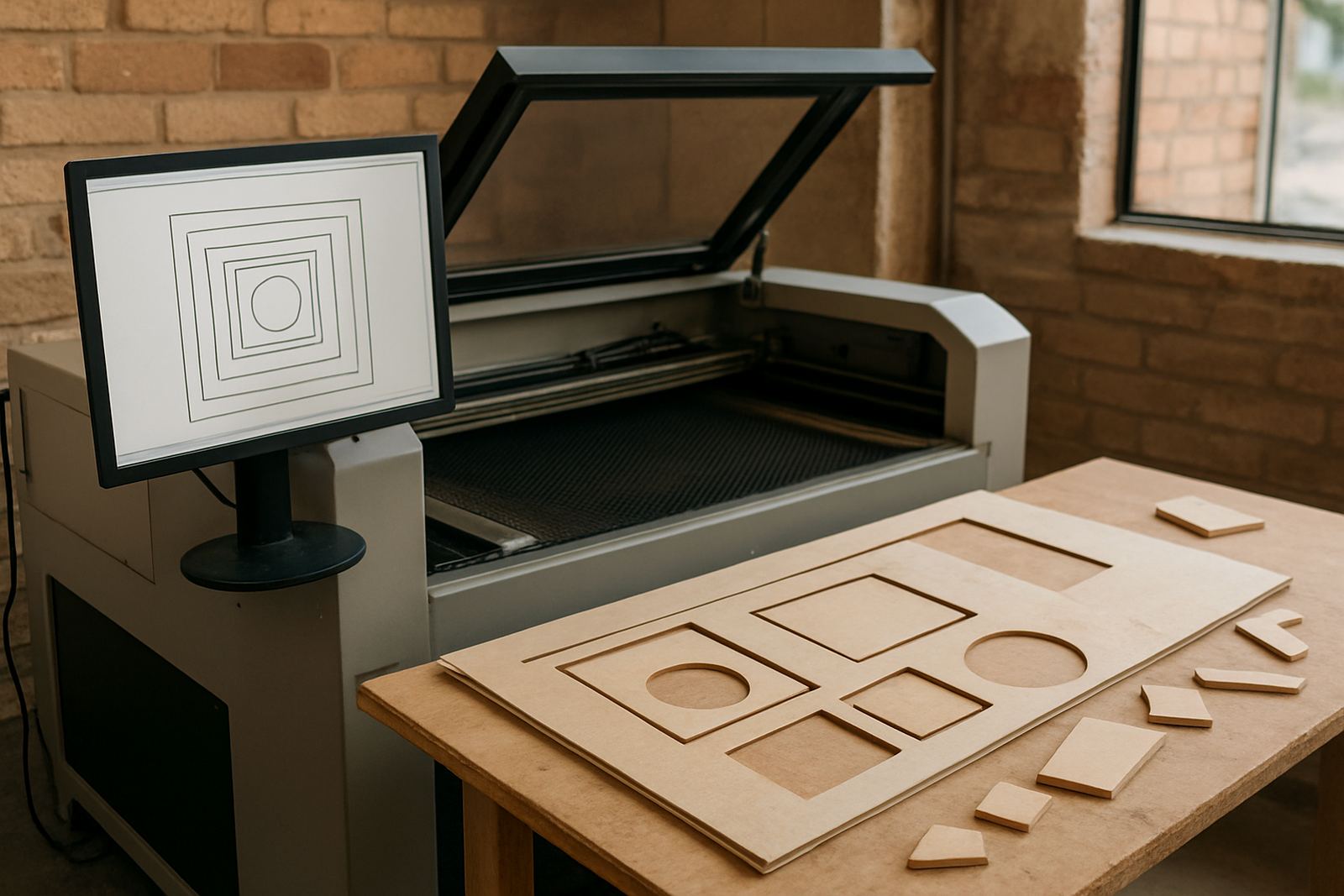
When the job ends, the safety work is not finished. Offcuts, ash and dust left behind can catch fire, scratch optics or make the next job harder to place correctly. Operators should clean the bed, wipe accessible surfaces and remove waste from the area before moving on. A neat machine is easier to inspect, easier to maintain and safer to use the next day.
Good housekeeping also means checking for warning signs. Dark residue on the honeycomb, repeated scorch marks on one side, or a smell that is stronger than usual can all point to a maintenance issue. If those signs are ignored, the problem tends to get worse. A short clean-up at the end of the shift saves time later, and it keeps the workshop ready for the next order, not just the current one.
- Remove all scraps, paper backing and masking from the machine bed
- Empty waste containers before they overflow
- Check for singed edges, unusual soot or signs of a flare-up
- Leave the area ready for the next operator with materials stored properly
- Report faults straight away instead of waiting for the next breakdown