
Start with the products that sell fastest
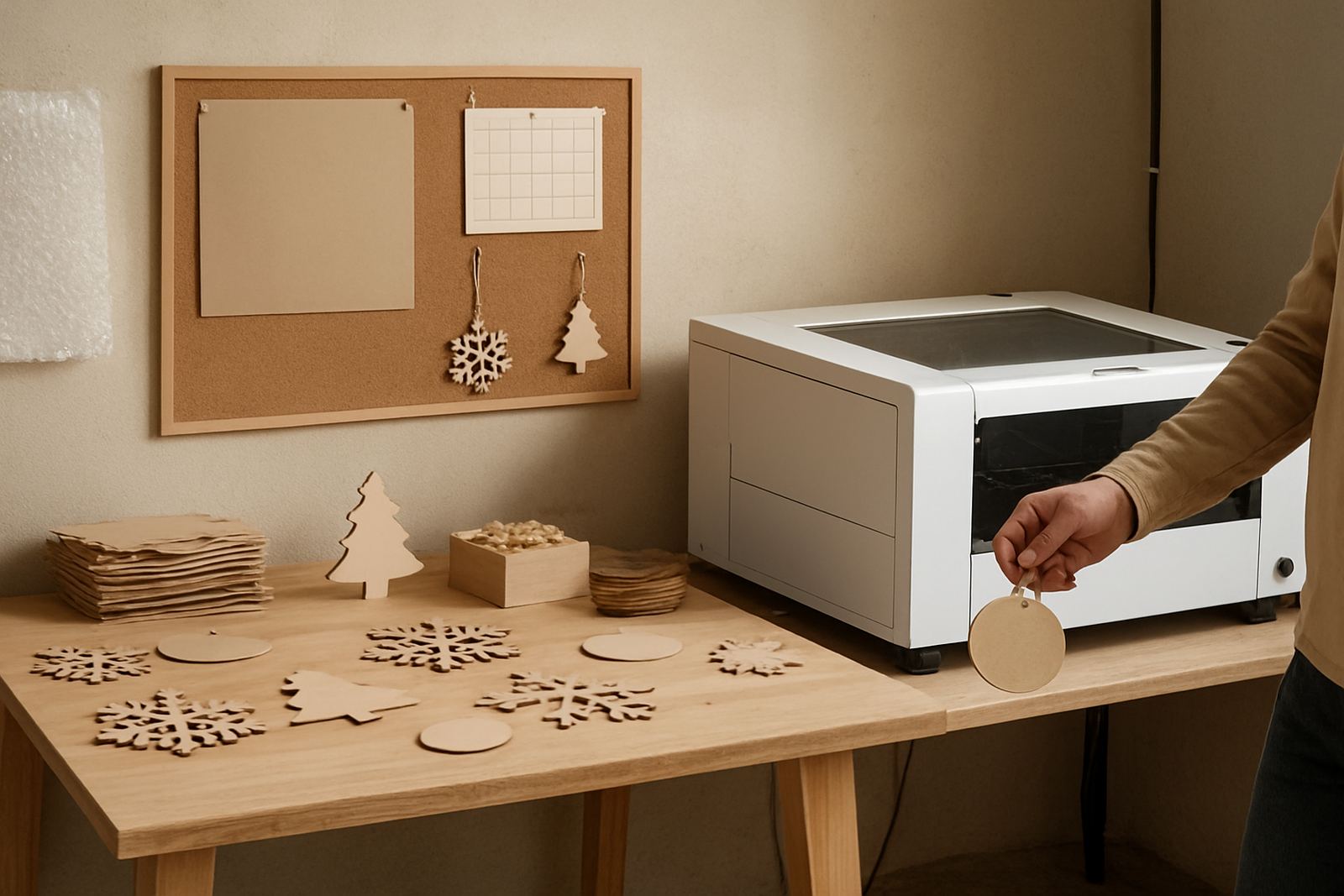
Before you open a new batch of jobs, list the items that repeat every year. Gift season usually rewards the same group of products: name tags, tree ornaments, corporate gift inserts, personalised keyrings, coasters, leather tags and small display signs. If you know what sold in October and November last year, you can estimate what will move again in 2025 and what can sit on the shelf without tying up cash.
Keep a simple record of sizes, material thicknesses and finish preferences. A 3 mm acrylic range may suit most small gift items, while 4 mm or 6 mm can work better for premium pieces that need more body. For leather, make notes on grain direction and how the material reacts when cut, because the same sheet can behave differently depending on humidity and storage. That little bit of planning avoids rework when orders start stacking up.
Lock in stock before suppliers get busy
In Johannesburg, gift season often overlaps with year-end pressure on stock, delivery delays and shorter working windows. If you wait until the final rush, you may end up taking whatever material is available instead of what fits the job. Put your core materials aside early: clear and coloured acrylic, plywood, engraving-grade wood, and leather offcuts in useful sizes. Keep enough spare sheet material for test cuts and one or two mistakes, because there is always a job that needs a quick adjustment.
It also helps to track consumables and maintenance items that affect uptime. Good airflow, clean optics and cooling checks matter more when the machine is running all day. A clogged extractor or a cooling issue will slow production just when you need speed. If you are expecting a strong season, book preventive maintenance before the rush rather than after the first breakdown.
- Set reorder points for the materials you use most often.
- Store sheet material flat and away from direct sun.
- Keep a separate box for sample cuts, offcuts and test pieces.
- Check extraction, cooling and beam alignment before high volume work starts.
Build templates that cut prep time
Templates save time because they remove guesswork. When a customer asks for twenty personalised pieces, you should not be setting up each file from scratch. Create standard templates for common gift formats with fixed cut lines, engraving zones and safe margins. Once the template is right, all you need to do is change names, dates or artwork placement.
Keep file names clear and consistent. A simple naming system for product type, material, size and date makes it easier for the operator to find the correct job quickly. For example, a batch might be stored by item and material rather than by customer mood or job notes. That may sound basic, but when orders are flying in, clear structure stops expensive mistakes.
If you work with schools, corporates or market stalls, build a few approved layouts that can be reused with small changes. That lets your team quote faster and gives clients a clearer idea of what they are buying. It also makes training easier because new operators can follow the same process without having to relearn each layout.
Plan the workflow from enquiry to dispatch
Gift season work can fail at the handover points, not only on the machine. A clean workflow should show who handles quoting, who confirms artwork, who checks material, and who clears the final pack before collection or delivery. If one person is doing all four steps, delays start to creep in very quickly.
A practical workflow for a busy month could look like this: enquiry, artwork approval, material check, test cut, full run, finishing, packing, then collection or dispatch. Each step needs a time estimate and a clear owner. For example, a small acrylic batch might take less than an hour on the machine but another 45 minutes in finishing and packing. If you do not factor that in, the day gets overbooked.
- Use a job board or spreadsheet that shows status at a glance.
- Confirm artwork approval before cutting starts.
- Separate rush orders from standard orders so they do not mix.
- Leave time for cleaning, lens checks and cooling checks between batches.
Use local conditions to your advantage
South African conditions affect production in ways that are easy to ignore until something goes wrong. In coastal areas like Durban, humidity can affect leather and certain wood products, so storage matters. In Gauteng, dust and dry air can build up fast in a workshop, which affects optics and extraction. When load-shedding is part of the week, you also need a plan for power cuts so work does not stop mid-run.
If your workshop is in or around Johannesburg, think about where you place stock, where you vent extraction and how you protect finished pieces from dust. In Wynberg and nearby business areas, clients often want quick turnaround and reliable collection windows, so it helps to keep common jobs prepped in advance. A local example: a small gift maker in Midrand can save a full day by preparing standard nameset files and keeping the most-used sheet sizes on hand before the first December orders come in.
Remote support can help with setup questions, but a stable in-house routine is what keeps the season moving. If the machine is already calibrated and the operator knows the file flow, your team can handle the busy period with far less stress. Simple systems win here, not fancy ones.
Train for repeat work, not only first-time setup
Training should focus on the jobs you actually run during gift season. That means correct focus, material placement, speed settings, cleaning routines and how to spot a bad cut before it becomes a full batch problem. If the operator understands the common failure points, the work becomes more predictable and the wastage drops.
It is also worth training more than one person. If a single operator falls ill or takes leave during the rush, production should not stop. A second person who can load files, check alignment and do basic finishing is often enough to keep things moving until the backlog clears.
Annual service plans, optics cleaning and beam alignment all become more valuable when volume climbs. A machine that is looked after will hold its cut quality better over long sessions and need fewer panic repairs. That gives you cleaner edges, quicker handovers and less time spent on rework, which matters more than people think.