Why laser cutting changes the maths for a small maker
For a craft business, growth usually gets stuck at the same point: the product is popular, but hand cutting takes too long and every batch comes out slightly different. A CO2 laser cutter changes that by giving you clean, repeatable cuts on acrylic, wood and leather, which means you can make more units in the same hours and keep the finish consistent from first piece to last.
That matters in South Africa where rental, wages and courier costs can climb quickly. If you are working from Wynberg, Midrand or even a home workshop in Durban, you need products that are efficient to make and easy to pack. Laser cutting helps with that because the edge quality is predictable and the setup time per item is low once your files are sorted.
- Shorter cutting time per batch
- More consistent sizing across repeat orders
- Cleaner edges on delicate shapes and lettering
- Less material waste from manual cutting errors
Start with one winning item, then build the range around it
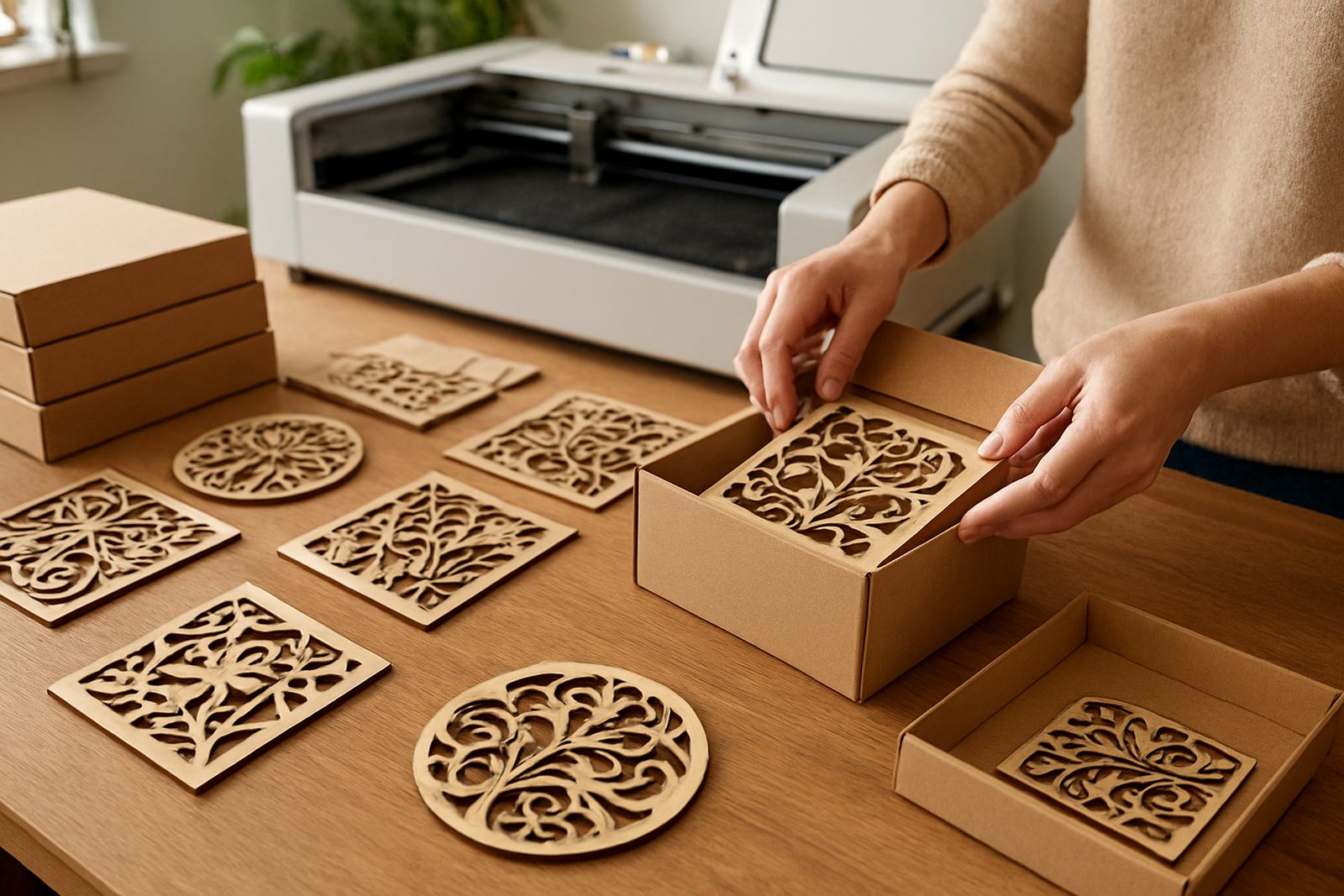
The smartest scaling move is not adding twenty products at once. Start with one item that already sells, then use the laser to create variants that share the same base file. A seller making wooden name tags can move into gift boxes, table numbers and matching signage. A leather maker can turn one pouch design into card holders, key fobs and journal covers.
This approach keeps stock simple and lets you test demand without tying up cash in slow movers. It also makes quoting easier because your material usage is easier to track. If the same outline can be reused in three products, you save time at the computer and on the machine, which helps when orders come in before a market weekend or ahead of peak gifting season.
- Keep one master design file for each product family
- Test a small batch before ordering larger sheets
- Use the same offcuts for smaller add-on items
- Price each variation separately so you know which one earns best
Use laser cutting to improve margins, not just output
Growing a craft business is not only about making more pieces, it is about making pieces that earn more per hour. Laser cutting can help you add details that customers will pay for, like layered acrylic names, engraved patterns or small personalised inserts. These details are hard to do neatly by hand at speed, especially when a customer wants ten items by Friday.
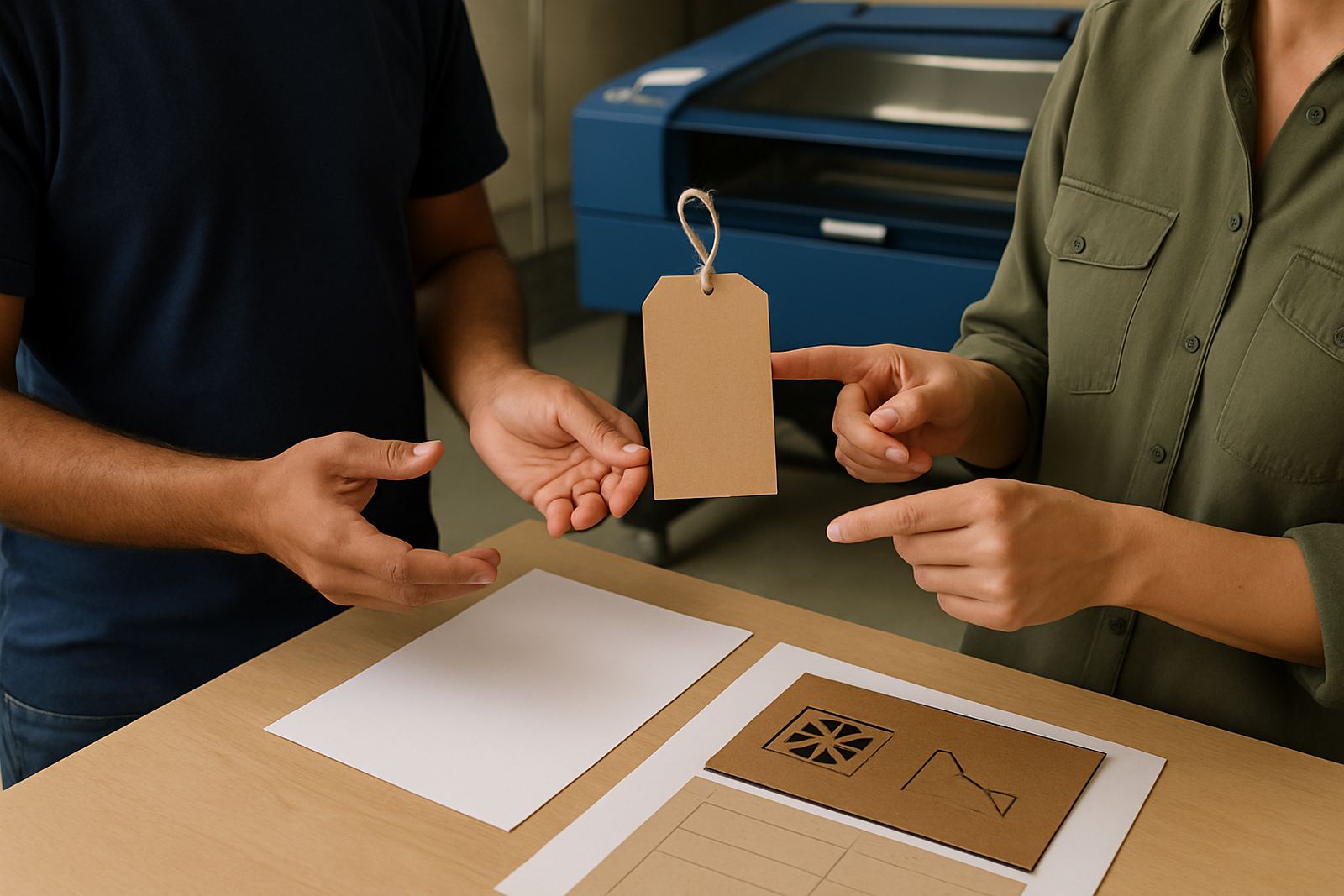
It also helps with consistency in packaging and branding. Small labels, inserts, product tags and display pieces can all be cut to size instead of ordered in from different suppliers. That keeps the look of your range tighter and can reduce the number of outside jobs you need to place. In a market where buyers compare finish and presentation quickly, this makes a visible difference. It also saves a lot of back and forth when you are under pressure.
A simple rule works well: if the item can be repeated, measured and packed flat, the laser should probably be doing that part of the work.
Plan your production around South African realities
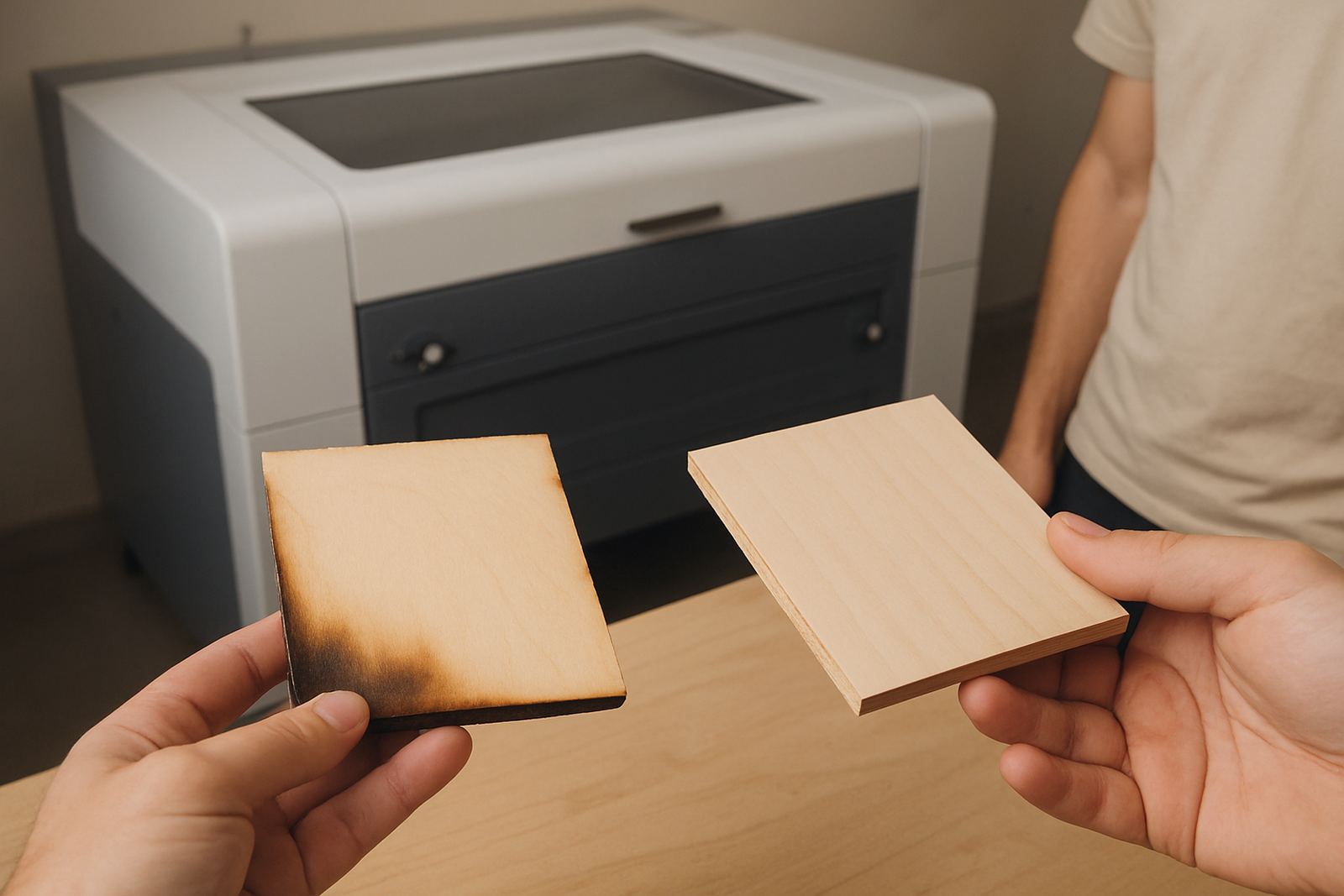
Scaling in Johannesburg, Pretoria or along the coast means planning for load-shedding, humidity and delivery delays. Acrylic can scratch if it is not handled properly, wood can move with moisture, and leather needs storage that keeps it clean and flat. A laser cutter helps, but the workshop still needs a good routine if you want the output to stay consistent through the year.
For many small businesses, the best setup is a simple workflow: design files saved clearly, materials labelled by thickness and batch, and production scheduled around power availability. If you are in a humid area like Durban or dealing with dust in a shared industrial unit, extraction and regular maintenance matter just as much as the cutting itself. A machine that is cleaned, aligned and checked properly will give steadier results and fewer wasted sheets.
- Store sheet material off the floor and away from damp walls
- Keep spare belts, lenses and consumables on hand
- Schedule longer jobs for times when power supply is more stable
- Use extraction and cooling checks to protect cut quality
From side hustle to steady supply: what the numbers should tell you
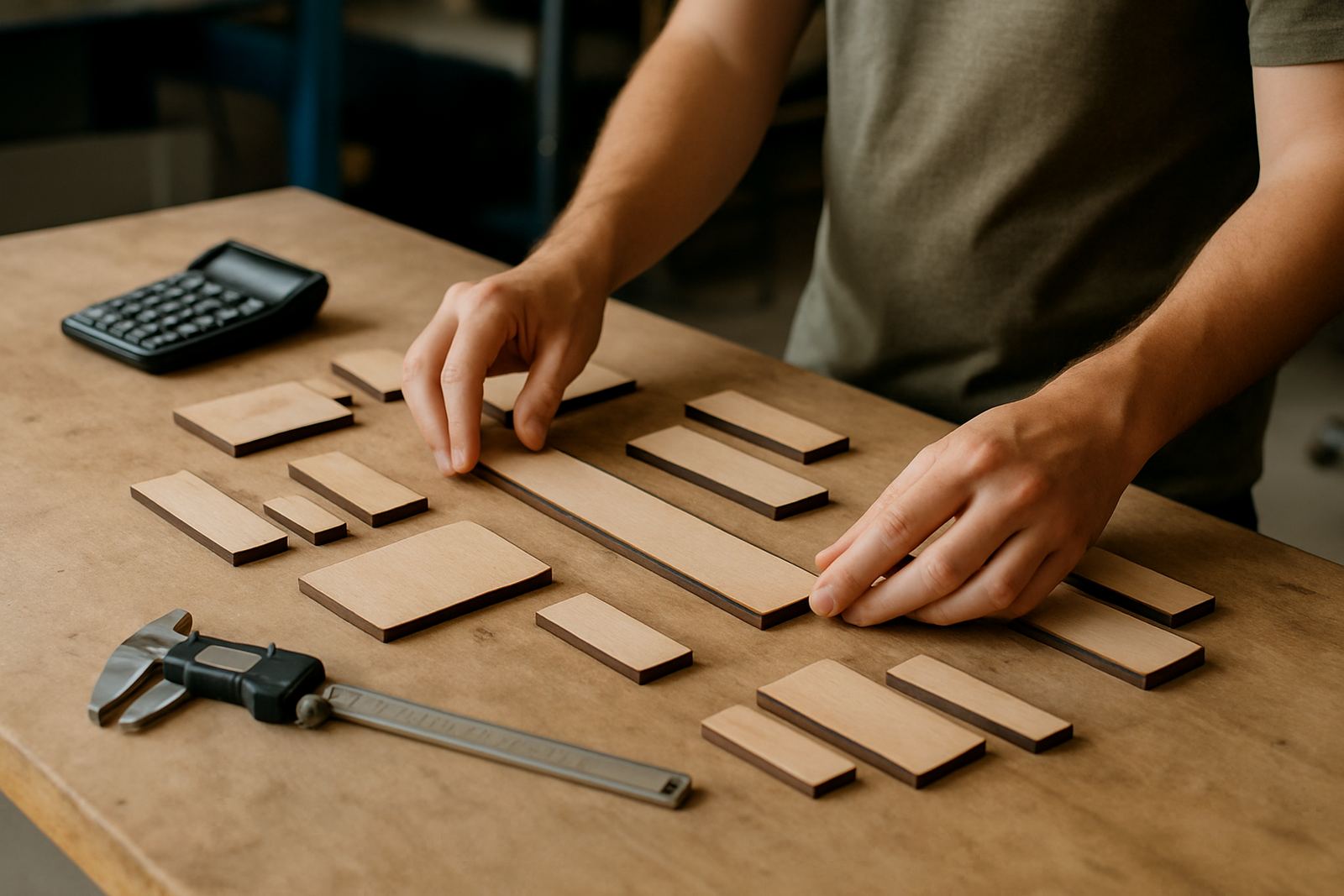
When a handmade brand starts getting regular orders, the owner needs to know which products deserve more attention. That means tracking how long each item takes, how much material it uses and how often customers reorder. A laser cutter makes this easier because the same file can be measured over and over, so your costing becomes less guesswork and more business.
For example, a small Johannesburg gift maker might begin with 30 personalised wooden pieces for a craft fair. Once the design is final, the same machine can help them move to 100 units for a reseller, then 300 units for a seasonal corporate order. That kind of jump is only practical if the machine runs reliably and the files are organised. Without that, the owner spends too much time fixing mistakes instead of fulfilling orders.
At this stage, many makers also start offering installation-style products such as wall pieces, shelf markers and point-of-sale displays. Those are useful because they sell well to shops, salons and market stalls, not only end customers.
Support matters when the workshop depends on one machine
When a laser cutter is central to the business, downtime becomes expensive very quickly. If a job stops halfway through a run, the whole week can be thrown off. That is why service support, operator training and preventive maintenance matter just as much as the purchase itself. A small business usually cannot afford long delays while waiting for a fault to be sorted out.
Good support also helps new operators work safely and confidently. Beam alignment, optics cleaning, cooling checks and extraction service are not glamorous tasks, but they keep cut quality stable and reduce wear. For a maker scaling from weekend sales to regular wholesale orders, that consistency helps shops deliver the same standard every time. It is better to have a machine that is predictable than one that only performs well once in a while.
For businesses in Wynberg, Sandton, Pretoria, Midrand, the East Rand, West Rand, Durban or Cape Town, practical help with installation, remote support and relocation can make expansion less stressful. It is one thing to buy equipment, and another to keep it earning month after month.
A local example: turning market orders into a product line
A small craft maker in Johannesburg might begin with personalised wooden cake toppers for birthdays. At first, each order is made one by one and packed with a handwritten note. Once the owner sees repeat demand, the same laser file can be adapted into baby shower toppers, wedding place cards and gift tags. That turns a single product into a small range without needing entirely new tooling.
Because the cutting is repeatable, the maker can quote faster and take on more work from event planners. They can also test a few premium options such as layered acrylic or leather accents. The business grows not because the owner works longer hours, but because the process becomes cleaner and more organised. That is the real value of laser cutting for small handmade brands, it gives you room to grow without losing the handmade feel.
For many South African craft businesses, that balance between speed and finish is what makes the next step possible.