Start With Items You Can Recut Every Week
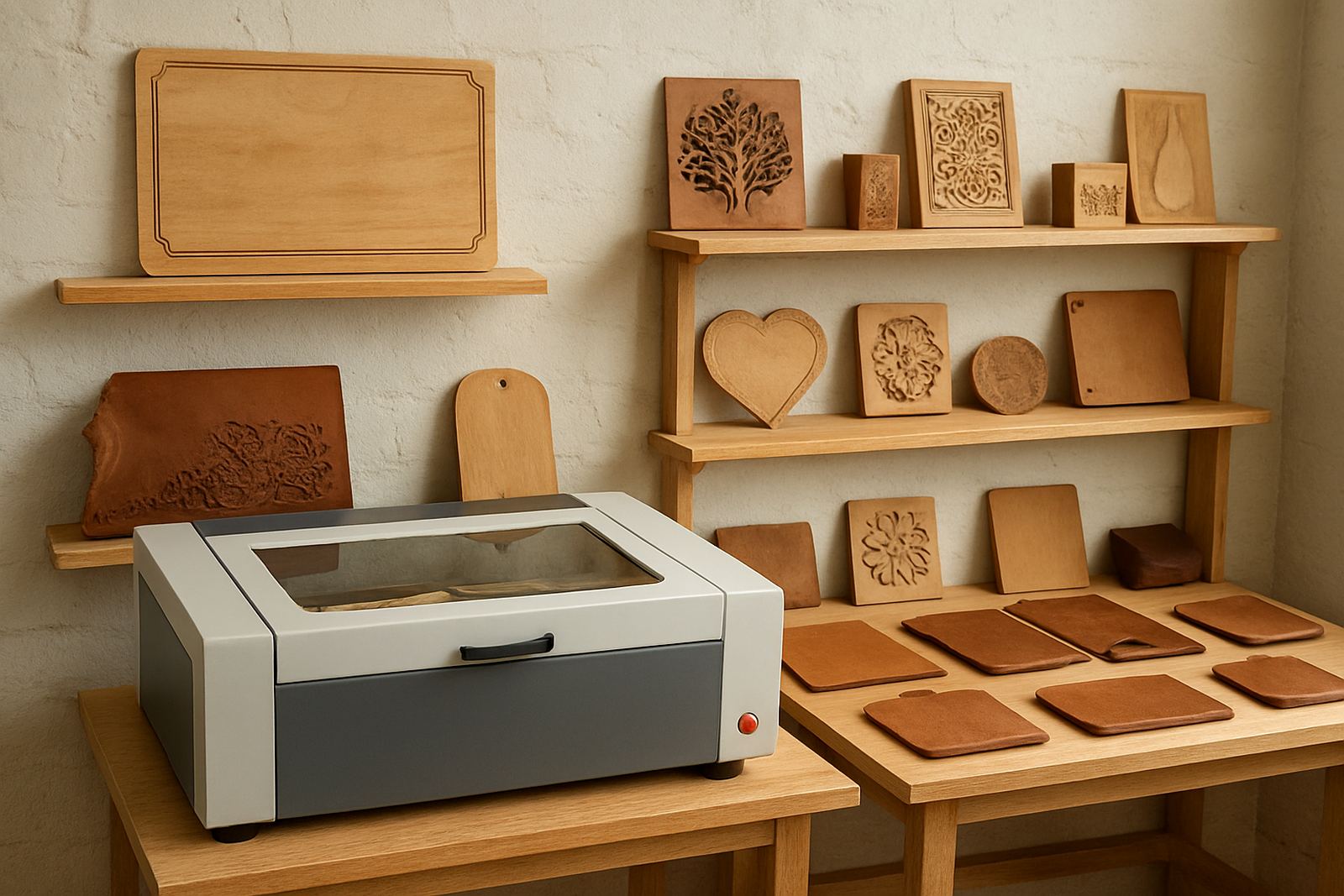
When businesses in Johannesburg first look at a CO2 laser, they often think about one-off custom work. That can be profitable, but the real value usually comes from repeat items that move steadily through the workshop. Think signage components, branded gifts, retail display pieces, packaging inserts, leather tags, acrylic organisers, and small product parts for local makers.
The safest way to expand your range is to start with products that use materials you already understand. Acrylic cuts cleanly, wood gives a warm finish, and leather works well for detailed marking and cutting. Once you know the cycle times, scrap levels, and finishing steps, you can price with more confidence and avoid surprises when orders pick up.
- Choose products that can be cut in batches of 10, 25 or 50
- Use standard sheet sizes so you waste less material
- Keep one or two core thicknesses instead of buying too many variants
- Test a small production run before offering the item widely
Match The Product To The Buyer, Not Just The Machine
A common mistake is to buy a machine and then try to sell whatever it can cut. A better approach is to study who is already buying in your area. In Sandton, you may see demand for neat branded corporate gifts and display items. In Pretoria, small manufacturers often need repeatable parts and labels. In Durban, humid conditions can affect storage and finishing, so packaging and material handling matter more than people expect.
If your buyers need quick turnaround, your range should favour simple designs with strong margins. If they value detail, you can offer intricate patterns, layered acrylic work or personalised items. The machine is only one part of the offer. The other part is consistency, pricing and how easily you can repeat the same item next month without rework.
- Corporate buyers often want neat branding and predictable lead times
- Craft sellers may prefer smaller quantities with more design variation
- Industrial clients usually care about repeatability and dimensional accuracy
- Retail customers often buy if the product is ready-made and priced clearly
Price For Time, Material And Changeovers
Pricing is where new product ranges either succeed or stall. If you only price by sheet material, you can miss the real cost of setup, test cuts, cleaning, packing and customer communication. A laser can produce a clean edge, but that does not mean every job is quick. Fine detail may need slower speeds, more handling, and extra checking before dispatch.
It helps to build a simple costing sheet for every new product. Include material cost, machine time, labour, wastage and finishing. If you are changing from acrylic to wood to leather in the same day, factor in setup and cleanup. That is especially important for smaller runs, where the admin can be as time-consuming as the cutting itself.
A local maker in Wynberg, Johannesburg might start with custom acrylic nameplates, then add display risers and retail tags once the first set sells. That kind of step-by-step range building is safer than launching ten products at once and tying up cash in stock that moves slowly.
Plan For South African Operating Conditions
In South Africa, production planning has to account for more than the job card. Load-shedding can interrupt cutting schedules, so it pays to group longer runs into known power windows and keep your workflow flexible. If you run a generator or backup power, check the load on the machine and extraction before you commit to larger batches.
Coastal humidity can affect storage for wood, leather and some acrylic sheets. Keep material flat, dry and away from direct sun. In Gauteng, dust and workshop air can affect optics and extraction if maintenance is ignored. Small habits, like regular cleaning and cooling checks, protect cut quality and help prevent avoidable downtime.
- Store sheet stock flat to avoid warping and edge lift
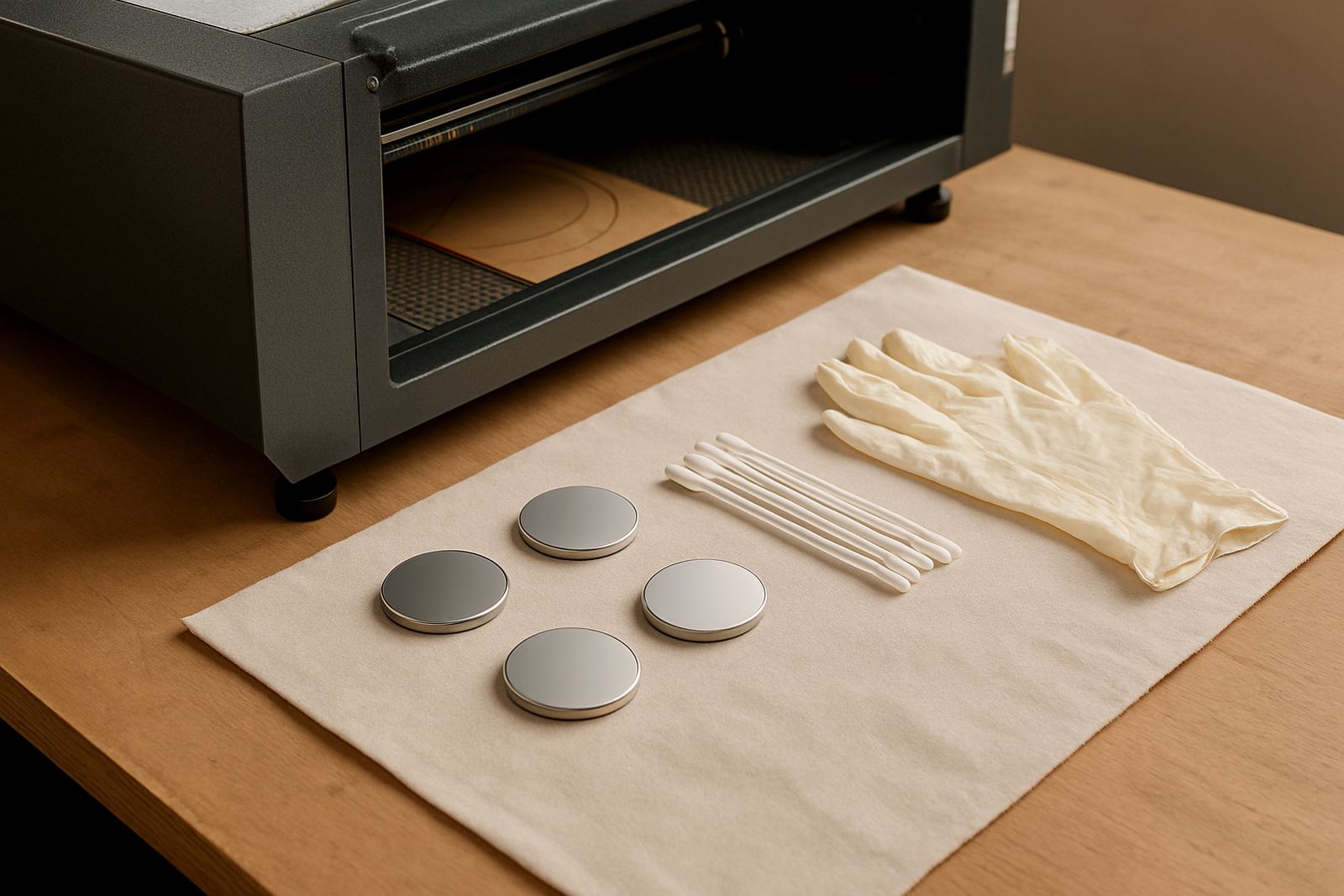
- Clean optics and check alignment before high-value runs
- Watch extraction performance when switching materials
- Build a backup schedule around power interruptions and staff availability
Use Training To Keep New Products Profitable
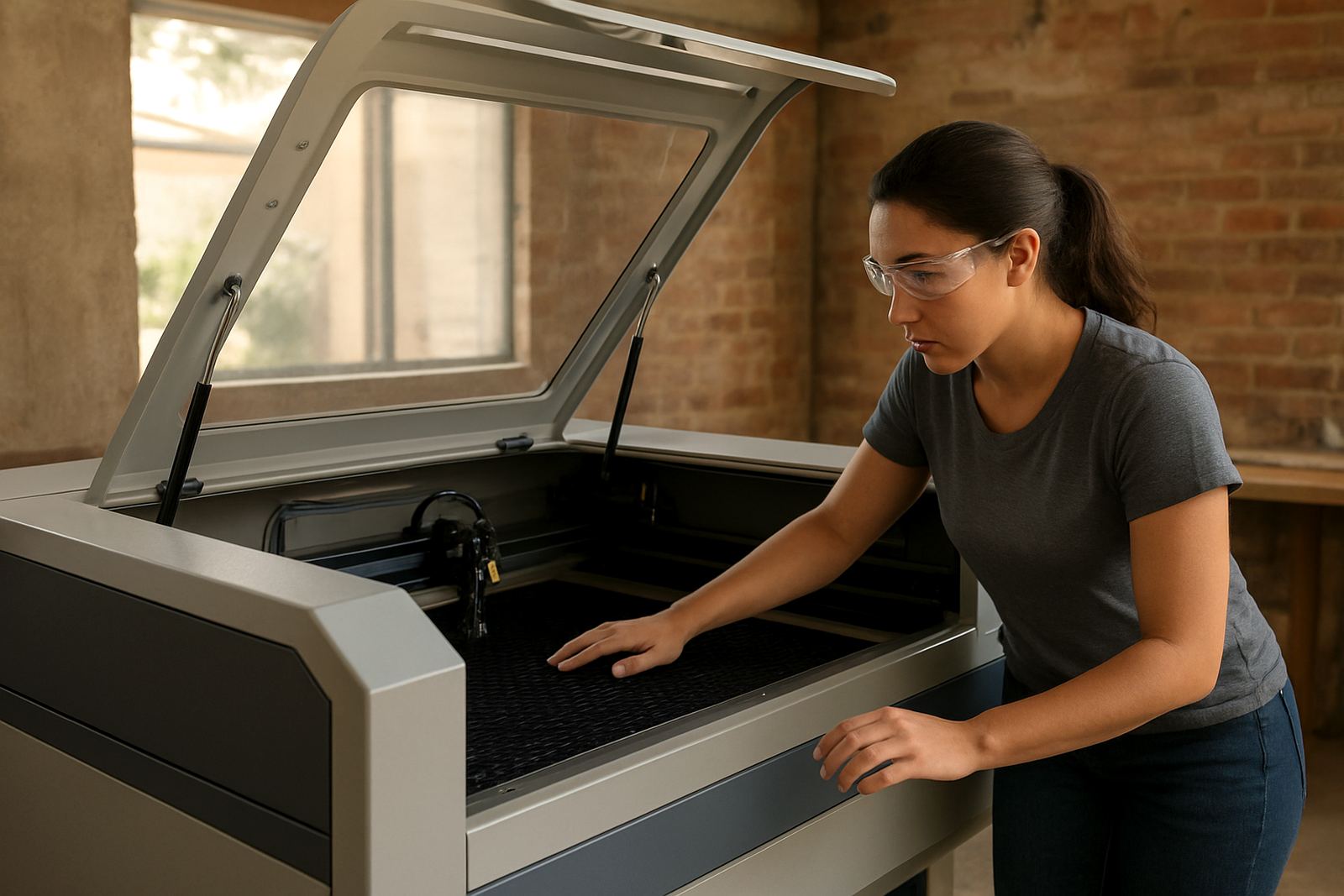
Many product ranges fail because the team cannot repeat the same settings or keep the finish consistent. Operator training should cover not just the controls, but also material behaviour, test cuts, air assist, extraction, and how to spot edge issues early. A clean first sample is one thing, but a profitable range needs the same result across multiple batches.
For workshops with more than one operator, document the settings that work. Keep notes on speed, power, focus height, material thickness and cleaning intervals. That way, if a machine is relocated to Midrand or a team member starts a new shift in the East Rand area, the production standard stays steady. A small admin system now can save a lot of scrap later.
Build The Range In Phases, Not All At Once
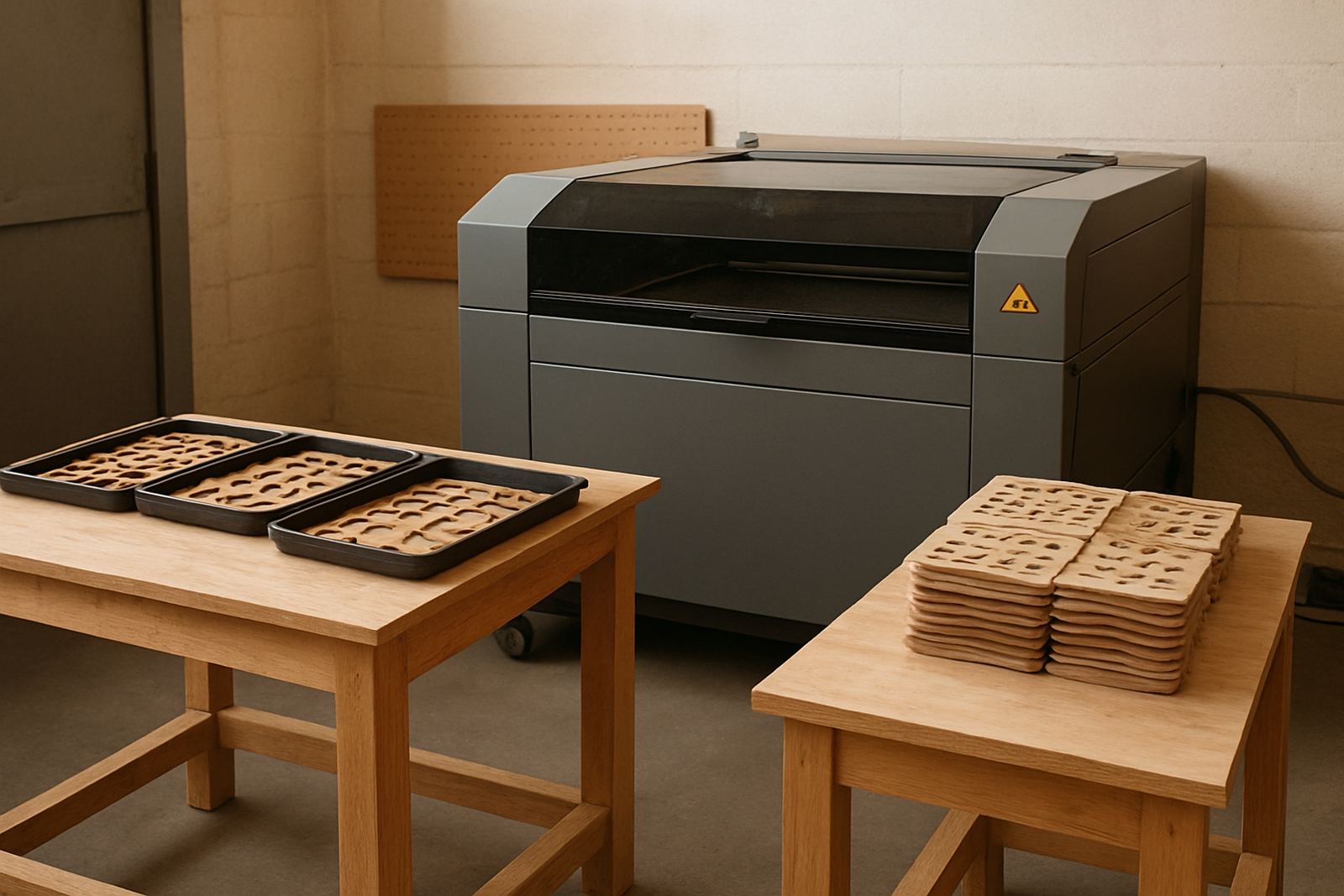
Expanding product ranges is usually better when done in phases. Start with one category, prove demand, then add a second range that uses similar materials or tooling. For example, a business can begin with acrylic signage pieces, then move into layered wall art, then add leather branding tags once the workflow is stable. Each step should add margin, not only variety.
This approach also makes it easier to manage stock. You do not need to hold every thickness and colour under the sun. You can keep a tight range, monitor what sells and adjust quickly. That matters for businesses in Johannesburg, Cape Town and Durban where delivery expectations differ and customer tastes are not the same. If you keep the range focused, the machine works harder for the business and not the other way around.
LaserCutter CO2 supports demo cuts, installs and operator training nationwide, with service coverage from Wynberg to Pretoria, Sandton, the West Rand and beyond. If you are planning a new product line, a practical start is a small batch test, a full costing sheet, and a clear production plan before you scale.