
When the side hustle starts behaving like a workshop
The shift from hobby to production is not only about volume. It happens when the same products keep coming back, customers expect the same finish every time, and you start losing hours to rework, sorting off-cuts, or hunting for a setting that worked last week. A few weekend jobs can be handled casually, but once you are producing sets of 20, 50 or 200 items, the whole flow changes.
A good sign is when your process begins to matter more than your idea. If the outcome depends on who is standing at the machine, or how tired the operator feels after loadshedding or a long day in traffic, then you are already in production territory. At that stage you need repeatable settings, better planning, and a machine that can keep pace without making every batch a gamble.
What changes first: time, repeatability and waste
Most makers first notice the time drain. A laser job that looked quick on paper becomes slower when you factor in set-up, material alignment, test cuts, cleaning and packing. As volume rises, small delays stack up. A loose lid, dusty optics, poor extraction or an uneven bed can turn a neat batch into scrap very fast.
That is where a more formal approach pays off. The aim is not to make the work feel corporate, it is to remove preventable variation. In practice, that means standard settings, labelled material sheets, clear cutting order, and a schedule for cleaning and checks. It also means being honest about where the bottleneck sits. Sometimes the machine is fine, but the workflow is not.
- Track how long each job really takes, from setup to packing
- Keep one setting sheet for each material thickness
- Record the usual scrap rate and why it happens
- Plan for power interruptions and restart steps
Why material choice matters more at higher volumes
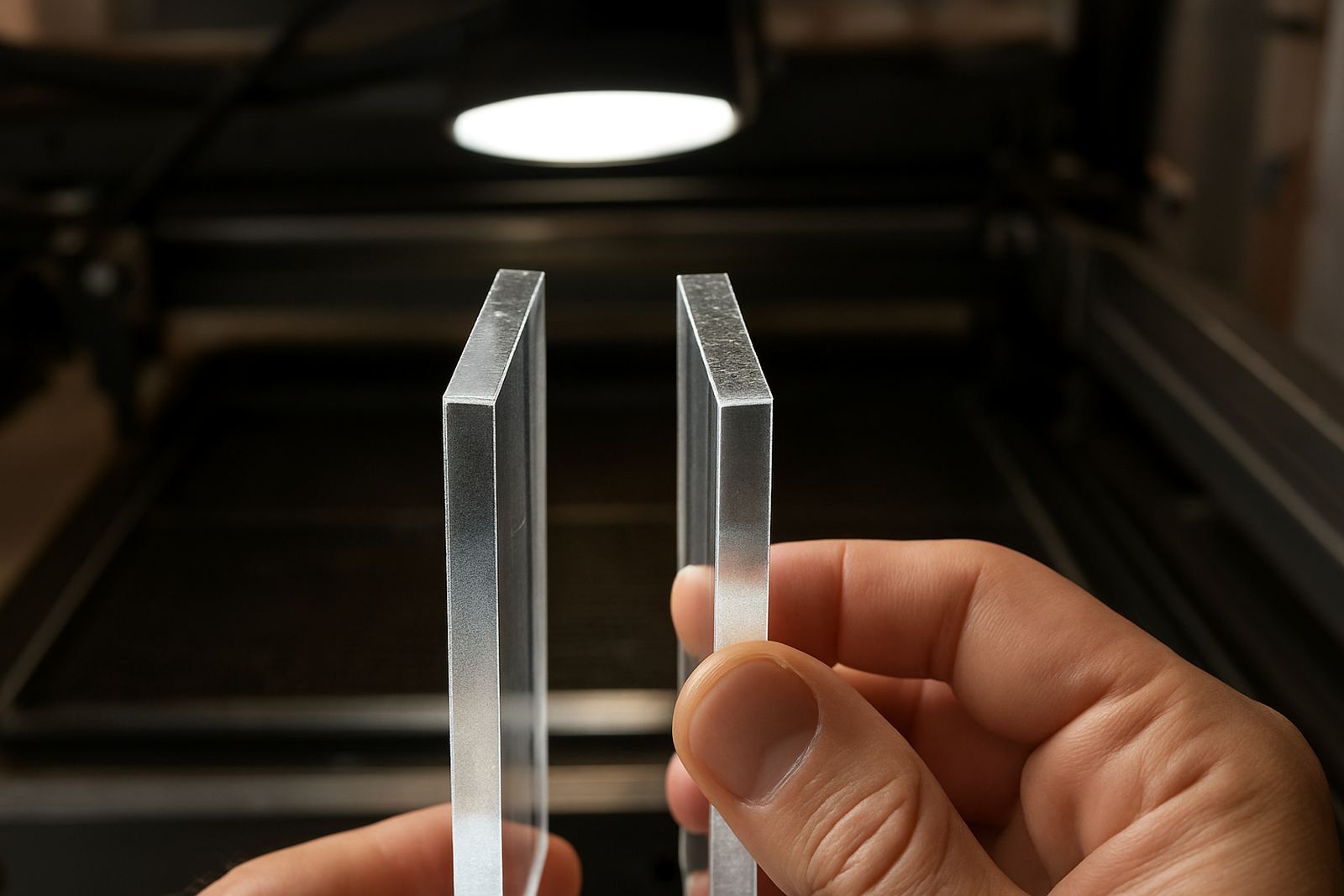
At hobby level, you can get away with small variations in board thickness or sheet quality. In production, those variations show up in every order. Acrylic that is a fraction uneven, wood with hidden moisture, or leather with inconsistent grain can affect cut quality and finishing. The more pieces you run, the more those differences matter.
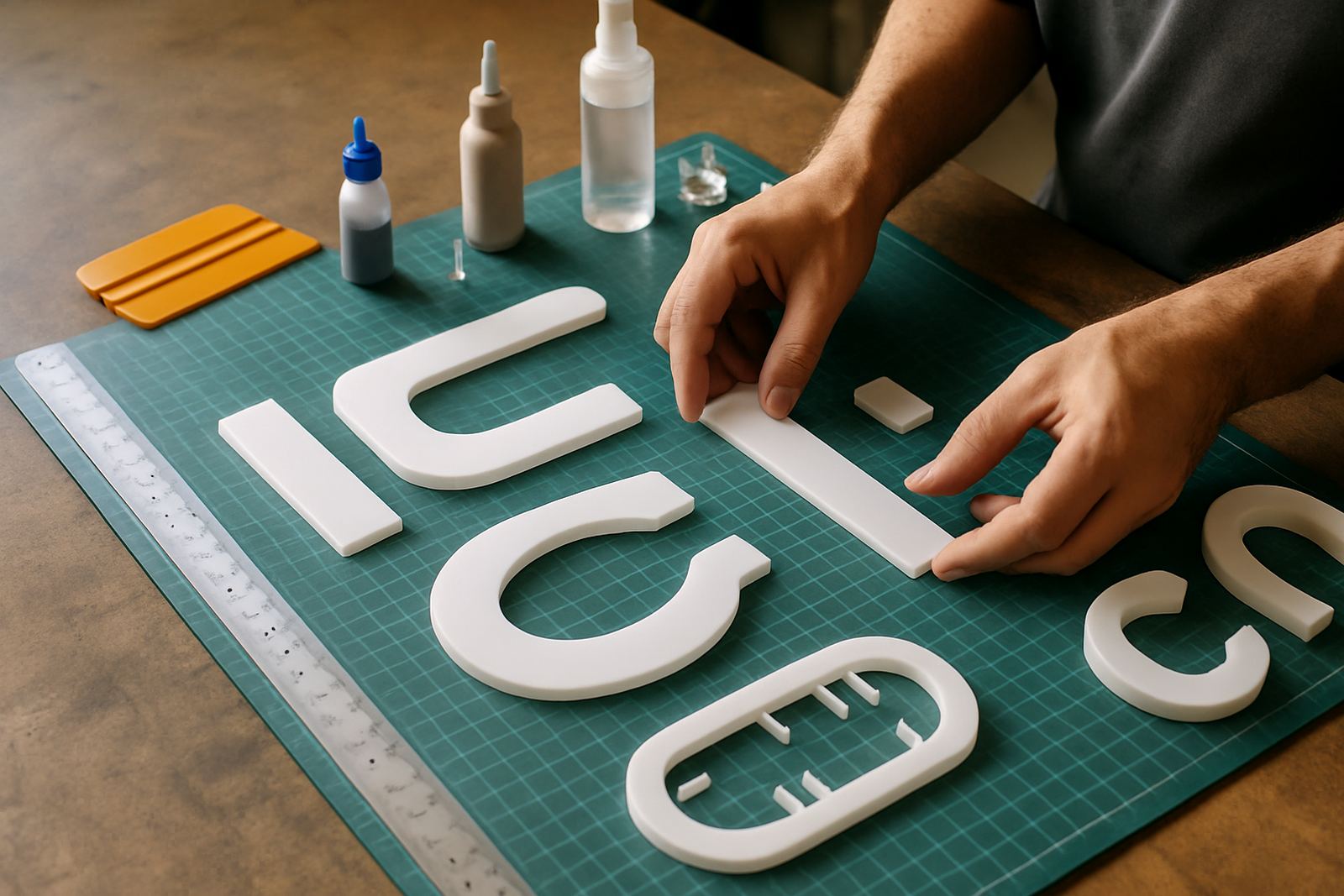
In Johannesburg, many small operators learn this after their first real wholesale order. A craft seller in Wynberg might start with gift tags and nameplates, then pick up 300 personalised items for a market in Sandton or a corporate order in Pretoria. The minute the order grows, the customer expects identical edges, accurate sizing and the same look from the first piece to the last. That means material handling becomes part of production, not an afterthought.
- Store sheets flat and away from dust and damp
- Check thickness before loading a batch
- Separate usable off-cuts by size and material type
- Allow for humidity in coastal towns like Durban and Cape Town
The machine is only one part of the system
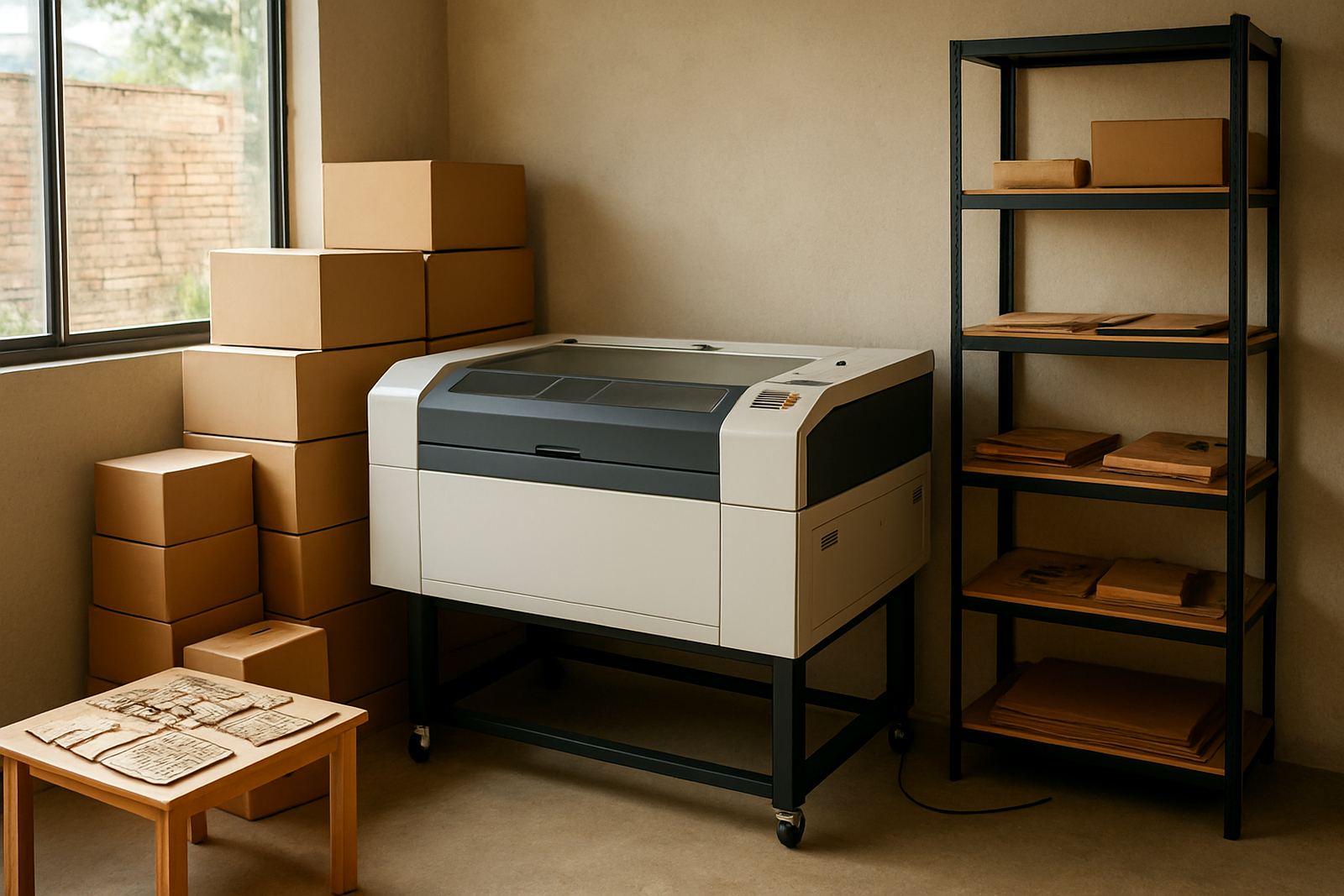
People often think the answer is simply a bigger laser cutter. Sometimes that helps, but a larger machine without the right support systems can still underperform. Extraction needs to clear smoke properly. Cooling must stay stable, especially in warmer months. Optics need regular cleaning. Beam alignment and bed levelling must be checked so you are not wasting material on avoidable errors.
Production also demands proper changeover habits. If one day you cut thin acrylic and the next day you move to wood or leather, the settings, cleaning and airflow checks need to follow a routine. When that routine is missing, the machine becomes unpredictable. That is expensive. It also eats into confidence, which is a bigger problem than many owners realise.
A local example from Wynberg to the wider market
Consider a small maker based in Wynberg, Johannesburg who starts with wedding décor and signage for friends. At first it is all single pieces and rush jobs. Then the orders grow. A florist in Midrand wants 40 table markers, a retailer in the East Rand wants branded display pieces, and a maker in Pretoria needs repeat runs every month. Suddenly the business is not just creative, it is a supply chain.
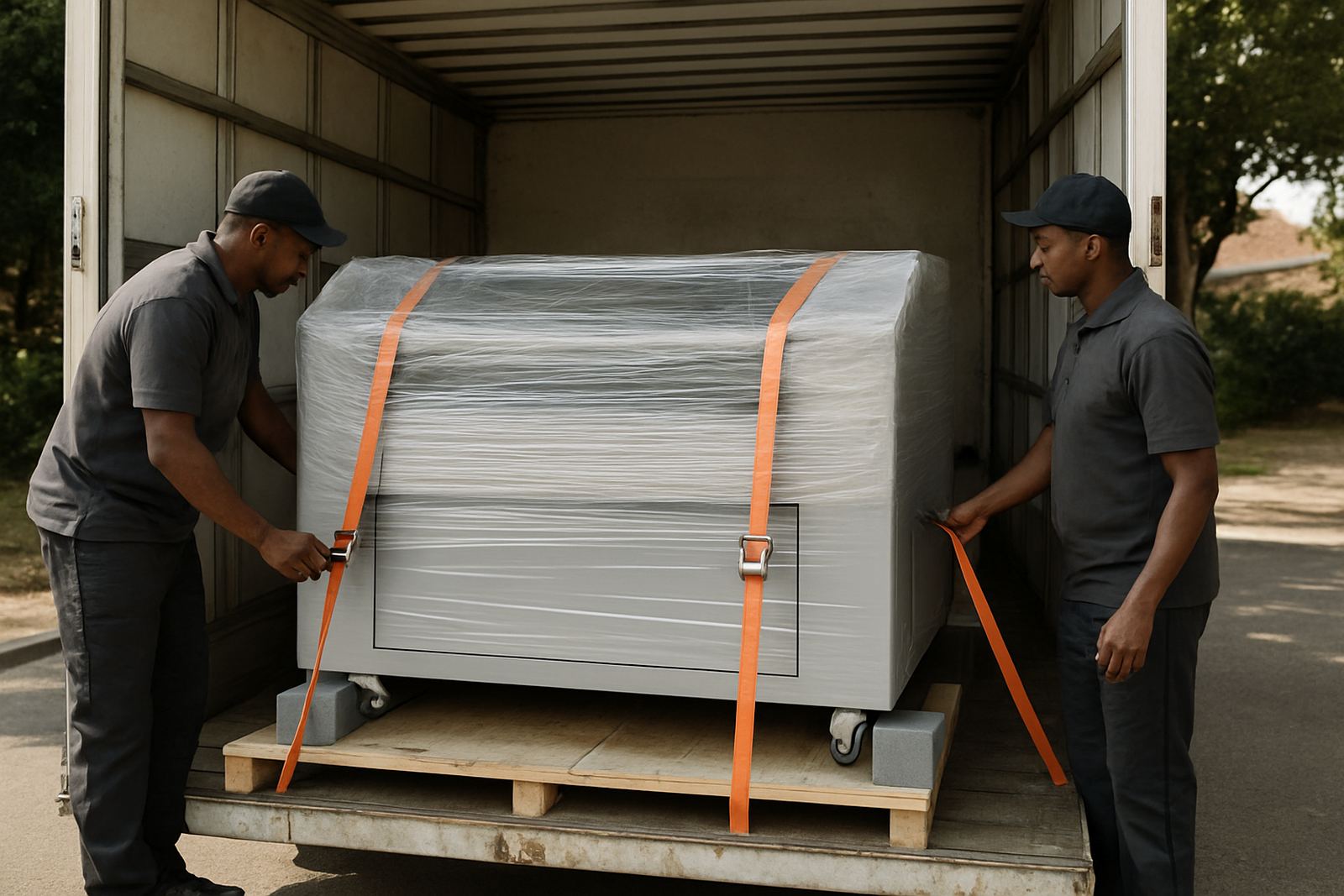
That is when operator training and preventive maintenance start saving real money. A trained operator knows how to set up, spot early wear, and keep the machine consistent through busy weeks. A maintenance schedule helps avoid surprise breakdowns when a deadline is already tight. If the machine must be moved, installed elsewhere, or supported in another city, proper relocation help and remote support keep downtime lower. It is a practical way to protect your turnaround time and your reputation.
Systems that help you move from maker to producer
Once you are doing regular output, the smartest improvement is often a simple one. Clear naming of jobs, a folder for repeat settings, a cleaning checklist, and a service plan can do more for output than guesswork ever will. You need a routine that another person can follow if you are offsite, busy with sales, or dealing with municipal power interruptions.
For many South African operators, the real test is not whether they can make one beautiful item. It is whether they can produce 30 identical pieces on time, with clean edges and no drama. That is what customers pay for. If you can do that consistently, you are no longer in hobby mode, you are running a proper production process.
- Set a weekly maintenance slot and do not skip it
- Keep replacement consumables and frequently used spares in stock
- Use one person to sign off the first article in each batch
- Build in time for power cuts, check ups and re-runs