
Keep Acrylic Flat and Wrapped Until Use
Acrylic sheets move with heat, sunlight and pressure, so the best storage is flat, level and out of direct sun. In a Johannesburg workshop, a stack left near a roller door or window can bow in a few days, especially where afternoon heat builds up. Store sheets on a clean pallet rack or flat board surface, with even support across the full size of the sheet.
Keep the protective film on until just before cutting, and make sure the film is not lifting at the corners. If dust gets into the film, it can mark the face and make cleaning harder later on. Avoid leaning sheets against a wall for long periods, as even a slight angle can cause bend over time.
- Store flat on a level surface with full support
- Keep away from direct sun and hot windows
- Leave protective film in place until use
- Separate offcuts by thickness so they do not scratch each other
Store Wood Where Moisture Cannot Sneak In
Wood is the material most likely to change shape if humidity rises or drops quickly. That matters in places like Durban or in summer when a closed shed warms up during the day and cools sharply at night. MDF, plywood and hardwood all need dry storage, but MDF is especially sensitive to moisture at the edges.
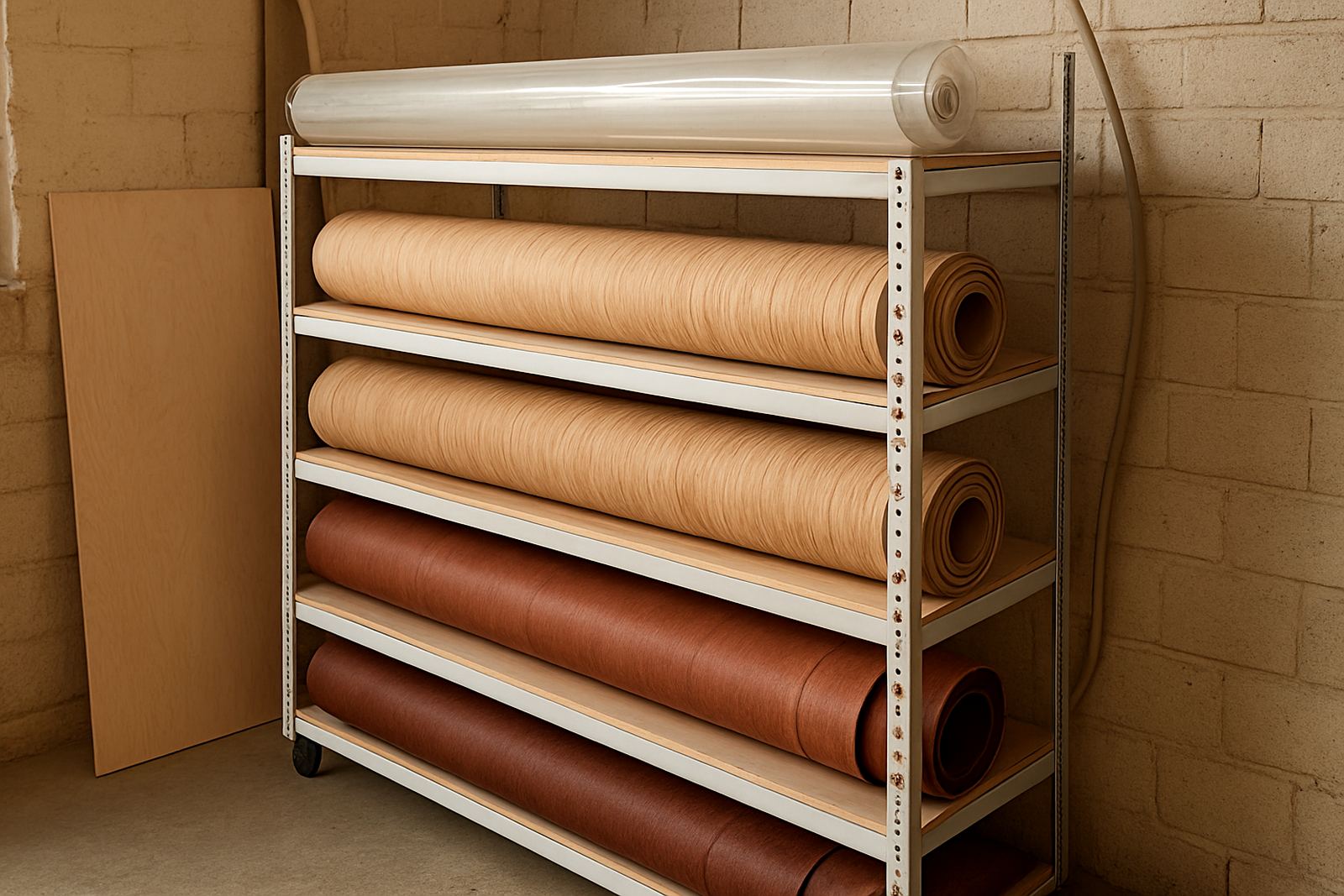
Use stickers, racks or shelving that keeps air moving around the stock. Do not place boards directly on a concrete floor, because concrete can pull damp into the bottom layer. In winter, a warehouse in Pretoria may stay drier than one in a coastal area, but dust and roof leaks still need attention. A small leak can spoil a whole pack of sheets before anyone notices.
- Raise wood off the floor on racks or blocks
- Keep sheets away from roof leaks and damp walls
- Seal cut edges where needed to slow moisture uptake
- Use acrylic, wood or leather sheets in date order so older stock is cut first
Leather Needs Shade, Airflow and Clean Hands
Leather stores best in a cool, shaded space with steady airflow. It should never be crammed into a tight stack where pressure marks form or edges crease. Avoid hanging heavy hides over sharp rails, because that can stretch the grain and leave marks that show during cutting. Keep the area free from oil, glue overspray and metal filings, as leather picks up contamination quickly.
Before cutting, let leather rest in the room where it will be processed so it can settle to the same temperature. If it comes from a cold delivery vehicle into a warm workshop, the surface can feel fine but still curl slightly. Clean hands matter here, even a small bit of grease can leave a stain that does not come out later.
Make the Storage Area Work for Production
Storage should support the way the workshop runs, not slow it down. If material is split across too many corners, staff spend time searching for the right sheet and moving heavy stock around. In a busy Wynberg setup, it helps to keep the most used sizes close to the machine room and reserve a separate bay for slow moving stock and offcuts.
Good layout also reduces damage from lifting and carrying. Use clear labels for thickness, colour, grain direction and purchase date. That makes it easier to choose material for a job and helps with stock control. When load-shedding hits, a tidy storage zone also means you can close up quickly without leaving sheets half moved or exposed.
- Keep fast-moving stock near the cutting area
- Label by material, thickness and colour
- Separate new stock from offcuts and returns
- Leave enough aisle space for safe lifting and trolley movement
Control Dust, Heat and Other Workshop Hazards
Dust is one of the biggest enemies of clean laser work. It settles on acrylic, marks wood surfaces and dirties leather before the cut even starts. Sweep and vacuum storage floors regularly, but avoid pushing dust into corners where it builds up. If your workshop uses extraction, make sure the intake area is not too close to the storage stack, or the airflow can drag fine debris onto the material.
Heat can also cause trouble. A storeroom next to a boiler, compressor or sunny corrugated wall may become far hotter than the main workshop, and that is enough to warp some sheet stock. For coastal sites, humidity can be the bigger issue, while inland the swing between hot days and cold nights can cause condensation. Keep a thermometer and a simple humidity check in place, it saves a lot of trouble later on.
A Simple Stock Routine for South African Workshops
A practical storage routine is easier to maintain than a complicated one. Start with a weekly check of the stock room, then look for bowed sheets, lifted protective film, damp edges or dust build-up. If you are running a small craft studio in Sandton or a larger production floor on the East Rand, the routine should be the same, just scaled to your volume.
For many businesses, the easiest system is a first-in, first-out flow. Put newer stock behind older stock and move the older material out first. Keep a note of what arrived, what was used and what needs re-ordering. That way you can plan jobs with fewer surprises and less waste.
- Check storage once a week for damage or moisture
- Use older stock first to avoid long-term warping
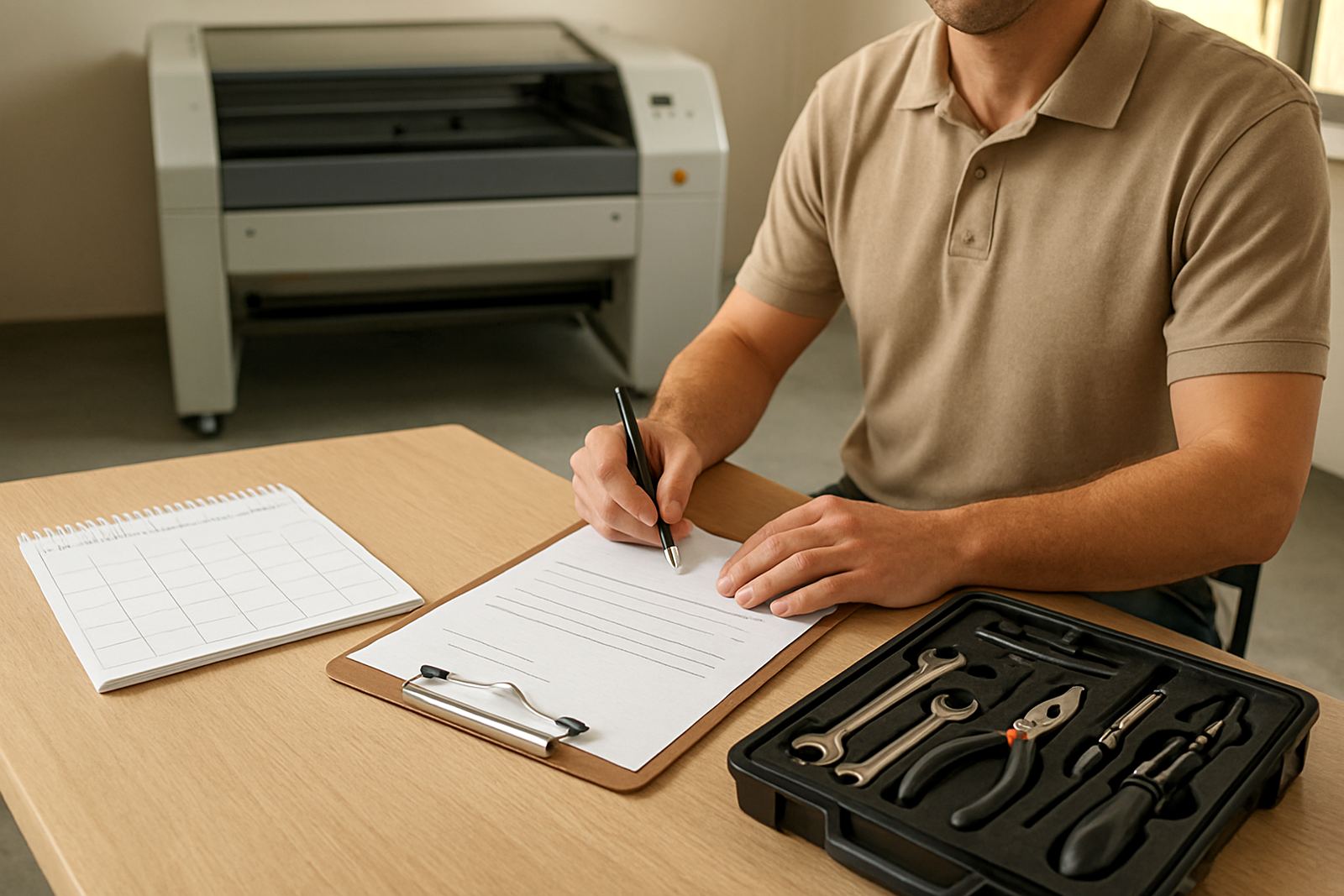
- Keep a written stock note for thickness and quantity
- Move damaged sheets out of production areas quickly
Good storage does not need fancy equipment, just discipline and a dry, organised space. When material stays flat, clean and ready, the machine can do its job properly and the operator spends less time fixing avoidable issues.