Why repeatability matters in scale work
Model shops live on consistency. Whether you are producing architectural mock-ups, product prototypes, railway fittings or display pieces, every part has to match the drawing and match the next part as well. If one panel is slightly undersized, the build starts to drift and the final assembly becomes a fight with glue, filler and unwanted gaps.
CO2 laser cutting suits this kind of work because it can hold detail across thin sheet materials with very little variation once the settings are right. For acrylic, wood and leather used in models, the cut line stays clean and the edges are easier to finish. That matters when the piece is visible up close or has to fit into a tight slot.
In Johannesburg, many model makers work from short turnaround briefs and need parts ready for client review within a day or two. Consistent cutting helps keep those deadlines realistic, especially when a shop is handling more than one prototype at a time.
Material choice changes the result
Different model materials behave differently under the beam. Acrylic gives sharp detail and a polished edge when the settings are correct, while plywood and MDF can char if the speed and power are not balanced. Leather, often used for speciality scale pieces, needs careful control because it can mark easily and the smell is not something you want building up in a small workshop.
It helps to treat each material as a separate job, not just another sheet going through the machine. Thickness, colour, density and even humidity can shift the outcome. In coastal areas like Durban, stored sheet material can absorb more moisture and that can affect fit, especially on fine tabs and slots.
- Keep sheet stock flat and stored off the floor
- Label material type and thickness before cutting
- Test a corner on new stock before running the full job
- Allow for a small tolerance on parts that must slot together
If you are batching parts for a model kit, it is worth doing a sample run first. That single test can save a full sheet of material and several hours of rework.
Drawing files need to suit the cutter
Good cutting starts long before the machine switches on. Files should be prepared with clean lines, correct scale and no hidden overlaps that can confuse the cut path. For repeat parts, it is worth checking every tab, hole and slot against the intended assembly method rather than trusting the drawing alone.
Model shops often work from design files received from architects, engineers or hobby clients. Those files may look fine on screen but still contain joins, open vectors or tiny text that will not cut neatly. A practical pre-check saves time and avoids surprise changes once the sheet is already on the bed.
- Confirm dimensions in millimetres before release
- Remove duplicate lines and stray nodes
- Check that small holes are large enough for the material thickness
- Mark engraving lines separately from cut lines
For intricate mock-ups, beam alignment and optics condition also matter. If the optics are dirty or alignment has drifted, fine details can lose definition. That is why a steady maintenance routine is part of accuracy, not just machine upkeep.
How to keep parts consistent across batches
Batch cutting only works properly when the setup is repeatable. The same material, the same bed position and the same settings should produce the same result every time. In practice, this means keeping notes on cut speed, power, focus height and extraction performance so the next run can be matched without guessing.
For trade customers in Pretoria or Midrand, where a model shop might run several client jobs in a single day, this discipline is important. A job might start with four sample pieces in the morning, then move into a larger batch once the client signs off. If the settings are not recorded properly, the second run may not match the approved sample.
Preventive maintenance helps with that consistency. Cooling checks, extraction service and regular optics cleaning all support a cleaner cut and less drift over time. Load-shedding also needs planning. If the machine is stopped mid-job, it can leave a partial cut or a shifted workpiece, so a proper shutdown routine and power backup plan are worth having.
Local support makes short runs easier to manage
Many model shops need more than a machine. They need help with setup, operator training and relocation when something goes wrong. That is especially true for smaller workshops that do custom work for exhibitions, educational models or client presentations and cannot afford a week of downtime.
LaserCutter CO2 supports customers from Wynberg, Johannesburg and handles demo cuts, installs and operator training nationwide. For practical day-to-day use, that means a team can get help with beam alignment, remote support, spares supply and annual service planning without losing momentum on production. We also assist with relocation if a workshop is moving between sites or expanding into a bigger room.
- Machine installation for new workshops and expanding studios
- Operator training for safe and accurate use
- Breakdown response and remote support when production stops
- Annual service plan for regular upkeep and fewer surprises
In a city like Johannesburg, where workshop space is valuable and time is tight, having local support in the Sandton, Midrand, East Rand and West Rand areas can make a proper difference to turnaround.
A practical example from a Johannesburg model shop
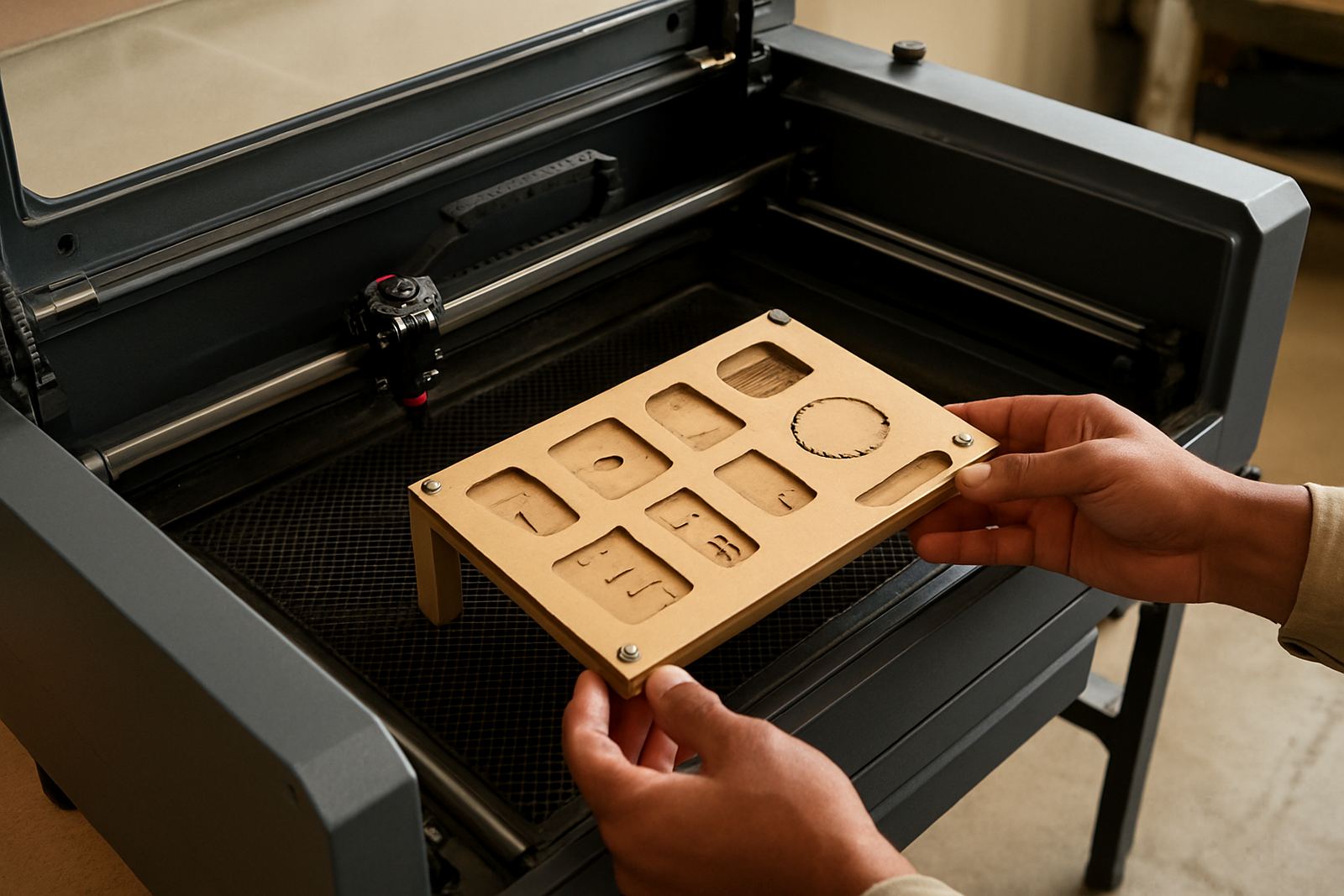
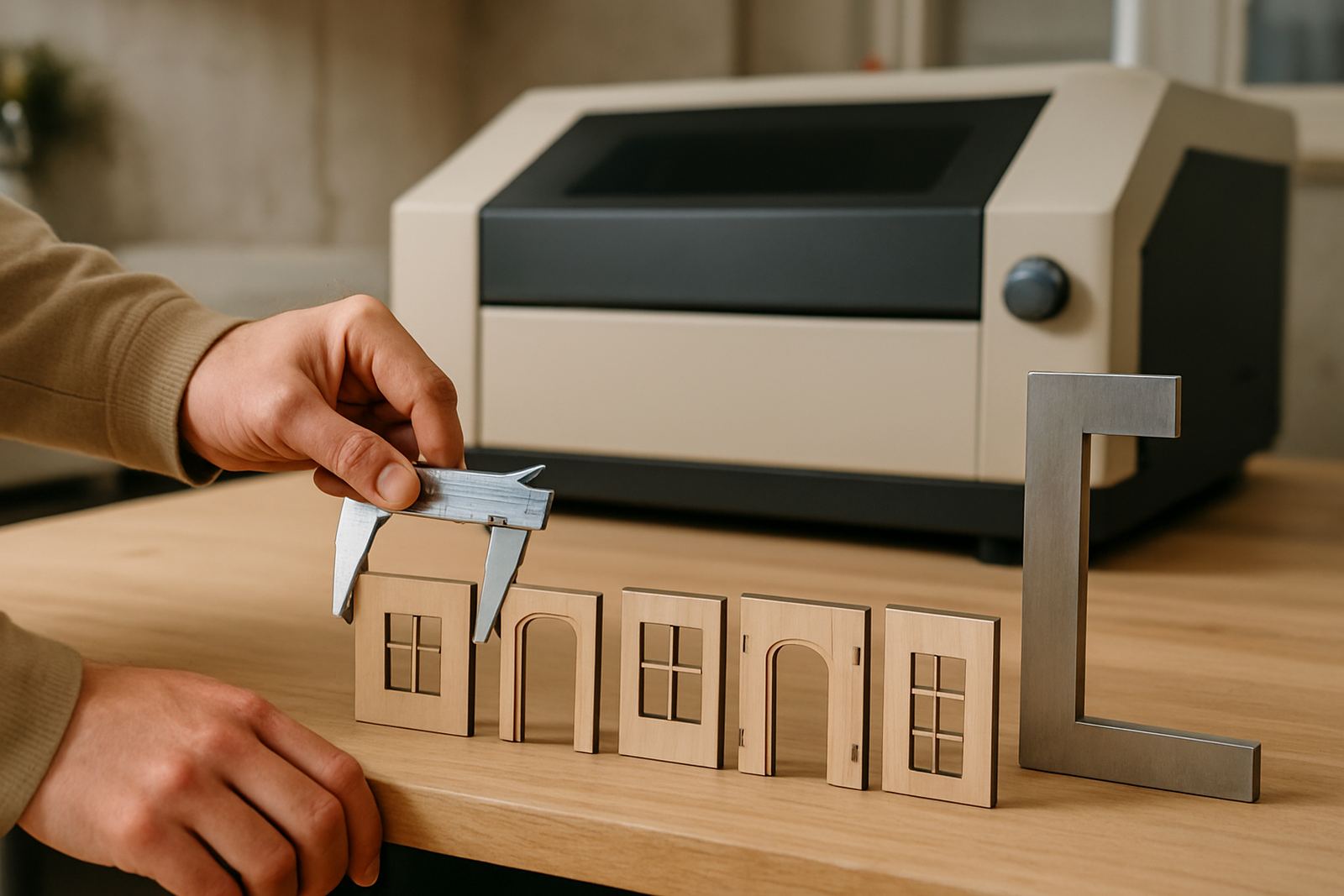
A model maker in Wynberg may need 20 identical façade panels, each with windows, slots and tiny engraving marks. The panels have to fit onto a baseboard for a client presentation, and the whole job needs to be ready by Friday. If the first set is not checked carefully, one error can repeat across the full batch and waste material straight away.
In that kind of job, the process usually starts with a sample cut, followed by a fit test on the assembly table. If the tabs are too tight, the slots can be adjusted before the rest of the sheet is cut. If the edges show too much charring, the settings are refined and the extraction is checked. It is a simple approach, but it keeps the final parts aligned and saves time later.
This is where a controlled laser setup pays off. You get repeat parts, less hand finishing and cleaner joins. For models and mock-ups, that means a better presentation piece and fewer last minute repairs.
Accuracy is not about making a single perfect cut. It is about making the same cut again and again, with the same result each time.