

Why planned support matters when production cannot pause
For a workshop in Wynberg, Sandton, or Pretoria, a laser machine is often tied to orders that already have a handover date. When the machine stops cutting cleanly, jobs pile up fast. A service plan gives you a proper schedule for inspection, cleaning, and adjustment so the machine is looked after before a small issue becomes a full interruption.
That matters even more in South Africa where power dips, heat, dust, and coastal moisture all affect equipment differently. A planned visit lets a technician check what the machine is doing in the real conditions you work in, not only when something has already gone wrong. It is a practical way to keep production moving and avoid costly catch-up work later.
- Less time lost waiting for emergency repairs
- More predictable maintenance costs across the year
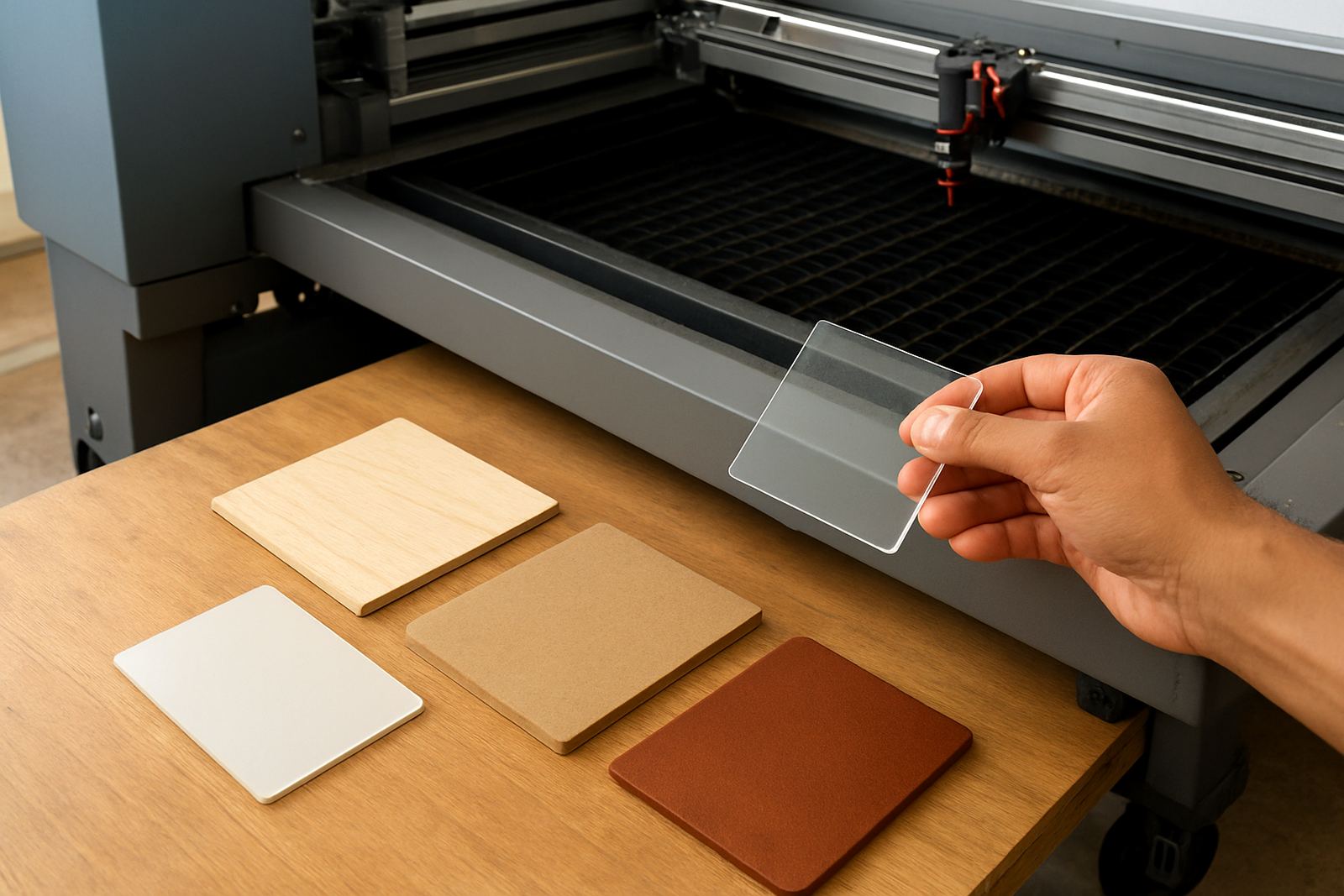
- Better cutting consistency on acrylic, wood, and leather
- Early warning on worn parts, alignment drift, or cooling problems
What an annual service plan usually covers
An annual service plan is not only about wiping down the machine and ticking a box. It is a structured set of checks that helps keep the laser tube, mirrors, lenses, cooling system, extraction, and motion components working as they should. In practical terms, that means cleaner cuts, fewer burn marks, and less risk of a stop-start day because the machine suddenly struggles.
For many users, the most useful part is that the plan makes maintenance easy to follow. Instead of waiting until the beam goes off-centre or the chiller starts running hot, the machine is checked on a timetable. That is often where the savings start, because small wear is simpler and cheaper to handle early.
- Optics cleaning and beam alignment checks
- Cooling checks for stable operating temperatures
- Extraction service to help remove smoke and residue
- Preventive maintenance for belts, rails, and moving parts
- Spare parts guidance when consumables begin to wear
How a service plan helps reduce interruption
Unexpected interruption usually starts with something small. A slight drop in cutting quality, a smell of overheating, or a job that takes longer than usual can all point to a problem developing. If the machine is already under a service plan, those warning signs are easier to act on quickly. You are not starting from scratch each time you call for help.
There is also the practical benefit of better planning. When a maintenance visit is booked ahead, you can set aside a quiet slot, finish urgent orders first, and avoid disrupting the rest of the week. For busy teams, that kind of planning is worth a lot because it keeps the machine available when you need it most.
- Fewer emergency call-outs during peak production
- Shorter recovery time after a fault or misalignment
- Better record of what has been checked and when
- Improved confidence when taking on bigger or tighter jobs
A Johannesburg workshop example: when a small check saves a week
Take a small shop in Wynberg supplying custom acrylic signage, wedding items, and engraved parts for local clients in Sandton and the East Rand. The machine is busy most days and the team notices the edges are not as clean as usual. Without a plan, they might keep running it until the problem becomes a full breakdown. With planned support, the technician checks the optics, verifies the beam path, and inspects the cooling and extraction system before the issue grows.
In one case, a slight alignment drift and a blocked extraction line can cause more scorch marks than usual. The job still leaves the workshop, but the finish is poorer and the team spends extra time reworking pieces. A planned visit helps catch that earlier. It may sound simple, but that kind of check can save a week of frustration and a few urgent re-cuts.
For sites in Gauteng, this is especially useful because dust from daily traffic and workshop activity can build up fast. Even a machine that is not old can lose consistency if it is never checked properly.
Support that suits different operating conditions across South Africa
Not every workshop runs in the same way. A coastal user in Durban may face higher humidity, while a Cape Town operator may need to manage changing temperatures and airborne dust. Inland, the bigger concern is often power stability and how the machine is started up after interruptions. A service plan should take those conditions into account, not treat every site the same.
That is why local support matters. Whether the machine is at a maker space, a signage workshop, or a production room with regular orders, the service approach should match the pace of the business. A good plan is practical, not overcomplicated, and it should make sense for the way the machine is used every day.
- On-site help for installations and relocations
- Remote support for quick fault checking
- Operator training refresher support when staff change
- Breakdown response when urgent help is needed
Choosing the right plan for your workshop
The right service plan depends on how much you cut, what materials you use, and how critical the machine is to daily work. A high-use production room will need a tighter maintenance rhythm than a part-time craft user. If you are cutting acrylic sheets, timber panels, or leather parts every week, planned support becomes more valuable because wear happens faster and the machine is under more pressure.
It helps to ask a few direct questions before choosing a plan: How often is the machine used? What happens if it is down for a day? Do you have trained operators or do you need refresher support? Are there extraction or cooling concerns on your site? Those answers make the plan more useful and easier to budget for.
- How many hours a week is the machine running?
- Is the team experienced or still learning the machine?
- Do you need spares supply and priority response?
- Will the machine be moved or reinstalled later?
A planned service arrangement is not about adding extra paperwork. It is about keeping the machine ready for work, reducing avoidable interruptions, and helping you protect the quality of every cut. For many South African workshops, that is the difference between chasing faults and staying on schedule, which makes a real difference over the year.