
Start with the machine and the material, not the button
New staff often want to jump straight into cutting. That usually leads to burnt edges, missed settings, and wasted sheets. The better approach is to begin with the basics: what the machine does, what each material needs, and why settings change from job to job.
With acrylic, wood, and leather, the operator must understand thickness, surface finish, moisture content, and ventilation before they even open the file. A 3 mm acrylic sign behaves very differently from 6 mm timber board, and leather can vary from one hide to the next. That means training should cover material handling first, then machine controls second.
- Identify the material before loading it onto the bed
- Check thickness with a caliper or gauge, not by eye
- Match the job to the correct focus height and speed range
- Record the first successful settings for future repeat work
Use a step-by-step induction for the first week
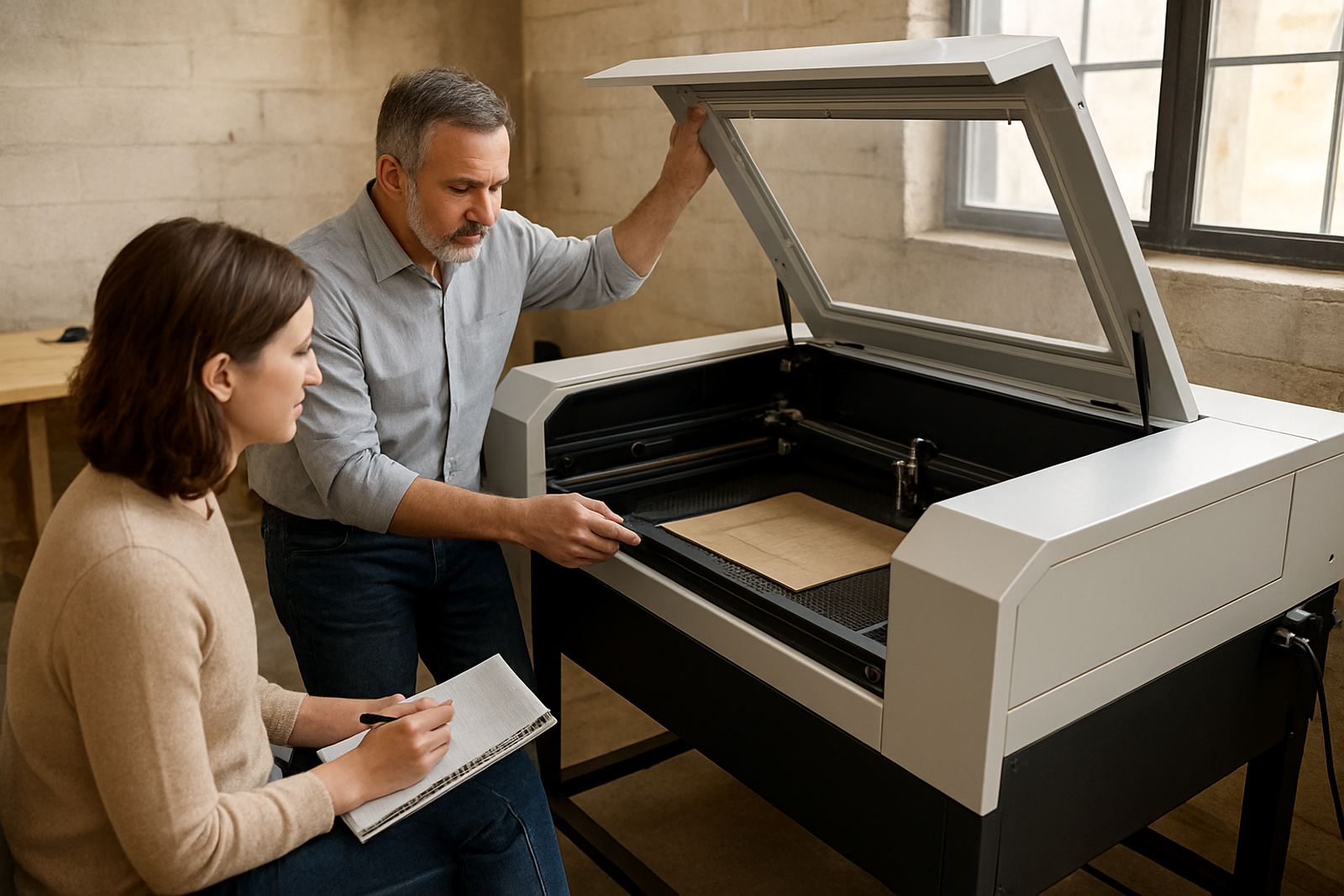
A practical induction works best when it is broken into small parts. On day one, the operator should learn the safety rules, the layout of the machine, and how to stop a job quickly if something goes wrong. Day two can cover software setup, job preparation, and test cuts. By the end of the week they should be handling simple jobs with supervision.
In Johannesburg, where many workshops run through load-shedding and tight production schedules, training needs to include what happens after a power interruption. If the machine restarts and the job position is lost, the operator must know how to recheck origin points and confirm the cut path before continuing. That kind of habit prevents expensive mistakes.
- Day 1: safety, controls, emergency stop, basic machine checks
- Day 2: file preparation, material placement, test cuts
- Day 3: focus, speed and power adjustments
- Day 4 to 5: supervised live jobs and basic troubleshooting
Teach the routines that protect cut quality
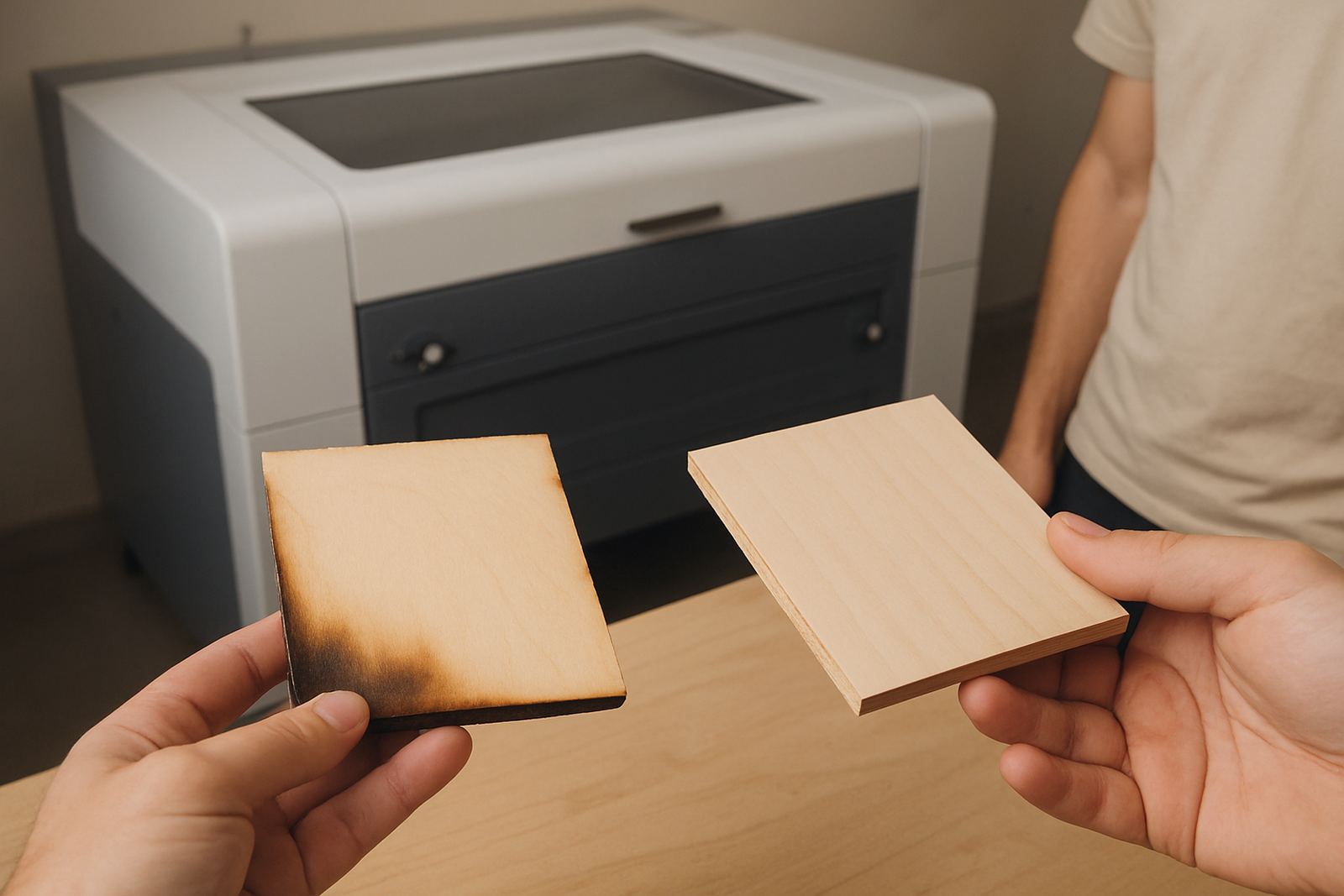
Good cutting quality is not only about machine power. It comes from routine. Operators should learn how to clean optics, check mirrors and lenses, inspect the bed, and confirm that extraction is working properly. Dust build-up and poor airflow will affect edge quality very quickly, especially in warmer months or in dusty industrial areas around Gauteng.
For coastal clients working through humid conditions, the habits matter even more. Moisture can affect wood and paper-backed materials, while leather may need extra care before cutting. The operator should know when to pause and inspect a sheet rather than forcing a job through. A five minute check can save an hour of rework.
Training should also include how to spot early warning signs, such as unusual noise, inconsistent beam marks, or a change in the smell of the cut. These small clues often point to alignment, airflow, or cooling issues before they become a breakdown.
Build confidence with test pieces and real measurements
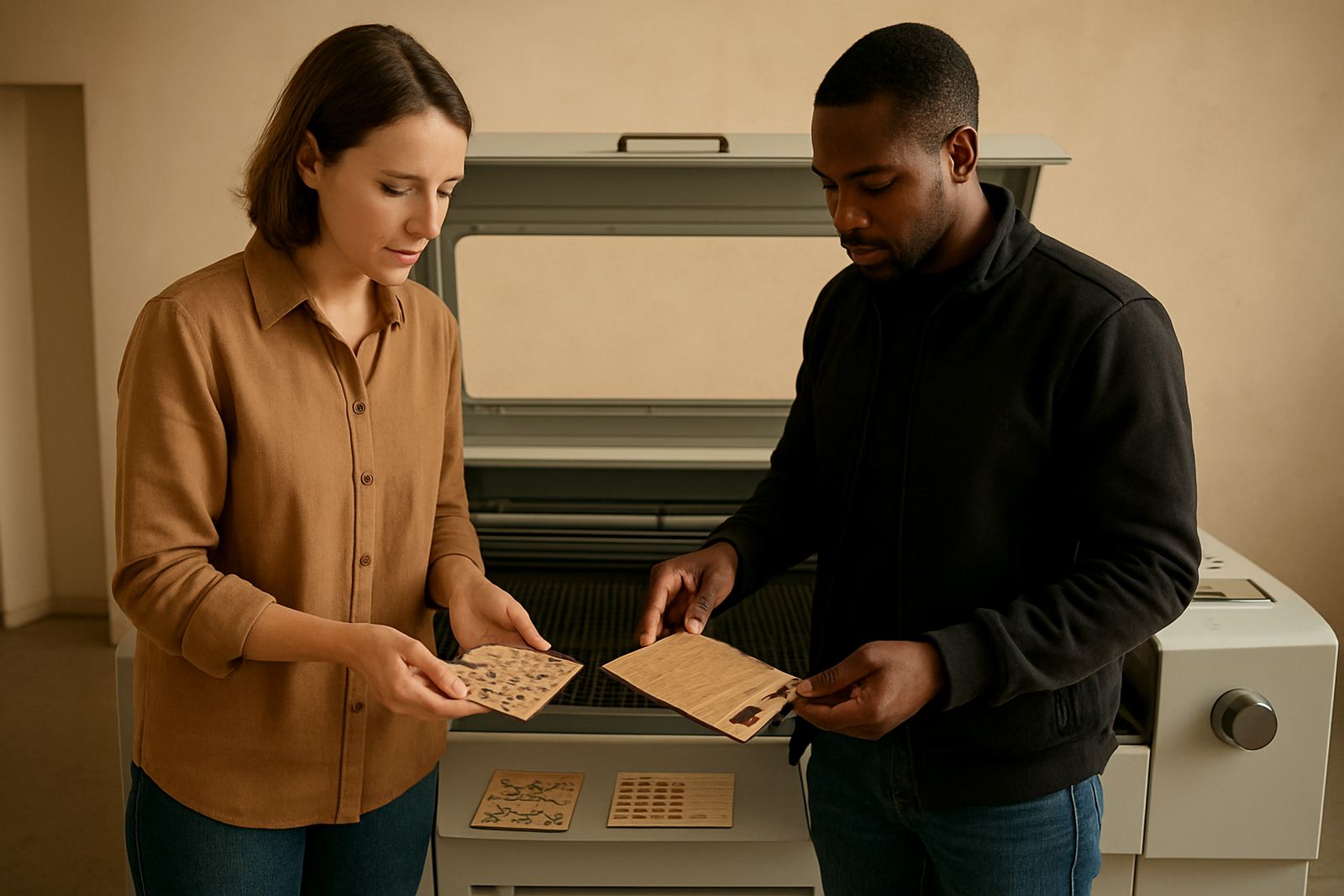
New operators learn faster when they can see the result of each adjustment. Test pieces are useful because they show what power, speed, and focus actually do on the chosen material. Instead of guessing, the operator can compare one setting against another and keep a simple log.
That log should include the date, material type, thickness, settings used, and the outcome. Over time, it becomes a useful reference for repeat work, especially for sign makers, makerspaces, and small factories producing custom items. It also helps when multiple staff members share the same machine and need a common standard.
- Run small test grids before full production cuts
- Measure edge quality, kerf width, and engraving clarity
- Keep a settings sheet for common materials
- Mark failed tests clearly so they are not reused by mistake
Make maintenance part of the training, not an extra task
Too many workshops treat maintenance as something for later. In practice, new staff should learn the daily checks from the start. If they are trained to clean lenses, clear debris, and check water cooling levels, they are less likely to create avoidable faults. That kind of discipline is what keeps a machine producing clean work week after week.
It helps to give every operator a simple checklist before the first job and after the last job. This keeps standards consistent even when shift patterns change or work gets busy. In a busy Wynberg workshop, for example, the team may switch between short custom orders and larger repeat jobs in the same day. Without a routine, small issues get missed and the machine starts to drift out of spec.
Preventive habits also make service visits easier because faults are caught early. That means less downtime, fewer rushed callouts, and a better chance of keeping production on track.
Match training to the real pressure of the South African workshop
Training should reflect the conditions operators actually face. In South Africa, that means managing power interruptions, keeping production moving during busy periods, and working around municipal or site rules for extraction and noise. It also means training people to ask for help early, not after a mistake has already damaged stock.
For example, a junior operator in Midrand may be asked to process acrylic display parts in the morning and leather branding pieces after lunch. Those are different jobs with different risks. If the person has been shown how to check settings, confirm ventilation, and test the first part before a full run, the job goes much smoother.
- Train operators to stop and verify before each new material type
- Keep a written handover sheet between shifts
- Review one mistake at a time so the lesson is clear
- Set a standard for when a supervisor must approve the first run
The aim is fewer errors and steadier output
Structured onboarding is not only about safety. It is about helping people become useful faster and making the workshop more dependable. When a new operator understands the machine, the material, and the routine, they are more confident and far less likely to waste time or stock.
That is why training should be practical, repeated, and tied to the actual work the team does every day. If the first month is handled properly, the machine gets better use, the staff member settles in quicker, and the business spends less time fixing avoidable mistakes.
For many workshops, that difference shows up in cleaner cuts, fewer returns, and better planning for future jobs.