

Why training pays back from the first week
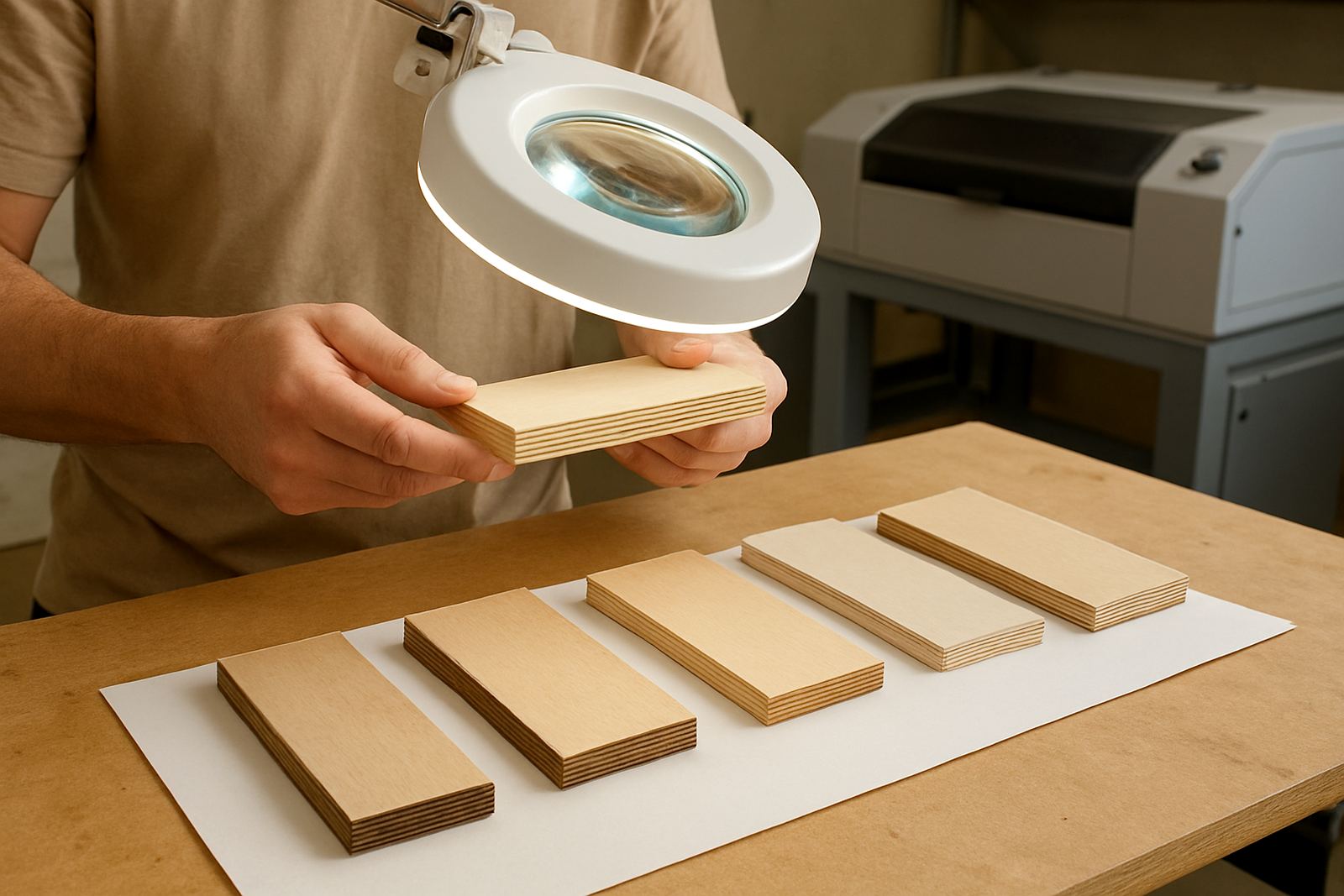
For a CO2 laser cutter, the real cost is rarely only the machine price. The bigger cost comes from slow setup, bad settings, repeated test pieces and avoidable damage to material. A trained operator learns how to choose the right power, speed and focus for acrylic, wood and leather, so the first sheet is more likely to come out right.
That matters in Johannesburg where many workshops work on tight deadlines and irregular power supply. If a team already knows how to save jobs, recover settings and shut down properly during load-shedding, they lose less time and protect the optics and cooling system better. A little training now can save a lot of rework later.
What operators should know before running production jobs
Good training covers more than pressing start. It should show operators how to prepare the job, check the bed, set focus, test ventilation and confirm the material thickness before a full run. The goal is to build habits that keep the machine steady and the results repeatable.
- How to identify safe and unsuitable materials before cutting
- How to set power and speed for acrylic, wood and leather
- How to focus the beam correctly for cleaner edges
- How to inspect mirrors, lenses and the cutting bed
- How to load files, position jobs and avoid wasted sheets
In practice, this means fewer burnt edges, fewer surprises and better use of expensive stock. It also helps new operators feel confident sooner, instead of guessing and hoping the cut comes out right.
Safer machines, safer people, fewer stoppages
Safety training is just as important as cutting quality. CO2 laser cutters use heat, light and extraction, so operators need to understand ventilation, fire risk, material fumes and the correct shutdown sequence. In a busy Wynberg workshop or a small maker space in Midrand, one careless job can create smoke, spoil materials or stop production for the whole day.
Training should also cover daily checks. That includes cooling water levels, hose condition, airflow, lens cleanliness and whether the extraction is pulling properly. If the machine is running in a coastal area like Durban, moisture and corrosion can creep in faster, so the operator needs to recognise the signs before they turn into a breakdown.
- Keep the work area clear of offcuts and flammable scraps
- Never leave a first-time material unsupervised
- Check extraction before cutting sealed materials
- Confirm water cooling before every shift
- Report unusual smells, noise or cutting changes straight away
Why consistent settings matter for customer work
Many workshops lose money because each operator uses slightly different settings. One person cuts acrylic cleanly, another leaves a rough edge, and a third burns the same file because the focus is off by a few millimetres. Training creates a shared method so the whole team works from the same process.
That consistency is valuable for repeat orders, signage work, craft batches and interior pieces. It also makes handover easier when staff rotate between shifts. If one operator leaves and another steps in, the job notes, machine checks and material profiles should still make sense. That kind of discipline is what keeps a production line steady.
A local example from Wynberg to the rest of Gauteng
A small signage shop near Wynberg might start with one machine and two operators. At first, the team may spend extra time testing settings for each new acrylic colour or wood thickness. After structured training, they usually learn how to get the settings right faster, avoid flare marks and keep the extraction working properly during long runs.
Once the basics are in place, the benefits spread to the rest of the workflow. Jobs are packed better, cut sheets are less likely to be scrapped and the operator can judge when a lens needs cleaning before the cut quality drops. That makes a difference whether the delivery is going to Sandton, Pretoria or a client on the East Rand.
For businesses dealing with municipal rules or busy premises, good training also helps with cleaner housekeeping. A tidy area, proper ventilation and sensible operating hours reduce complaints and make inspections easier to handle.
What a proper training session should include
Operator training should be practical, not just theory. The best sessions use the actual machine, the actual materials and the actual jobs the team expects to run. That way the operator learns the machine under normal workshop conditions, not in a perfect demo room that never matches real work.
A strong training session normally includes machine setup, sample cutting, file preparation, safe shutdown and routine care. It should also leave the operator with enough confidence to handle common issues without waiting for help every time. That saves time and reduces avoidable callouts.
- Machine start-up and shutdown steps
- Basic file preparation and job placement
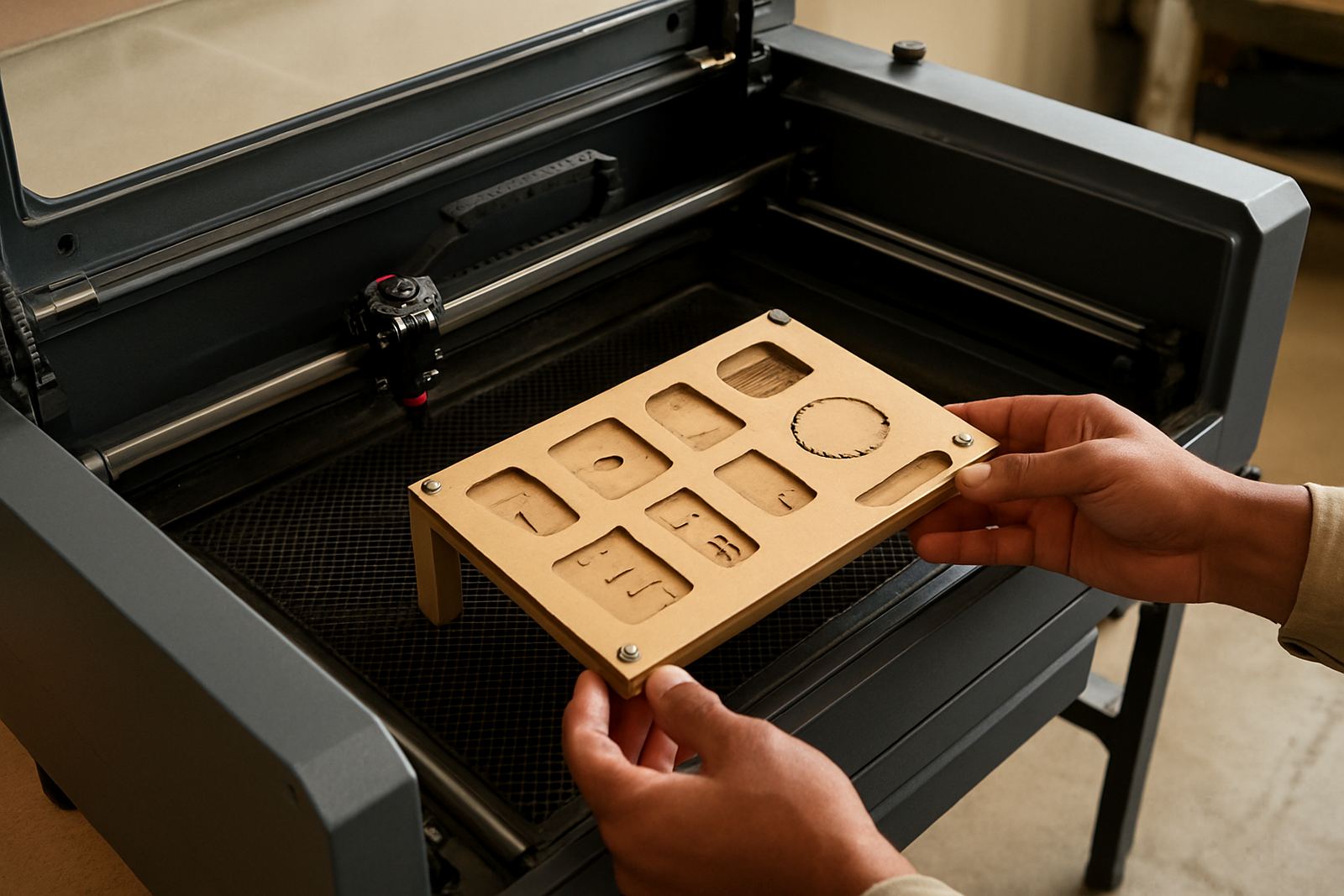
- Material testing and sample cutting
- Focus checks and edge quality review
- Daily cleaning, cooling and extraction checks
- What to do when a cut goes wrong
Training is the cheapest part of long-term ownership
Many owners budget for the machine, installation and spare parts but not enough for operator skill. That is a mistake. A trained team protects the investment, keeps production moving and reduces the chance of costly wear. It also helps the business serve more customers without depending on one person who knows everything.
In South African conditions, that matters. Power interruptions, humidity, dust and varied material quality all affect output. Training gives your team the judgement to respond properly when conditions change. If the job is urgent, that judgement can be the difference between delivering on time and remaking the whole order.
For workshops in Johannesburg and beyond, the value is simple: less waste, better cuts, safer working habits and a team that can actually keep up with demand. That is worth far more than the time spent in training, and it shows in the finished work.