
When the queue grows faster than the machine can clear it
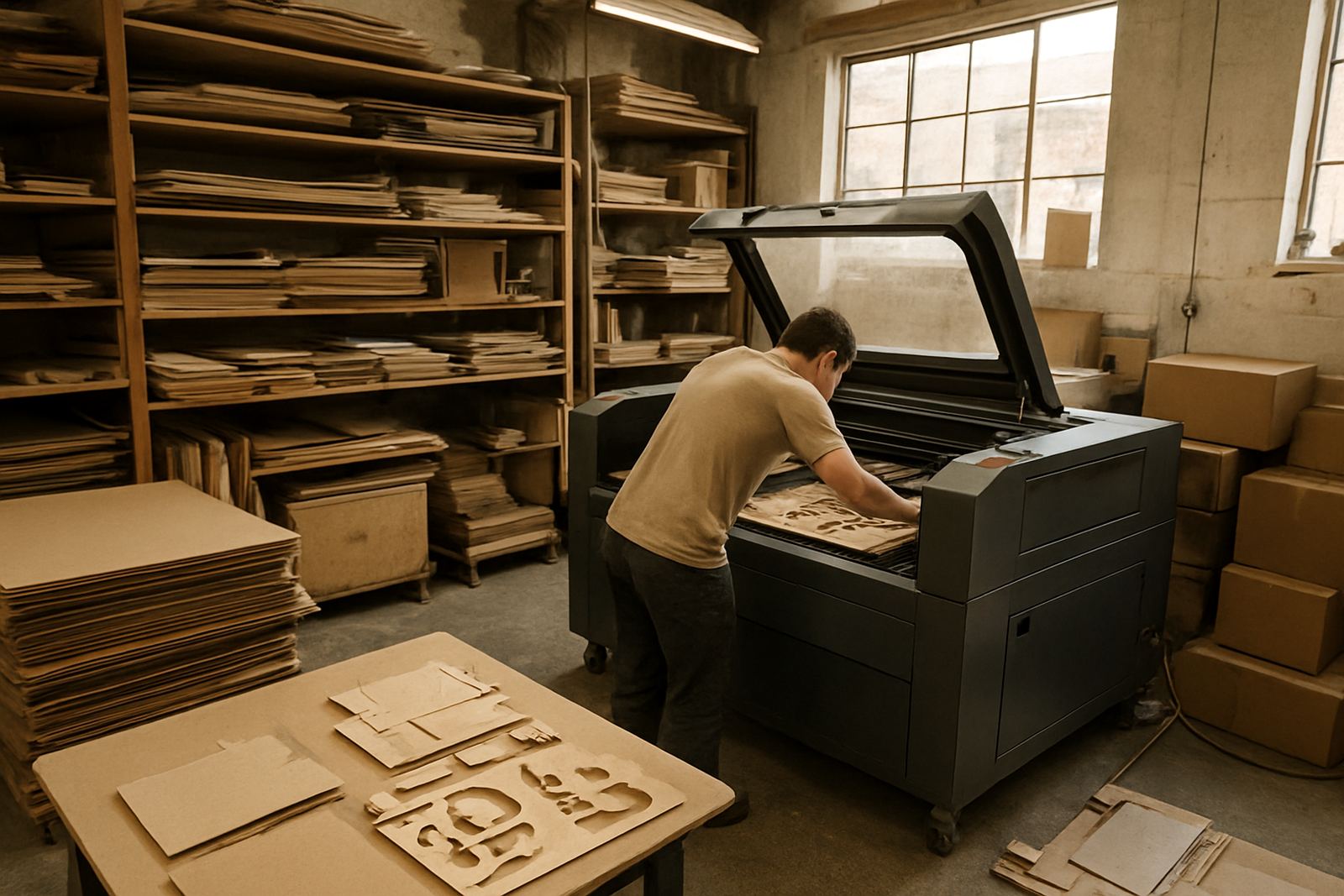
The clearest sign that you need to upgrade is simple: work is waiting. If your cutter is running flat out from the first order of the day and you still have jobs left after knock-off, the machine is no longer sized for your output. That often shows up in small signs first, like pushing deadlines, moving jobs to after-hours, or turning away repeat orders because the turnaround is too tight.
In Johannesburg, many workshops start with a unit that handles custom pieces and light production well. Then the demand changes. A sign maker adds more acrylic panels, a maker starts supplying schools and shops, or a leather business takes on larger batches. Once you are cutting more metres per week than the machine was bought for, the bottleneck becomes obvious. The work is there, but the system cannot keep up.
- Jobs are regularly waiting overnight to be cut
- Staff are working around the machine instead of planning from it
- You are taking less profitable work because it is quicker to quote than produce
- Machine time is fully booked before the week ends
When cut quality starts costing you time and material
A smaller or older laser can still cut well, but only if it is maintained and matched to the material. If you are seeing more edge scorch, uneven corners, or parts that need re-cutting, the issue may be capacity as much as maintenance. On acrylic, a slower machine can leave extra heat marks. On wood, repeated passes can mean more smoke staining and more sanding. On leather, poor control can affect the finish and waste costly stock.
If your operators are spending too much time cleaning up parts, the real cost is not only the offcut bin. It is labour, rework and missed delivery dates. In many cases a larger bed size or faster gantry speed helps because jobs can be nested better and completed in fewer passes. You do not need a bigger machine for every business, but once the rework starts eating into your margin, it is worth a hard look.
- More sanding, polishing or hand finishing than before
- Parts that no longer fit cleanly on the first run
- Customers asking why edges look different from batch to batch
- Material waste rising even though orders are staying the same
When job size no longer fits the bed or the workflow
A lot of South African workshops keep a machine that was ideal for samples and small runs, then try to stretch it into full production. That works for a while, but once you are handling larger signage, furniture details, packaging inserts or layered decorative work, the bed size starts dictating your workflow. If you are slicing larger sheets into smaller sections just to fit the machine, that is a clear sign the equipment is limiting production.
The same applies to repeat work. If you cut the same shape ten times a week, and each job needs manual repositioning, the time loss adds up quickly. A larger system can reduce handling, improve nesting and free up staff for packing, prep and finishing. In a busy Wynberg workshop, that can be the difference between one operator keeping up and needing a second person just to move material around.
- You split sheets only because the machine bed is too small
- Operators spend too much time setting up each run
- Large orders are broken into too many separate cuts
- Storage, offcut handling and part sorting are becoming messy
When power cuts and downtime start changing your delivery promises
Load-shedding has made machine planning a fact of life. If your current cutter takes longer to complete each job, any interruption has a bigger effect on the day. A short outage can turn into lost time on warm-up, alignment checks and operator reset. If you are relying on a backup power solution, the load on that system matters too. Older or smaller machines may seem easier to keep going, but they can drag the entire day out when the schedule is tight.
Downtime is also more than a power issue. If the machine needs frequent beam alignment, optics cleaning or extraction attention, it will interrupt production at the wrong time. When maintenance becomes a weekly rescue effort instead of scheduled servicing, the machine is telling you something. Sometimes the best fix is not one more repair, but a move to equipment that suits the pace of the business.
- Load-shedding turns one missed hour into a half-day delay
- Recovery after outages is taking longer than before
- Maintenance calls are happening too often
- Your delivery dates are being based on hope, not capacity
What to check before you decide on a bigger machine
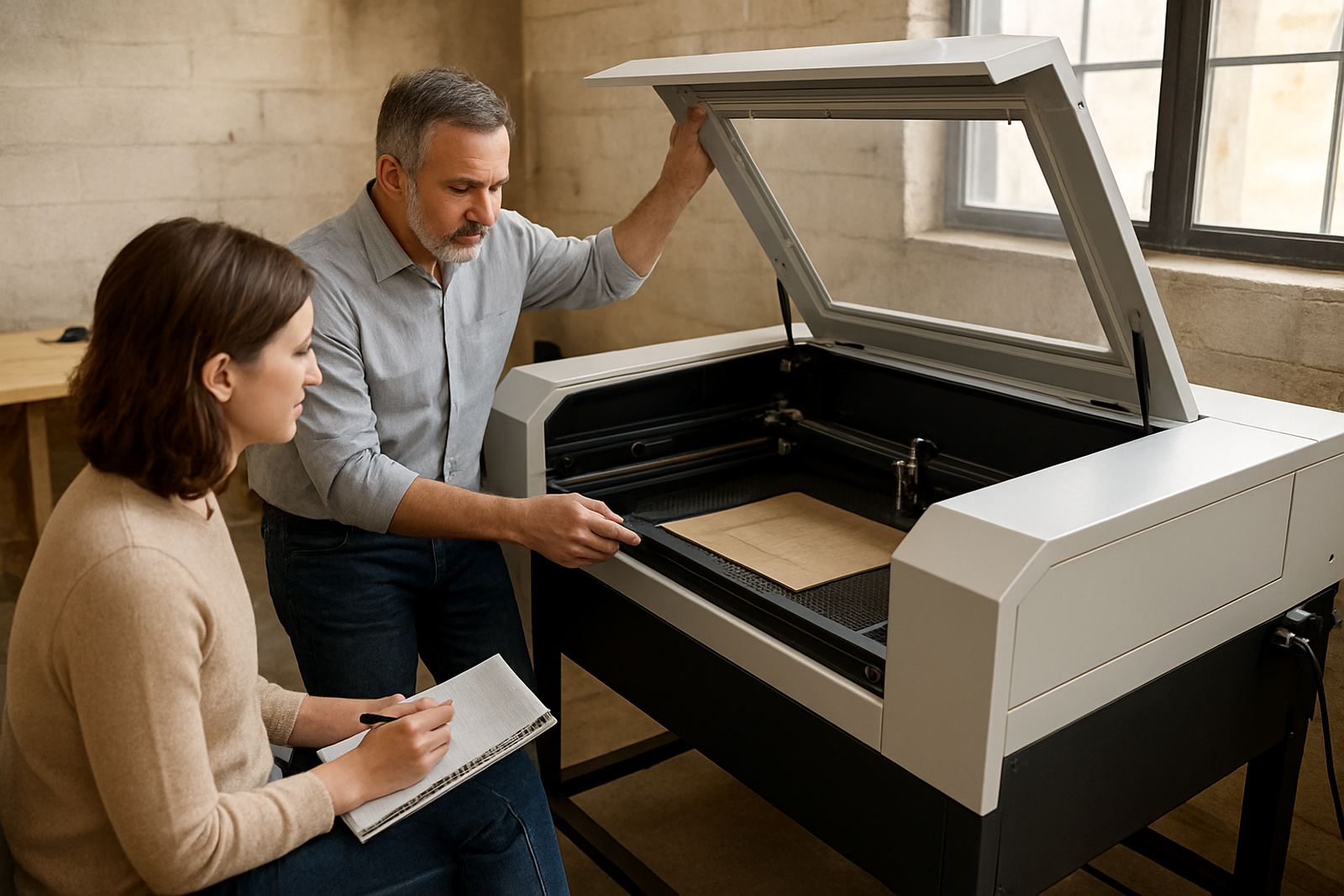
Upgrading is not only about buying something larger. It is about choosing a machine that matches your material mix, monthly volume and operator skill level. A workshop cutting mainly acrylic has different needs from one working in wood, leather or mixed materials. You also need to think about extraction, cooling and the space available for loading sheets. In coastal areas like Durban or Cape Town support zones, humidity can also affect storage and material handling, so that should be part of the plan too.
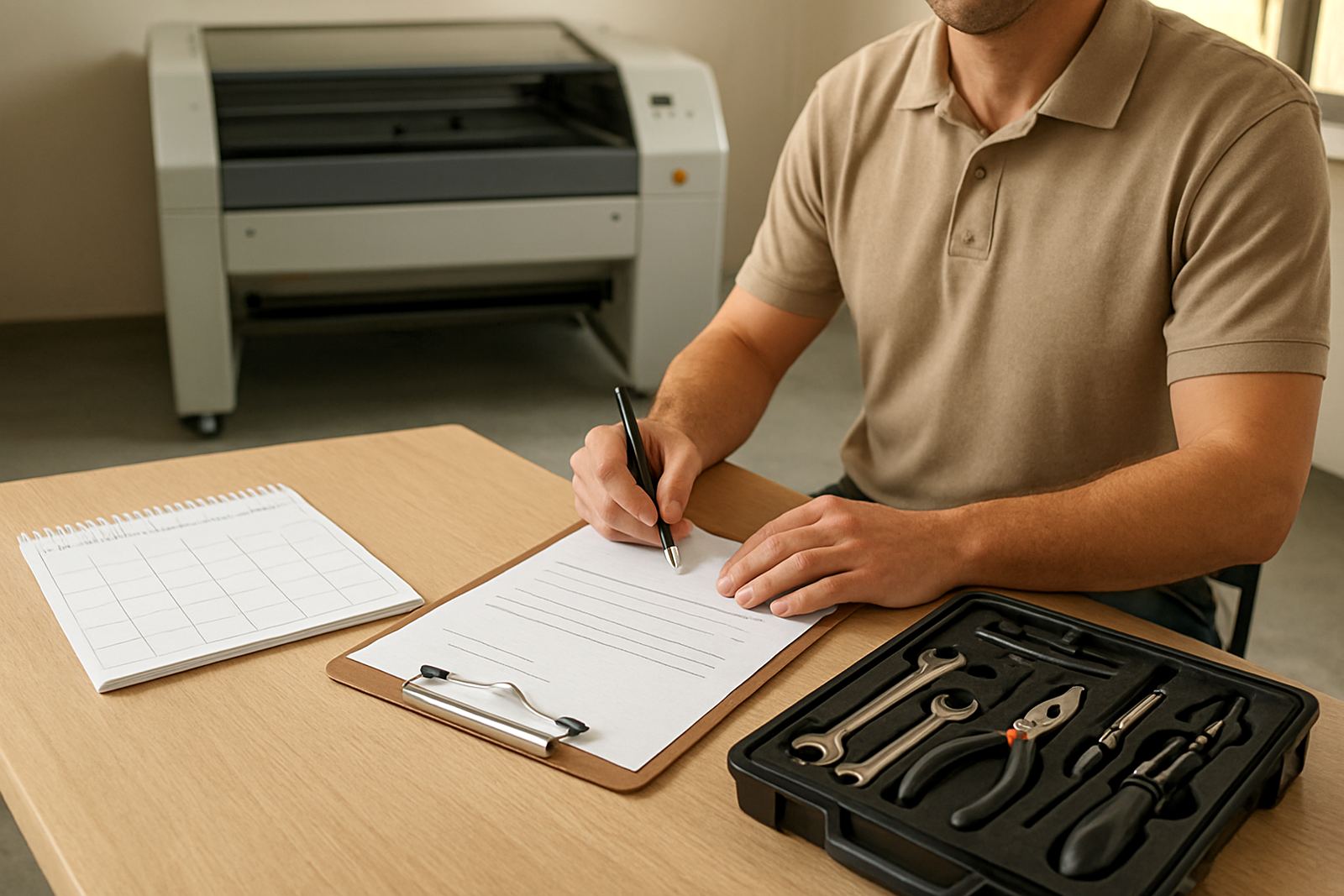
Before you move, look at the real numbers. Count how many hours the machine runs in a normal week, how many jobs are repeated, and how often customers ask for quicker turnarounds. If the machine is already close to its limit, a better sized system will pay for itself in time saved and fewer missed orders. It is better to make that call before the pressure builds and the whole team is rushing every Friday afternoon.
- Track machine hours for two to four weeks
- Note which jobs cause the most delay
- Check whether extraction and cooling can support a faster unit
- Measure how much manual handling the team is doing now
A local example from small-batch work to steady production
A maker in the Sandton area started with a compact cutter for sample runs and custom gifts. At first it was more than enough. Then orders grew through local retailers, event work and online repeat clients. The machine was still cutting accurately, but the operator was running jobs into the evening, and one missed delivery started affecting the next week’s bookings. The problem was not poor workmanship, it was capacity.
After reviewing order volume, material sizes and turnaround targets, the business moved to a larger system and improved the support routine around it. The difference was immediate. Sheets were nested better, batch work moved faster and the team could quote with more confidence. That is usually the point where an upgrade makes sense, not when the old machine has failed completely, but when it is holding the business back from its next level of work. The pressure comes off and the numbers start to make sense again.