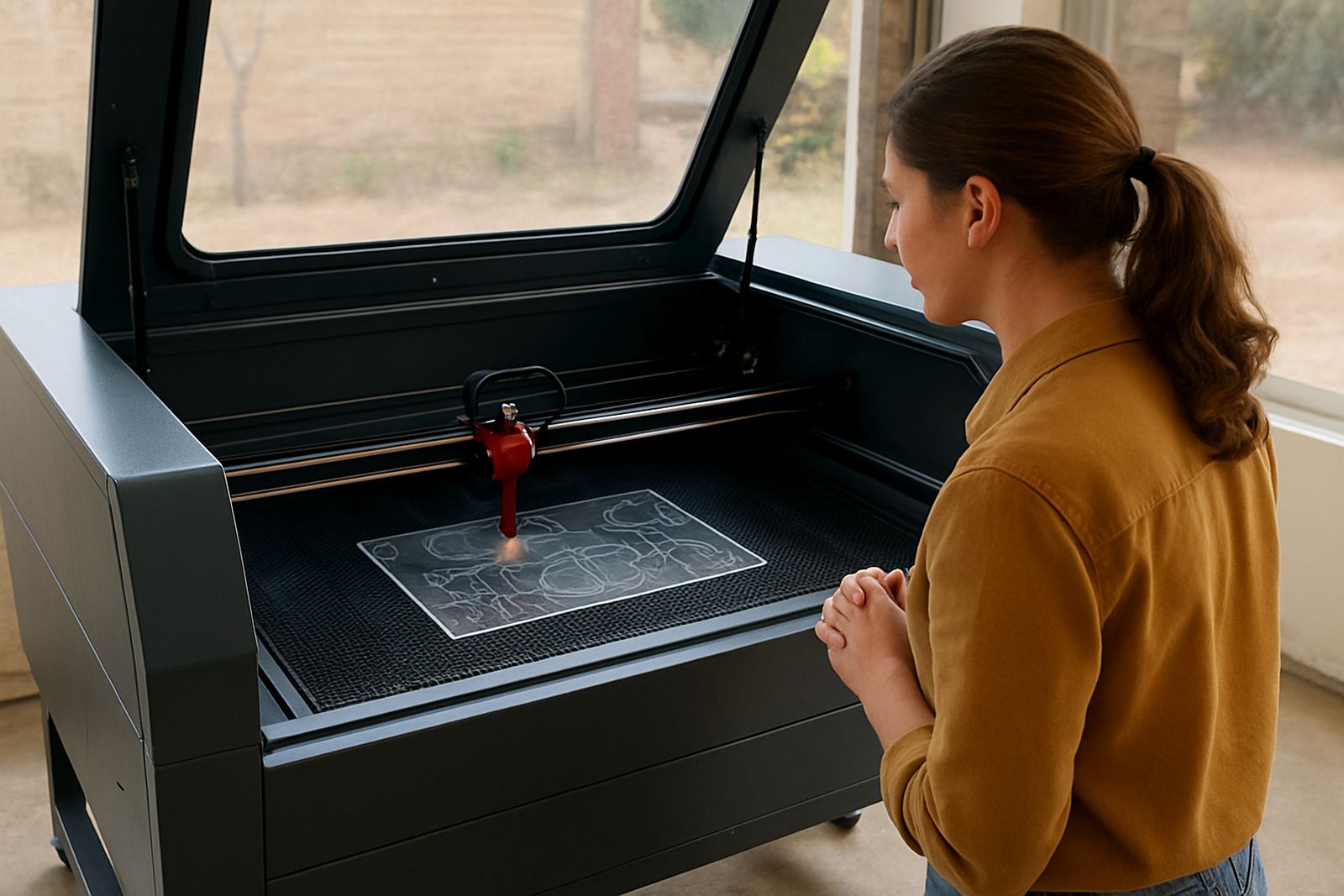
A live cut shows the real finish, not a promise
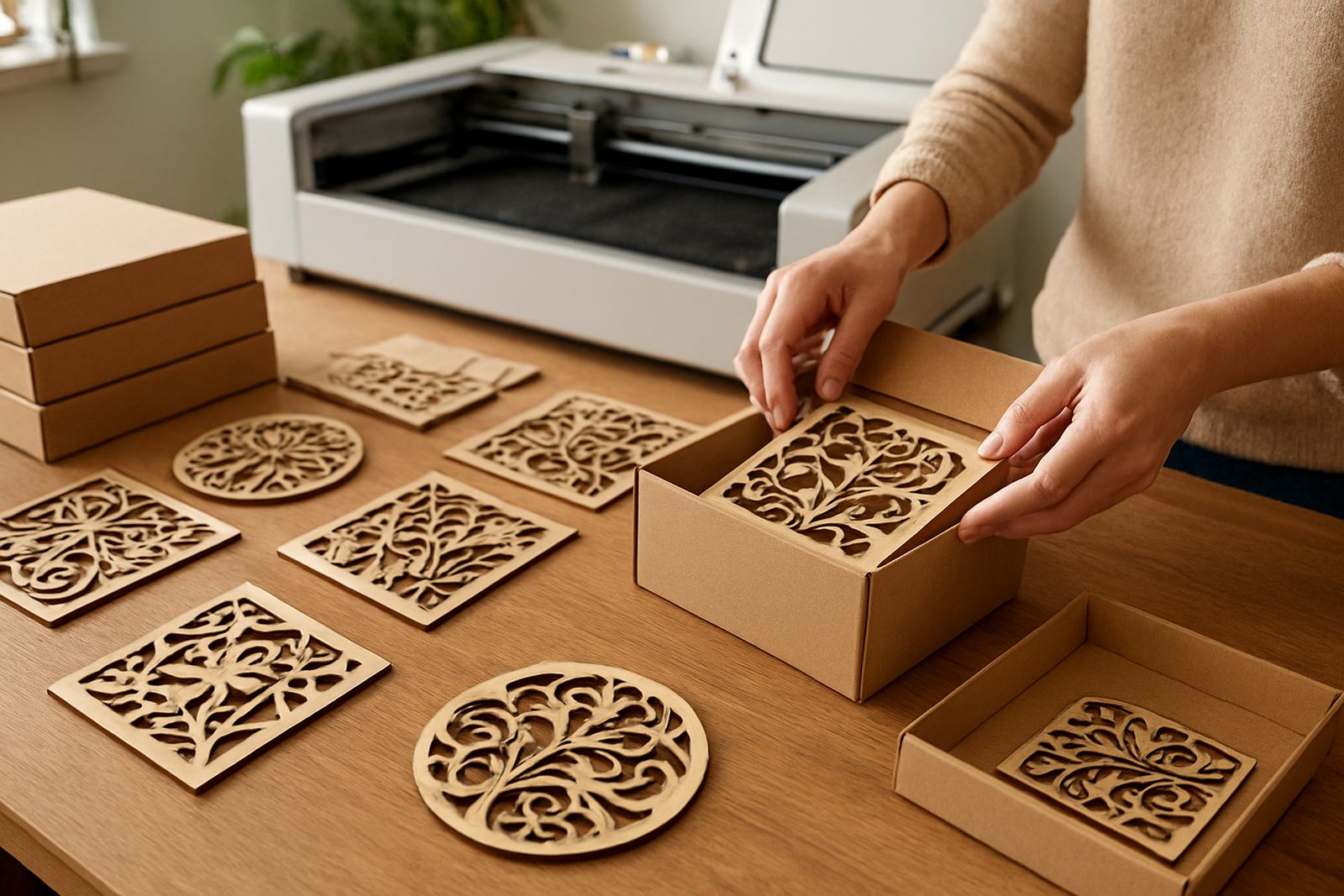
On paper, most laser cutters sound similar. The real difference only shows when the beam meets the material. A live demo lets you see the edge on acrylic, the burn line on wood and the detail retention on leather. You can stand there and check whether the cut is clean enough for your own work, or whether extra sanding, polishing or cleanup will still be needed.
This matters because finished quality is not just about wattage. Lens condition, beam alignment, extraction, cooling and machine speed all affect the result. A demo gives you proof of how the machine handles your material thickness, whether it is 3 mm acrylic for signage or thicker sheet for production runs. You see the difference in the room, not later at your workshop.
Speed only counts when it suits your workload
Many buyers ask how fast the machine is, which is fair. But speed without context can mislead. A machine may run quickly on a small sample and still struggle on your full-size parts, especially if you need repeat accuracy over a full day. During a demo, you can test the cut on shapes you actually use, not just a neat square or circle.
- Check how long it takes to cut a small batch of parts
- See whether edge quality stays consistent as the job progresses
- Compare slower precision settings against faster production settings
- Ask what changes when material thickness increases
This is where many Johannesburg buyers save money. A machine that looks fine in a showroom may not suit a business running long hours, load-shedding schedules and urgent turnaround work. A demo makes the practical choice clearer.
Bring your own material and test the jobs that matter
The best demo is the one based on your own material. If you work with local acrylic sheets, offcuts from sign jobs, or vegetable-tanned leather, bring samples along. That way you can test the exact colour, thickness and finish you use every week. It also helps to bring one difficult item, such as a design with tight corners, fine lettering or small cut-outs.
At our Wynberg demo room in Johannesburg, buyers often arrive with a bundle of sample pieces and a notebook full of measurements. That is a sensible approach. You can compare kerf width, sharp corners and nesting space, then decide whether the machine suits your actual production style. It also shows whether your team will need changes to file prep, spacing or extraction habits.
- Take at least one sample from your usual supplier
- Include a part with fine detail and one with a larger cut area
- Bring the thickness you use most often, plus one heavier option
- Note any finish requirements such as painting, gluing or edge polishing
Training starts before the machine arrives
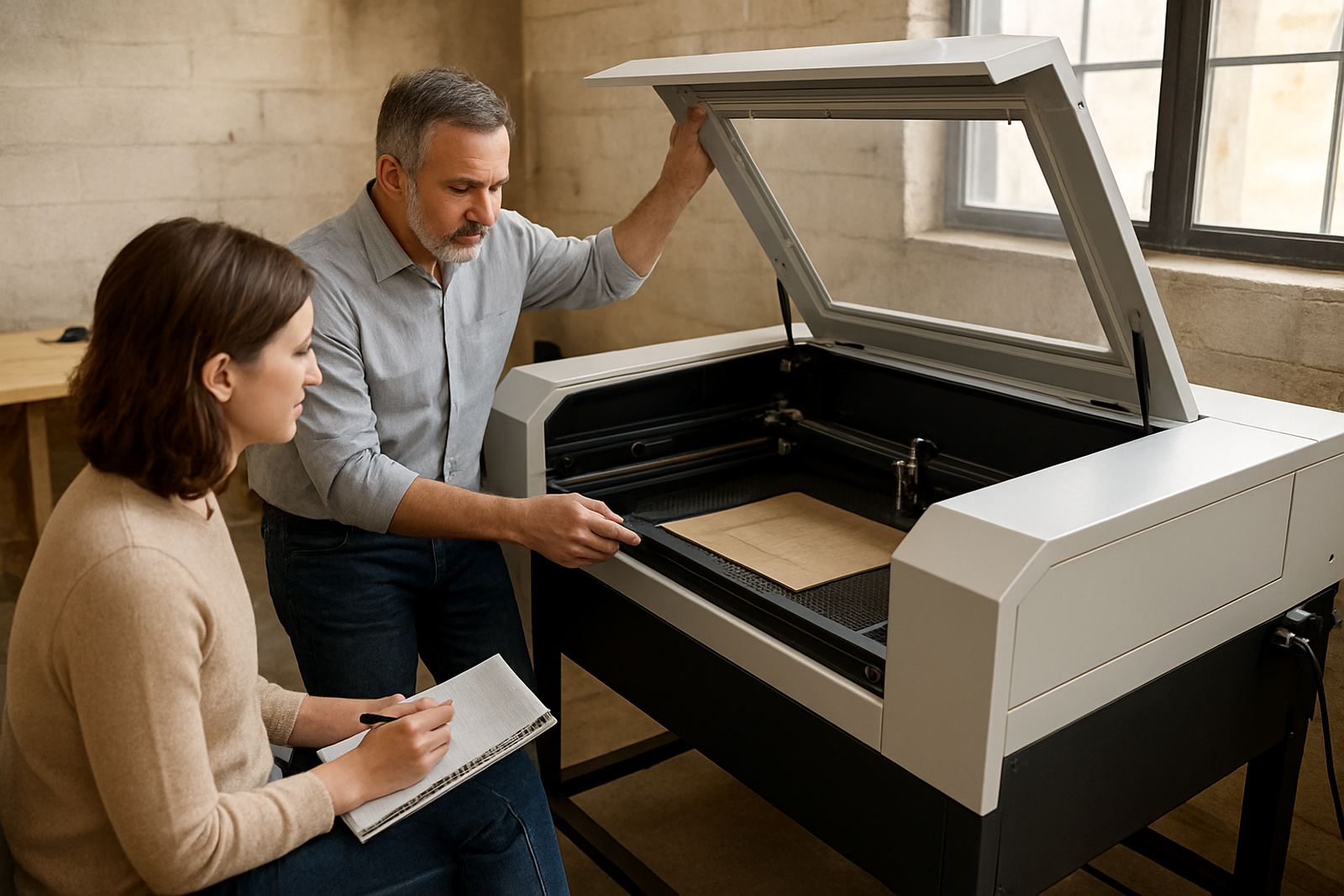
A demo is not only about the cut itself. It is also the first step in operator training. You can see how the controls work, how the bed is loaded, how the focus is set and what needs checking before each job starts. That hands-on exposure makes installation day easier and reduces mistakes once the machine is on your floor.
For businesses in Pretoria, Midrand or the East Rand, this can save a lot of time. If the operator knows how to set up a job properly from day one, there is less wasted material and fewer call-outs for avoidable issues. It also helps managers understand who in the team can handle routine tasks, and where a backup person is needed. A short demo can prevent a lot of pratical frustration later.
We find that buyers often ask better questions after they have watched a live run. That includes questions about extraction, cooling, optics cleaning and daily shutdown steps, which are all part of keeping the machine consistent.
A local example from a busy workshop in Wynberg
Consider a small Johannesburg workshop that makes engraved gifts and acrylic signage for corporate clients. The owner may be deciding between two machine sizes, with one option taking up less floor space and another offering a larger bed. On paper, the smaller unit may seem cheaper and easier to fit in. During a demo, though, the buyer may discover that the smaller bed creates extra joins, slower nesting and more handling.
That same buyer might also see how the machine handles a humid week, or how material behaves after being stored overnight in the warehouse. In coastal areas such as Cape Town or Durban, humidity can affect certain woods and leather more noticeably, while in Gauteng the main concern may be dust, power interruptions and workshop temperature. A live demo is the safest way to judge how the machine fits your actual conditions, not just a showroom setting.
What to ask during the demo so you leave with clear answers
Buyers sometimes watch a demo and then leave with the same questions they arrived with. A better approach is to go in with a simple list. Ask about maintenance, consumables, spares supply and the expected interval for alignment checks. If your work runs most days of the week, ask how the machine handles repeated use and what support looks like after installation.
- What material thickness was used in the test cut?
- How often should optics be cleaned and checked?
- What happens if the machine needs support after hours?
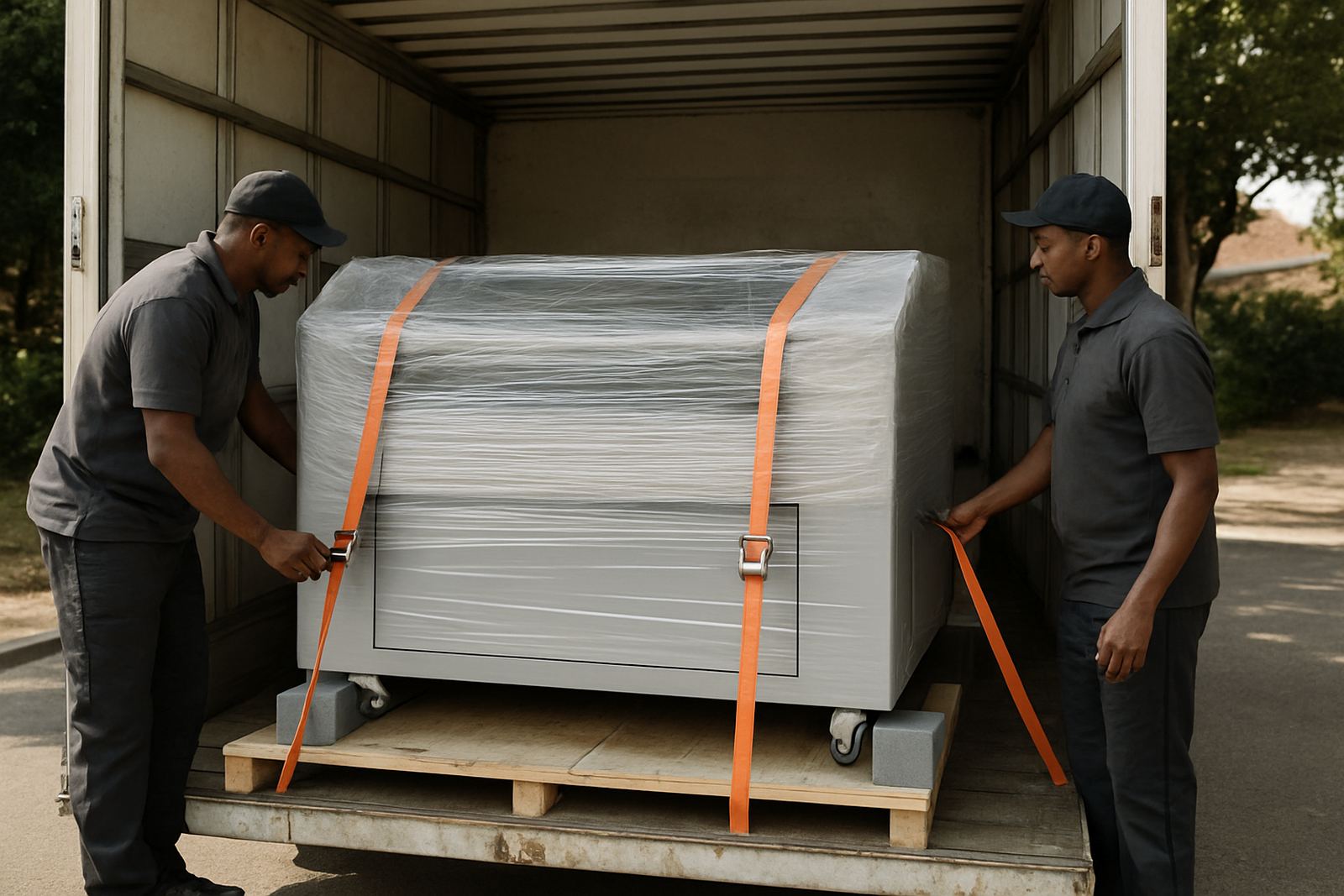
- Can the unit be relocated later if the workshop layout changes?
- What is included in preventive maintenance and annual service planning?
The right demo should leave you with practical answers, not vague reassurance. It should also show whether the machine suits your pace, your team and your budget in Rand.
Why demo first is the safer buying step
A laser cutter is not a casual purchase. It becomes part of your production line, your deadlines and your customer promise. Demo first gives you a chance to test fit before money changes hands. You see the finish, understand the workflow and judge whether the machine will support the kind of work you want to take on.
For businesses across South Africa, from Sandton and the West Rand to Durban and Cape Town, that matters. Installation, operator training and after-sales support all work better when the buying decision is based on real evidence. A short live session can save weeks of regret. It also gives the team confidence that the machine in front of them can do the job they need, day after day.